September 1, 2026 · 4 min read
Do you always try the street food when you visit a new country? For many, the answer is a resounding 'yes,' but the real question is: are you tasting the *right* street food? Beyond the famous fried noodles or ubiquitous tacos lie a world of culinary narratives, dishes steeped in centuries of history, unique geology, or profound cultural shifts.
These aren't just meals; they're edible archives, each bite a whisper from the past. We've curated a list of lesser-known street food experiences that offer more than just flavor – they offer a genuine connection to the soul of a place, far from the well-trodden tourist paths.

1. The Devotion in a Bowl
Merkato, Addis Ababa, Ethiopia
The world's largest open-air market hosts a dish that tastes like devotion.
During Orthodox Christian fasting periods, *shiro wat* becomes a staple, a rich chickpea stew served with *injera*. Merkato, a sprawling labyrinth of commerce, has countless small stalls where families have perfected their recipes for generations, reflecting a culinary heritage deeply intertwined with faith and community.
2. The Sizzling River Tale
Can Tho, Mekong Delta, Vietnam
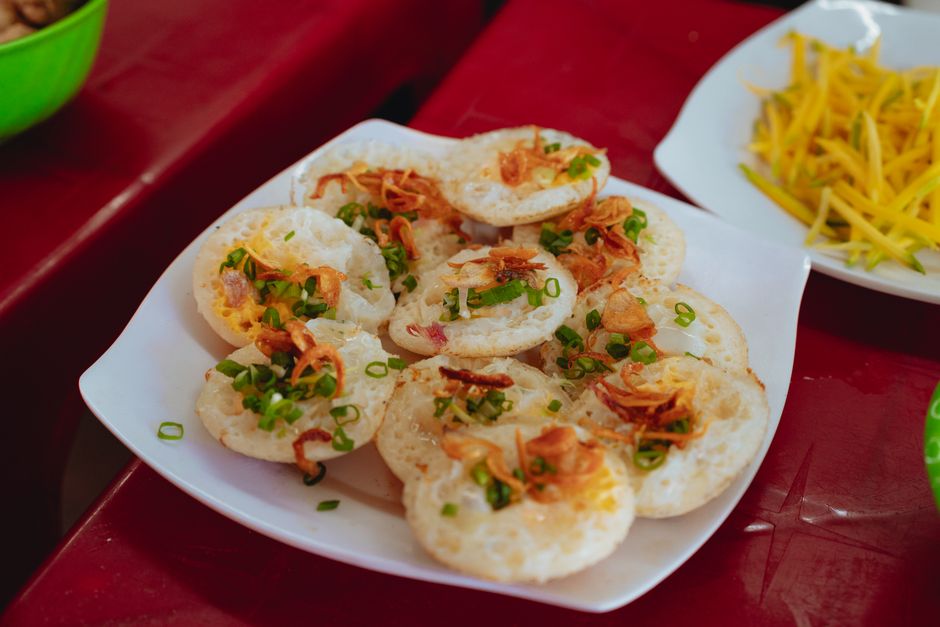
This crispy pancake whispers tales of river life and French colonial ingenuity.
*Banh xeo* in the Mekong Delta is famously made with fresh coconut milk from the region's abundant palms, giving it a unique richness. Often cooked over open flames in street-side stalls, its name, 'sizzling cake,' comes from the sound it makes when the batter hits the hot pan, a sound that has echoed through the delta's markets for decades.
3. Skewered History
Barranco, Lima, Peru
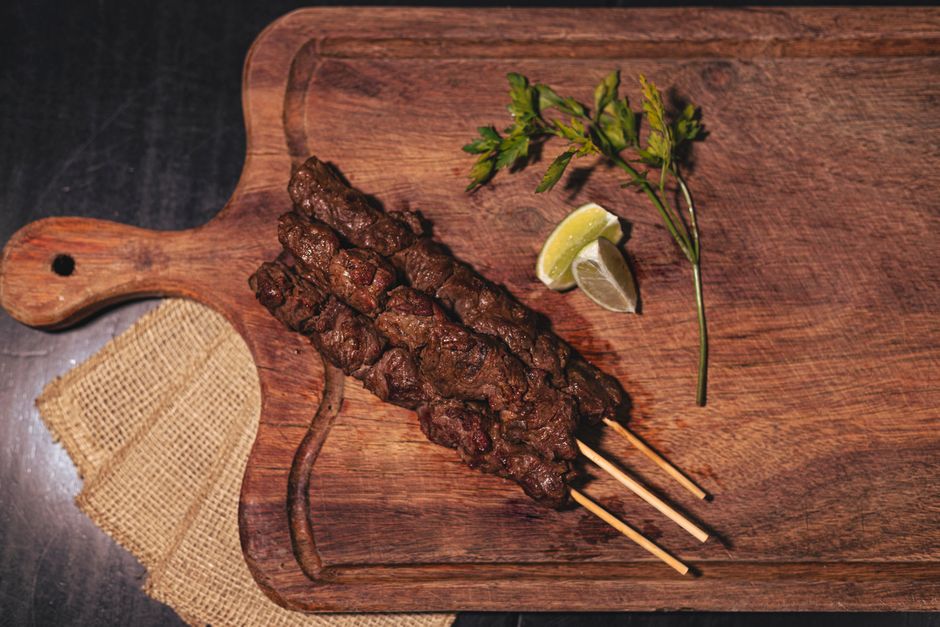
A street food staple with roots in Incan rituals and colonial adaptation.
*Anticuchos* trace their origins back to the Inca Empire, where the heart of sacrificed llamas was offered to the gods. When the Spanish arrived, beef replaced llama, and the dish evolved into the marinated, skewered beef heart widely enjoyed today. In Lima's bohemian Barranco district, many traditional *anticucho* vendors use recipes passed down for centuries, offering a taste of history with every bite.
4. Mussels of the Aegean
Izmir, Turkey
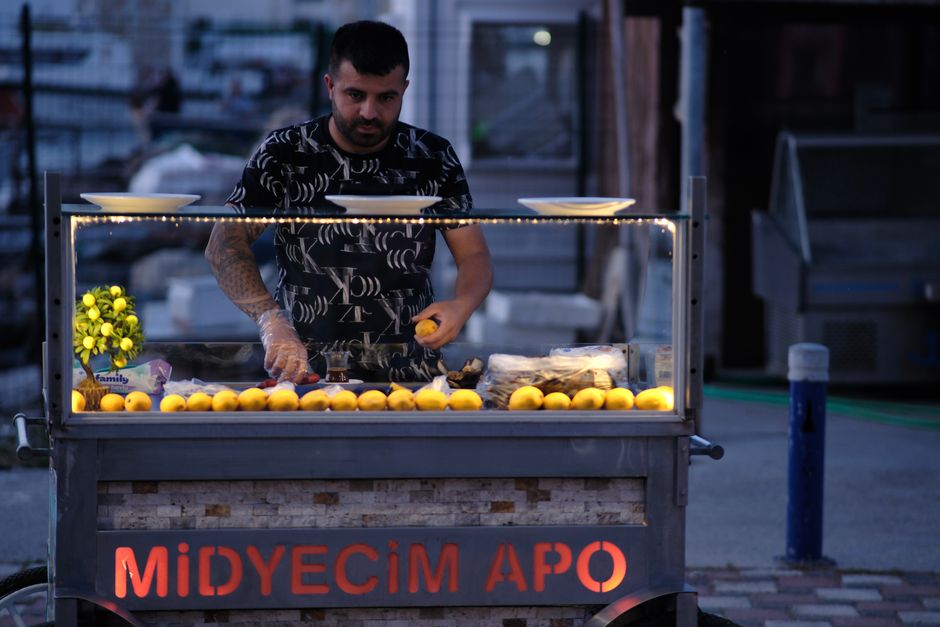
These humble mussels carry the flavors of the Aegean and a surprising Ottoman legacy.
*Midye dolma*, mussels stuffed with aromatic rice, pine nuts, and spices, are a quintessential Izmir street snack. While popular along the Turkish coast, Izmir's version is celebrated for its specific blend of spices, often sold from large, circular trays by vendors near the Kordon promenade. The tradition of stuffing vegetables and seafood reflects a long Ottoman culinary history of elaborate, multi-layered dishes.
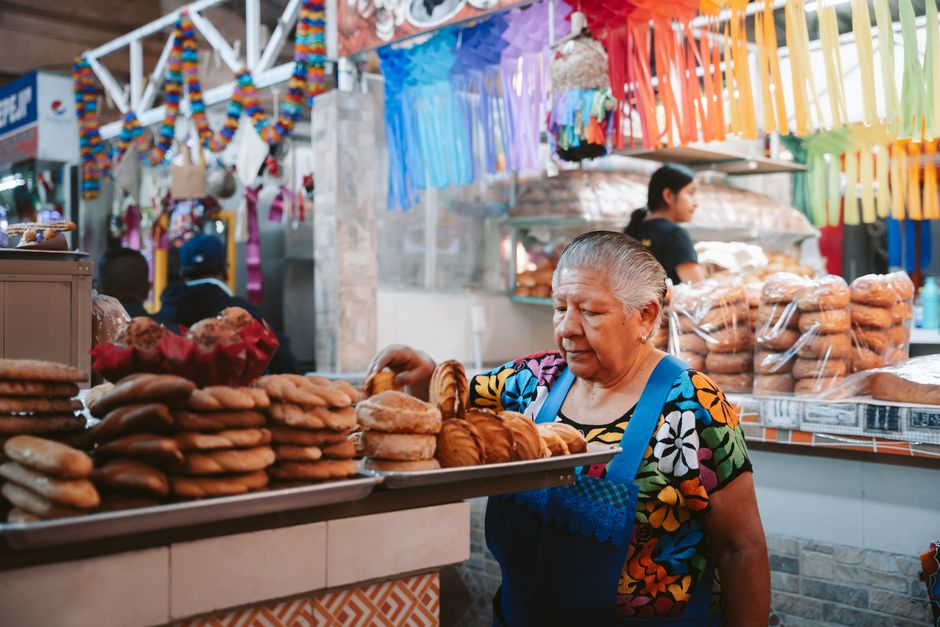
5. The Ancient Blue Corn Snack
Oaxaca City, Mexico
Long before tortillas, this ancient blue corn snack fueled Mesoamerican civilizations.
*Tlacoyos* are oval-shaped, thick corn tortillas traditionally made from blue corn masa, often filled with beans, cheese, or fava beans, and cooked on a *comal*. Originating in pre-Hispanic central Mexico, they predate the modern tortilla and were a fundamental part of the diet for indigenous groups like the Zapotecs. In Oaxacan markets, women still prepare them by hand, carrying forward a culinary art thousands of years old.
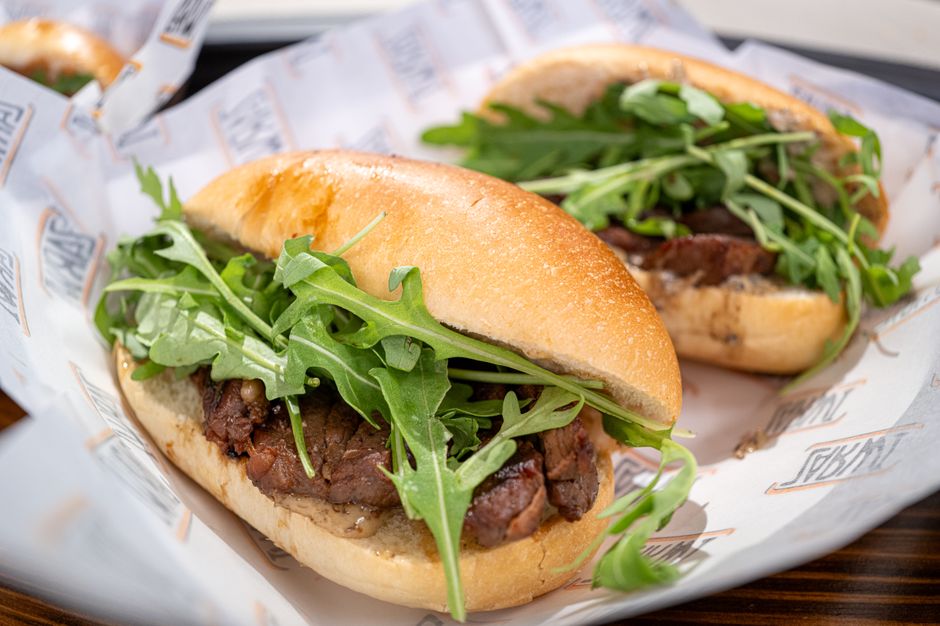
6. The Legendary Pork Sandwich
Vendas Novas, Portugal
This simple pork sandwich achieved national fame thanks to a specific town's secret marinade.
While *bifanas* are found across Portugal, those from Vendas Novas, a town in the Alentejo region, are legendary. The secret lies in a marinade that includes white wine, garlic, and *pimentão* (paprika), which tenderizes the thinly sliced pork before it's quickly pan-fried and served on a crusty roll. This town's specific recipe became so renowned that it elevated a humble sandwich to a celebrated culinary icon.
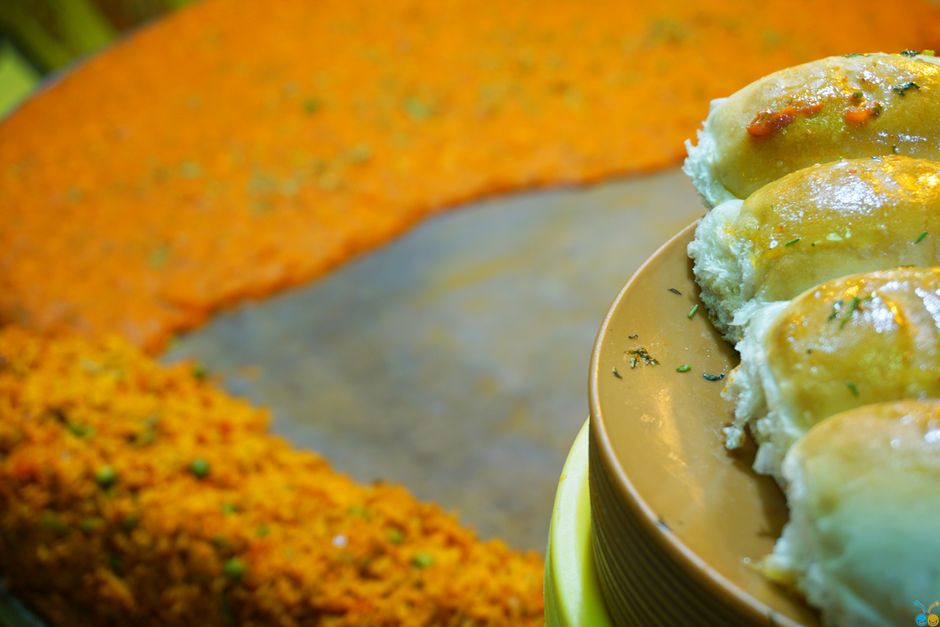
7. Mumbai's Fuel for Industry
Dadar, Mumbai, India
The humble potato fritter sandwich that fueled a city's industrial revolution.
*Vada pav*, a deep-fried potato fritter (vada) nestled in a bread roll (pav), became Mumbai's iconic street food due to its affordability and convenience for textile mill workers in the 1960s. Near Dadar station, one of the busiest railway hubs, countless vendors continue to serve this quick, spicy meal, often accompanied by various chutneys. It's more than food; it's a symbol of Mumbai's industrious spirit.
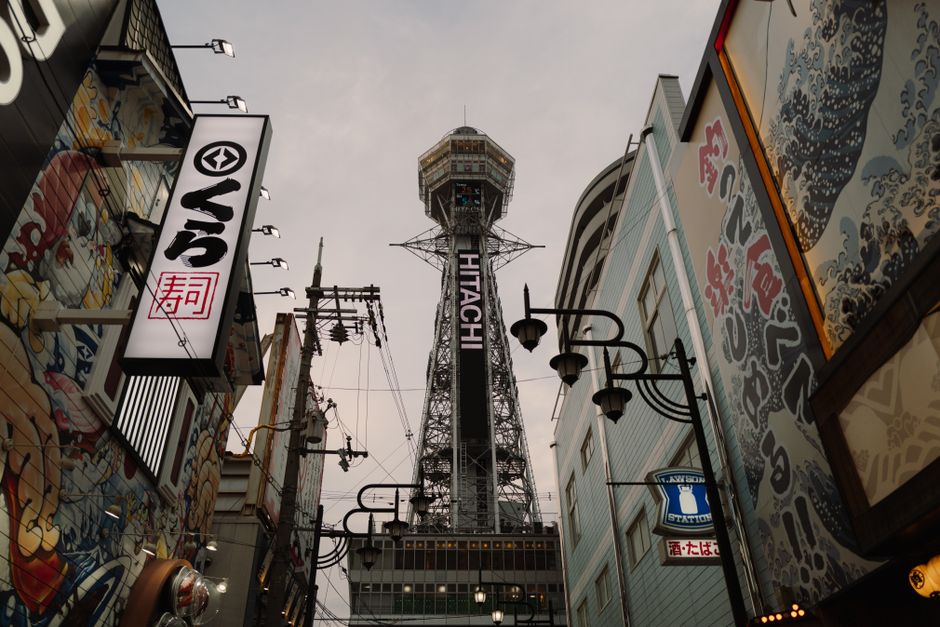
8. Osaka's Resilient Octopus Balls
Shinsekai, Osaka, Japan
These savory octopus balls were born from Osaka's post-war resilience and a chef's ingenuity.
*Takoyaki*, crispy on the outside and gooey inside, filled with diced octopus, ginger, and green onion, originated in Osaka in the late 1930s. A local street vendor named Tomekichi Endo is credited with its invention, evolving from a similar dish called *choboyaki*. In Shinsekai, an older, vibrant district of Osaka, many small, family-run stalls still cook *takoyaki* using specialized griddles, serving them drizzled with sauce and mayonnaise, embodying the city's unique culinary spirit.
Frequently asked questions
Is street food safe to eat in new countries?
Generally, yes, but common sense is key. Look for stalls with long lines, high turnover, and visible cooking processes. Choose freshly cooked items and avoid anything that looks like it's been sitting out for too long.
How can I find the best local street food spots?
Ask locals for recommendations – taxi drivers, hotel staff, or shopkeepers often know the best hidden gems. Observing where locals gather for a quick bite is also a reliable strategy. Online food blogs focusing on specific cities can also be helpful.
What are some tips for enjoying street food as a traveler?
Start small to gauge your stomach's reaction. Carry hand sanitizer, wet wipes, and cash in local currency. Be adventurous with flavors but trust your instincts. Most importantly, embrace the experience as a genuine cultural exchange.
How can AllTours.ai enhance my street food adventure?
Imagine learning the exact origin story of your *bifana* in Vendas Novas or the geological impact on the seafood in Izmir as you eat. AllTours.ai allows you to point your phone camera at a landmark, a market, or even the general area, and it narrates its rich history, geology, and culture in your language, making every bite a deeper discovery.
Related guides
Photography via Pexels. AllTours.ai is an AI audio tour guide — point your camera at any landscape and hear its story.