September 21, 2026 · 4 min read
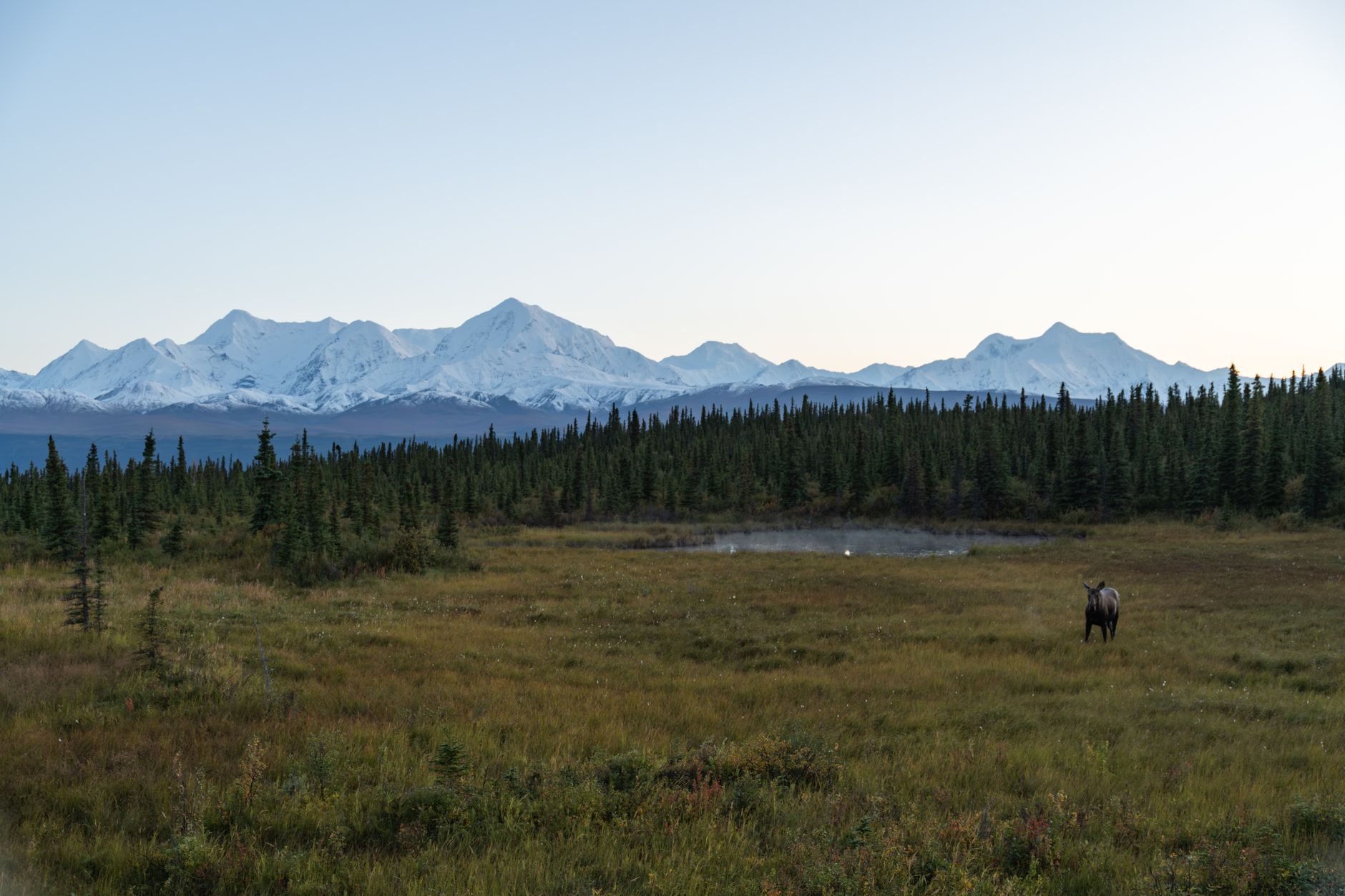
Stepping into the vast, silent beauty of northern forests and mountains brings a unique thrill. But when that wilderness is also home to North America's largest land mammal, the moose, preparedness isn't just wise – it's essential. These magnificent, often solitary creatures command respect, and understanding how to share their domain safely is key to an unforgettable adventure.
Beyond the well-trodden paths, there are countless hidden gems where moose roam freely, offering profound connections to nature and surprising stories etched into the very landscape. We’ve curated a list of genuinely wild spots, each with a unique narrative, where you can marvel at nature’s grandeur while staying mindful of its majestic inhabitants.
1. Island of Predators and Prey
Isle Royale National Park, Michigan, USA
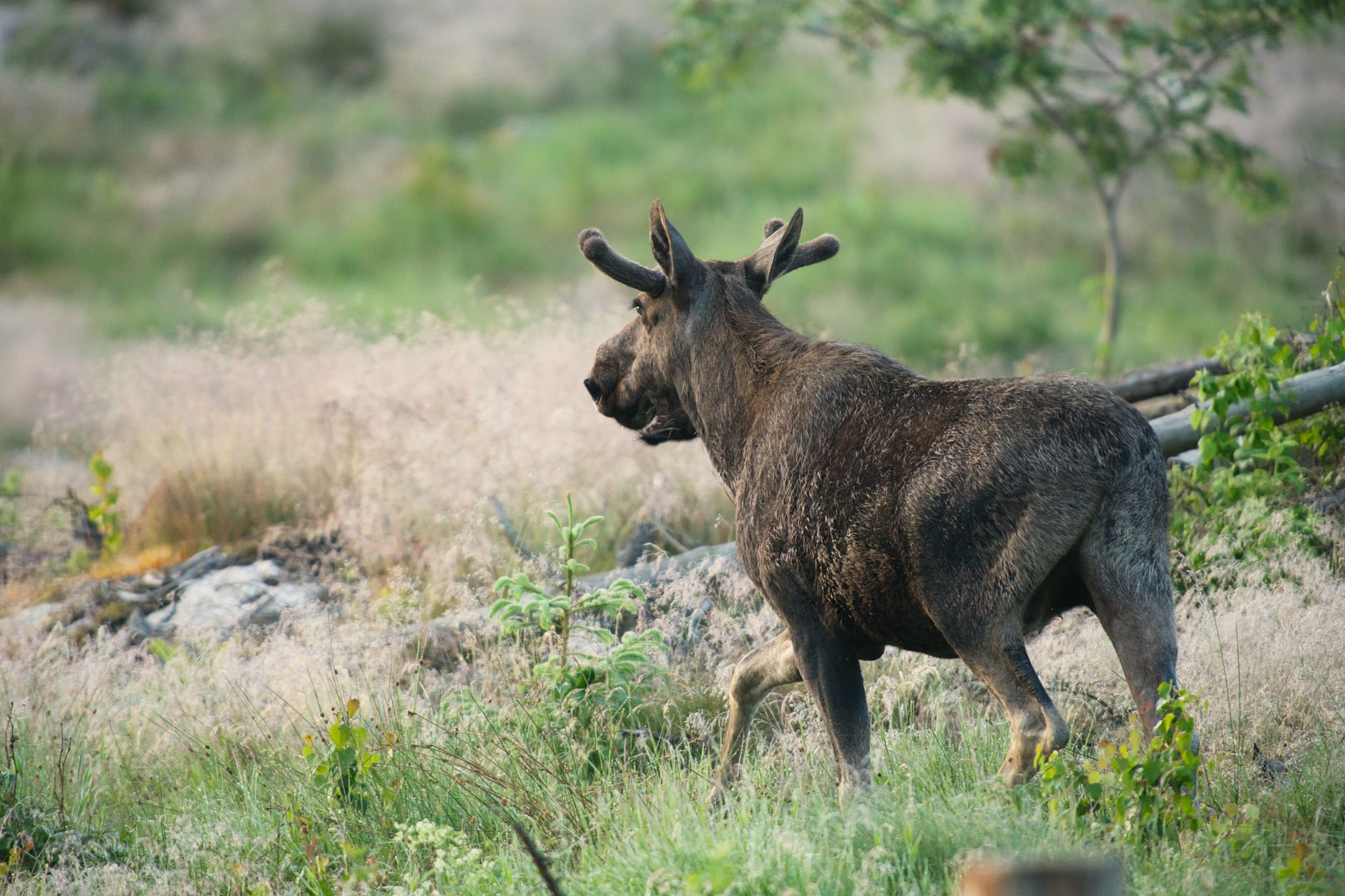
This remote island in Lake Superior hosts the world's longest-running study of wolf and moose populations, revealing a unique predator-prey dance in an isolated ecosystem.
Accessible only by ferry or seaplane, Isle Royale is a roadless wilderness where human impact is minimal. The island's wolf and moose populations have been studied continuously since 1958, providing unparalleled insights into ecological dynamics. Here, you can witness the raw, untamed balance of nature, where moose populations fluctuate dramatically based on the health and numbers of their only natural predator on the island.
2. Europe's Last Untamed Wilderness
Sarek National Park, Sweden
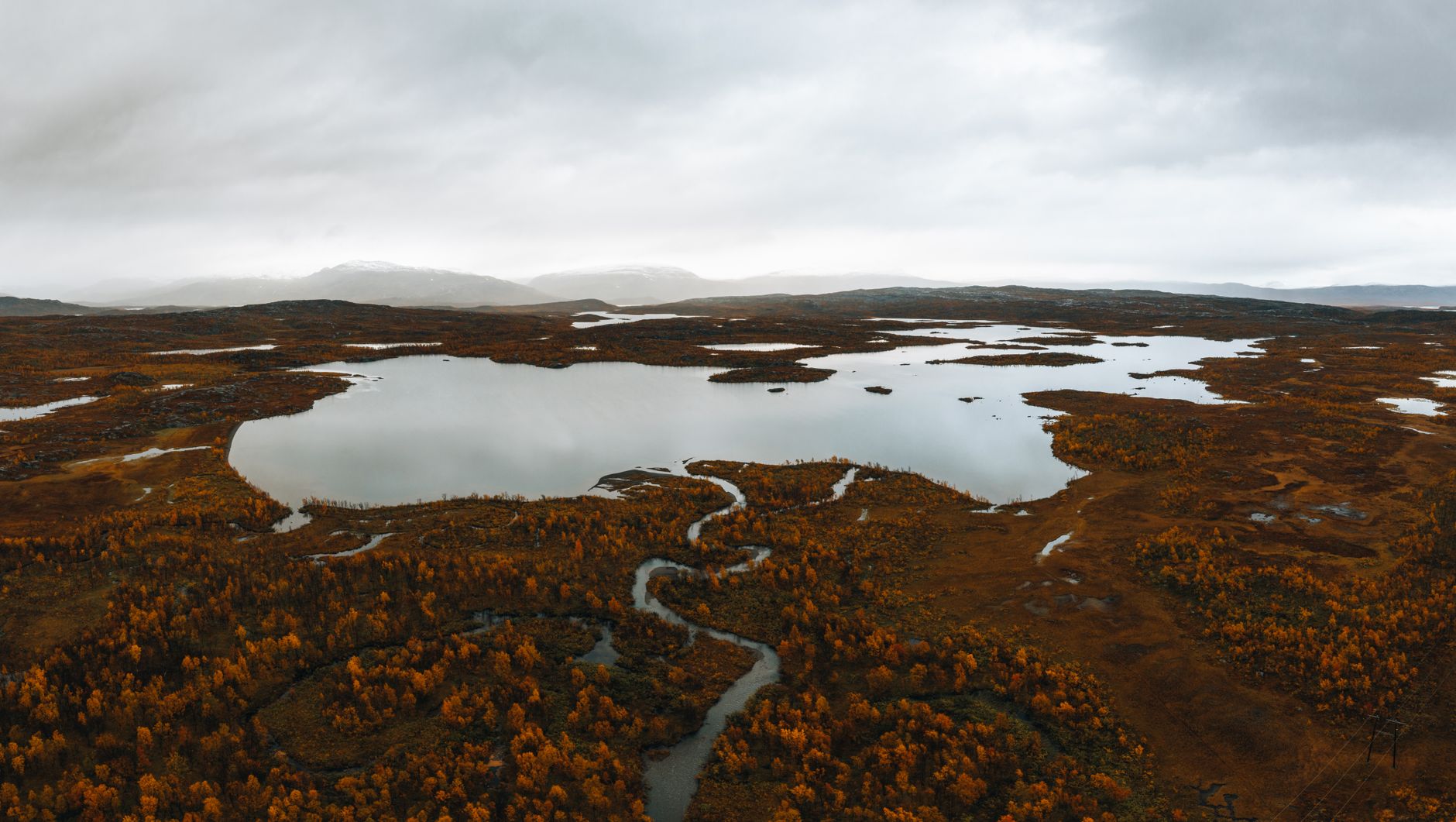
One of Europe's last true wildernesses, Sarek has no marked trails or accommodation, requiring expert navigation through its ancient valleys and glaciated peaks.
Deep in Swedish Lapland, Sarek National Park is a rugged, roadless expanse known for its high peaks, active glaciers, and numerous river deltas. This is a place where nature reigns supreme, offering an unparalleled sense of solitude. The indigenous Sámi people have roamed these lands for millennia, herding reindeer, and their cultural heritage is deeply intertwined with the park's untouched beauty. Navigating Sarek demands experience and respect for its formidable terrain.
3. Walking on Earth's Mantle
Gros Morne National Park, Newfoundland, Canada
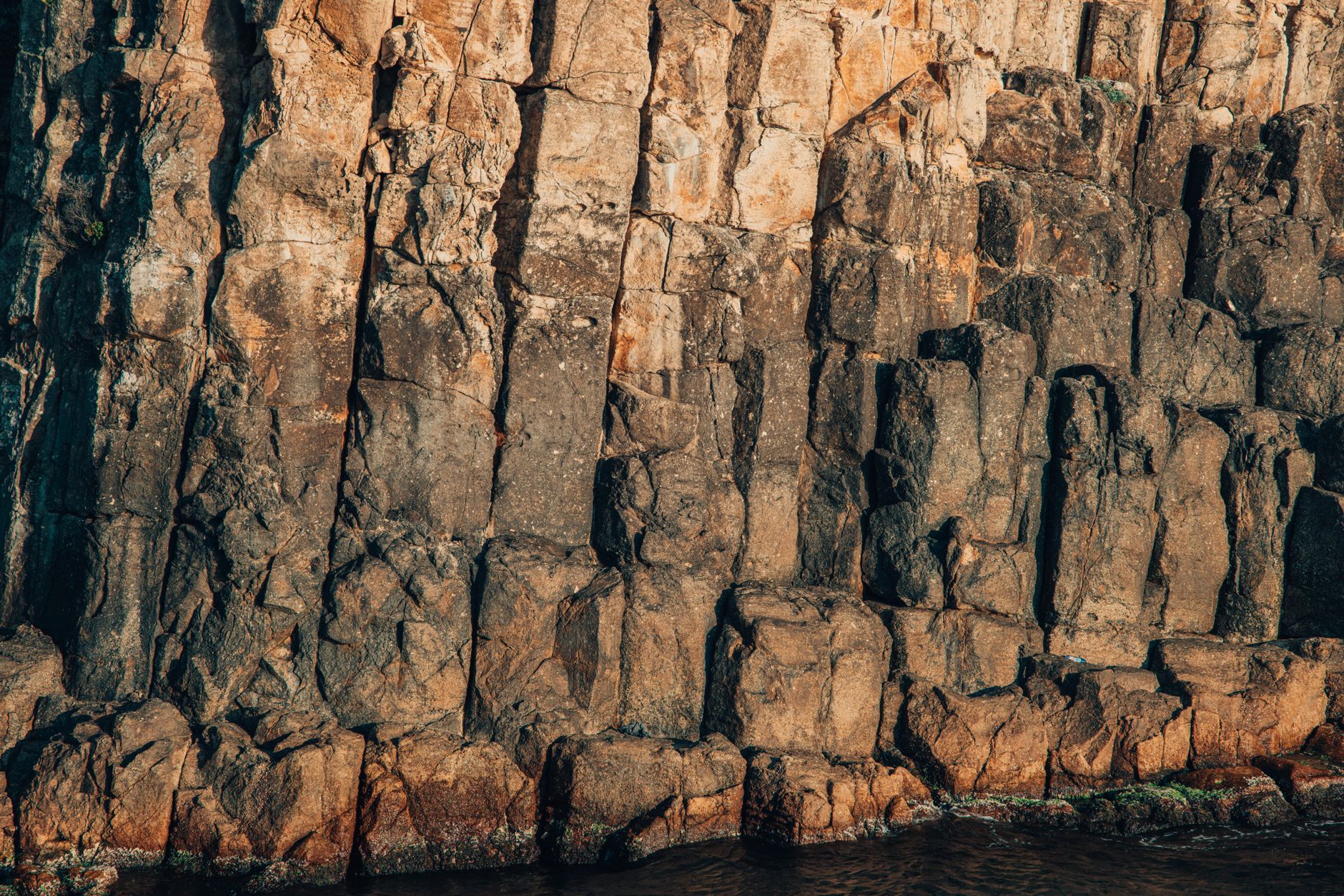
Here, you can literally walk on the Earth's exposed mantle, a geological anomaly that helped prove the theory of plate tectonics.
The Tablelands in Gros Morne National Park are a stark, barren landscape unlike anything else in Eastern Canada. This rust-colored plateau is part of an ophiolite suite, a slice of oceanic crust and the Earth's mantle that was pushed up and exposed during continental collision. It's a living geology lesson, showing rocks normally found miles beneath the ocean floor. The unique composition supports unusual plant life, adding to its otherworldly feel.
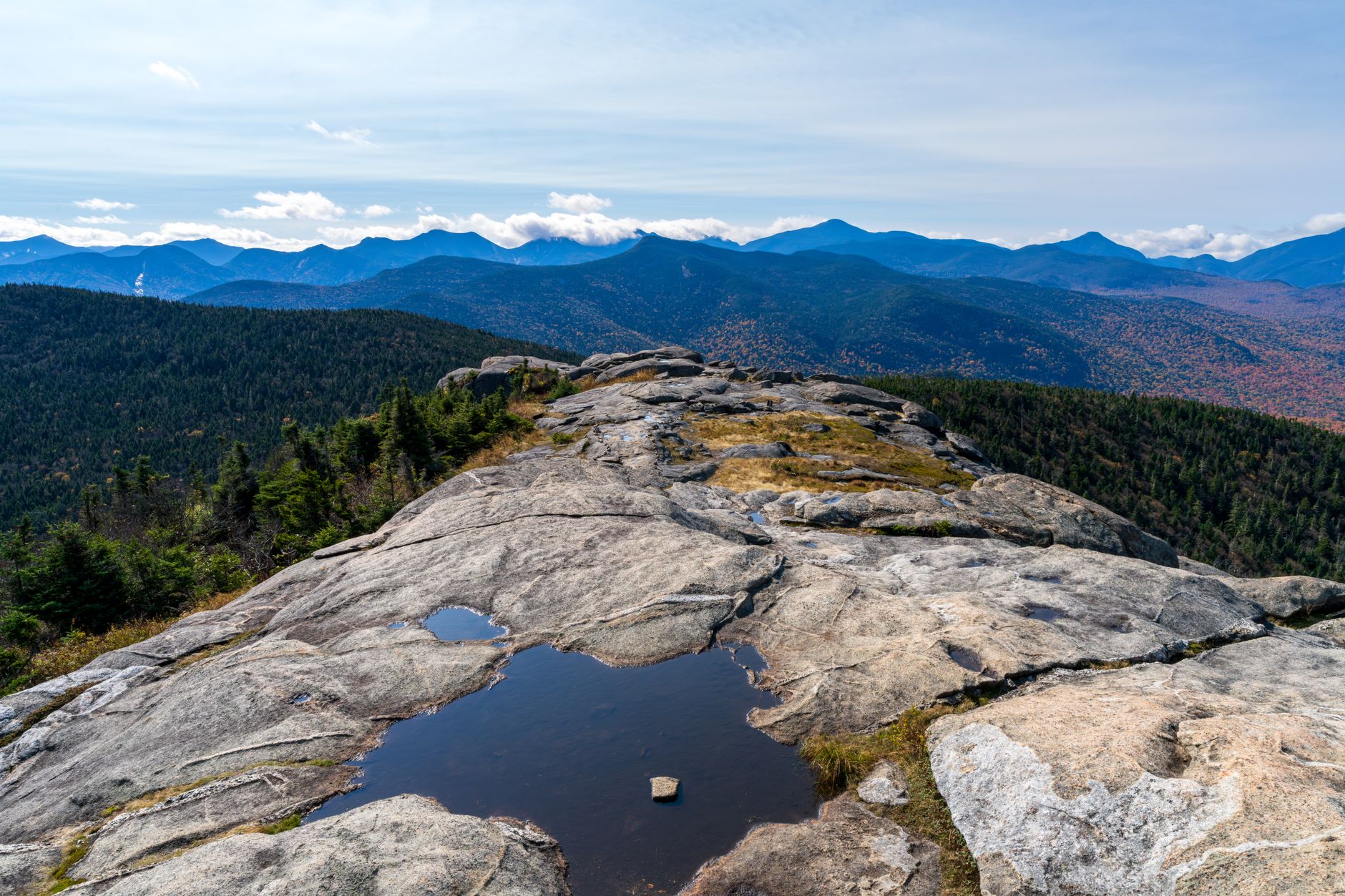
4. The Forever Wild Legacy
Baxter State Park, Maine, USA
This park was donated by a former governor with the strict mandate to keep it 'forever wild,' challenging modern park management philosophies.
Percival P. Baxter, a former Maine governor, meticulously acquired and donated the land for Baxter State Park, dictating that it must be kept 'forever wild' and 'primarily a wilderness.' This philosophy means minimal development, no commercialization, and a focus on preservation over recreation, creating a truly raw and immersive experience. It's a unique model of conservation, where the wilderness itself is the primary focus, offering solitude and a deep connection to nature.
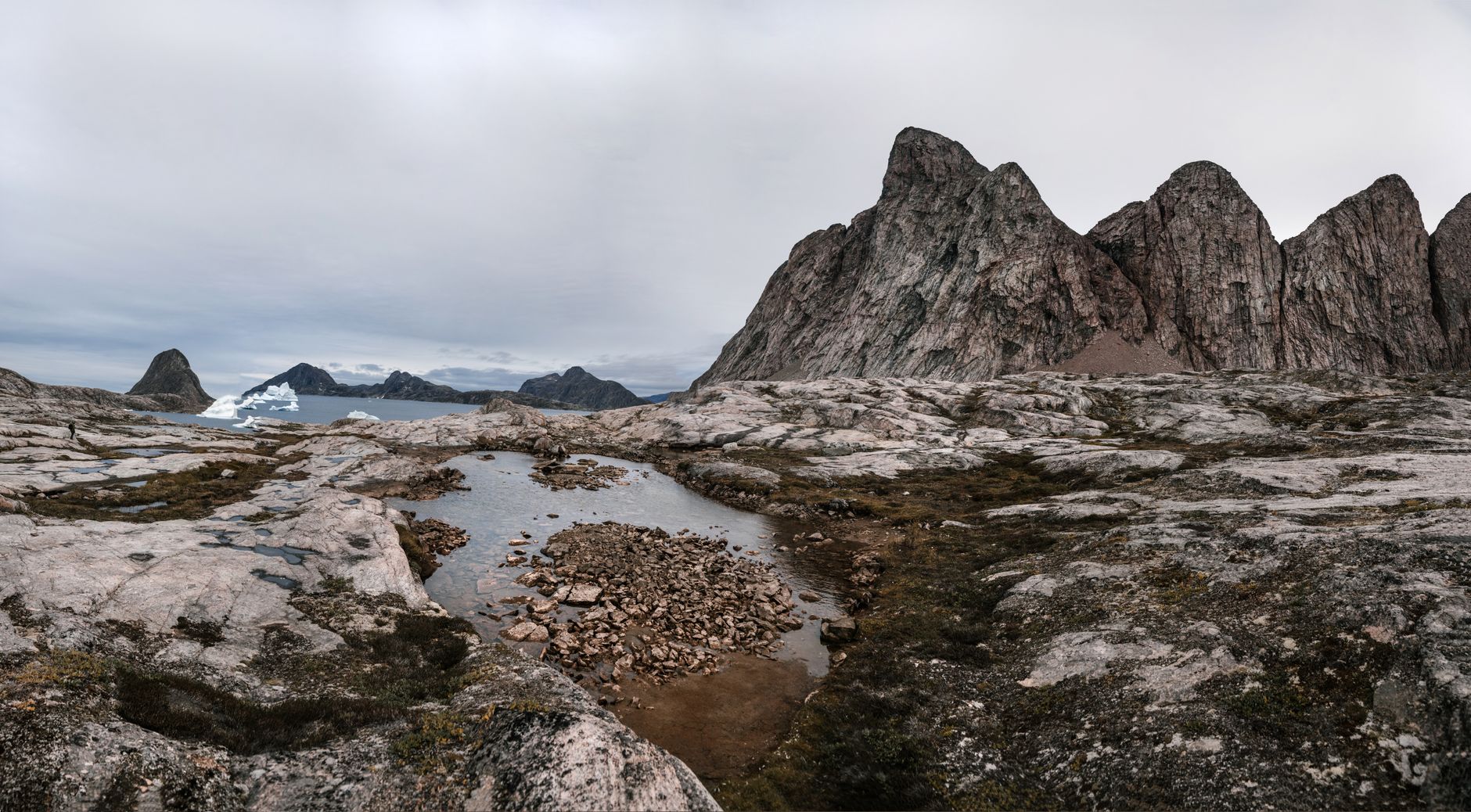
5. Arctic Circle's Roadless Frontier
Gates of the Arctic National Park and Preserve, Alaska, USA
Entirely above the Arctic Circle, this vast park is the second largest in the US and has no roads, trails, or visitor services, requiring true self-sufficiency.
Gates of the Arctic is the epitome of untouched wilderness, a monumental expanse of mountains, valleys, and tundra. It represents a landscape that has changed little since the last ice age, home to caribou herds, grizzly bears, and, of course, moose. Visitors must fly in or hike for days to reach its interior, navigating by map and compass through a land where the sun never sets in summer and the aurora dances in winter. It’s an adventure for those seeking the ultimate solitude.
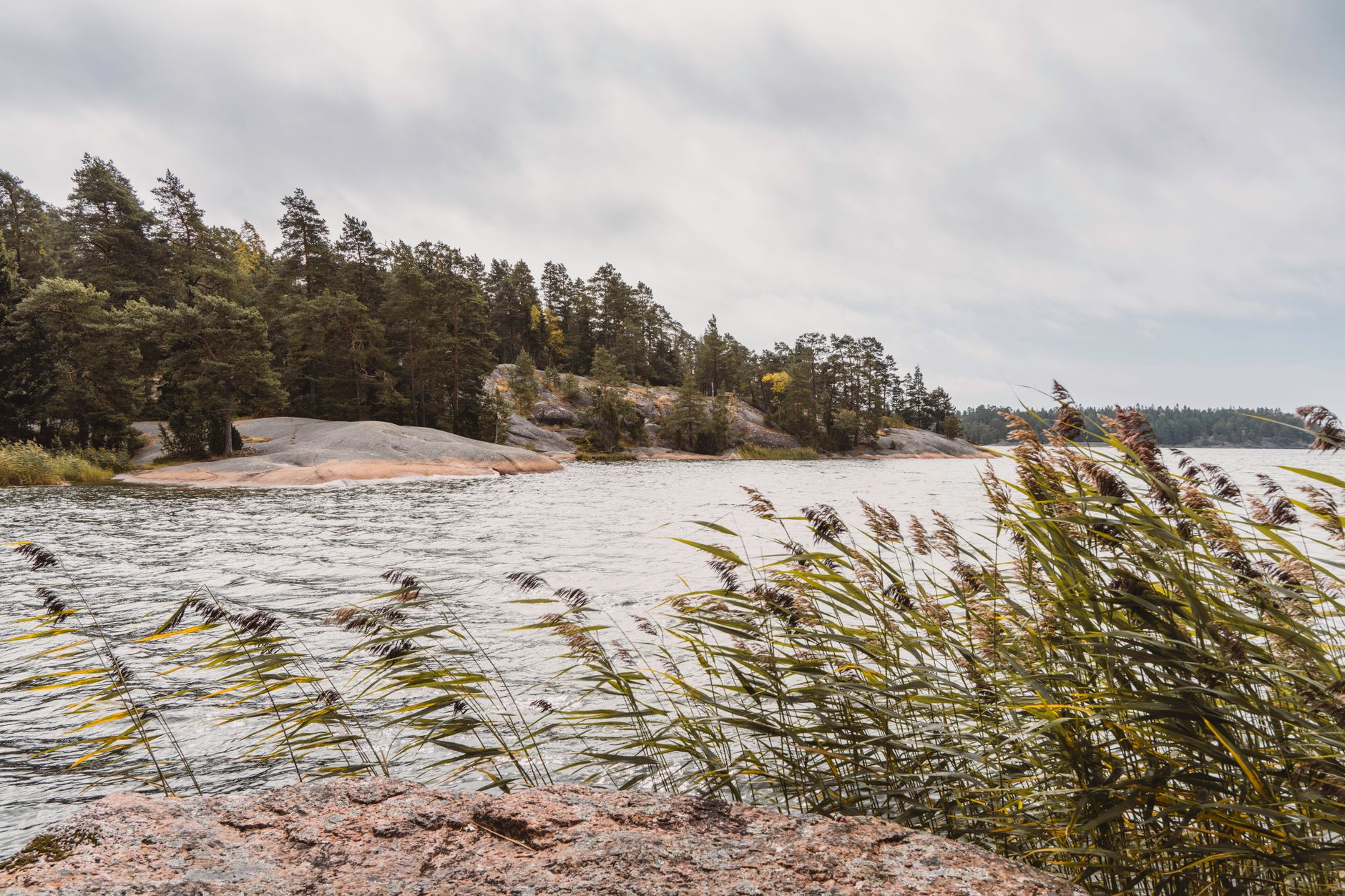
6. The Painter's Muse
Koli National Park, Finland
The dramatic vistas from Koli Hill inspired Finland's national romantic artists, shaping the visual identity of the young nation.
Overlooking Lake Pielinen, the ancient pine forests and rugged cliffs of Koli National Park have served as a muse for countless artists, writers, and composers, including Jean Sibelius and Eero Järnefelt. The iconic views from Ukko-Koli are considered a 'national landscape' and are deeply embedded in the Finnish psyche. Hiking here offers not just natural beauty but a journey through the artistic and cultural heart of Finland, where every vista tells a story of identity and inspiration.
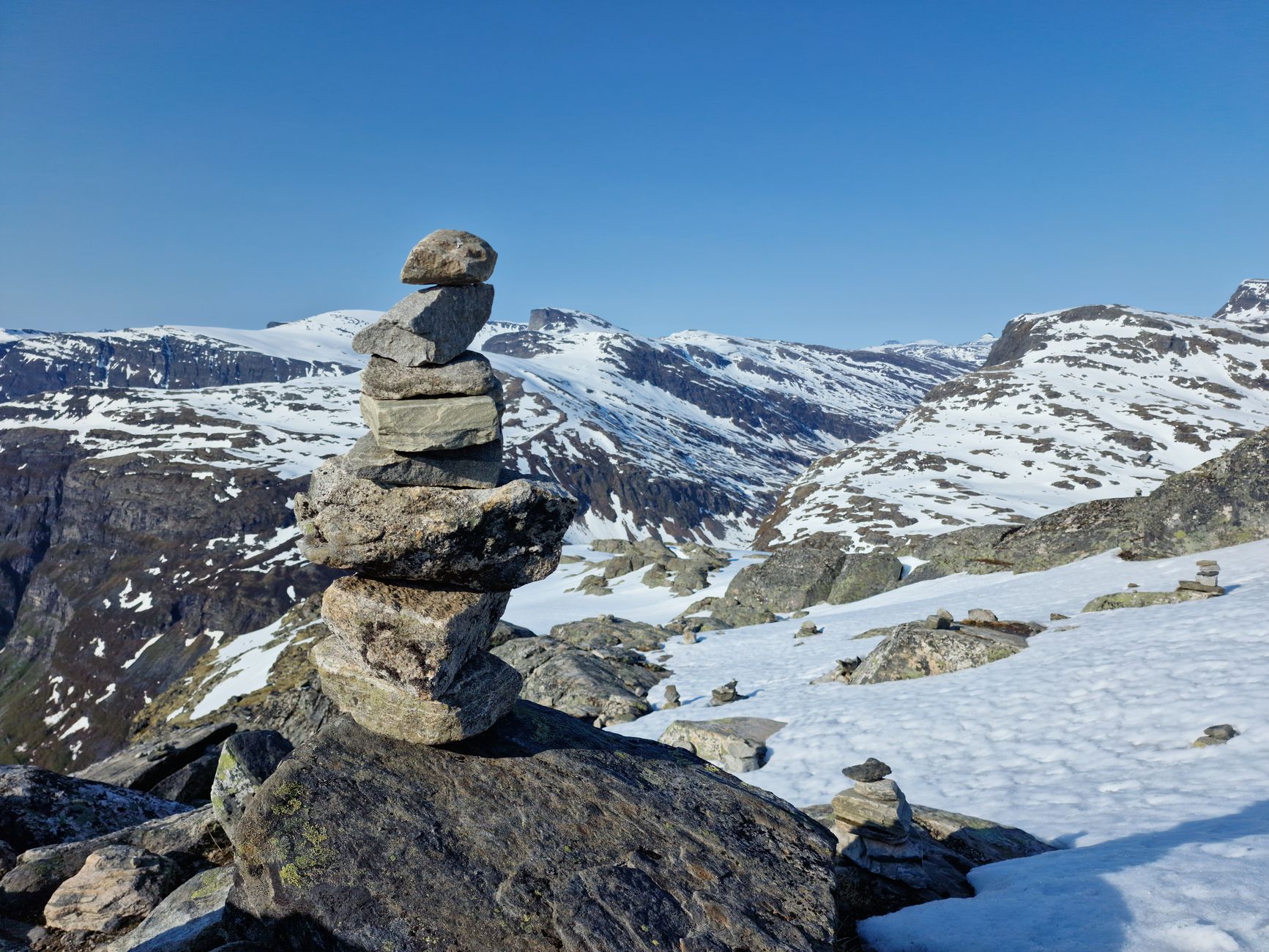
7. Ancient Secrets from Melting Ice
Jotunheimen National Park, Norway
Melting ice patches in this 'Home of the Giants' have revealed remarkably preserved artifacts, offering a rare glimpse into ancient mountain hunting cultures.
Jotunheimen, meaning 'Home of the Giants' in Norse mythology, is a rugged mountain range home to Norway's highest peaks. As climate change causes ancient ice patches to recede, an extraordinary archaeological treasure trove has emerged. Discoveries include well-preserved skis, arrows, and even tunics from Iron Age and Viking-era hunters. These finds provide invaluable insights into the lives of people who adapted to and thrived in this harsh environment thousands of years ago, making every hike a potential step back in time.
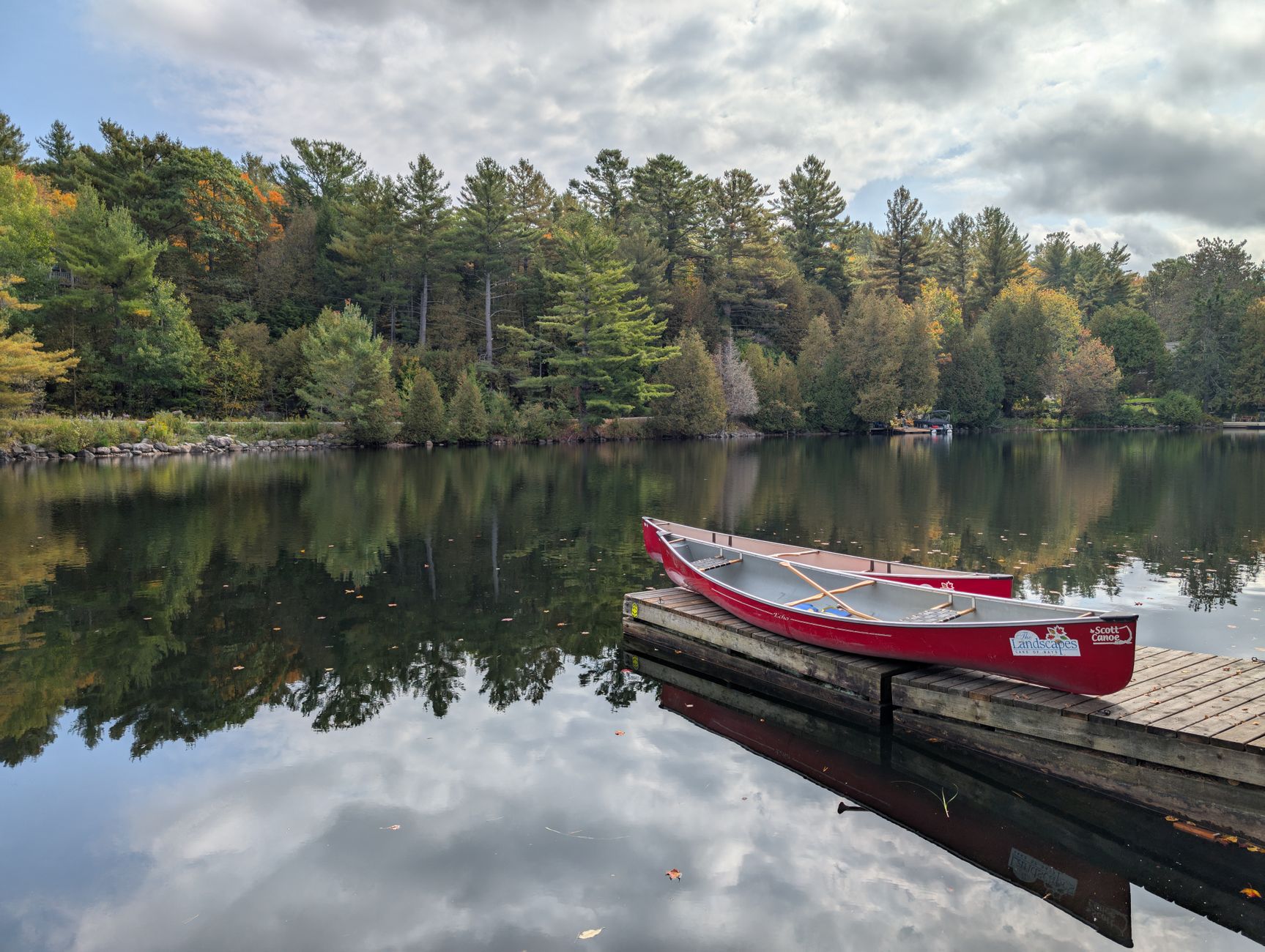
8. Ontario's Canoe Country History
Algonquin Provincial Park (backcountry), Ontario, Canada
Beyond its popular access points, Algonquin's vast backcountry reveals a complex history of logging and conservation through a network of pristine canoe routes.
While well-known, Algonquin's extensive interior offers a true wilderness experience, traversed for centuries by Indigenous peoples and later by logging companies. The park’s history is a fascinating blend of resource extraction and pioneering conservation efforts. Paddling its interconnected lakes and rivers, visitors can trace the routes of early loggers who shaped the area, while also appreciating the park's subsequent designation as a protected area, now a haven for diverse wildlife, including a healthy moose population.
Frequently asked questions
How far away should I stay from a moose?
Always maintain a safe distance, ideally at least 25 yards (23 meters), from a moose. If you encounter a cow with a calf, increase that distance significantly. Moose can be unpredictable, especially if they feel threatened or have young nearby.
What should I do if a moose charges me?
Unlike bears, running from a moose is not recommended as they can outrun you. If a moose charges, try to get behind a large tree or solid obstacle. If you are knocked down, curl into a ball to protect your head and vital organs, and try to remain still.
Are moose dangerous to hikers?
Moose are generally not aggressive but can be dangerous if provoked, startled, or if they feel their young are threatened. They are particularly prone to aggression during mating season (fall) or if they are sick, injured, or harassed by dogs. Being aware of their behavior and giving them ample space is crucial for safety.
How does the AllTours.ai app enhance a wilderness hike?
AllTours.ai transforms your hike into an immersive journey. Simply point your phone camera at a landmark, geological feature, or even a distant peak, and the app instantly narrates its history, cultural significance, and geological formation in your preferred language, revealing stories you might otherwise miss in the vast wilderness.
Related guides
Photography via Pexels. AllTours.ai is an AI audio tour guide — point your camera at any landscape and hear its story.