September 11, 2026 · 4 min read
While most gyms meticulously control their climate, Earth offers its own dramatic 'warm temperatures' in ways that defy imagination. Forget the thermostat; some places on our planet are naturally heated by incredible geological forces, ancient traditions, or even accidental human intervention.
These aren't your typical tourist hotspots. We're venturing beyond the well-trodden paths to uncover places where the ground itself tells a story of warmth, fire, and transformation. From underground ovens to boiling rivers, prepare to spark your curiosity about the surprising heat beneath our feet.

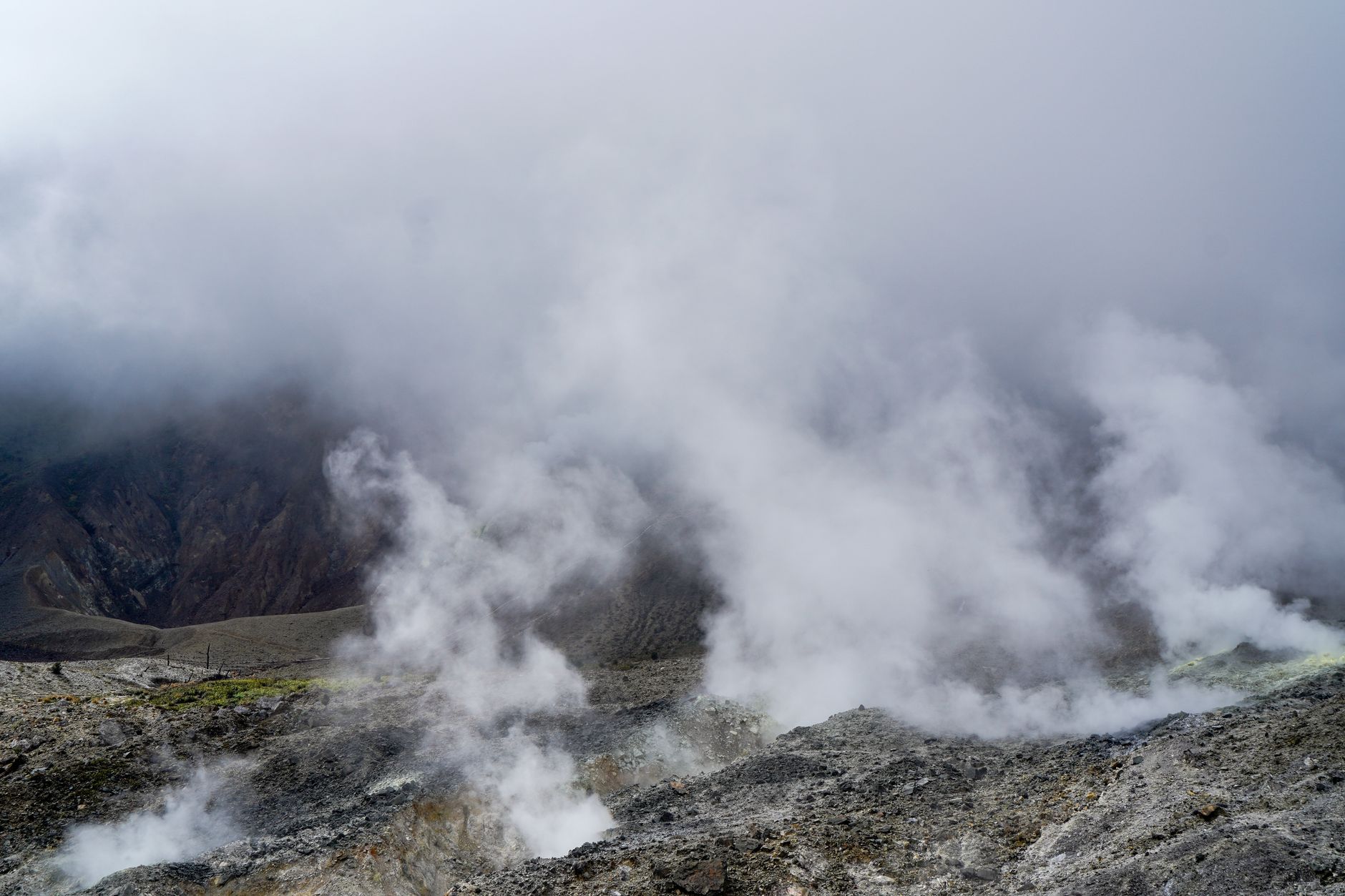
1. Geothermal Laundry and Bread Ovens
Laugarvatn, Iceland
Locals here still bake bread in the ground and once used geothermal steam to wash clothes.
In the geothermal area around Laugarvatn, Iceland, the ground itself acts as an oven. For generations, people have buried rye bread dough near the lake's shore, allowing the Earth's natural heat to slowly bake it to perfection over 24 hours. Historically, the rising steam was also harnessed for daily chores; women would do their laundry directly in the warm, mineral-rich vapors, a practice that continued well into the 20th century.
2. Ancient Healing River
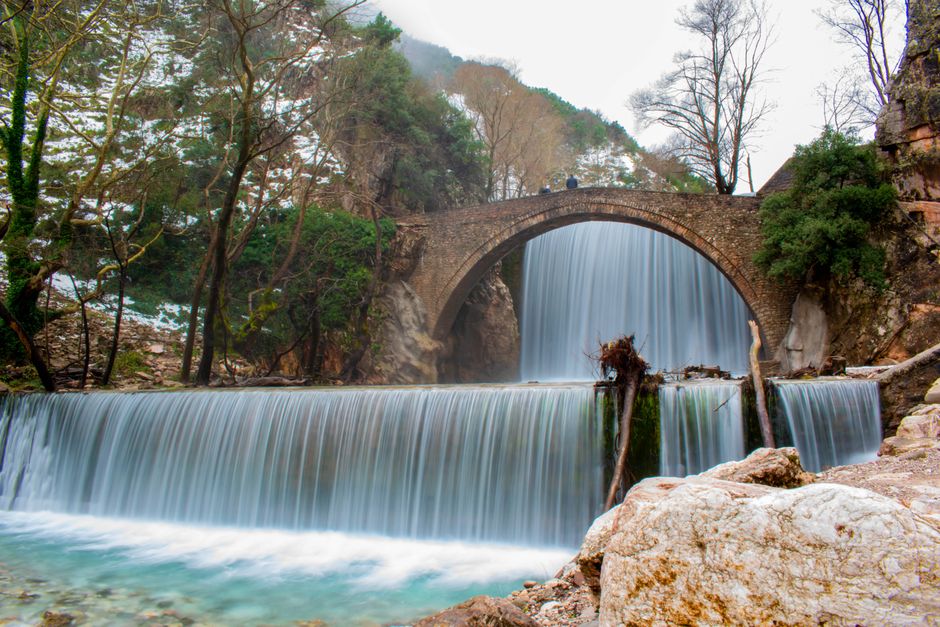
Loutraki Aridaias, Greece
Bathe in a naturally warm river flowing directly from a mountain cave, used since antiquity for healing.
At the foot of Mount Kaimaktsalan, the Pozar Thermal Baths offer a unique experience. Unlike conventional spas, warm thermal water, consistently around 37°C, flows directly into a river, creating natural pools. Visitors can swim in the open-air river, surrounded by lush nature, just below a dramatic cave from which the healing waters emerge. This natural wonder has been a site of relaxation and therapeutic use for centuries.
3. The Petrifying Well
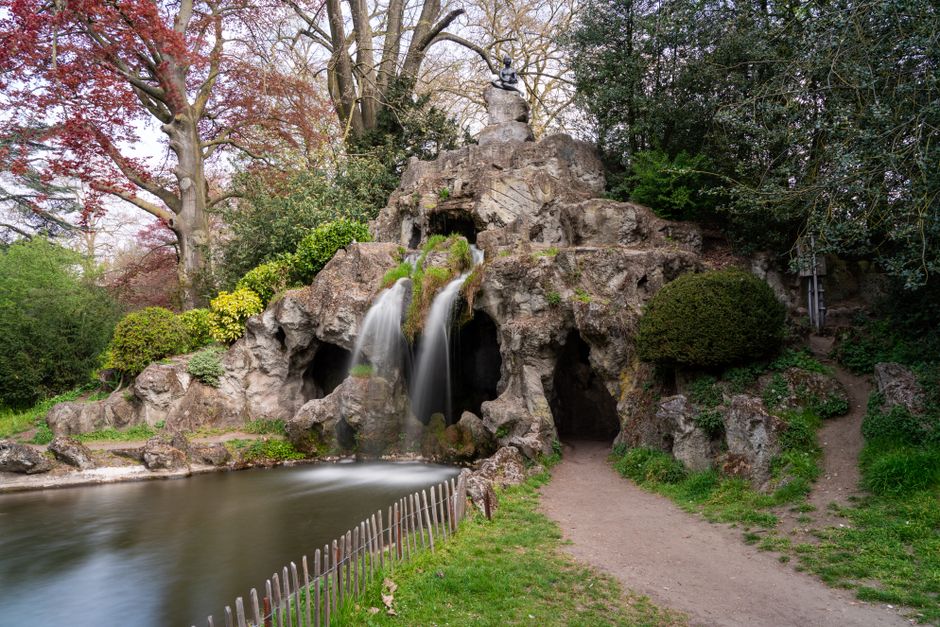
Knaresborough, England
A natural spring that turns everyday objects to stone, once believed to be the work of a witch.
England's oldest tourist attraction, Mother Shipton's Cave and the Petrifying Well in Knaresborough, features a spring whose water is exceptionally rich in minerals. Anything placed in its continuous flow gradually becomes coated in a stony shell, appearing to transform into stone. Local folklore once attributed this peculiar phenomenon to Mother Shipton, a legendary prophetess and witch said to have lived in the adjacent cave, adding to its mysterious allure.
4. The Boiling River
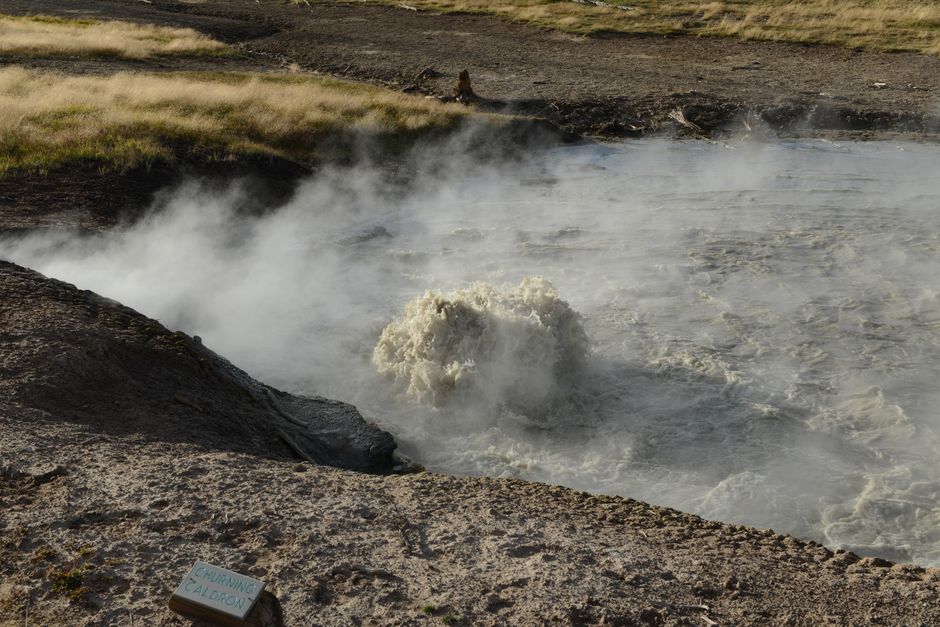
Shanay-Timpishka, Amazon Rainforest, Peru
A river in the Amazon so hot its waters can literally boil small animals, a geological enigma.
Deep within the Peruvian Amazon lies the Shanay-Timpishka, known locally as 'The Boiling River.' For over six kilometers, its waters maintain temperatures between 50°C and 90°C, hot enough to cause severe burns. Geologists continue to investigate the precise source of this incredible heat, as it is not directly connected to a major volcano, making it an extraordinary and still largely unexplained geothermal wonder.
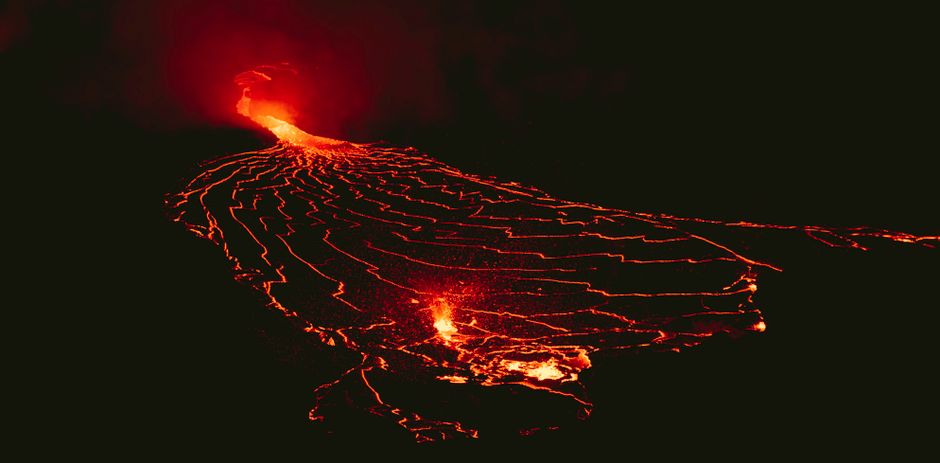
5. The Door to Hell
Derweze, Turkmenistan
A perpetually burning crater in the desert, accidentally ignited by Soviet engineers over 50 years ago.
The Darvaza Gas Crater, famously nicknamed the 'Door to Hell,' is a vast natural gas field that collapsed into a cavern in 1971. Soviet geologists then ignited the escaping methane gas to prevent its spread, expecting it to burn out quickly. Instead, it has been burning continuously ever since, creating a mesmerizing, fiery spectacle in the Karakum Desert. Its constant flame makes it one of Earth's most unique and hottest natural attractions.
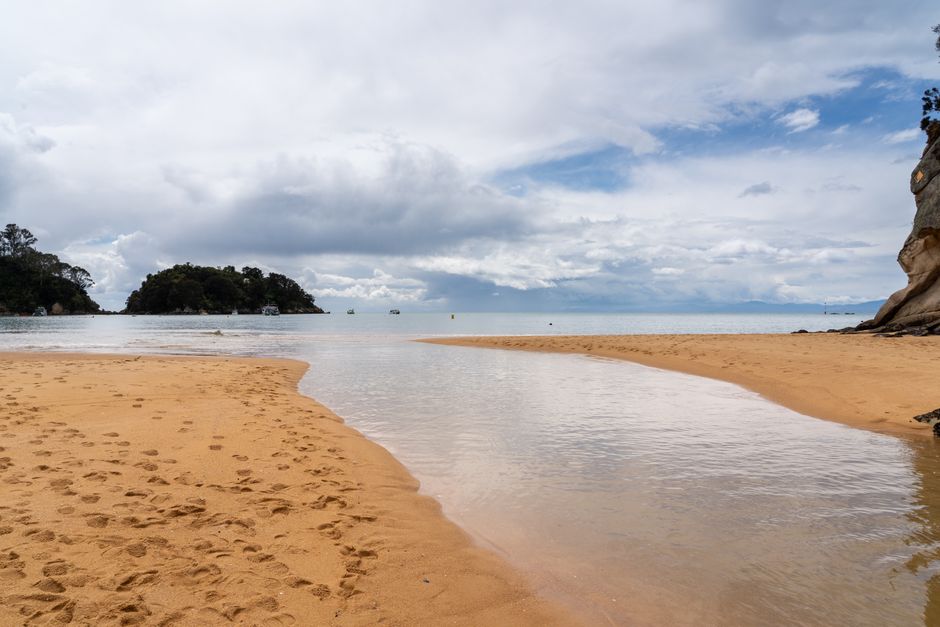
6. Beachside Hot Tubs
Coromandel Peninsula, New Zealand
Dig your own personal hot tub on the beach, fed by geothermal springs bubbling up through the sand.
At Hot Water Beach on New Zealand's Coromandel Peninsula, visitors engage in a unique activity: digging their own hot pools in the sand. During low tide, naturally heated mineral water, sometimes reaching 64°C, bubbles up through the sand from two underground fissures. This allows people to create custom thermal spas right by the Pacific Ocean, a surreal experience of warm currents just inches below the surface.
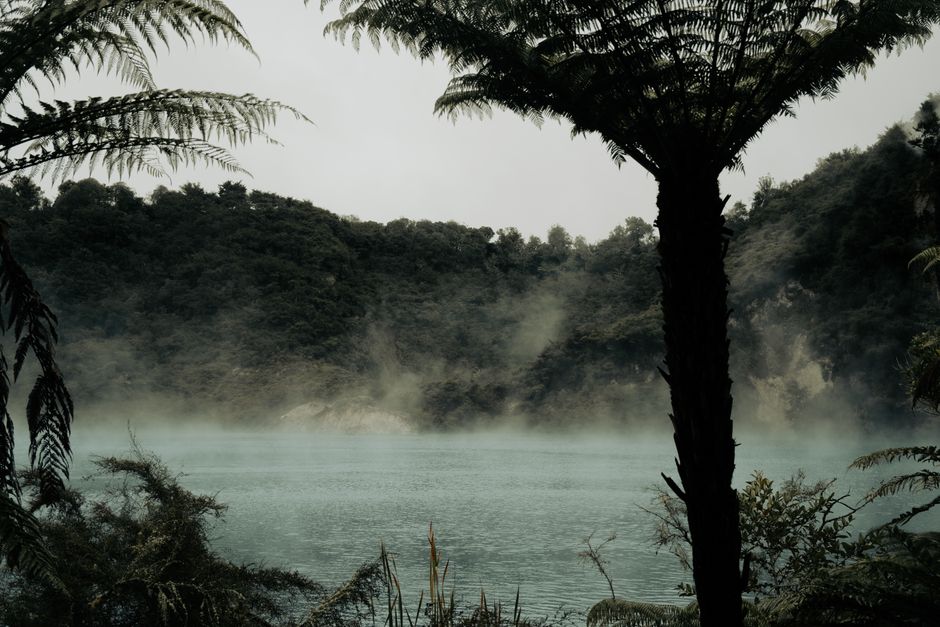
7. The World's Youngest Geothermal Valley
Rotorua, New Zealand
Home to Frying Pan Lake, one of the largest hot springs globally, formed by a single massive eruption.
Waimangu Volcanic Valley, near Rotorua, holds the distinction of being the world's youngest geothermal system, dramatically shaped by the 1886 eruption of Mount Tarawera. This catastrophic event created Frying Pan Lake, a vast geothermally heated lake whose steaming waters can reach 55°C. The valley is a living testament to geological regeneration, showcasing powerful hot springs, dramatic landscapes, and unique plant life thriving amidst Earth's raw heat.
Frequently asked questions
What causes some natural places to be so warm?
The primary cause is geothermal activity, where heat from Earth's interior warms water that then rises to the surface. This can be due to volcanic activity, tectonic plate movements, or simply the slow decay of radioactive elements deep within the crust.
Are these warm natural spots safe to visit?
Safety varies greatly by location. While many hot springs and geothermal parks are managed for tourism with marked paths and safety warnings, others are wild and can pose hazards like extremely hot water, unstable ground, or toxic gases. Always heed local warnings and guides.
What makes the water at Knaresborough's Petrifying Well turn objects to stone?
The water at Knaresborough is exceptionally rich in calcium and other dissolved minerals. As the water flows over objects and evaporates, it leaves behind these minerals, which gradually build up layer by layer, encasing the object in a hard, stone-like shell through a process called petrification or calcification.
How can AllTours.ai enhance my visit to these natural wonders?
AllTours.ai brings the stories of these incredible places to life. Simply point your phone camera at a landmark or landscape, and the app uses AI to narrate its unique history, geology, and cultural significance in your preferred language, providing context you might otherwise miss.
Related guides
Photography via Pexels. AllTours.ai is an AI audio tour guide — point your camera at any landscape and hear its story.