July 4, 2026 · 4 min read
The question, "Do you put sugar in your spaghetti?" often sparks a debate about tradition versus unexpected twists. It highlights how cultural norms, personal preferences, and even unique histories can shape something as universal as a meal. But what if we applied that same curiosity to the world around us?
Just as some recipes hold surprising ingredients, many places on Earth harbor hidden stories, unusual traditions, or geological wonders that defy common expectation. Forget the well-worn tourist paths for a moment. Instead, let's explore a handful of truly unique destinations where the unexpected is the main course, inviting you to discover a world far richer than you imagined.
1. The Echo of Freedom
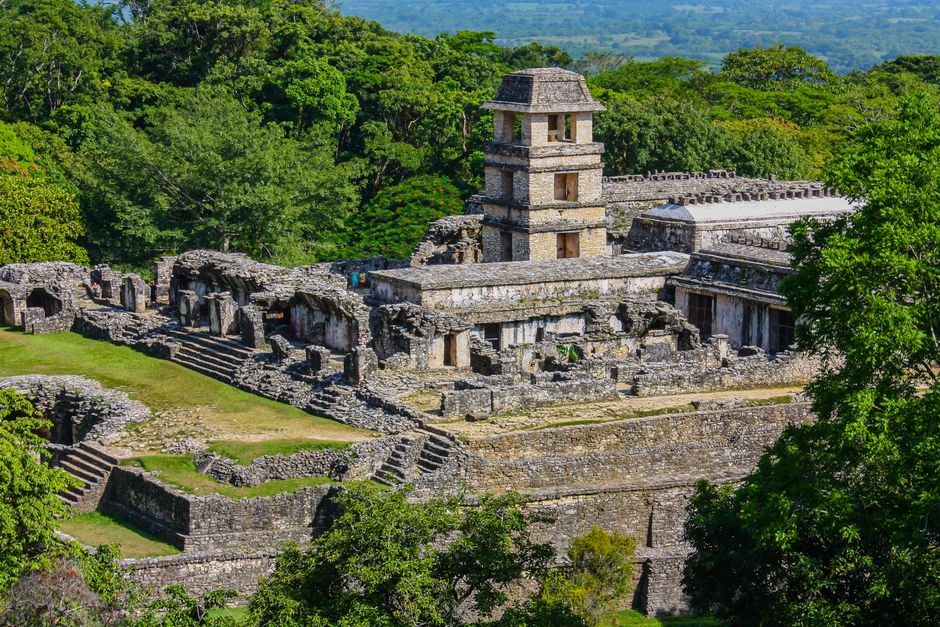
San Basilio de Palenque, Colombia
This remote village was the first free slave town in the Americas, preserving a unique African creole language.
Founded by runaway slaves in the 17th century, Palenque successfully resisted Spanish rule, establishing a haven of freedom. Its isolation allowed a vibrant Afro-Colombian culture to flourish, including the Palenquero language, a mix of Spanish and African tongues, and distinctive musical traditions like *bullerengue* and *lumbalú*. It stands as a powerful testament to resilience and self-determination.
2. Living Beneath the Surface
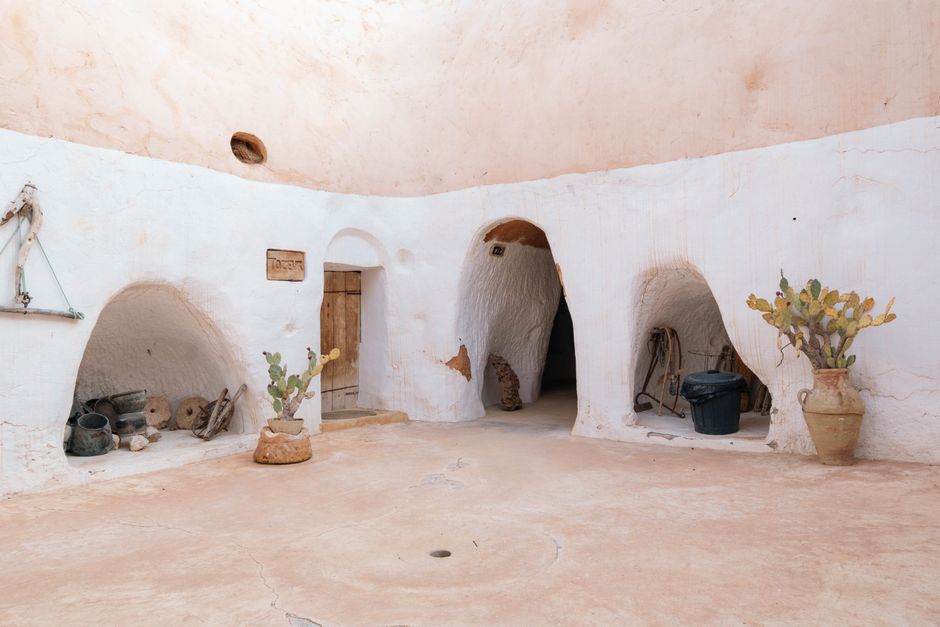
Coober Pedy, Australia
An entire opal mining town where most residents live underground to escape the scorching desert heat.
In the harsh South Australian outback, Coober Pedy defies conventional living. Over half its population resides in "dugouts" – homes, churches, and even hotels carved directly into the hillsides. These subterranean dwellings offer a constant, cool temperature, providing refuge from the extreme surface heat and cold, a unique adaptation born from the relentless pursuit of precious opals.
3. The Slagstone City
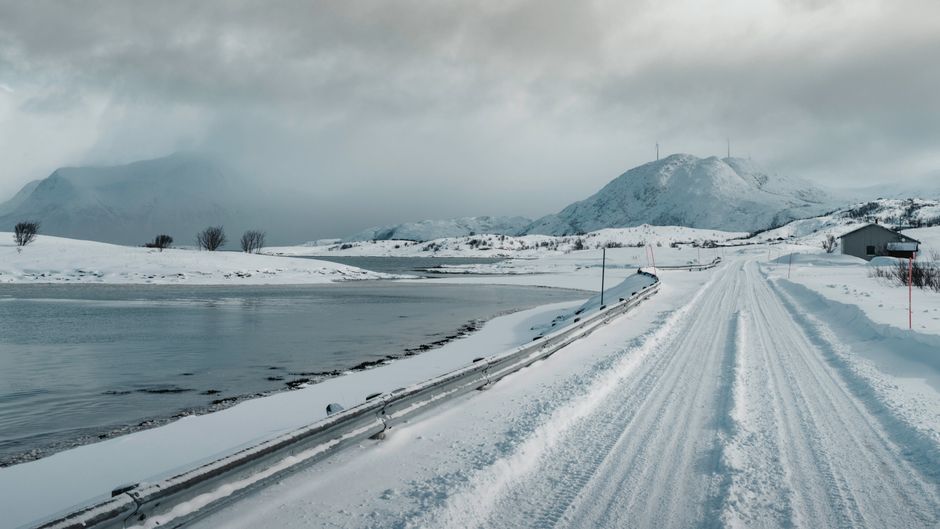
Røros, Norway
A historic copper mining town where many of its centuries-old houses are built using dark slag from the mines.
A UNESCO World Heritage site, Røros is a remarkable example of an 18th-century mining town. Its distinctive architecture features traditional wooden buildings, many of which ingeniously incorporate slag stone – a waste product from copper smelting – into their foundations and walls. This unique material gives the town a dark, sturdy character, telling a silent story of its industrial past and resourceful inhabitants.
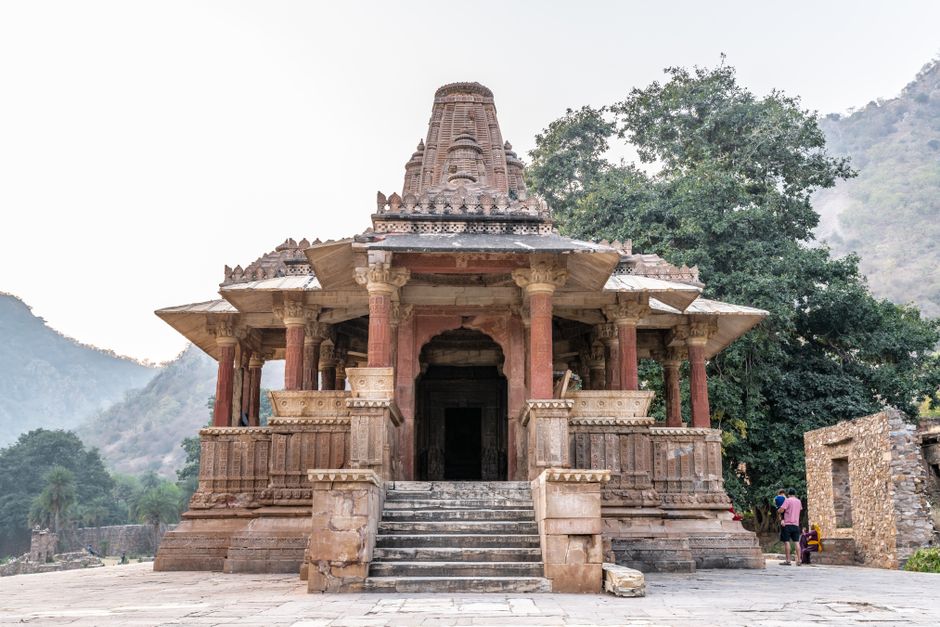
4. The Cursed Ruins
Bhangarh Fort, India
A 17th-century fort complex abandoned overnight due to a legendary curse, where entry is forbidden after sunset.
Nestled in the hills of Rajasthan, Bhangarh Fort is shrouded in tales of a sorcerer's curse that supposedly led to its sudden and complete desertion. The Archaeological Survey of India officially prohibits visitors from entering the fort premises after dark, fueling its reputation as one of India's most haunted sites. Its grand ruins whisper of a vibrant past brought to an abrupt and mysterious end.
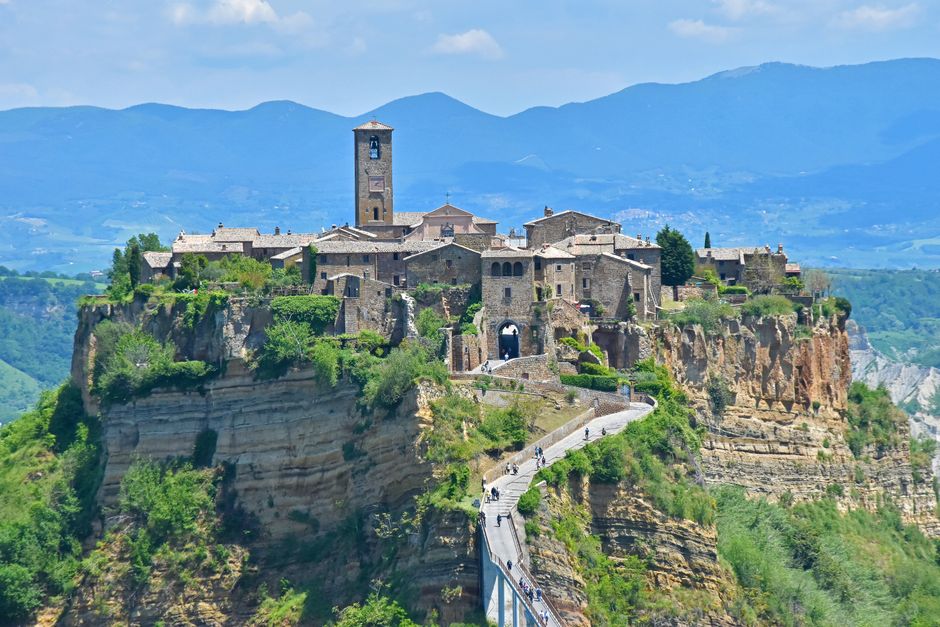
5. The Dying City's Edge
Civita di Bagnoregio, Italy
This ancient hilltop village is slowly crumbling into the valley below, accessible only by a long pedestrian bridge.
Perched precariously on a tufa rock, Civita di Bagnoregio is a marvel of resilience against geological erosion. Known as "the dying city," its foundations are slowly eroding, yet its medieval charm persists with a handful of permanent residents. The dramatic walk across the footbridge to reach it feels like stepping back in time, offering a poignant glimpse into a fragile, beautiful past.

6. Where Old Meets Bold
Fogo Island, Newfoundland, Canada
A remote island where traditional fishing communities coexist with striking, avant-garde architecture.
Fogo Island, an isolated outpost in the North Atlantic, embodies a unique blend of heritage and modernity. Its outport communities cling to centuries-old traditions, while the iconic Fogo Island Inn, a minimalist marvel designed to mimic icebergs, offers a stark architectural contrast. This fusion creates a surprising cultural landscape where deep roots meet contemporary vision, shaped by the raw beauty of the ocean.
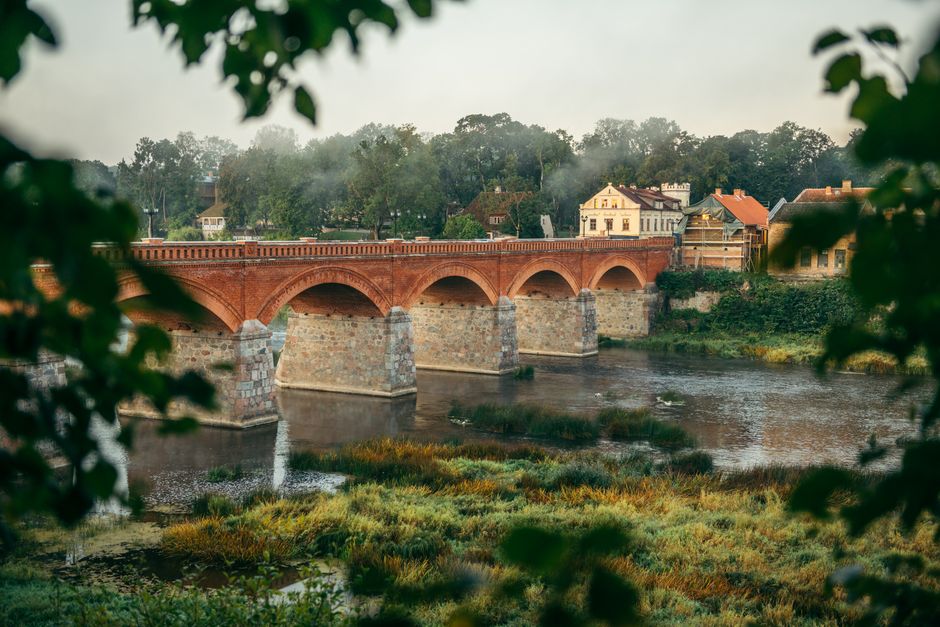
7. Europe's Widest Waterfall
Kuldīga, Latvia
Home to Europe's widest natural waterfall, where, historically, locals invented unique ways to catch jumping fish.
The Venta Rapid (Ventas Rumba) in Kuldīga is not tall, but at over 240 meters wide, it's a truly unique natural wonder. For centuries, this broad, shallow waterfall was famous for its "flying fish," as salmon and vimba attempted to leap upstream. Local fishermen ingeniously adapted, using special weirs and basket traps to catch them, a tradition that highlights the town's deep connection to its river.
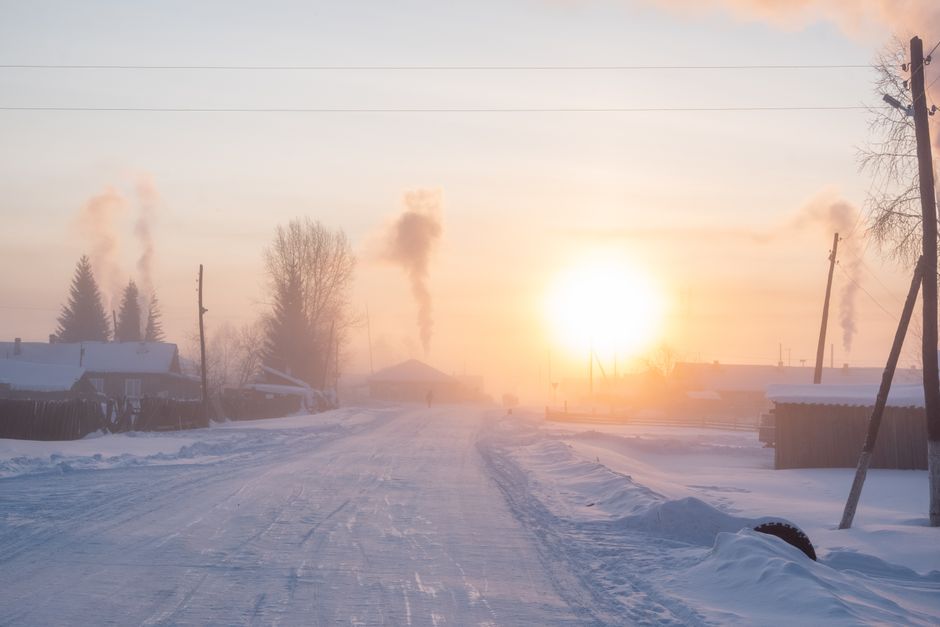
8. The Pole of Cold
Oymyakon, Russia
The coldest permanently inhabited place on Earth, where temperatures drop to -50°C and car engines rarely turn off.
In the heart of Siberia lies Oymyakon, a village known as the "Pole of Cold." Life here is an extraordinary exercise in endurance; water pipes run above ground to prevent freezing, cars are often kept running 24/7, and locals rely on special diets to cope with the brutal sub-zero temperatures. It’s a testament to human resilience in one of the planet's most extreme environments.
Frequently asked questions
What are some truly unique travel destinations off the beaten path?
Beyond typical tourist spots, places like San Basilio de Palenque in Colombia offer unique cultural immersion, while Australia's Coober Pedy presents an entire underground town. For natural wonders, consider Latvia's Venta Rapid, Europe's widest waterfall, or the extreme conditions of Russia's Oymyakon.
How do I find places with surprising historical or cultural stories?
Look for destinations with UNESCO World Heritage status that aren't mainstream, or research towns known for specific industries, geological features, or unique local traditions. Websites focusing on "hidden gems" or "offbeat travel" can also be a great starting point for uncovering these fascinating narratives.
Is it safe to visit very remote or culturally distinct places?
Many remote and culturally distinct places are perfectly safe, but it's crucial to research local customs, safety advisories, and cultural sensitivities beforehand. Respect local traditions, dress appropriately, and consider hiring local guides who can provide invaluable insights and ensure a respectful experience.
How does AllTours.ai help me discover these hidden stories?
AllTours.ai uses AI to turn your phone camera into a personal audio tour guide. Simply point your camera at a landmark, landscape, or even an intriguing building, and the app will narrate its history, geology, and cultural significance in your preferred language, revealing the hidden stories of any place you explore.
Related guides
Self-guided audio tours
Walk these places stop by stop — free five-stop story tours you can take at your own pace:
Photography via Pexels. AllTours.ai is an AI audio tour guide — point your camera at any landscape and hear its story.