June 29, 2026 · 4 min read
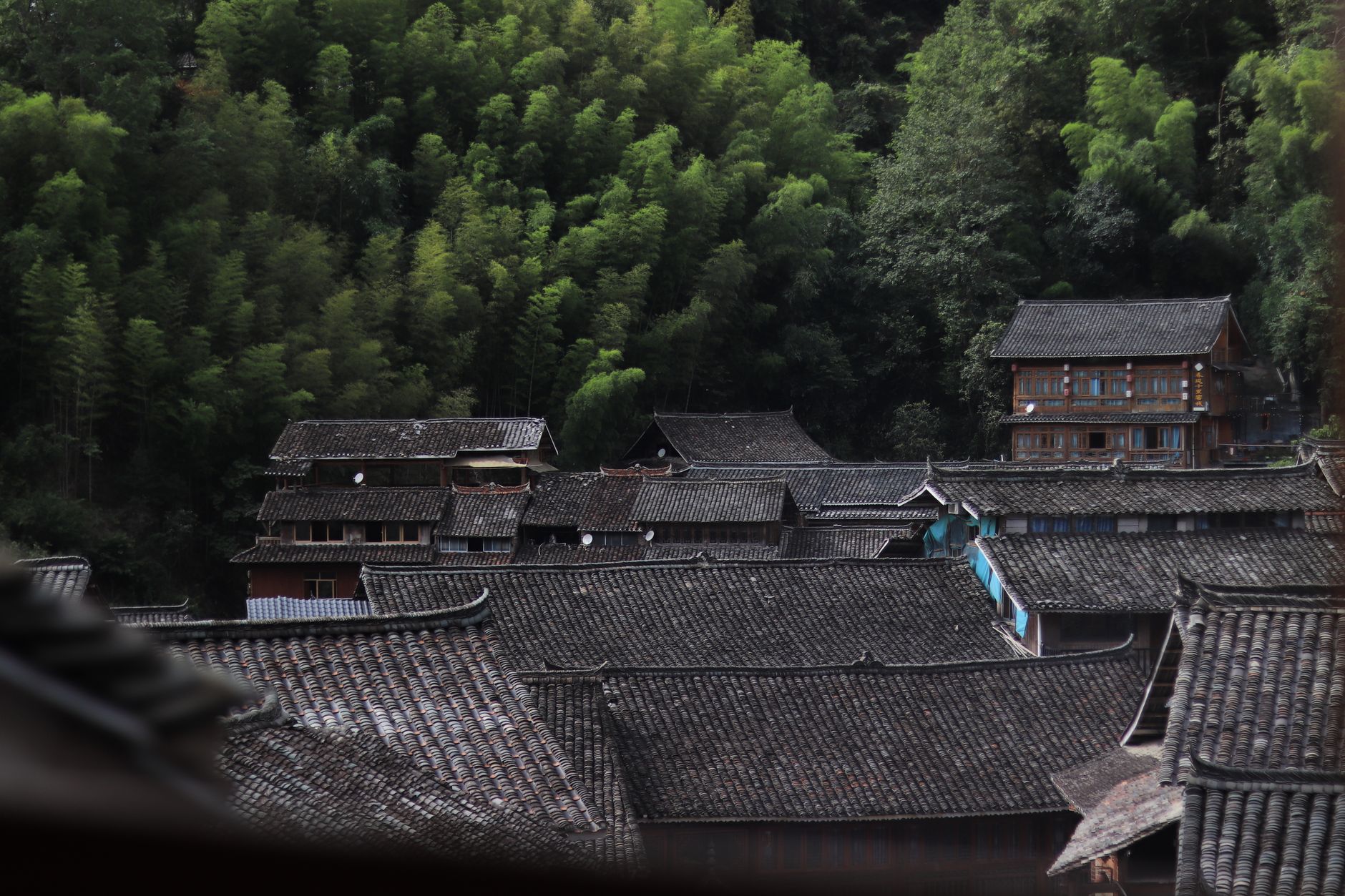
The rhythm of a place imprints itself on our memory long after we've left. For some, the vibrant cacophony of a bustling metropolis is the heartbeat of adventure; for others, it's a barrier to true immersion. The question then arises: Does the ambient noise level of a city play a major role in whether you find it a suitable place to visit?
Beyond the well-trodden paths and their familiar sounds, a world of quieter, more profound experiences awaits. These are places where the whispers of history, the rustle of ancient geology, or the unique cadence of local life aren't drowned out by traffic horns or tourist throngs. Instead, the ambient sounds become part of the story, inviting a deeper connection.
1. The Village of Living Boulders
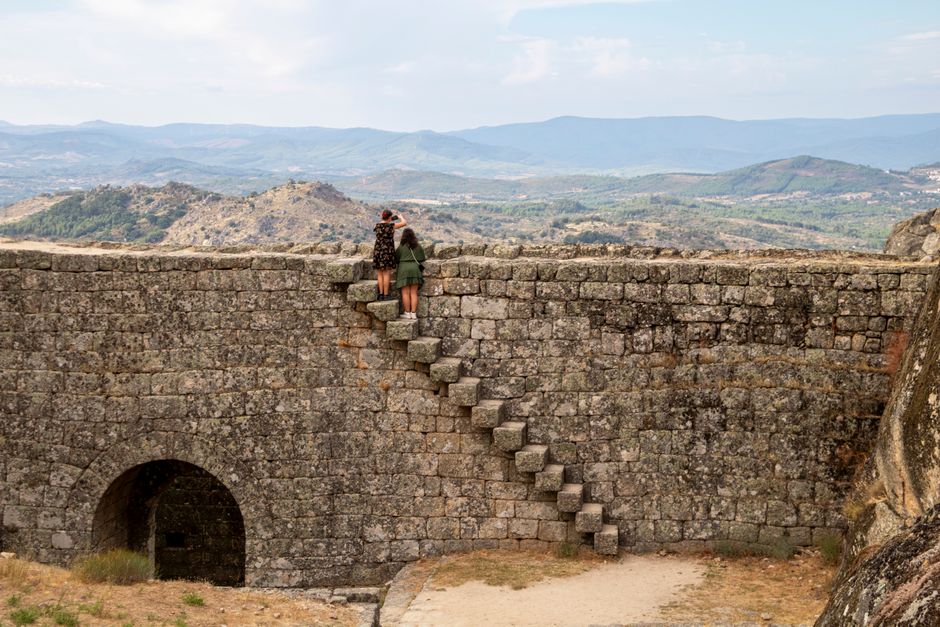
Monsanto, Portugal
This Portuguese village has houses built directly into giant granite boulders, some even forming roofs or walls.
Perched atop a craggy hill, Monsanto is famously known as 'the most Portuguese village in Portugal.' What makes it truly unique are the colossal boulders that are not just part of the landscape, but integral to its architecture. Homes here are literally carved into, under, and around these ancient stones, creating a surreal and remarkably quiet settlement where the only sounds are often the wind and distant sheep.
2. The Citadel of Dracula's Birthplace
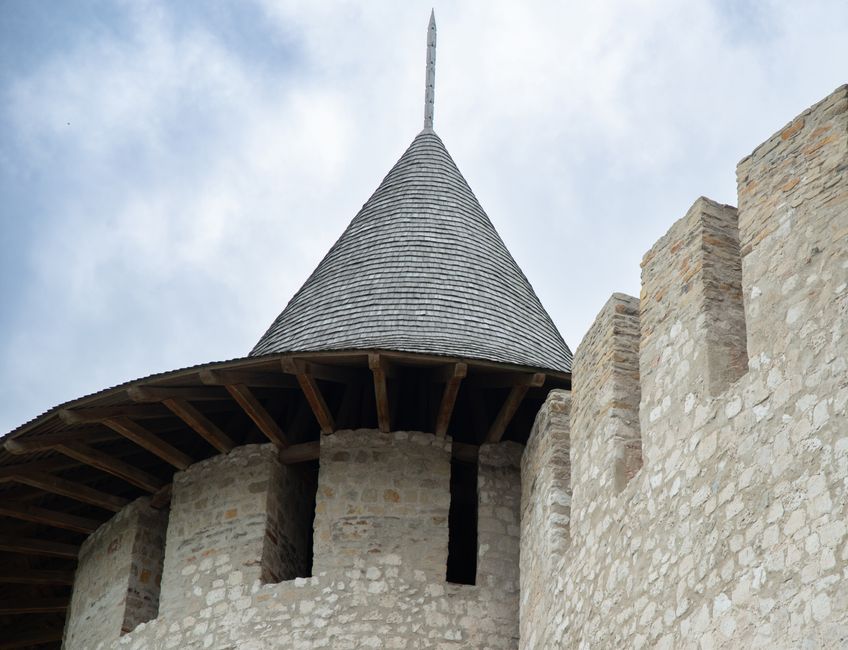
Sighisoara, Romania
The only inhabited medieval citadel in Europe, Sighisoara is the birthplace of Vlad the Impaler.
Wander through the cobbled streets of Sighisoara's UNESCO-listed citadel, and you'll step back in time. This remarkably preserved medieval town, surrounded by defensive walls and towers, carries the weight of centuries. Its quiet lanes and colorful houses once housed guilds and merchants, and within these walls, the infamous Vlad III, inspiration for Dracula, was born. The ambient soundscape is dominated by church bells, distant chatter, and the occasional horse-drawn cart.
3. Italy's Dying City on a Pedestal
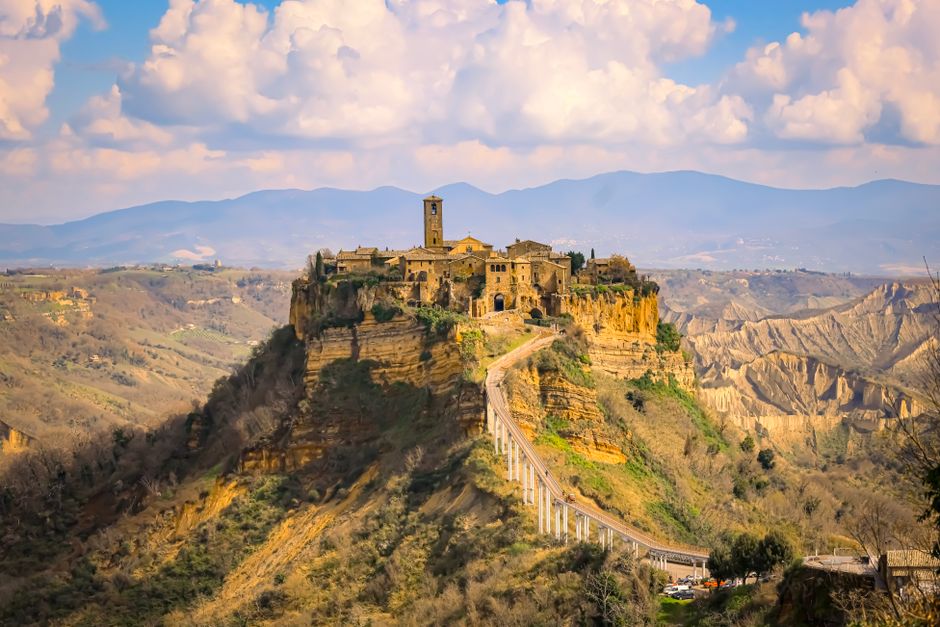
Civita di Bagnoregio, Italy
Civita di Bagnoregio, dramatically perched on a crumbling volcanic rock, is accessible only by a long pedestrian bridge.
Known as 'The Dying City,' Civita di Bagnoregio is a breathtaking sight, seemingly suspended in time. Erosion has isolated it on a tufa plateau, slowly shrinking its landmass. To reach it, visitors must cross a narrow, elevated footbridge, leaving behind the modern world and its noises. Inside, a handful of residents maintain a profoundly peaceful village where the silence is broken only by footsteps and the wind whistling through ancient stone alleys.
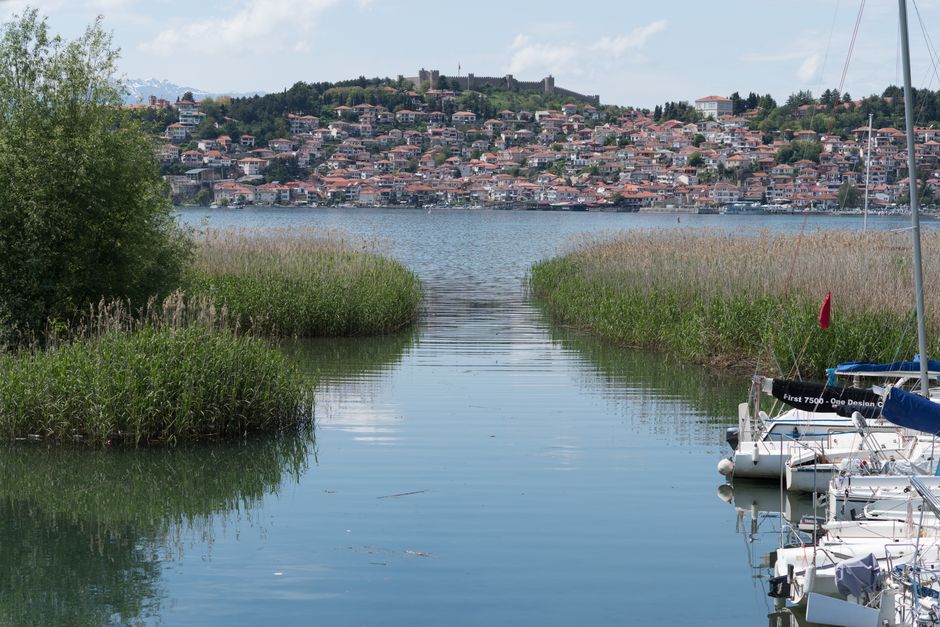
4. The Sacred Shores of Lake Ohrid
Ohrid, North Macedonia
Ohrid sits on one of Europe's deepest and oldest lakes, boasting a history of 365 churches, one for each day of the year.
The serene city of Ohrid, a UNESCO World Heritage site, sprawls along the eastern shore of Lake Ohrid, a body of water so ancient and unique it hosts endemic species found nowhere else. Its old town, crowned by Tsar Samuel's Fortress, is a maze of Byzantine churches and traditional houses. The prevailing sounds are the gentle lapping of the lake, distant church bells, and the soft murmur of conversations, creating a deeply tranquil atmosphere.

5. The Blue City's Quiet Alcoves
Chefchaouen, Morocco
Chefchaouen's iconic blue-painted buildings were originally a tradition brought by Jewish refugees fleeing the Spanish Inquisition.
Nestled in Morocco's Rif Mountains, Chefchaouen is a visual marvel, its entire medina painted in varying shades of blue. While popular, its unique layout and pedestrian-focused core keep the ambient noise mellow, a gentle hum of daily life rather than traffic. The tradition of painting the city blue, initially symbolic of heaven and a way to ward off mosquitos, creates a calm, almost dreamlike environment where conversations echo softly off the vibrant walls.
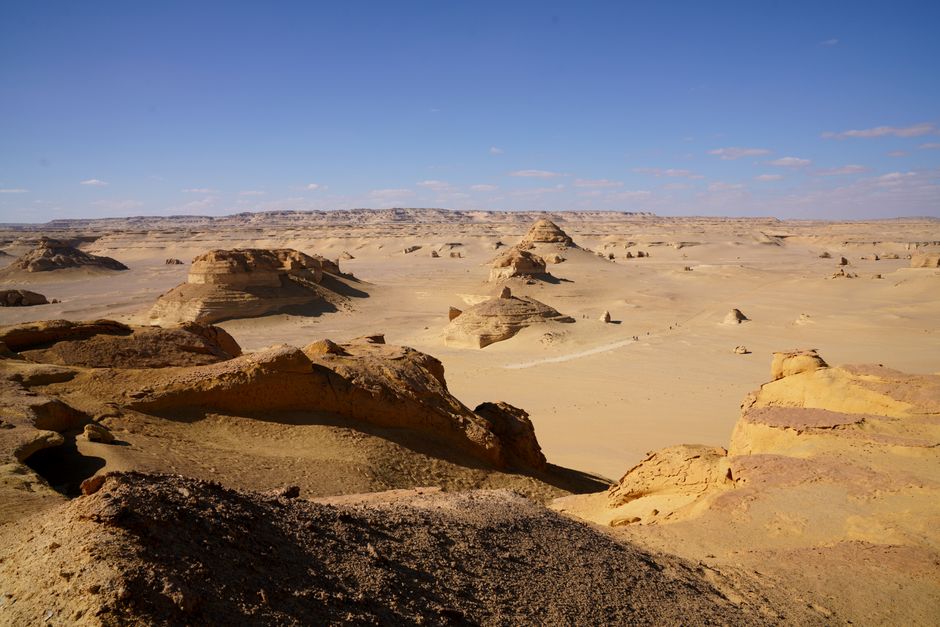
6. The White Desert's Sculpted Silence
Farafra Oasis, Egypt
The Farafra Oasis is the gateway to Egypt's White Desert, where massive chalk formations have been sculpted by wind into surreal shapes.
Far from any city noise, the Farafra Oasis offers an unparalleled experience of quietude on the edge of the White Desert. Here, the landscape is dominated by bizarre, mushroom-shaped chalk monoliths that rise dramatically from the sand, carved over millennia by wind and erosion. The silence is profound, broken only by the whisper of the desert breeze or the calls of desert wildlife under an expansive, star-filled sky. It's a place where geology speaks volumes without making a sound.
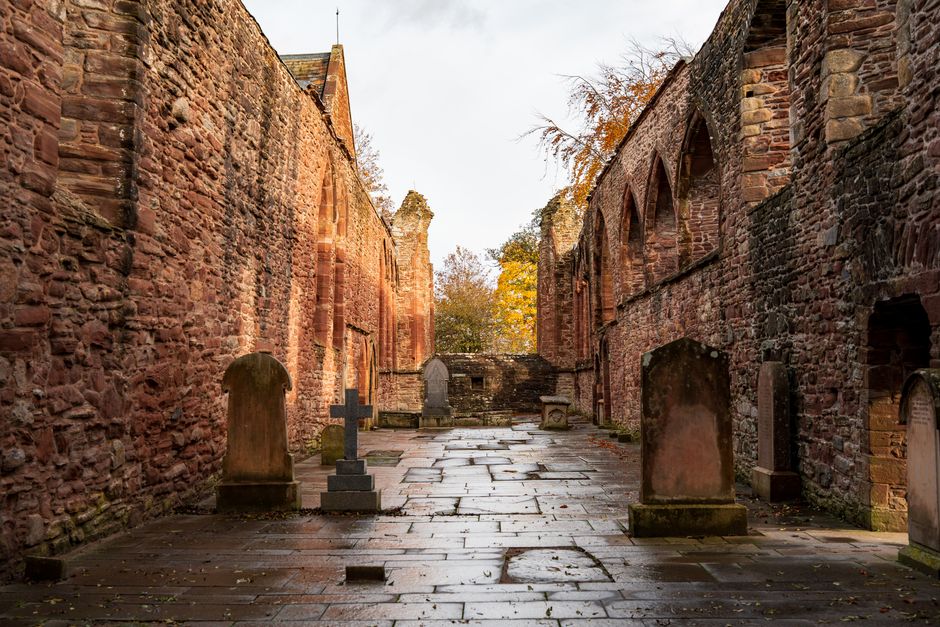
7. Scotland's Cradle of Christianity
Isle of Iona, Scotland
This tiny, remote island off the coast of Mull is where Saint Columba established a monastery in 563 AD, bringing Christianity to Scotland.
The Isle of Iona is a place of immense spiritual significance and profound tranquility. With very few cars allowed, the island's ambient sounds are primarily the crashing waves, seabirds, and the gentle murmur of pilgrims. The ancient Abbey, a site of continuous worship for centuries, stands as a testament to its enduring legacy. Visitors often describe a sense of deep peace, a quiet calm that penetrates the very air of this sacred place.
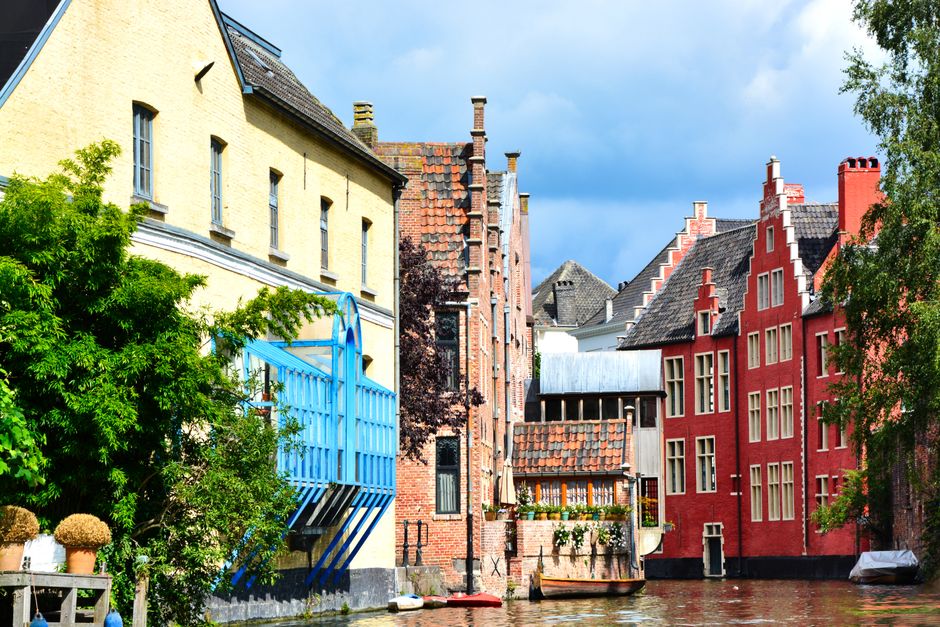
8. Ghent's Medieval Waterways
Ghent, Belgium
Ghent's historic city center is largely car-free, allowing the sounds of its medieval canals and architecture to dominate.
While Bruges often steals the spotlight, Ghent offers a more authentic and less crowded medieval experience, particularly in its car-free historic core. Its network of canals and imposing guild houses create a unique acoustic environment where the sounds of boat tours, distant street musicians, and conversations from waterside cafes replace the drone of traffic. The city's relaxed pace allows for a deeper appreciation of its rich history and vibrant student culture.
Frequently asked questions
How does ambient noise affect a traveler's experience?
Ambient noise significantly shapes perception, influencing mood, stress levels, and immersion. High noise can be distracting and fatiguing, while quieter environments often foster relaxation, deeper contemplation, and a greater connection to a place's unique atmosphere and subtle details.
Are there truly quiet cities, or just quiet areas within them?
While truly silent cities are rare, many places offer significant quiet zones. Some cities, like those with extensive car-free centers or island locations, have a generally lower ambient noise level. Others might have serene parks, historic pedestrian zones, or specific neighborhoods that offer respite from urban clamor.
What kind of destinations are best for a peaceful travel experience?
For a peaceful experience, consider destinations known for their natural beauty (deserts, remote islands, mountains), historic towns with pedestrian-only centers, or spiritual sites. These places often prioritize a tranquil atmosphere, allowing travelers to focus on scenery, culture, and personal reflection without constant auditory distractions.
How can AllTours.ai help me discover the stories of these quieter places?
AllTours.ai enhances your exploration by narrating the history, geology, and culture of any landmark or landscape you point your phone camera at. In quiet destinations, this means you can absorb the serene atmosphere while simultaneously unlocking the hidden stories and significance of your surroundings, all in your preferred language.
Related guides
Self-guided audio tours
Walk these places stop by stop — free five-stop story tours you can take at your own pace:
Photography via Pexels. AllTours.ai is an AI audio tour guide — point your camera at any landscape and hear its story.