September 15, 2026 · 4 min read
Travel often means chasing postcard views, but some of the most profound journeys lead to places where history itself has been etched into the very earth. These are not always grand monuments, but often forgotten corners that tell tales of monumental human endeavors, resource allocation, and the long shadow of past decisions.
The question "Does increasing military spending abroad eventually hurt the economy at home?" prompts us to consider the far-reaching and often unintended consequences of large-scale investments, not just in financial terms, but in the physical landscape and cultural fabric of the world. What if we looked for these echoes in unexpected travel destinations?
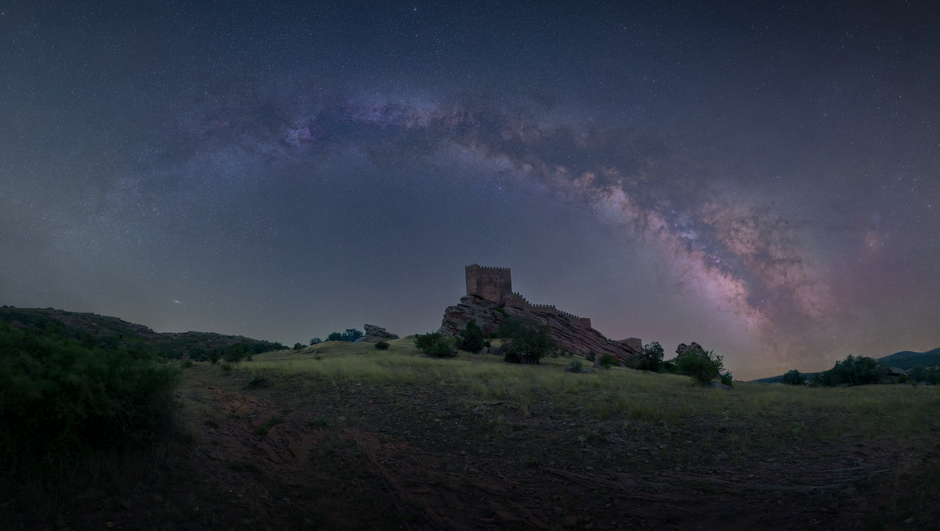
1. Rome's Golden Scars
Las Médulas, Spain
The mountains of Las Médulas in Spain were literally torn apart by Roman engineering, not for conquest, but for gold.
For centuries, the Roman Empire funded its vast military and infrastructure by stripping the earth bare. Las Médulas is the most dramatic testament to this, an UNESCO World Heritage site where hydraulic mining techniques—diverting rivers to wash away entire hillsides—left a surreal, ochre-colored landscape of artificial canyons and red peaks. It’s a stark reminder of the environmental cost of imperial ambition and resource extraction.
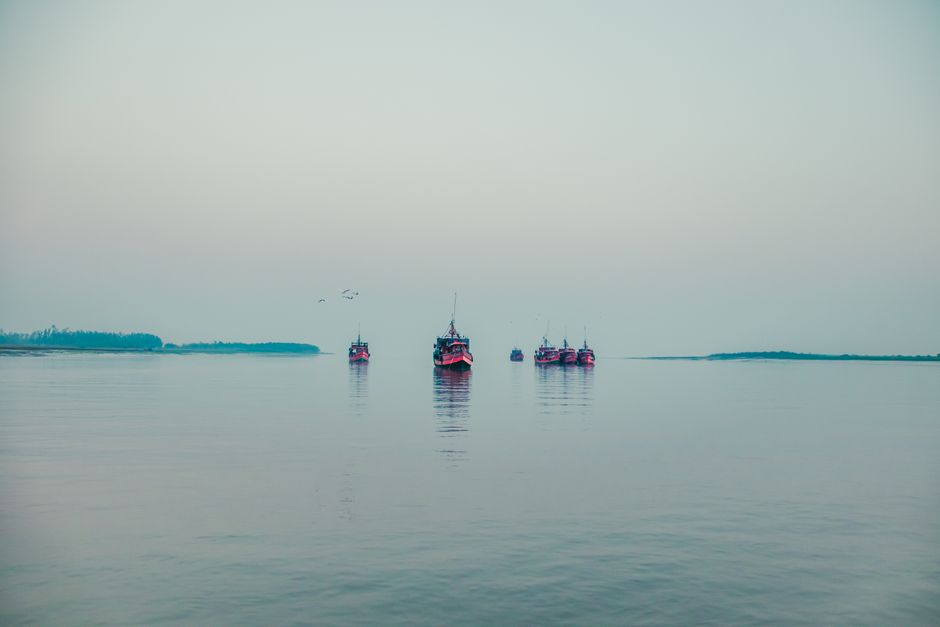
2. The Ghost Fleet's Green Legacy
Mallows Bay, Maryland, USA
Hundreds of WWI-era ships, once destined for scrap, now form one of the largest artificial reefs in the Western Hemisphere.
After World War I, a massive wooden steamship fleet built for the war effort became obsolete. Rather than being broken down, many were scuttled in Mallows Bay. Over decades, these rusting hulks transformed into a thriving ecosystem, a sanctuary for diverse marine life. This accidental marine sanctuary illustrates how the remnants of military production can, unexpectedly, become vital ecological havens, reshaping the very waters they once sailed.
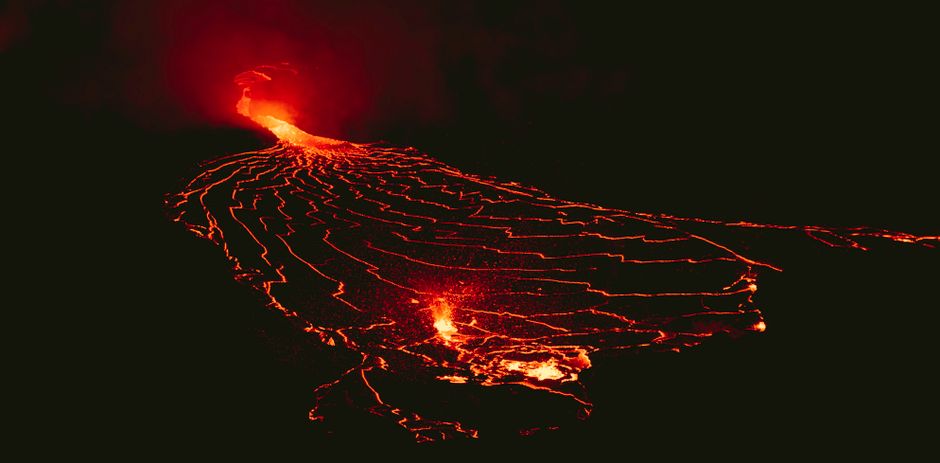
3. The Eternal Flame of Darvaza
Darvaza Gas Crater, Turkmenistan
A Soviet drilling accident in the desert created a fiery pit that has been burning continuously for over fifty years.
In 1971, Soviet geologists were drilling for natural gas when their rig collapsed into a cavern, creating a large crater. To prevent the spread of poisonous methane gas, they decided to set it alight, expecting it to burn out in a few weeks. Five decades later, the "Gates of Hell" still blaze, a dramatic, unplanned consequence of Cold War-era resource exploration and a powerful symbol of human impact on the environment.
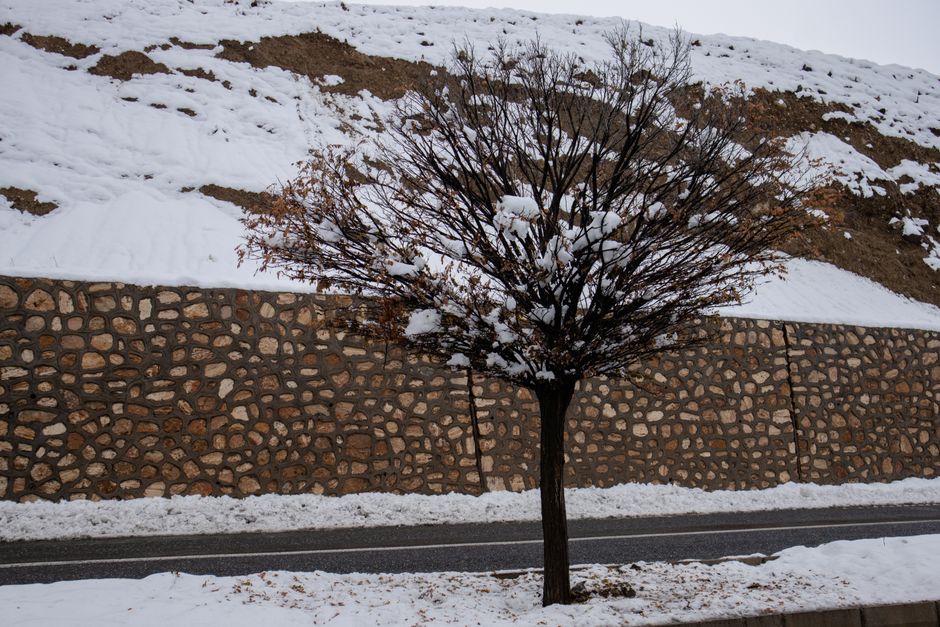
4. Persia's Great Forgotten Wall
Gorgan, Iran
Iran is home to a massive defensive wall, predating China's most famous sections, built by a forgotten empire to protect against steppe invaders.
Far less known than its Chinese counterpart, the Great Wall of Gorgan stretches over 195 kilometers. Constructed by the Sassanian Persian Empire, this formidable brick barrier, complete with dozens of forts, was a monumental investment in national defense against northern nomadic tribes. Its enduring remnants demonstrate the vast resources ancient states poured into protecting their borders, leaving an indelible, often overlooked, mark on the landscape.
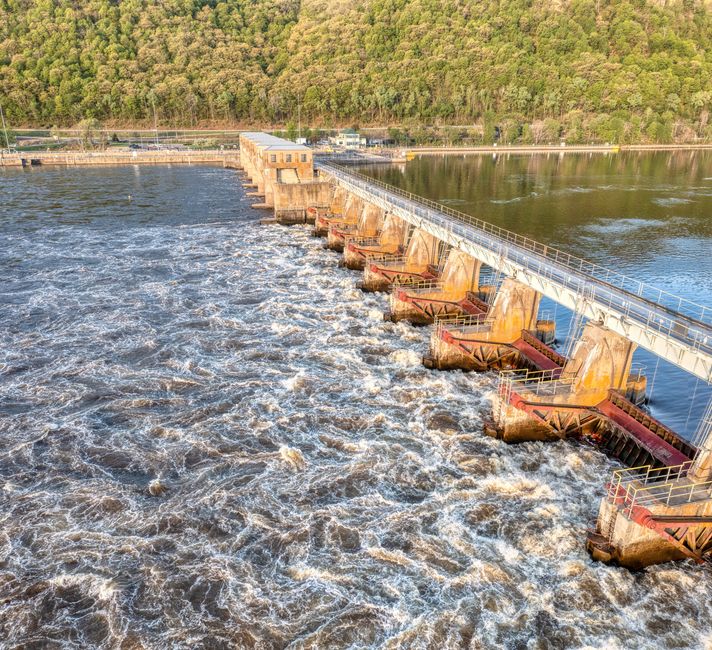
5. The Submerged Island of Ada Kaleh
Iron Gates Gorge, Danube River (Romania/Serbia border)
An entire island, once an exotic Ottoman enclave, was deliberately submerged to make way for a hydroelectric dam.
Ada Kaleh was a picturesque island on the Danube, inhabited for centuries, boasting a mosque, winding alleys, and a unique culture. In the late 1960s, the construction of the Iron Gates I Hydroelectric Power Plant necessitated its complete submersion. Its inhabitants were relocated, and a vibrant piece of history vanished beneath the waters, a poignant example of how large-scale infrastructure projects, often driven by national development or strategic needs, can erase irreplaceable cultural heritage.
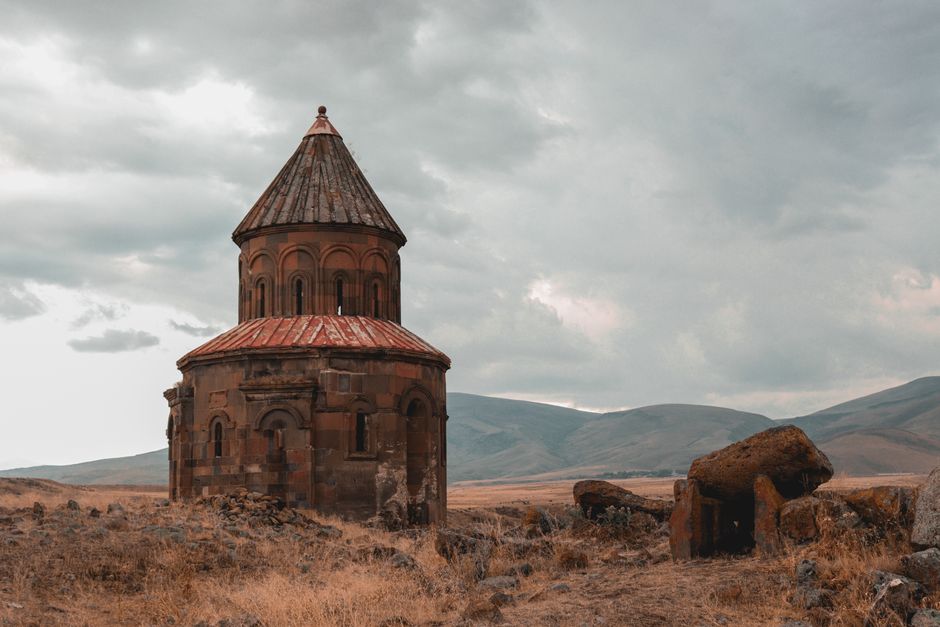
6. Ani, City of 1001 Churches
Ani, Kars Province, Turkey
Once a flourishing medieval capital rivaling Constantinople, Ani now stands as a haunting ghost city on a desolate borderland.
Ani, the ancient capital of the Bagratid Armenian kingdom, was a major Silk Road city in the 10th and 11th centuries, renowned for its magnificent architecture and vast population. Repeated invasions, earthquakes, and shifting trade routes gradually led to its abandonment. Its majestic ruins, including churches and fortifications, now stand solitary and exposed, a powerful testament to how geopolitical shifts and conflicts can decimate even the grandest urban centers, leaving their glory to crumble.

7. Houtouwan's Green Embrace
Shengsi Archipelago, China
An entire Chinese fishing village has been completely reclaimed by nature, its houses swallowed by ivy and vines.
Houtouwan, once a thriving fishing community on Shengshan Island, was gradually abandoned as its residents sought better economic opportunities on the mainland. Without human intervention, the lush subtropical vegetation rapidly took over, transforming the empty homes into verdant, moss-covered structures. This modern ghost village offers a striking visual metaphor for how shifts in economic priorities and resource allocation can lead to the silent, organic reclaiming of human spaces.
Frequently asked questions
What are some unique historical sites to visit off the beaten path?
Look for locations like ancient industrial sites (e.g., Roman mines), abandoned towns, or places impacted by major infrastructure projects. These often reveal hidden layers of history and human endeavor that mainstream tourist spots might miss.
How do past human decisions impact current landscapes?
From ancient mining operations that reshaped mountains to modern dam projects submerging entire communities, human decisions leave lasting physical and ecological marks. These imprints tell stories of resource use, strategic planning, and the unintended consequences of progress.
Where can I find more stories about places with surprising histories?
Seek out local museums, historical societies, and lesser-known UNESCO sites. Often, places that aren't immediately famous hold the most unique and intricate narratives, waiting to be discovered by curious travelers.
How does the AllTours.ai app help me discover these places?
AllTours.ai brings these hidden stories to life. Simply point your phone camera at a landmark, landscape, or even an overgrown ruin, and the app will narrate its history, geology, and cultural significance in your language, revealing the unseen layers of the world around you.
Related guides
Photography via Pexels. AllTours.ai is an AI audio tour guide — point your camera at any landscape and hear its story.