July 25, 2026 · 4 min read
For travelers eyeing Japan, the current financial landscape presents a unique opportunity. With the dollar recently reaching a 40-year peak against the yen, your travel budget stretches further than it has in decades. This shift makes exploring the Land of the Rising Sun more accessible, opening doors to experiences previously considered out of reach.
While iconic landmarks draw millions, Japan's true magic often lies beyond the well-trodden paths. Imagine ancient tales whispered by wind-swept rice terraces, or hidden spiritual sites guarding secrets of a bygone era. This guide invites you to look past the popular postcards and discover a Japan rich in surprising stories and untouched beauty, where every corner holds a piece of history waiting to be uncovered.
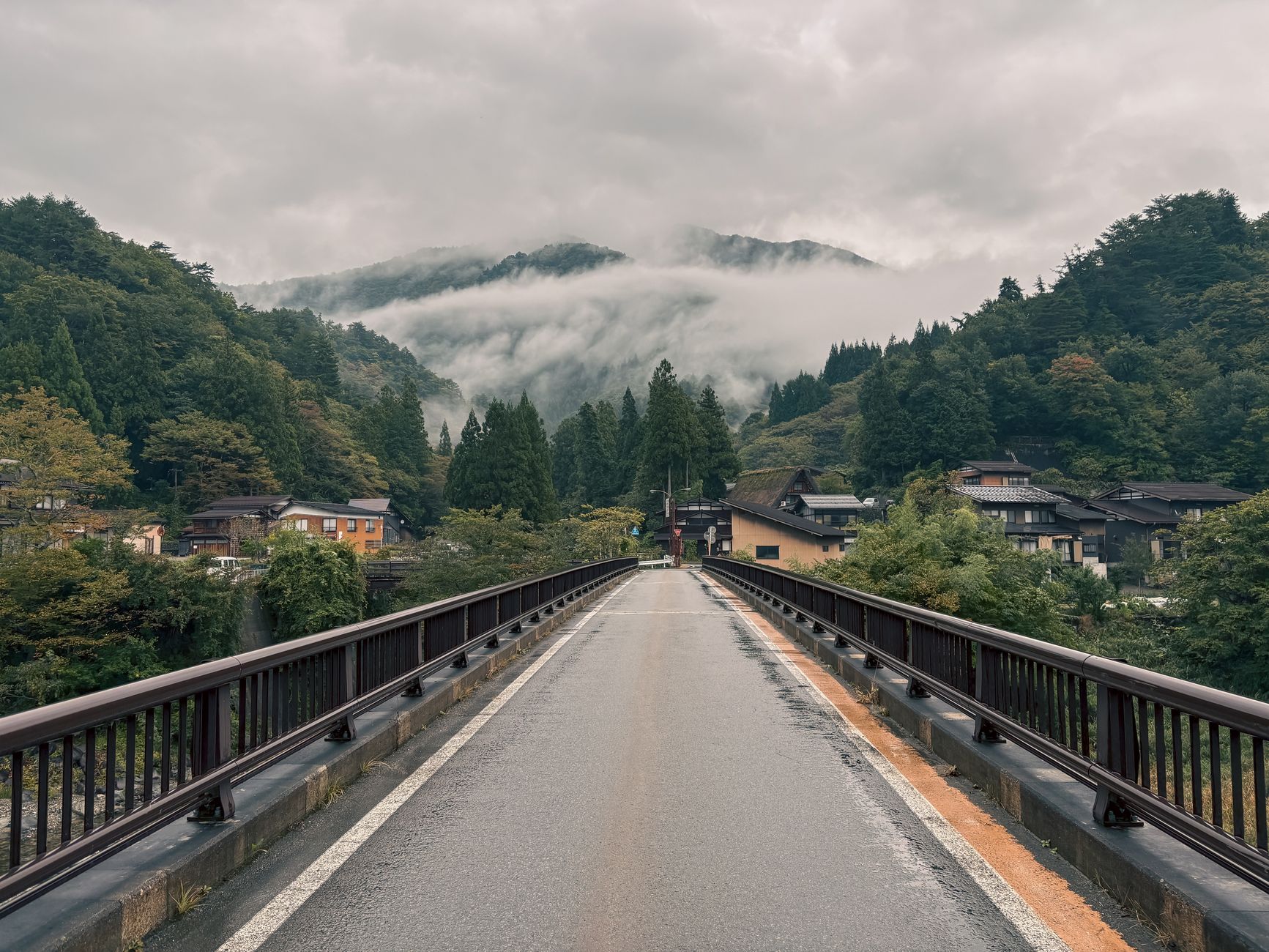
1. Iya Valley's Aerial Bridges
Iya Valley, Shikoku, Japan
These precarious vine bridges were historically built by fleeing samurai to be easily cut, deterring pursuers.
Deep within Shikoku's rugged interior, the Iya Valley is a realm of steep gorges and hidden hamlets. Here, ancient kazurabashi (vine bridges) span rushing rivers, some woven from mountain vines over 800 years ago. Legend says they were constructed by the Heike clan, survivors of a devastating civil war, who used their fragile design as a defense mechanism against chasing armies.
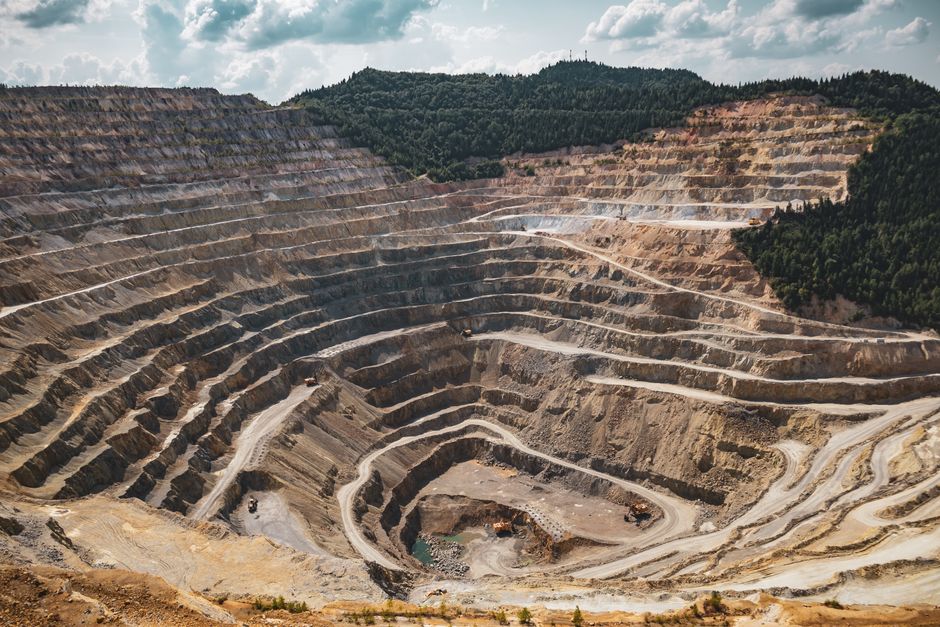
2. Sado Island's Exiled Gold
Sado Island, Niigata, Japan
This isolated island once housed a thriving gold mine and served as a remote exile for political dissidents and intellectuals.
Off the coast of Niigata lies Sado Island, a place whose history is as rich as the gold once extracted from its mines. From the Edo period, it was a major gold and silver producer, but also a desolate place of banishment for figures like Emperor Juntoku and the monk Nichiren. Today, its heritage thrives through unique traditions like the Okesa folk dance and the Kodo taiko drummers, whose powerful rhythms echo the island's resilient spirit.
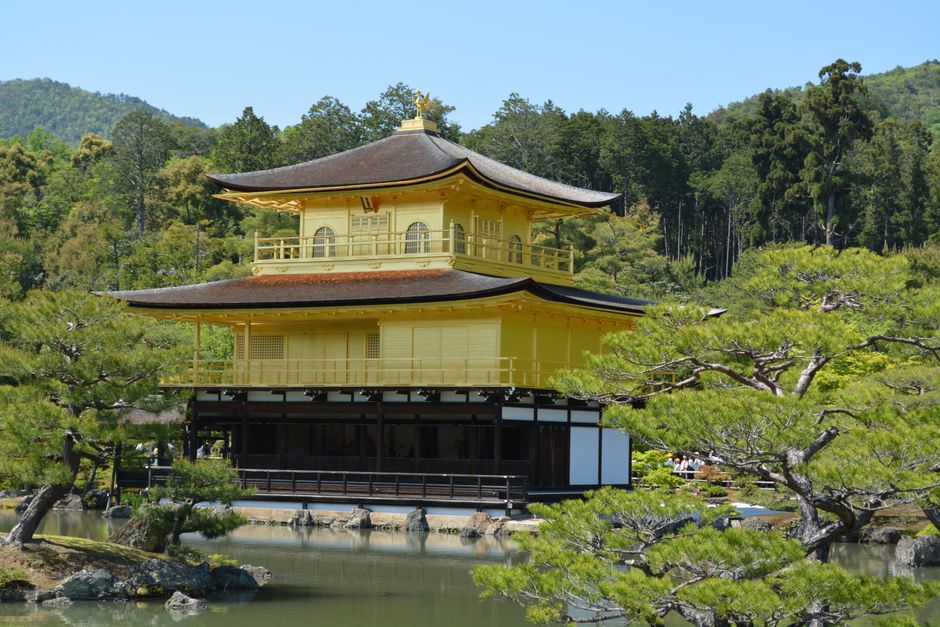
3. Hiraizumi's Golden Age
Hiraizumi, Iwate, Japan
In the 12th century, this northern town rivaled Kyoto in splendor, boasting golden temples built by a powerful samurai clan.
Far in Japan's northern Tohoku region, Hiraizumi was once the capital of the Northern Fujiwara clan, a golden age cultural hub that flourished independently of Kyoto. Its opulent temples, like Chuson-ji with its Konjiki-do (Golden Hall), were built to create a Buddhist Pure Land on Earth. Though much was lost to time and conflict, the remaining structures offer a glimpse into a period of extraordinary artistic and political ambition.
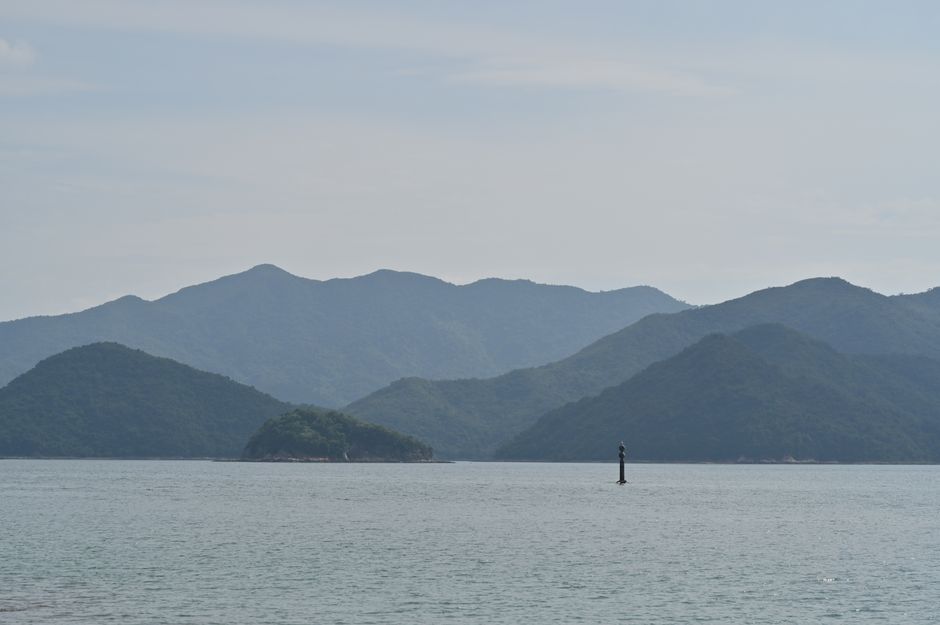
4. Kunisaki's Stone Buddhas
Kunisaki Peninsula, Oita, Japan
The rugged Kunisaki Peninsula is dotted with unique magai-butsu, massive Buddha images carved directly into cliff faces.
The Kunisaki Peninsula in Oita is a sacred land shaped by Rokugo Manzan, a unique syncretic Buddhist-Shinto tradition. Monks once traversed its steep mountain trails, linking temples and shrines. Among its most striking features are the magai-butsu, colossal Buddhist figures carved into volcanic rock cliffs, some dating back to the Heian period. These silent guardians watch over the landscape, embodying centuries of spiritual devotion.
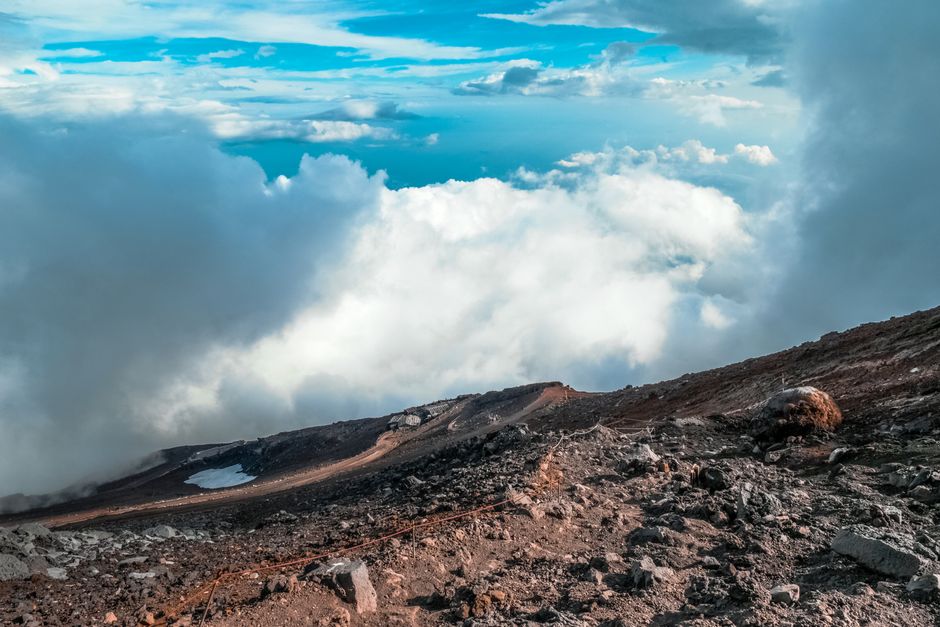
5. Mount Osore's Spirit Mediums
Mount Osore, Aomori, Japan
This volcanic 'hell-on-earth' landscape is believed to be a gateway to the afterlife, where blind itako mediums communicate with the dead.
At the remote tip of Aomori Prefecture lies Mount Osore (Fear Mountain), a desolate volcanic caldera resembling depictions of Buddhist hell. With its sulfurous fumes, bubbling ponds, and barren shores, it's a sacred site where the living come to commune with the dead. Blind itako (spiritual mediums) once held rituals here, channeling the voices of departed loved ones, a poignant tradition that continues to draw visitors seeking connection and solace.
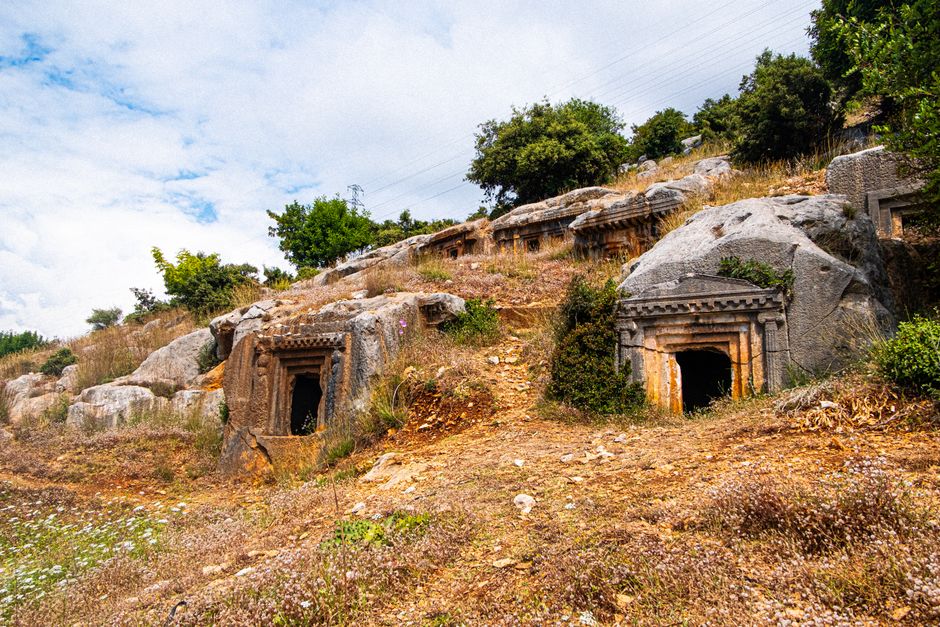
6. Asuka Village's Ancient Roots
Asuka Village, Nara, Japan
This unassuming village was Japan's first true capital and the birthplace of many foundational elements of Japanese culture and statehood.
Before Nara or Kyoto, there was Asuka. This tranquil village in Nara Prefecture served as the political and cultural heart of Japan from the late 6th to early 8th centuries. It's where Buddhism first took root, where the first centralized government was established, and where monumental stone carvings like the Masuda-no-Iwafune baffle archaeologists to this day. Exploring Asuka is like stepping into the very genesis of the Japanese nation.
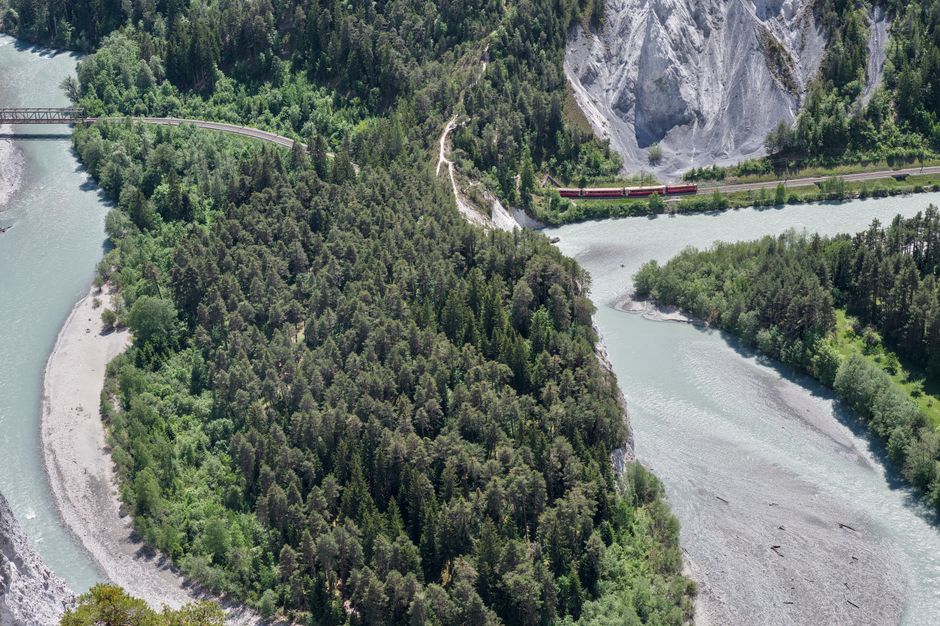
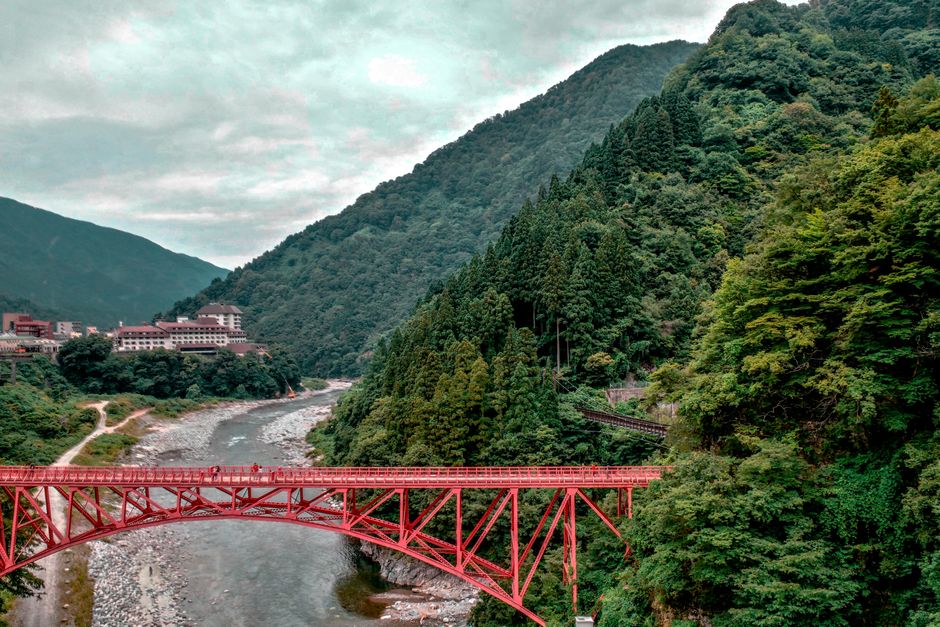
7. Kurobe Gorge's Engineering Feat
Kurobe Gorge, Toyama, Japan
Japan's deepest V-shaped gorge is traversed by a dramatic, narrow-gauge railway built for a massive hydroelectric project.
Carved by the Kurobe River, this stunning gorge in the Japan Alps is one of the deepest in the country. Its remote beauty is accessible via the Kurobe Gorge Railway, originally constructed to transport materials for the ambitious Kurobe Dam hydroelectric project. Riding the open-air train through tunnels and over bridges offers breathtaking views of pristine forests, hot springs, and sheer cliffs, revealing both natural grandeur and human ingenuity.
Frequently asked questions
What is the best time to visit Japan to see these lesser-known spots?
Spring (March-May) and Autumn (September-November) are generally ideal, offering pleasant weather and stunning scenery like cherry blossoms or vibrant fall foliage. Visiting during these shoulder seasons can also mean fewer crowds even at popular spots, making lesser-known locations even more tranquil.
How challenging is it to travel to these off-the-beaten-path locations in Japan?
While they require a bit more planning than major cities, many are accessible by train, bus, or rental car. English signage might be less common, but the hospitality remains high. A strong yen makes local transport and accommodation excellent value, encouraging deeper exploration.
Is Japan still considered an expensive country to visit, even with the strong dollar?
With the dollar at a 40-year peak against the yen, Japan is significantly more affordable for travelers from dollar-based economies. While major cities can still be pricey, exploring rural areas and lesser-known spots often offers excellent value for accommodation, food, and experiences, making an extended trip more feasible.
How can the AllTours app help me explore these unique Japanese destinations?
AllTours transforms your phone into an AI-powered audio guide. Simply point your camera at a historic site, a unique geological formation, or even a local craft, and the app instantly narrates its story, history, and cultural significance in your language, bringing these hidden gems to life as you explore.
Related guides
Self-guided audio tours
Walk these places stop by stop — free five-stop story tours you can take at your own pace:
Photography via Pexels. AllTours.ai is an AI audio tour guide — point your camera at any landscape and hear its story.