July 24, 2026 · 4 min read
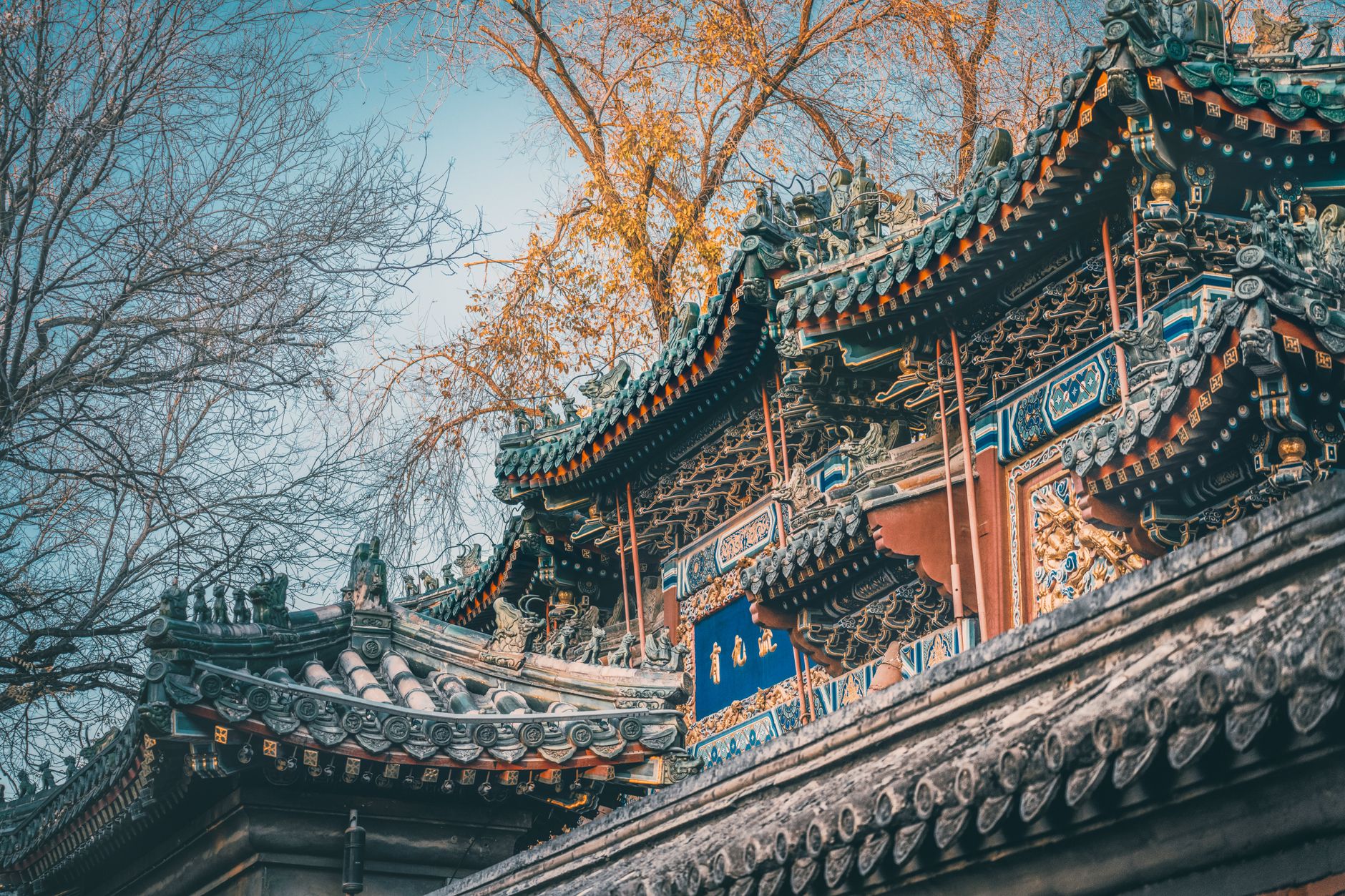
The currency symbols for the Chinese Yuan (¥) and the Japanese Yen (¥) are strikingly similar, a detail that often sparks curiosity. This isn't a mere coincidence; it's a profound echo of centuries of deep cultural, linguistic, and economic exchange across East Asia. The shared symbol is a subtle clue to a sprawling web of influences that shaped art, architecture, and even statecraft from China to Japan, Korea, and beyond.
Beyond the bustling metropolises and well-trodden paths, countless lesser-known places hold vivid stories of this interconnected past. These hidden gems reveal how ideas, technologies, and even symbolic representations traveled across borders, creating a mosaic of shared heritage. Join us on a journey to uncover these fascinating connections, one surprising location at a time.
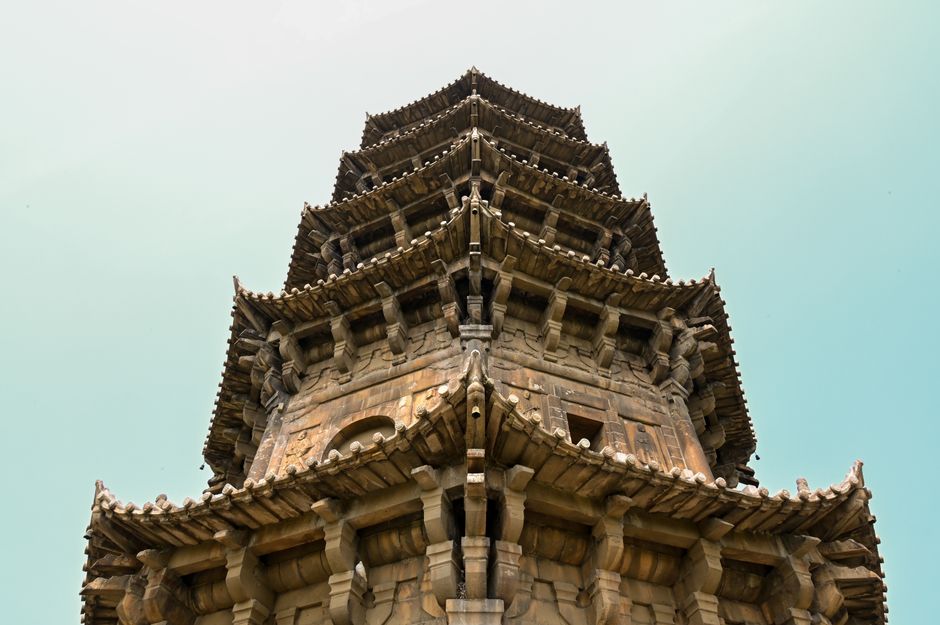
1. The Mosque of Shared Scripts
Quanzhou, China
An ancient Chinese port city hosts one of the oldest mosques in the country, its walls whispering tales of global trade and shared symbols.
The Qingjing Mosque (Ashab Mosque) in Quanzhou, dating back to 1009, stands as a testament to the city's past as a major maritime Silk Road hub. Its unique architecture blends Middle Eastern and Chinese elements, reflecting the diverse merchant communities—including Arab and Persian traders—who brought their currency, scripts, and faiths. This UNESCO site illustrates how different cultures coexisted and exchanged not just goods, but also symbols, in China's cosmopolitan past.
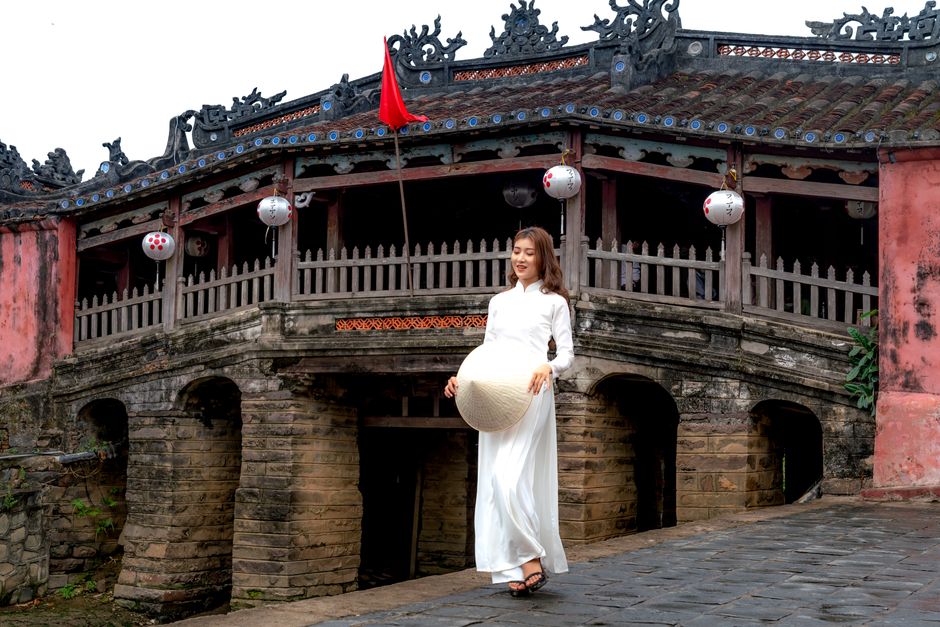
2. Hoi An's Bridging Cultures
Hoi An, Vietnam
This iconic Vietnamese covered bridge, built by Japanese merchants, features a distinctly Chinese-style roof, symbolizing a centuries-old cultural fusion.
The Japanese Covered Bridge in Hoi An, built around the 18th century, is a stunning example of East Asian cultural synthesis. While its construction is attributed to Japanese traders, its roof boasts classic Chinese architectural characteristics, complete with intricate tilework and decorative elements. This unique structure served as a literal and symbolic link between the Japanese and Chinese merchant quarters, embodying the blend of influences that shaped Hoi An into a thriving international port.
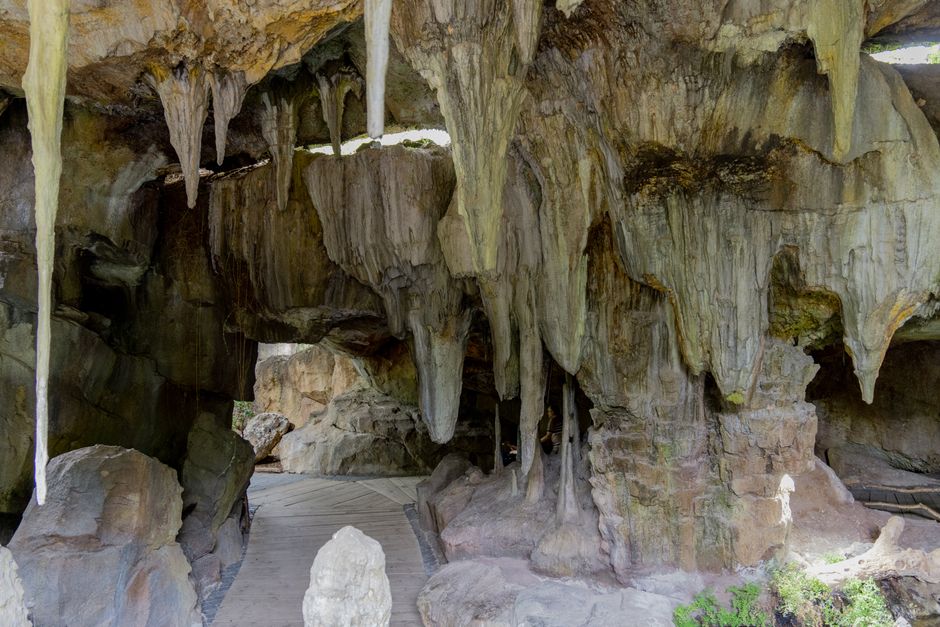
3. Korea's Grotto of Tang Echoes
Gyeongju, South Korea
The serene Buddha of Seokguram Grotto guards a blueprint of cultural exchange, with its design echoing artistic principles from Tang Dynasty China.
Seokguram Grotto, a UNESCO World Heritage site near Gyeongju, is an artificial cave temple built in the 8th century during the Silla Kingdom. Its main Buddha statue and surrounding bodhisattvas display a remarkable blend of indigenous Korean artistry and the sophisticated stylistic conventions of Tang Dynasty Buddhist art from China. The meticulous planning and spiritual iconography of Seokguram reveal how Chinese artistic and religious ideas were profoundly adopted and adapted in Korea, influencing its cultural landscape for centuries.
4. Nara's Silk Road Time Capsule
Nara, Japan
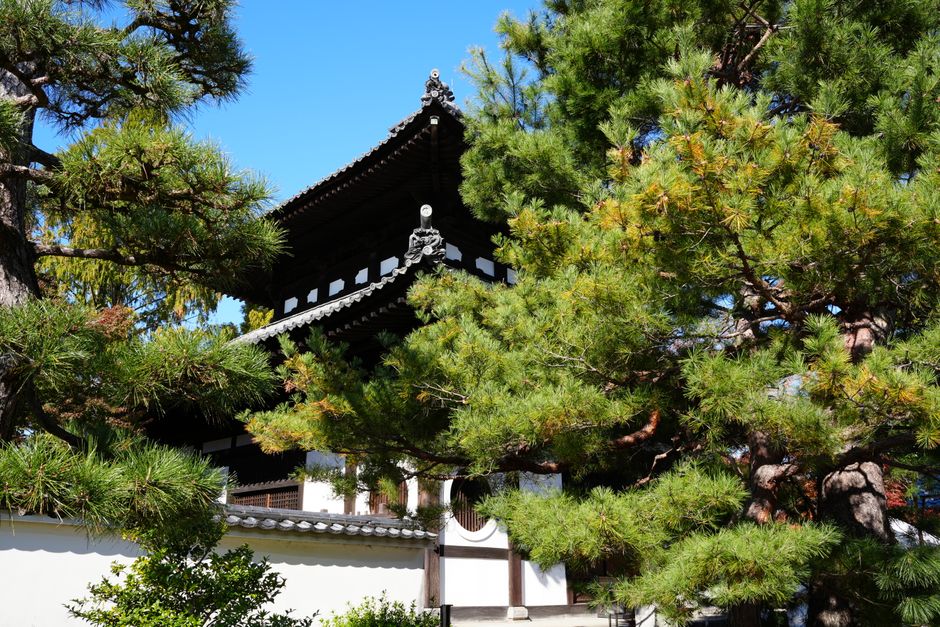
A revered wooden treasure house in Nara holds 8th-century wonders that traveled directly from Tang Dynasty China, preserved for over a millennium.
The Shōsōin Treasure House, located within the Tōdai-ji Temple complex in Nara, is an unparalleled repository of 8th-century artifacts, many of which are direct imports from Tang Dynasty China and along the Silk Road. It contains everything from musical instruments and ritualistic objects to textiles and calligraphy, offering a tangible glimpse into Japan's deep cultural and economic ties with continental Asia. These items showcase the direct flow of ideas and goods that underpinned the development of early Japanese culture.
5. Kanazawa's Dyed Traditions
Kanazawa, Japan
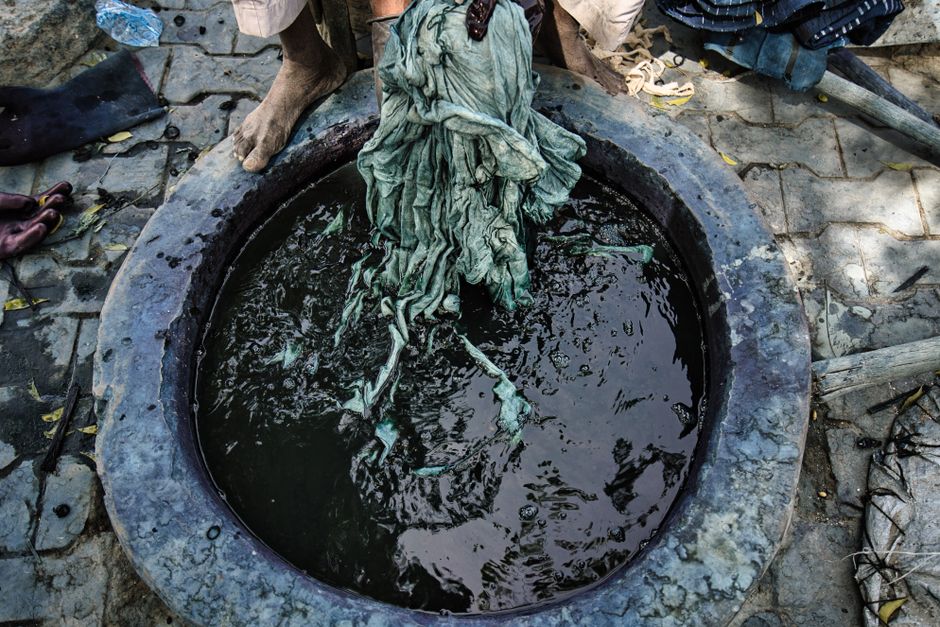
Kanazawa's vibrant Kaga Yuzen silks whisper tales of ancient Chinese dye masters, revealing a hidden lineage of craftsmanship.
The exquisite Kaga Yuzen dyeing technique, a hallmark of Kanazawa's traditional crafts, has roots stretching back to ancient Chinese silk traditions. While uniquely Japanese in its aesthetic, the underlying methods of resist dyeing and intricate pattern creation evolved from techniques introduced centuries ago from the continent. Exploring the workshops and museums dedicated to Kaga Yuzen reveals how cultural practices, initially symbolized by imported goods, were meticulously absorbed and transformed into distinct local art forms.
6. Shuri Castle: Kingdom of Two Lords
Okinawa, Japan
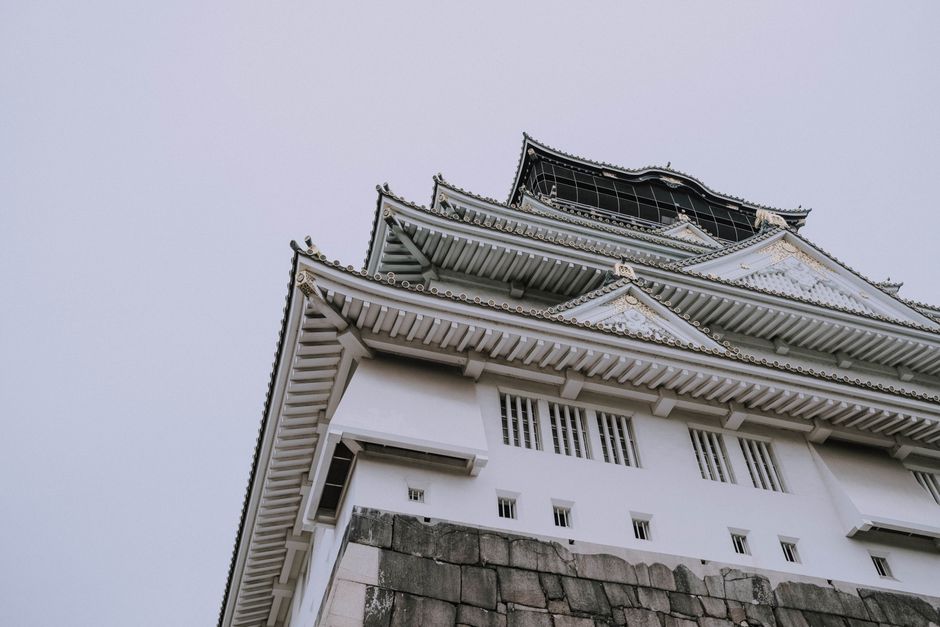
A reconstructed castle in Okinawa embodies a kingdom that balanced allegiance to both ancient China and Japan, reflecting this duality in its unique architecture.
Shuri Castle, the former palace of the Ryukyu Kingdom in Okinawa, stands as a powerful symbol of a unique independent state that thrived by paying tribute to both imperial China and the Japanese shogunate. Its architecture distinctively blends Chinese and Japanese styles, from the brilliant vermilion paint and dragon motifs (Chinese influence) to the roofing and interior layouts (Japanese influence). This dual heritage exemplifies a historical period where cultural and economic symbols flowed in multiple directions, creating a singular identity.
7. Longmen's Sculpted Legacy
Luoyang, China
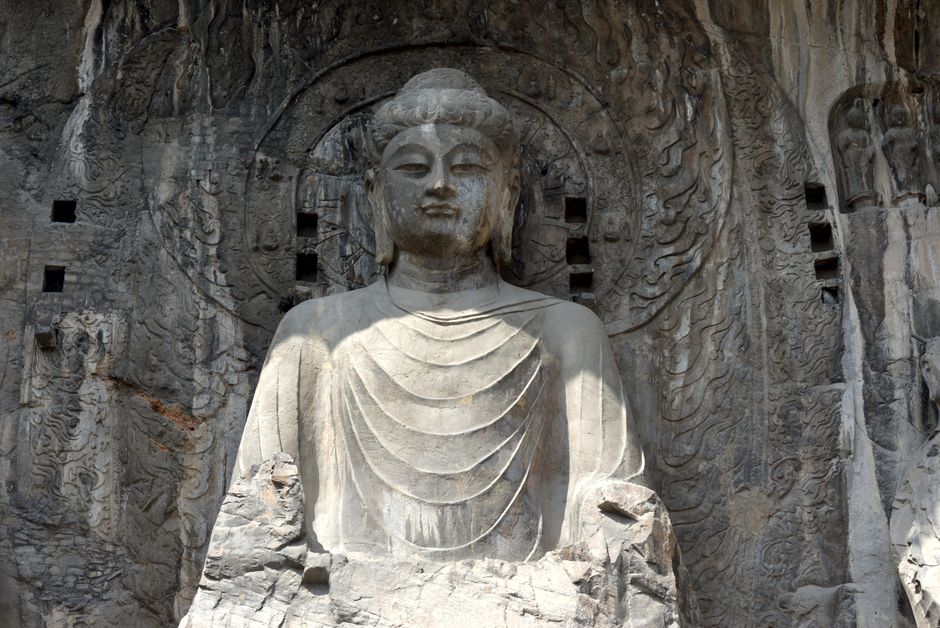
Thousands of carved Buddhas in China's Longmen Grottoes shaped the sacred art of neighboring kingdoms for centuries.
The Longmen Grottoes near Luoyang, a UNESCO World Heritage site, comprise tens of thousands of Buddhist statues carved into limestone cliffs over several dynasties. These grottoes represent a zenith of Chinese Buddhist art, with their scale and stylistic evolution profoundly influencing the development of Buddhist sculpture in Korea and Japan. The iconic 'Vairocana Buddha' at Fengxian Temple, with its serene majesty, served as a prototype for countless subsequent depictions across East Asia, solidifying a shared visual vocabulary for spiritual expression.
Frequently asked questions
Why do the Chinese Yuan and Japanese Yen use similar currency symbols?
The similar '¥' symbol for the Chinese Yuan and Japanese Yen stems from shared historical and linguistic roots. Both currencies derive their names from the Chinese character '圓' (yuán), meaning 'round object' or 'round coin', which was pronounced 'en' in Japanese. The symbol itself is believed to be a stylized 'Y' for Yen or Yuan, with two horizontal strokes signifying a currency, similar to how the dollar sign '$' developed.
What is the origin of the names 'Yuan' and 'Yen'?
Both 'Yuan' and 'Yen' originate from the Chinese character '圓' (yuán), which historically referred to a round silver coin. In Mandarin Chinese, this became 'yuán'. When this concept and character were adopted in Japan, it was pronounced 'en'. The Korean 'Won' also shares this same linguistic root, highlighting a common monetary and cultural heritage across the region.
Are there other countries that use a similar currency symbol?
While the Chinese Yuan and Japanese Yen share the exact '¥' symbol, the Korean Won (₩) uses a very similar symbol, a 'W' with two horizontal strokes. This shared visual representation further underscores the deep historical and cultural interconnectedness of these East Asian economies, reflecting a common heritage in their monetary systems.
How does the AllTours.ai app help travelers discover these historical connections?
AllTours.ai acts as your personal AI audio tour guide, bringing these historical connections to life. Simply point your phone camera at a landmark, an ancient artifact, or even a natural landscape, and the app will narrate its history, geology, and cultural significance in your language, revealing the hidden stories and shared influences that shape the world around you.
Related guides
Photography via Pexels. AllTours.ai is an AI audio tour guide — point your camera at any landscape and hear its story.