June 30, 2026 · 4 min read
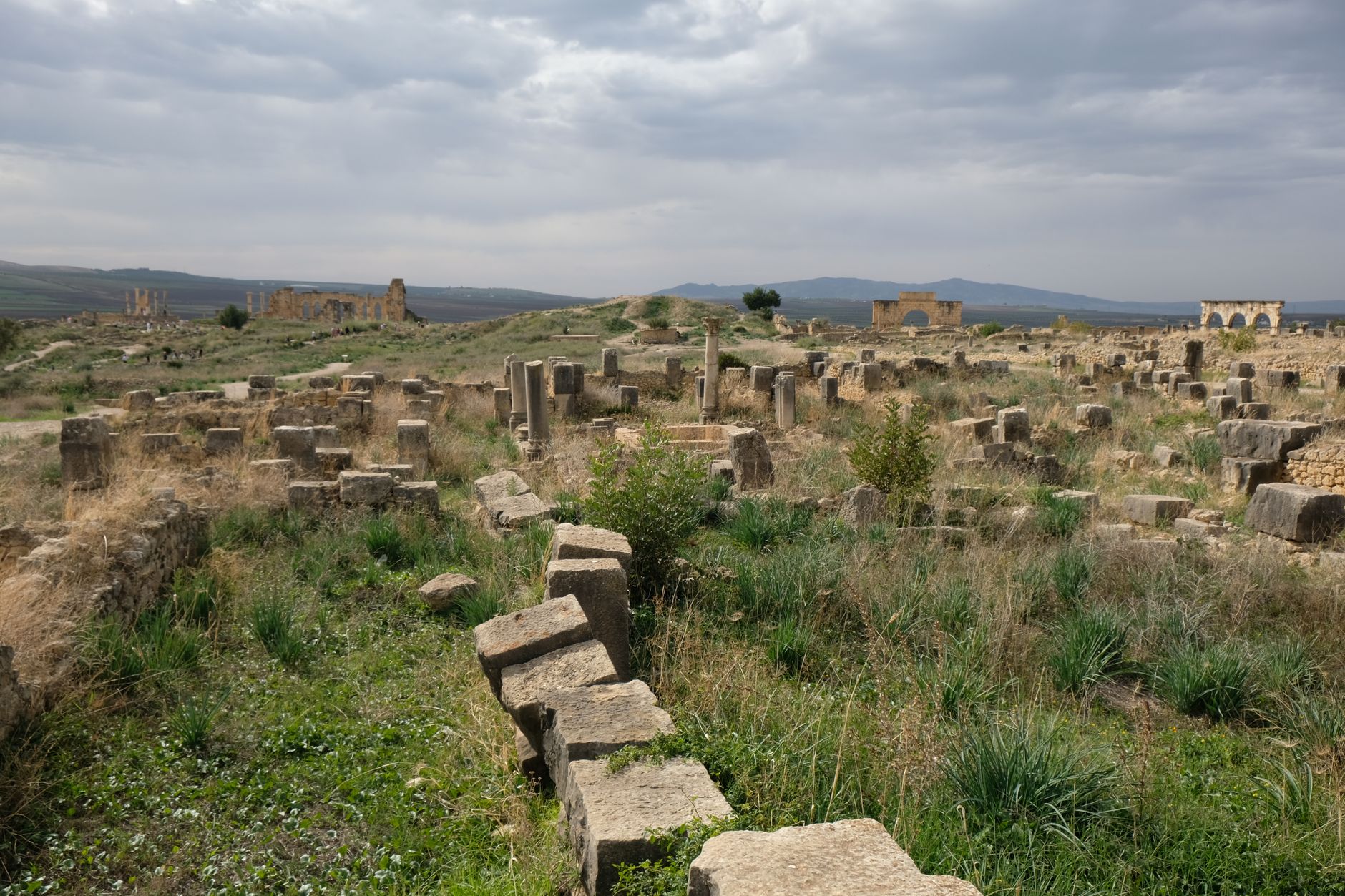
The hum of the airport lounge, once a sanctuary of pre-flight calm, has for many travelers become another casualty of increased global travel. What was once an exclusive retreat now often feels like just another crowded waiting area, a stark contrast to the promise of serene departure.
But what if the solution isn't to find a less crowded lounge, but to seek out places that are inherently uncrowded, where the stories are as vast and open as the landscapes themselves? Beyond the well-trodden paths and popular attractions lie corners of the world brimming with unique history, geological wonders, and fascinating cultural narratives, far from any airport queue.
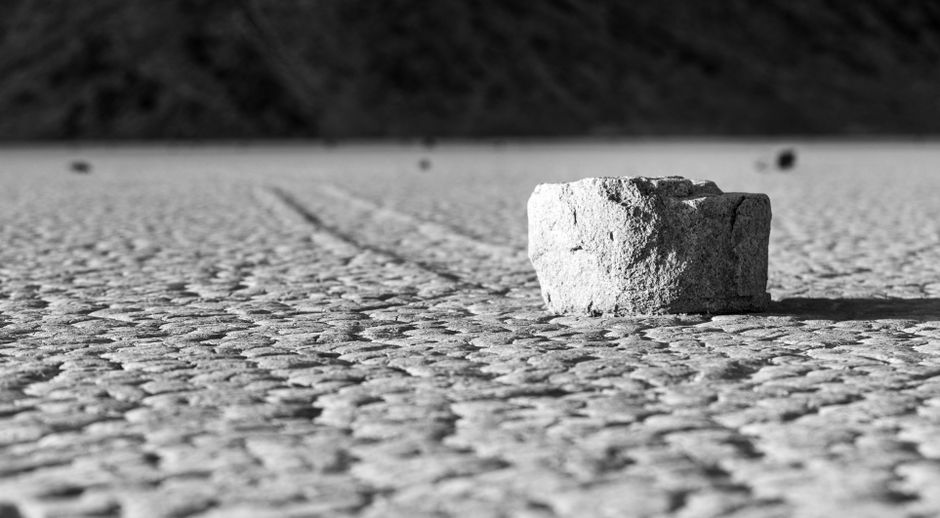
1. The Desert's Moving Stones
Racetrack Playa, Death Valley, USA
Here, heavy rocks mysteriously slide across a dry lakebed, leaving long trails behind them, a phenomenon that baffled scientists for decades.
Racetrack Playa is a famously flat, dry lakebed in Death Valley National Park, where the 'sailing stones' phenomenon occurs. For years, the mechanism behind these self-propelling rocks was a mystery. Researchers have now confirmed that a rare combination of specific conditions—a thin sheet of ice forming on the playa, strong winds, and the sun melting the ice into panels—pushes these stones, some weighing hundreds of pounds, across the soft mud surface.
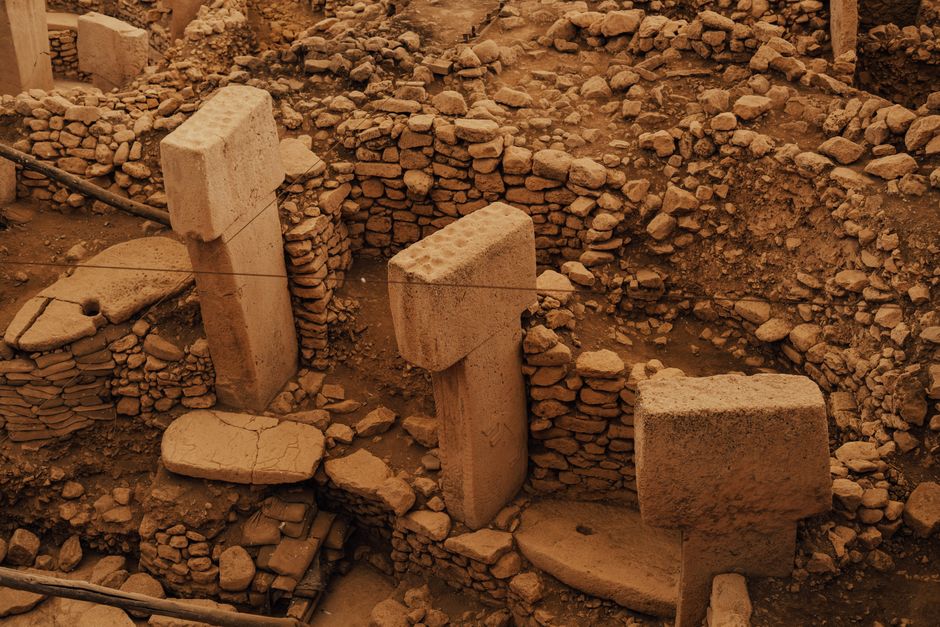
2. Older Than Stonehenge
Kokino Observatory, North Macedonia
Perched atop an ancient volcanic cone, this megalithic observatory is recognized as one of the oldest in the world, predating Stonehenge and dating back to the Bronze Age.
Discovered only in 2001, the Kokino Observatory is a remarkable archaeological site used by Bronze Age inhabitants around the 19th to 17th centuries BC. It features marked stones that align with the summer and winter solstices and the equinoxes, allowing ancient peoples to track celestial movements for agricultural and ritualistic purposes. The site offers panoramic views of the surrounding landscape, connecting the heavens to the earth in a profound way.
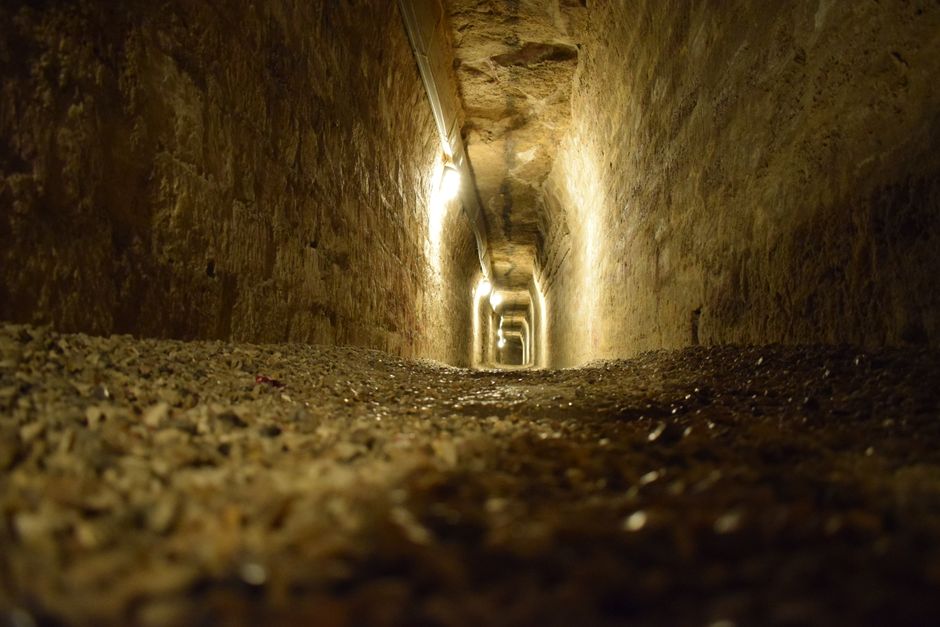
3. The First Christian Sanctuary
Catacombs of Milos, Greece
These ancient underground tunnels served as one of the earliest Christian burial sites, predating the more famous Roman catacombs.
Carved into the soft volcanic rock of Milos, these extensive catacombs were used from the 1st to the 5th century AD, housing thousands of graves and serving as a secret place of worship during periods of Christian persecution. Unlike the Roman catacombs which are often deeper, the Milos catacombs run horizontally, creating a sprawling network of chambers and passages that offer a rare glimpse into the nascent stages of Christianity.
4. India's Cursed Fort
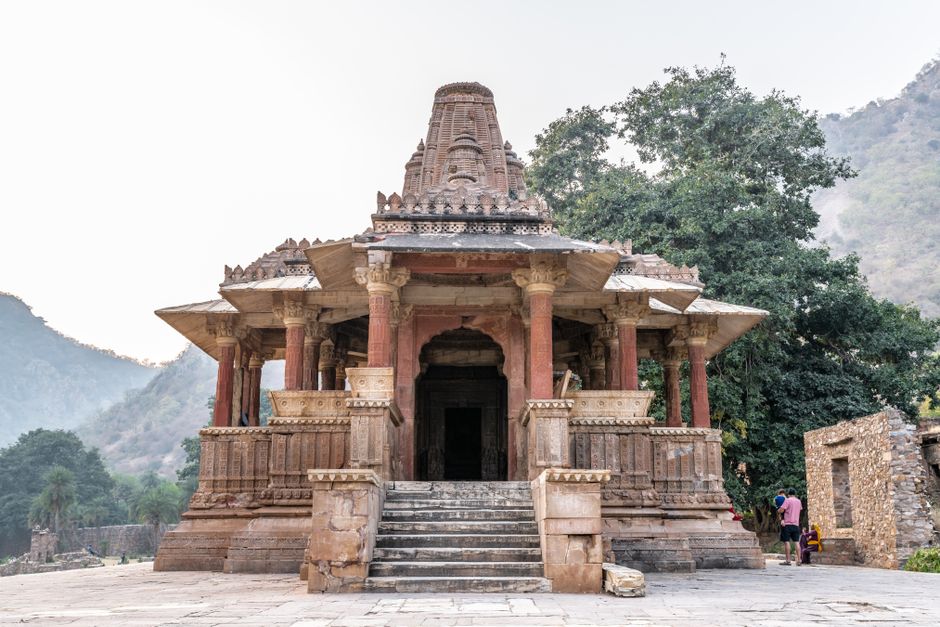
Bhangarh Fort, Rajasthan, India
Known as India's most haunted place, this abandoned 17th-century fort is said to have been deserted overnight due to a powerful curse, with entry forbidden after sunset.
The ruins of Bhangarh Fort stand as a testament to a captivating, albeit eerie, legend. Local lore tells of a powerful sorcerer who, spurned by a beautiful princess, cursed the fort and its inhabitants, leading to its sudden and complete abandonment. Today, the Archaeological Survey of India officially prohibits visitors from entering the fort complex between sunset and sunrise, lending credence to the tales of its otherworldly residents and adding to its mystique.
5. A Village Within a Monument
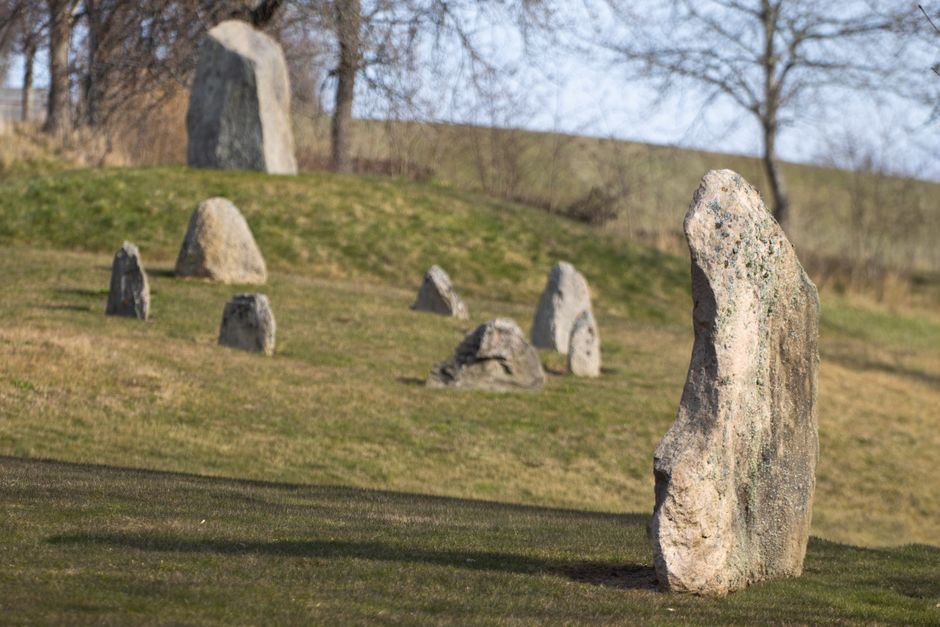
Avebury Stone Circle, Wiltshire, UK
Far larger and older than Stonehenge, this colossal Neolithic stone circle is so immense that a modern village was built directly within its boundaries centuries ago.
Avebury is one of the largest and most complex prehistoric monuments in Britain, a UNESCO World Heritage site featuring a massive henge and several stone circles. Unlike Stonehenge, which stands in isolation, Avebury village grew up around and within the ancient stones, meaning houses and pubs are nestled directly among these thousands-year-old megaliths. This integration offers a unique perspective on how humanity adapts to and coexists with ancient history.
6. Where Dinosaurs Laid Eggs
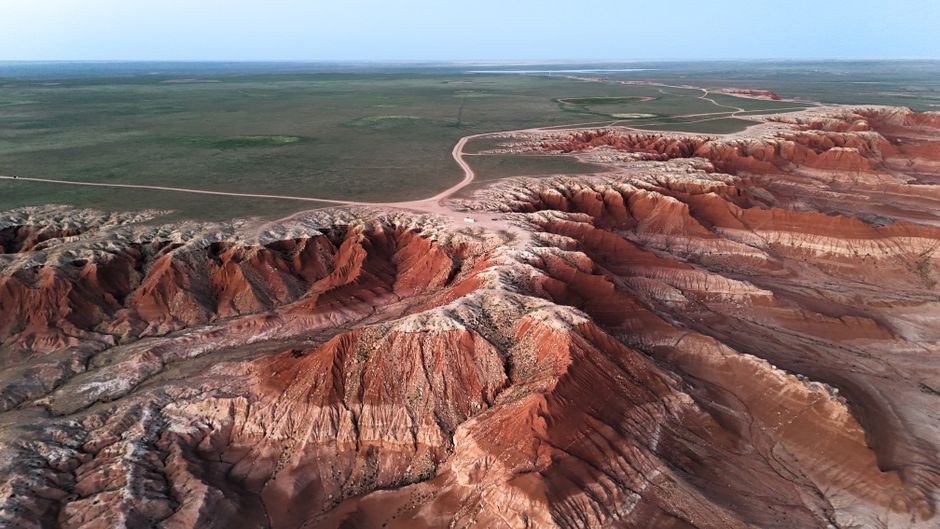
Flaming Cliffs (Bayanzag), Gobi Desert, Mongolia
These dramatic red sandstone cliffs are the world-renowned site where the first dinosaur eggs were ever discovered, revolutionizing our understanding of prehistoric life.
In the 1920s, American paleontologist Roy Chapman Andrews led expeditions to Bayanzag, which he dubbed the 'Flaming Cliffs' due to their vibrant orange and red hues at sunset. Here, his team unearthed the first confirmed dinosaur eggs, along with numerous complete dinosaur skeletons, including Protoceratops and Velociraptor. The area remains a treasure trove of fossils, offering a tangible link to a world millions of years old, etched into the desert landscape.
7. Europe's Widest Waterfall and Flying Fish
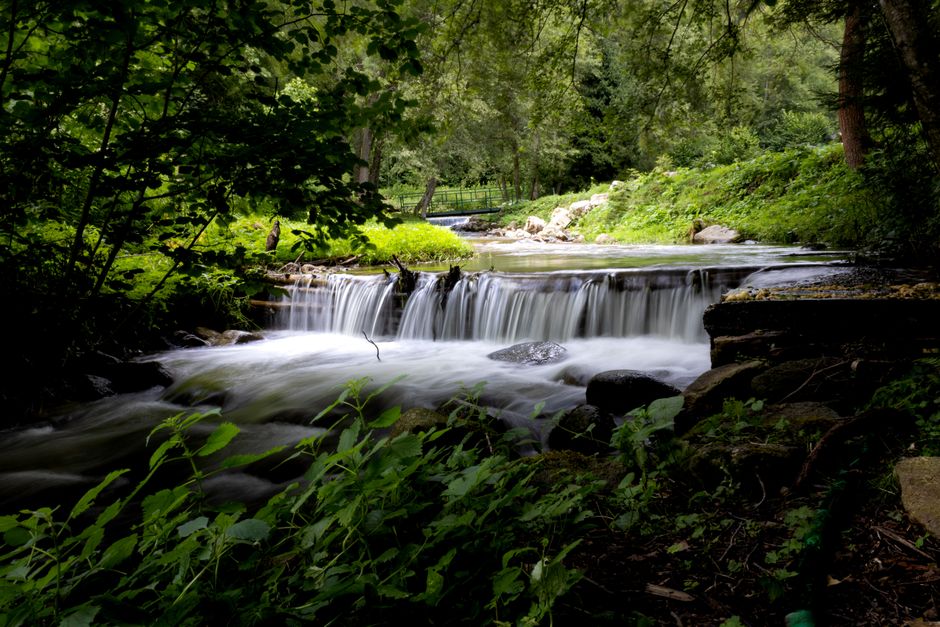
Kuldīga, Latvia
This charming Hanseatic town is home to Europe's widest natural waterfall, a 249-meter spectacle where, during spawning season, fish are known to attempt to jump over the falls.
The Venta Rapid (Ventas Rumba) in Kuldīga isn't Europe's tallest waterfall, but at almost 250 meters wide, it holds the record for the widest. This unique geological feature is famous for its 'flying fish' phenomenon: during spring and autumn, vimba fish try to leap over the low falls to reach their spawning grounds upstream. The town itself, with its well-preserved historic architecture and medieval charm, adds another layer of discovery to this remarkable natural wonder.
Frequently asked questions
What makes a place 'underrated' or 'lesser-known'?
An underrated or lesser-known place typically receives less mainstream tourist attention compared to iconic landmarks. These spots often offer unique insights into local culture, history, or geology without the crowds, providing a more intimate and authentic travel experience.
How can I find these unique places for my next trip?
Researching specific regions beyond major cities, looking for local historical societies or geological sites, and consulting specialized travel blogs or guides focused on off-the-beaten-path destinations are great ways to uncover these hidden gems.
Are these lesser-known places difficult to access?
Accessibility varies greatly. Some, like Avebury, are easily reachable, while others, such as parts of the Gobi Desert or Chiribiquete (not in this list but an example), might require more planning, specialized tours, or even restricted access. Always research specific logistics beforehand.
How does AllTours.ai help me explore these unique locations?
AllTours.ai enhances your exploration by acting as your personal AI audio tour guide. Simply point your phone camera at any landmark, landscape, or even an intriguing detail, and the app instantly narrates its history, geology, and cultural significance in your preferred language, bringing these hidden stories to life.
Related guides
Photography via Pexels. AllTours.ai is an AI audio tour guide — point your camera at any landscape and hear its story.