September 15, 2026 · 4 min read
Global events, from ancient trade routes to modern geopolitical shifts, ripple through local landscapes in unexpected ways. The grand narratives of power and economics aren't just found in financial charts or diplomatic communiqués; they are etched into the very ground beneath our feet, in the stories of the places often overlooked.
While the daily news debates how might the US-China trade war affect US government bond yields, we invite you to look beyond the immediate headlines. Instead, let's journey to eight remarkable, lesser-known locations where the echoes of past economic tides, resource struggles, and cultural exchanges still resonate, offering a different lens on the interconnected world.
1. The Delta's Chinese Dream
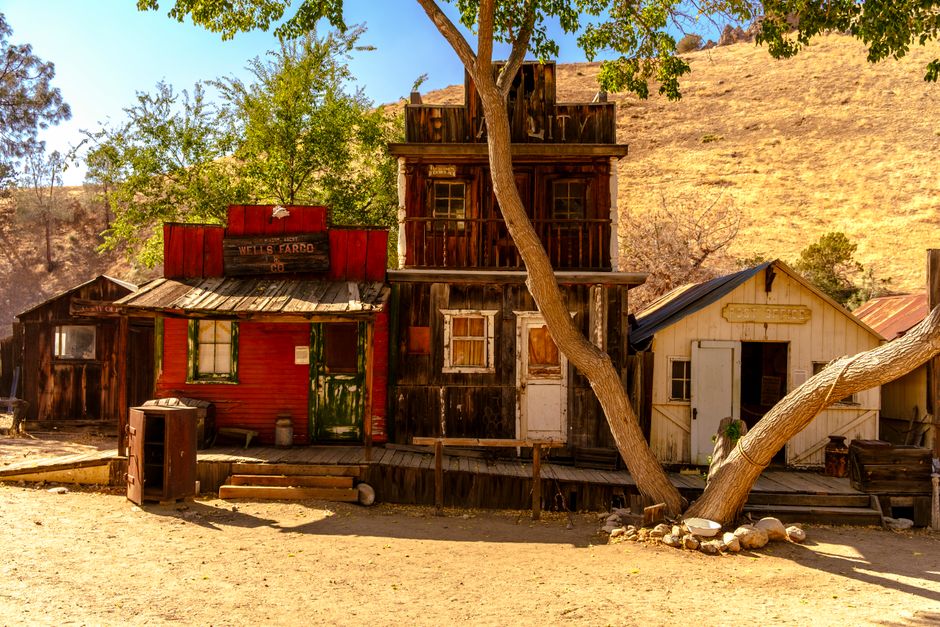
Locke, California, USA
This tiny town on the Sacramento River Delta was built entirely by and for Chinese immigrants in the early 20th century, a testament to resilience amidst discrimination.
After Chinese laborers were excluded from many California towns, a group sought land to create their own community. Locke emerged in 1915, a vibrant hub of shops, housing, and social life, all designed and constructed by Chinese hands. It became a crucial agricultural center, reflecting the immense contribution of Chinese immigrants to California's economy despite systemic barriers and the era's complex trade dynamics.
2. The Town That Wouldn't Die (But Did)
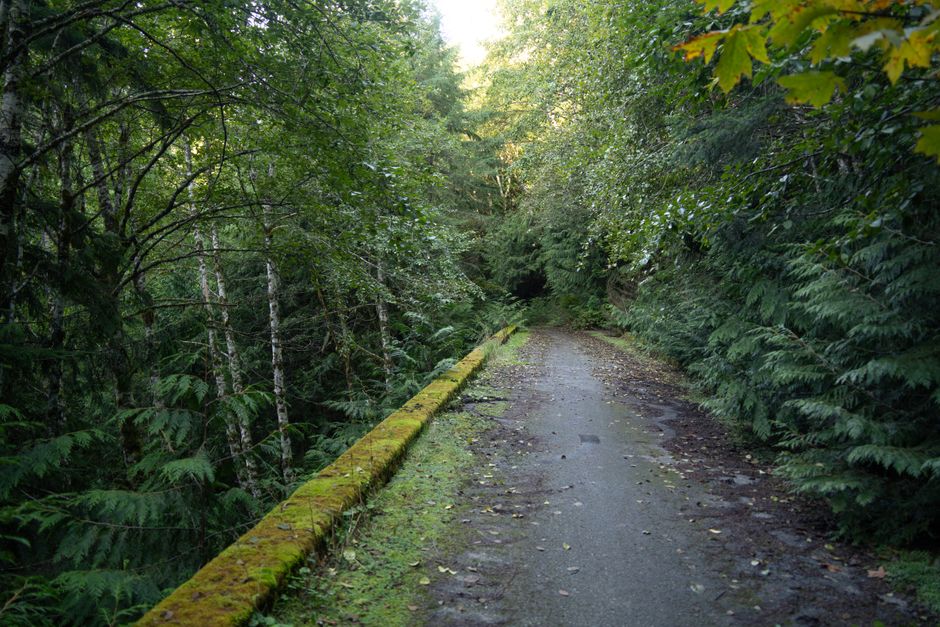
Centralia, Pennsylvania, USA
Beneath this almost-ghost town, a coal mine fire has been burning uncontrollably for over 60 years, forcing its abandonment and leaving a surreal, smoldering landscape.
Centralia was once a thriving coal mining community in Pennsylvania's anthracite region, a bedrock of America's industrial might. In 1962, a landfill fire accidentally ignited an exposed coal seam, leading to an underground blaze that continues to burn today. The town's slow evacuation and its smoldering infrastructure serve as a stark reminder of the environmental and social costs tied to resource extraction and the volatile nature of industrial economies.
3. Alaska's Copper Kingdom
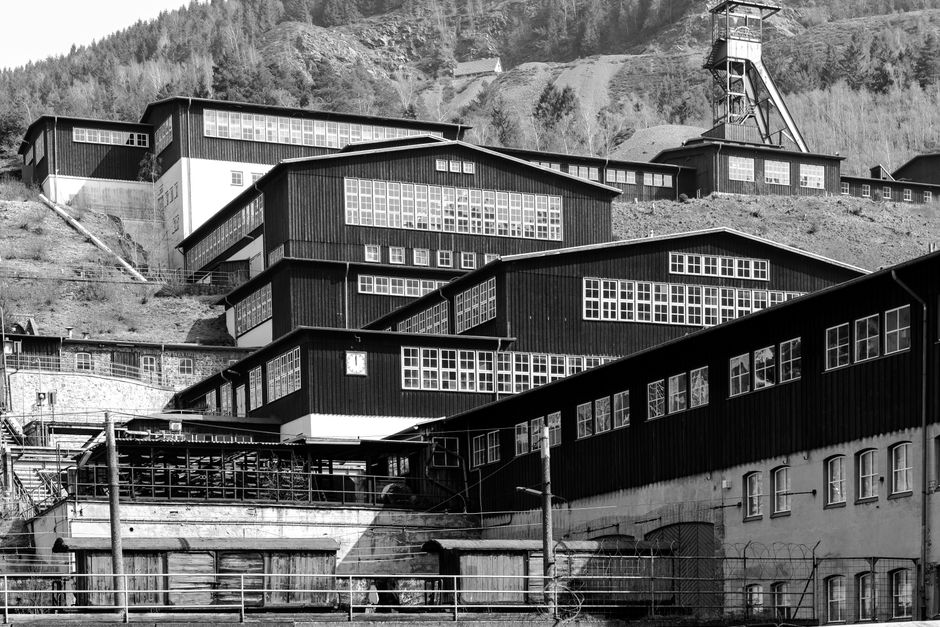
Kennecott Mines, Alaska, USA
Deep within Alaska's Wrangell-St. Elias National Park lies an abandoned mining town that was once the richest copper strike in the world.
Kennecott's story is one of immense natural wealth and human ambition. From 1911 to 1938, this remote operation extracted over $200 million worth of copper, shaping early 20th-century American industry and infrastructure. Today, its towering mill buildings and scattered machinery stand as a testament to the boom-and-bust cycle of resource economies, the isolation of frontier life, and the sheer scale of early industrial endeavors.
4. The Stone City of Traders
Great Zimbabwe, Zimbabwe
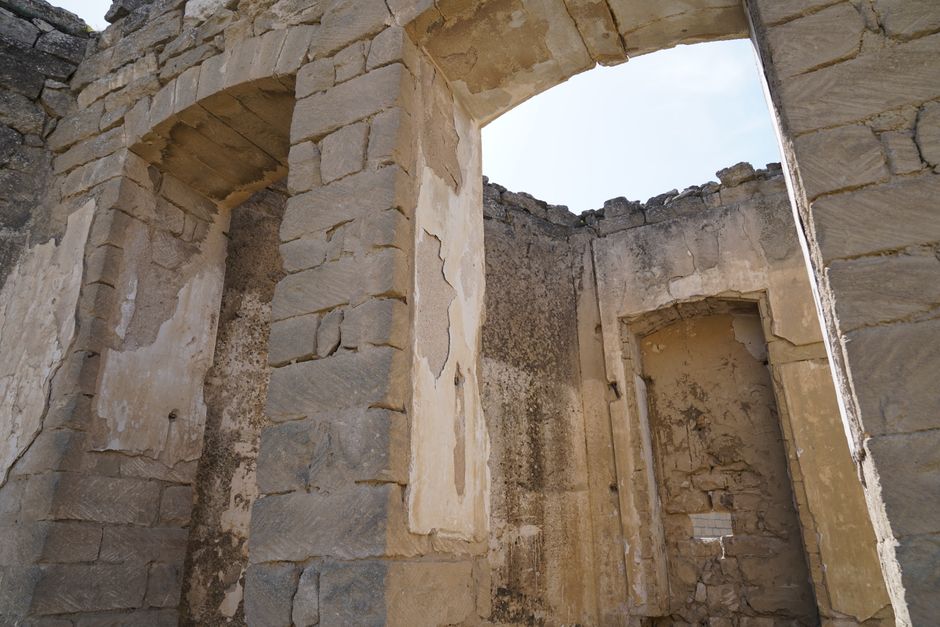
These sprawling, mortarless stone ruins reveal a powerful medieval city that once controlled a vast trading empire in southern Africa.
From the 11th to the 15th centuries, Great Zimbabwe was the capital of a prosperous kingdom, strategically positioned on trade routes linking the goldfields to the Indian Ocean coast. Its impressive stone enclosures, including the iconic Great Enclosure, were built without mortar by skilled artisans. The city's decline is debated, but its legacy speaks to the sophisticated indigenous economies and long-distance trade networks that flourished in Africa long before European arrival.
5. The Danube's Iron Gate
Iron Gates Gorge, Romania/Serbia
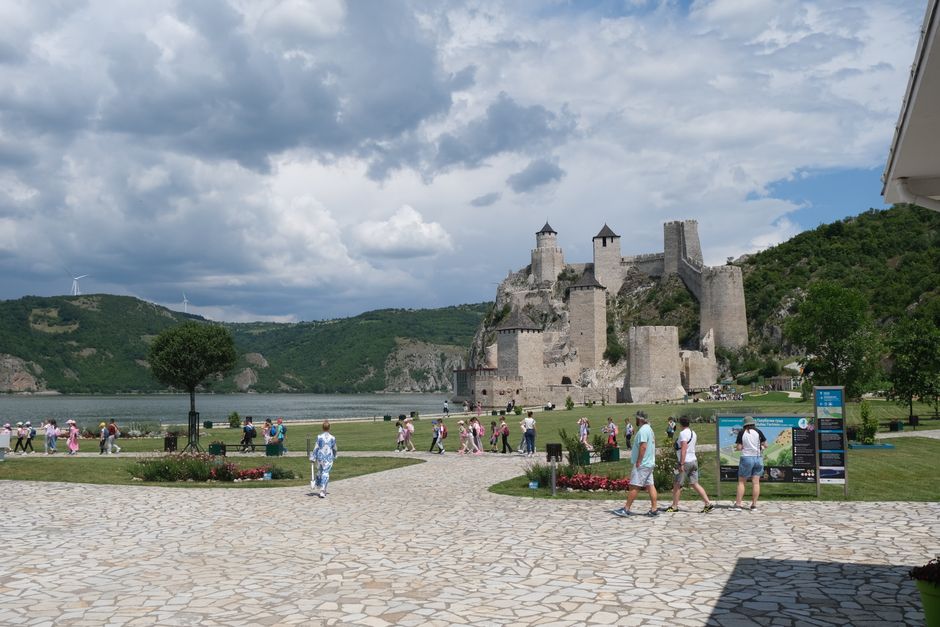
This dramatic gorge on the Danube River was a formidable natural barrier and a strategic choke point that shaped trade and conquest for millennia.
The Iron Gates, where the Danube cuts through the Carpathian Mountains, has always been more than just a scenic marvel. For centuries, its treacherous currents and narrow passages made it a critical, yet challenging, waterway for trade between Central and Eastern Europe. Roman emperors, Ottoman sultans, and modern nations alike recognized its strategic importance, constructing fortifications and later massive hydroelectric dams to tame its power and control its flow, echoing geopolitical struggles over vital resources.
6. Sunken City of Sin and Silver
Port Royal, Jamaica
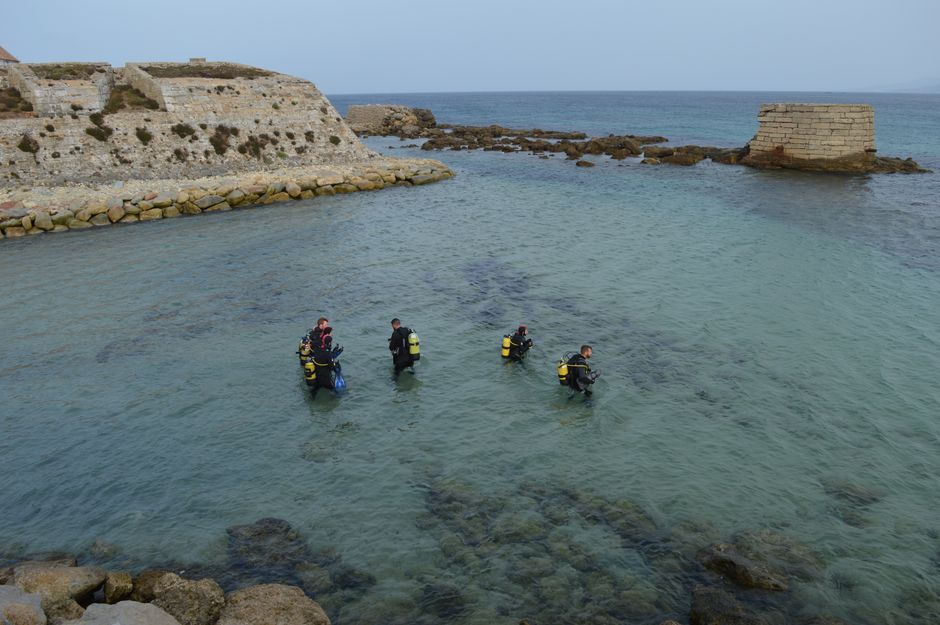
Once dubbed the 'wickedest city on Earth,' this notorious pirate haven and bustling English trading port was swallowed by an earthquake and tsunami in a single morning.
In the 17th century, Port Royal was the de facto capital of Jamaica and the largest city in the Caribbean, a hub for buccaneers, merchants, and illicit trade. Its rapid growth was fueled by the wealth of the New World and the lucrative, often brutal, colonial economy. On June 7, 1692, an earthquake plunged two-thirds of the city into the sea, preserving a snapshot of its chaotic, opulent, and economically vital past beneath the waves, a sudden end to a colonial boom.
7. Cold War's Deepest Secret
Titan Missile Museum, Arizona, USA
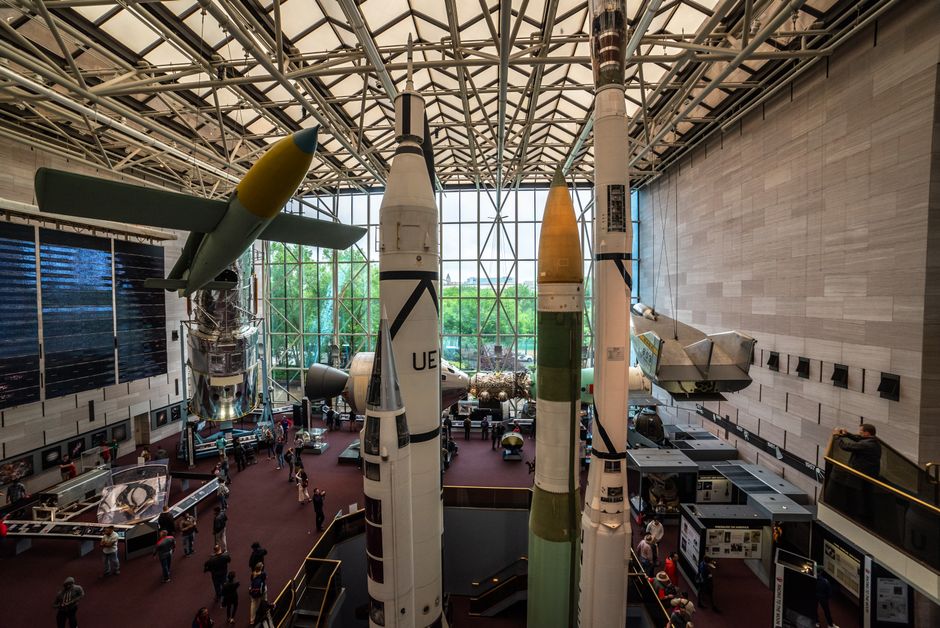
This is the last remaining Titan II intercontinental ballistic missile silo, a chilling relic of the Cold War's nuclear standoff and strategic arms race.
Hidden beneath the Arizona desert, the Titan Missile Museum offers an unparalleled look into a critical chapter of global geopolitics. From 1963 to 1987, this complex was one of 54 such sites across the US, standing ready with a 9-megaton nuclear warhead. It represents the immense resources poured into national defense, the anxieties of mutually assured destruction, and the economic and technological competition that defined the Cold War between superpowers.
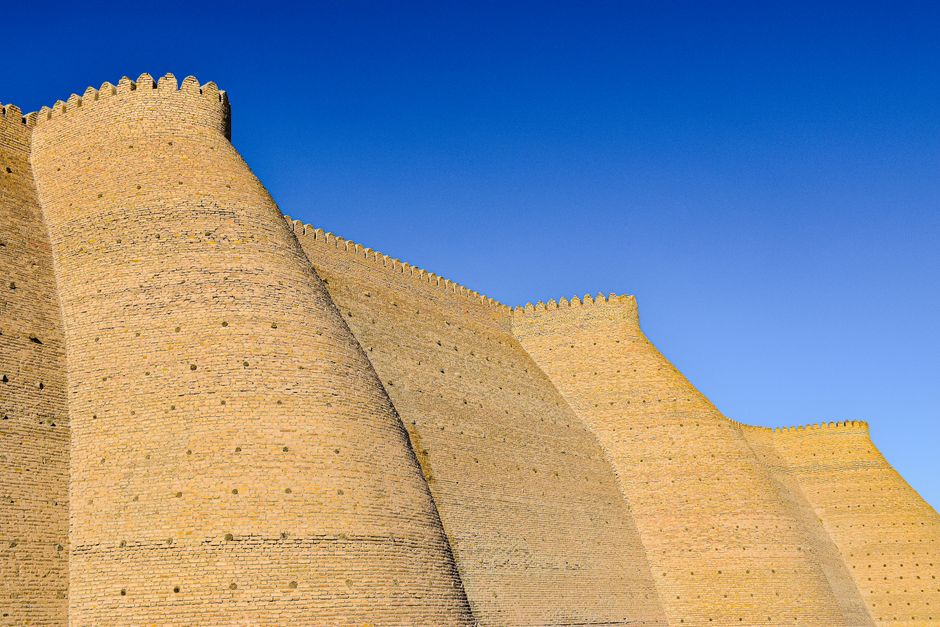
8. Oasis on the Silk Road
Khiva, Uzbekistan
This perfectly preserved walled city in the heart of Uzbekistan was once a vital trading post and notorious slave market on the ancient Silk Road.
Khiva's mud-brick walls enclose a labyrinth of mosques, madrassahs, and minarets that evoke its past as a major stop for caravans traversing the Silk Road. For centuries, it thrived as a center for trade, culture, and scholarship, but also gained infamy as a slave market. Its enduring architecture and vibrant bazaars tell a complex story of long-distance economic networks, cultural exchange, and the human cost of historical commerce along ancient global arteries.
Frequently asked questions
What's the best time of year to visit historical sites in Central Asia like Khiva?
The best time to visit Central Asian cities like Khiva is generally in the spring (April-May) or autumn (September-October). The weather is pleasant, avoiding the extreme heat of summer and the cold of winter, making exploration more comfortable.
Are places like the Titan Missile Museum accessible to all visitors?
The Titan Missile Museum has varying levels of accessibility. The surface facilities are generally accessible, but descending into the underground silo requires navigating stairs. It's always best to check their official website for current accessibility information and any specific requirements before visiting.
How did ancient trade routes like those near Great Zimbabwe impact local cultures?
Ancient trade routes significantly impacted local cultures by facilitating the exchange of goods, technologies, ideas, and even religions. They led to the rise of powerful states, influenced architectural styles, introduced new agricultural practices, and fostered multicultural societies, as seen in the diverse artifacts found at sites like Great Zimbabwe.
How does AllTours.ai help me explore these unique historical places?
AllTours.ai transforms your phone into an AI audio tour guide. Simply point your camera at any landscape or landmark, and the app instantly narrates its rich history, geology, and culture in your preferred language, offering a deeper understanding of these fascinating sites as you explore.
Related guides
Photography via Pexels. AllTours.ai is an AI audio tour guide — point your camera at any landscape and hear its story.