September 13, 2026 · 4 min read
Many USA consumers want to support their northern neighbors, and while buying Canadian goods is a great start, there's another powerful way: thoughtful travel. Instead of hitting the same well-trodden paths, consider venturing to Canada's more unique, lesser-known locales.
By exploring places that thrive on smaller-scale tourism, you directly contribute to local economies, often preserving unique cultural traditions and natural wonders. This isn't just a trip; it's an investment in Canada's diverse tapestry. Here are some truly distinct places where your curiosity can make a difference.
1. Walk on Earth's Exposed Mantle
Gros Morne National Park, Newfoundland and Labrador, Canada
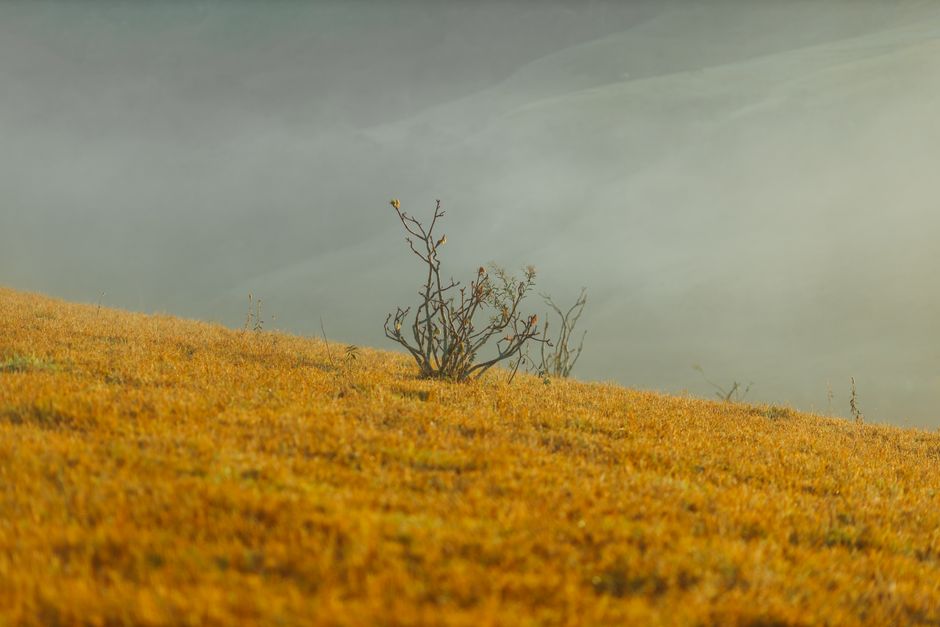
In one of Canada's national parks, you can literally walk on the Earth's mantle, a geological anomaly usually hidden deep below the crust.
Gros Morne's Tablelands are one of the few places on Earth where the mantle, the layer usually found beneath the planet's crust, is exposed. This barren, rust-colored landscape is a stark contrast to the lush surrounding areas, offering a tangible lesson in plate tectonics. Hiking here feels like stepping onto another planet, or perhaps, deep inside our own.
2. The Crooked Bush's Mystery
Hafford, Saskatchewan, Canada
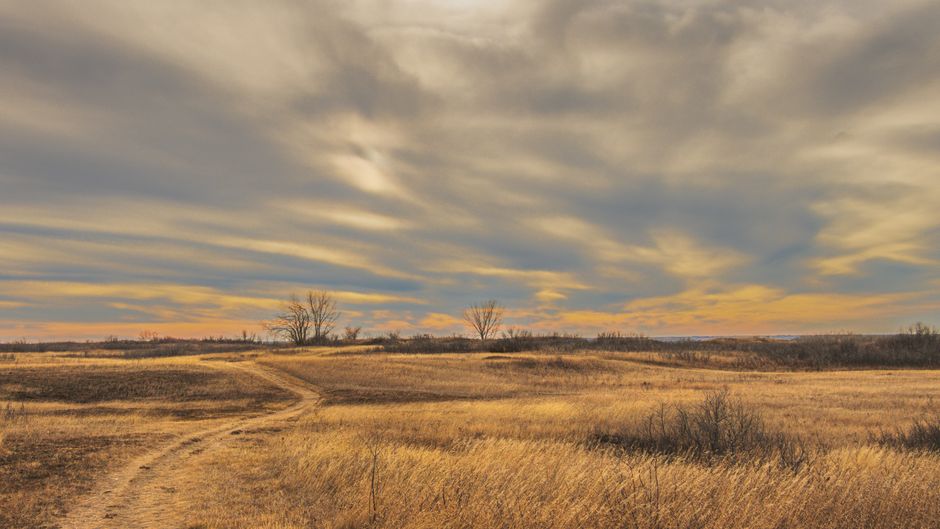
Deep in Saskatchewan, a grove of aspen trees twists and contorts into bizarre, gnarled shapes for reasons scientists still can't fully explain.
Just outside Hafford, you'll find 'The Crooked Bush,' a small stand of aspen trees whose trunks and branches are grotesquely twisted, growing horizontally before curving upwards. The cause remains a mystery: theories range from a genetic mutation to an environmental anomaly, but no definitive answer has been found. Walking through this natural oddity feels like entering a fairytale forest gone slightly awry.
3. Canada's Natural Earth Glyphs
Medicine Hat, Alberta, Canada
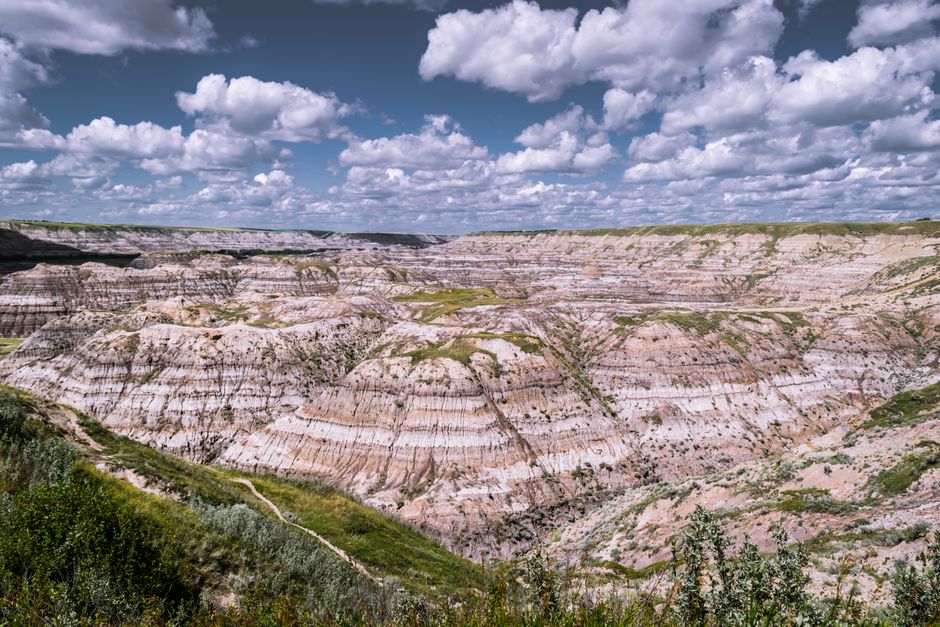
A vast natural formation in Alberta's badlands resembles a giant human head wearing a full Indigenous headdress, visible only from above.
Known as the 'Badlands Guardian,' this geoglyph is a natural erosion feature discovered via satellite imagery. The valleys and ridges of the badlands have carved out a striking resemblance to a human profile, complete with what appears to be a feathered headdress. This impressive formation stretches over 250 meters and is a testament to the power of natural forces, echoing ancient human art on an immense scale.
4. The Village at the Edge of the World
Fogo Island, Newfoundland and Labrador, Canada
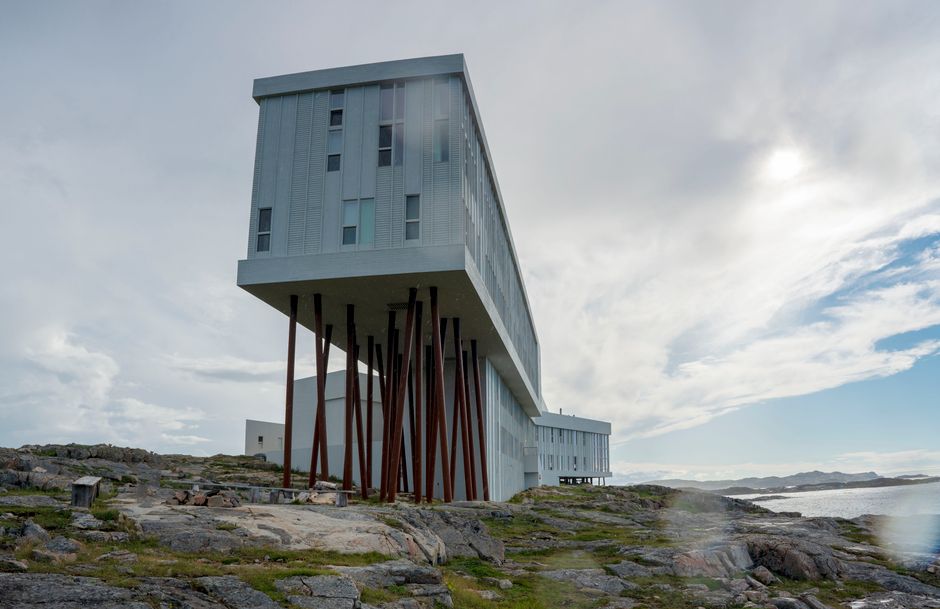
Fogo Island claims to be one of the 'four corners of the flat Earth,' a place where traditional Newfoundland culture meets cutting-edge contemporary art and architecture.
This remote island off Newfoundland's coast offers a unique blend of rugged beauty and unexpected sophistication. Its distinctive red fishing stages dot the coastline, while the Fogo Island Inn, an architectural marvel, draws international attention. Here, you can experience ancient fishing traditions, hike dramatic coastal trails, and encounter a vibrant arts community in a place that feels truly apart from the rest of the world.
5. Nahanni's Headless Valley Legends
Nahanni National Park Reserve, Northwest Territories, Canada
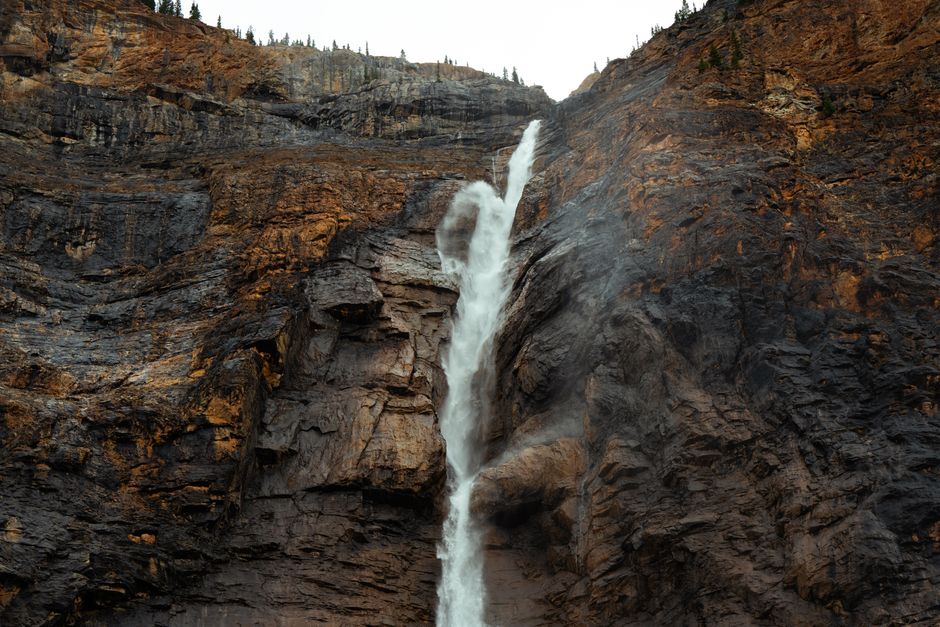
This remote, UNESCO-protected park in Canada's north is steeped in legends of a 'Headless Valley,' where prospectors mysteriously disappeared.
Nahanni is a land of towering waterfalls, deep canyons, and unique tufa mounds. While its stunning natural beauty is undeniable, the park also carries a chilling history. Stories of headless bodies and vanished adventurers have circulated for decades, giving the park a mysterious allure. Beyond the legends, Nahanni is a pristine wilderness, home to unique wildlife and incredible geological formations only accessible by air.
6. The Singing Sands of PEI
Basin Head Provincial Park, Prince Edward Island, Canada
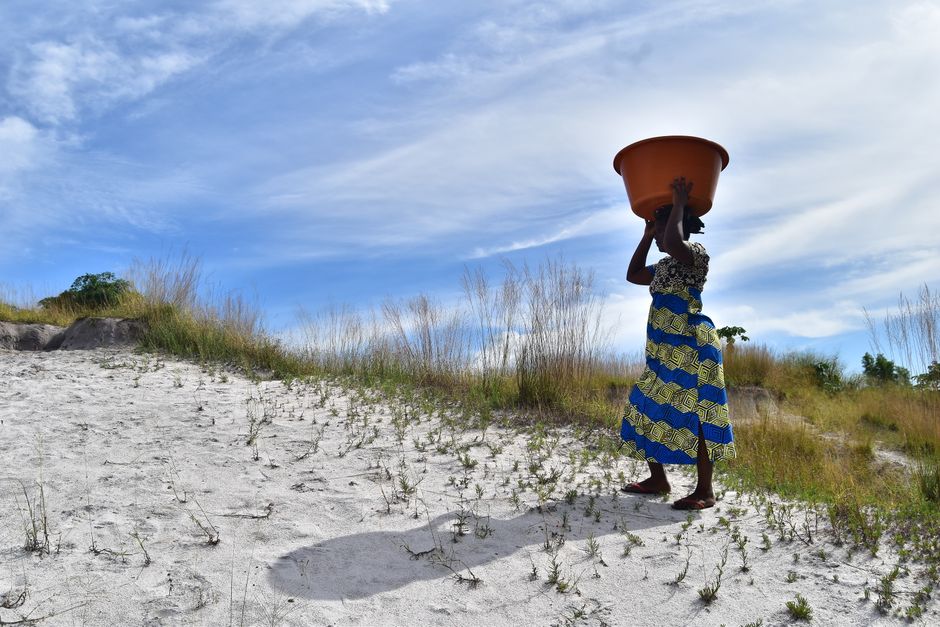
On a specific beach in Prince Edward Island, the white sand literally 'sings' or squeaks underfoot, a rare phenomenon that's both audible and tactile.
Basin Head Provincial Park is famous for its 'singing sands,' which produce a distinct squeaking sound when walked upon. This unique acoustic property is attributed to the sand's high silica content and specific grain shape, which create friction and vibration. Beyond the musical sand, the park offers warm ocean waters, a supervised beach, and a scenic fishing harbor, making it a captivating stop on the island.
7. Beluga Whale Capital of the World
Churchill, Manitoba, Canada
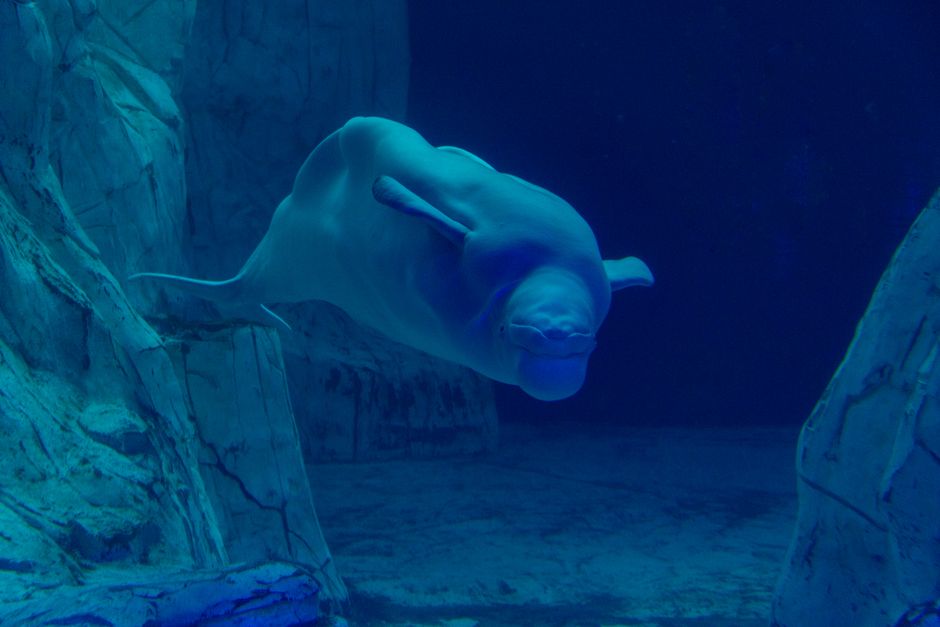
While known for polar bears, Churchill transforms into the 'Beluga Whale Capital' in summer, where thousands of these 'sea canaries' gather.
Churchill is famous for its polar bear migrations, but during the summer months, its coastal waters become home to one of the largest concentrations of beluga whales in the world. Thousands of these white whales congregate in the Churchill River estuary to calve and feed. Visitors can kayak, snorkel, or take boat tours to interact with these incredibly vocal and curious marine mammals, hearing their distinctive 'songs' underwater.

8. The Sourtoe Cocktail Club
Dawson City, Yukon, Canada
In a quirky Dawson City bar, you can join an exclusive club by drinking a cocktail garnished with a real, preserved human toe.
Dawson City, a historic Gold Rush town, is home to a truly bizarre tradition: the Sourtoe Cocktail. To become a member of the 'Sourtoe Cocktail Club,' you must drink a shot of liquor (traditionally Yukon Jack) that contains a mummified human toe, making sure your lips touch the toe. This odd ritual started in the 1970s and continues to be a unique, if slightly unsettling, rite of passage for visitors.
Frequently asked questions
What's the best way to travel to these lesser-known Canadian spots?
Many of these unique locations require a combination of driving and sometimes even small plane or ferry travel. Researching local transportation options and booking accommodations well in advance is crucial, especially for remote areas with limited services.
Do I need a special visa to visit Canada as a US citizen?
U.S. citizens generally do not need a visa to visit Canada for tourism purposes. You will need a valid U.S. passport or an equivalent Western Hemisphere Travel Initiative (WHTI) compliant document, such as an Enhanced Driver's License.
What currency is used in Canada, and can I use US dollars?
The official currency is the Canadian Dollar (CAD). While some border towns or tourist-heavy areas might accept US dollars, it's always best to exchange currency or use credit cards to avoid unfavorable exchange rates and ensure wider acceptance.
How can AllTours.ai enhance my exploration of these places?
AllTours.ai provides an AI audio tour guide experience. Simply point your phone camera at a landmark or landscape in any of these locations, and the app will narrate its history, geology, and cultural significance in your language, offering deep, contextual insights as you explore.
Related guides
Photography via Pexels. AllTours.ai is an AI audio tour guide — point your camera at any landscape and hear its story.