September 14, 2026 · 4 min read
The United Kingdom, for all its compact size, boasts an astonishing depth of history, culture, and natural beauty. But with so much to see, how do you craft a short visit that truly speaks to *your* unique passions, whether that's tracing forgotten medieval battles or admiring classic engines?
Forget the usual suspects. This guide is for the curious traveler seeking to tailor a UK travel plan to their specific interests, venturing off the well-trodden path to uncover genuinely surprising and vivid stories that bring the landscape to life.
1. The Castle That Defied a Siege
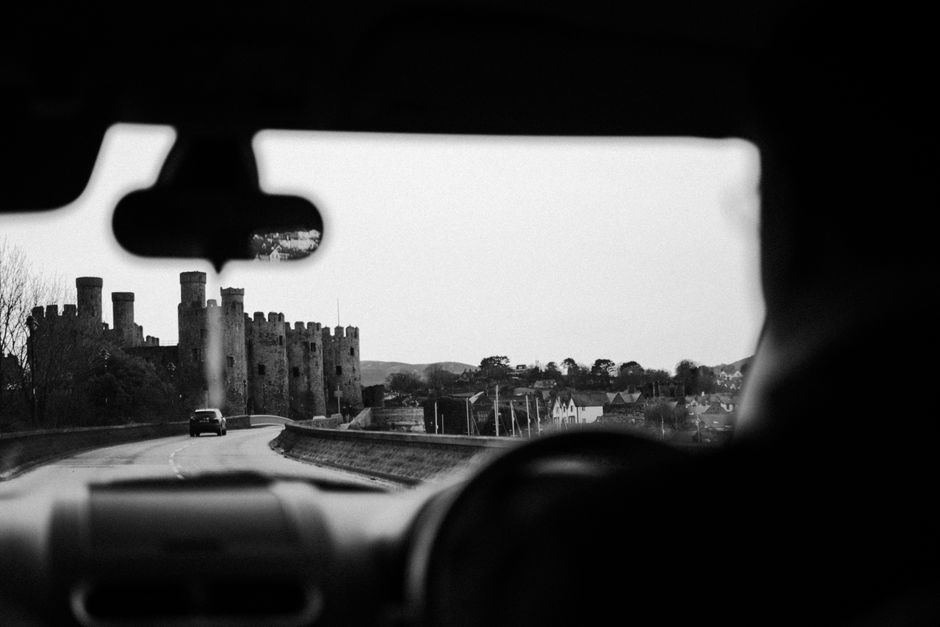
White Castle, Monmouthshire, Wales
This often-overlooked Welsh Marcher castle boasts a unique D-shaped tower and once endured a brutal, prolonged siege during the English Civil War.
Part of the 'Three Castles' group, White Castle stands as a testament to medieval defensive architecture. Its formidable earthworks and innovative D-shaped towers allowed its small garrison to hold out for weeks against Parliamentary forces in 1646, eventually surrendering only after exhausting all supplies. Its stark, elegant lines in the rolling Monmouthshire countryside whisper tales of strategic importance and unwavering resilience.
2. Britain's Lost Medieval Metropolis
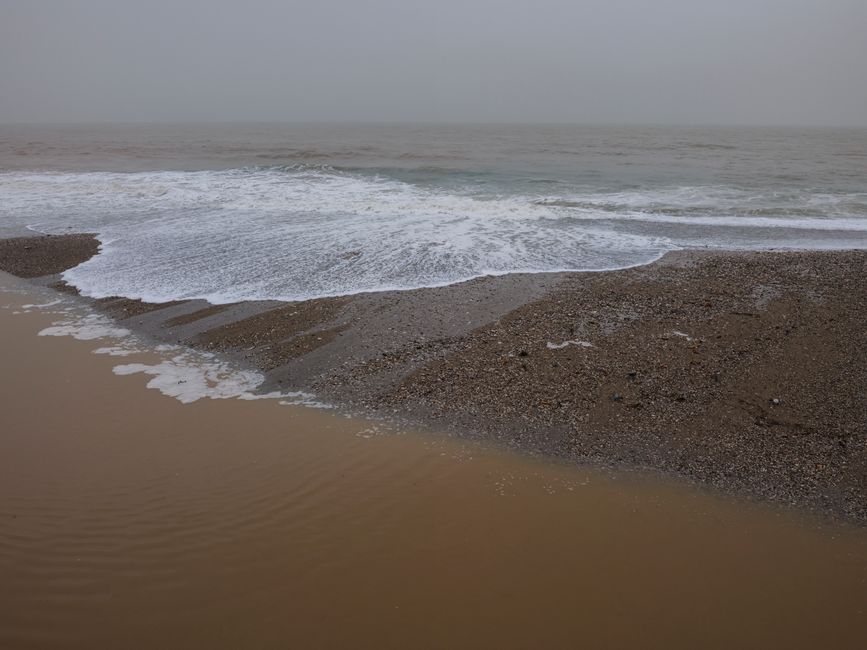
Dunwich Museum, Suffolk, England
Once one of England's largest ports, this medieval city was slowly swallowed by the North Sea, leaving behind a haunting underwater legacy.
Dunwich was a thriving medieval port rivaling London in size and importance, with numerous churches, monasteries, and a bustling market. Over centuries, relentless coastal erosion has claimed much of the town, submerging it beneath the waves. The small Dunwich Museum tells the poignant story of this 'lost city,' displaying artifacts salvaged from the seabed and offering a glimpse into a once-grand settlement now visible only through sonar maps.
3. The Waterfall Cave of Outlaws
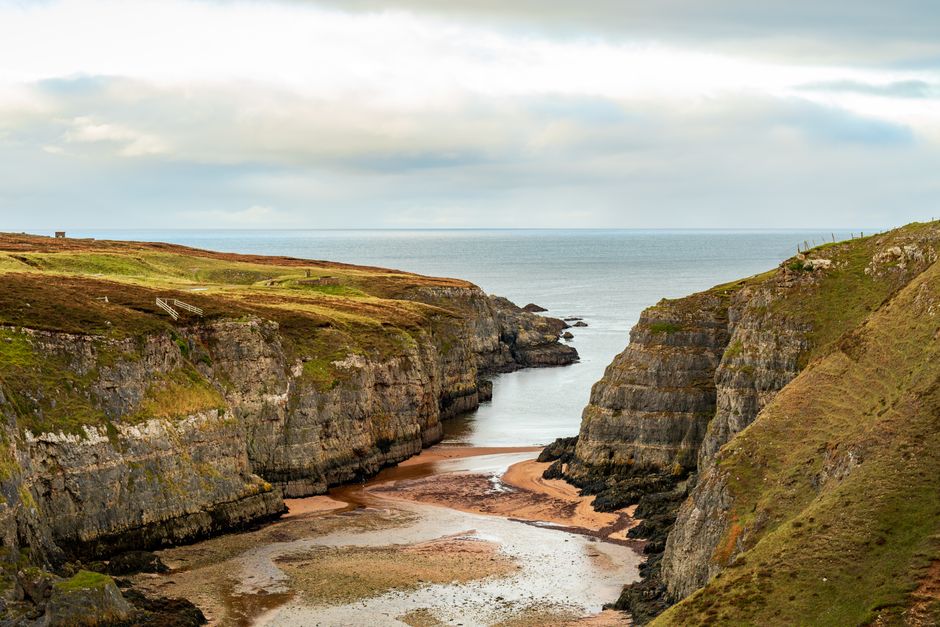
Smoo Cave, Sutherland, Scotland
This vast sea cave in the Scottish Highlands features a unique internal waterfall that plunges into a freshwater chamber, once a notorious hideout for smugglers and outlaws.
Smoo Cave is a geological marvel, formed by both the sea and a freshwater stream. Its dramatic entrance leads to a huge outer chamber, but it's the inner chambers, accessible by a wooden walkway, that reveal the spectacular waterfall. Legend has it that local outlaw Donald McMurdo used the cave as a base in the 17th century, making it a site of both natural wonder and intriguing human history.
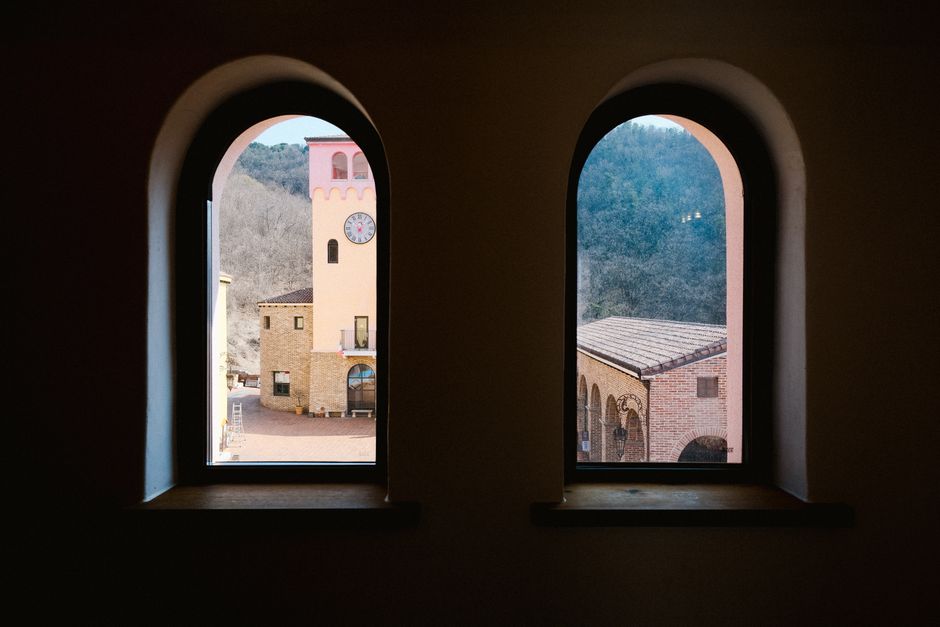
4. An Italian Dream in Welsh Hills
Portmeirion, Gwynedd, Wales
This surreal, brightly colored Italianate village was painstakingly built by a single architect over 50 years to demonstrate how a beautiful natural site could be developed without spoiling it.
Clough Williams-Ellis began building Portmeirion in 1925, envisioning an architectural experiment in a stunning coastal setting. He incorporated salvaged fragments from demolished buildings into his vibrant, whimsical designs, creating a unique, fairytale-like village that feels transported from the Mediterranean. It's a testament to one man's vision and a truly unexpected cultural gem nestled in the Welsh landscape.

5. Riding History on Rails
National Tramway Museum, Crich, Derbyshire, England
Step back in time at this living museum where you can ride beautifully restored vintage trams along a mile-long track through a period village.
For those with an interest in transportation history, the National Tramway Museum is a must-visit. Located in a stunning quarry setting, it houses over 60 trams from Britain and around the world, many of which are fully operational. Visitors can hop aboard historic vehicles, explore the recreated period street with its shops and pub, and truly immerse themselves in the golden age of tram travel.
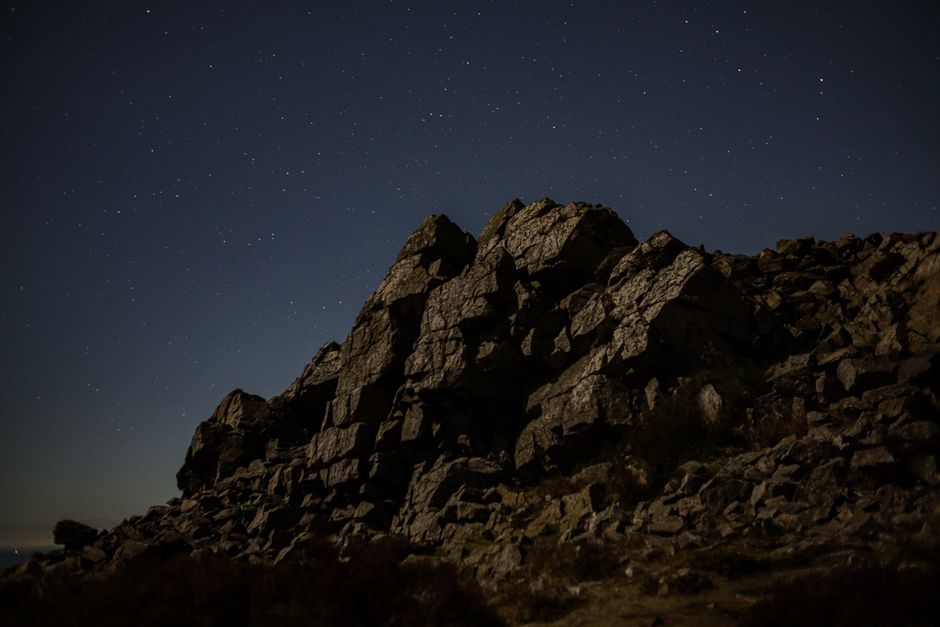
6. The Devil's Chair and Arctic Relics
The Stiperstones, Shropshire, England
This dramatic quartz ridge, crowned by the 'Devil's Chair' rock formation, is steeped in folklore and harbors unique Arctic-alpine flora, a remnant from the last Ice Age.
The Stiperstones are a striking feature of the Shropshire Hills, known for their jagged, quartzite outcrops and sweeping views. Local legend attributes the highest point, the Devil's Chair, to a mythical seat used by the devil himself. Beyond the folklore, the harsh, exposed environment has preserved rare plant species, making it a unique ecological site where you can walk through landscapes untouched since the ice retreated.
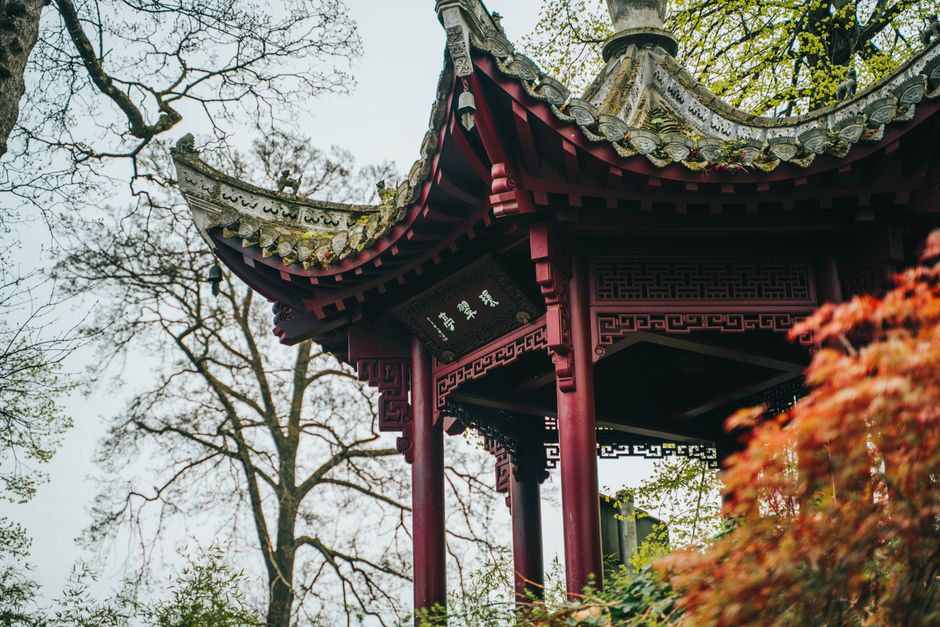
7. Victorian Global Garden Odyssey
Biddulph Grange Garden, Staffordshire, England
This quirky Victorian garden takes visitors on a global journey, featuring distinct areas like an Egyptian court with sphinxes and a Chinese garden with a temple, all designed with eccentric flair.
Created by James Bateman in the mid-19th century, Biddulph Grange Garden is a masterpiece of Victorian horticultural design and whimsy. It's divided into a series of themed compartments, each transporting you to a different part of the world – from a Himalayan glen to an Italian terrace and even a Pinetum. It's a bizarre and beautiful example of Victorian curiosity and landscape artistry, full of unexpected twists and turns.
Frequently asked questions
What are some less crowded places to visit in the UK?
To avoid crowds, consider areas like the Scottish Borders, Shropshire Hills, or East Anglia's coast. Visiting during off-peak seasons (late autumn to early spring, excluding holidays) also significantly reduces tourist numbers, offering a more serene experience.
How can I find unique museums or historical sites related to specific interests?
Start by searching 'niche museums [your interest] UK' or checking local tourism websites for smaller counties. Many counties, like Suffolk or Derbyshire, have fantastic, specialized museums dedicated to their unique local history, industries, or natural phenomena that aren't nationally advertised.
Is it easy to travel between these lesser-known spots without a car?
While some remote locations are best accessed by car, many smaller towns and attractions are reachable by local buses or regional trains. Planning routes in advance using National Rail and local bus company websites is crucial. Consider focusing your trip on a specific region to minimize travel time between sites.
How can an AI audio tour guide app enhance my exploration of these places?
An AI audio tour guide app like AllTours.ai allows you to point your phone camera at a landmark, building, or even a natural feature, and it instantly narrates its unique history, geology, and cultural significance. It's like having a personal expert guide in your pocket, revealing the vivid stories of these lesser-known sites in your preferred language, right as you're looking at them.
Related guides
Photography via Pexels. AllTours.ai is an AI audio tour guide — point your camera at any landscape and hear its story.