September 14, 2026 · 4 min read
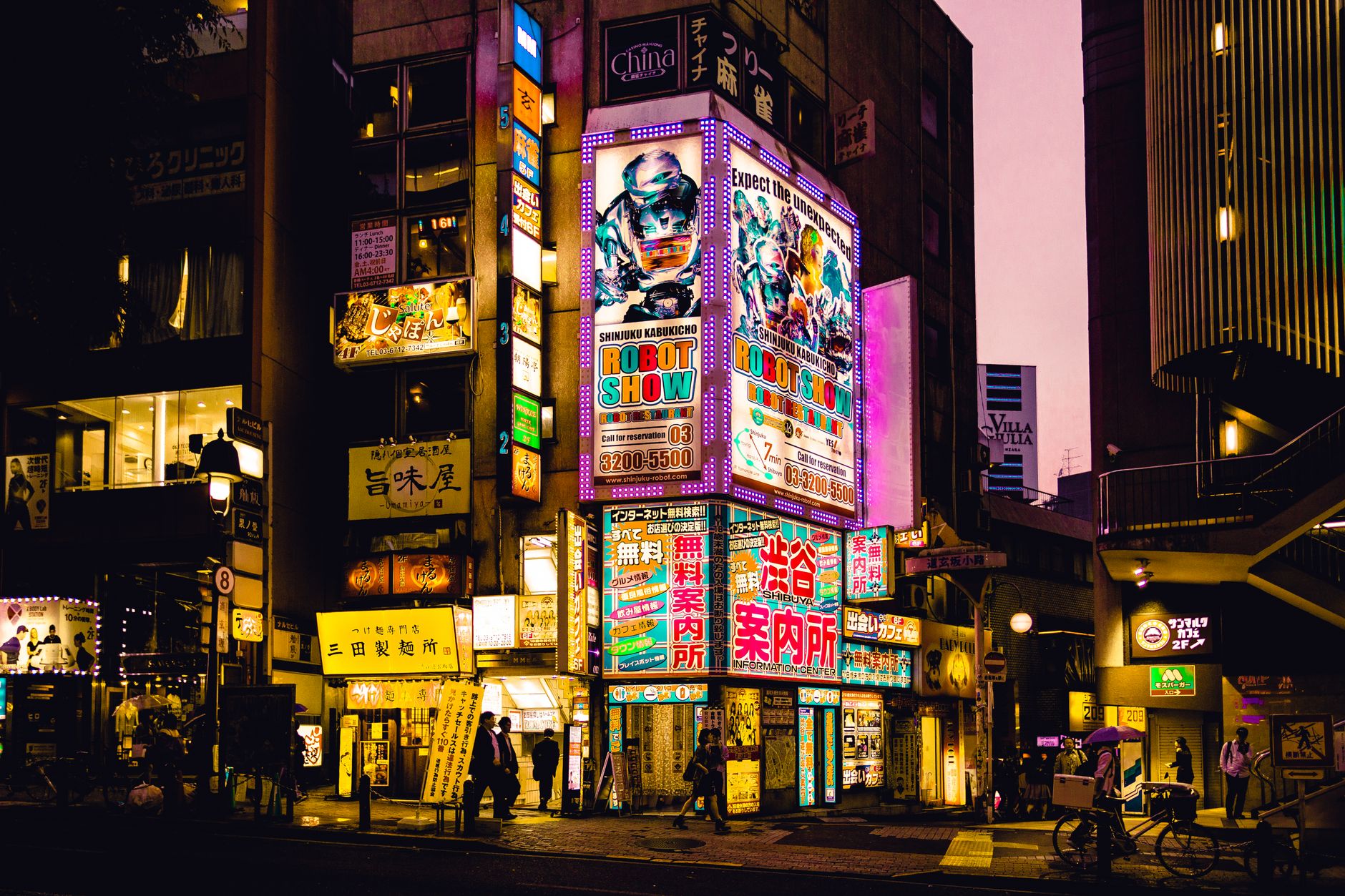
The smooth grooves of 'City Pop' — a uniquely Japanese genre born in the 70s and 80s — have captivated a new generation in the West. Its breezy melodies, sophisticated arrangements, and aspirational lyrics paint a vivid picture of Japan's economic boom, a time of urban elegance and sun-drenched leisure. But how did this distinctly Japanese sound transcend borders and find a fervent new audience thousands of miles away?
The story isn't just about algorithms or viral videos. It's woven into the very fabric of places: the recording studios where its iconic sounds were forged, the Western record shops where it was first discovered, and the far-flung locales that inspired its aspirational aesthetic. Join us on a journey to uncover the lesser-known spots that silently shaped City Pop's unexpected popularity in the West, offering surprising glimpses into its global reach.
1. Roppongi's Echoing Studios
Roppongi, Tokyo, Japan
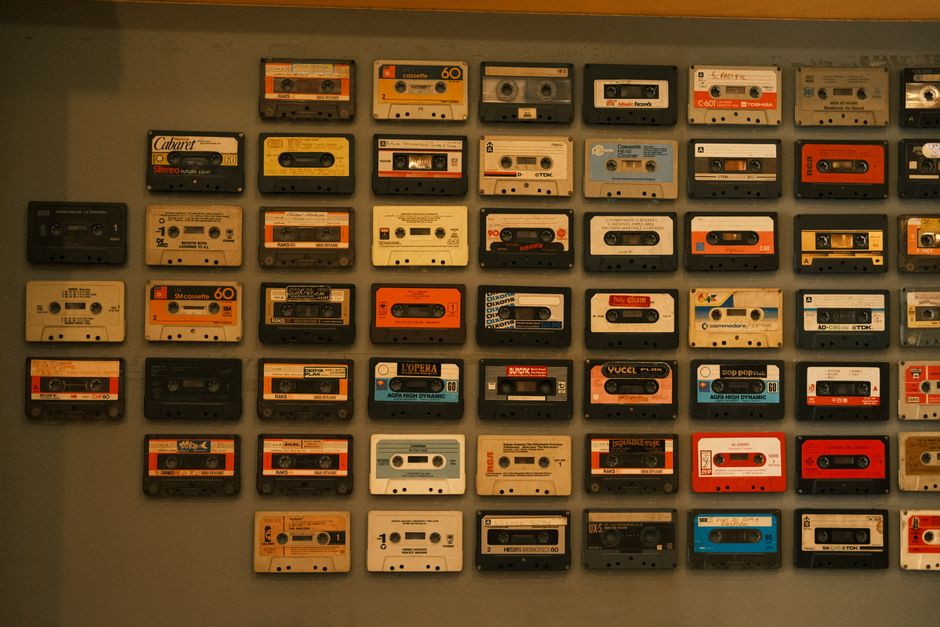
Before its nightlife fame, Roppongi's unassuming backstreets housed the very recording studios where City Pop's sophisticated sound was meticulously crafted.
Many iconic City Pop tracks, from Tatsuro Yamashita's 'Ride on Time' to Mariya Takeuchi's 'Plastic Love,' were laid down in Roppongi's legendary studios like Studio Terra or Onkio Haus. These acoustically advanced facilities, now overshadowed by the district's entertainment venues, were the unsung crucibles where top session musicians and engineers perfected the genre's intricate arrangements and crystal-clear production, laying the foundation for its enduring appeal.

2. The California Dream Coast
Marina del Rey, California, USA
The specific marina views of Marina del Rey, not just any California beach, provided direct visual and atmospheric inspiration for City Pop's escapist imagery.
Japanese artists frequently traveled to Southern California in the 70s and 80s, absorbing the laid-back, sun-drenched lifestyle. Marina del Rey, with its yachts, waterfront dining, and ocean breezes, offered a tangible slice of the 'California Dream' that permeated City Pop lyrics and album artwork. This specific blend of leisure and luxury was meticulously observed and then reinterpreted, becoming a core fantasy element in the music's sophisticated allure.
3. Shinjuku's Sparkling Dancefloors
Shinjuku, Tokyo, Japan
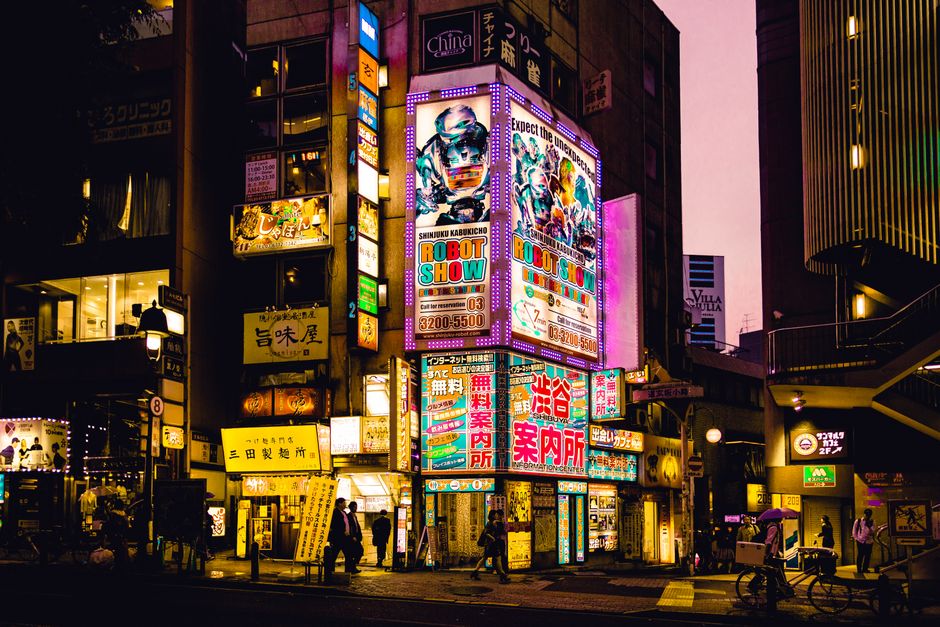
Shinjuku's opulent 80s discotheques, like the legendary Maharaja, were the vibrant testing grounds where City Pop's grooves first captivated Tokyo's stylish elite.
While not directly where City Pop was *recorded*, these extravagant clubs were where the music found its audience and where the 'bubble economy' lifestyle it celebrated truly came alive. DJs spun tracks that defined a generation, and the fashion, energy, and aspiration within these venues mirrored the sophisticated urban narrative of City Pop. The genre became the soundtrack to a specific, dazzling era of Japanese nightlife, a cultural phenomenon that later resonated globally.
4. The Izu Peninsula's Resort Echoes
Izu Peninsula, Shizuoka Prefecture, Japan
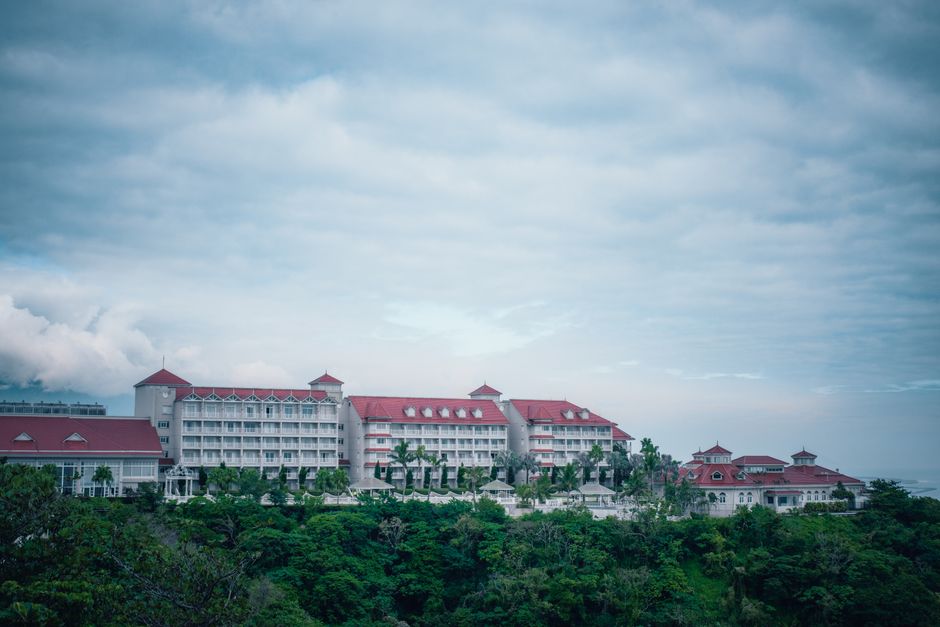
Japan's Izu Peninsula, with its coastal luxury hotels built during the economic boom, served as a real-world backdrop for City Pop's themes of vacation and indulgence.
Many City Pop songs evoke driving along scenic coastlines, staying in lavish resorts, and enjoying carefree holidays. The Izu Peninsula, a popular domestic getaway during the 80s, offered precisely this experience. Its now-aging but once-grand hotels and panoramic ocean views embodied the aspirational leisure depicted in the music, providing a tangible sense of the 'resort pop' aesthetic that became a hallmark of the genre's escapist charm.
5. Amoeba's Vinyl Treasure Trove
Hollywood, Los Angeles, USA
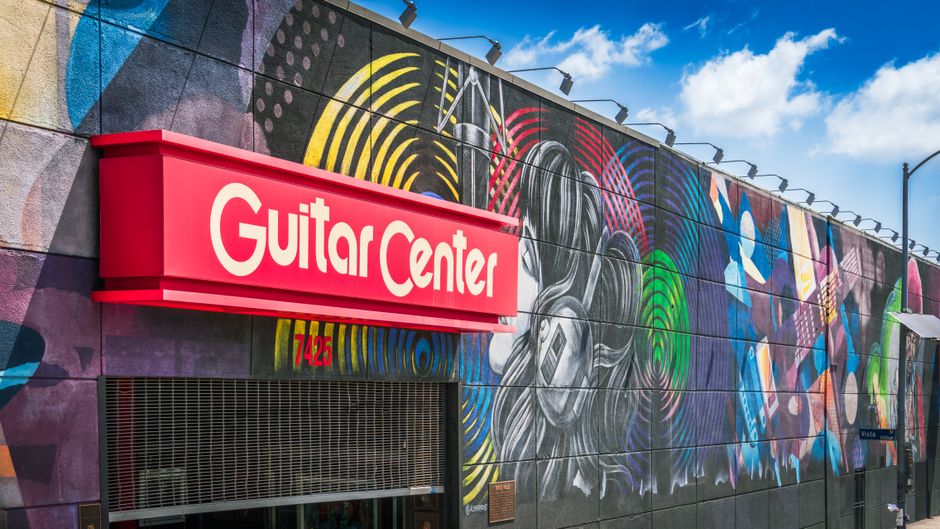
Long before YouTube, the Japanese import section of Los Angeles's Amoeba Music was a quiet nexus for Western DJs and producers to discover obscure City Pop gems.
Amoeba Music, particularly its Hollywood location, became an unlikely cultural bridge. Crate-diggers and music aficionados from across the West would meticulously scour its vast vinyl collection, often stumbling upon Japanese imports. These initial discoveries, made by a dedicated few seeking unique sounds for sampling or DJ sets, slowly began to seed City Pop's influence in Western music circles, laying the groundwork for its later viral explosion.
6. Okinawa's Beachfront Serenity
Onna Village, Okinawa, Japan
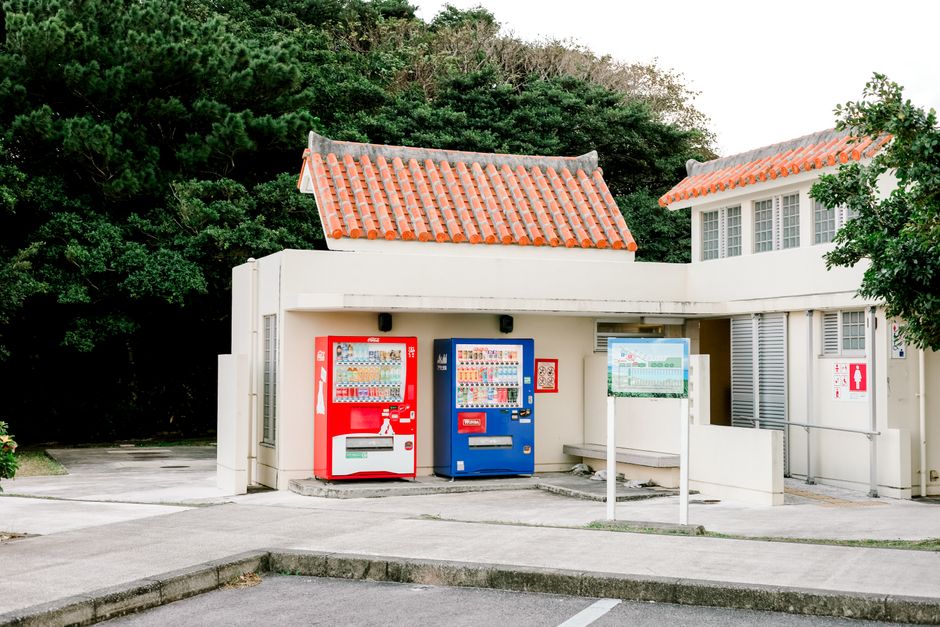
Okinawa's tranquil Hotel Moon Beach, an early 80s resort, quietly inspired the tropical, laid-back vibe that became synonymous with many City Pop artists.
While not as globally recognized as Tokyo, Okinawa was a significant domestic travel destination, and its resorts offered a distinct tropical paradise. Hotel Moon Beach, opened in the early 80s, provided Japanese artists and listeners with an authentic island escape. The hotel's unique crescent-shaped beach and lush surroundings embodied the serene, luxurious vacation aesthetic that many City Pop songs captured, contributing to the genre's evocative sense of wanderlust.
7. New York's East Village Sound
East Village, New York City, USA
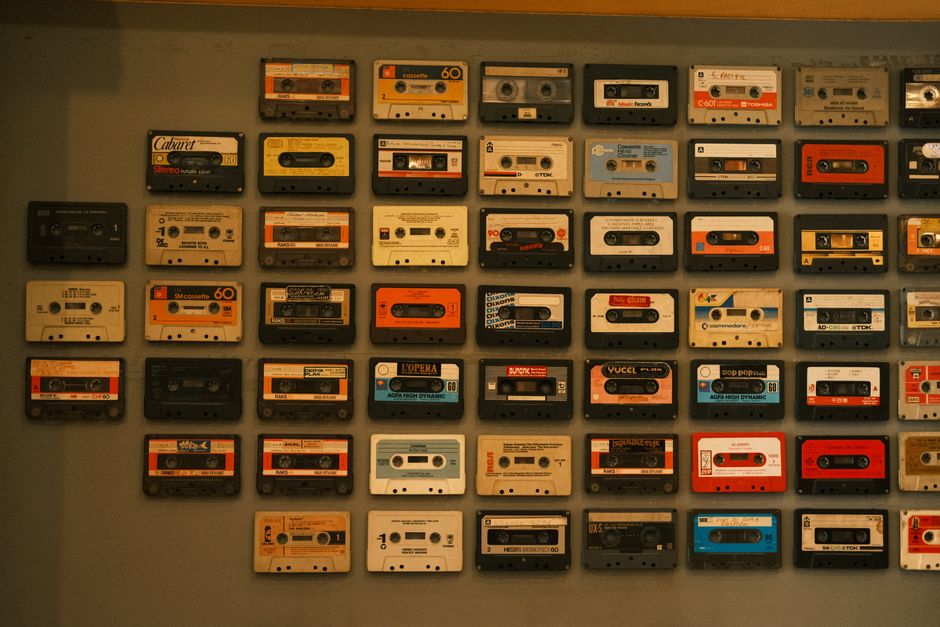
New York City's East Village, a legendary hub for independent music, played an understated but crucial role in circulating Japanese imports to Western ears.
Record stores scattered around the East Village, known for their eclectic and often obscure selections, were crucial for early Western exposure to City Pop. DJs, producers, and ardent collectors frequented these shops, seeking out rare LPs from around the world. The unassuming shelves holding Japanese imports in stores like Sounds or Other Music were where many in New York first encountered the unique grooves that would later become a global sensation, sparking a quiet cultural exchange.
Frequently asked questions
What is 'City Pop' and why is it popular now?
City Pop is a genre of Japanese music from the late 70s and 80s, characterized by its slick, sophisticated blend of pop, funk, disco, and AOR (Adult-Oriented Rock). Its current popularity in the West is largely due to its rediscovery through internet algorithms, sampling by hip-hop artists, and a nostalgic appreciation for its unique aesthetic and sound.
Which Western artists have been influenced by City Pop?
While not always direct, City Pop's influence can be heard in various forms. Vaporwave artists heavily sample and are inspired by its aesthetic. More mainstream artists and producers have also drawn from its rich soundscapes for samples or inspiration, contributing to its underground resurgence before it hit a broader audience online.
Are there specific landmarks in Japan associated with City Pop?
Beyond the recording studios, many places embody the spirit of City Pop: the glamorous shopping districts and department stores of Shibuya and Shinjuku, coastal resort towns like those in Izu or Okinawa, and the general urban landscape of bubble-era Tokyo. These locales provided the backdrop for the aspirational lifestyle depicted in the music.
How can AllTours.ai help me explore City Pop's origins?
AllTours.ai transforms your phone into an AI audio tour guide. Simply point your camera at any landmark, landscape, or even an old record store mentioned in this post, and the app will narrate its history, cultural significance, and connection to City Pop or other fascinating stories in your preferred language. It's like having an expert local guide in your pocket, revealing the hidden narratives all around you.
Related guides
Photography via Pexels. AllTours.ai is an AI audio tour guide — point your camera at any landscape and hear its story.