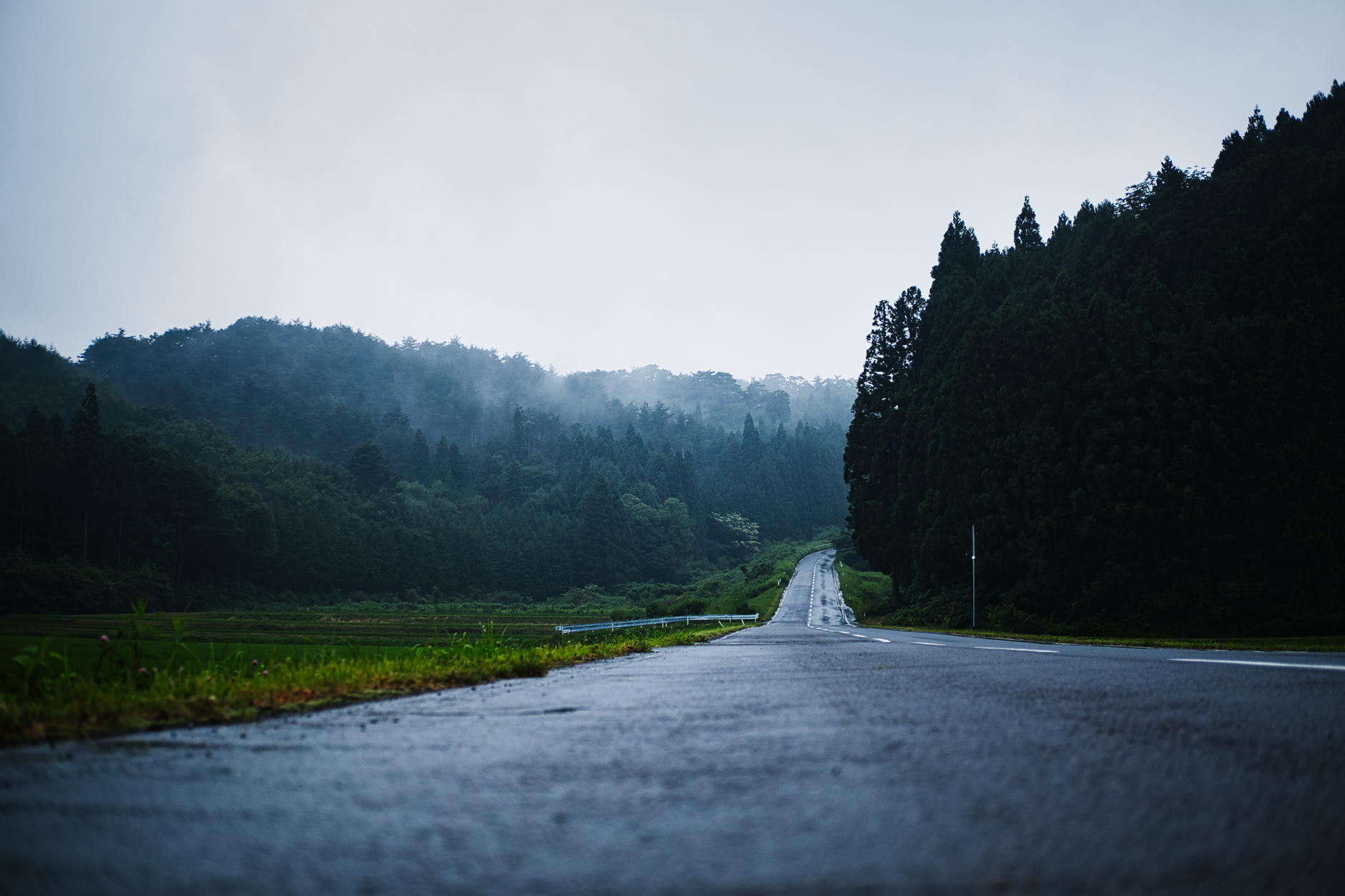
September 2, 2026 · 4 min read
Rain on your travel plans often feels like a budget-buster, forcing expensive indoor alternatives or dampening spirits. But what if a little drizzle, or even a downpour, could actually *enhance* your journey, revealing unique stories and even offering unexpected value in lesser-known corners of the world?
Forget the crowded museums when the skies open. Instead, imagine landscapes transformed, ancient histories coming to life, and wildlife emerging, all because of the weather. We've curated a list of extraordinary places where rain isn't just a part of the experience; it’s the key to uncovering their deepest secrets and most vivid beauty.
1. The Living Root Bridges of Meghalaya
Cherrapunji, India
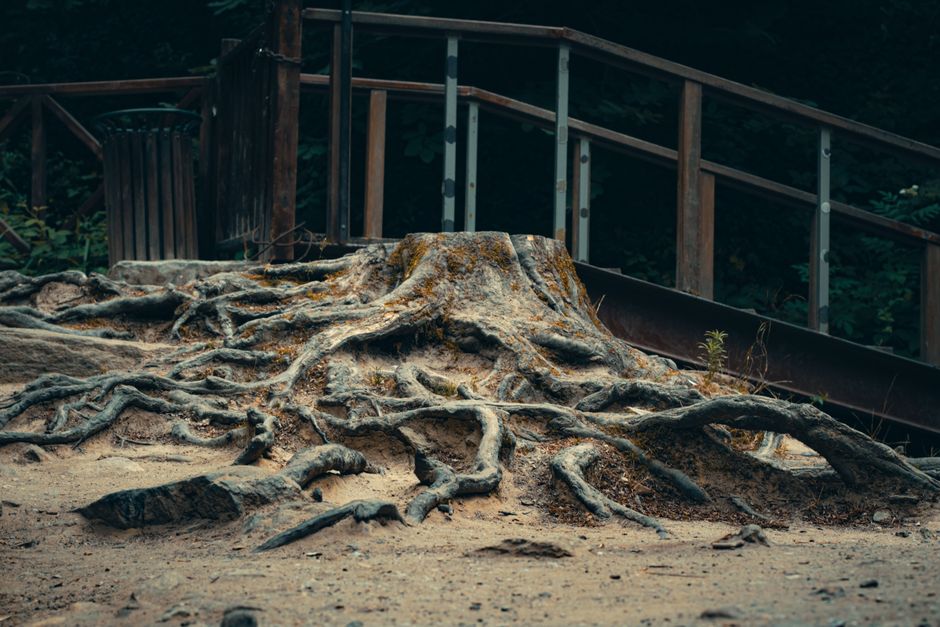
Indigenous Khasi people engineered living bridges from fig tree roots to cross rivers swollen by the world's heaviest rainfall.
Cherrapunji, one of the wettest places on Earth, is home to a marvel of bioengineering. For centuries, the Khasi people have guided the aerial roots of Ficus elastica trees across rivers and streams, creating sturdy, living bridges that strengthen over time. Rain is not an obstacle here; it's the very force that necessitates and sustains these incredible structures, making a trek through the lush, rain-soaked forests to find them an unforgettable, budget-friendly adventure.

2. Jaguar Sightings in the Flooded Pantanal
Pantanal Wetlands, Brazil
The rainy season transforms the Pantanal into a vast aquatic nursery, revealing incredible biodiversity and making jaguars more visible along shrinking land strips.
While the dry season is popular for wildlife viewing, the wet season (roughly November to March) in the Pantanal offers a dramatically different experience, often at a lower cost due to fewer tourists. Floodwaters create a sprawling wetland ecosystem, drawing an astonishing array of birds and making elusive jaguars more visible as they concentrate on the remaining dry land. Boat safaris become the primary mode of transport, offering unparalleled, up-close encounters with a thriving ecosystem.
3. Fjaðrárgljúfur's Moss-Draped Walls
Fjaðrárgljúfur Canyon, Iceland
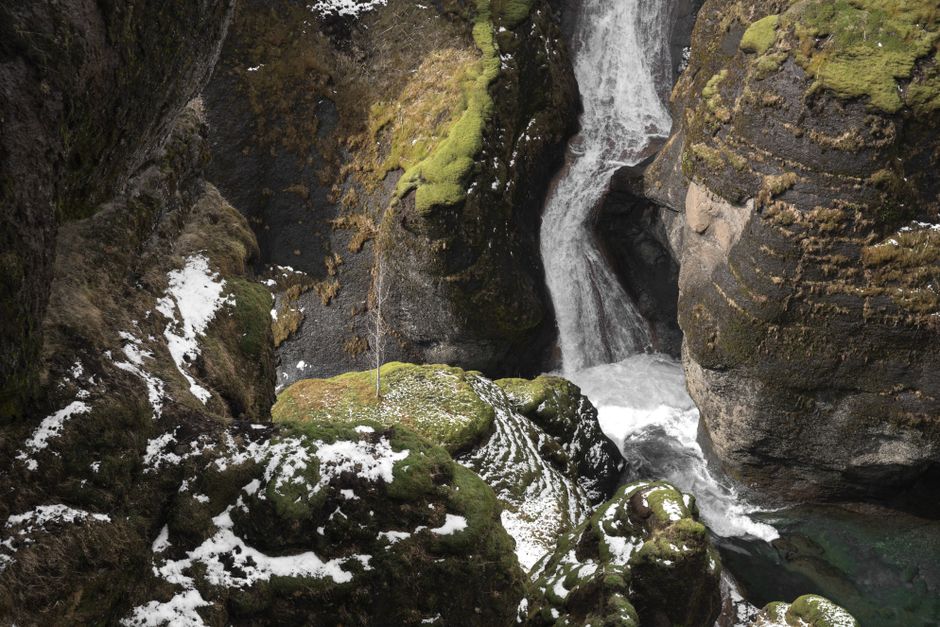
This dramatic, moss-draped canyon was carved by meltwater from a massive glacial outburst flood, and its vibrant greens are sustained by constant moisture.
Fjaðrárgljúfur, a magnificent canyon in southeast Iceland, is a testament to the power of water. Formed by progressive erosion from meltwater flowing from a glacial outburst flood thousands of years ago, its sheer walls are now blanketed in vibrant green moss. Rainy or misty days intensify these colors, making the canyon feel even more ancient and mystical. While popular, visiting on a less-than-sunny day often means fewer crowds and a more atmospheric experience of this geological wonder.
4. Chiricahua's Monsoon-Kissed Pinnacles
Chiricahua National Monument, Arizona, USA
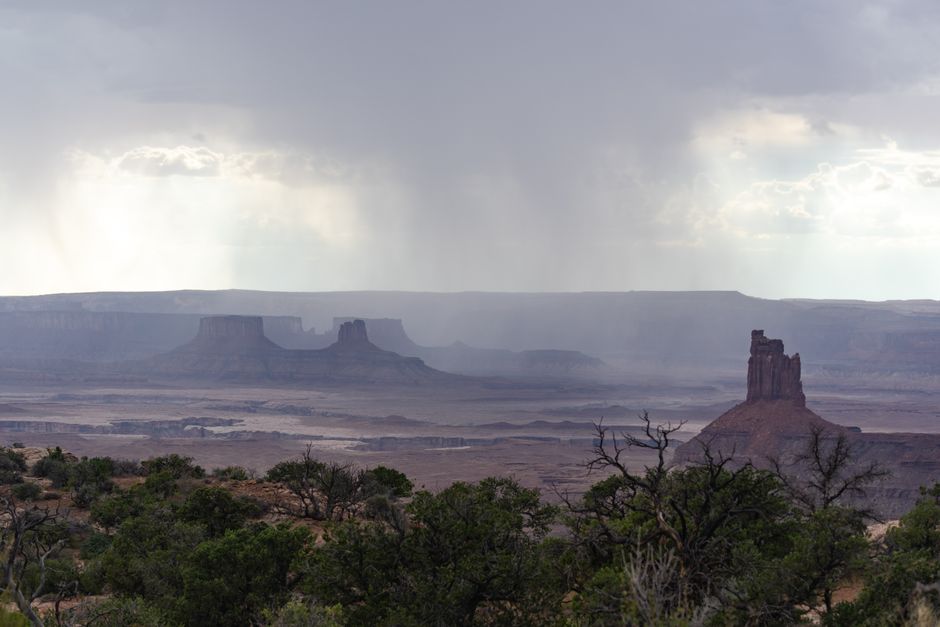
These 'sky islands' of volcanic rock, sculpted by ancient eruptions and relentless erosion, come alive with unique desert scents and temporary waterfalls after monsoon rains.
Arizona's Chiricahua National Monument, often called a 'wonderland of rocks,' features bizarre rhyolite pinnacles formed by volcanic activity and subsequent erosion. While summer monsoons might seem a deterrent, they transform the landscape. The air fills with the distinctive scent of creosote, and temporary waterfalls cascade down the rock formations. Hiking amidst these 'hoodoos' after a rainstorm offers cooler temperatures, vivid colors, and a sensory experience unique to this desert sky island, often with fewer visitors.
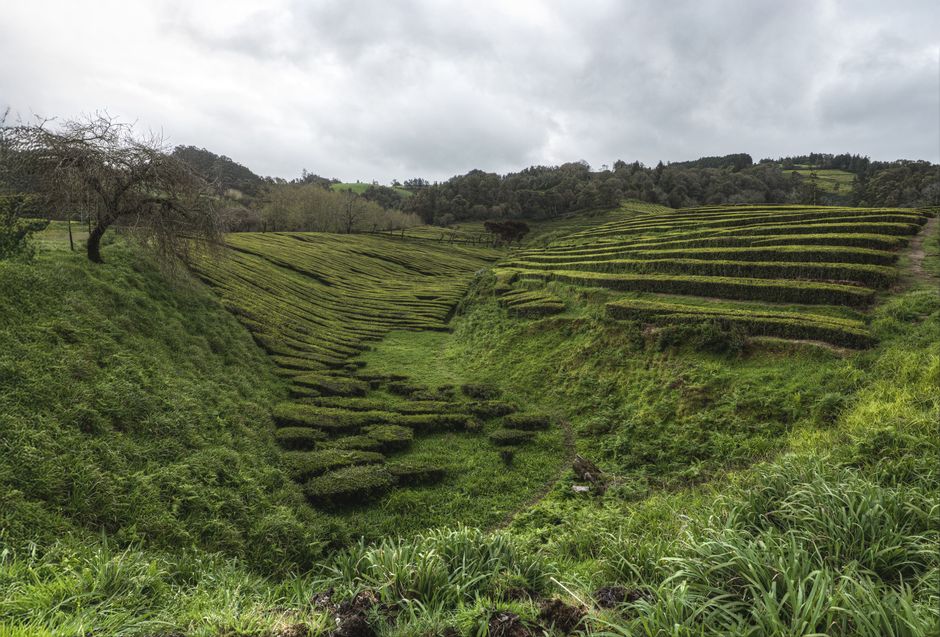
5. Azores' Volcanic Tea Plantations and Hot Springs
Azores Archipelago, Portugal
Rain nourishes the volcanic soil of the Azores, sustaining Europe's only commercial tea plantations and feeding the lush landscapes that conceal natural hot springs.
The Azores, a volcanic archipelago in the mid-Atlantic, is famously green and often misty or rainy. This climate is not a drawback but a defining feature. It supports Europe's only commercial tea plantations, like Gorreana, where you can tour the fields and factory even on a wet day. Moreover, the rain feeds the lush vegetation surrounding the islands' many natural hot springs and thermal pools, offering a warm, relaxing, and budget-friendly activity perfect for any weather.
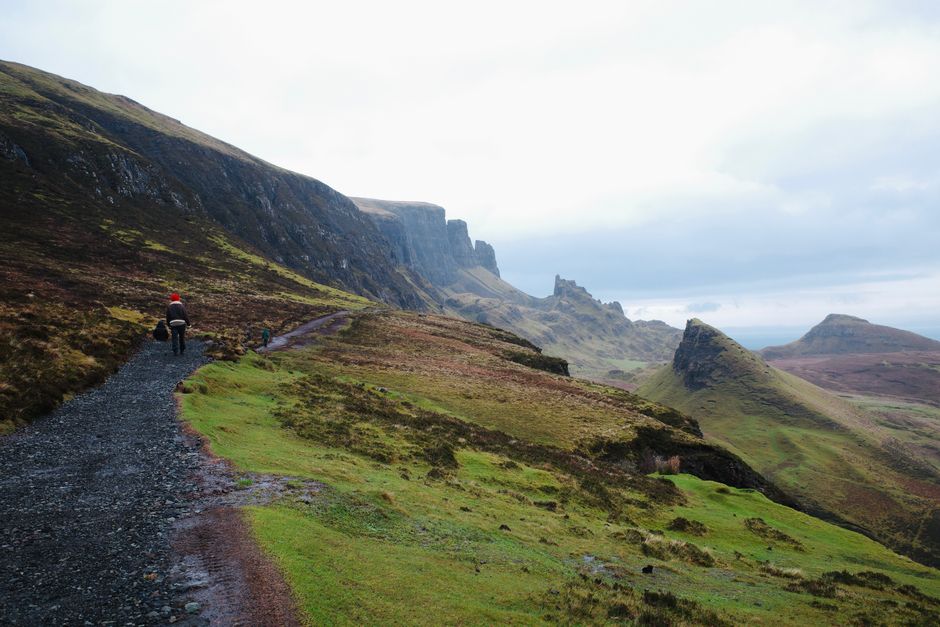
6. The Ever-Shifting Quiraing of Skye
Isle of Skye, Scotland
The dramatic, ancient landslips of the Quiraing are continuously shaped by the island's frequent rainfall, revealing layers of geological history through mist and moving earth.
The Isle of Skye's Quiraing, part of the larger Trotternish landslip, is a landscape of towering pinnacles, hidden plateaus, and sheer cliffs that seem to belong to another world. The constant moisture and rain on Skye contribute to the ongoing geological processes that shape this dramatic terrain. While sunny days offer clear views, a misty, rainy day adds an unparalleled sense of drama and mystique, making the already epic scenery feel even more ancient and alive. Just pack good waterproofs!
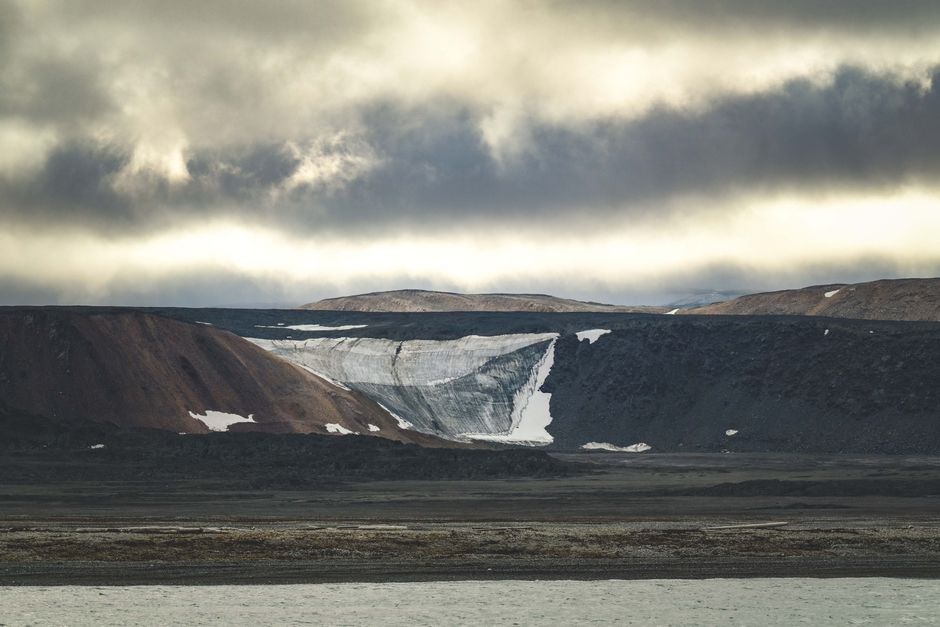
7. Svalbard's Meltwater-Carved Tundra
Svalbard, Norway
As summer rain and meltwater carve temporary streams across Svalbard's tundra, they reveal ancient geological formations and fossil beds previously hidden by ice.
Visiting Svalbard in the 'summer' often means encountering rain, but this isn't a deterrent; it's an opportunity. As the ice and snow melt, and rain falls, temporary streams carve pathways through the ancient tundra. These waters expose fascinating geological features, from striking rock formations to fossil beds containing prehistoric plant and animal life. Exploring this exposed, rugged landscape on a rainy day offers a unique glimpse into Earth's deep history, often with the added bonus of fewer cruise ship crowds.
Frequently asked questions
Is it cheaper to travel during the rainy season?
Often, yes. The rainy season, or 'green season,' typically sees fewer tourists, which can lead to lower prices on flights, accommodation, and tours. However, some activities might be weather-dependent, so factor in potential indoor alternatives or embrace the unique experiences rain can offer.
What are the unexpected costs of traveling in the rain?
Rain can bring unforeseen expenses like increased taxi fares for short distances, replacing wet or ruined gear, or needing to purchase indoor activity tickets if outdoor plans are cancelled. Investing in good waterproofs (jacket, shoes, bag cover) upfront can save money and enhance your experience.
How can I make the most of rainy travel days?
Embrace the weather! Seek out indoor attractions like museums, art galleries, or local cafes to experience local culture. For outdoor adventures, pack appropriate gear and look for places where rain enhances the experience, such as waterfalls, lush forests, or dramatic misty landscapes that feel even more atmospheric.
How does the AllTours.ai app help me discover places in any weather?
AllTours.ai lets you point your phone camera at any landmark or landscape, and it instantly narrates its history, geology, and culture in your language. This means you can discover fascinating stories and insights about your surroundings, whether the sun is shining or rain is falling, making every moment an opportunity for discovery without needing a human guide.
Related guides
Photography via Pexels. AllTours.ai is an AI audio tour guide — point your camera at any landscape and hear its story.