September 13, 2026 · 4 min read
When considering how is living in Canada compared to the USA, many factors come to mind: healthcare systems, political landscapes, or even subtle cultural nuances. Yet, beyond the major cities and well-trodden paths, the true character of each nation often reveals itself in its most unexpected corners. These aren't just places on a map; they are living narratives, shaped by unique histories, incredible geological forces, and communities forging distinct identities.
To truly grasp the diverse tapestry of North America, one must venture beyond the obvious. We've curated a list of lesser-known spots, each with a story so singular, it offers a fresh perspective on what makes life unique across the Canadian-American border. From towns defying the odds of existence to landscapes revealing Earth's deepest secrets, prepare to spark your curiosity.
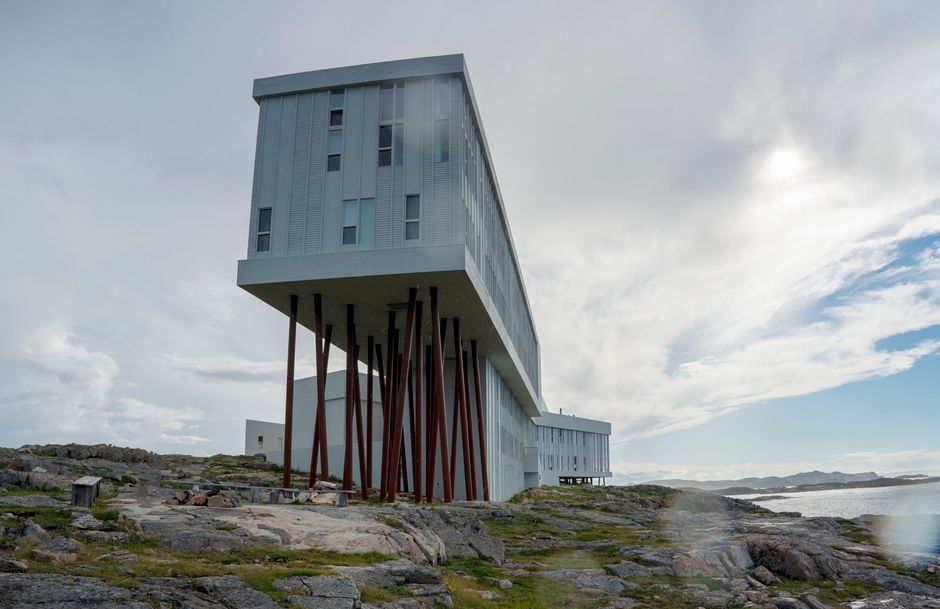
1. Fogo Island's Future in the Past
Fogo Island, Newfoundland and Labrador, Canada
A remote island community where traditional fishing life meets ultra-modern architecture and a unique social enterprise model.
Fogo Island exists at the edge of the world, clinging to centuries-old fishing traditions while embracing a visionary future. Its striking, architecturally distinct Inn was built not for profit, but to reinvest in the local community, preserving a way of life threatened by global shifts. Here, you can still hear unique dialects and witness the resilience of islanders who have navigated harsh seas and economic changes for generations.
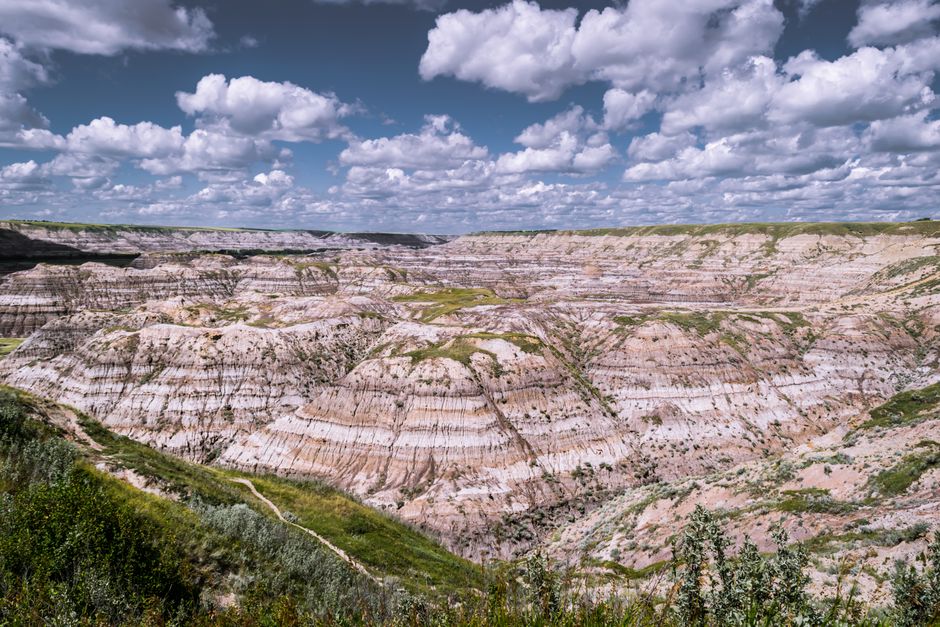
2. Where Dinosaurs Walked (and Still Lie)
Dinosaur Provincial Park, Alberta, Canada
A UNESCO World Heritage site with the richest dinosaur fossil fields in the world, not just a few bones, but entire ancient ecosystems exposed by badlands erosion.
Step into a landscape where the Earth itself peels back layers to reveal a prehistoric world. Dinosaur Provincial Park is a sprawling badlands environment, sculpted by millions of years of erosion, which has unearthed over 150 complete dinosaur skeletons. This isn't a museum display; it's an active fossil quarry, offering a tangible connection to the massive creatures that roamed North America 75 million years ago.
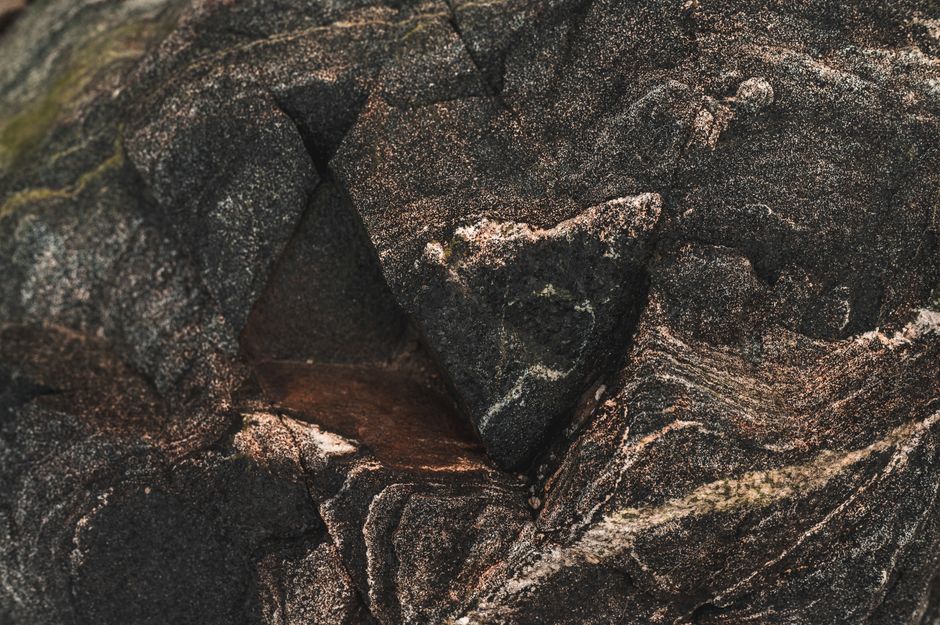
3. Walking on the Earth's Mantle
The Tablelands, Gros Morne National Park, Newfoundland and Labrador, Canada
A place where you can literally walk on the Earth's mantle, exposed by continental drift, revealing the planet's deep geological secrets.
The Tablelands are a barren, rust-colored plateau of peridotite rock, a piece of the Earth's deep mantle pushed to the surface by colliding continents. This geological anomaly is a stark contrast to the lush forests surrounding it, creating an otherworldly landscape that scientists study to understand plate tectonics. It's an unparalleled opportunity to touch the very core of our planet, without needing a drill.
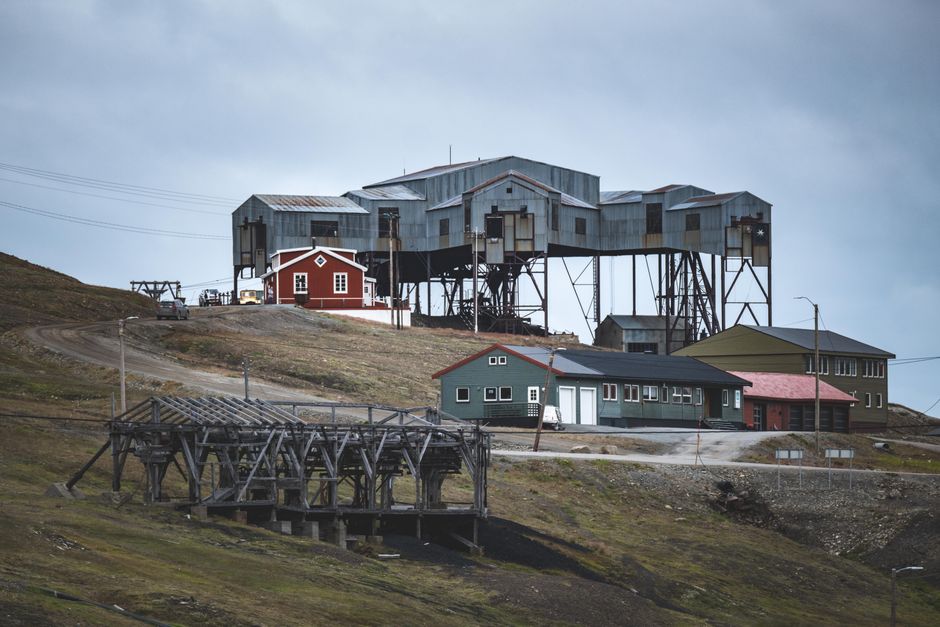
4. Dawson City's Sinking History
Dawson City, Yukon, Canada
A frontier town that boomed and busted during the Klondike Gold Rush, still preserving its rough-and-tumble spirit and original buildings under permafrost.
Once the largest city north of Seattle, Dawson City exploded with the Klondike Gold Rush, drawing tens of thousands of prospectors. Today, its historic buildings lean at odd angles due to thawing permafrost, creating a visibly sinking, living museum. The town maintains its quirky, independent spirit, where traditions like the Sourtoe Cocktail continue, offering a direct link to the wild frontier days.
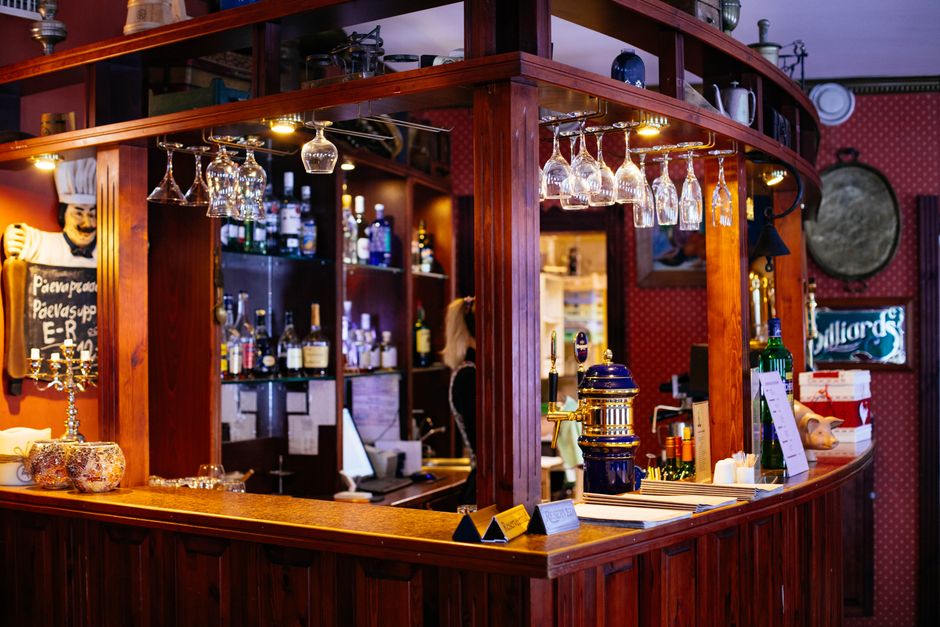
5. The Town of One
Monowi, Nebraska, USA
The only incorporated town in the USA with a population of one, where the sole resident runs the town's bar, library, and serves as mayor.
Monowi isn't just small; it's a testament to incredible solitude and self-reliance. Elsie Eiler is the town's only resident, carrying out every municipal function from mayor to librarian. She also runs the Monowi Tavern, serving patrons who travel miles to visit. This unique situation arose as younger generations moved away, leaving Elsie as the last, resilient heart of a disappearing rural America.
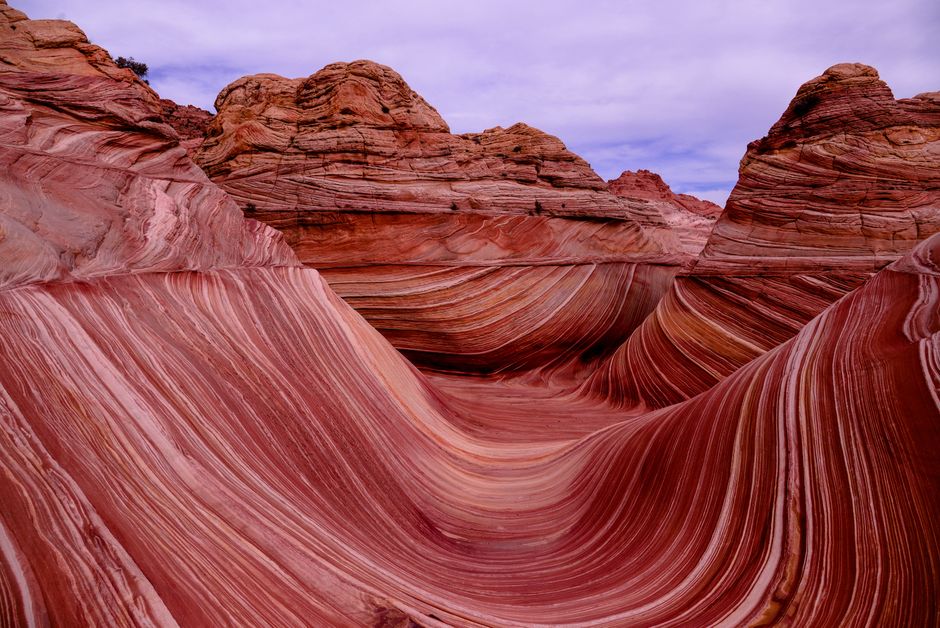
6. Nature's Sculpted Wave
The Wave, Arizona, USA
An impossibly sculpted sandstone formation, a geological masterpiece requiring a lottery permit to visit, looking like a frozen ocean wave.
Deep within the Coyote Buttes Wilderness, The Wave is a mesmerizing sandstone formation carved over millions of years by wind and water. Its swirling, vibrant stripes of red, orange, and yellow Navajo sandstone create an illusion of a petrified ocean swell. Due to its fragile beauty and remote location, access is strictly limited by a daily lottery, making it one of the most exclusive natural wonders in the American Southwest.
7. A Town Burning Beneath
Centralia, Pennsylvania, USA
A town almost entirely abandoned due to an underground coal mine fire that has been burning beneath it since 1962, creating steam vents and a surreal, smoky landscape.
Centralia is a modern ghost town, its fate sealed by an unseen enemy: a coal mine fire that has smoldered beneath its streets for over six decades. Most residents were relocated, leaving behind a grid of empty streets and a highway cracked by heat, emitting wisps of smoke and steam. The ground is unstable, and the air carries a faint sulfurous smell, a chilling reminder of the slow-burning inferno that still rages below.
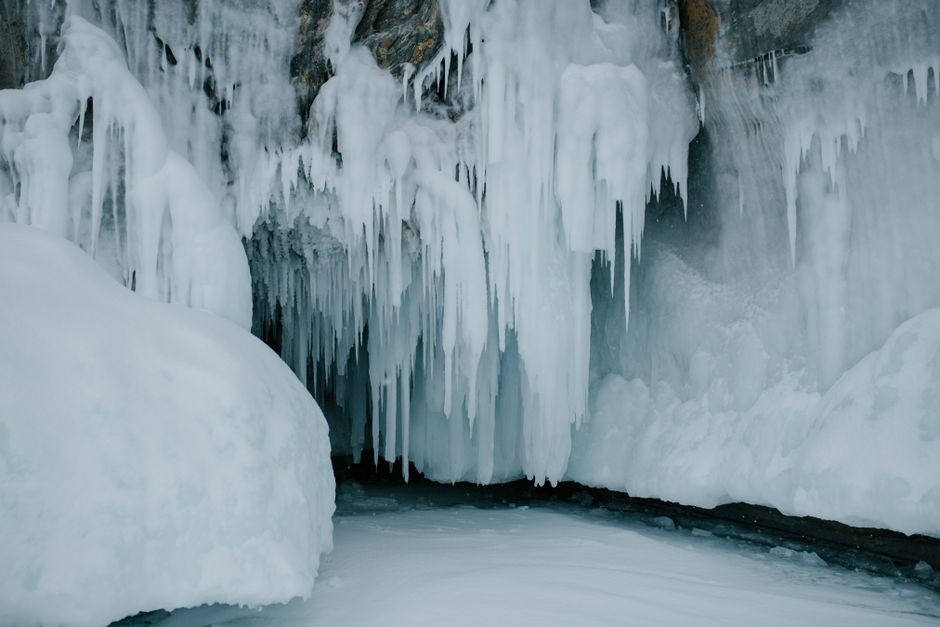
8. Lake Superior's Ephemeral Ice Caves
Apostle Islands National Lakeshore, Wisconsin, USA
During harsh winters, the shores of Lake Superior transform into ephemeral ice caves, intricate cathedrals of frozen water accessible only when the lake freezes thick enough.
When Lake Superior's winter conditions are exceptionally severe, the powerful waves freeze into spectacular ice formations along the sandstone sea caves of the Apostle Islands. These temporary wonders feature towering stalactites, delicate icicle curtains, and frozen waterfalls, creating a magical, crystalline world. Access is rare and only declared safe by park rangers when the ice is thick enough, making each visit a fleeting, unforgettable experience.
Frequently asked questions
Is healthcare better in Canada or the USA?
Canada operates a universal, publicly funded healthcare system, meaning most essential services are covered for residents. The USA has a more complex, largely private system, often involving health insurance. While both systems have strengths, Canada's model generally ensures access for all, while the US system can offer a wider range of specialized treatments, often at higher costs.
What's the cost of living difference between Canada and the USA?
Generally, the cost of living can be comparable in major cities, but Canada often has higher taxes, particularly sales tax. Housing costs vary widely in both countries, with some Canadian cities like Vancouver and Toronto being very expensive, similar to US cities like New York or San Francisco. Groceries and consumer goods can sometimes be more expensive in Canada due to imports and smaller market size.
Are the cultures very different between Canada and the USA?
While sharing a border and many similarities, subtle cultural differences exist. Canadians often value community and collective well-being more, reflected in their social programs. Americans tend to emphasize individualism and self-reliance. Humor, linguistic nuances, and even approaches to politeness can differ, though both nations embody a diverse mosaic of regional cultures.
How can AllTours.ai help me explore these unique places?
AllTours.ai is your personal AI audio tour guide. Simply point your phone camera at a landmark, landscape, or historical site, and the app will instantly narrate its history, geology, and cultural significance in your preferred language. It's designed to bring the hidden stories of places like these to life, enriching your travel experience beyond what a guidebook can offer.
Related guides
Photography via Pexels. AllTours.ai is an AI audio tour guide — point your camera at any landscape and hear its story.