September 4, 2026 · 4 min read
Travel often comes with its own unique set of expenses, and few are as universally felt as the premium placed on airport dining. The question of "how much are airport meals normally marked up compared to prices in the outside world?" is a common one, and the answer often boils down to convenience, captive audience, and high operational costs, pushing prices significantly higher than street-level equivalents.
While the cost of a terminal sandwich might sting, the true value of travel lies not in what you pay for a quick bite, but in the unforgettable experiences and discoveries awaiting you beyond the security gates. Forget the overpriced airport food for a moment, and let's spark your curiosity with eight genuinely surprising, lesser-known spots around the globe where history, geology, and culture offer a richness far beyond any price tag.
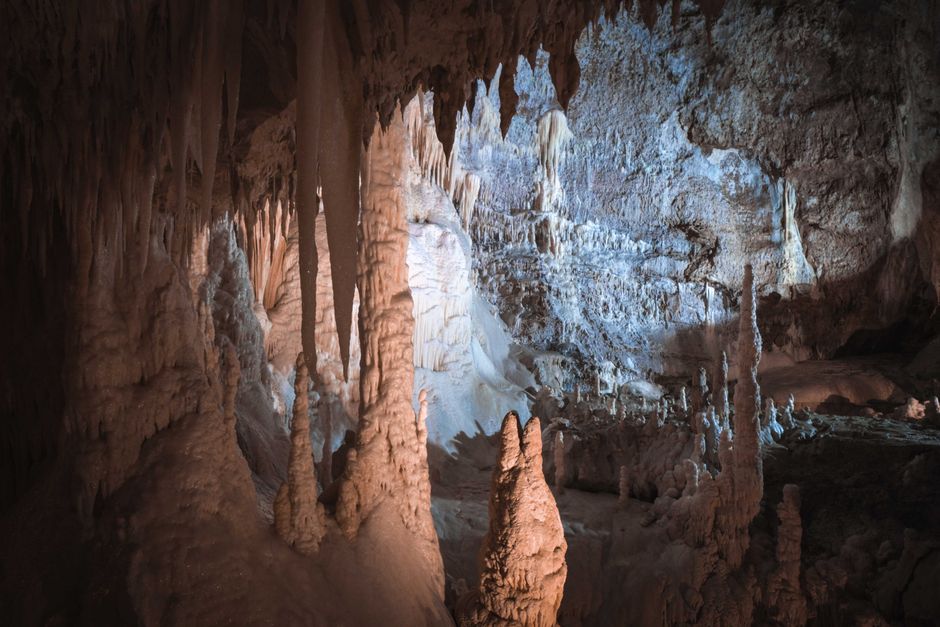
1. The Subterranean Crystal Forest
Naica Mine, Chihuahua, Mexico
Deep beneath a working mine, colossal crystals the size of trees grow in a searingly hot cave.
The Cave of Crystals at Naica Mine holds some of the largest natural crystals ever found, with selenite giants reaching up to 12 meters long. Discovered by miners, this extreme environment, with temperatures soaring to 58°C and near 100% humidity, made extended human exploration impossible without specialized suits. The crystals formed over hundreds of thousands of years in a stable geothermal environment, making it a geological marvel.
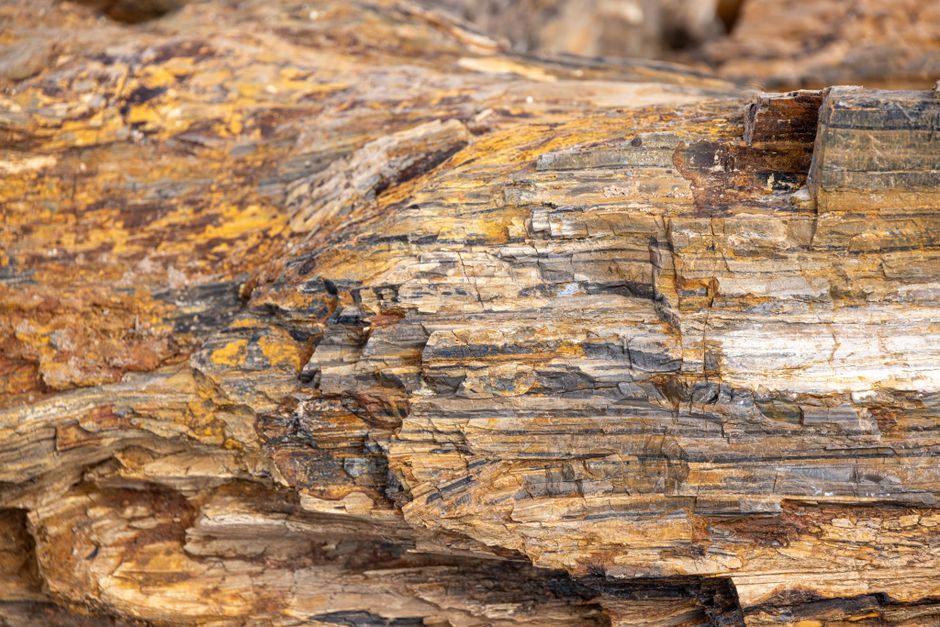
2. The Petrified Forest of Ancient Volcanic Ash
Lesvos, Greece
A volcanic eruption 20 million years ago preserved an entire ancient forest in stone, standing upright.
On the island of Lesvos, a vast petrified forest showcases trees, leaves, and fruits turned to stone by volcanic ash and intense silicification. Unlike scattered fossil finds, many of these trees remain upright, rooted in their original positions, forming a unique prehistoric landscape. This geological monument provides a rare window into the ancient flora and environmental conditions of the Aegean region millions of years ago.
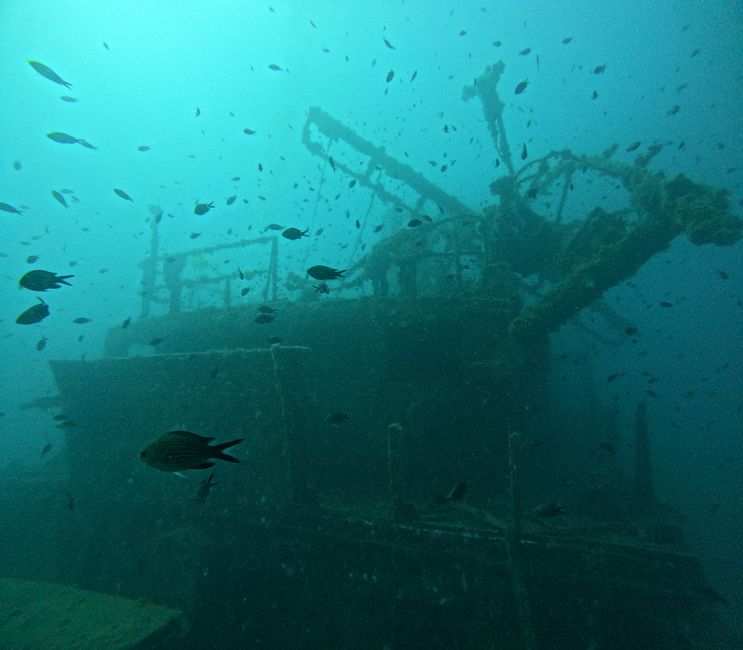
3. The Sunken City of Bronze Age Mariners
Pavlopetri, Laconia, Greece
Off the coast of Greece lies the oldest submerged city in the world, dating back over 5,000 years.
Discovered in 1967, Pavlopetri is a remarkably well-preserved Bronze Age city now resting beneath the Mediterranean Sea. Its streets, buildings, and tombs are still clearly discernible on the seabed, offering an unparalleled glimpse into early urban planning and daily life. This ancient port, once a thriving hub, provides crucial insights into Minoan and Mycenaean civilizations, and how geological shifts can reclaim human settlements.
4. The Great Serpent Mound of Ohio
Ohio, USA
An enormous, ancient effigy mound built by Indigenous peoples perfectly aligns with celestial events.
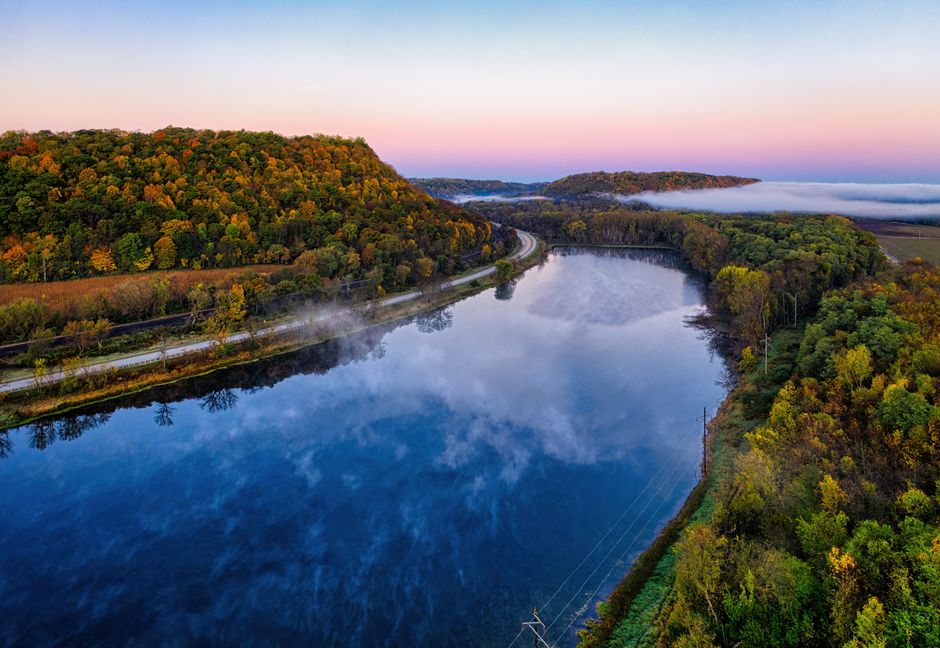
The Great Serpent Mound in Ohio is a colossal prehistoric effigy mound, stretching over 1,300 feet in the shape of a winding snake. Built by the ancient Fort Ancient culture (or possibly the Adena culture), its head aligns with the summer solstice sunset, and its coils with other significant solar and lunar events. This monumental earthwork serves as a powerful reminder of the sophisticated astronomical knowledge and spiritual practices of early North American inhabitants.
5. The "Door to Hell" in the Desert
Darvaza Gas Crater, Turkmenistan
A Soviet drilling accident ignited a natural gas crater in the desert that has been burning for over 50 years.
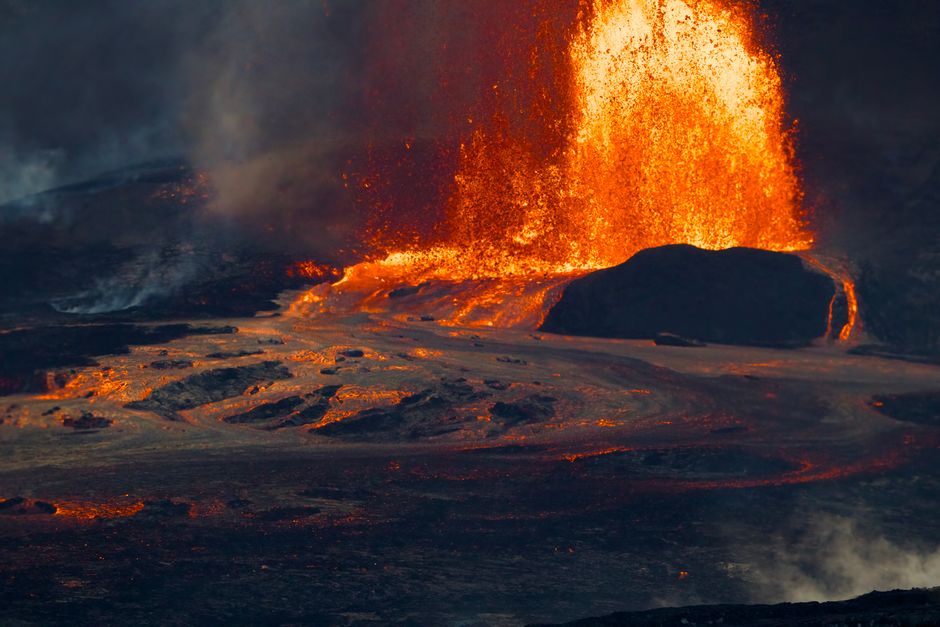
In the Karakum Desert, the Darvaza Gas Crater, colloquially known as the "Door to Hell," is a massive natural gas field that collapsed into a wide crater. Soviet geologists intentionally set it on fire in 1971 to prevent the spread of methane gas, expecting it to burn out in a few weeks. Instead, it has been burning continuously ever since, creating an infernal glow visible from miles away and captivating visitors with its otherworldly spectacle.
6. Europe's Widest "Flying Fish" Waterfall
Kuldiga, Latvia
In a charming medieval town, Europe's widest natural waterfall once had salmon leaping right into fishermen's nets.
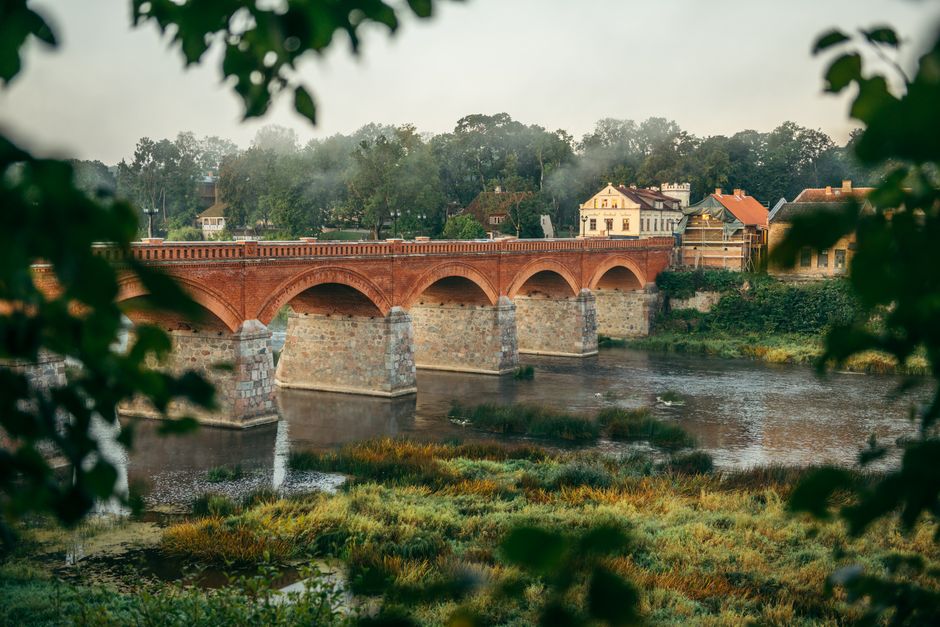
Venta Rapid (Ventas Rumba) in Kuldiga is not only Europe's widest natural waterfall, stretching over 240 meters, but it also boasts a unique historical fishing method. For centuries, during salmon spawning season, fish would attempt to leap up the shallow falls, and local fishermen would catch them mid-air in specially designed nets. This practice, now mostly historical, gave Kuldiga the nickname "the town where fish fly."
7. The Singing Sands of the Desert
Ghord Kharif, Oman
Climb certain desert dunes, and the sand itself produces a deep, resonant hum or roar like distant thunder.
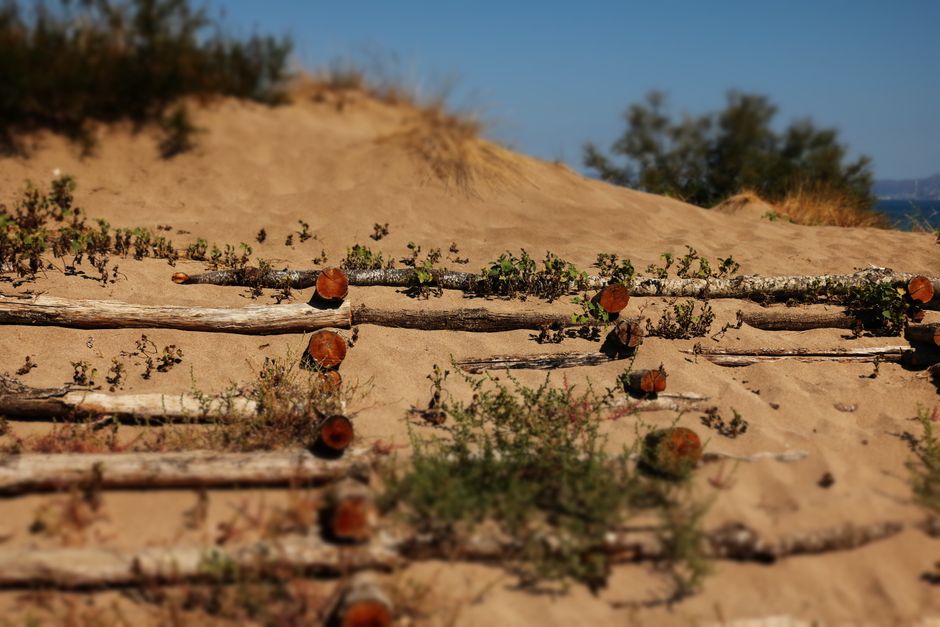
In vast deserts like those found in Oman or Xinjiang, China, certain rare sand dunes are known for an extraordinary acoustic phenomenon: they "sing." As sand avalanches down the dune face, friction and vibration cause billions of grains to resonate, producing a deep, sustained sound resembling a low organ note, a roar, or even distant aircraft. This geological wonder, often associated with very specific sand grain characteristics and wind conditions, has long fascinated travelers and scientists alike.
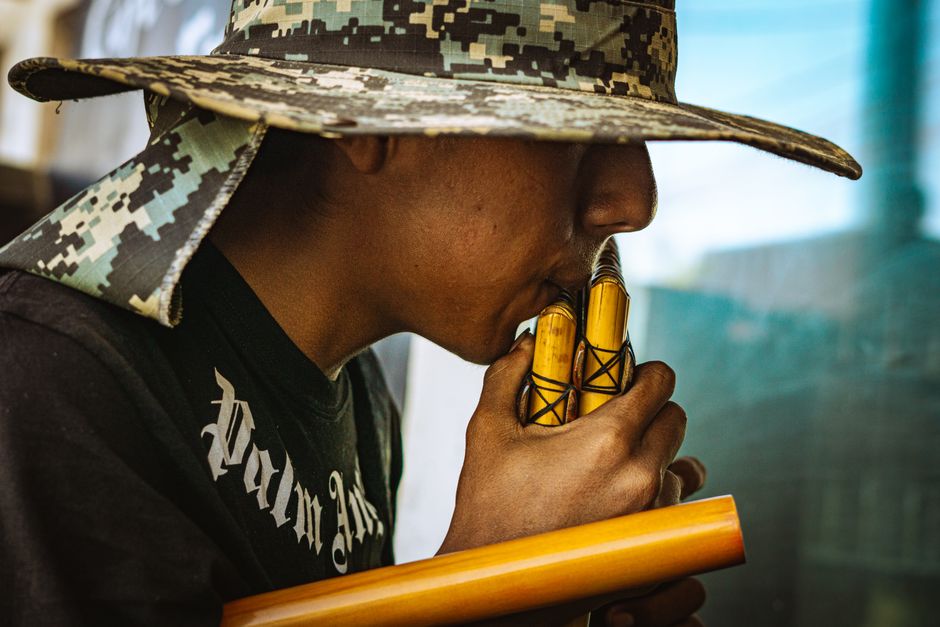
8. The Whistling Language of La Gomera
La Gomera, Canary Islands, Spain
On a rugged island, a complex whistling language developed to communicate across deep ravines.
Silbo Gomero is a unique, fully developed whistle language used by the inhabitants of La Gomera. Developed centuries ago to overcome the challenge of communicating across the island's deep, winding ravines and valleys, this ingenious system replaces spoken words with whistles. Recognized by UNESCO as a Masterpiece of the Oral and Intangible Heritage of Humanity, Silbo Gomero is still taught in schools, ensuring its survival as a living testament to human adaptation and cultural ingenuity.
Frequently asked questions
Why are airport meals so expensive?
Airport concessionaires often face higher operational costs, including rent, security, and logistics, which contribute to elevated menu prices. The captive audience also plays a role; with limited options, travelers are more likely to pay a premium for convenience.
Are there ways to save money on food at airports?
Yes, many travelers bring their own snacks or empty water bottles to fill past security. Some airports also have convenience stores or fast-food chains outside security checkpoints that offer lower prices, though this requires extra time. Checking airport websites for dining deals can also help.
What's a hidden cost often overlooked when traveling?
Exchange rate markups and ATM fees for foreign currency withdrawals are frequently underestimated. Another hidden cost can be unexpected data roaming charges or the price of local SIM cards if not planned in advance. Always research local transport costs too.
How does AllTours.ai help me discover these places?
AllTours.ai transforms your phone into an AI audio tour guide. Simply point your camera at any landscape or landmark, and the app instantly narrates its fascinating history, geology, and culture in your language, turning every view into a rich story.
Related guides
Photography via Pexels. AllTours.ai is an AI audio tour guide — point your camera at any landscape and hear its story.