September 8, 2026 · 4 min read
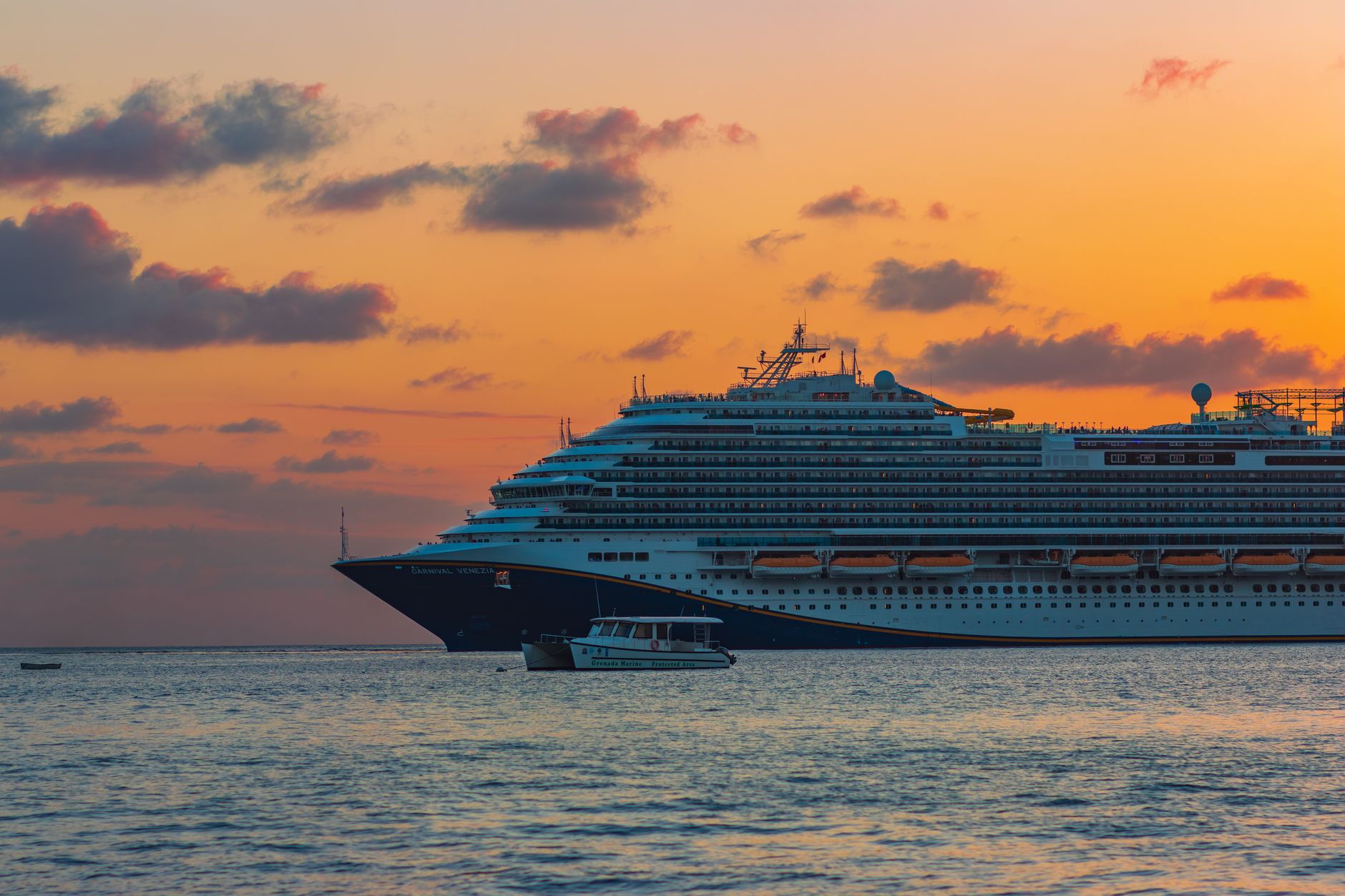
A 138-day world cruise isn't just a trip; it's an odyssey. For many, the idea sparks dreams of exotic locales, endless horizons, and unparalleled luxury. But beyond the staggering cost – often well into six figures – lies the true value: an unparalleled collection of stories waiting to be discovered.
Imagine sailing past the usual tourist hotspots to unearth places with genuinely surprising histories, unique geological formations, and deeply rooted cultures. This isn't about ticking off famous landmarks, but about experiencing the world's hidden narratives. Here are some of the extraordinary places that make a world cruise an investment in irreplaceable knowledge and wonder.
1. The Desert's Embrace
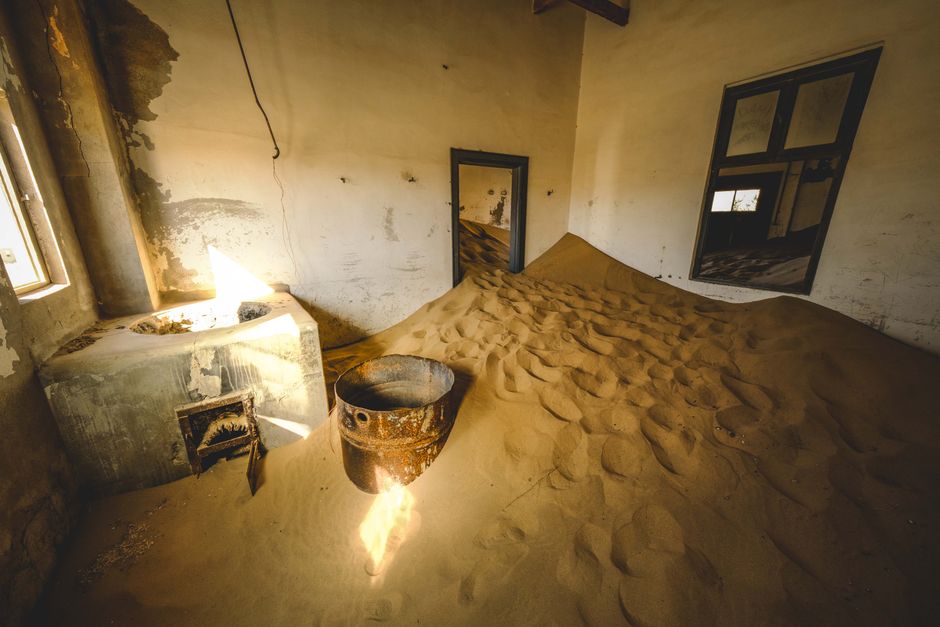
Kolmanskop, Namibia
This diamond boomtown was abandoned to the desert within decades, now slowly being swallowed by sand dunes.
Kolmanskop was a thriving German mining settlement in the early 20th century, built on the back of a diamond rush. Lavish homes, a hospital, and even a ballroom once stood here. When diamonds ran out in the 1950s, residents left abruptly, leaving their possessions to the harsh Namib Desert. Today, houses stand half-filled with sand, a chilling testament to nature reclaiming its own.
2. City Beneath the Earth
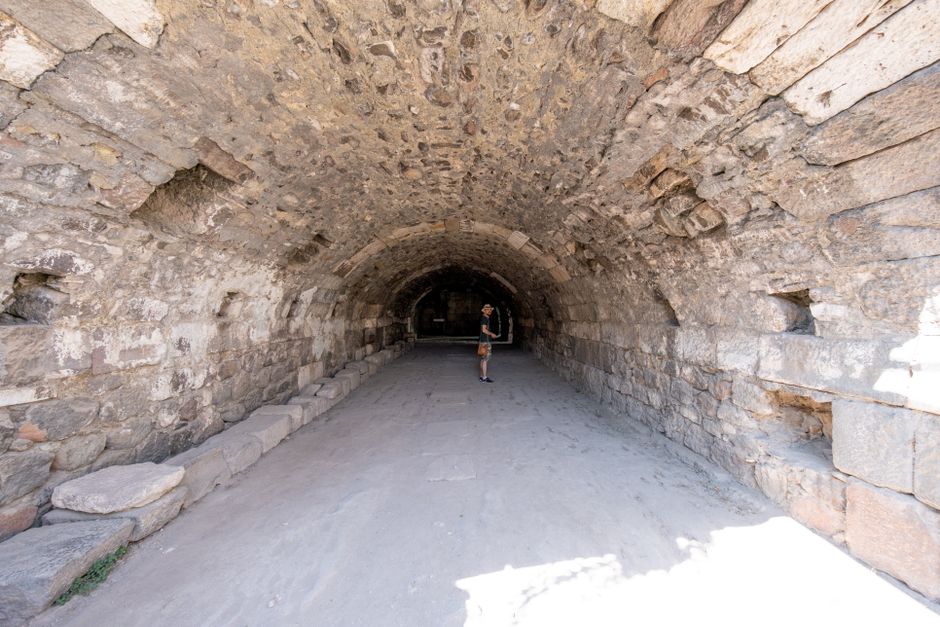
Derinkuyu, Turkey
An ancient civilization carved an entire multi-level city 18 stories deep, complete with stables, churches, and schools, to hide from invaders.
Beneath the Cappadocian landscape lies Derinkuyu, a massive underground city capable of housing 20,000 people and their livestock. Carved from soft volcanic rock, its complex network of tunnels, chambers, and ventilation shafts served as a refuge during times of war and persecution, particularly for early Christians fleeing Roman armies. Massive stone doors could seal off levels, making it an impenetrable fortress deep underground.
3. Italy's Hidden Fjord
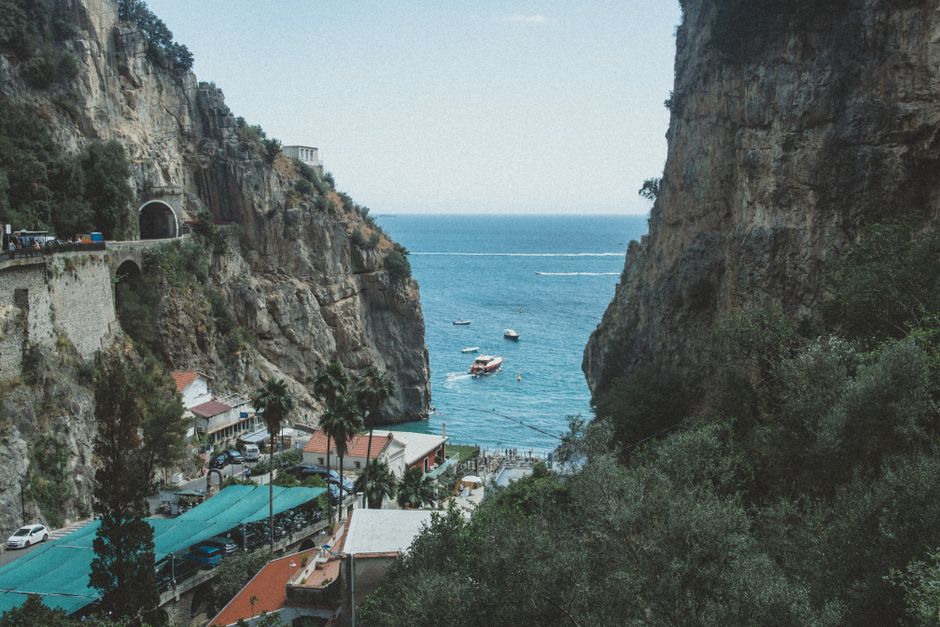
Furore, Italy
Tucked away in a dramatic fjord on the Amalfi Coast, this village was once so hidden it was dubbed "the town that doesn't exist."
While the Amalfi Coast draws crowds, Furore offers a unique spectacle. Its houses cling precariously to the rock face within a deep, narrow fjord, a natural inlet where the sea carves into the mountains. For centuries, the village was nearly invisible from the sea and the coastal road, leading to its "ghost town" moniker. A small fishing hamlet and a paper mill thrived here, relying on the freshwater stream that flows into the sea.
4. Living Under a Rock
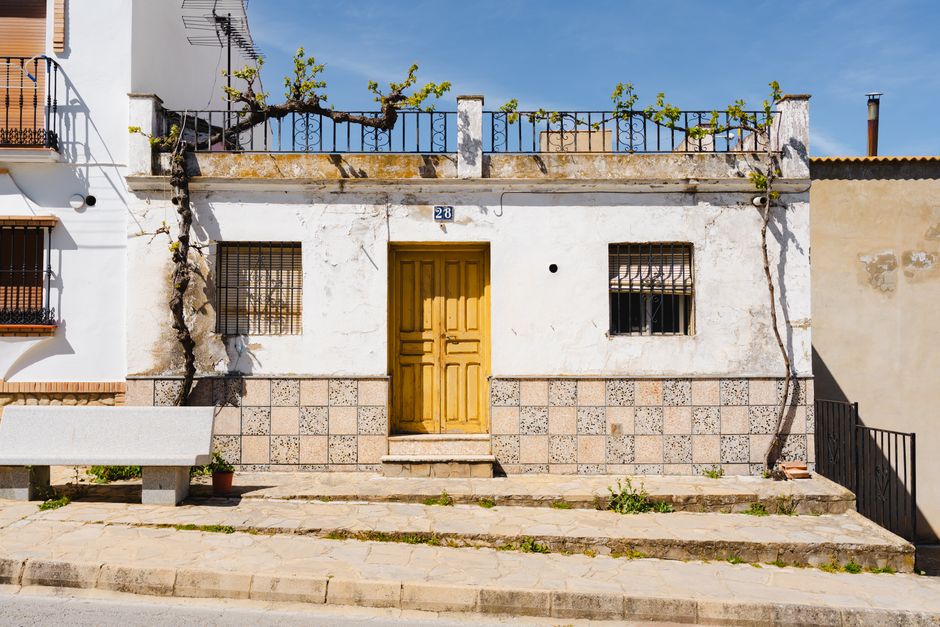
Setenil de las Bodegas, Spain
This Andalusian town is famous for its unique architecture where houses are built directly into and beneath massive overhanging rock formations.
Unlike cave dwellings, many homes in Setenil de las Bodegas are built by simply constructing a façade against a natural rock overhang, effectively using the rock as a roof or back wall. This distinctive "shelter under the rock" style keeps interiors cool in summer and warm in winter. The town grew along the course of the Trejo River, which carved out the gorge, creating these dramatic geological features that residents cleverly integrated into their lives for centuries.
5. The Battleship Island Ghost
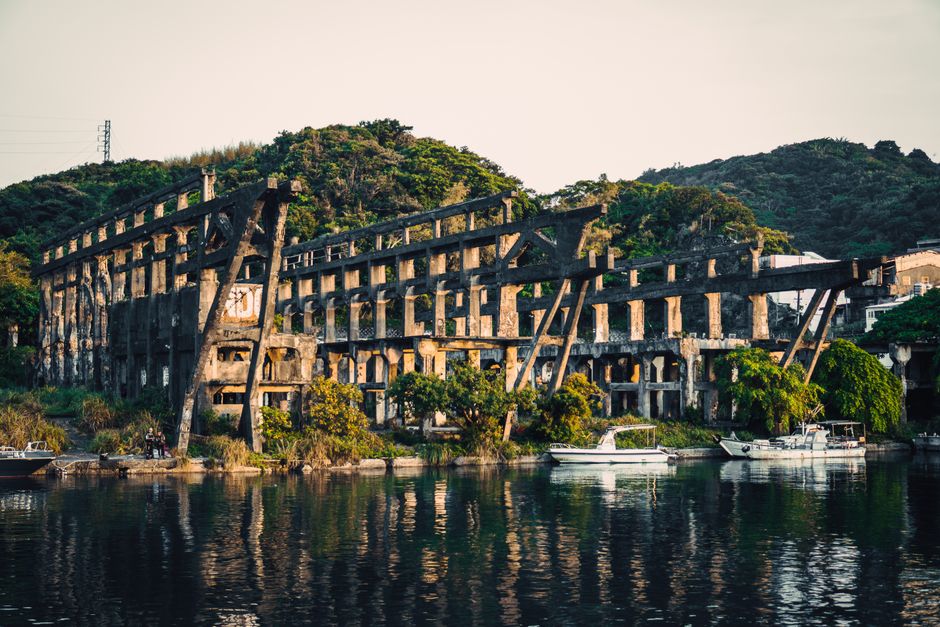
Hashima Island, Japan
This small island, once the most densely populated place on Earth and a thriving coal mine, was abandoned overnight, leaving its concrete structures to decay.
Hashima, also known as Gunkanjima ("Battleship Island" due to its shape), was a bustling undersea coal mining facility run by Mitsubishi from the late 19th century. At its peak, over 5,000 people lived on this tiny island, packed into high-rise concrete apartment blocks. When petroleum replaced coal in the 1970s, the mine closed, and residents evacuated in a matter of weeks, leaving behind an eerie, perfectly preserved urban ruin now a UNESCO World Heritage site.
6. The Starry Subterranean Sky
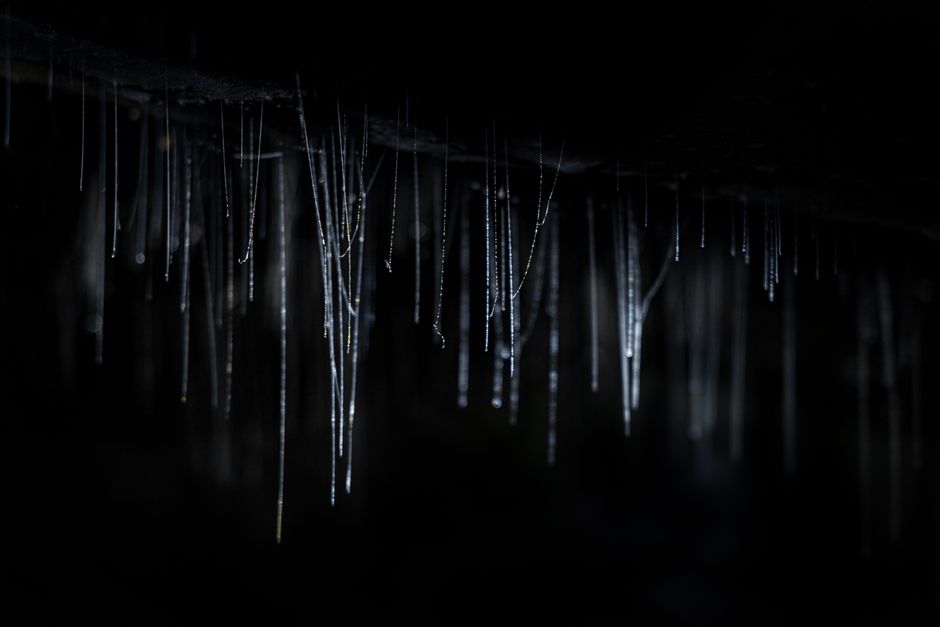
Waitomo, New Zealand
Inside these caves, thousands of tiny glowworms create a living, shimmering constellation on the ceiling, mimicking a clear night sky.
The magic of Waitomo Caves comes from Arachnocampa luminosa, a species of glowworm unique to New Zealand. These bioluminescent larvae hang from the cave ceilings, emitting a blue-green light to attract insects into their sticky silk threads. Drifting silently by boat through the pitch-black grotto, visitors witness an ethereal display, as if gliding under a sky filled with countless tiny stars, a natural phenomenon cultivated over millennia.
7. The Symphony of Basalt
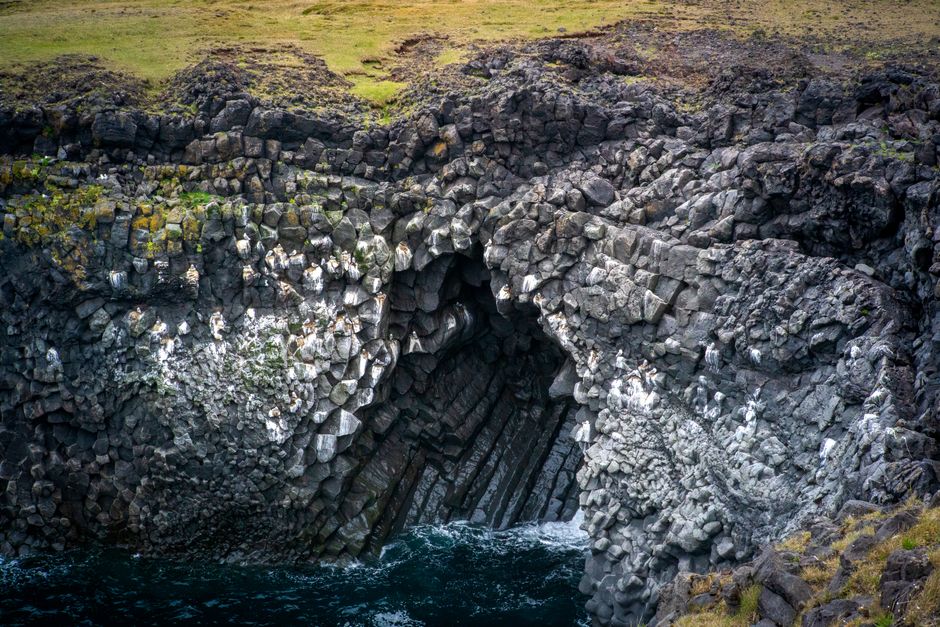
Isle of Staffa, Scotland
This uninhabited island features Fingal's Cave, a natural wonder where hexagonal basalt columns form a cathedral-like cavern that inspired Mendelssohn.
Formed by volcanic activity millions of years ago, the Isle of Staffa is dominated by incredible hexagonal basalt columns, similar to the Giant's Causeway. Fingal's Cave is the most famous feature, a sea cave with a natural arched roof and columns forming its walls. The unique acoustics of the cave, where waves echo and resonate, inspired Felix Mendelssohn's "Hebrides Overture," making it a natural concert hall carved by geology and the sea.
8. Echoes of Early Faith
Catacombs of Milos, Greece
Predating Rome's catacombs, this extensive underground network on a Greek island served as an early Christian burial site and place of worship.
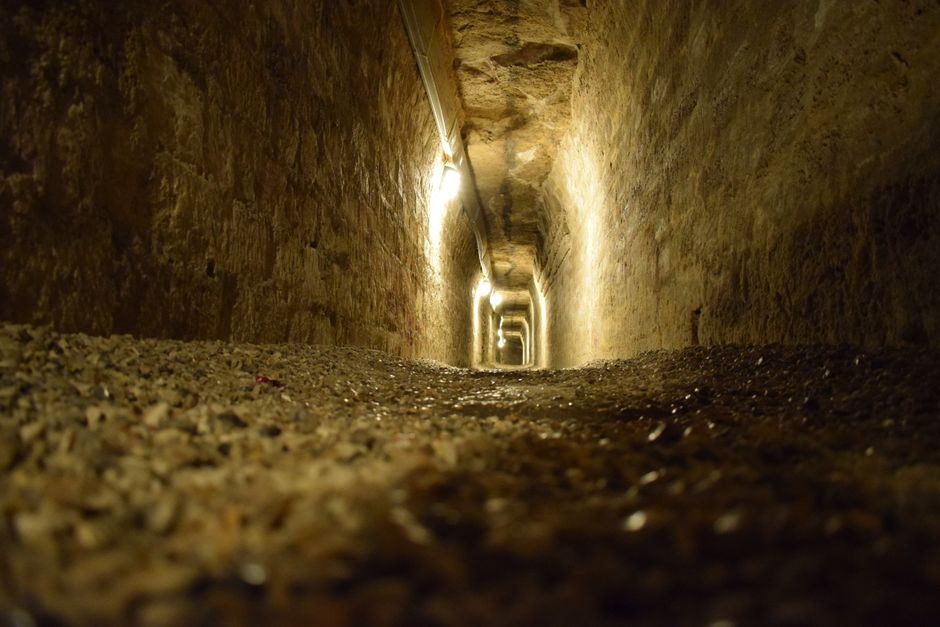
While less famous than their Roman counterparts, the Catacombs of Milos are among the most important early Christian monuments in Greece, dating back to the 1st-5th centuries AD. Carved into soft volcanic rock, these multi-chambered tunnels served as a secret burial ground for thousands of early Christians, fleeing persecution. They also functioned as places of worship and assembly, offering a glimpse into the clandestine practices of one of the world's oldest faiths.
Frequently asked questions
What's the typical duration of a world cruise?
World cruises typically range from 90 to 180 days, with 100 to 140 days being common. The duration depends on the itinerary, the number of ports of call, and the pace of travel, offering a truly immersive global journey.
Are world cruises all-inclusive?
Most luxury world cruises are largely all-inclusive, covering accommodation, meals, drinks, gratuities, and many onboard activities. However, shore excursions, specialty restaurants, and personal expenses usually incur additional costs, so it's essential to check specific cruise line details.
What's the best time of year to take a world cruise?
World cruises are usually timed to avoid extreme weather patterns in different regions, often departing in January or February to follow warmer climates across the hemispheres. This ensures a comfortable journey through diverse destinations.
How does AllTours.ai enhance a world cruise experience?
AllTours.ai turns your phone into a personal AI audio guide, providing rich historical, geological, and cultural narratives about any landscape or landmark you point your camera at. It's like having an expert local guide in your pocket, instantly explaining the hidden stories of the places you visit on your world cruise, even in lesser-known ports.
Related guides
Self-guided audio tours
Walk these places stop by stop — free five-stop story tours you can take at your own pace:
Photography via Pexels. AllTours.ai is an AI audio tour guide — point your camera at any landscape and hear its story.