September 15, 2026 · 4 min read
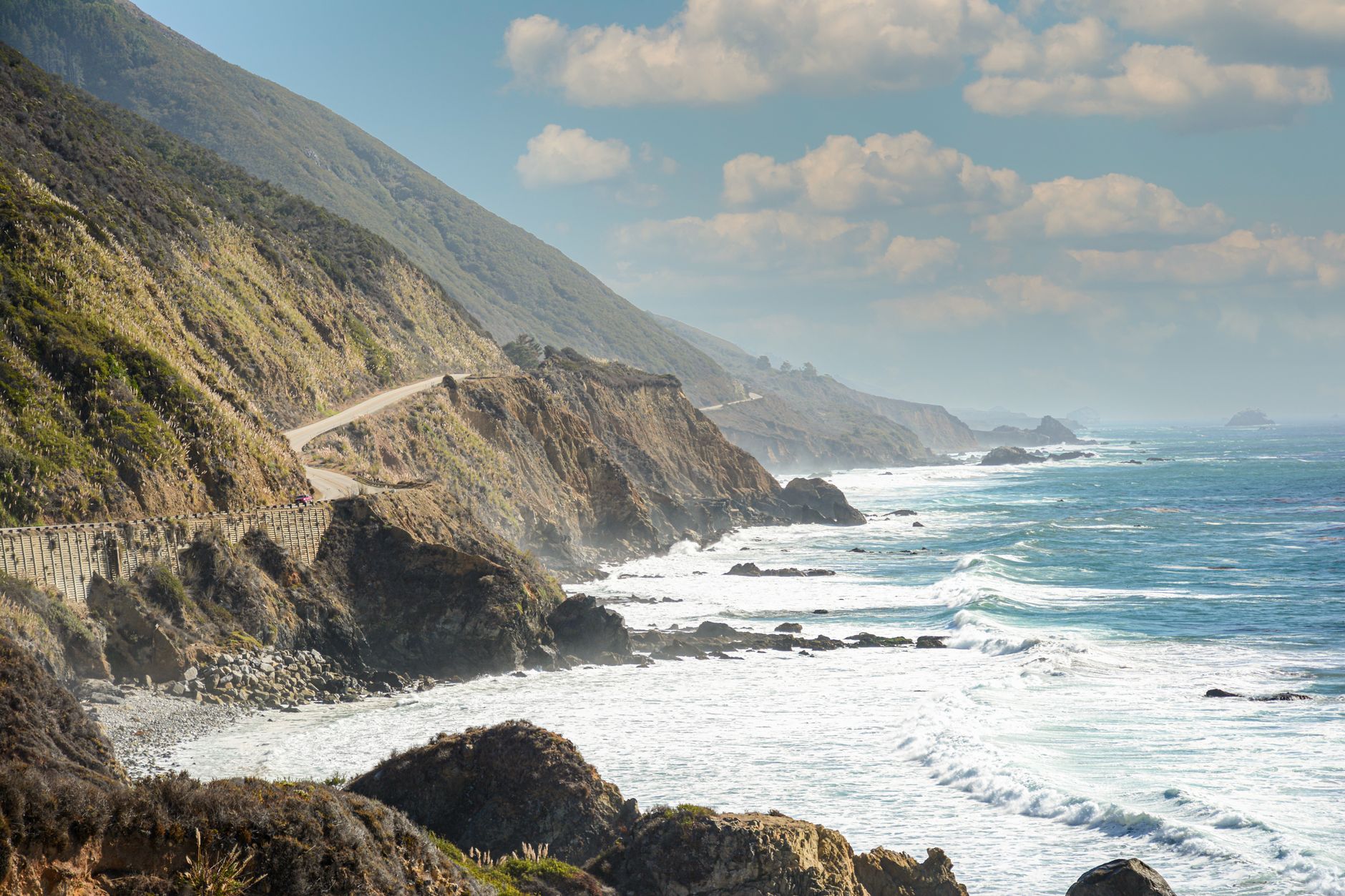
The legendary Pacific Coast Highway beckons with promises of dramatic cliffs, ocean vistas, and unforgettable sunsets. But ask any seasoned traveler, and a common question arises: Is driving the Pacific Coast Highway easier in the summer or the fall? While summer flaunts its sunshine, it also brings crowds and the notorious 'June Gloom.' Fall, on the other hand, often delivers clearer skies and fewer visitors, making it a strong contender for a more relaxed drive.
Beyond the debate of seasons, the true magic of the PCH lies in its hidden stories. Most travelers rush past the well-known landmarks, missing the quirkier histories, geological wonders, and cultural nuances etched into the lesser-known spots. We've curated a list of 8 truly unique places along California's iconic Highway 1, each with a specific, vivid story waiting to be discovered, regardless of when you choose to visit.
1. Harmony, California: The Quirky Town of 18
Harmony, California, USA
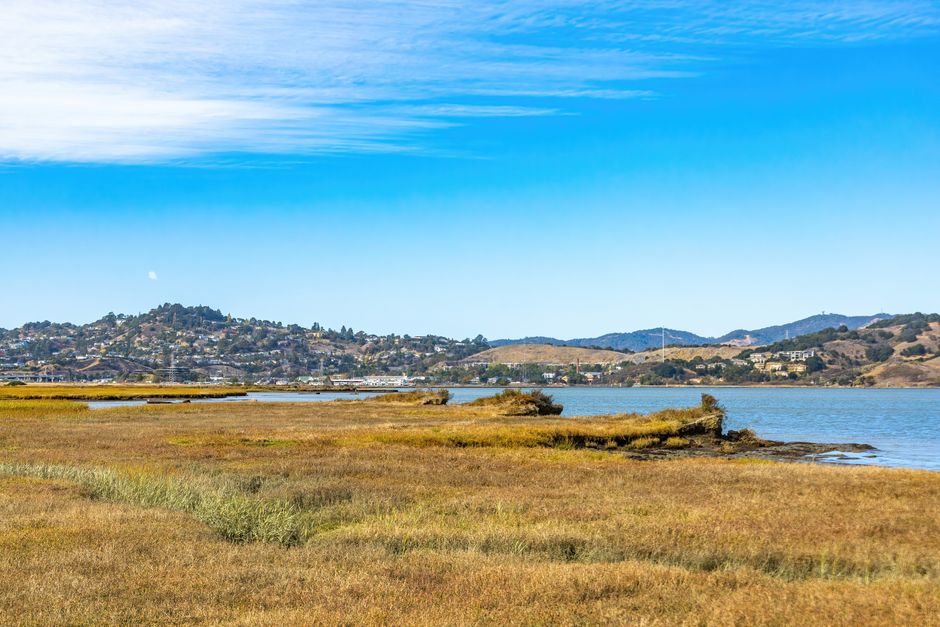
This entire town, once a bustling dairy hub and glassblowing haven, now officially lists just 18 residents, making it one of California's smallest incorporated communities.
Harmony began in 1869 as a dairy cooperative, serving the surrounding ranchlands. After a period of decline, it was revived in the 1970s as an artists' colony, focusing on glassblowing and ceramics. Today, Harmony remains a charming, albeit tiny, roadside curiosity, preserving its unique blend of rural history and artistic spirit along the central coast, a testament to resilience and quirky charm.
2. Limekiln State Park: Industrial Ghosts in Big Sur
Big Sur, California, USA
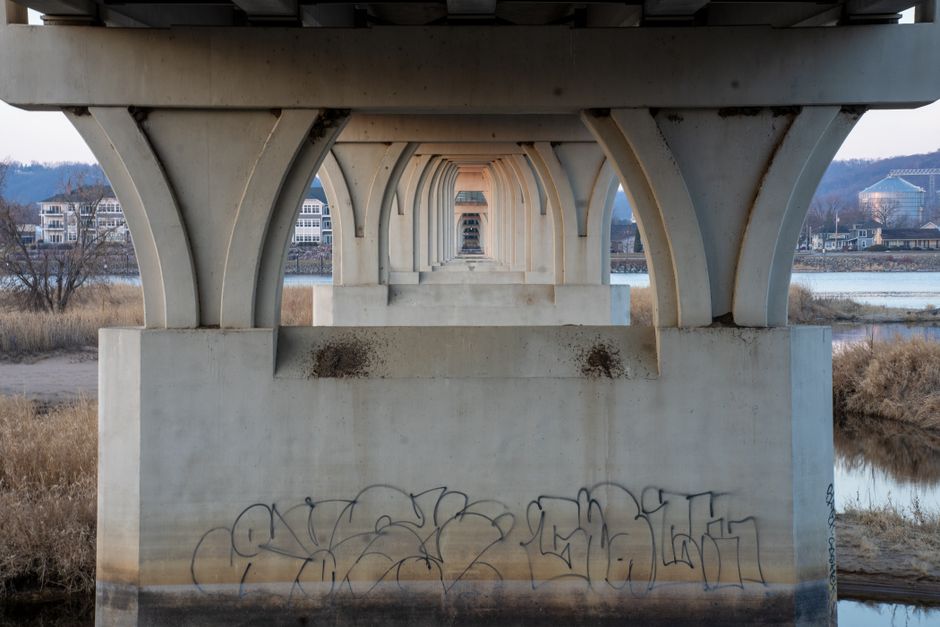
Tucked within Big Sur's ancient redwood forests are four massive 19th-century kilns, silent relics of a forgotten industrial past that once denuded parts of the coast.
In the late 1800s, the Rockland Lime and Lumber Company operated here, burning limestone in these enormous kilns to produce quicklime, a vital ingredient for cement and mortar. The industry thrived by exploiting the area's rich limestone deposits and abundant redwood timber for fuel. Today, the impressive stone kilns stand as a stark reminder of Big Sur's industrial era, contrasting sharply with its now protected, pristine natural beauty.
3. Fort Ord National Monument: From Barracks to Biodiversity
Monterey Bay, California, USA
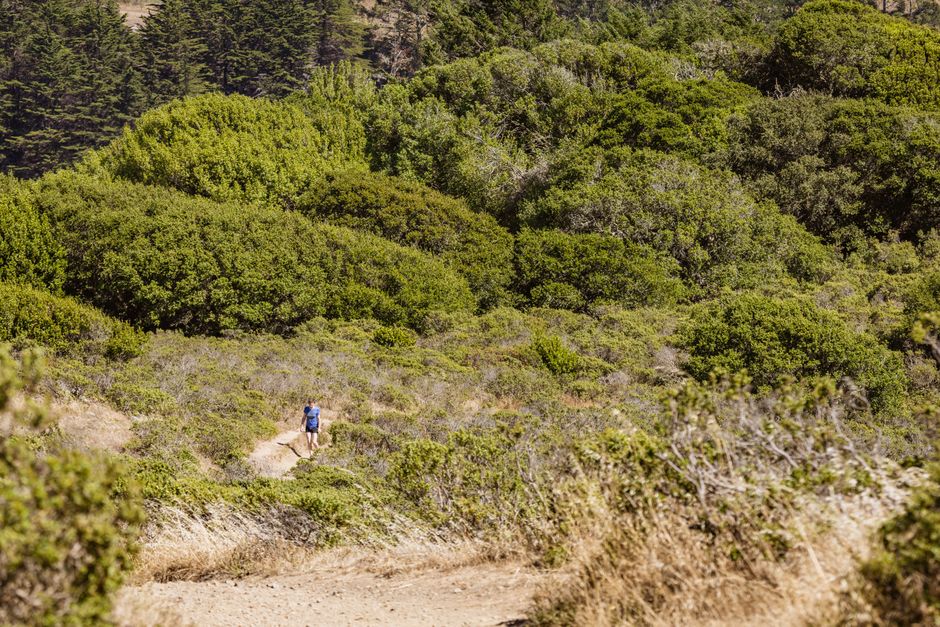
This vast landscape, once a bustling U.S. Army training ground and home to over 50,000 troops, is now a haven for rare species and a testament to ecological restoration.
Fort Ord served as a major military installation from 1917 until its closure in 1994, playing a crucial role in both World Wars and the Vietnam War. Post-closure, much of the land was designated a National Monument, undergoing extensive environmental cleanup to remove unexploded ordnance. Today, it protects unique maritime chaparral and coastal prairie ecosystems, providing habitat for endangered species and miles of trails for hikers and mountain bikers.
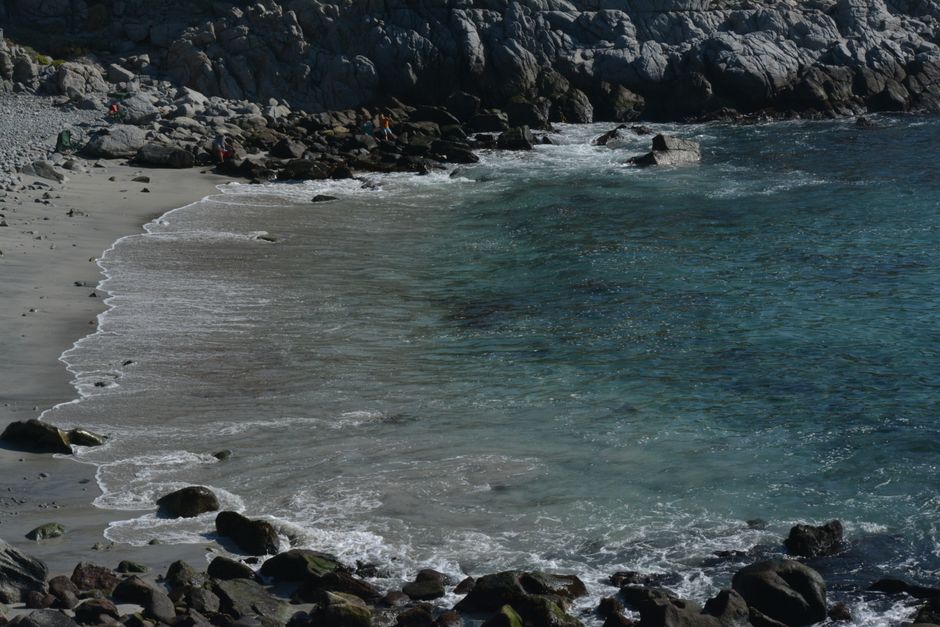
4. Crystal Cove State Park: Southern California's Time Capsule Cottages
Laguna Beach, California, USA
A collection of 46 historic 1930s-era beach cottages, meticulously preserved, tell a story of simple coastal life and a fierce battle for their survival against development.
These rustic, hand-built cottages were originally part of a private beach colony and later a film set. When the state acquired the land in the 1970s, plans were made to replace them with a luxury resort. However, a passionate public outcry and preservation efforts saved them. Today, meticulously restored, they offer a glimpse into Southern California's past and are available for rent, providing a unique, historic beach experience.
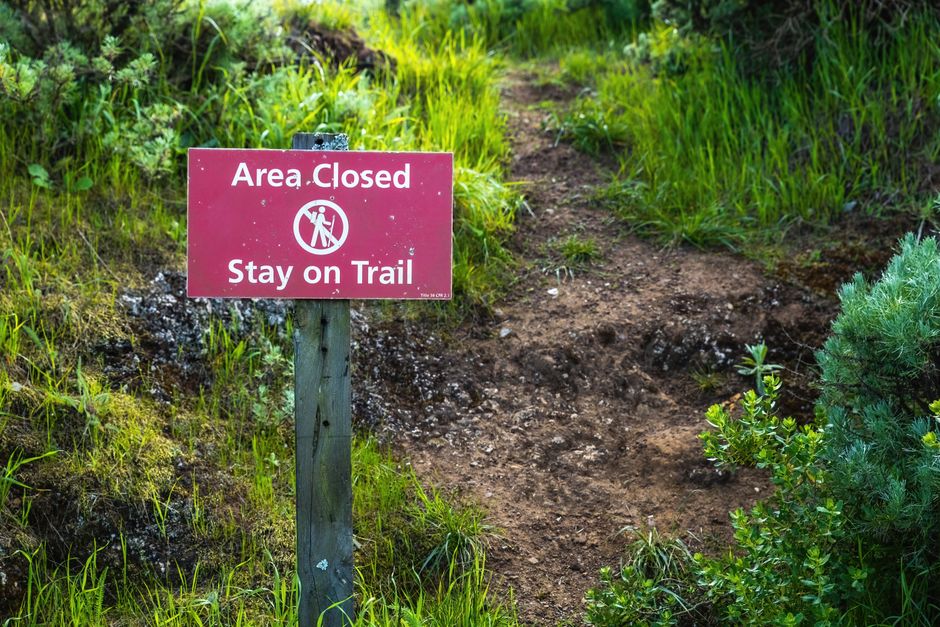
5. Pismo Preserve: High Views, Hidden History
Pismo Beach, California, USA
Just inland from Pismo's famous beaches, this recently opened preserve offers sweeping Pacific views and ancient oak woodlands that were once privately owned for generations.
Acquired and opened to the public in 2017, the Pismo Preserve protects over 900 acres of diverse ecosystems, from coastal scrub to rare oak woodlands. Its 11 miles of multi-use trails provide breathtaking panoramic views of the Pacific Ocean, the Irish Hills, and beyond. This land, rich in biodiversity and potentially home to ancient Chumash sites, now serves as a vital corridor for wildlife and a cherished recreational space for the community.
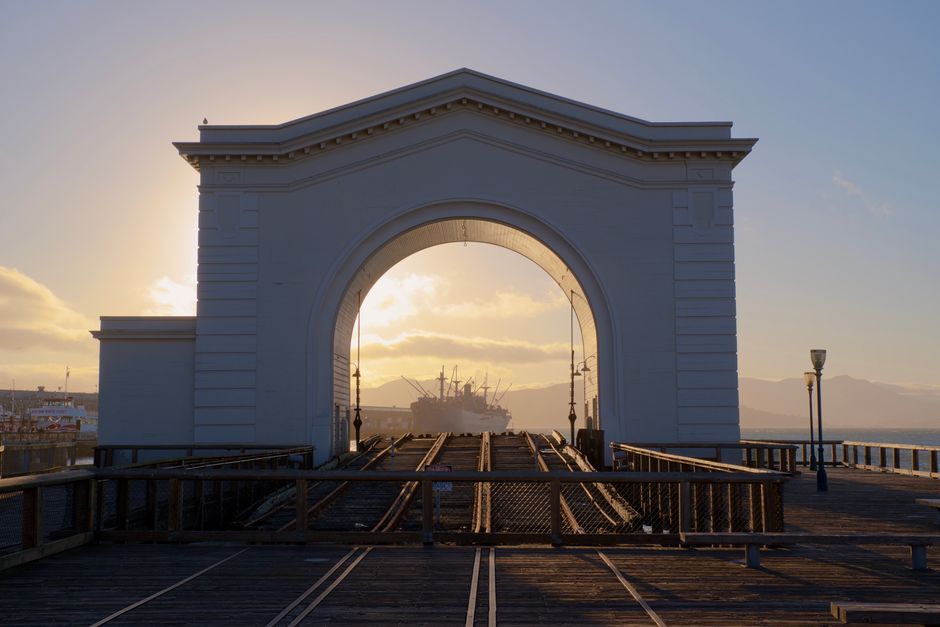
6. San Simeon Bay and Pier: Whaling and Wartime Secrets
San Simeon, California, USA
Beyond the grandeur of Hearst Castle, San Simeon Bay holds a hidden past as a ruthless 19th-century whaling station and a crucial WWII training site for Japanese American soldiers.
The San Simeon Whaling Station operated from 1864 to 1893, processing whales caught off the coast. Later, during WWII, the area became home to Camp San Simeon, a secret facility where Japanese American soldiers of the Military Intelligence Service (MIS) were trained in language and interrogation. These soldiers played a vital role in the Pacific theater, a testament to their loyalty and courage often overlooked in the shadow of the internment era.
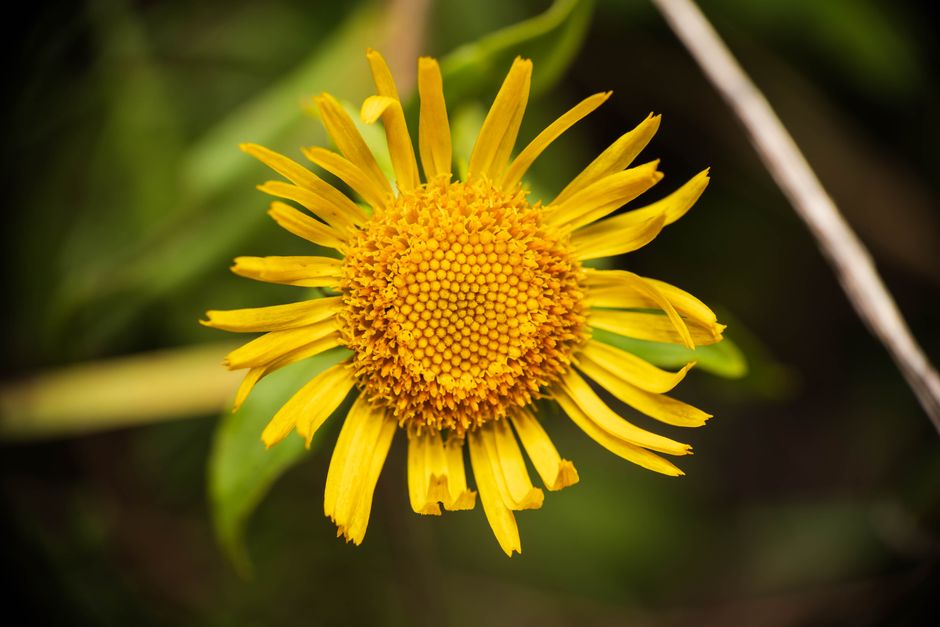
7. Montana de Oro State Park: Where the Hills Are Golden
Los Osos, California, USA
Named 'Mountain of Gold' not for precious metals, but for the breathtaking golden wildflowers that blanket its rugged cliffs, canyons, and hillsides each spring.
This dramatic state park boasts seven miles of rugged coastline featuring secluded beaches, tide pools, and towering cliffs. Its varied landscape includes coastal plains, canyons, and hills, creating diverse habitats for wildlife. The park truly lives up to its name during late winter and spring when its native wildflowers erupt in a spectacular display of golden poppies, mustard, and lupine, transforming the entire landscape into a vibrant 'mountain of gold.'
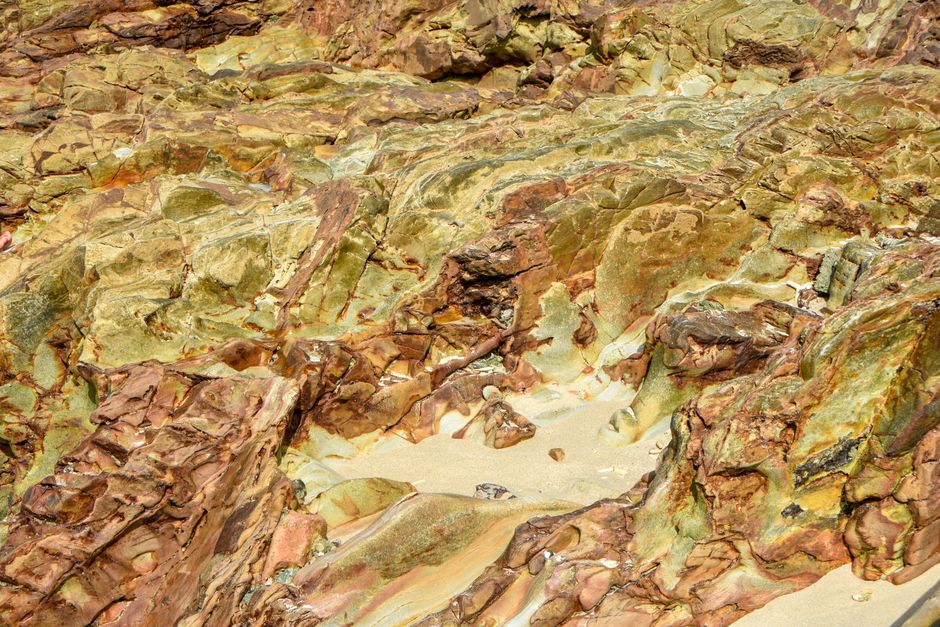
8. Point Vicente Interpretive Center: A Geologic Tapestry
Rancho Palos Verdes, California, USA
The land beneath this iconic lighthouse is a geological marvel, revealing millions of years of shifting tectonic plates and ancient marine life embedded in its dramatic cliffs.
The Palos Verdes Peninsula, where Point Vicente is located, is a classic example of an uplifted marine terrace. Its striking cliffs expose layers of Miocene-era marine sediments, rich with fossils of ancient whales, sharks, and other sea creatures. This dynamic geology continues to shape the coastline, making it a living laboratory for understanding California's tectonic forces and its deep natural history.
Frequently asked questions
Is the PCH foggy in summer?
Yes, coastal California often experiences a phenomenon called "June Gloom" or "May Gray" where low clouds and fog persist through the morning, sometimes lasting all day, especially in early summer. Fall generally offers clearer skies and more consistent sunshine.
What are the biggest challenges driving the Pacific Coast Highway?
The PCH presents winding roads, steep drop-offs, and occasional rockslides, particularly in Big Sur. Traffic can be heavy in popular spots, especially in summer. Navigation can be tricky where cell service is limited, so downloading offline maps is advised.
Are there many gas stations on the PCH?
Gas stations are plentiful in towns and cities along the PCH, but stretches like Big Sur have very few, and prices can be significantly higher due to limited supply. It's wise to fill up before entering remote sections to avoid running low or overpaying.
How does the AllTours.ai app enhance a PCH road trip?
The AllTours.ai app uses your phone camera to identify landmarks and landscapes, then narrates their history, geology, and culture in your language. It’s like having a local expert revealing the hidden stories of every fascinating spot you pass, making every view come alive with context and surprising facts you'd otherwise miss.
Related guides
Photography via Pexels. AllTours.ai is an AI audio tour guide — point your camera at any landscape and hear its story.