September 18, 2026 · 4 min read
The idea that a healthy diet consists solely of lean meat, a handful of fruits and vegetables, Greek yoghurt, and potatoes is a common one. It’s a convenient, if limited, snapshot of nutrition that often overlooks the incredible diversity of healthy eating traditions around the globe.
Across continents, communities have thrived for centuries on diets shaped by their unique environments, ancestral knowledge, and culinary ingenuity. These traditions offer fascinating insights into health that extend far beyond a narrow list, revealing nutrient-dense foods and sustainable practices often hidden from mainstream view.

1. The Foraged Longevity of Ikaria
Ikaria, Greece
Ikarian islanders live exceptionally long lives, partly due to a diet rich in wild, hand-picked greens.
The 'Blue Zone' island of Ikaria is renowned for its centenarians, whose diet goes beyond typical Mediterranean staples. For generations, locals have foraged for horta—wild greens like dandelions, chicory, and wild fennel—which are packed with antioxidants and minerals. These greens are often boiled, dressed simply with local olive oil and lemon, forming a significant part of daily meals. This practice connects them deeply to their land and provides a constant source of nutrient-dense food.
2. Sardinia's Shepherd's Supper
Barbagia, Sardinia, Italy
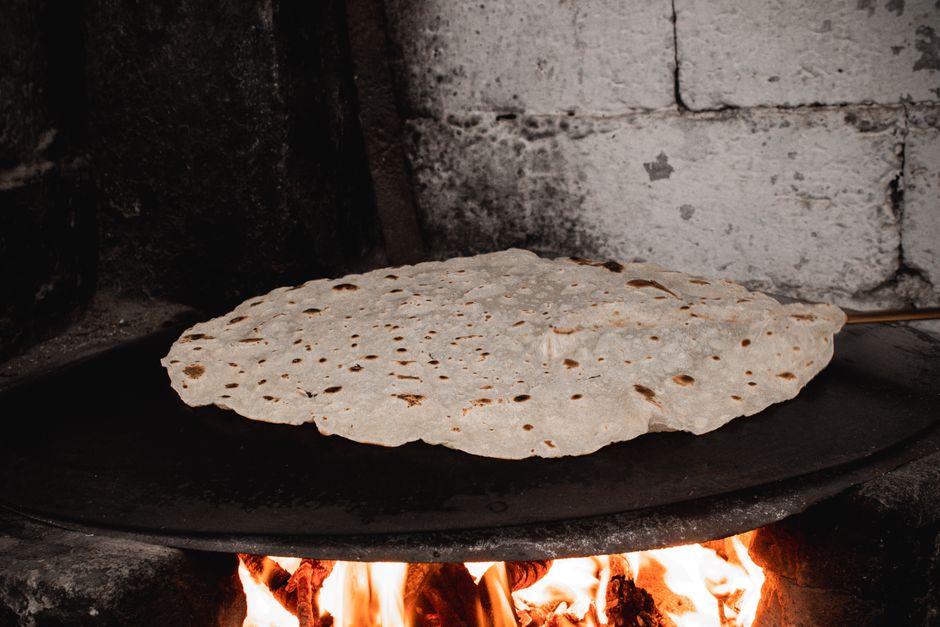
In Sardinia's rugged Barbagia region, shepherds' traditional diets, featuring Cannonau wine and ancient flatbread, contribute to remarkable longevity.
The mountainous Barbagia region is another Blue Zone, where men often live past 100. Their diet is robust: pane carasau, a thin, crisp flatbread made from ancient durum wheat; pecorino cheese from free-roaming sheep; and Cannonau wine, high in antioxidants. This diet is intrinsically linked to their pastoral lifestyle, emphasizing whole, unprocessed foods sourced directly from their harsh yet fertile landscape. It's a stark contrast to modern packaged foods.
3. The Incan Potato Laboratory
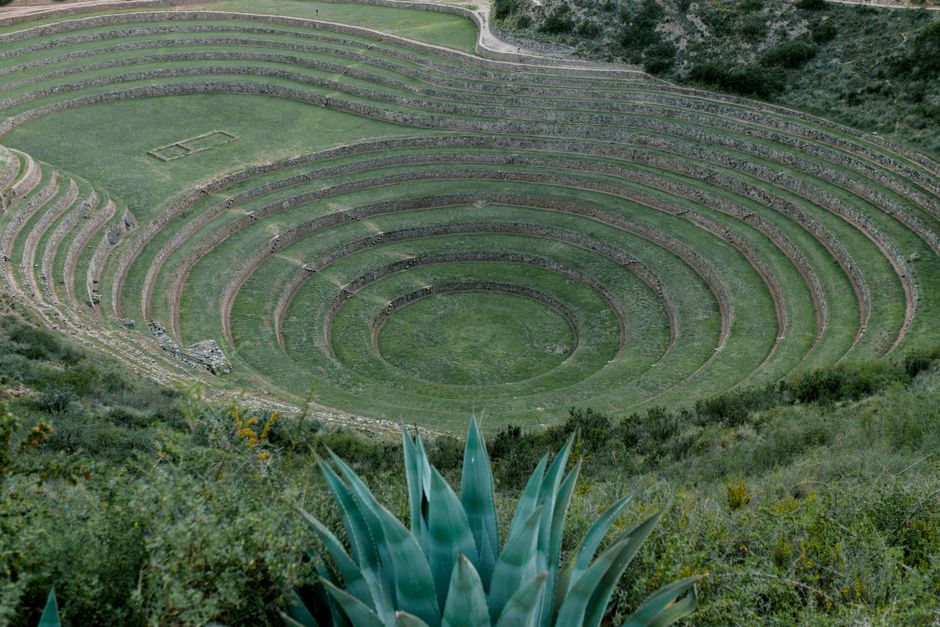
Moray, Cusco Region, Peru
The circular terraces of Moray served as an Incan agricultural laboratory, cultivating thousands of potato varieties adapted to different microclimates.
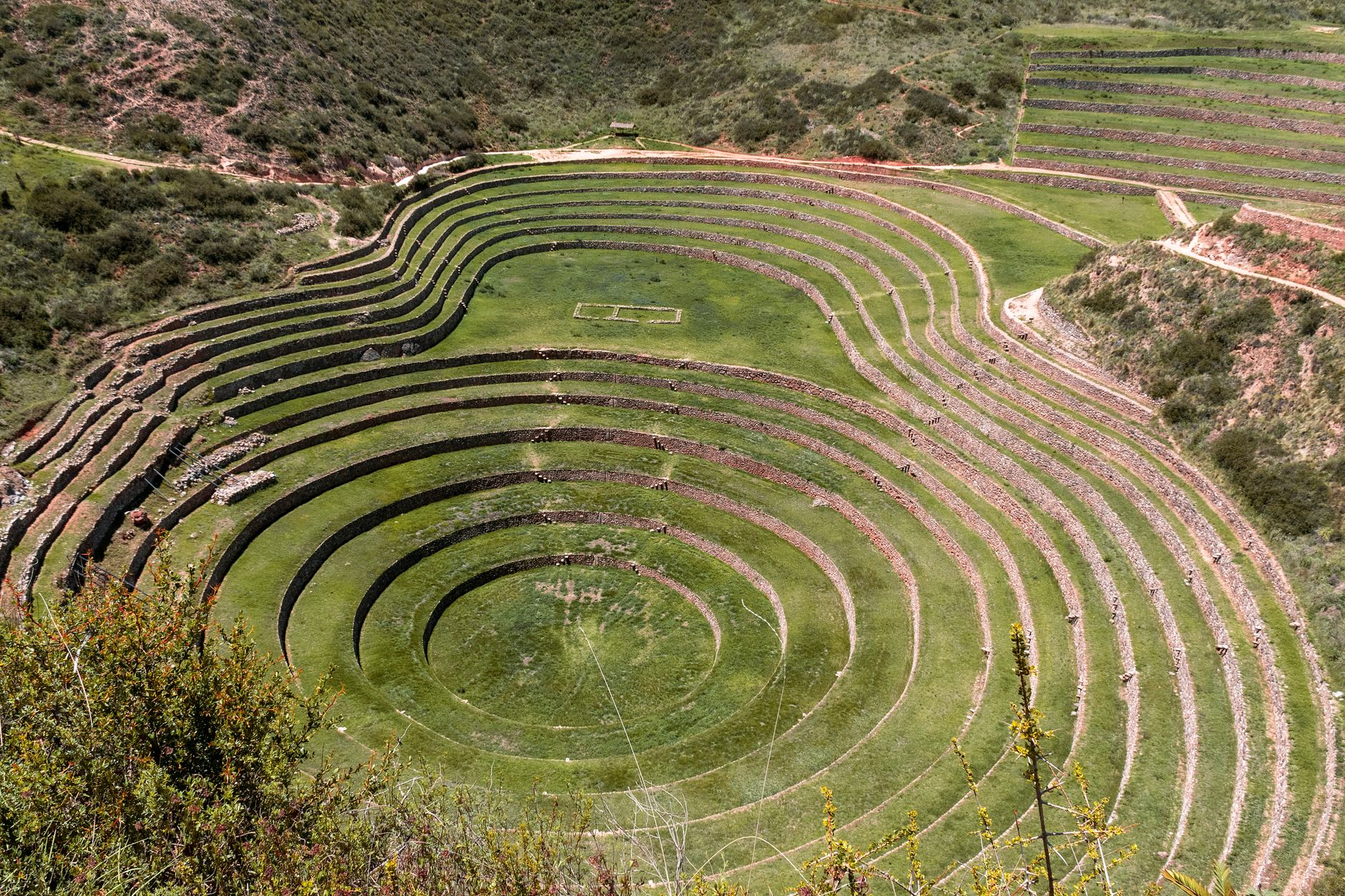
While 'potatoes' are mentioned in the query, the Incan approach to them at Moray is extraordinary. These concentric terraces create distinct microclimates, allowing the Inca to experiment with and adapt different crops, especially the region's diverse native potato species. Far from a single starch, these ancient tubers—like the nutrient-rich purple or yellow varieties—were vital for sustenance at high altitudes and are still cultivated today, offering a complex nutritional profile.
4. Ethiopia's Ancient Terraced Harvest
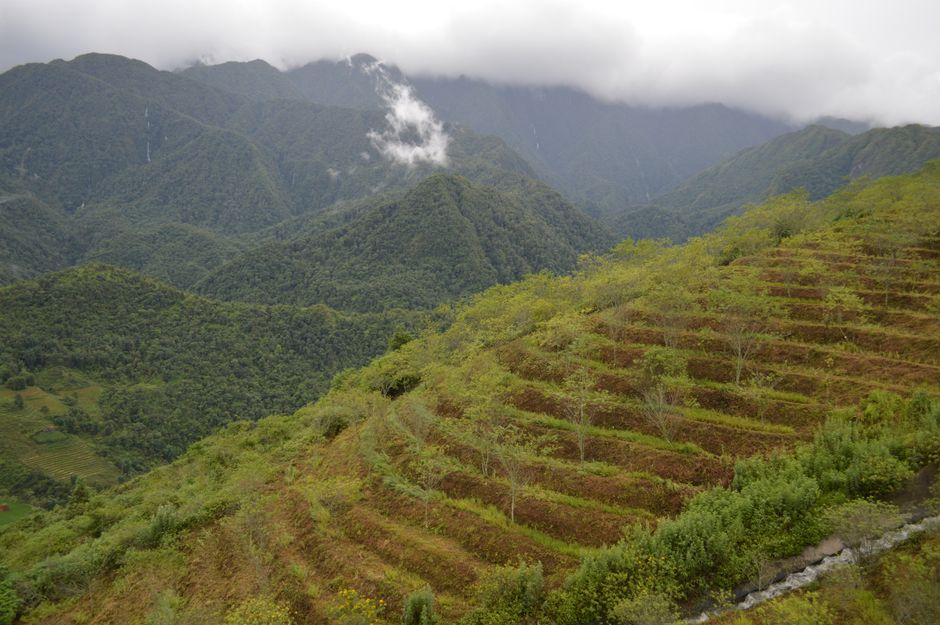
Konso Cultural Landscape, Ethiopia
The Konso people of Ethiopia have maintained complex terraced farming for 400 years, growing drought-resistant grains like sorghum.
The Konso Cultural Landscape is a UNESCO World Heritage site known for its extensive stone-walled terraces and fortified settlements. For centuries, the Konso have perfected dryland farming, relying on staple crops like sorghum and millet. Their sustainable practices not only prevent soil erosion but also yield nutrient-dense grains that form the backbone of their diet, showcasing resilience and food security in a challenging environment. This diet is far from just 'lean meat' or 'Greek yoghurt'.

5. Finland's Wild Berry Bounty
Koli National Park, Finland
In the Koli National Park area, local Finns have historically relied on a diet rich in foraged wild berries and hearty rye bread for sustenance.
The harsh Nordic climate has shaped a unique, healthy diet. Around Koli National Park, the tradition of foraging for wild berries—like bilberries, lingonberries, and cloudberries—is deeply ingrained. These antioxidant-rich fruits are consumed fresh, preserved, or used in traditional dishes. Coupled with dense, fiber-rich rye bread and often fish from pristine lakes, this diet provides essential nutrients and resilience, showcasing how local ecosystems dictate healthy eating.
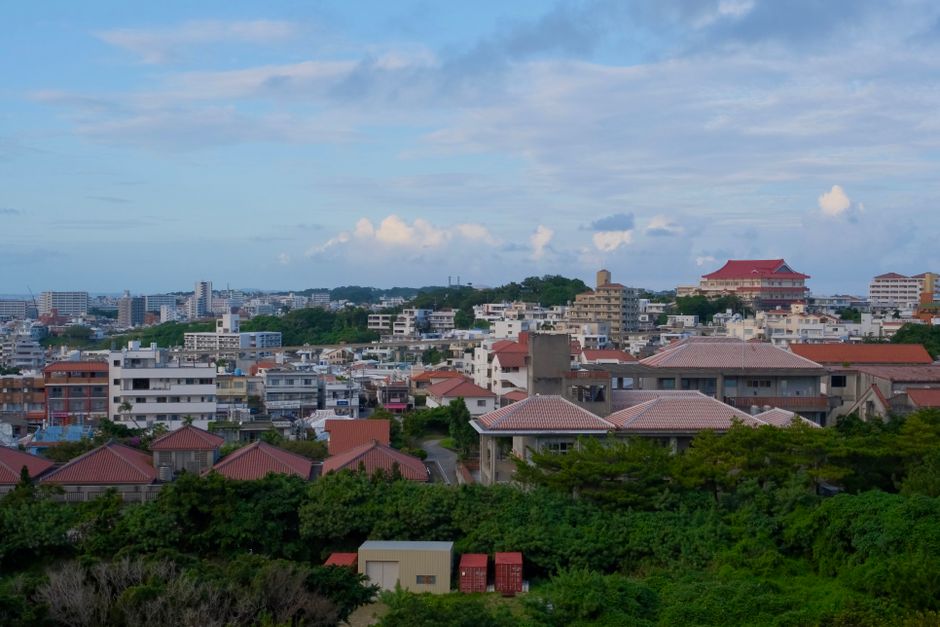
6. Okinawa's Bitter Secret to Longevity
Izena Island, Okinawa Prefecture, Japan
Izena Island, a small Okinawan isle, boasts a high centenarian rate, partly attributed to its traditional diet featuring bitter melon (goya).
While Okinawa is famous for longevity, specific islands like Izena offer a closer look. Beyond the common sweet potato, goya (bitter melon) is a dietary staple. This nutrient-dense, vitamin-rich vegetable is believed to contribute to lower blood sugar levels and improved health. Consumed regularly in stir-fries or juices, goya exemplifies how specific, locally adapted foods contribute significantly to the overall well-being of a population.
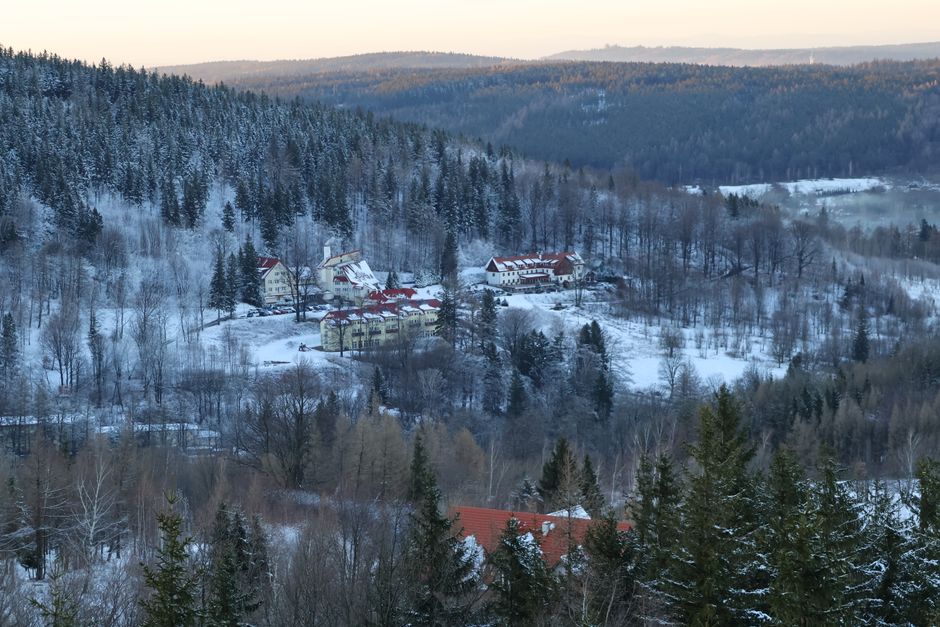
7. The Mountain's Fermented Fortitude
Krkonoše Mountains, Czech Republic
In the Krkonoše Mountains, traditional Czech cuisine in villages like Zadni Cisty features hearty, fermented dishes like sauerkraut, essential for winter health.
The challenging mountain environment of the Krkonoše range led to a diet focused on preservation and nutrient density. Staples include fermented cabbage (sauerkraut), root vegetables, and pulses. Sauerkraut, packed with probiotics and Vitamin C, was crucial for warding off illness during long winters. This diet, exemplified by dishes found in villages like Zadni Cisty, provided sustained energy and resilience, highlighting a different path to health than the modern 'Greek yoghurt' emphasis.

8. Puglia's Golden Loaf Legacy
Altamura, Puglia, Italy
Puglia's Altamura bread, protected by DOP status, is made from local ancient durum wheat, a cornerstone of a long-standing healthy diet.
In the heel of Italy, Altamura is famed for its bread, Pane di Altamura, which has earned a Protected Designation of Origin (DOP) status. This isn't just any bread; it's made from specific ancient varieties of durum wheat grown locally, using a natural sourdough starter and baked in wood-fired ovens. Rich in fiber and complex carbohydrates, this bread, consumed with local olive oil and vegetables, forms the core of a simple yet profoundly healthy Mediterranean diet, far removed from highly processed grains.
Frequently asked questions
Is the "lean meat, fruit, vegetables, Greek yoghurt, and potatoes" diet genuinely unhealthy?
Not necessarily unhealthy, but it’s a very limited view of what constitutes a balanced diet. Many global cultures thrive on diets that incorporate diverse grains, legumes, fermented foods, and unique local plants not found on this list. Limiting yourself could mean missing out on vital nutrients and culinary diversity.
What are "Blue Zones" and how do they relate to diet?
Blue Zones are regions where people live significantly longer than average, often reaching 100 years old at high rates. Diet is a key factor, typically emphasizing plant-based whole foods, local produce, legumes, and moderate alcohol consumption. These zones highlight the importance of traditional, often community-based, eating habits.
How do ancient grains contribute to a healthy diet?
Ancient grains like sorghum, teff, or varieties of durum wheat are often less processed than modern grains and can offer higher levels of fiber, protein, and micronutrients. They have been cultivated for centuries, adapting to local environments and forming the nutritional foundation of many resilient communities.
How can I learn more about the food and culture of these unique places while traveling?
As you explore, consider using an AI audio tour guide like AllTours.ai. Simply point your phone camera at a landmark, a landscape, or even a local market scene, and the app will narrate its history, geology, and cultural significance, including details about traditional diets and local foodways, in your preferred language.
Related guides
Photography via Pexels. AllTours.ai is an AI audio tour guide — point your camera at any landscape and hear its story.