September 23, 2026 · 5 min read
The way we dress in public has undeniably shifted over the past few decades, moving from a culture of widespread formality to one where comfort and casual attire often reign supreme. This isn't just a fashion trend; it's a mirror reflecting deeper currents in society. The question of whether the decline in formal dress in public spaces is linked to broader cultural or economic changes in the U.S. is complex, touching on everything from evolving workplaces to changing social values.
To understand these transformations, we can look beyond the headlines and explore specific, often overlooked, places across the United States. Each location carries a unique story of economic upheaval, social experimentation, or cultural reinvention, providing a tangible backdrop against which to observe how collective dress codes, both spoken and unspoken, have adapted and changed.
1. New Harmony's Unbuttoned Ideals
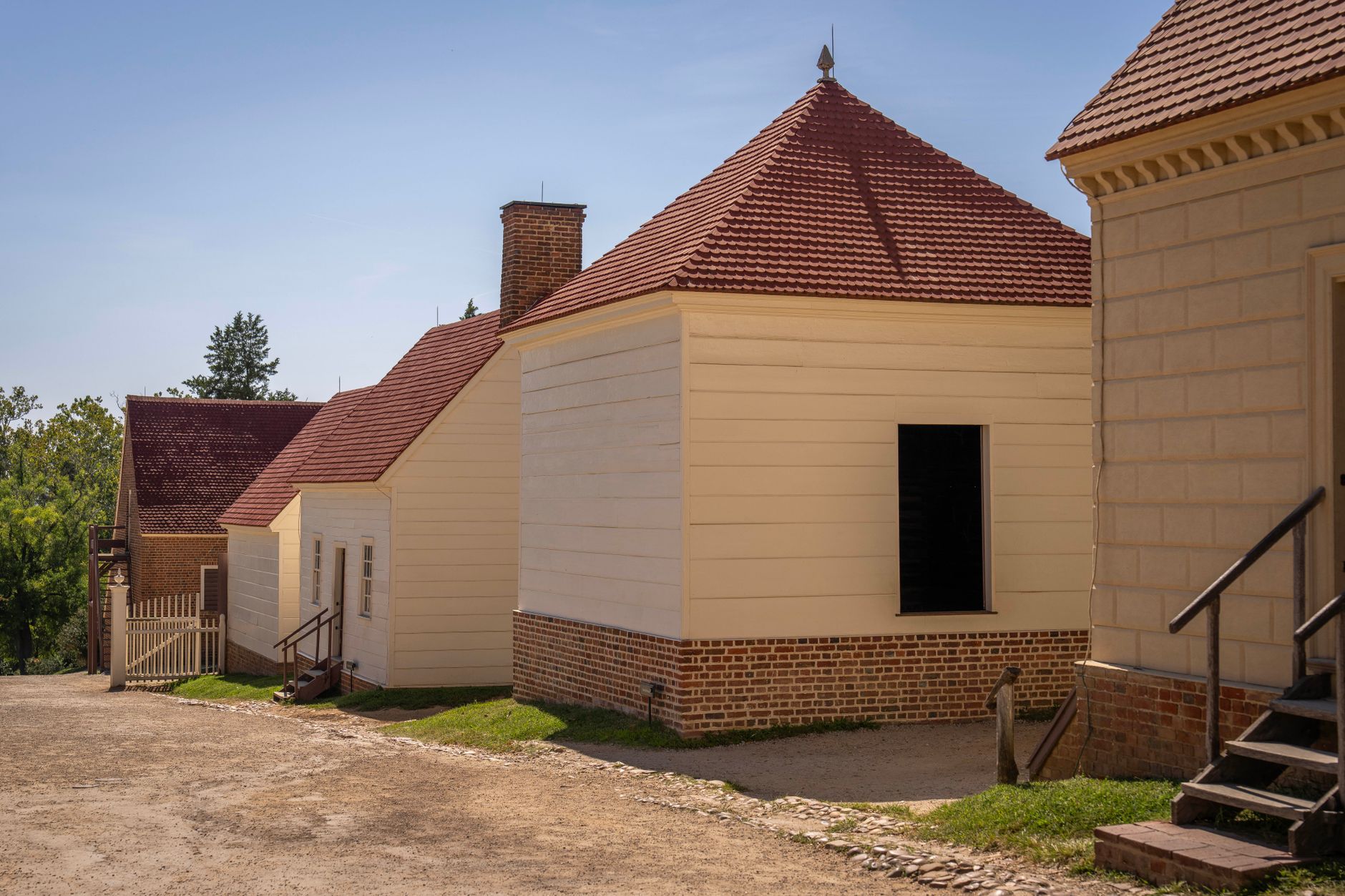
New Harmony, Indiana, USA
This quiet Indiana town once hosted two radically different utopian experiments, leaving behind architectural and social blueprints for ideal societies that never quite materialized.
New Harmony was the site of two attempts at utopian living: first by the Harmonists, a German Pietist sect known for their communal property and strict religious practices, and later by Robert Owen's secular, intellectual community. Both groups, in their own ways, imposed dress codes designed to foster equality or represent their ideals, a stark contrast to the individualistic expression of today. The eventual decline of these communities reflects broader shifts away from rigid social structures and towards personal freedom, impacting everything from governance to sartorial choice.
2. Roslyn: From Coal Dust to Camera Ready
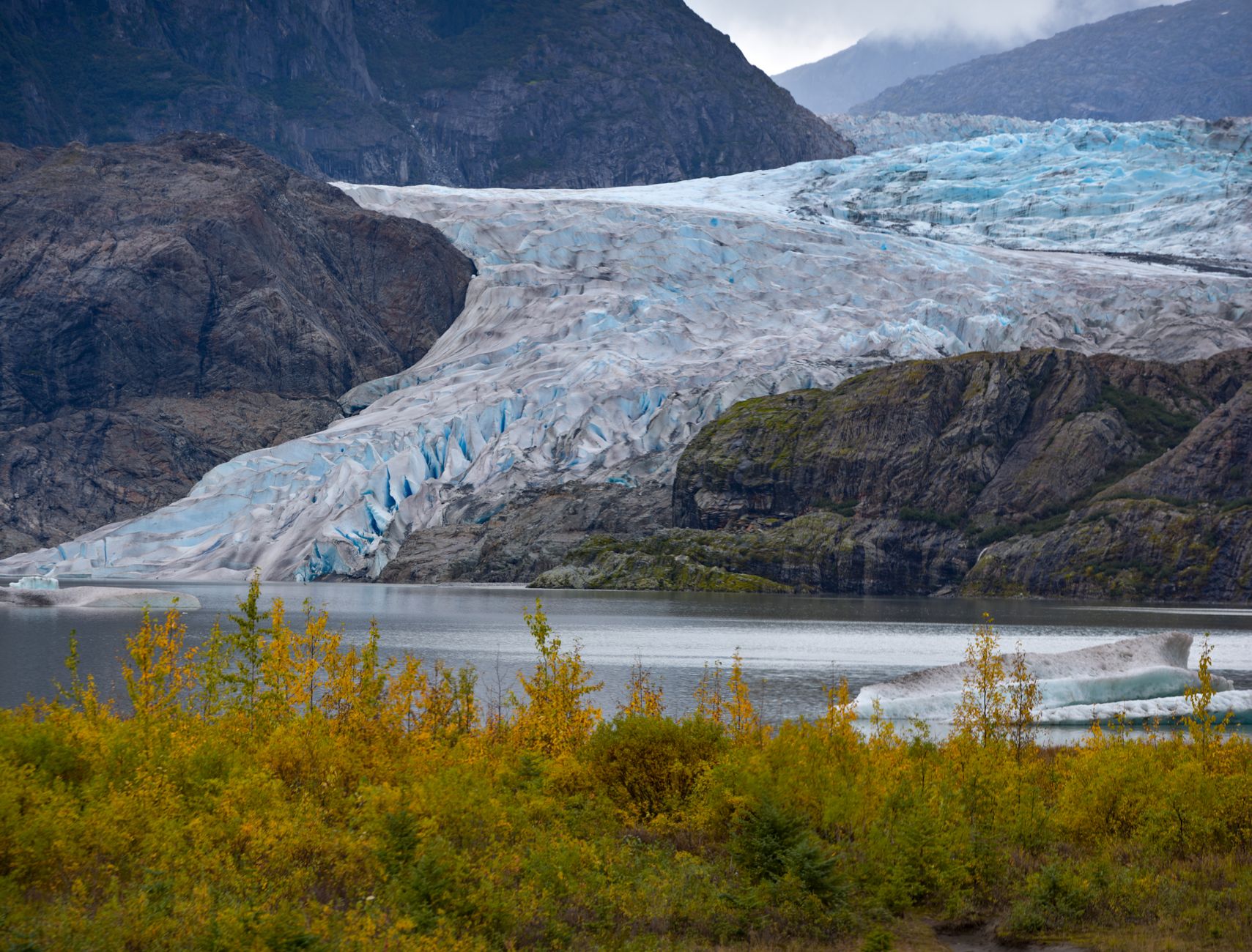
Roslyn, Washington, USA
A once-bustling coal mining town in Washington state now thrives on a fictional Alaskan identity, transforming its public face from rugged industry to quirky tourism.
Roslyn was a vibrant coal town, its economy fueling the region and its residents dressed in practical, durable workwear. When the mines closed, the town faced decline until it was famously chosen as the setting for the TV show 'Northern Exposure,' becoming 'Cicely, Alaska.' This reinvention brought a new wave of visitors and residents, shifting the local economy from heavy industry to tourism and media. The town's attire evolved from the utilitarian clothes of miners to the eclectic, often casual, styles of tourists and artists, reflecting a profound cultural and economic metamorphosis.
3. Hamtramck: A World in a City
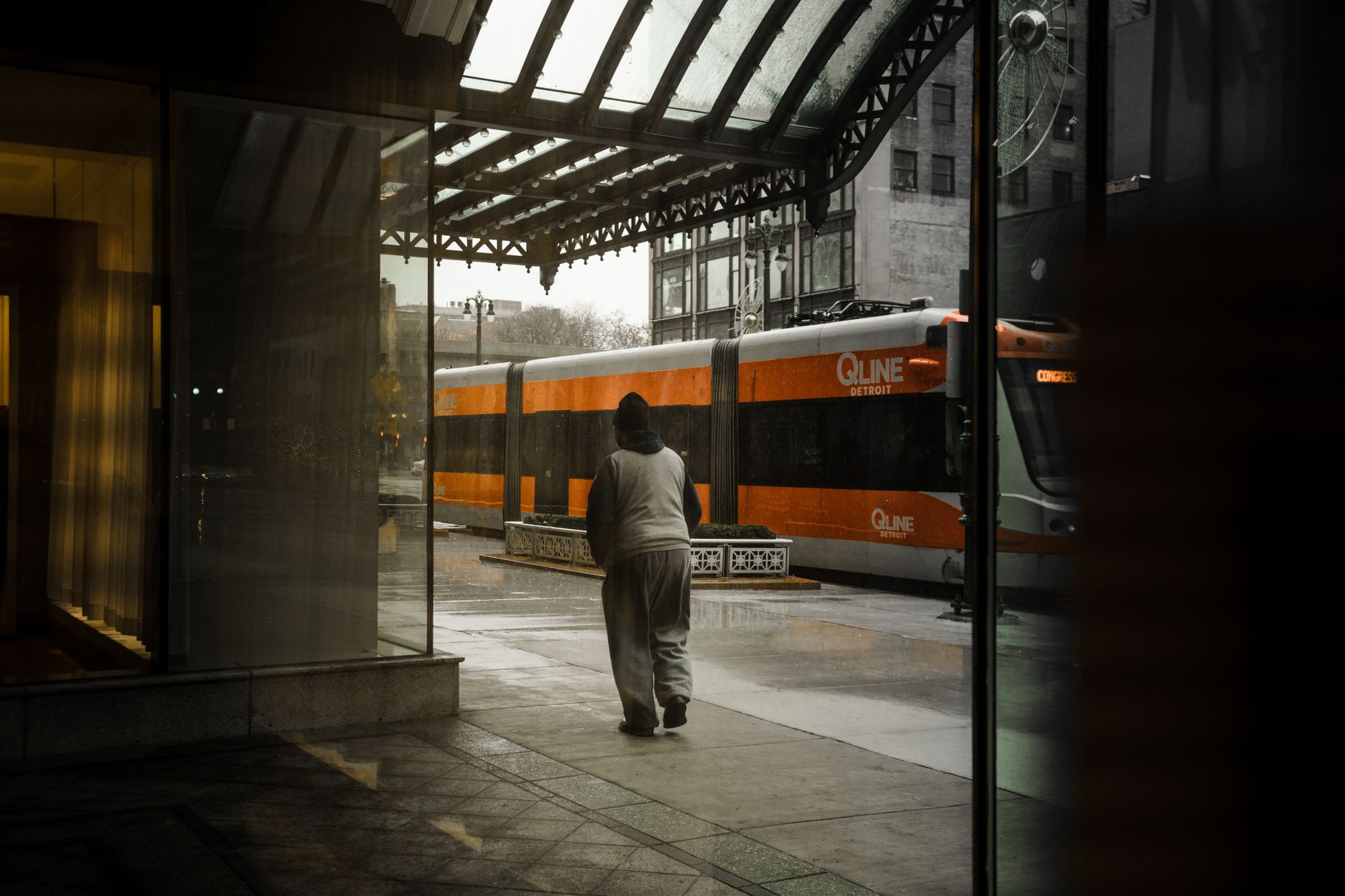
Hamtramck, Michigan, USA
A city entirely surrounded by Detroit, Hamtramck's vibrant streets tell a tale of successive immigrant waves transforming a once-Polish stronghold into a global mosaic.
Hamtramck started as a rural German settlement, then became predominantly Polish with the rise of the auto industry, drawing thousands of immigrants. Its streets once bustled with Polish-language signs and traditional clothing. As the auto industry declined, new waves of immigrants, particularly from Bangladesh and Yemen, reshaped its demographics and economy. This ongoing cultural evolution is visibly reflected in public dress, from traditional European garments to contemporary styles from South Asia and the Middle East, illustrating how shifting economies and immigration directly influence public appearance and cultural identity.
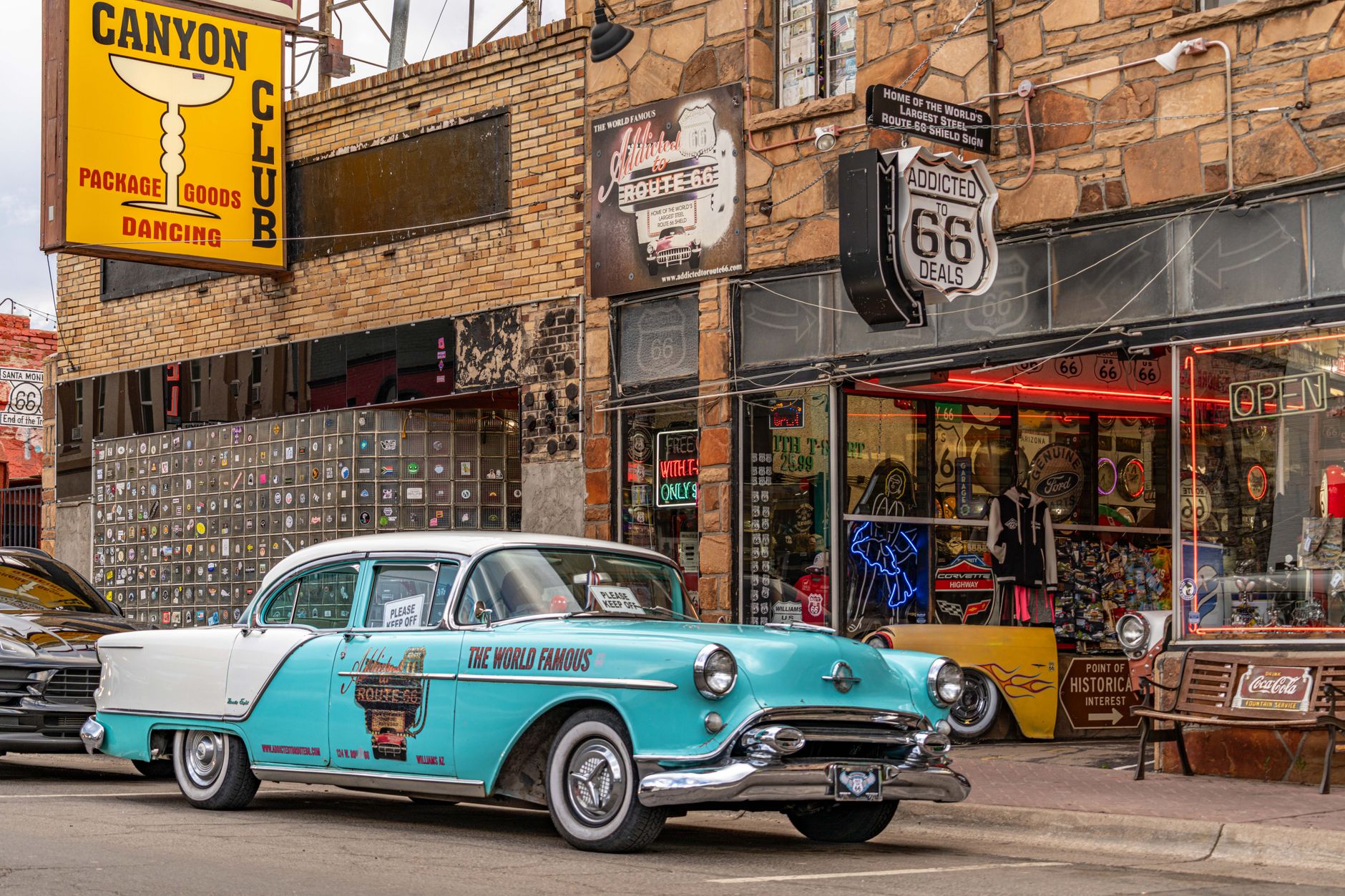
4. Bisbee: Copper Kings to Art Collective
Bisbee, Arizona, USA
Once a thriving copper mining boomtown, this Arizona community reinvented itself from an industrial powerhouse to a bohemian arts colony, retaining echoes of its rugged past.
Bisbee was one of the richest mineral sites in the world, attracting miners from all corners and fostering a rough-and-tumble boomtown culture where practical work clothes were paramount, alongside the occasional flash of wealth. When the mines closed, the town faced abandonment until artists and counter-culturalists discovered its charm and affordability. Today, Bisbee is a vibrant arts community and tourist destination. This dramatic economic shift is evident in the town's public spaces, where the practical attire of its past has largely given way to eclectic, casual, and often expressive styles preferred by its artistic residents and visitors.
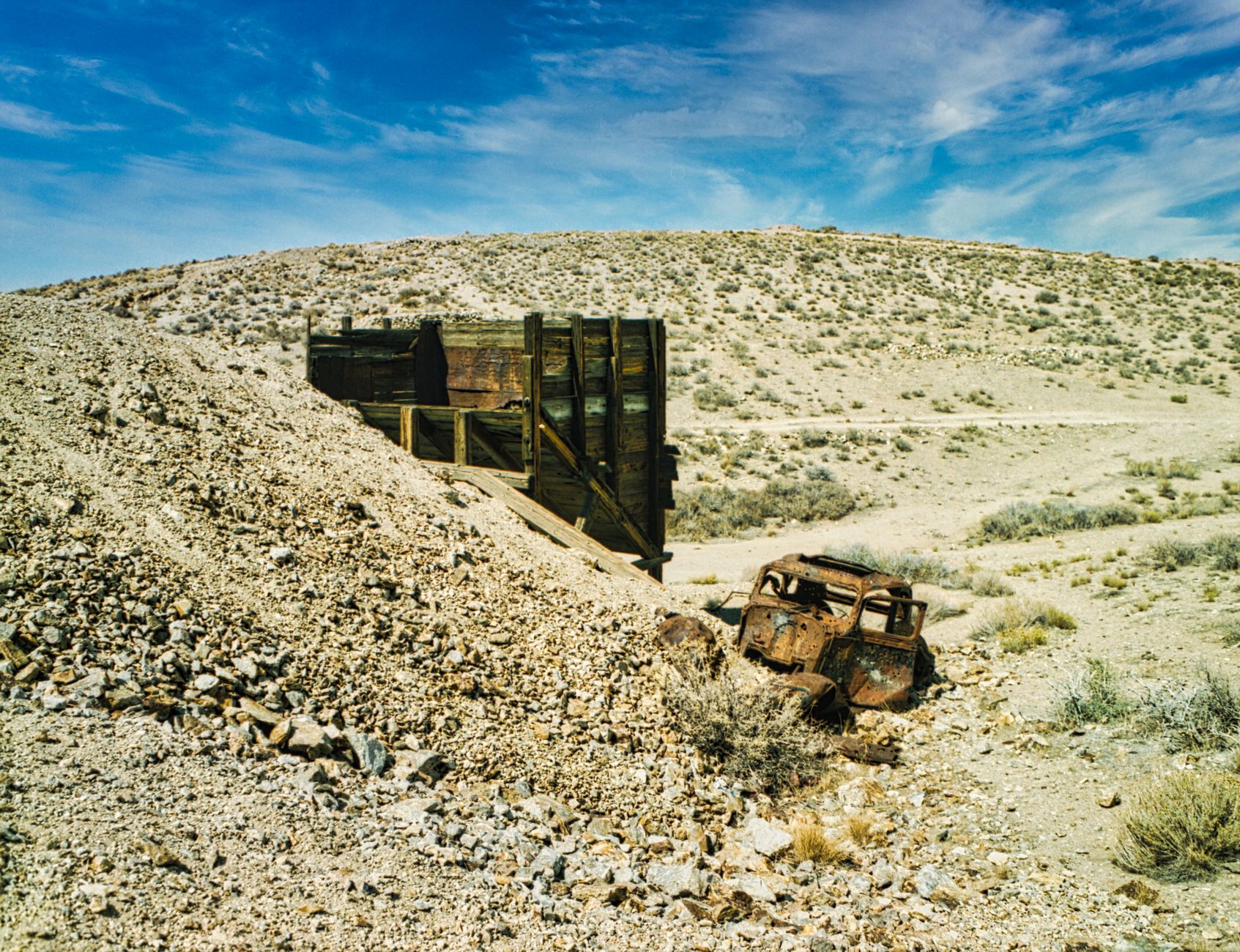
5. Bodie: A Ghost Town's Formal Silence
Bodie, California, USA
This remarkably preserved ghost town, frozen in time, offers a vivid, silent snapshot of boom-and-bust ambition from the Gold Rush era.
Bodie, California, was a bustling gold mining town in the late 19th century, embodying the wild ambition and rapid fortunes of the Gold Rush. Its population swelled, and life, though rugged, included saloons, banks, and even a red-light district. Dress here would have been a mix of practical workwear for miners and more formal attire for merchants or those flaunting new wealth. When the gold ran out, the town emptied almost overnight. Today, Bodie is preserved in 'arrested decay,' its empty buildings and scattered possessions a silent testament to a time when economic opportunity dictated not just settlement, but also public presentation, now only echoes in the dust.
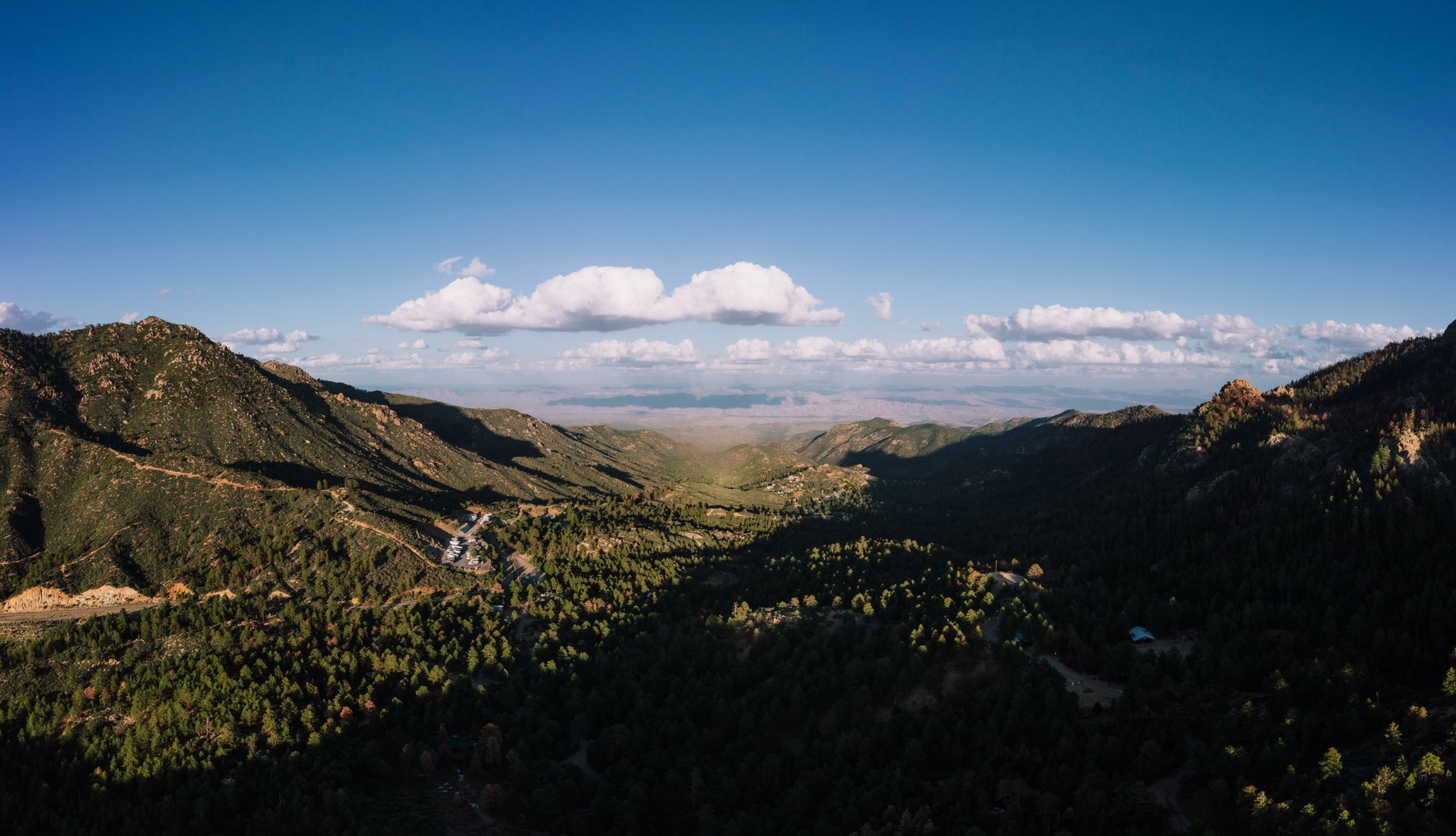
6. Pahranagat Valley: Secrecy and Open Skies
Pahranagat Valley, Nevada, USA
In this remote Nevada valley, unexplained lights and a pervasive air of secrecy hint at a landscape shaped by both ancient mysteries and modern government enigmas.
Pahranagat Valley, a rural agricultural community in southeastern Nevada, is often overshadowed by its infamous neighbor, Area 51. For generations, life here revolved around ranching and farming, with dress reflecting practicality and a strong connection to the land. However, the valley has also long been a hotbed of UFO sightings and conspiracy theories, attracting a different kind of visitor. This clash between traditional rural life and the intrigue of government secrets and fringe tourism has created a subtle shift in public appearance, where the stoic, functional attire of locals sometimes contrasts with the 'UFO chaser' gear of visitors, reflecting diverging economic interests and cultural narratives.
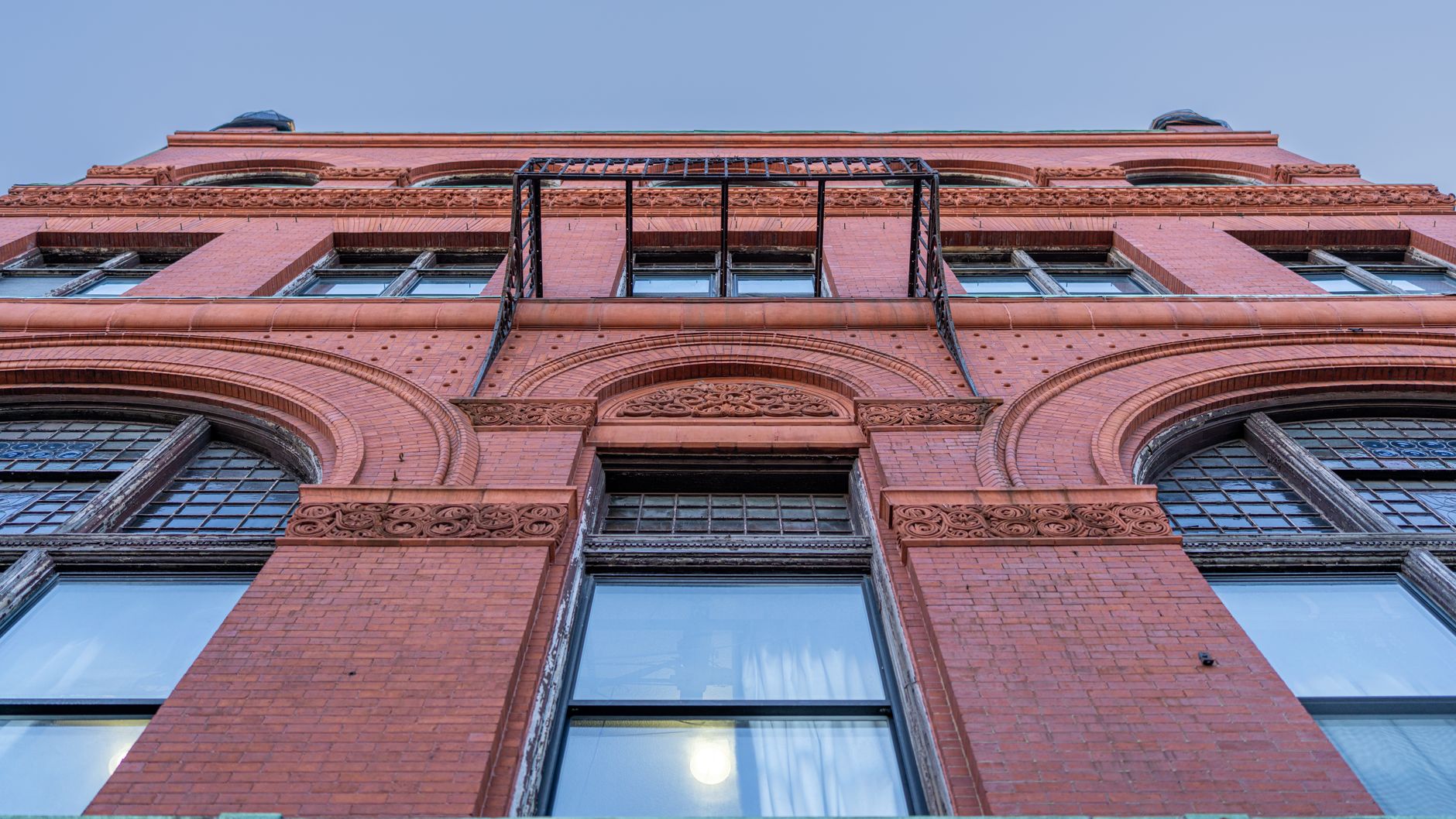
7. Lowell: The Mills That Wove New Norms
Lowell, Massachusetts, USA
The birthplace of America's Industrial Revolution, Lowell's red-brick mills once clothed the nation, but now tell a story of labor, innovation, and reinvention that changed social fabric.
Lowell pioneered the factory system in the United States, drawing thousands of young women, known as 'mill girls,' from rural areas to work in its massive textile mills. This era saw the rise of mass-produced, practical workwear as the norm for a significant segment of the population, defining a new kind of public dress for labor. The strict boarding house rules and factory schedules created a structured, albeit new, social environment. Today, the city's repurposed mills host colleges and cultural centers, reflecting a shift from mass production to knowledge and arts, and a corresponding evolution in public appearance from uniform practicality to diverse, casual expression.
Frequently asked questions
Why did people dress more formally in public in the past?
Historically, formal attire in public spaces was often a reflection of social norms, class distinction, and respect for public decorum. It signified an awareness of social expectations and the importance of presenting oneself appropriately for various occasions, even simple errands, as well as a way to outwardly display social standing.
What economic factors influenced how people dressed in the U.S.?
Economic factors like industrialization and mass production made clothing more accessible and affordable, democratizing fashion but also leading to standardized styles. The shift from agrarian to industrial economies changed the practicality of daily dress, while the rise of leisure time and new industries like tourism further influenced a move towards more casual, comfortable attire.
How have cultural changes contributed to more casual dress in public?
Cultural shifts, particularly counter-culture movements of the mid-20th century, championed individuality and comfort over strict formality. There's also been a blurring of lines between work and leisure, leading to more relaxed dress codes in professional settings that spill over into public life. An increased emphasis on personal comfort and authenticity has also driven the trend away from rigid formalwear.
How can I learn more about the history of these specific places?
The best way to delve deeper into the fascinating histories of these and other unique locations is with the AllTours.ai app. Simply point your phone camera at any landmark, landscape, or even a street scene, and the app will narrate its rich history, geological significance, and cultural stories directly to you, in your preferred language.
Related guides
Photography via Pexels. AllTours.ai is an AI audio tour guide — point your camera at any landscape and hear its story.