September 15, 2026 · 4 min read
It's a familiar frustration: you're putting in the work, dedicating time and effort, but the results just aren't appearing. Whether it's a fitness plateau, a creative block, or a persistent problem at work, the feeling of exerting energy without seeing the desired change can be incredibly demotivating. Sometimes, the answer isn't to push harder, but to look differently.
The world is full of places where things aren't what they seem, where conventional logic breaks down, or where enduring mysteries invite a fresh perspective. These aren't the usual tourist hotspots, but lesser-known wonders that challenge our assumptions and reveal hidden truths. Perhaps by exploring these curious corners of our planet, we can find inspiration to approach our own stubborn challenges with new eyes.
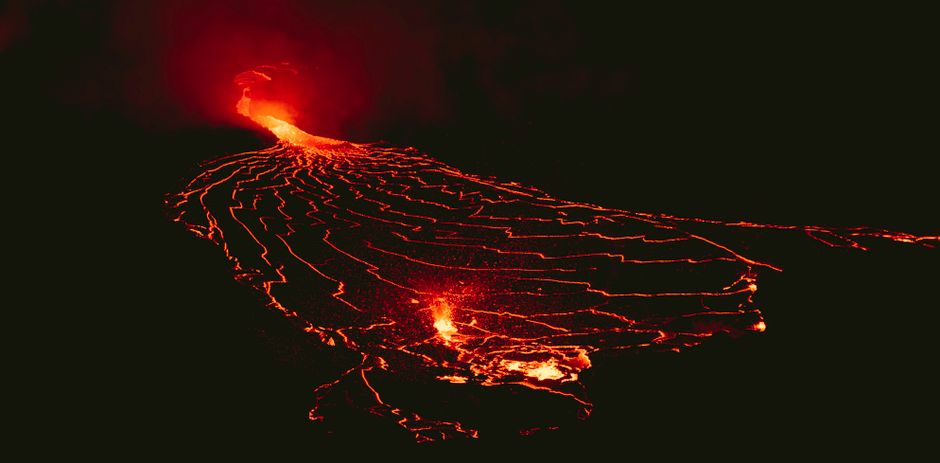
1. The Persistent Flame of the Karakum
Darvaza Gas Crater, Turkmenistan
A fiery crater in the Karakum Desert has been burning continuously since a Soviet drilling accident in the 1970s.
Deep in Turkmenistan's Karakum Desert, the Darvaza Gas Crater, nicknamed the "Door to Hell," is a spectacle of perpetual fire. Geologists set it ablaze to burn off methane after their drilling rig collapsed, expecting it to last a few weeks. Decades later, it continues to burn, a vivid reminder that sometimes, unintended consequences can become permanent fixtures, defying all attempts at control or resolution.
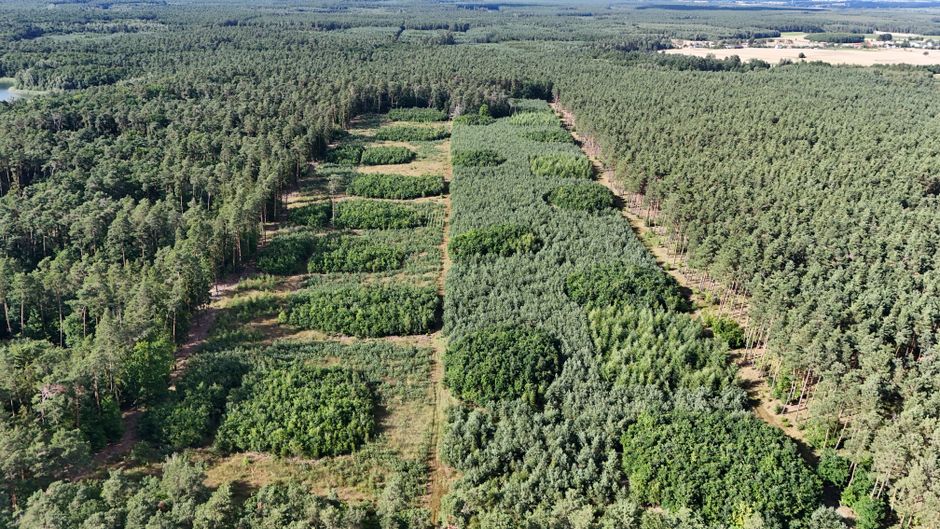
2. The Enigmatic Bend of the Pines
Krzywy Las (Crooked Forest), Poland
In a remote Polish forest, hundreds of pine trees inexplicably bend 90 degrees at their base before growing straight upwards.
Near the town of Gryfino, Poland, lies Krzywy Las, or the Crooked Forest. Here, around 400 pine trees display a bizarre uniform bend, their trunks curving sharply northwards just above ground level before straightening. Planted in the 1930s, theories range from human intervention using tools or gravity to unique genetic mutations or even an unusual snow load. The true cause remains a captivating mystery, illustrating how nature can sometimes defy our understanding of growth and form.
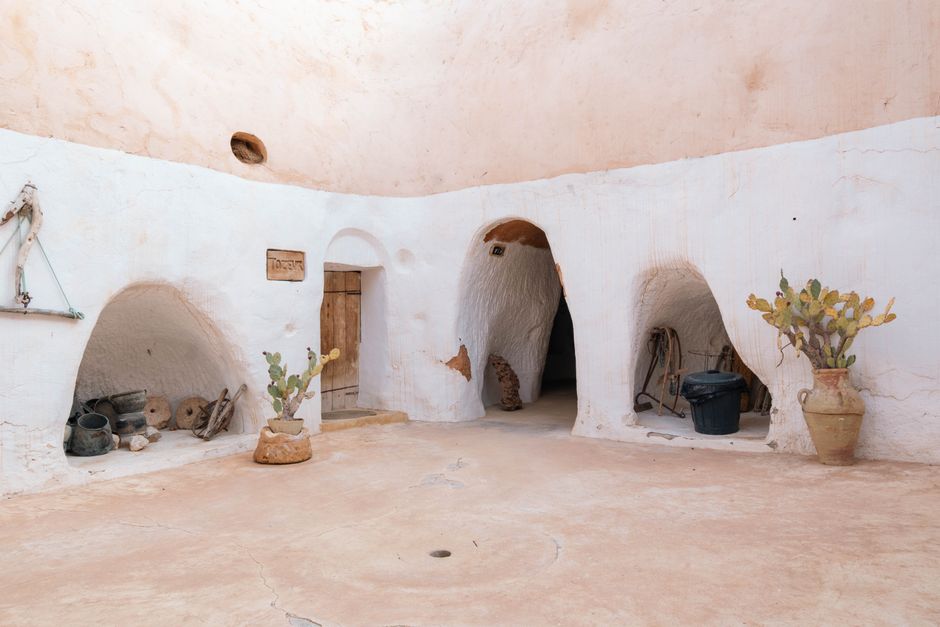
3. Living Beneath the Scorching Sun
Coober Pedy, Australia
This opal mining town in the Australian outback is famous for its "dugouts" – homes carved underground to escape extreme heat.
Coober Pedy, South Australia, is a town where the solution to a harsh environment isn't to fight it, but to burrow into it. With summer temperatures regularly exceeding 40°C, most residents live underground in cool, stable dugouts, repurposed from old opal mines. This unique adaptation offers a lesson in radical problem-solving: when surface-level approaches fail, sometimes the most effective path lies in redefining the entire playing field, literally going deeper.
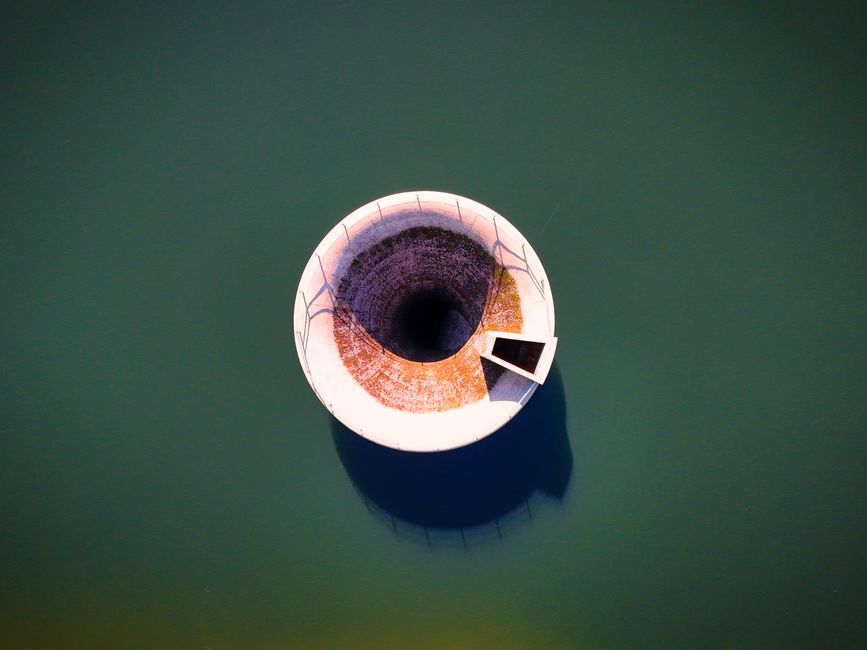
4. The Eye That Wasn't a Crater
Richat Structure, Mauritania
A colossal, perfectly circular geological formation in the Sahara Desert, visible from space, was initially mistaken for an impact crater.
The Richat Structure, often called the "Eye of the Sahara," is a stunning 50-kilometer-wide circular feature in Mauritania. For years, scientists believed it was the remnants of a meteorite impact. However, further geological study revealed it to be a deeply eroded dome, an uplifted rock formation sculpted over millions of years by wind and water. This grand natural wonder teaches that initial assumptions, even those seemingly obvious, can often obscure a far more complex and fascinating truth.
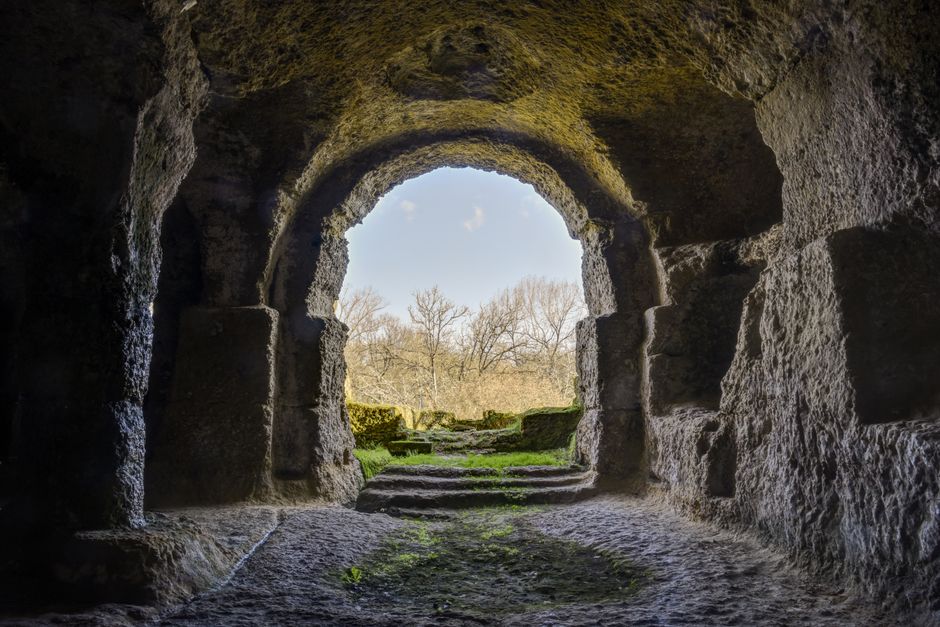
5. The Hidden City Beneath the Earth
Derinkuyu Underground City, Turkey
An ancient multi-level city carved deep into the earth in Cappadocia, capable of housing thousands of people and their livestock.
Beneath the volcanic landscapes of Cappadocia, Turkey, lies Derinkuyu, one of several vast underground cities. Carved over centuries, it descends eight accessible levels, reaching depths of 85 meters, complete with ventilation shafts, wells, stables, churches, and living quarters. Designed to shelter entire communities from invaders, this subterranean marvel demonstrates a profound resilience and ingenuity in the face of external threats, proving that true strength and safety can often be found in unexpected, hidden places.
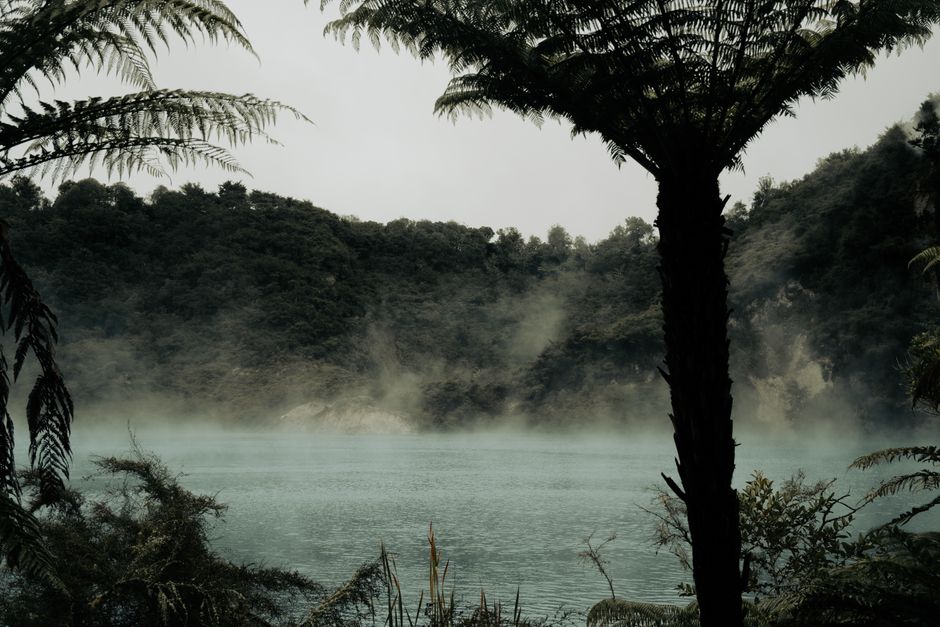
6. The Boiling Heart of a Geothermal Landscape
Frying Pan Lake, New Zealand
The world's largest hot spring, constantly steaming and bubbling, formed by a volcanic eruption in 1886.
Located in the Waimangu Volcanic Rift Valley, New Zealand, Frying Pan Lake is a colossal geothermal pool, covering 3.8 hectares. Its waters perpetually steam and bubble at temperatures between 50-60°C, fed by superheated water and gases from deep within the earth. Formed dramatically during the 1886 eruption of Mount Tarawera, this active landscape reminds us that even when things seem to be in a constant state of turmoil and heat, there's a powerful, consistent energy driving the process, shaping the environment in dramatic ways.
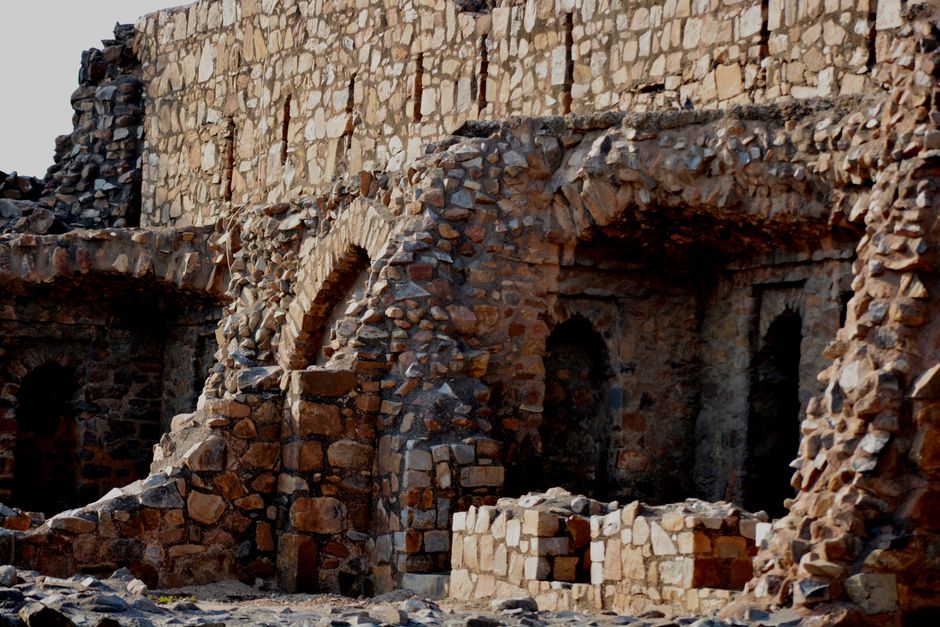
7. The Whispers of Bhangarh Fort
Bhangarh Fort, India
An abandoned 17th-century fort in Rajasthan, widely considered one of India's most haunted sites, where entry after sunset is strictly forbidden.
Nestled on the edge of the Sariska Tiger Reserve in Rajasthan, Bhangarh Fort stands in ruins, steeped in local legend and mystery. Despite its architectural grandeur, the fort was mysteriously abandoned and is now infamous for tales of the supernatural. The Archaeological Survey of India has officially prohibited entry between sunset and sunrise, due to the persistent belief in paranormal activity. It's a place where the unseen influence of the past seems to linger, suggesting that some obstacles aren't physical, but rooted in deeper, less tangible stories.
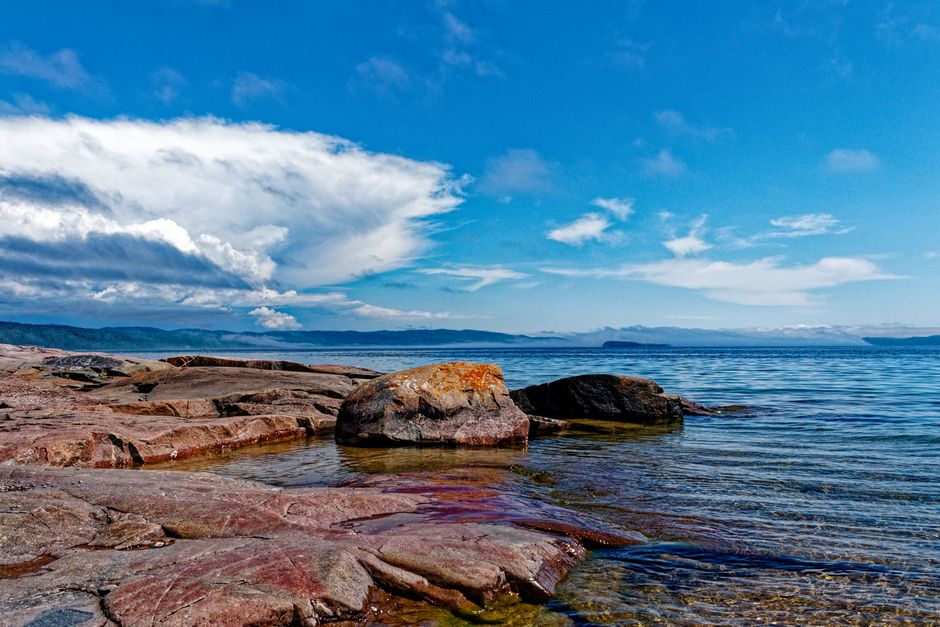
8. The Deceptive Depths of Flathead
Flathead Lake, Montana, USA
Flathead Lake, the largest natural freshwater lake west of the Mississippi, possesses water so clear that its profound depths appear deceptively shallow.
In northwest Montana, Flathead Lake spans over 190 square miles, boasting water so remarkably clear that objects at considerable depths are easily visible. This exceptional clarity often leads visitors to underestimate its true profoundness, which reaches over 370 feet in places. It serves as a beautiful natural metaphor: what appears simple or straightforward on the surface often holds significant, complex depths beneath, challenging our initial perceptions and inviting a closer, more discerning look.
Frequently asked questions
What causes the Crooked Forest trees to bend?
The exact cause of the Crooked Forest's unique bends remains a mystery. Theories include human intervention, such as shaping the trees for furniture or ship-building, unusual snow loads during their early growth, or even specific genetic mutations. No definitive explanation has been universally accepted.
Is it safe to visit the Darvaza Gas Crater?
Visiting the Darvaza Gas Crater carries inherent risks due to the continuous burning of natural gas and the potential for toxic fumes. While it's a popular tourist destination, it is remote, requires careful planning, and visitors should exercise caution and be aware of potential hazards.
How do people live underground in Coober Pedy?
Residents of Coober Pedy live in "dugouts" – homes carved directly into the sandstone hills. These underground dwellings provide natural insulation, keeping them cool in the extreme summer heat and relatively warm in winter, offering a comfortable and energy-efficient living solution.
How can AllTours.ai help me explore places like these?
AllTours.ai transforms your phone into an AI audio tour guide. Simply point your camera at a landmark or landscape, and the app will narrate its history, geology, and cultural significance in your language, revealing the hidden stories and deeper insights of any place you visit.
Related guides
Photography via Pexels. AllTours.ai is an AI audio tour guide — point your camera at any landscape and hear its story.