November 7, 2026 · 4 min read
Milan, often synonymous with high fashion and cutting-edge design, holds far more than just its glossy storefronts and famous runways. Beyond the well-trodden paths lie fascinating stories of innovation, artisanal craftsmanship, and architectural daring that shaped its iconic status.
This focused one-day itinerary invites you to delve into the unexpected corners of Milan's creative landscape. We'll uncover genuinely surprising places where history, art, and groundbreaking design converge, offering a fresh perspective on the city's enduring influence on global style.
1. Milan's Unseen Fashion Archive
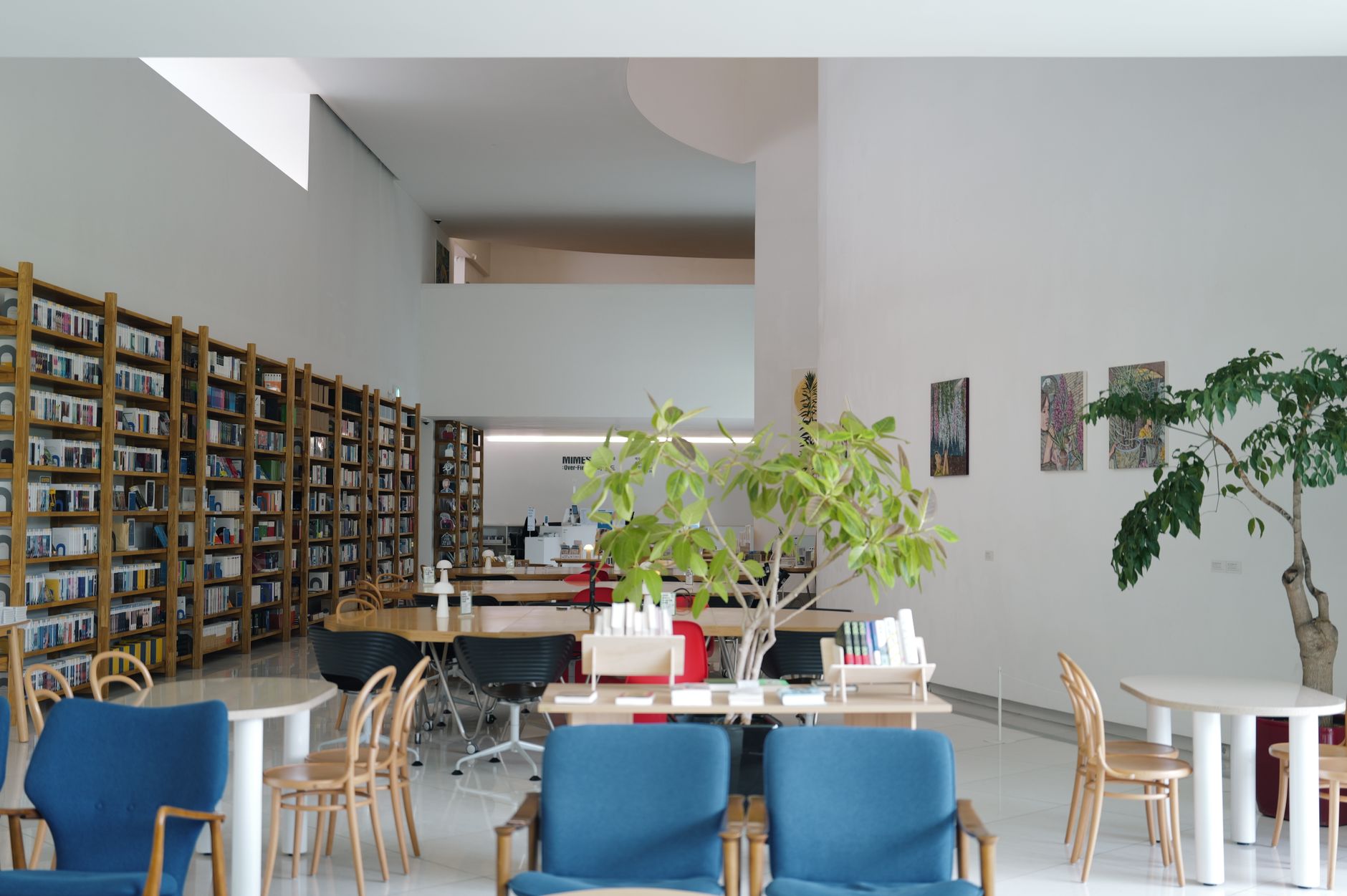
Biblioteca della Moda, Milan, Italy
Milan's quiet Biblioteca della Moda houses forgotten textile patterns, some predating many modern fashion houses.
Tucked away in a discreet location, this specialized library is a treasure trove for fashion historians and designers. Its extensive collection includes rare fashion magazines, books, and textile samples, some dating back to the late 19th century. Visitors can delve into the evolution of style, from haute couture sketches to the intricate details of historical garment construction, offering a unique perspective on Milan's design legacy beyond the runway.
2. The 'Mushroom' Skyscraper's Medieval Echo
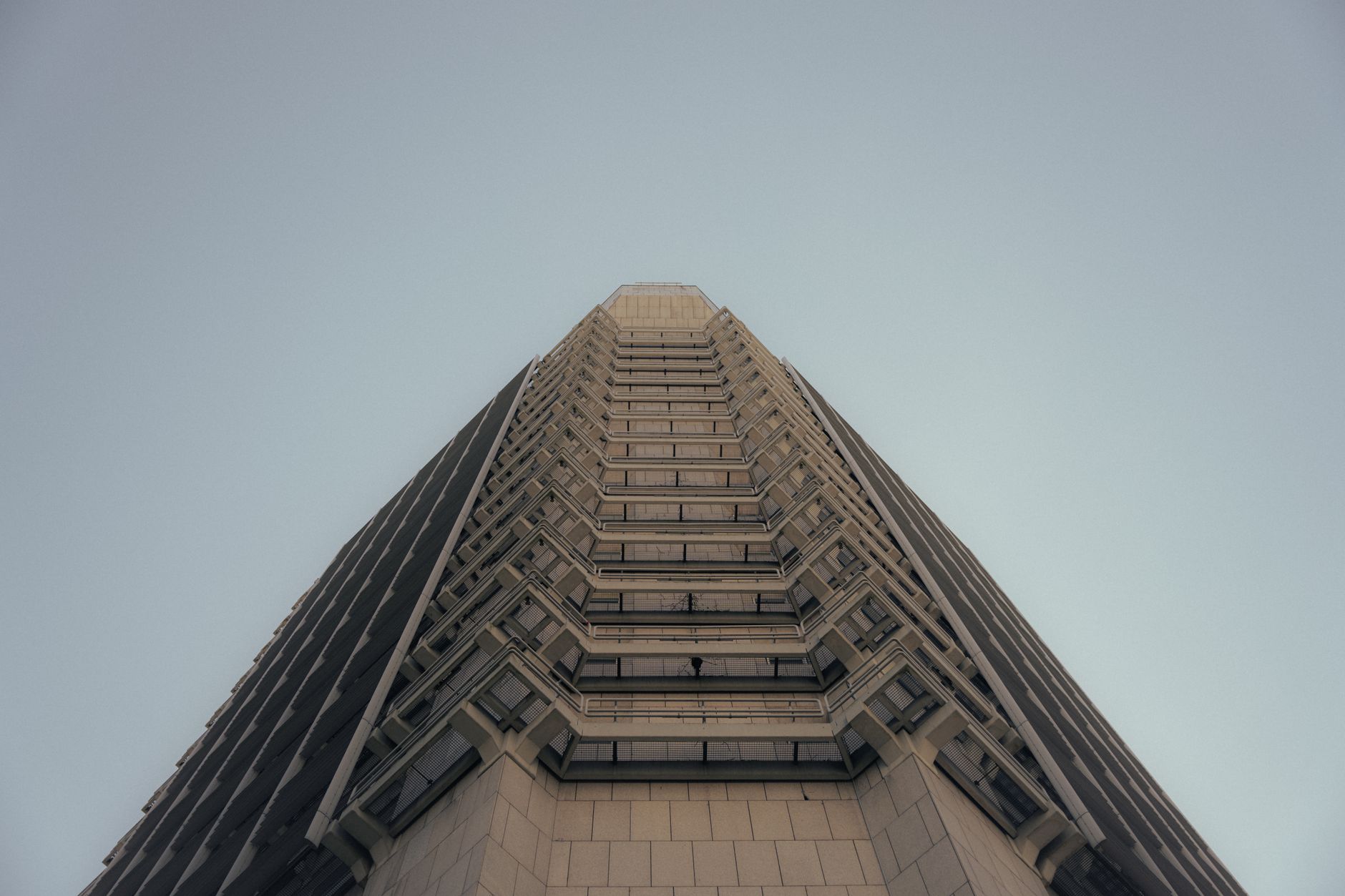
Torre Velasca, Milan, Italy
Milan's Torre Velasca, a 1950s 'mushroom-shaped' skyscraper, was designed to echo a medieval castle's silhouette.
This distinctive Brutalist tower, completed in 1958 by the BBPR architectural firm, stands as a controversial but significant landmark. Its unique design, wider at the top with residential floors cantilevering outwards, was a deliberate attempt to harmonize modern urban living with Milan's historic skyline, specifically referencing the defensive towers of the Sforza Castle. It symbolizes post-war Italian rationalism's bold dialogue with tradition, inviting endless debate among locals and visitors alike.
3. The Genesis of the Concept Store
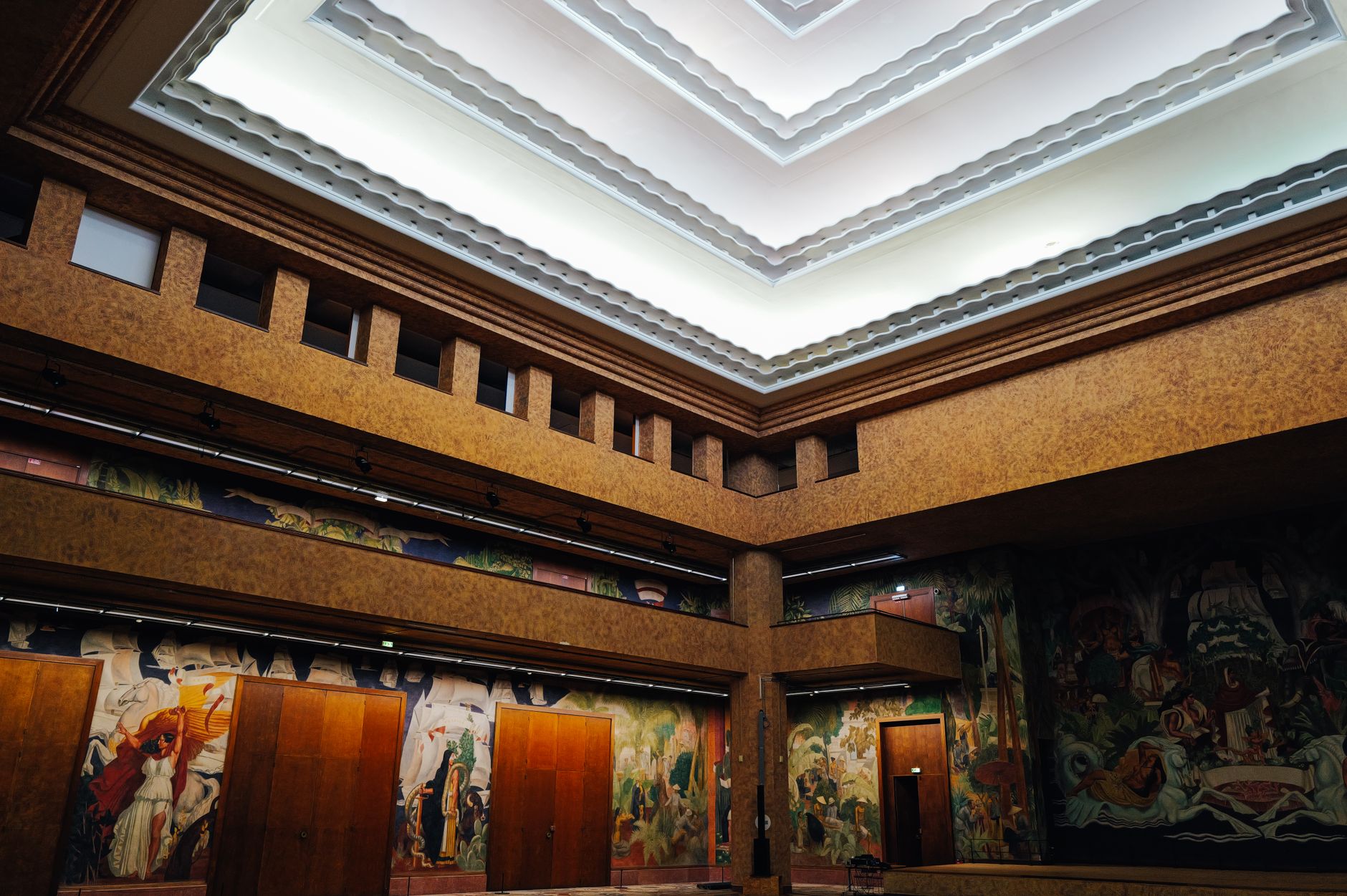
Fondazione Sozzani, Milan, Italy
Before concept stores were a trend, Milan's Fondazione Sozzani quietly blended art, fashion, and design in a converted industrial space.
While its famous neighbor, 10 Corso Como, draws crowds, the adjacent Fondazione Sozzani (Galleria Carla Sozzani) is the quieter, foundational heart. Established in the early 1990s by Carla Sozzani, this gallery was a pioneer in creating a holistic cultural space, merging exhibitions of photography, fashion, and design with retail. Housed in a beautifully repurposed industrial building, it offers a serene environment to explore cutting-edge aesthetics and intellectual curiosity that prefigured much of today's retail landscape.
4. Leonardo's Secret Loom Sketches
Pinacoteca Ambrosiana, Milan, Italy
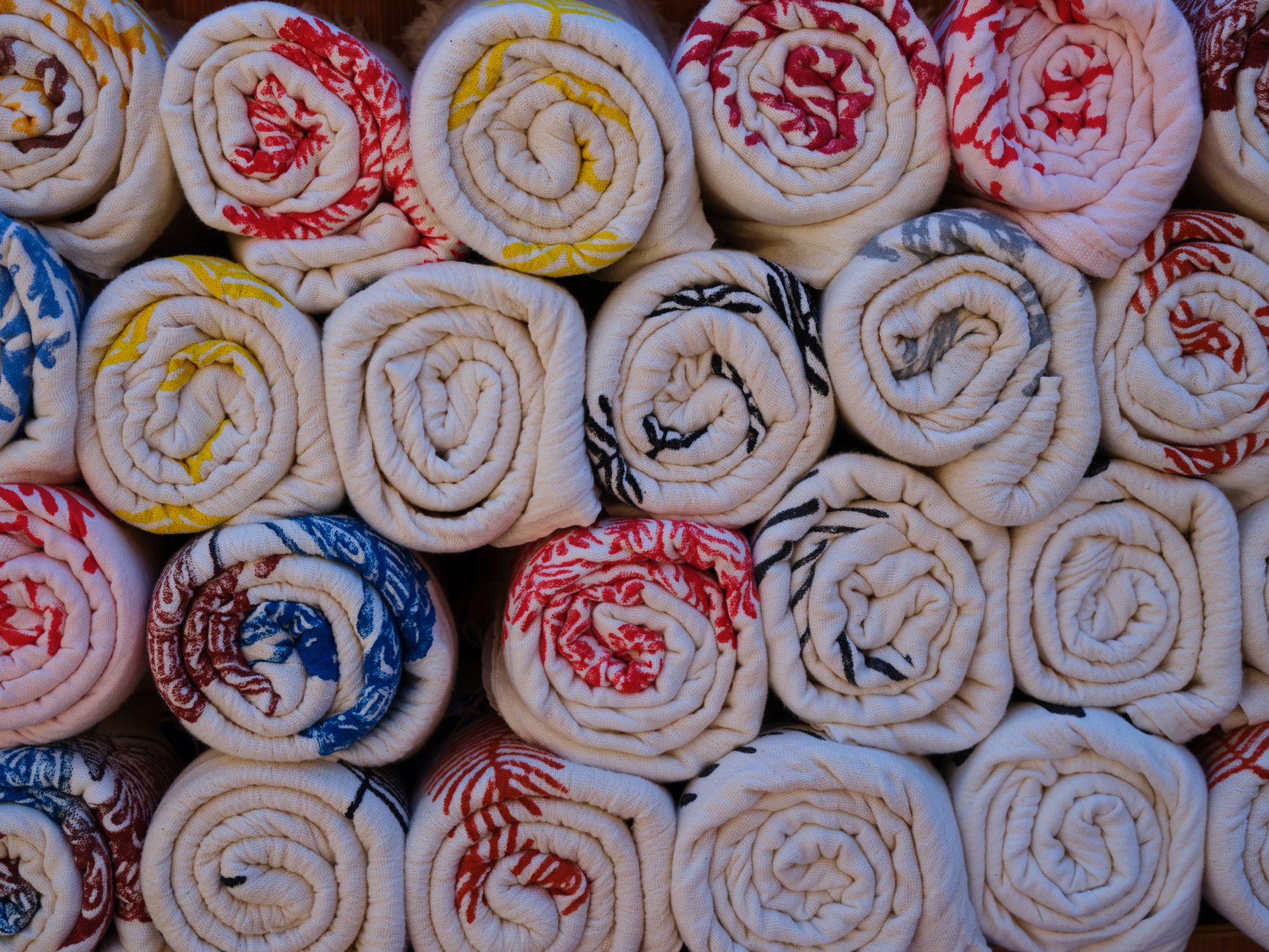
Beyond paintings, Milan's Pinacoteca Ambrosiana houses Leonardo da Vinci's designs for textile machinery, revealing his rarely seen impact on fabric production.
While the Pinacoteca Ambrosiana is renowned for its art collection, it also holds a significant portion of Leonardo da Vinci's Codex Atlanticus. Among these thousands of pages of notes and drawings are surprisingly detailed sketches for textile machinery, including looms and spinning devices. These visionary designs reveal Leonardo's profound interest in engineering and industrial processes, demonstrating how his genius extended far beyond art to influence the very foundations of Milan's future as a textile and fashion powerhouse.
5. The Last Weavers of Couture Trims
Antica Fabbrica Passamanerie Crovetto, Milan, Italy
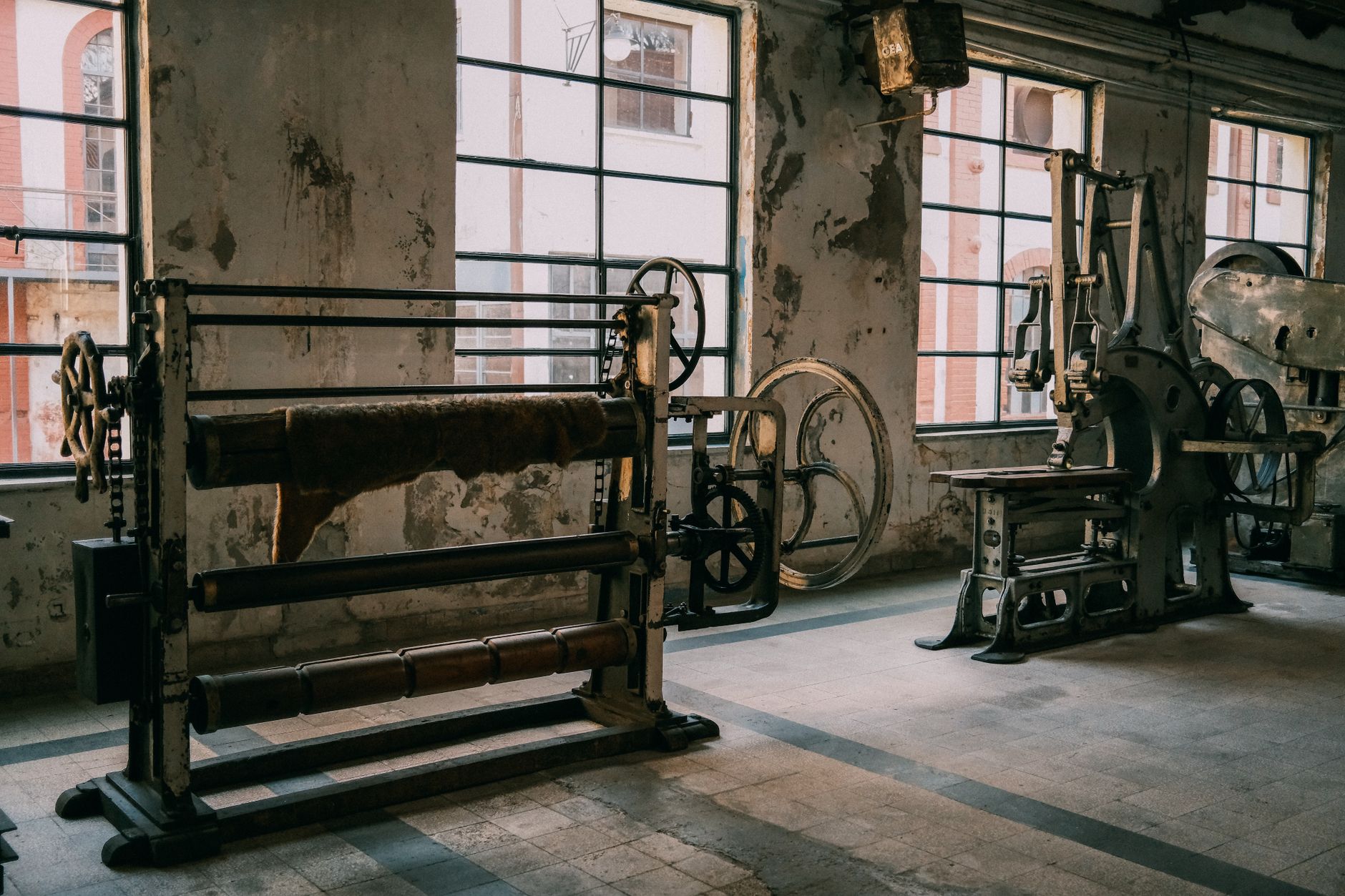
Milan's Antica Fabbrica Passamanerie Crovetto still uses 19th-century machinery to craft bespoke trims for haute couture.
Hidden away in a quiet street, this historic passementerie workshop preserves an almost forgotten craft. Since the late 19th century, Crovetto has produced exquisite braids, tassels, and fringes, often for Milan's most prestigious fashion houses and interior designers. The workshop itself is a living museum, where original, belt-driven looms still hum, weaving silk, cotton, and metallic threads into intricate embellishments that add a secret touch of luxury to haute couture garments and historical reproductions.
6. Milan's Forgotten Wardrobe of Aristocracy
Palazzo Morando | Costume Moda Immagine, Milan, Italy
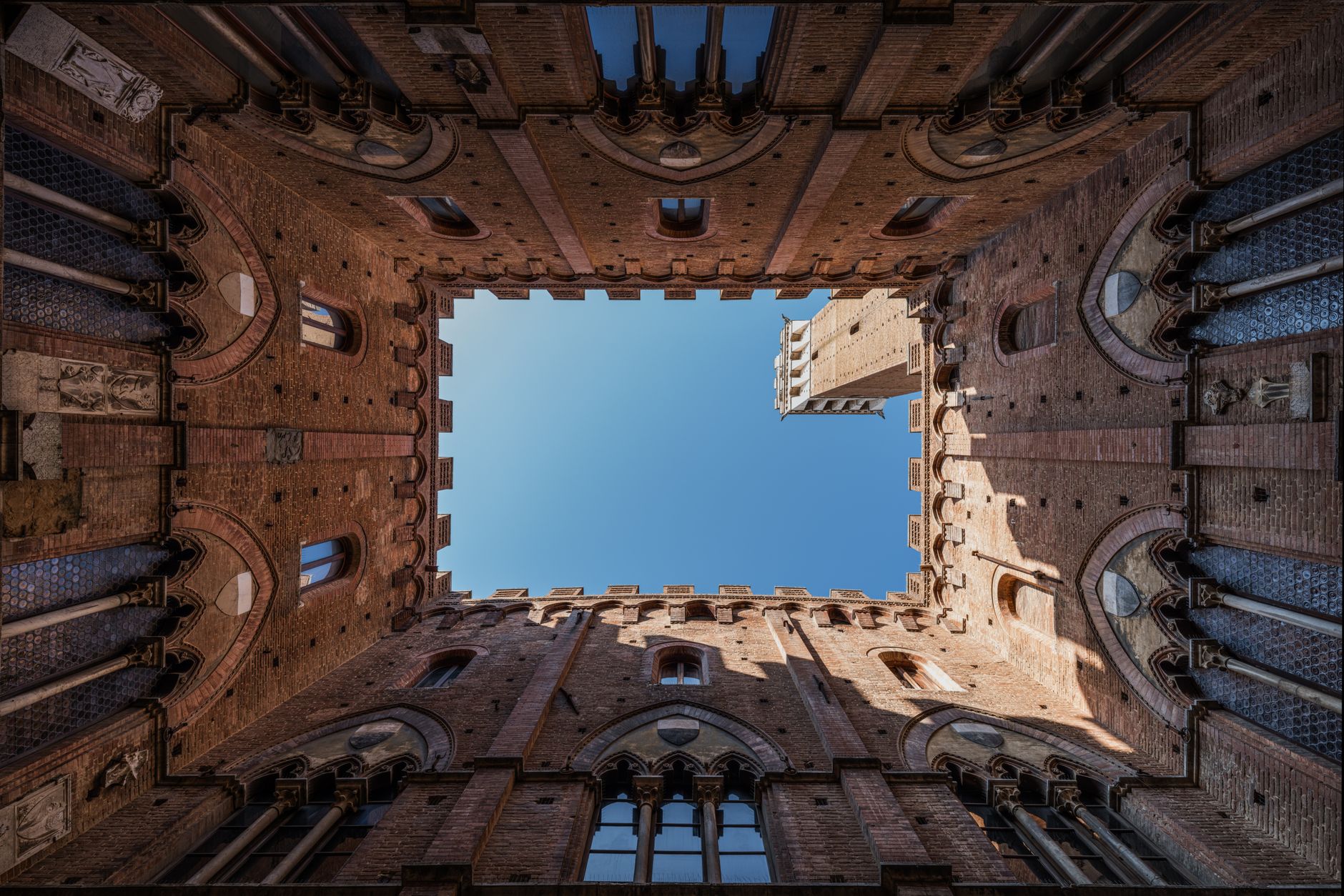
Milan's Palazzo Morando, once a private aristocratic residence, now houses a forgotten collection of 17th to 20th-century fashion, including rare court dresses.
This elegant palazzo, once the home of the aristocratic Morando family, now serves as a civic museum dedicated to Milanese costume, fashion, and imagery. Far from the bustling Quadrilatero della Moda, it offers a fascinating journey through centuries of style, showcasing a rarely seen collection of garments, accessories, and portraits. From opulent 18th-century court dresses to early 20th-century everyday wear, the museum reveals the evolving social and sartorial landscape of Milan before its rise as a global fashion capital.
7. Milan's Centenarian Shoemaking Legacy
Viganò Calzature, Milan, Italy
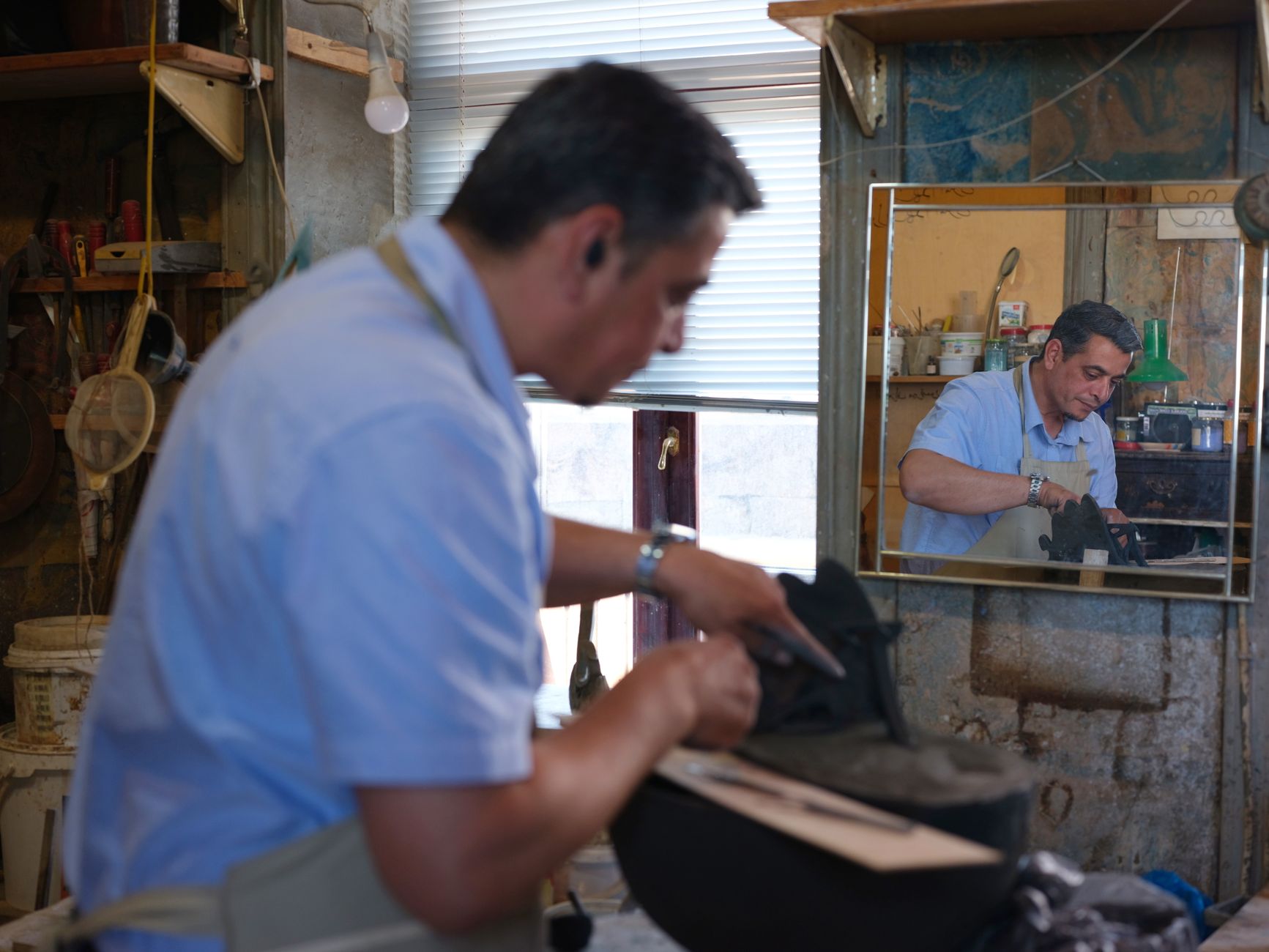
Milan's Viganò Calzature, an artisanal shoemaker since 1919, still uses original tools and techniques in a time-capsule workshop.
Tucked away from the high-street boutiques, Viganò Calzature represents Milan's enduring tradition of artisanal craftsmanship. Operating since 1919, this family-run workshop continues to produce bespoke shoes by hand, honoring techniques passed down through generations. The shop itself is a captivating glimpse into the past, with its original wooden display cases, well-worn tools, and the distinct scent of leather. It offers a tangible connection to the skilled hands that shaped Milan's reputation for quality before mass production became the norm.
8. From Locomotives to Avant-Garde Art
Pirelli HangarBicocca, Milan, Italy
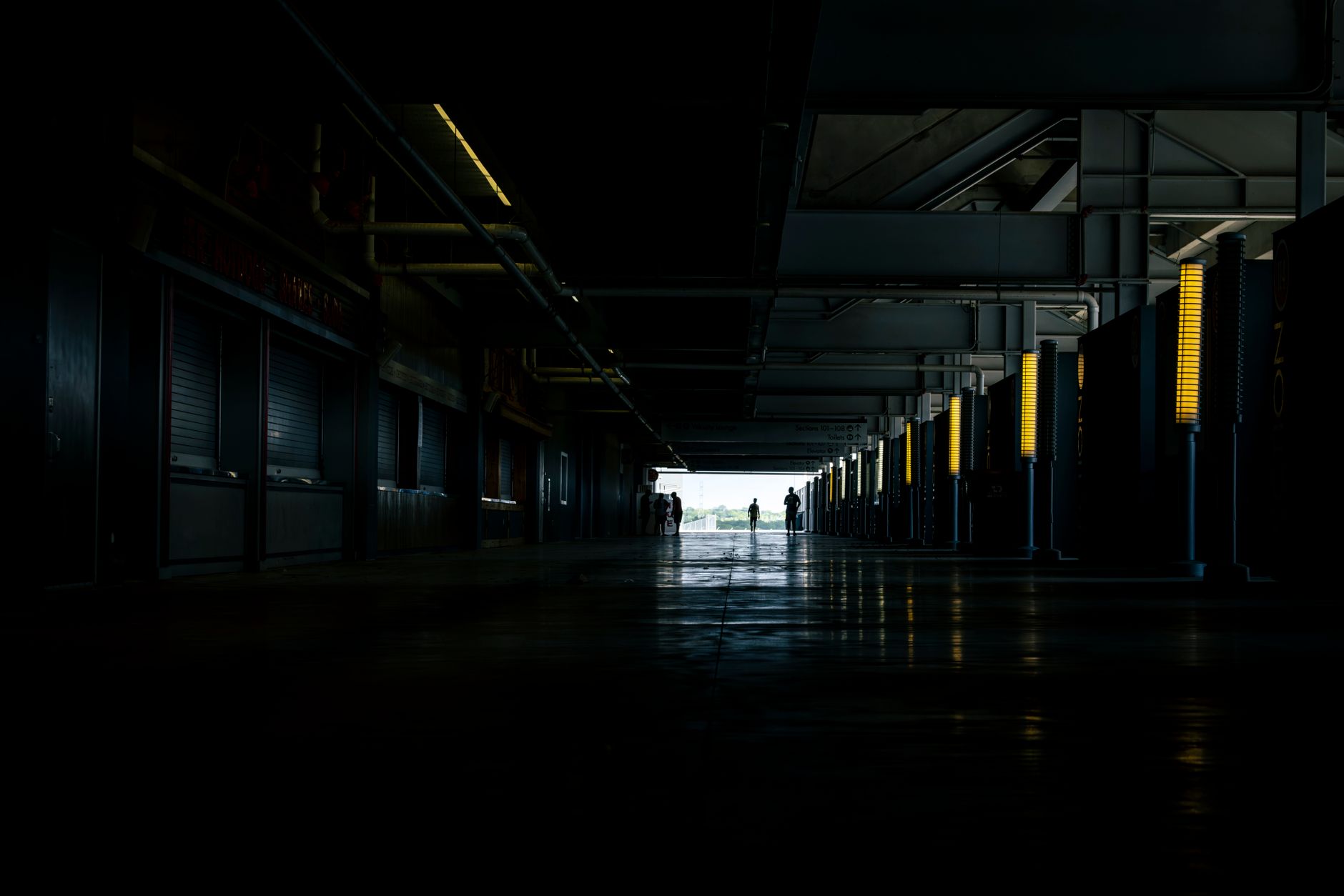
Pirelli HangarBicocca, a vast contemporary art space, was originally a locomotive factory, its raw industrial architecture now housing monumental installations.
This monumental contemporary art institution occupies a former industrial complex that once manufactured locomotives and electrical components for the Pirelli Group. The sheer scale and raw concrete aesthetic of the repurposed buildings, including the towering "Navate" (naves), make it a powerful example of industrial archaeology transformed into cultural space. Its design tells a story of urban regeneration, where the city's manufacturing past provides a dramatic backdrop for some of the world's most ambitious art installations, challenging perceptions of both industry and art.
Frequently asked questions
Is Milan expensive for fashion shopping?
Milan can be expensive, especially in the luxury Quadrilatero della Moda. However, the city also offers a range of options from high-street brands to vintage boutiques and outlet stores, catering to various budgets. Exploring local markets can also yield unique finds.
What's the best time of year to visit Milan for fashion?
The most exciting times are during Milan Fashion Weeks (February/March for Women's Fall/Winter and September/October for Women's Spring/Summer), though the city can be very crowded and expensive. For a more relaxed visit with good weather, consider late spring (April-May) or early autumn (September-October) outside of the main fashion events.
Can I see designers working in Milan?
Most high-fashion ateliers are private and not open to the public. However, some smaller, independent design studios or artisan workshops may offer glimpses into their craft, often by appointment or during special design week events. Vintage markets and specialized craft shops are also great places to see unique pieces and perhaps interact with sellers who have deep industry knowledge.
How can AllTours.ai enhance my Milan design exploration?
AllTours.ai transforms your phone into an AI audio guide. Simply point your camera at any landmark, building, or even a street art piece mentioned in this itinerary or discovered on your own. The app will instantly narrate its unique history, design legacy, and untold cultural stories in your preferred language, offering a deeper, more immersive experience than traditional guidebooks.
Related guides
Photography via Pexels. AllTours.ai is an AI audio tour guide — point your camera at any landscape and hear its story.