October 8, 2026 · 4 min read
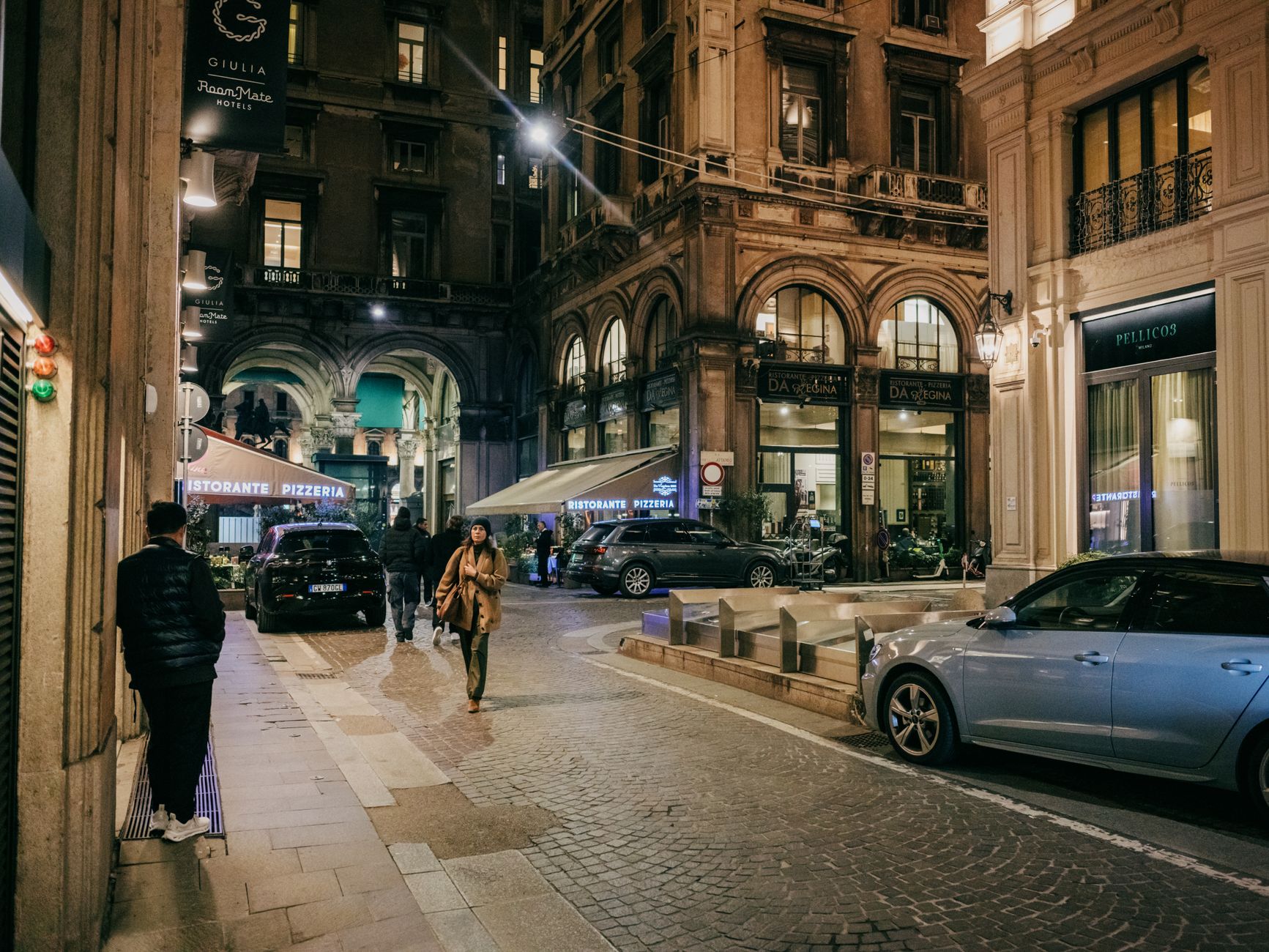
Milan, often synonymous with fashion and finance, holds a lesser-known secret: a culinary scene as rich and refined as its haute couture. Beyond the glitzy designer boutiques and the bustling Duomo crowds, lies a gastronomic heart beating with tradition, innovation, and an unwavering commitment to authentic Lombardy flavors. It’s a city where every corner can reveal a hidden gem, from a century-old trattoria to a repurposed industrial space serving cutting-edge cuisine.
But how do you navigate this delicious labyrinth to find the genuine article? The key to unlocking Milan’s true culinary soul is knowing where to eat in Milan like a local. Forget the tourist traps; we’ve curated a list of spots where history, culture, and exceptional food intertwine, offering a taste of Milan that goes far beyond the surface. Prepare to discover the stories behind every risotto, ossobuco, and aperitivo.
1. The Merchant's Table at La Pesa 1902
Trattoria Milanese La Pesa 1902, Milan, Italy
For over a century, this trattoria has stood near one of Milan's ancient customs gates, serving weary travelers and merchants their first taste of Lombardy.
Established in 1902, Trattoria La Pesa takes its name from the 'pesa,' or scale house, where goods were weighed before entering the city. It was a vital stop for merchants, ensuring a steady stream of patrons seeking hearty, traditional Milanese fare. Today, it remains a bastion of classic Lombardy cooking, offering dishes like risotto alla Milanese and cotoletta in an atmosphere steeped in history, far from the city's main tourist thoroughfares.
2. Reviving Milanese 'Poor Man's Food' at Ratanà
Ratanà, Milan, Italy
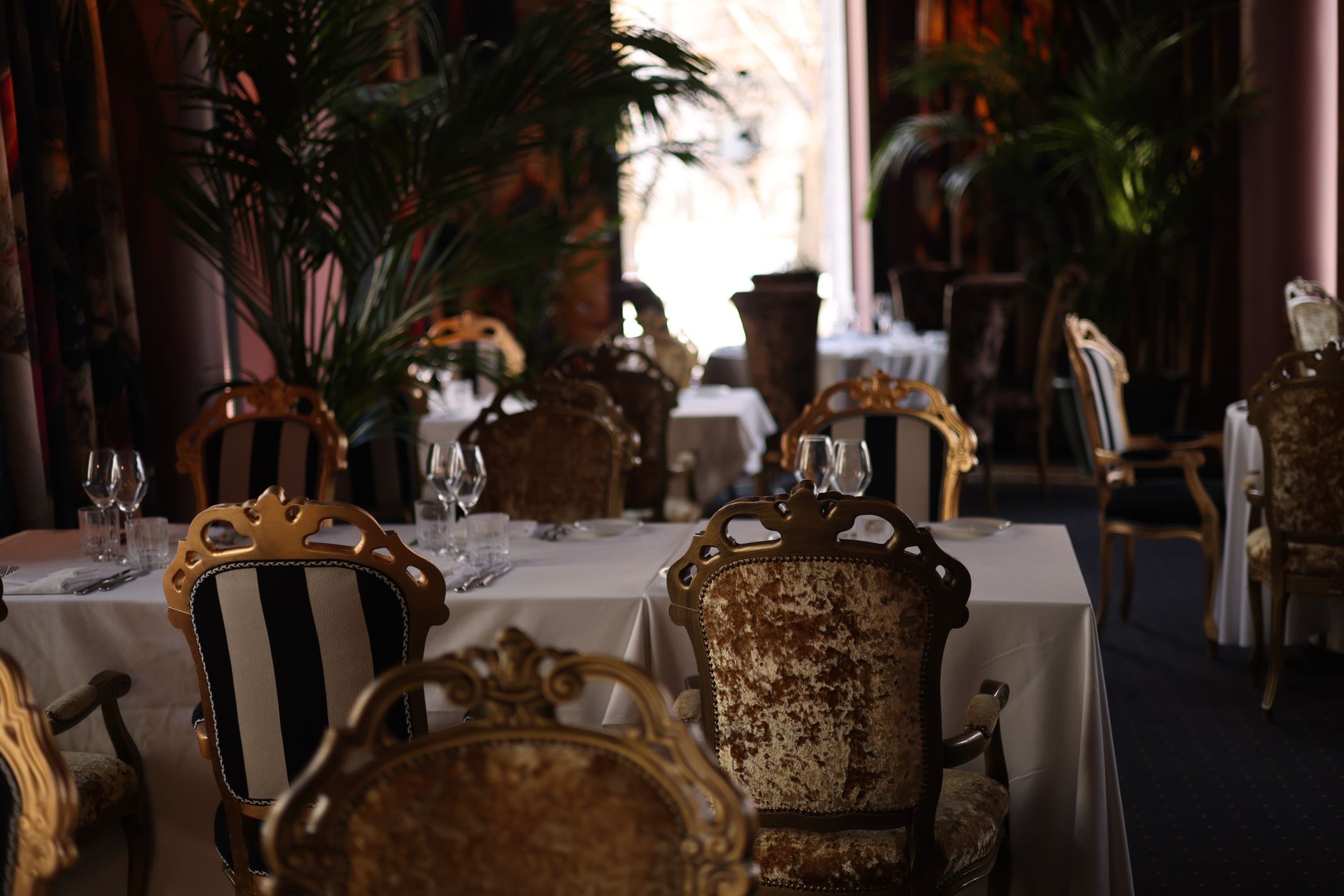
Nestled in a former railway warehouse, this restaurant helped revive *mondeghili*, Milanese meatballs once considered 'poor man's food', elevating them to a modern delicacy.
Chef Cesare Battisti at Ratanà is a champion of Milanese culinary heritage, operating out of a beautifully restored building in the vibrant Isola neighborhood. He’s particularly known for bringing back and refining *mondeghili* — traditional Milanese meatballs made from leftover meats, once a staple of humble kitchens. Ratanà offers a contemporary twist on Lombardy classics, emphasizing local, seasonal ingredients and the stories behind forgotten dishes.
3. Daily Handmade Pasta at Dalla Rosa Alda
Pastificio Dalla Rosa Alda, Milan, Italy
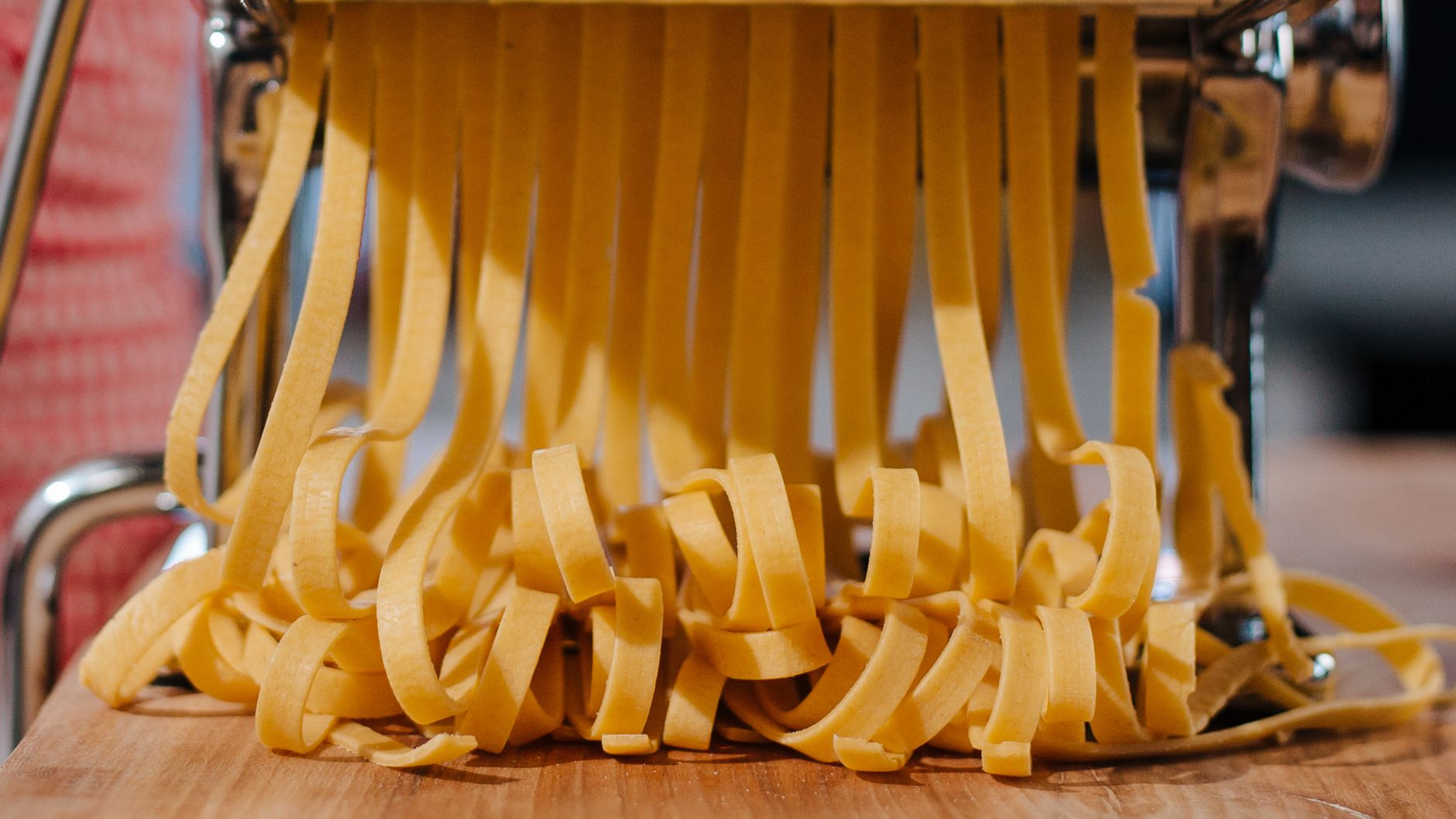
Walk into this humble fresh pasta shop and find the day's offerings still handwritten on a simple blackboard, a direct link to Milan's daily culinary rhythm.
Pastificio Dalla Rosa Alda is a family-run institution where the art of fresh pasta making is a daily ritual. This unassuming spot, beloved by locals, serves a small, ever-changing menu of perfectly crafted pasta dishes. The handwritten blackboard menu reflects a commitment to seasonality and what’s freshest, offering a true taste of home-style Milanese cooking without any pretension. It’s a place where simplicity speaks volumes.
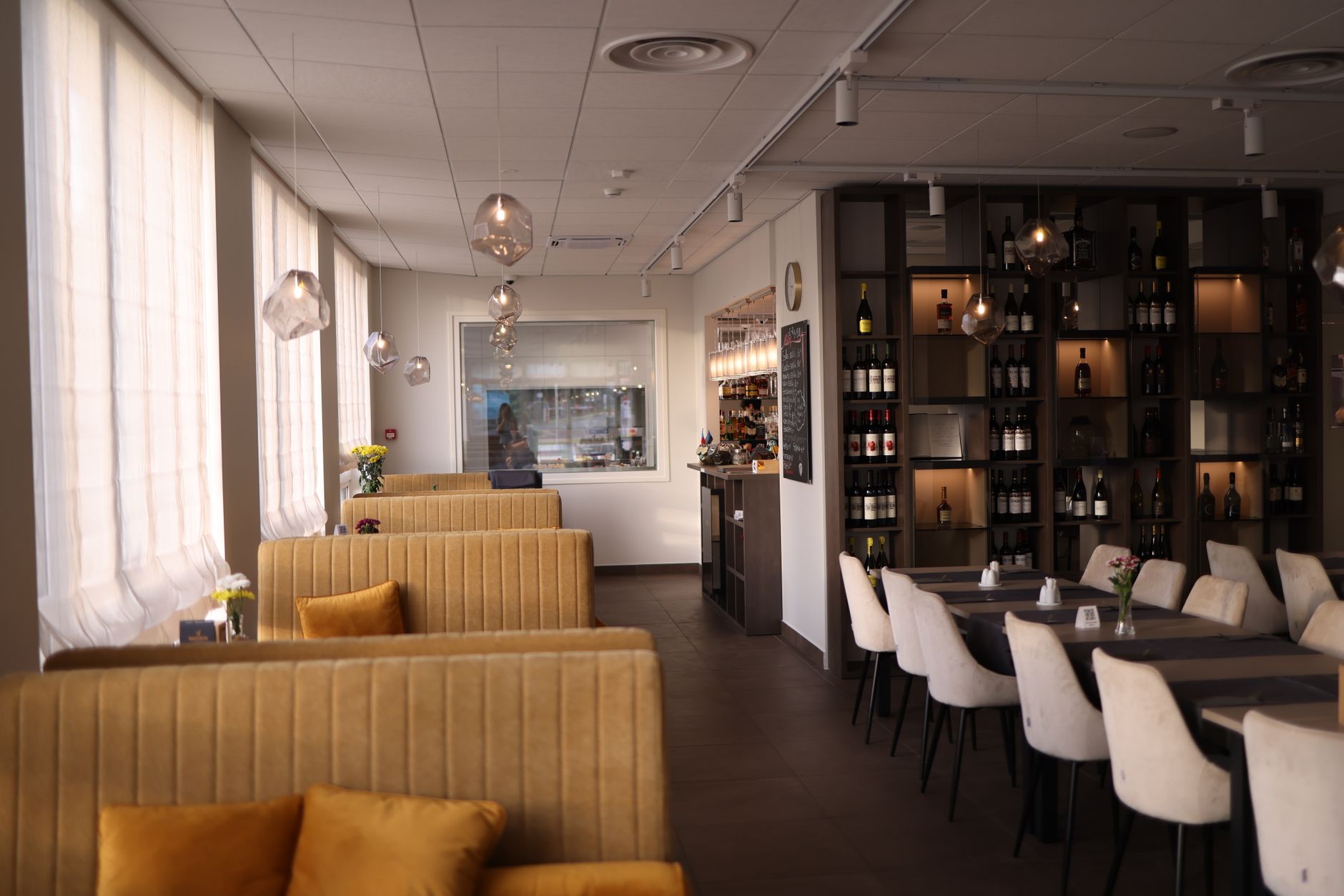
4. Wine in a Friar's Refectory at N'Ombra de Vin
N'Ombra de Vin, Milan, Italy
This enoteca's impressive wine cellar and atmospheric dining space were once the solemn refectory of Augustinian friars, dating back to the 16th century.
Located in the historic Brera district, N'Ombra de Vin offers more than just fine wines; it offers a journey through time. Its vaulted brick ceilings and ancient ambiance whisper tales of Augustinian friars who once dined and prayed here centuries ago. Today, it's a bustling hub for aperitivo and dinner, boasting an extensive wine list and serving delightful small plates, making it a truly unique Milanese experience.
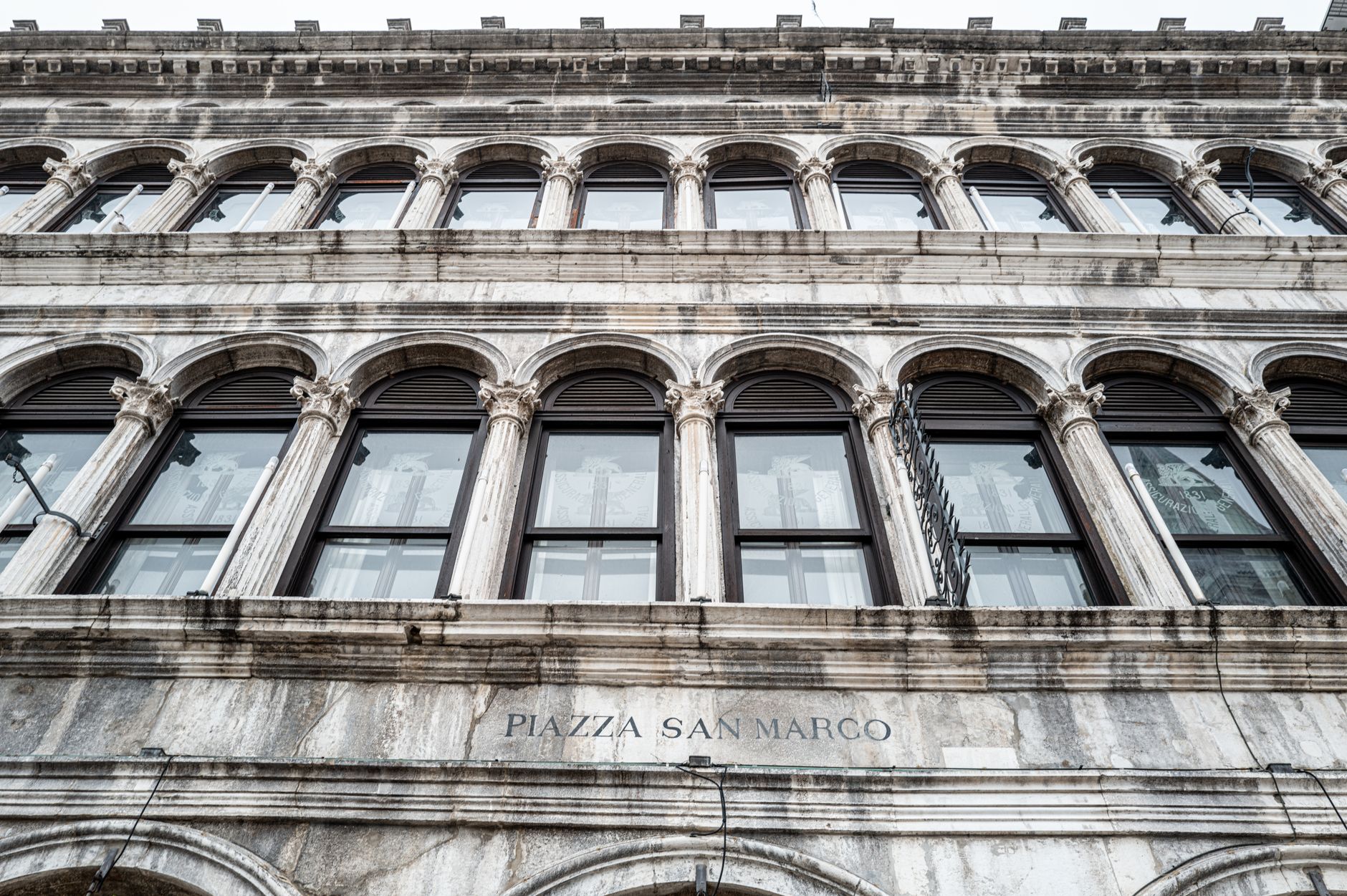
5. Timeless Homestyle Cooking at Latteria San Marco
Latteria San Marco, Milan, Italy
A tiny, cash-only institution in Brera, where a husband-and-wife team have served the same authentic Milanese dishes for decades, a true step back in time.
Latteria San Marco is a cherished Milanese secret, a cash-only establishment in the heart of Brera that feels untouched by time. Run by a dedicated couple for over 50 years, it serves unpretentious, home-style Lombardy cooking. Expect classic dishes like simple pasta, vegetable tarts, and succulent roasts, prepared with love and consistency. It's a place where you truly eat like a Milanese grandmother is cooking for you.
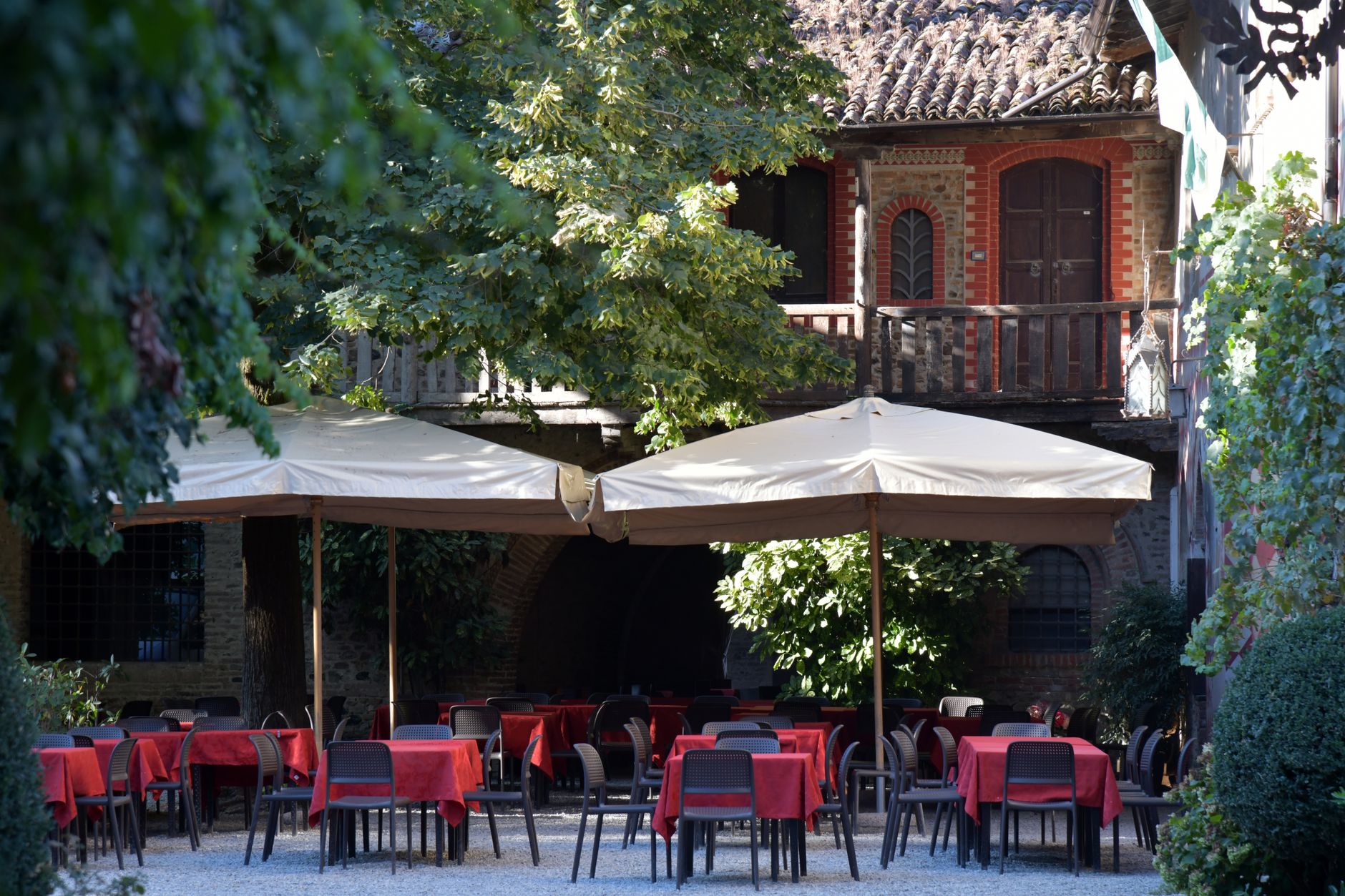
6. Farm-to-Table in an Urban Farmstead: Cascina Cuccagna
Cascina Cuccagna, Milan, Italy
Dine within an 18th-century rural farmstead, one of the last remaining 'cascine' within Milan's city limits, now a vibrant hub for sustainable food.
Cascina Cuccagna is a remarkable example of Milan's past meeting its sustainable future. This beautifully restored 18th-century farmstead, once common across the Lombardy plain, now hosts a restaurant dedicated to local, organic, and seasonal ingredients. It's a testament to the city's commitment to preserving its agricultural roots while fostering a community-focused dining experience, complete with an urban garden.
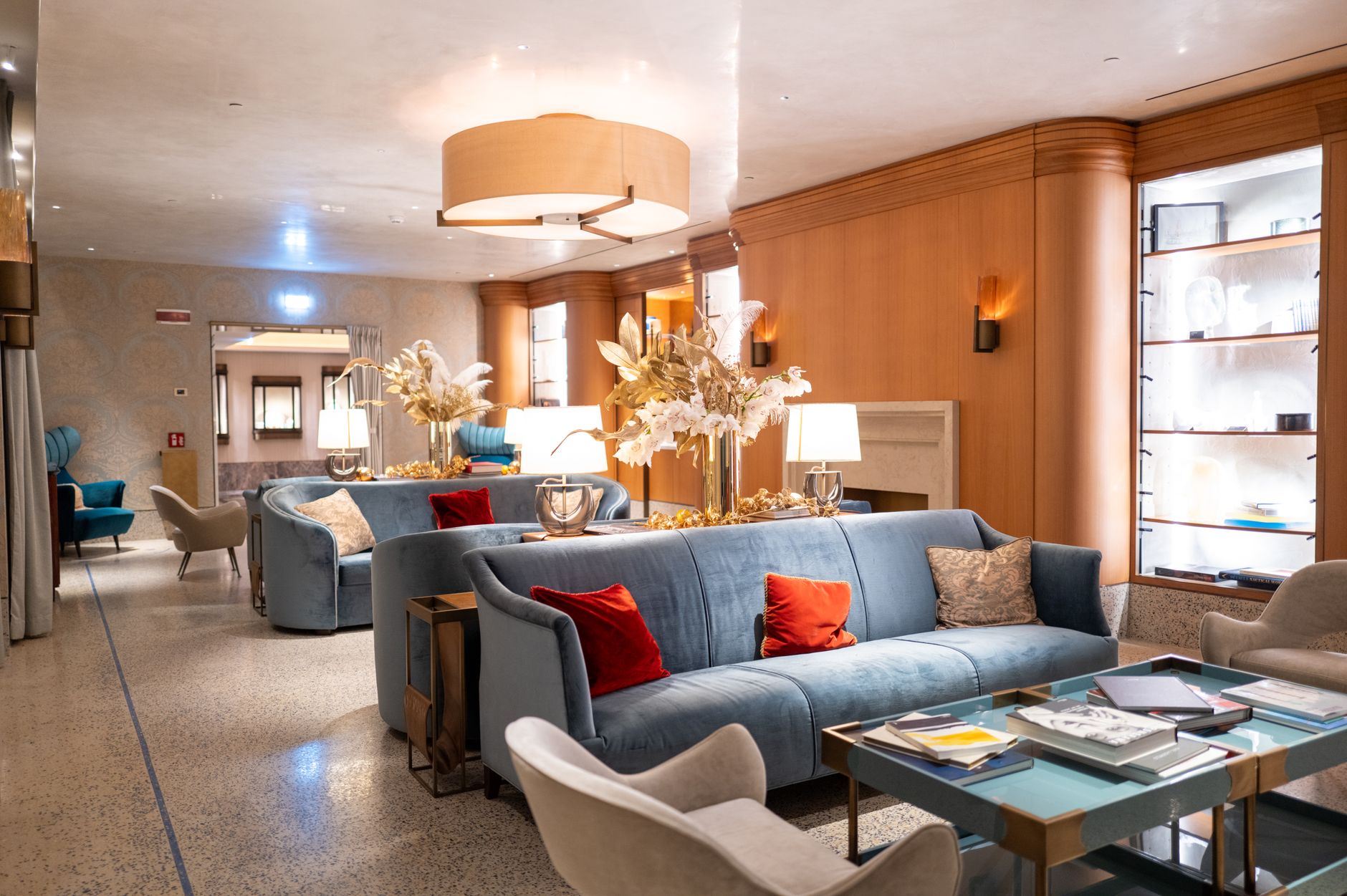
7. Panettone's Origin Story at Marchesi 1824
Pasticceria Marchesi 1824, Milan, Italy
One of Milan's oldest pastry shops, its elegant green walls have witnessed nearly two centuries of history, perfecting the iconic Panettone long before it became a global Christmas staple.
Pasticceria Marchesi 1824 is more than a pastry shop; it's a piece of Milanese history. Founded in 1824, it's renowned for its exquisite pastries, chocolates, and especially its Panettone. This iconic dome-shaped sweet bread has deep roots in Milan, and Marchesi has been perfecting its recipe for generations. Stepping inside is like entering a bygone era, perfect for a traditional Milanese breakfast or an elegant afternoon treat.
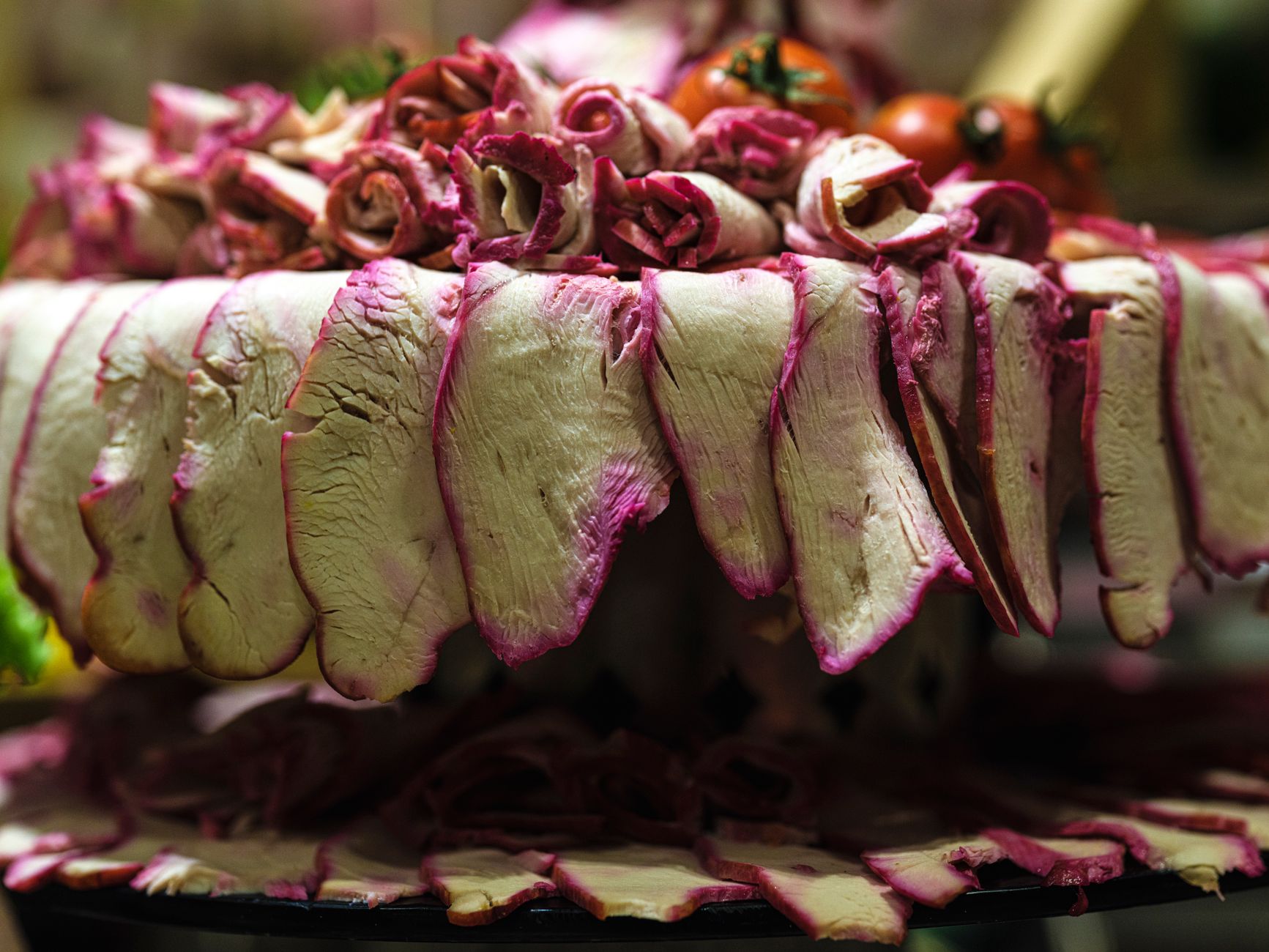
8. Elevating the 'Poor Man's Cuisine' at Trippa
Trippa, Milan, Italy
Don't let the name 'Trippa' (tripe) fool you; this restaurant champions forgotten or overlooked Italian ingredients and 'poor man's cuisine', turning them into sought-after dishes.
Trippa, named after the traditional offal dish, embodies a philosophy of rediscovery. Chef Diego Rossi's mission is to elevate humble, often-forgotten Italian ingredients and dishes, transforming them into sophisticated yet unpretentious culinary experiences. With a regularly changing menu that prioritizes seasonality and nose-to-tail cooking, Trippa offers an adventurous and authentic taste of Italian tradition, reimagined for the modern palate.
Frequently asked questions
What is a typical Milanese breakfast?
A classic Milanese breakfast is usually sweet and simple: a freshly baked brioche (the Italian version of a croissant, often filled with cream or jam) accompanied by an espresso or a cappuccino. Many locals enjoy this standing at the bar of a pasticceria or café.
What is 'aperitivo' in Milan?
Aperitivo is a cherished Milanese ritual, typically held between 6 PM and 9 PM. You order a drink (often a Spritz, Negroni, or wine) and gain access to a complimentary buffet of snacks, ranging from olives and chips to more substantial pasta, pizza, and cold cuts. It's a social occasion and a lighter alternative to dinner.
Is Milan expensive for food?
Milan's food scene can cater to all budgets. While fine dining restaurants can be pricey, you can find excellent value at local trattorias, bakeries, and during aperitivo hour. Look for 'menu del giorno' (set lunch menus) for affordable, high-quality meals.
How can the AllTours.ai app help me find local food spots?
AllTours.ai enhances your exploration by bringing the stories of places to life. Point your phone camera at a historic market, a charming piazza, or even a centuries-old trattoria, and the app will narrate its culinary past, local specialties, and suggest nearby authentic eateries, all in your preferred language.
Related guides
Photography via Pexels. AllTours.ai is an AI audio tour guide — point your camera at any landscape and hear its story.