September 16, 2026 · 4 min read
Imagine a world where the intricate dance of laws, elections, and diplomatic maneuvers simply… vanished. What aspects of our capitalist and free countries would fundamentally shift? While a complete absence of politics is a thought experiment, we can explore places where the enduring forces of nature, the deep currents of culture, or the sheer ingenuity of humanity have sculpted realities far beyond any governmental decree.
This listicle takes you off the well-trodden political path to discover spots where human resilience, natural marvels, and ancient traditions tell stories that would persist, or perhaps even flourish, if the political lens were removed. These are places where the land, the people, or the stars themselves have dictated life, revealing profound truths about our existence that transcend any parliamentary debate.
1. The Land Where Arctic Meets Mediterranean
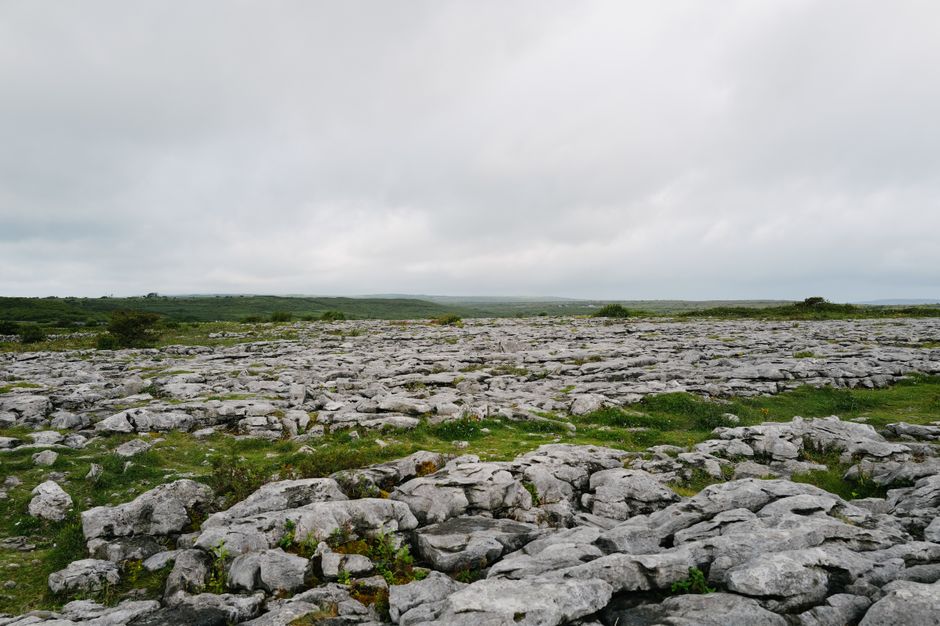
The Burren, Ireland
This stark, limestone landscape is a botanical anomaly, home to plants from arctic, alpine, and Mediterranean climates growing side-by-side.
The Burren's unique 'karst' geology has created a fragile ecosystem where rare flora thrives in unexpected harmony. For millennia, human inhabitants adapted to this challenging terrain, building ancient tombs and forts that speak to survival and community long before modern political systems. Its existence is a testament to nature's enduring power to shape life, largely independent of human governance.
2. The Underground Opal City
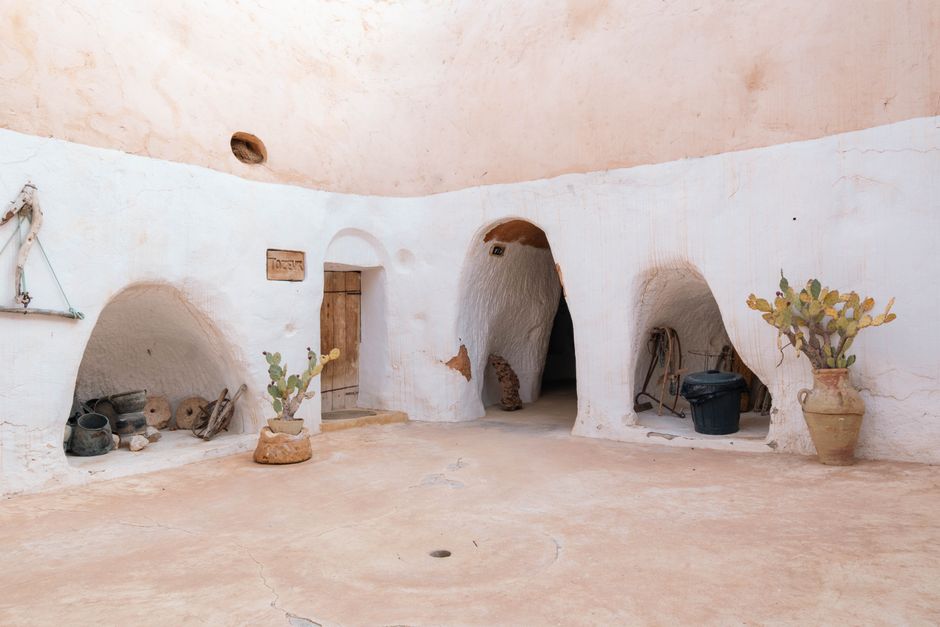
Coober Pedy, Australia
In this remote desert town, over half the population lives underground in 'dugouts' to escape the scorching heat, making it the world's largest opal mining community.
Coober Pedy is a remarkable example of human adaptation and resourcefulness. Driven by the lure of opals and the necessity of surviving extreme temperatures, residents carved homes, churches, and shops into the earth. This unique way of life emerged from direct interaction with the environment and economic opportunity, creating a self-sufficient community whose identity is rooted in ingenuity, not political planning.
3. Island of Resilient Culture
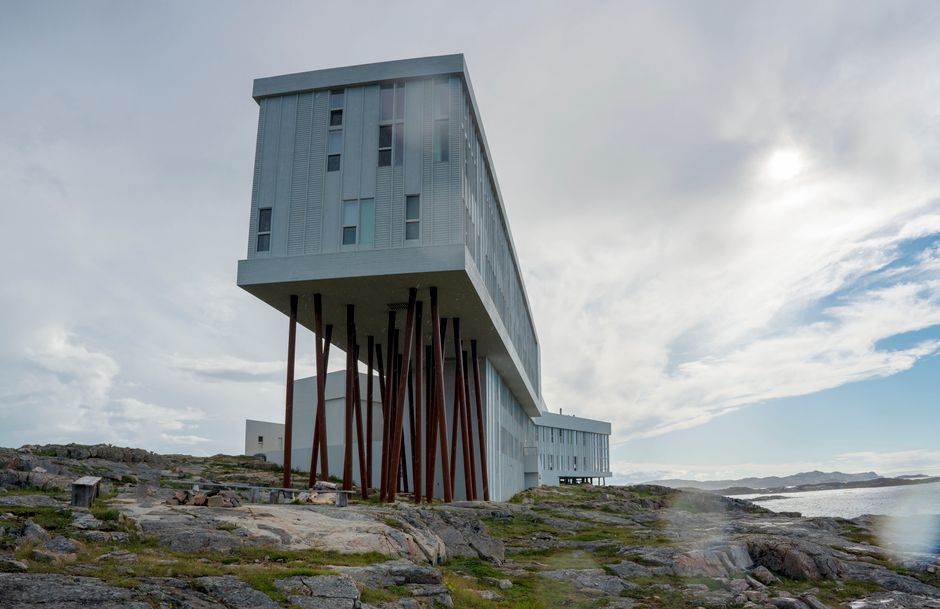
Fogo Island, Newfoundland, Canada
This remote island community has fiercely preserved its unique dialect and traditions, adapting to the harsh North Atlantic while battling economic shifts.
Fogo Island stands as a powerful symbol of community resilience against the forces of nature and global economics. Its inhabitants, largely descendants of Irish and English settlers, forged a distinct culture shaped by the sea and their isolated geography. Their efforts to sustain their way of life through collective action and innovative tourism reflect a deep-seated identity that transcends federal policies and political whims.
4. Giants of the Ancient Forest
Waipoua Forest, New Zealand
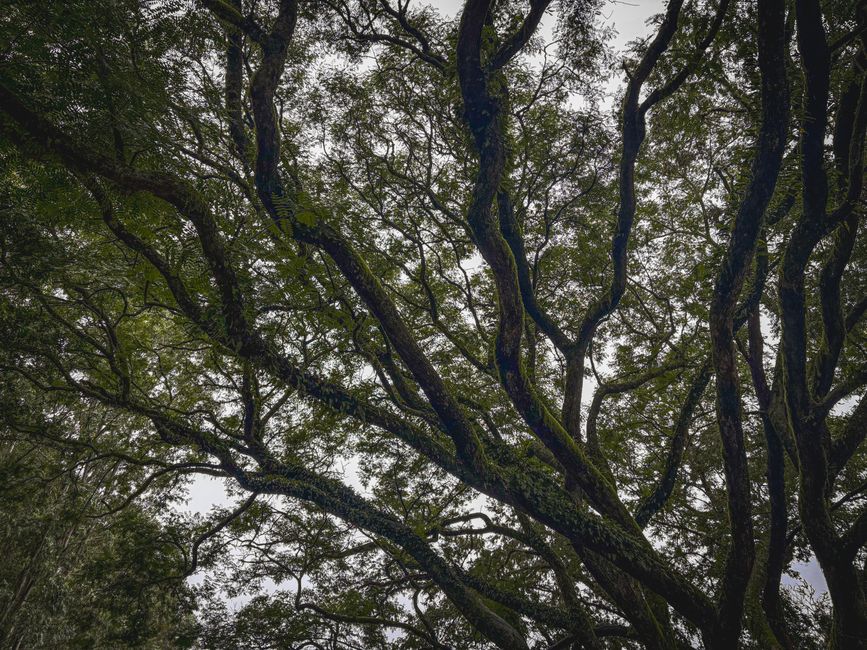
This ancient kauri forest is home to Tāne Mahuta, a living kauri tree estimated to be up to 2,500 years old, revered as a deity by the Māori people.
Waipoua Forest embodies a connection to nature that predates and supersedes political structures. For Māori, these magnificent kauri trees are not just timber but living ancestors, part of their spiritual cosmology. Their immense age and ecological significance speak to a timeline and a set of values that exist independently of human governments, reminding us of the planet's inherent grandeur.
5. Europe's Best-Preserved Neolithic Village
Skara Brae, Orkney Islands, Scotland
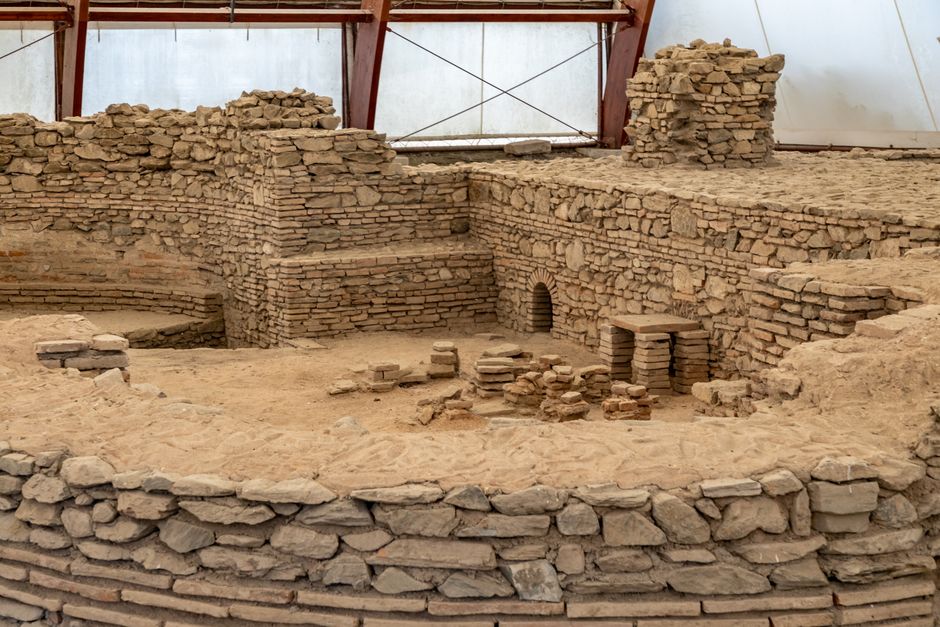
Older than the pyramids, this stone-built village was buried by sand for millennia, then dramatically uncovered by a storm in 1850, revealing a snapshot of daily life from 3200 BC.
Skara Brae offers an unparalleled window into a pre-political society, where community life, ingenious architecture, and practical living flourished without formal governance. Its sophisticated design, complete with stone beds, dressers, and hearths, showcases early human ingenuity and communal organization driven by necessity and shared purpose, rather than by decrees from above. It's a profound look at foundational human existence.
6. The Living Root Bridges
Meghalaya, India
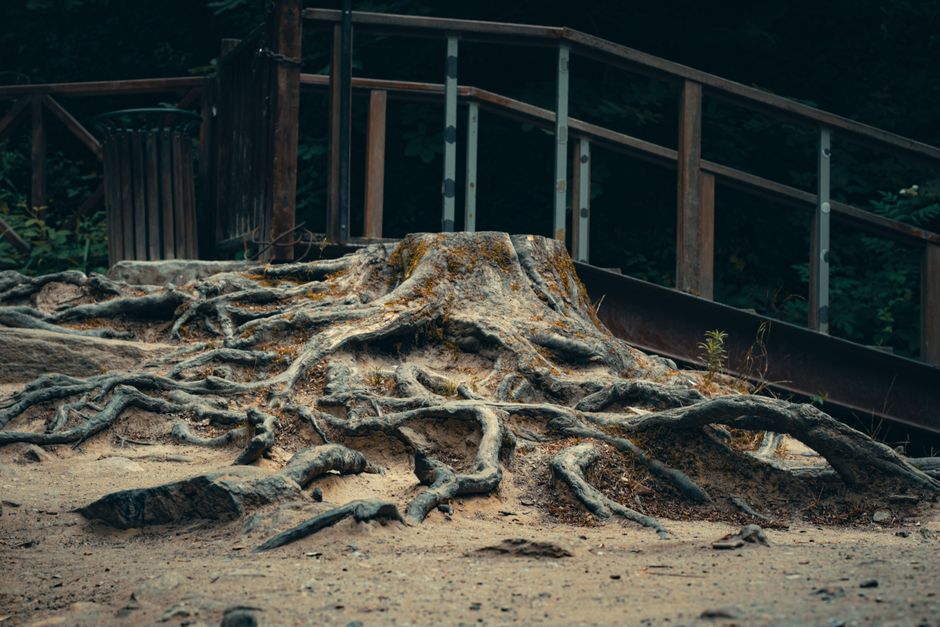
In the wettest place on Earth, the Khasi and Jaintia people have engineered astonishing bridges by guiding the aerial roots of rubber fig trees across rivers, a process taking decades to complete.
These extraordinary living root bridges are a testament to sustainable engineering and deep ecological knowledge passed down through generations. They represent a harmonious, long-term collaboration between humans and nature, creating infrastructure that strengthens over time. This ingenuity, driven by community need and ancestral wisdom, operates entirely outside conventional governmental projects, embodying a truly organic form of progress.
7. Ancient Skygazers of the Desert
Atacama Desert, Chile
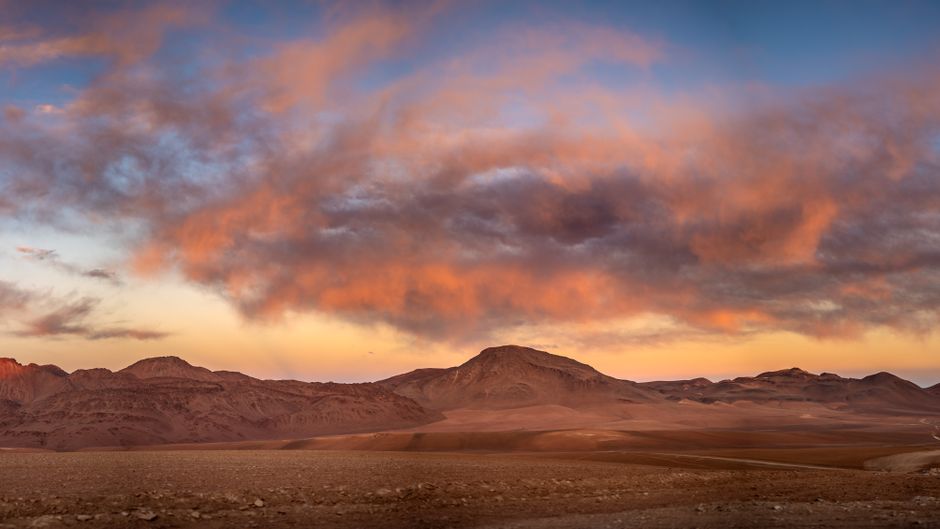
This hyper-arid desert, one of the driest places on Earth, is not only home to ancient geoglyphs but also hosts some of the world's most powerful astronomical observatories.
The Atacama Desert reveals how humans, from ancient cultures to modern scientists, have sought to understand their place in the universe, largely unconcerned with terrestrial politics. The vast, clear skies have inspired both monumental land art that aligns with celestial events and cutting-edge observatories peering into deep space. It's a place where the cosmos dictates perspective, connecting us to universal questions that transcend any earthly political agenda.
Frequently asked questions
What defines a 'capitalist and free' country in this context?
In this context, 'capitalist and free' refers to nations with market-based economies and democratic principles, where individual liberties and private enterprise are generally upheld. The thought experiment explores how core aspects of these societies might look if political structures were absent, focusing on human and natural forces.
Can travel truly offer insights beyond political frameworks?
Absolutely. Travel often strips away the political lens, allowing us to connect with the raw history, geology, and culture of a place. It reveals how communities adapt to environments, preserve traditions, and innovate, showcasing human resilience and creativity that often predate or exist independently of governmental influence.
How do natural landscapes influence societies without political intervention?
Natural landscapes profoundly shape human societies by dictating resources, settlement patterns, and even cultural beliefs. Without political intervention, communities often develop organic systems of resource management, communal living, and deep respect for their environment, as seen in the Burren's unique ecosystem or Meghalaya's living bridges.
How can AllTours.ai enhance my exploration of these unique places?
AllTours.ai brings the stories of these incredible places to life. Simply point your phone camera at a landmark or landscape, and our AI will narrate its history, geology, and culture in your language, offering a deeper understanding of the forces that shaped it, well beyond any political narrative.
Related guides
Photography via Pexels. AllTours.ai is an AI audio tour guide — point your camera at any landscape and hear its story.