August 26, 2026 · 4 min read
You've got a precious 4.5 hours from afternoon to early evening on your first trip to New York City. The city's energy is infectious, but where do you go to truly experience its depth beyond the well-trodden paths?
This guide bypasses the usual tourist traps, offering a curated journey into NYC's lesser-known corners. Each spot holds a specific, vivid story, revealing layers of history, unique geology, or surprising culture that even many locals don't know.
1. The Verdant Canyon of Ford
Ford Foundation Atrium, New York, USA
Inside a seemingly ordinary building is a soaring, subtropical garden, open to all.
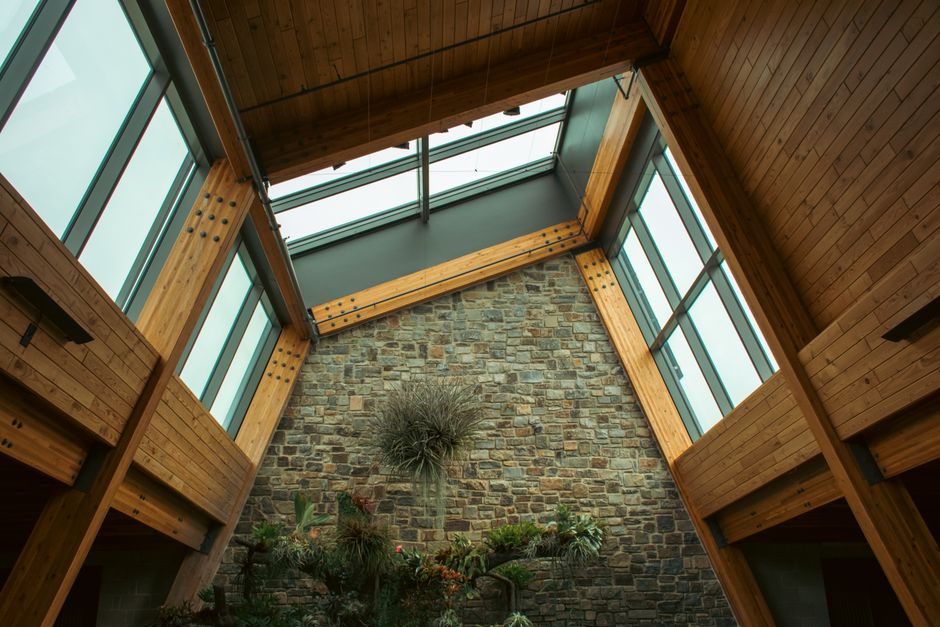
The Ford Foundation Center for Social Justice houses a remarkable secret: a 160-foot-tall indoor atrium, lush with trees, ferns, and a tranquil reflecting pool. Designed by Kevin Roche John Dinkeloo and Associates, this public space was conceived as a "garden of justice," a place for contemplation and connection. It’s a breathtaking contrast to the urban bustle outside, offering a moment of unexpected natural serenity.
2. The Urban Waterfall Retreat
Greenacre Park, New York, USA
A privately funded public park offers a dramatic 25-foot waterfall in the heart of Midtown.
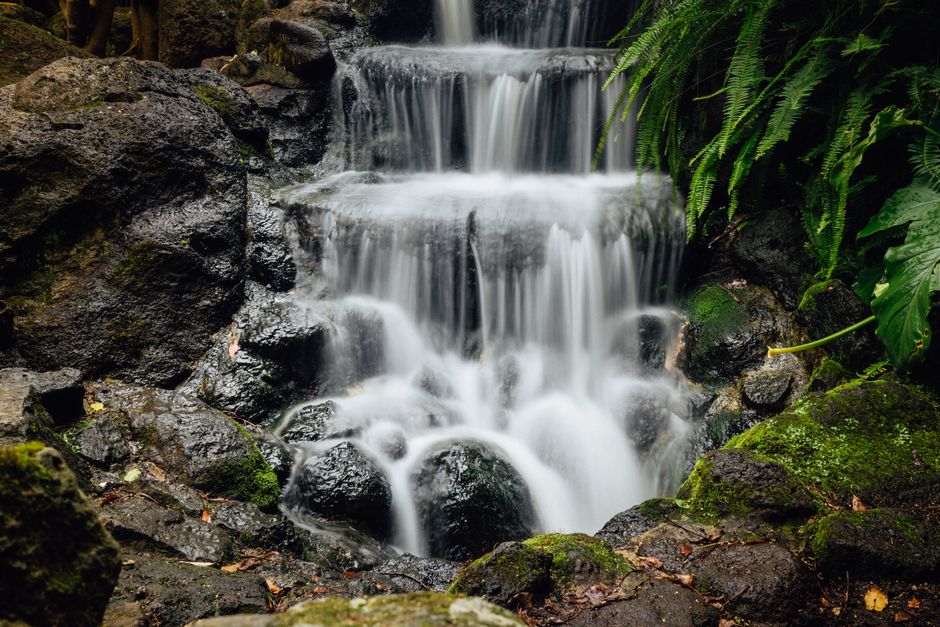
Greenacre Park is a masterful example of a "pocket park," designed by Hideo Sasaki. It's a small, tranquil oasis built on a former tenement site, providing an escape with its main feature: a cascading 25-foot waterfall that masks city noise. The park was endowed by the Greenacre Foundation, aiming to provide weary New Yorkers with a refreshing urban respite, complete with honey locust trees and outdoor seating.
3. Tudor City's Sky-High Secret
Tudor City Greens, New York, USA
This unique residential complex was built on air rights over active railroad tracks, creating a neighborhood "above" the city.
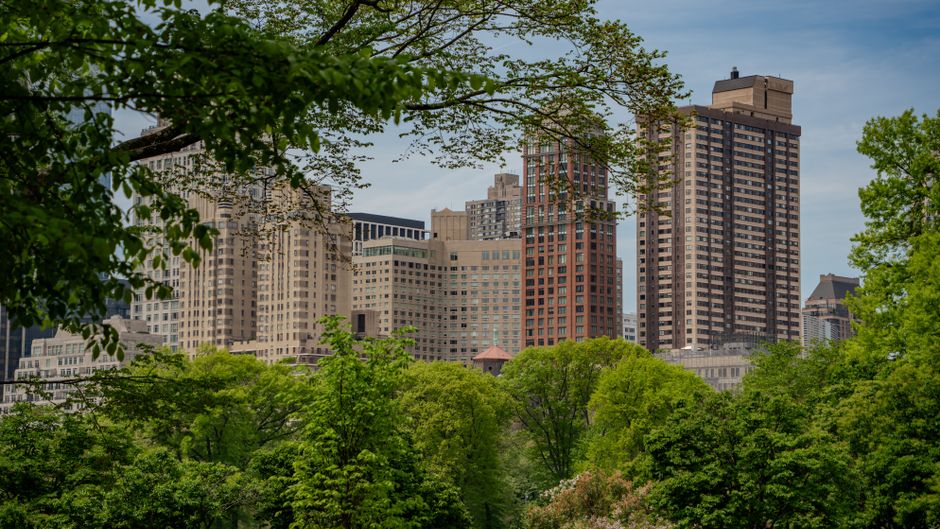
Tudor City, an architectural marvel from the 1920s, consists of a series of Gothic Revival apartment buildings and two private parks, the Tudor City Greens. What's truly remarkable is its foundation: the entire complex was constructed on platforms built over the busy train tracks leading into Grand Central Terminal. This innovative use of air rights created a distinct, self-contained community with unique views and a surprising sense of quiet, detached from the street level chaos.
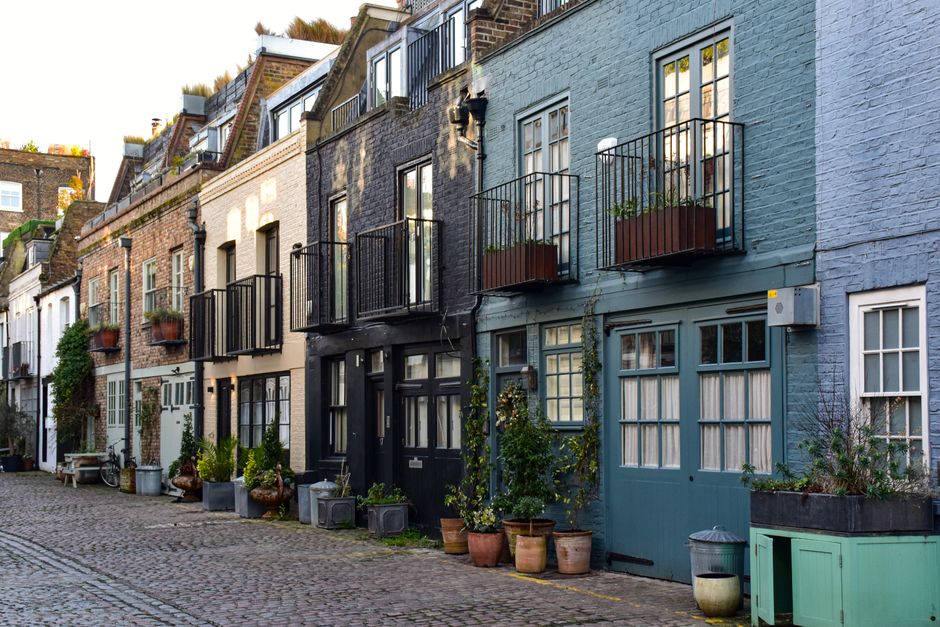
4. Echoes of Horse-Drawn Eras
Washington Mews, New York, USA
This charming cobblestone lane was once the private stable area for Washington Square North's wealthiest residents.
Tucked away just north of Washington Square Park, Washington Mews is a private, picturesque street that transports visitors back to old New York. Originally, these quaint buildings served as horse stables and carriage houses for the grand mansions lining Washington Square North. Today, many have been converted into faculty housing and offices for NYU, but the cobblestones and charming architecture preserve the street's unique history as a forgotten service lane for Manhattan's elite.
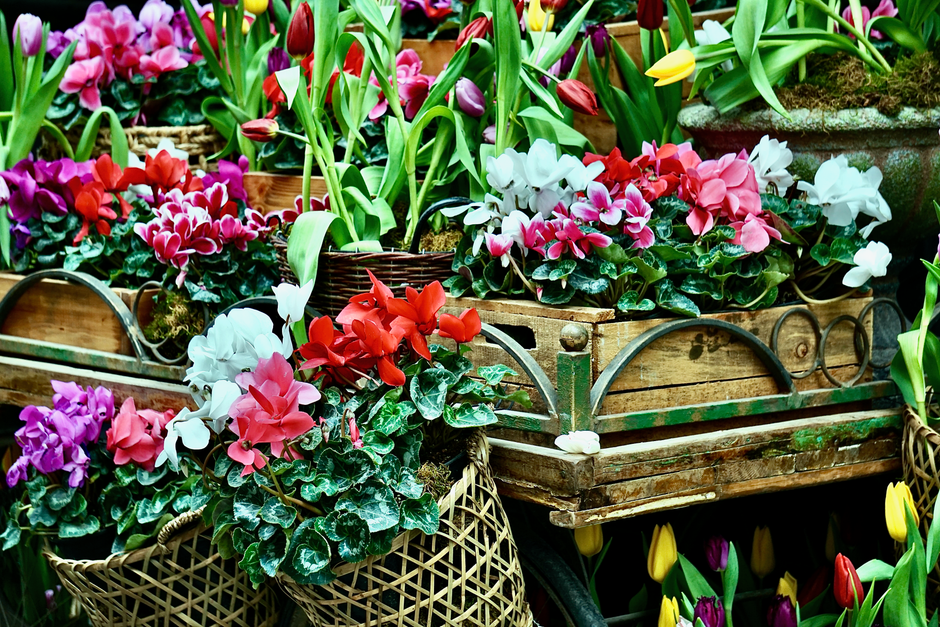
5. From Prison Yard to Public Garden
Jefferson Market Garden, New York, USA
A vibrant community garden blooms on the very site of a notorious women's house of detention.
The tranquil Jefferson Market Garden in Greenwich Village holds a stark past. Before its transformation into a beloved public green space, it was the site of the Jefferson Market Prison, a formidable women's house of detention from the 1930s until its demolition in 1974. Local activists fought to prevent a parking lot, instead creating this flourishing garden. Today, it’s a testament to urban renewal, where flowers and trees thrive on land once enclosed by high walls and barbed wire.
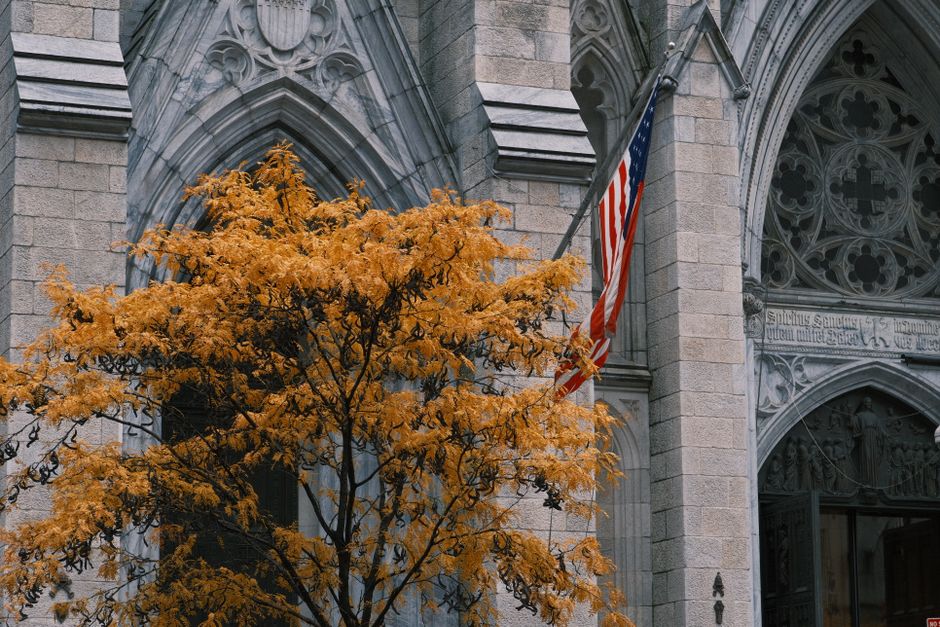
6. Manhattan's Enduring Sanctuary
St. Paul's Chapel, New York, USA
The oldest surviving church building in Manhattan, it miraculously survived 9/11 and became a crucial relief center.
St. Paul's Chapel, an architectural gem from 1766, stands as a resilient survivor in Lower Manhattan. George Washington famously prayed here after his inauguration. In a modern testament to its enduring spirit, the chapel was remarkably untouched by the collapse of the Twin Towers on 9/11, despite being just blocks away. It then served for months as a vital respite and recovery center for first responders, offering food, beds, and solace in the aftermath of the tragedy.
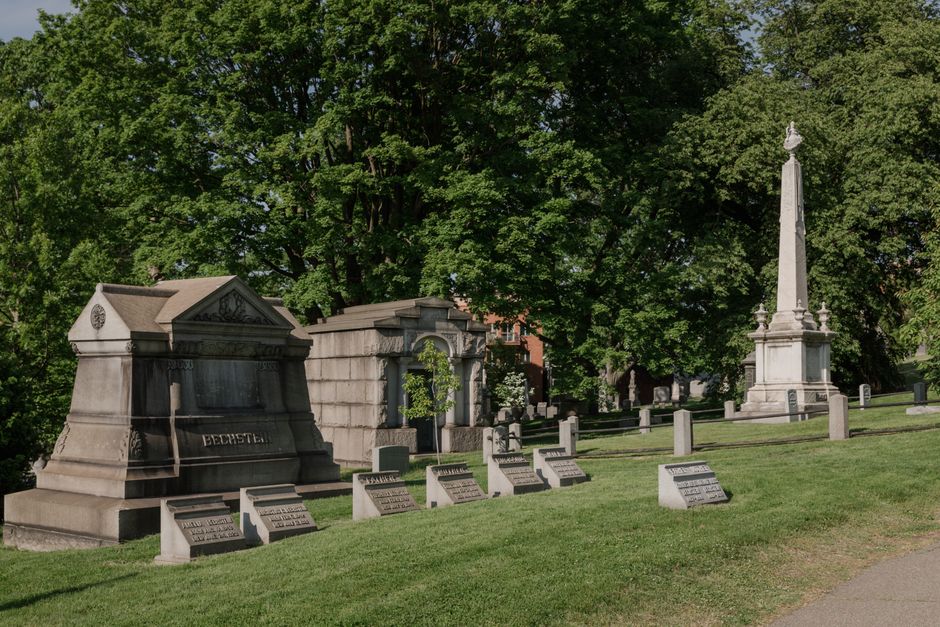
7. The Unseen City Beneath Our Feet
African Burial Ground National Monument, New York, USA
A profound national monument marks the sacred resting place of thousands of free and enslaved Africans in colonial New York.
Beneath the bustling streets of Lower Manhattan lies the African Burial Ground National Monument, a site of immense historical significance. Discovered during construction in 1991, this 6.6-acre burial ground was used in the 17th and 18th centuries, holding the remains of over 15,000 African men, women, and children. It serves as a powerful reminder of New York's central role in the transatlantic slave trade and honors the contributions and struggles of early African Americans.
8. Grand Central's Whispering Secrets
Grand Central Terminal (Oyster Bar), New York, USA
Stand in a specific corner under the vaulted arches, and your whisper can be heard clearly by someone diagonal across the room.
While Grand Central Terminal is iconic, many visitors miss its acoustical marvel: the Whispering Gallery. Located on the lower level, near the famous Oyster Bar, this architectural quirk allows sound to travel along the vaulted ceramic arches. If you stand in one corner and whisper into the wall, a person standing diagonally opposite in the far corner can hear you with surprising clarity, thanks to the precise parabolic curves of the Guastavino tile ceilings.
Frequently asked questions
How can I best navigate NYC in 4.5 hours?
Focus on one or two neighborhoods that are relatively close. Utilize the subway for efficient travel between areas, and comfortable walking shoes are essential for exploring on foot. Prioritize a few key spots rather than trying to see too much.
Is 4.5 hours enough time to see anything meaningful in NYC?
Absolutely! While you won't see everything, 4.5 hours is perfect for a focused exploration of a specific area or a curated list of unique spots. It allows for deep dives into a few locations rather than a rushed overview of many.
What's the best way to get from Midtown to Lower Manhattan quickly?
The subway is your fastest option. The 4/5/6 lines (Lexington Avenue Express/Local) run directly from Midtown (e.g., Grand Central) down to Lower Manhattan (e.g., Wall Street, City Hall), offering quick connections.
How does AllTours.ai help me explore places like these?
AllTours.ai enhances your exploration by turning your phone into an AI audio tour guide. Simply point your camera at a landmark, building, or even a natural landscape, and the app will narrate its history, geology, and cultural significance in your preferred language, providing rich, context-aware stories in real-time.
Related guides
Photography via Pexels. AllTours.ai is an AI audio tour guide — point your camera at any landscape and hear its story.