August 25, 2026 · 4 min read
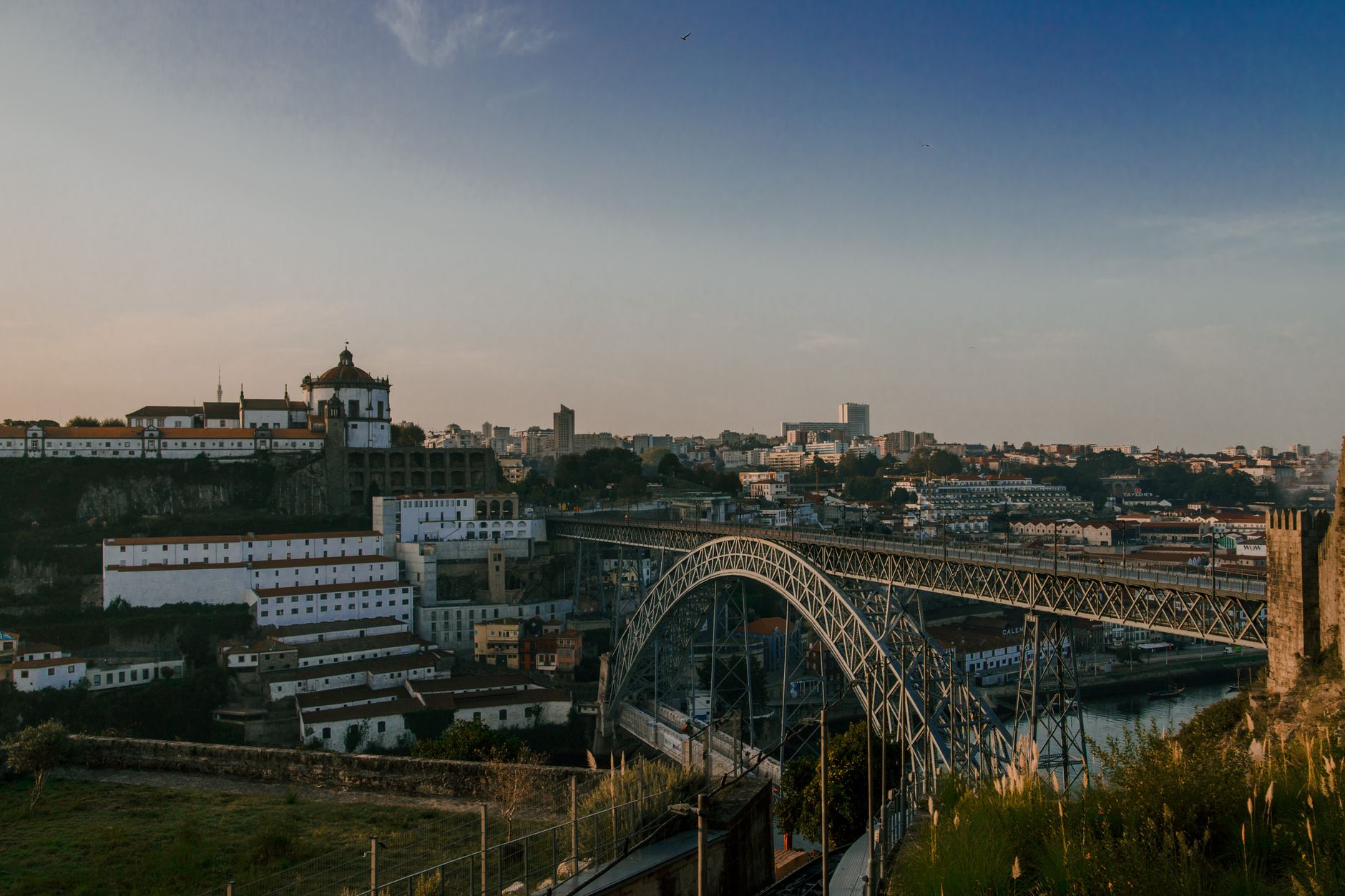
Porto, Portugal’s charming second city, captivates with its winding alleys, historic facades, and the glittering Douro River. Its allure is undeniable, but with only 24 hours, how do you truly experience its soul without feeling rushed or missing out on its most intriguing secrets?
This curated 1-day Porto itinerary isn't just about ticking off famous sites; it’s about peeling back the layers of history, geology, and culture that make each place unique. Prepare to discover the surprising stories behind Porto's iconic landmarks and a few lesser-known gems.
1. The Grand Canvas of Portugal's Past
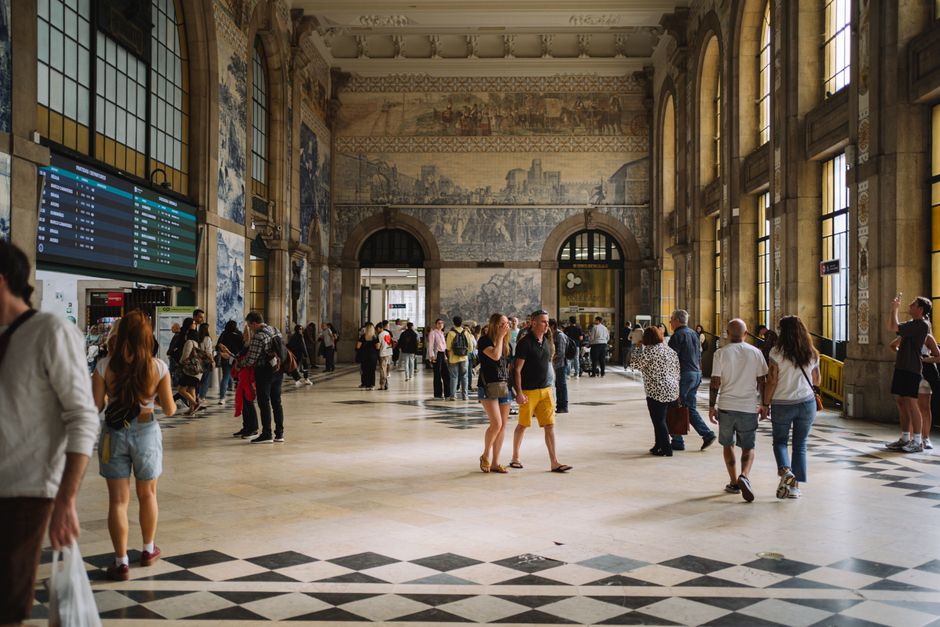
São Bento Railway Station, Porto, Portugal
The station's monumental tile murals, depicting pivotal moments in Portuguese history, were painted by a single artist over a decade.
Step into São Bento and face over 20,000 azulejo tiles. Created by Jorge Colaço between 1905 and 1916, these panels aren't just decoration; they're a historical chronicle. They illustrate scenes like the Battle of Arcos de Valdevez and the conquest of Ceuta, transforming a functional space into a national epic.
2. Porto's Fortress Cathedral
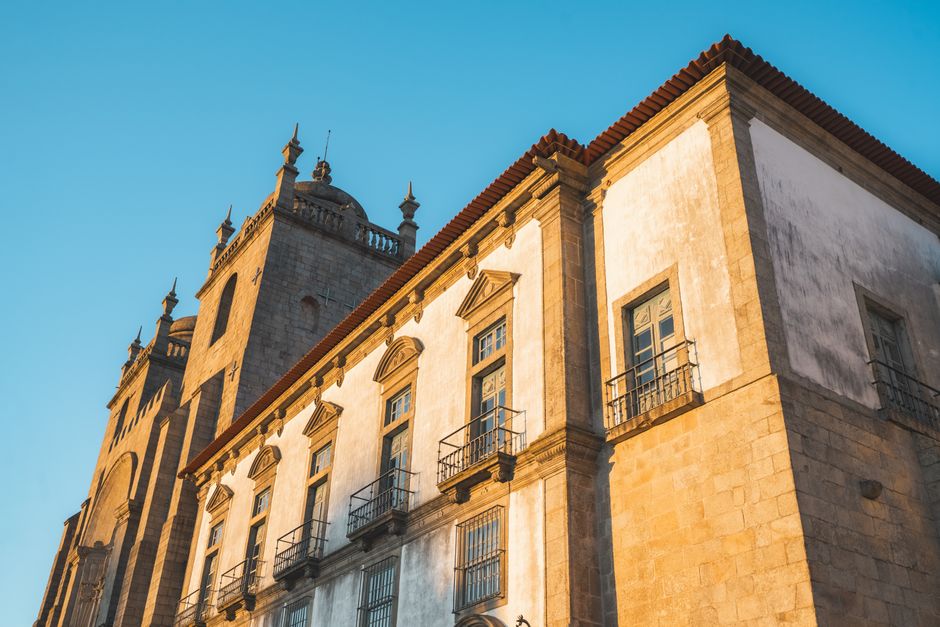
Sé do Porto, Porto, Portugal
Porto's Sé isn't just a place of worship; its original Romanesque design incorporated defensive battlements, reflecting its role as a fortified stronghold.
Looming over the city, Porto Cathedral started as a Romanesque fortress in the 12th century. Its thick walls and twin towers hint at a past where it defended the city against invaders. Even after Baroque and Gothic additions, elements like the robust rose window and battlements on the cloisters tell a story of resilience and protection, not just piety.
3. The Labyrinth of Old Porto
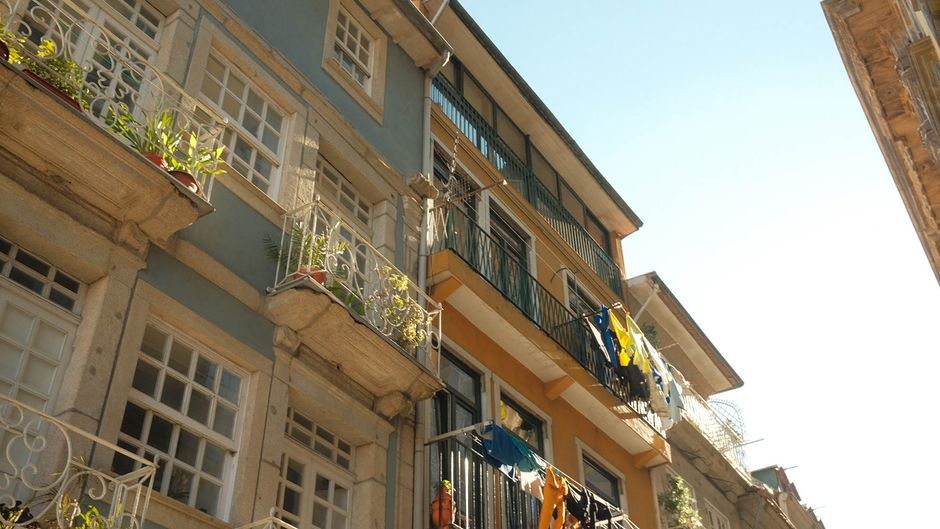
Ribeira District, Porto, Portugal
Beneath Ribeira's colorful facades, medieval alleys once housed distinct merchant guilds, each with its own specific social structures and traditions.
Winding down to the Douro River, the Ribeira district feels like stepping back centuries. Its narrow, cobbled streets and leaning houses weren't random; they formed a structured community. Specific guilds—like coopers, fishermen, and blacksmiths—often lived and worked in designated areas, creating a vibrant, self-sufficient medieval hub whose echoes still resonate today.
4. The Matriarch of Port Wine
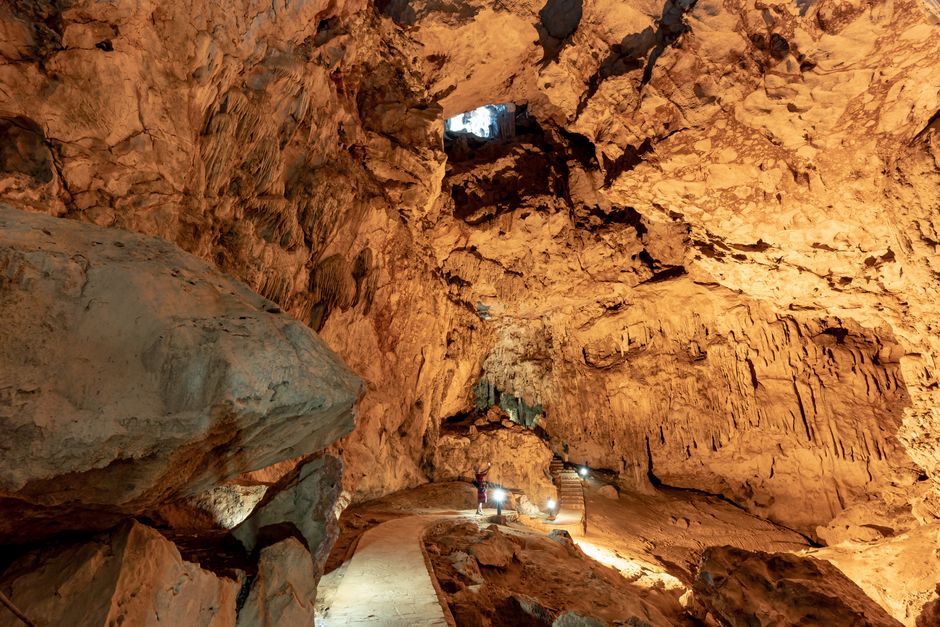
Caves Ferreira, Vila Nova de Gaia, Portugal
Caves Ferreira is the only major port wine house founded and still owned by Portuguese nationals, largely shaped by the formidable Dona Antónia Ferreira.
Cross the Douro to Vila Nova de Gaia and discover Ferreira. Unlike many port houses started by British merchants, Ferreira was founded in 1751 by a Portuguese family. It was Dona Antónia Adelaide Ferreira, in the 19th century, who transformed it into a powerhouse. Her innovative viticulture practices and social initiatives earned her the nickname "Ferreirinha," a legendary figure in the Douro Valley.
5. Golden Gothic, Hidden Bones
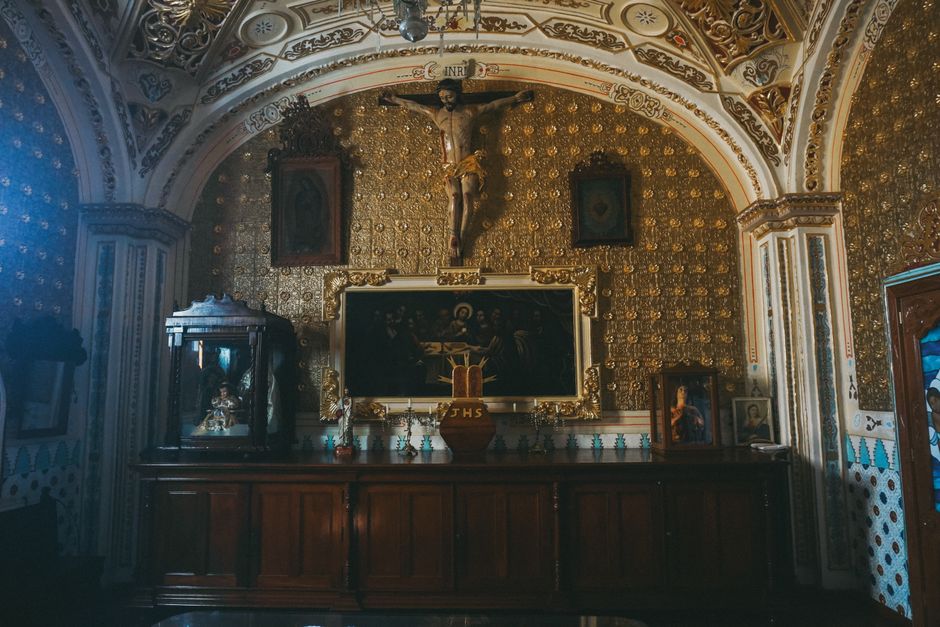
Igreja de São Francisco, Porto, Portugal
Beneath the church's overwhelmingly opulent Baroque interior, gilded with hundreds of kilograms of gold leaf, lies a macabre catacomb holding centuries of human remains.
From its modest Gothic exterior, the Igreja de São Francisco gives little hint of the dazzling spectacle within. Step inside to a Baroque explosion: altars, columns, and ceilings are entirely covered in intricate carvings, all meticulously gilded. Yet, below this golden splendor, a different story unfolds. Visitors can descend into the catacombs, a chilling reminder of mortality, where bones are visible through a glass floor, offering a stark contrast to the grandeur above.
6. Porto's Moorish Masterpiece
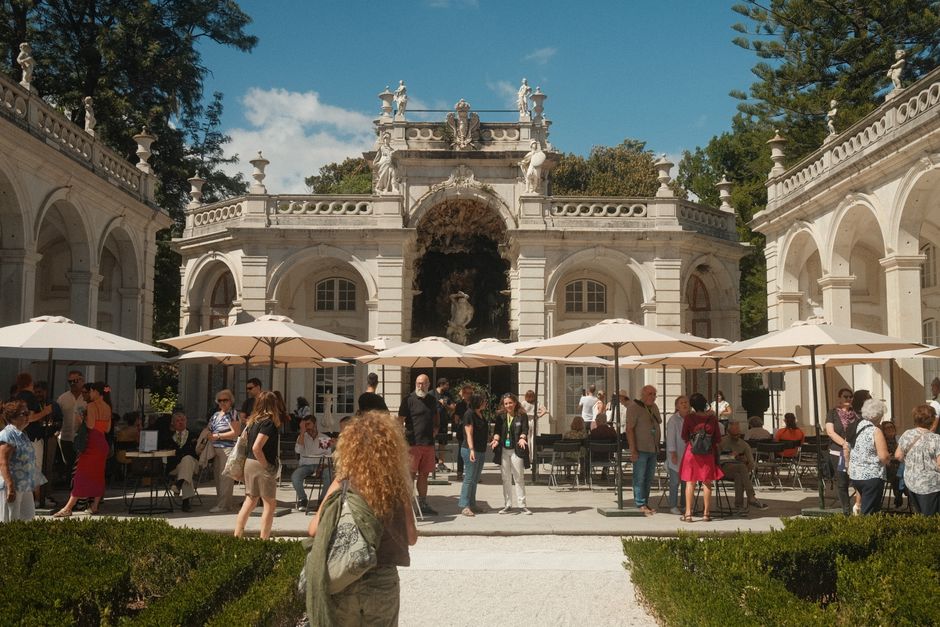
Palácio da Bolsa, Porto, Portugal
The Palácio da Bolsa's famous "Arabian Room" is not an authentic Moorish structure but a lavish 19th-century Moorish Revival fantasy built to impress foreign dignitaries.
This opulent former stock exchange exemplifies Porto's mercantile power. While every room dazzles, the Salão Árabe, or Arabian Room, is its crown jewel. Inspired by Granada's Alhambra, this room, completed in 1880, features intricate stucco work, vibrant stained glass, and a domed ceiling. It was designed not for worship, but as a grand reception hall, a theatrical statement of wealth and cosmopolitan ambition.
7. The Staircase to Literary Dreams
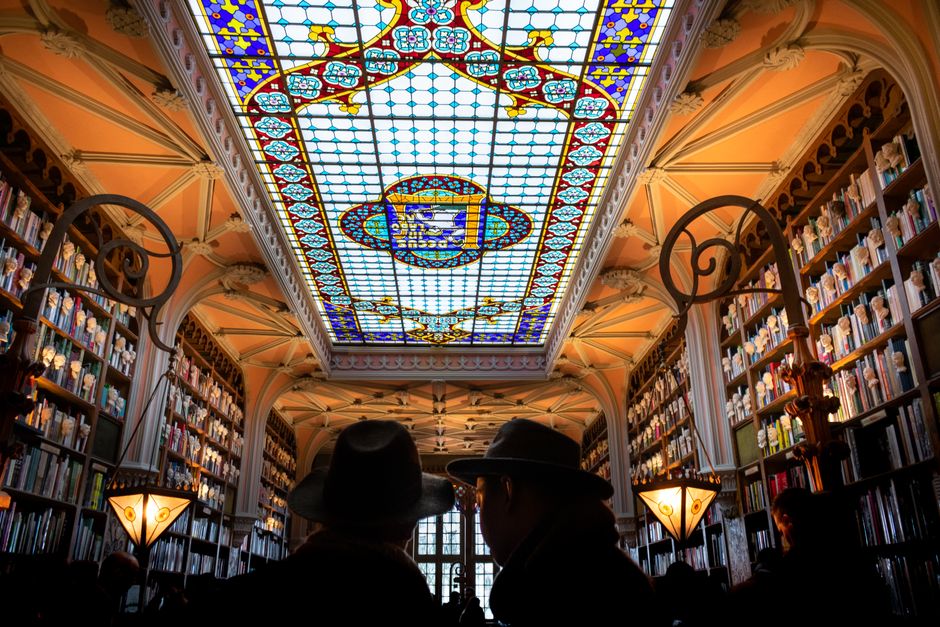
Livraria Lello, Porto, Portugal
More than just a beautiful bookstore, Livraria Lello was a significant intellectual and literary hub where influential Portuguese writers and artists gathered for generations.
Livraria Lello, with its iconic crimson staircase and Art Nouveau design, draws visitors worldwide. While often linked to fictional wizards, its true magic lies in its history as a cultural crucible. Since its opening in 1906, it served as a vibrant meeting point for Porto's intellectuals, poets, and artists, fostering literary discussions and shaping Portuguese thought for over a century.
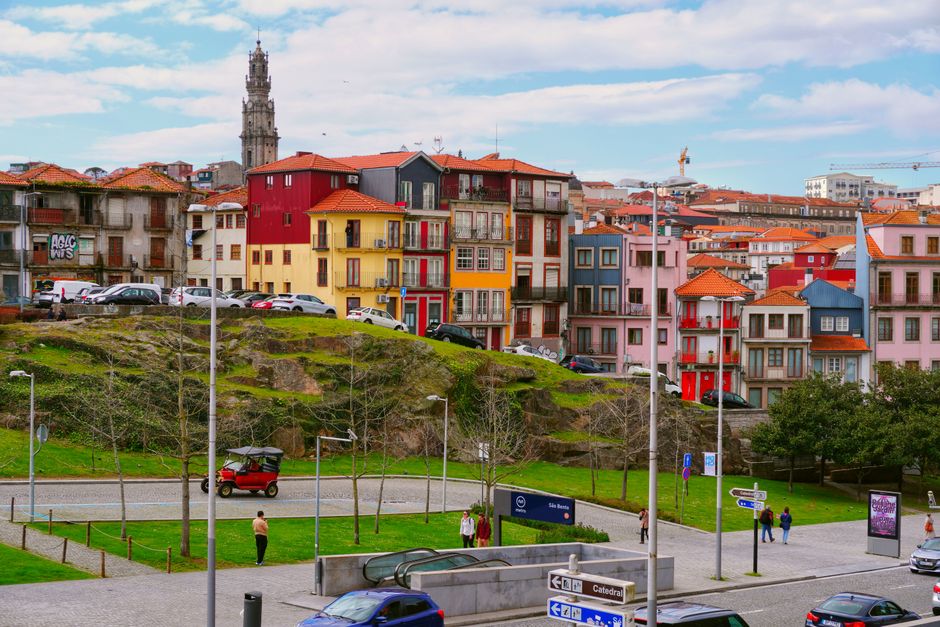
8. The Architect's Final Resting Place
Torre dos Clérigos, Porto, Portugal
The striking Clérigos Tower, Porto's most iconic Baroque landmark, was designed by an Italian architect who requested to be buried within the very church he created.
Dominating Porto's skyline, the Torre dos Clérigos offers unparalleled views. This magnificent Baroque ensemble, including the church and bell tower, was the brainchild of Nicolau Nasoni, an Italian architect who settled in Porto. So dedicated was Nasoni to his masterpiece that he chose to be interred in a humble tomb within the Igreja dos Clérigos, forever connected to his greatest work.
Frequently asked questions
Is 1 day enough for Porto?
While Porto truly shines with more time, a well-planned 1-day itinerary allows you to experience its main highlights. Focus on the historic center, cross to Vila Nova de Gaia for port wine, and soak in the atmosphere. It's a taste that will surely leave you wanting to return.
How do I get around Porto in 1 day?
Porto's historic center is very walkable, though expect hills and cobblestones. For longer distances or to cross the river, utilize the efficient metro, trams, or even local buses. Consider a hop-on-hop-off bus for convenience if time is tight.
What is the best way to experience Port wine cellars?
The best way is to cross the Dom Luís I Bridge to Vila Nova de Gaia, where most cellars are located. Many offer guided tours and tastings, explaining the history and production process. It's recommended to book popular cellars in advance, especially during peak season.
How can AllTours.ai enhance my Porto visit?
AllTours.ai transforms your phone into a personal AI audio guide. Simply point your camera at any landmark, landscape, or even a local dish in Porto, and the app instantly narrates its history, geology, and culture in your preferred language, revealing stories you might otherwise miss.
Related guides
Photography via Pexels. AllTours.ai is an AI audio tour guide — point your camera at any landscape and hear its story.