September 3, 2026 · 4 min read
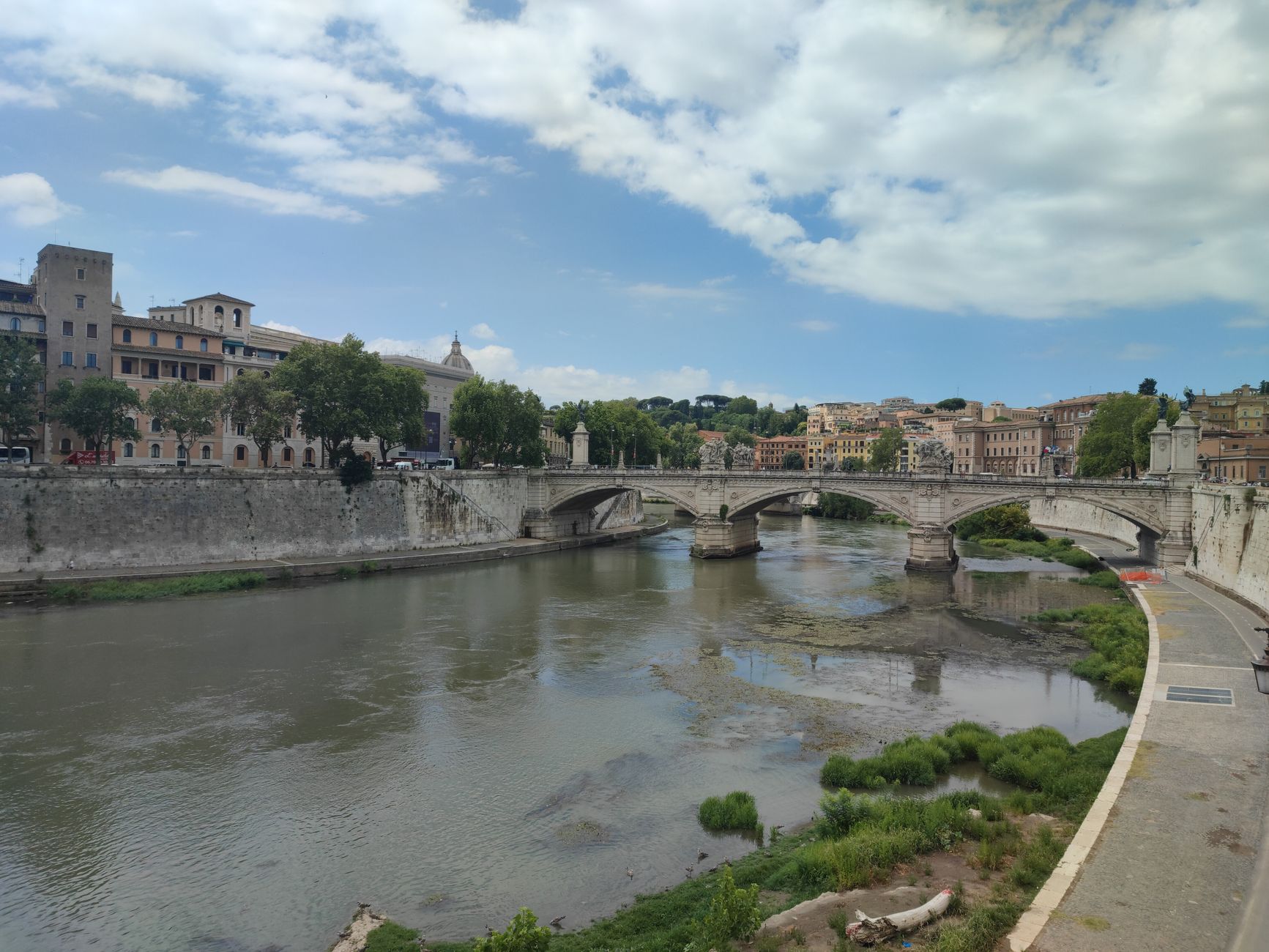
Rome often conjures images of scorching summer sun and bustling piazzas. Yet, as the heat mellows and a crispness enters the air, the Eternal City reveals a different, equally captivating persona. Autumn in Rome is a secret whispered among seasoned travelers, a time when the city sheds its peak season crowds and invites a deeper, more intimate exploration.
From comfortably walking ancient cobblestones to savoring seasonal flavors, the shoulder season offers a unique blend of experiences. The golden light softens monumental ruins, local festivals celebrate the harvest, and the queues for iconic sites miraculously shrink. This is Rome at its most authentic, ready to surprise even those who think they know her.
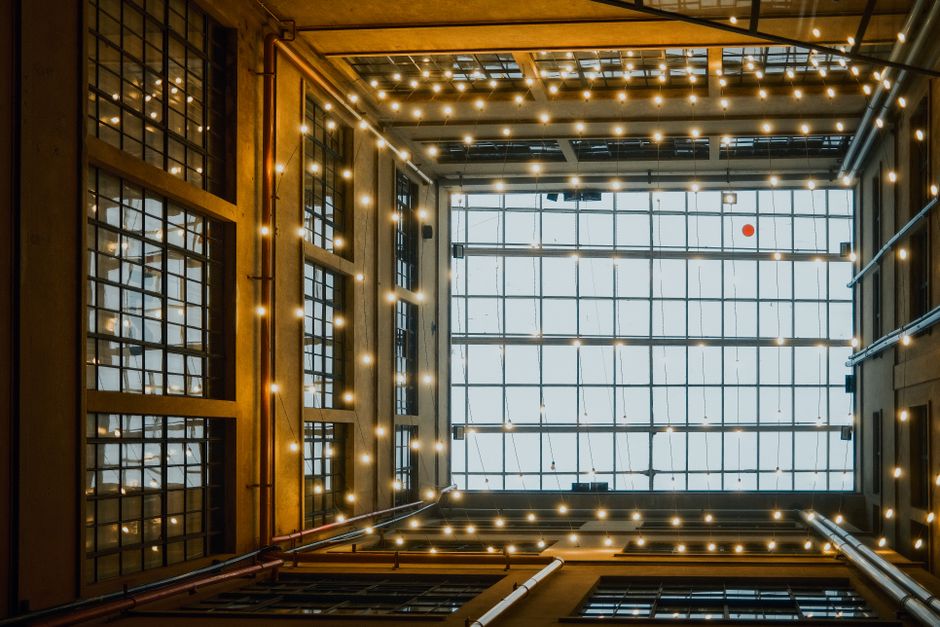
1. Centrale Montemartini: Where Industry Meets Antiquity
Rome, Italy
Inside a former thermoelectric power plant, ancient Roman sculptures are displayed amidst colossal diesel engines.
Built in the early 20th century, Centrale Montemartini once powered Rome. Today, it’s an unexpected annex of the Capitoline Museums, housing classical sculptures unearthed from excavations across the city. The stark industrial machinery provides a dramatic and thought-provoking backdrop, forcing a fresh perspective on masterpieces like the colossal statue of Hercules or the intricate mosaics. It's a striking juxtaposition of classical beauty and modern power.
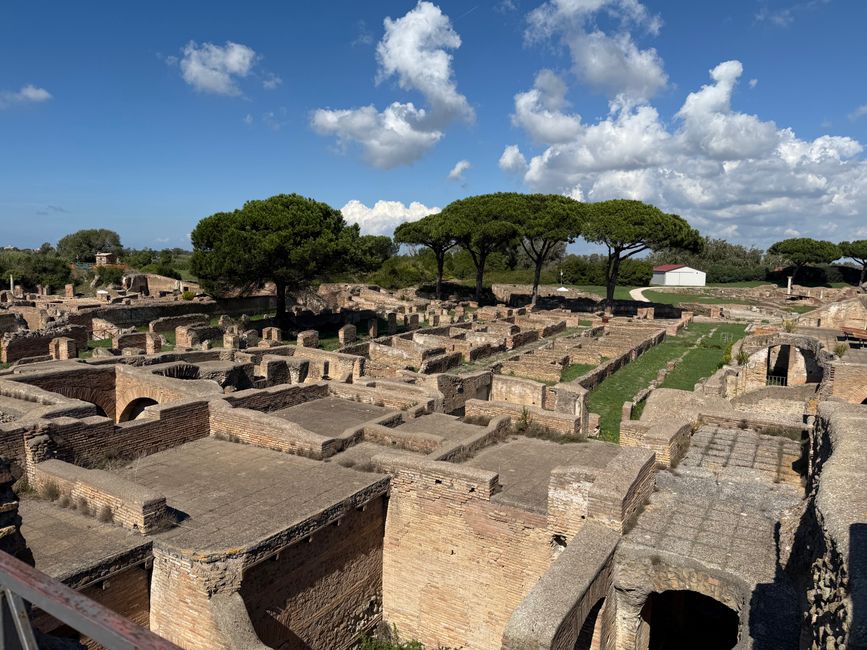
2. Via Appia Antica: Walk Rome's Original Highway
Rome, Italy
Sections of the Via Appia Antica still feature the original basalt paving stones laid by the Romans over two millennia ago.
Escape the urban bustle and wander along the "Queen of Roads," one of ancient Rome's most vital arteries. In autumn, the surrounding cypress trees and umbrella pines take on a beautiful hue, making it ideal for a long walk or bike ride. You can trace the path of legions, merchants, and emperors, passing by ancient tombs, catacombs, and ruins like the Circus of Maxentius, feeling the weight of history underfoot.
3. Quartiere Coppedè: Rome's Hidden Fairy Tale District
Rome, Italy
This whimsical district, designed by a single architect, features a massive chandelier hanging from an archway between buildings.
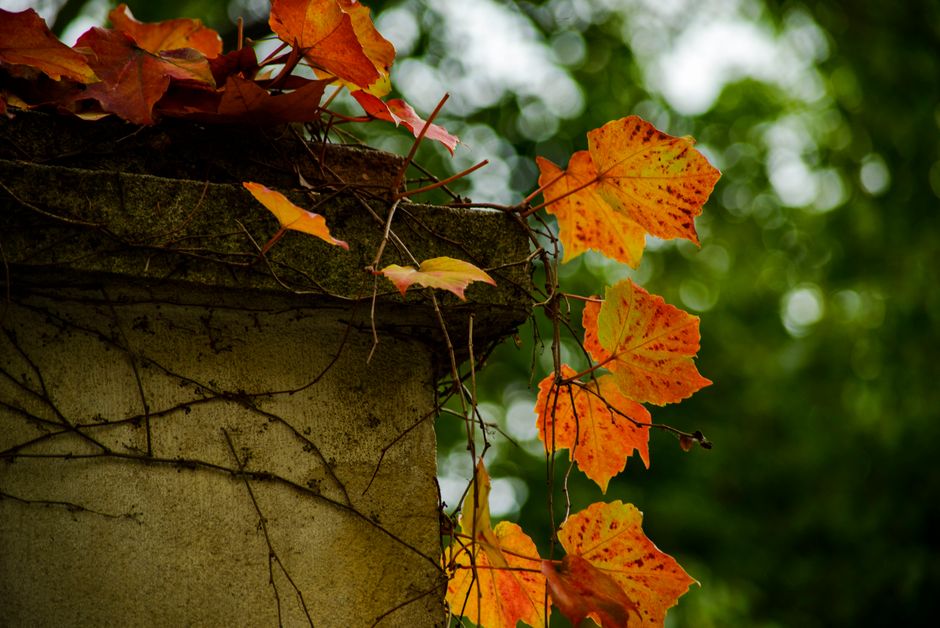
Tucked away near the Trieste neighborhood, Quartiere Coppedè is a fantastical collection of buildings designed by Gino Coppedè between 1915 and 1927. Blending Art Nouveau, Baroque, and Gothic styles, it feels like stepping into a storybook. Look for the Fountain of the Frogs in Piazza Mincio, the ornate Palazzo del Ragno, and the surprising chandelier suspended under the Arch of the Spiders, creating an architectural spectacle unlike anywhere else in Rome.
4. Cemetero Acattolico: A Poet's Tranquil Resting Place
Rome, Italy
This peaceful burial ground for non-Catholics is overlooked by the imposing Pyramid of Cestius, built as a tomb for a Roman magistrate.
Often called the Protestant Cemetery, this serene oasis is the final resting place for poets John Keats and Percy Bysshe Shelley, as well as Goethe's son. Its quiet paths wind among ancient cypresses and gravestones, offering a poignant escape from the city's noise. The incongruous ancient Roman pyramid, dating back to the 1st century BC, stands guard nearby, a testament to Rome's layered history and a striking visual anchor for this unique site.
5. Domus Aurea: Nero's Buried Golden Palace
Rome, Italy
Nero's opulent palace was intentionally buried and built over by subsequent emperors to erase the memory of the disgraced ruler.
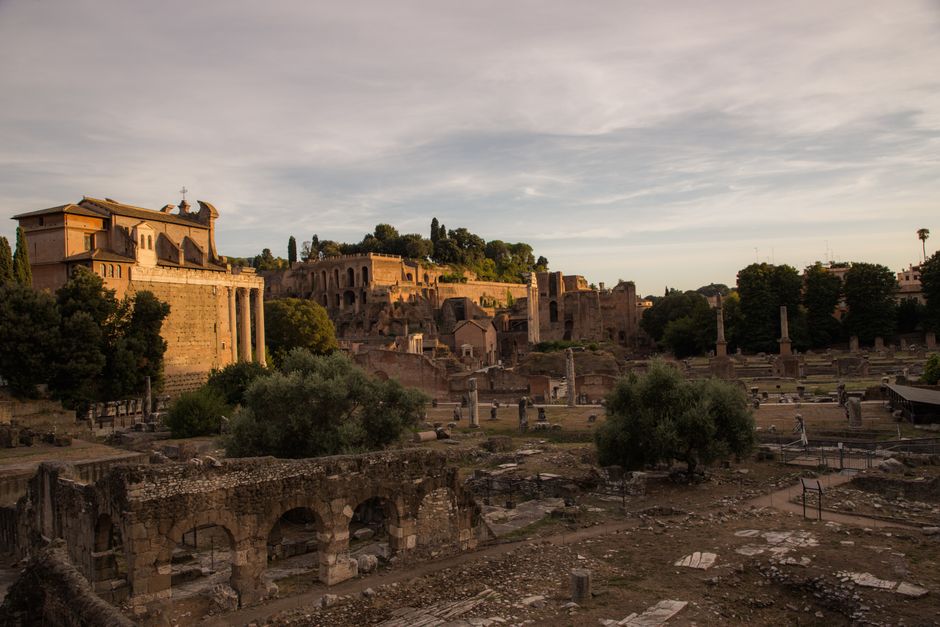
After the Great Fire of Rome, Emperor Nero constructed an extravagant palace that covered vast swathes of the city. Following his death, it was systematically stripped of its treasures, filled in, and built upon by his successors, effectively erased from public view. Today, you can explore the preserved subterranean rooms, marveling at the surviving frescoes that later inspired Renaissance artists who were lowered into the "grottoes" to discover them.
6. Galleria Spada: The Illusion of Perspective
Rome, Italy
Inside this elegant palace, a seemingly long colonnade is an optical illusion, appearing much deeper than its actual nine-meter length.
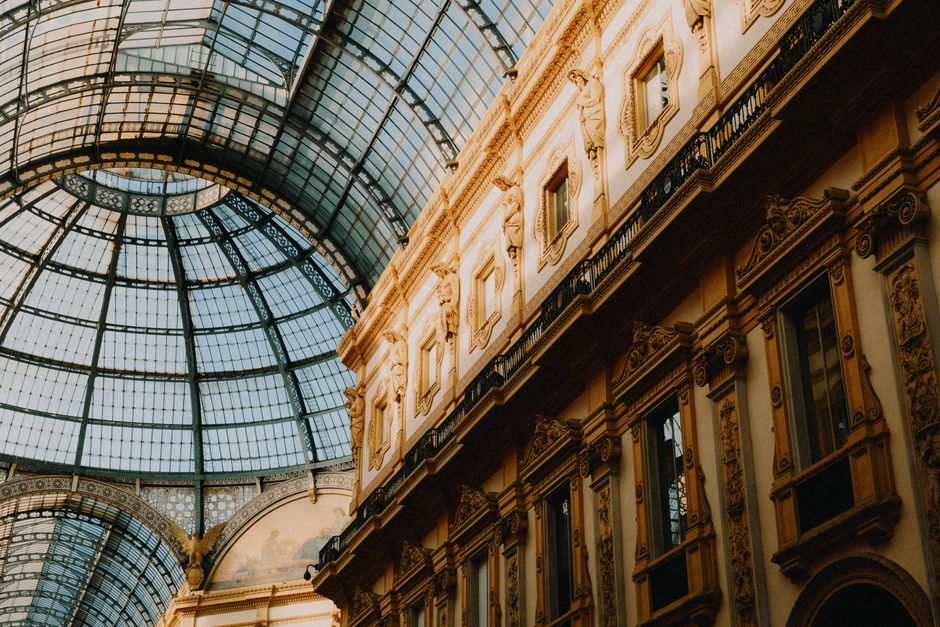
Palazzo Spada, a Baroque gem, houses a private art collection and a brilliant architectural trick by Francesco Borromini. His forced perspective gallery, built in the 17th century, uses diminishing columns and a rising floor to create the illusion of a grand, endless corridor. The effect is astounding, making a small courtyard appear vast. It's a playful yet profound example of Baroque artistry and engineering, challenging perception itself.
7. Parco degli Acquedotti: Rome's Ancient Waterways
Rome, Italy
The Aqua Claudia, one of the park's majestic aqueducts, supplied Rome with water for nearly 500 years, traversing a staggering 69 kilometers.
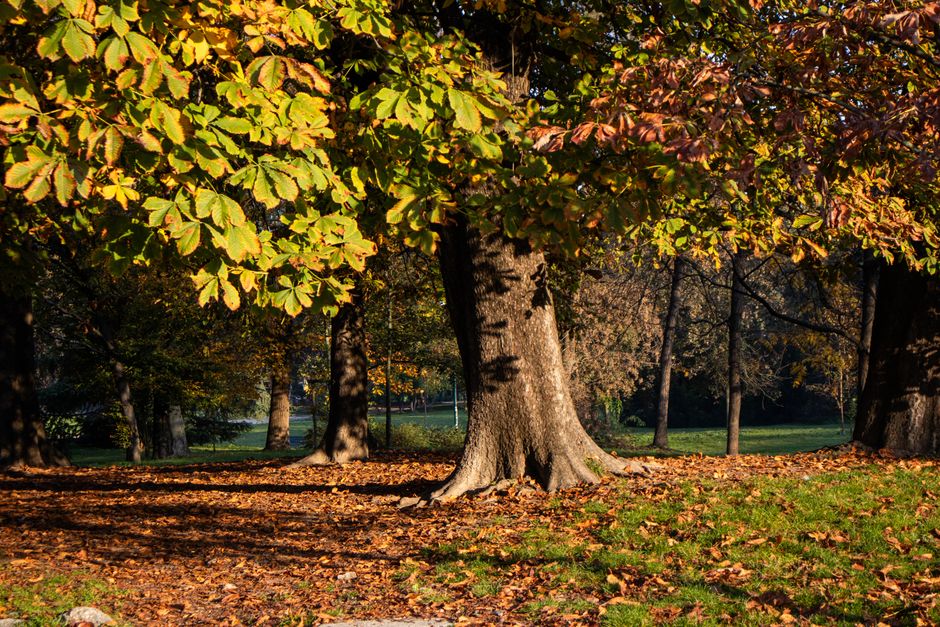
Part of the larger Appian Way Regional Park, this sprawling green space is dominated by the colossal arches of ancient Roman aqueducts, some still remarkably intact. In autumn, the golden light filters through the arches, creating stunning photographic opportunities. Walking or cycling beneath these engineering marvels offers a tangible connection to Rome's ingenious past, imagining the constant flow of life-giving water into the city.
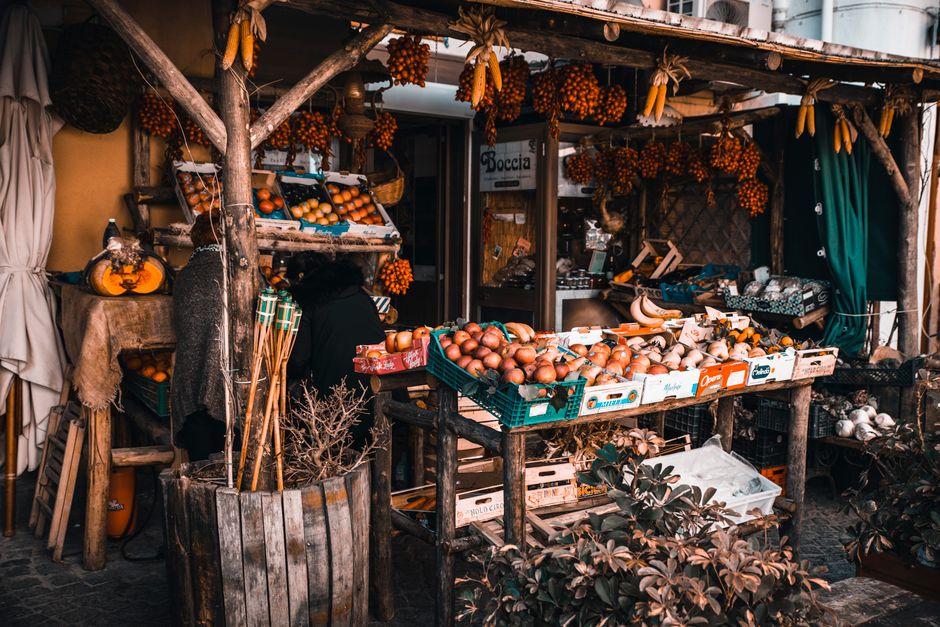
8. Mercato Testaccio: A Taste of Authentic Rome
Rome, Italy
The entire Testaccio market stands atop Monte Testaccio, an artificial hill formed over centuries from discarded Roman amphorae.
While not "hidden," the true history beneath Mercato Testaccio is often overlooked. This vibrant indoor market is a culinary paradise, offering fresh produce, local cheeses, meats, and incredible street food from Roman classics to modern interpretations. In autumn, you'll find seasonal delights like porcini mushrooms and chestnuts. The market's unique foundation, a hill of pottery shards from ancient Rome's port, adds an extraordinary layer of history to every delicious bite.
Frequently asked questions
What's the weather like in Rome in autumn?
Rome in autumn generally offers pleasant, mild weather. September can still be warm, but October and November bring cooler temperatures, typically ranging from 15-25°C (59-77°F) in early autumn to 10-18°C (50-64°F) later on. Expect sunny days mixed with occasional rain showers, especially in late autumn.
Are there fewer tourists in Rome in autumn compared to summer?
Yes, autumn is considered a "shoulder season" in Rome, meaning tourist numbers are significantly lower than the peak summer months. You'll generally experience shorter queues at major attractions, more availability for accommodations, and a more relaxed atmosphere overall, making it ideal for sightseeing.
What seasonal foods and festivals can I experience in Rome during autumn?
Autumn in Rome is a treat for foodies, celebrating the harvest. You'll find seasonal delights like porcini mushrooms, truffles, chestnuts, pumpkins, and new olive oil. Keep an eye out for local sagre (food festivals) dedicated to these ingredients, often held in the surrounding Lazio region, offering a taste of authentic Italian flavors.
How can AllTours.ai enhance my autumn trip to Rome?
AllTours.ai acts as your personal AI audio guide, enriching your exploration of Rome. Simply point your phone camera at any landmark, ruin, or even a natural landscape, and the app will instantly narrate its fascinating history, geology, and culture in your preferred language, offering deeper insights into the stories behind the sights you discover.
Related guides
Photography via Pexels. AllTours.ai is an AI audio tour guide — point your camera at any landscape and hear its story.