July 23, 2026 · 4 min read
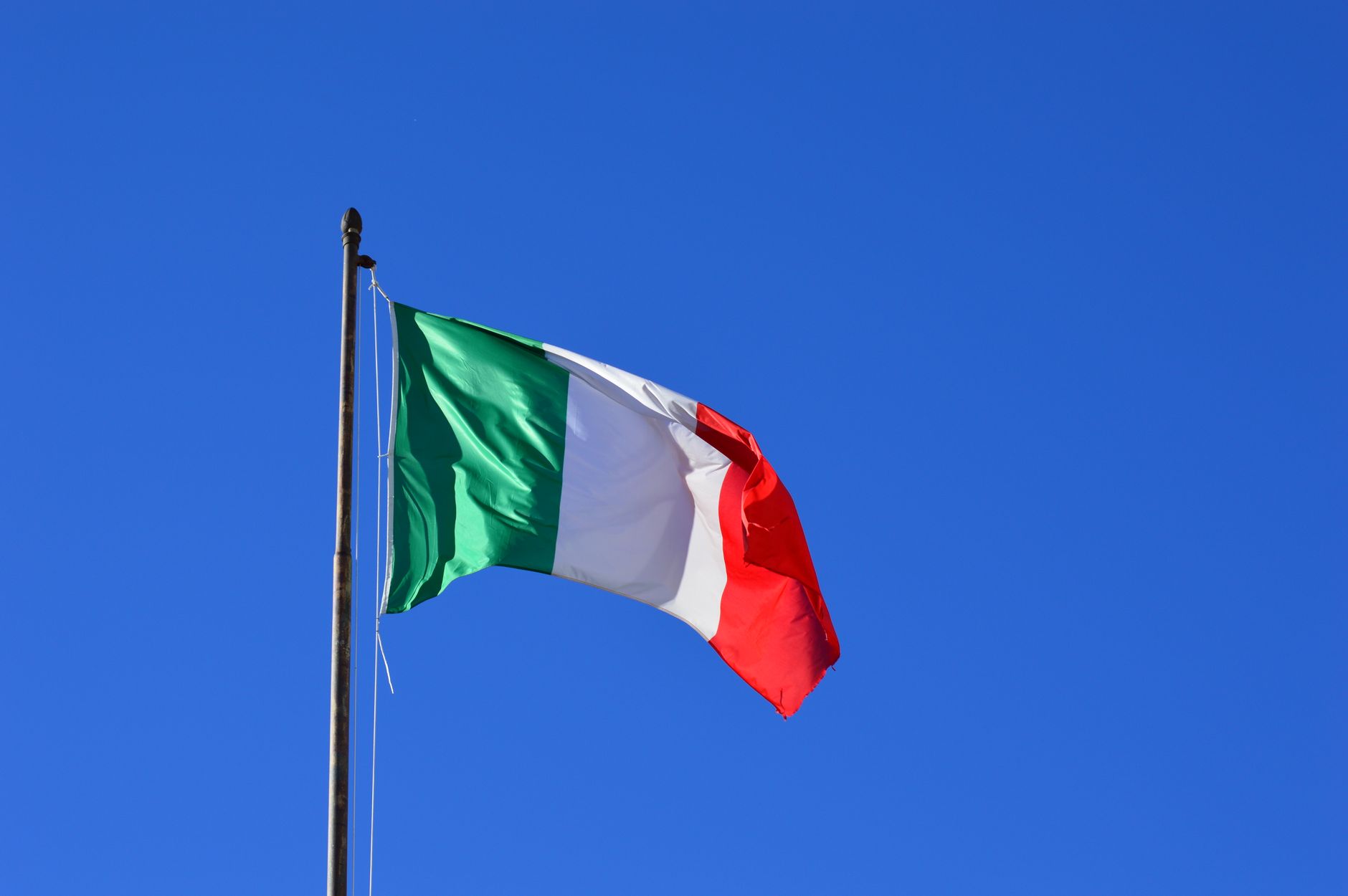
Italy and Turkey, both cradles of ancient civilizations and vibrant modern cultures, often evoke images of sun-drenched coasts, historic ruins, and delicious food. But beyond the surface, what are the biggest lifestyle and cultural differences between Italians and Turks that might genuinely surprise a first-time visitor? It's in the subtle rhythms of daily life, the unspoken traditions, and the very architecture of their communities where the most fascinating contrasts emerge.
This guide explores some of these lesser-known distinctions, taking you off the well-trodden path to discover unique places where these cultural nuances are not just observed, but deeply felt. From ingenious housing solutions to ancient spiritual practices, prepare to see these two magnificent countries through a fresh lens.
1. The Trulli's Ingenuity
Alberobello, Italy
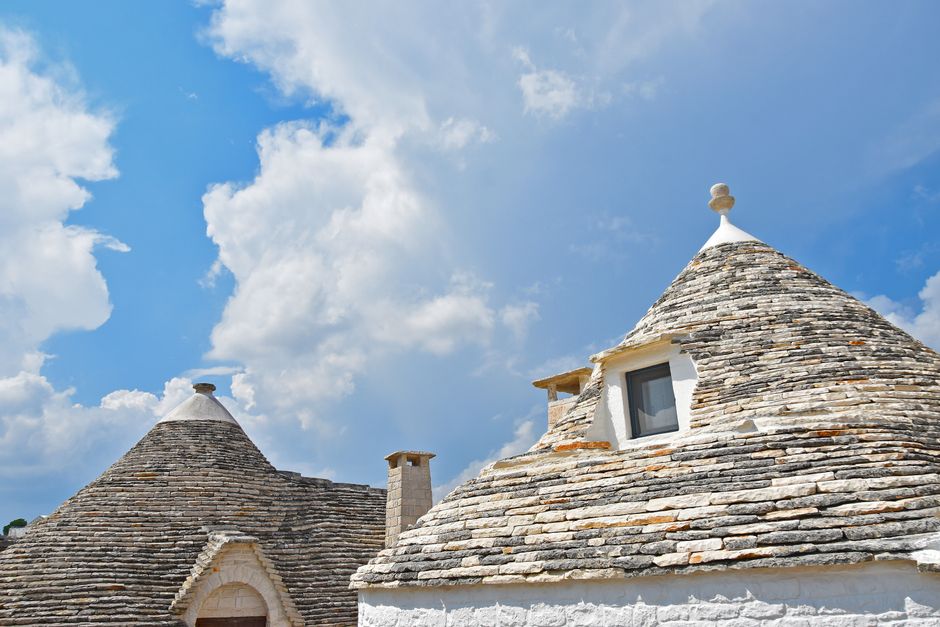
Alberobello's iconic trulli aren't just quaint homes; their conical stone roofs reveal an ancient, ingenious building method tied to tax evasion and communal resilience.
These dry-stone huts, unique to Puglia, were historically built without mortar so they could be quickly dismantled to avoid property taxes. This fostered a lifestyle of adaptability and communal cooperation, where homes reflected a direct, practical response to local conditions and a deep-seated ingenuity in navigating authority. It speaks to a pragmatic, community-focused approach to daily challenges.
2. Safranbolu's Ottoman Grace
Safranbolu, Turkey
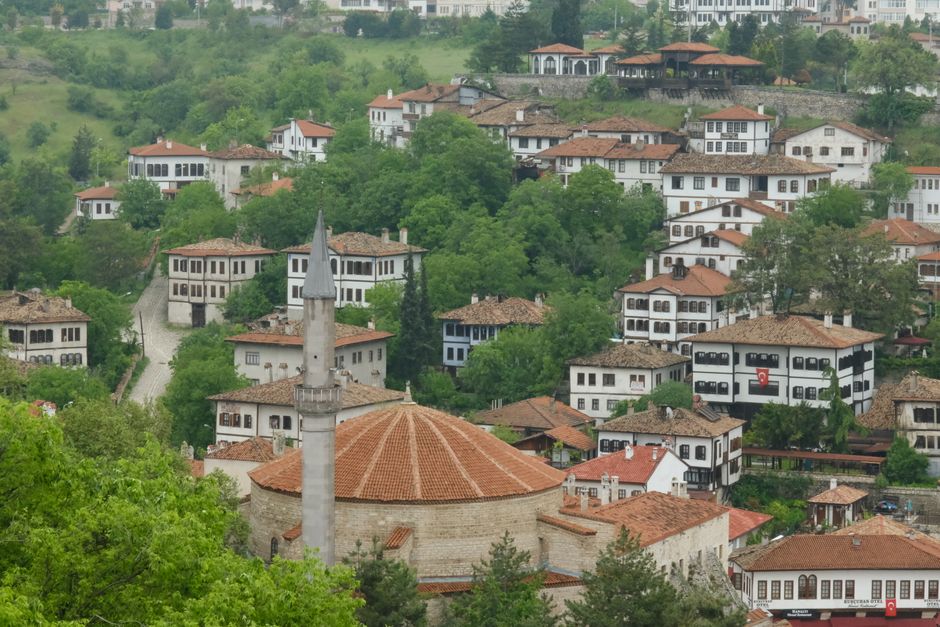
The grand wooden mansions of Safranbolu, a UNESCO site, showcase a distinct Ottoman urban design centered around family privacy, strict social hierarchy, and craft guilds.
Safranbolu's meticulously preserved Ottoman houses, with their enclosed gardens and projecting upper floors, illustrate a lifestyle where family privacy and traditional gender roles were paramount. The town's layout, segmented into distinct neighborhoods for different craft guilds, reflects a structured society where community identity was often tied to trade and inherited skills, a stark contrast to more open Italian town planning.
3. Basilicata's Mountain Thrill
Castelmezzano & Pietrapertosa, Italy
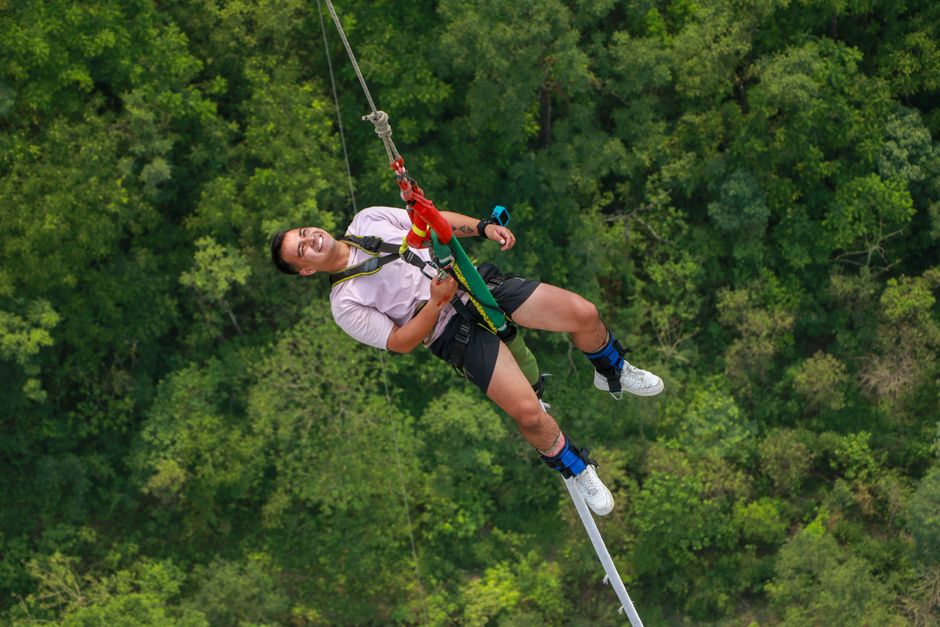
Clinging to the Lucanian Dolomites, the 'Flight of the Angel' between Castelmezzano and Pietrapertosa isn't just an extreme sport; it's a modern expression of ancient mountain resilience.
These two remote Basilicata villages, connected by a zip-line, represent a rugged Italian lifestyle forged in challenging mountain terrain. While seemingly about adventure tourism, it highlights a deep-seated local spirit of overcoming geographical barriers and finding joy in dramatic landscapes, echoing the hardiness of generations who carved out a living in these formidable peaks with an active, outdoor spirit.
4. Dalyan's Riverine Serenity
Dalyan, Turkey
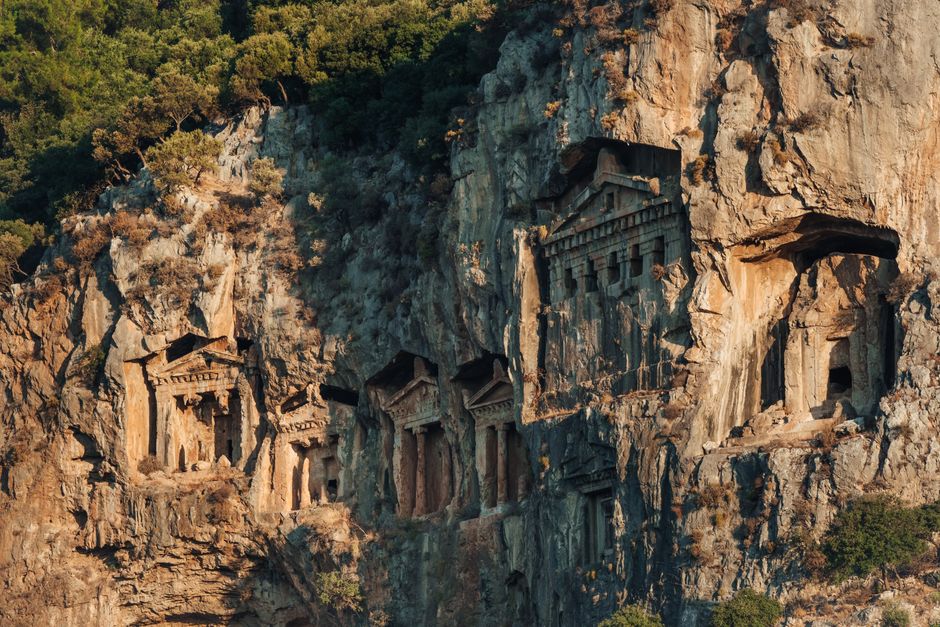
The monumental Lycian rock tombs carved high into the cliffs above Dalyan's winding river reveal an ancient reverence for the afterlife that still colors the region's tranquil, nature-centric pace of life.
Dalyan offers a stark contrast to Italy's bustling coastal towns. Life here moves to the rhythm of the Dalyan River, surrounded by reed beds and the Iztuzu turtle beach. The impressive Lycian tombs, visible from boat trips, remind visitors of a culture that prioritized a peaceful passage to the next world, a serene ancient belief that still imbues the area with a sense of calm and respect for natural cycles and slower living.
5. Rome's Talking Statues
Rome, Italy
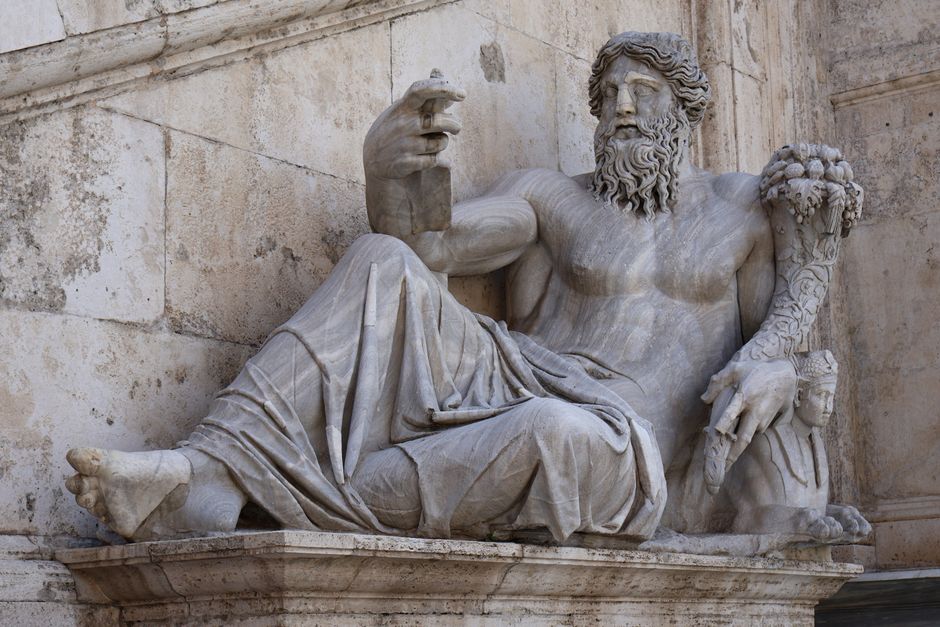
Beyond the famous Pasquino, Rome's 'talking statues' offer a witty, centuries-old tradition of anonymous public critique, a uniquely Italian outlet for civic dissent.
While Pasquino is the most famous, lesser-known 'talking statues' like Marforio or Madama Lucrezia were also used by Romans to anonymously post satirical verses and criticisms against authorities. This enduring tradition reflects a deep-seated Italian tendency for expressive, often humorous, public commentary and a historical outlet for popular opinion, showcasing a lively, direct engagement with civic life.
6. Konya's Whirling Dervishes
Konya, Turkey
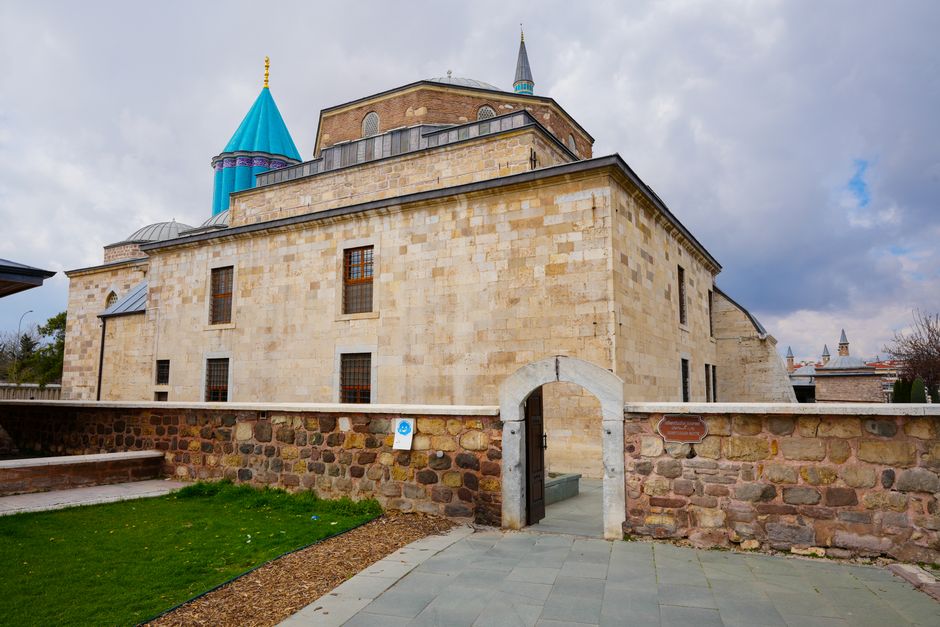
Konya, the spiritual home of Mevlana Rumi, reveals a Turkish path to enlightenment through the disciplined, meditative dance of the Whirling Dervishes, a profound contrast to Italy's more outward expressions of faith.
In Konya, the Mevlana Museum and the performances of the Whirling Dervishes illuminate a deeply introspective aspect of Turkish culture. The Sema ritual is not a performance but a spiritual journey, a disciplined meditation seeking union with the divine. This tradition highlights a profound reverence for inner contemplation and structured spiritual practice, a less overt, but deeply felt, expression of faith and discipline.
7. Burano's Lace Legacy
Burano, Italy
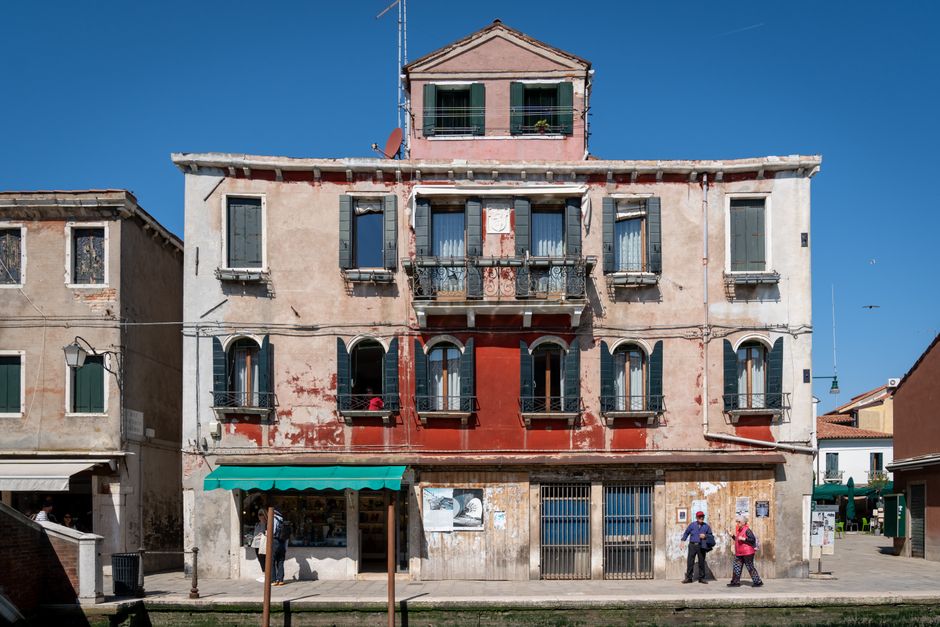
On the colorful island of Burano, the intricate art of lace-making, passed down through generations of women, embodies a patient, meticulous Italian craft tradition now facing modernity.
Burano's vibrant houses are famous, but its true cultural heart lies in its centuries-old tradition of needle lace. This highly skilled craft, traditionally practiced by women in their homes, speaks to a meticulous, patient way of life and a strong matriarchal heritage. It represents a commitment to preserving intricate beauty and slow artistry in an increasingly fast-paced world, a quiet dedication often found in Italy's specialized communities.
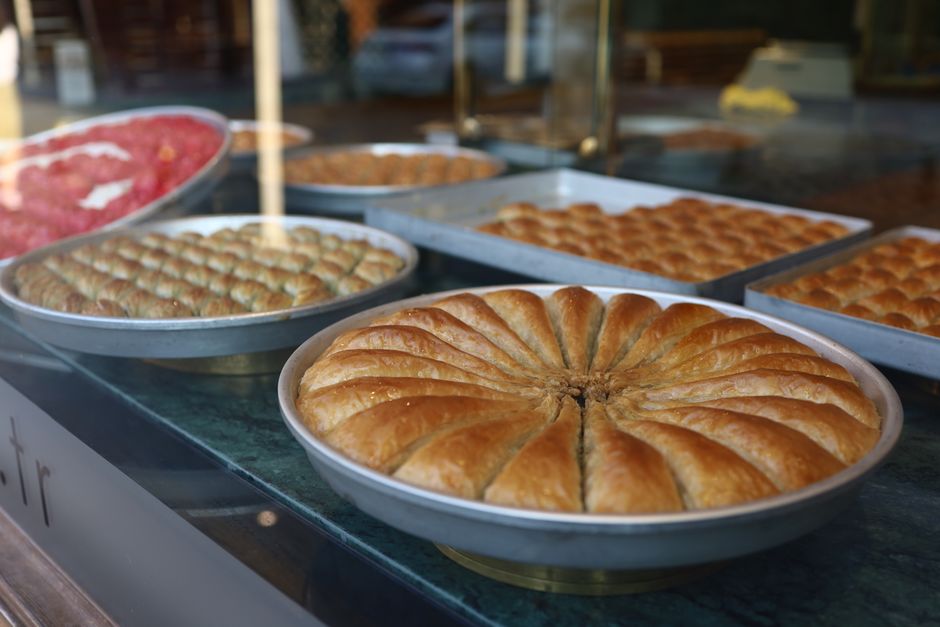
8. Gaziantep's Gastronomic Heart
Gaziantep, Turkey
Gaziantep, a UNESCO 'City of Gastronomy,' exemplifies a Turkish culture where food isn't just sustenance but an art form, with generations of coppersmiths and baklava masters perfecting their ancestral crafts.
In Gaziantep, the vibrant Coppersmiths' Bazaar buzzes with the rhythmic hammering of artisans crafting cookware, while nearby, baklava masters meticulously layer paper-thin dough. This city embodies a Turkish lifestyle where culinary excellence and inherited artisanry are revered. Meals are often elaborate, communal affairs, reflecting a deep connection to tradition, hospitality, and the painstaking labor required for true gastronomic delight.
Frequently asked questions
Is Italian or Turkish culture more family-oriented?
Both cultures place a strong emphasis on family, but their expressions differ. Italian family life often centers around large, boisterous gatherings and intergenerational support, while Turkish family structures can be more hierarchical, with deep respect for elders and strong ties extending to extended relatives.
What are the biggest differences in daily meal routines?
Italian meal routines are typically structured around a large, leisurely lunch and a later, lighter dinner. Turkish dining often involves more communal meze dishes, shared plates, and tea-drinking rituals throughout the day, with dinner being the main event, sometimes extending late into the evening.
How do public spaces differ in Italy and Turkey?
Italian public spaces, particularly piazzas, are often open, theatrical stages for spontaneous social interaction, conversation, and the evening passeggiata. Turkish public spaces, like bazaars or tea gardens, tend to be more structured, serving as centers for commerce, hospitality, and communal gathering with specific social rituals.
How can I learn more about these places while I'm there?
While guidebooks offer a good overview, for a truly immersive experience, consider using an AI audio tour guide app like AllTours.ai. Simply point your phone camera at any landmark or landscape, and the app will narrate its history, geology, and culture in your preferred language, offering detailed insights right where you stand.
Related guides
Photography via Pexels. AllTours.ai is an AI audio tour guide — point your camera at any landscape and hear its story.