September 12, 2026 · 4 min read
Rome isn't just ancient ruins and grand basilicas; it's a city that eats on its feet, a sprawling culinary stage where history is served with every bite. The rhythm of Roman life pulses through its forni, friggitorie, and market stalls, each offering a glimpse into centuries of tradition and innovation.
Forget sit-down meals for a moment and dive into the true heart of Roman gastronomy. From crispy, molten-centered delights to savory pockets of slow-cooked fillings, discovering the best Roman street food to try is an adventure for the senses, a direct link to the city's soulful past and vibrant present.

1. Supplì: The Roman Surprise
Pizzeria La Boccaccia, Trastevere, Rome
The name "supplì" comes from the French word for "surprise" ("surprise!") due to its molten mozzarella heart revealed upon breaking.
These fried rice balls, typically filled with tomato sauce, rice, and a piece of mozzarella, are a quintessential Roman snack. While often compared to Sicilian arancini, supplì are usually smaller and oval-shaped, a perfect starter or quick bite. At Pizzeria La Boccaccia, a bustling spot in Trastevere, their freshly fried supplì offer that perfect crunch and gooey center.
2. Trapizzino: Modern Roman Masterpiece
Trapizzino, Testaccio, Rome
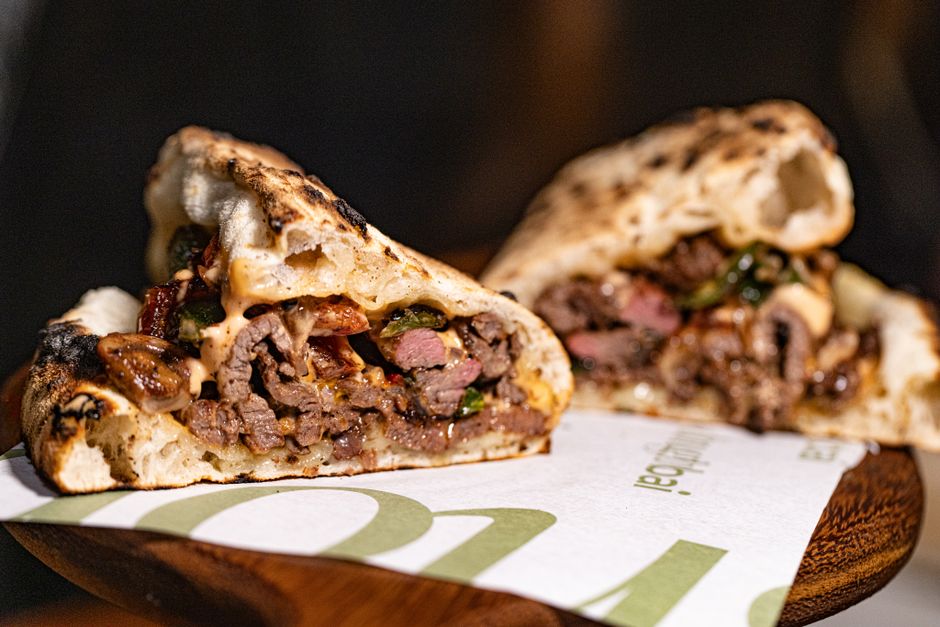
Invented by pizza chef Stefano Callegari in 2009, this triangular pizza pocket quickly became a Roman staple, blending ancient pizza bianca with traditional Roman stew fillings.
A true culinary innovation, the trapizzino takes a thick, airy triangle of pizza bianca (plain Roman flatbread) and stuffs it with classic Roman slow-cooked dishes like coda alla vaccinara (oxtail stew), polpette al sugo (meatballs in sauce), or trippa alla romana. The original Testaccio location is where this ingenious concept first took hold, offering a hearty, portable meal that's both deeply traditional and refreshingly modern.
3. Pizza al Taglio: The Everyday Slice
Forno Campo de' Fiori, Campo de' Fiori, Rome
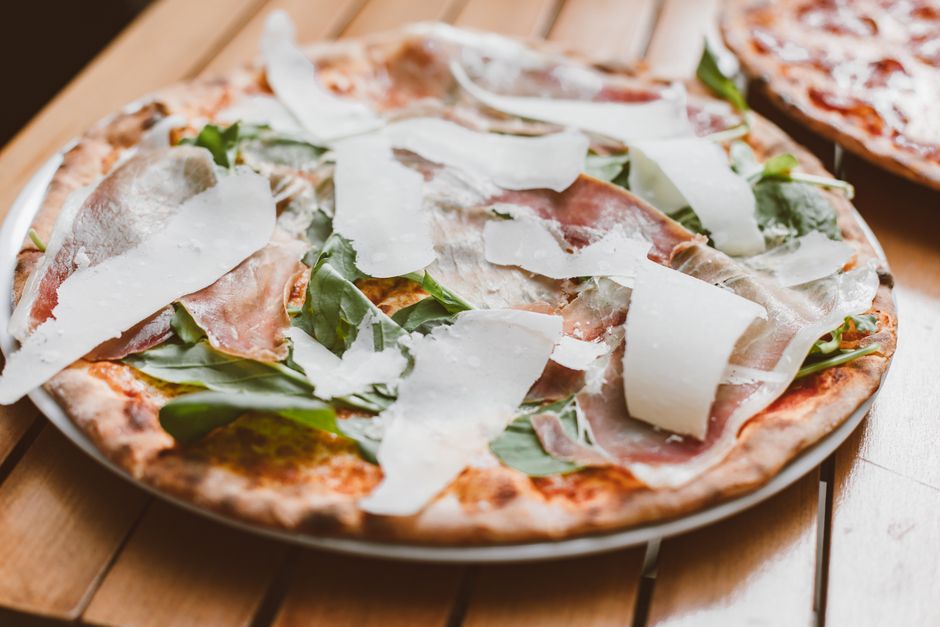
The pizza bianca from this forno is so prized, Romans often buy it plain, using it as a vehicle for charcuterie or simply enjoyed with olive oil and salt.
Rome's pizza by the slice, pizza al taglio, is distinct from Neapolitan-style round pizzas. It's baked in large rectangular trays, often with a thicker, chewier crust, and sold by weight. Forno Campo de' Fiori, a historic bakery, is renowned for its simple yet perfect pizza bianca and classic pizza rossa (with tomato sauce). The bustling crowd and the aroma of freshly baked bread here tell a story of daily Roman life and culinary excellence.

4. Fiori di Zucca Fritti: Golden Blossoms of Flavor
Dar Filettaro a Santa Barbara, Largo dei Librari, Rome
Zucchini flowers have been a culinary delight in Rome since ancient times, often stuffed with mozzarella and anchovies for a salty, creamy surprise.
These delicate, vibrant orange zucchini blossoms are lightly battered and deep-fried to a perfect crisp, often concealing a melt-in-your-mouth filling of mozzarella and a tiny anchovy. They are a seasonal specialty, best enjoyed in spring and summer. Dar Filettaro a Santa Barbara, a legendary spot near Campo de' Fiori, is famous for its fried delights, and their fiori di zucca are a testament to simple ingredients transformed into sublime street food.
5. Baccalà Fritto: The Roman Cod Standard
Dar Filettaro a Santa Barbara, Largo dei Librari, Rome
Rome's love affair with salted cod dates back centuries, a testament to its resourcefulness when fresh fish was scarce, perfected into a golden, crispy filet.
Another star from Dar Filettaro a Santa Barbara, the baccalà fritto is a Roman institution. Thick fillets of salted cod are rehydrated, lightly battered, and fried to a golden perfection, resulting in a flaky, tender interior and an incredibly crispy exterior. This humble dish, once a staple for the poor and a Friday custom, remains a cherished and flavorful street food that speaks volumes about Roman culinary history.
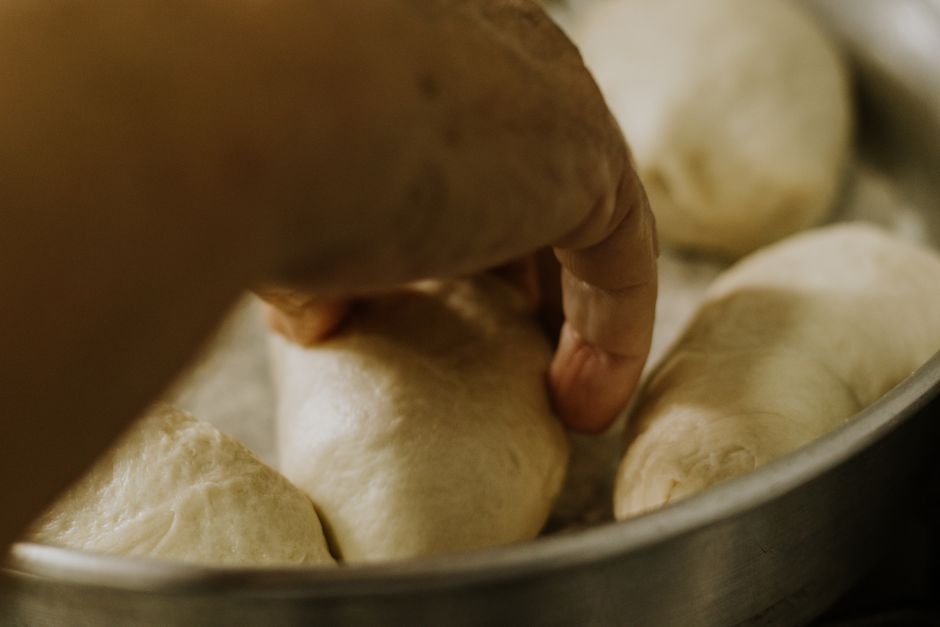
6. Maritozzi con la Panna: Sweet Indulgence
Pasticceria Regoli, Esquilino, Rome
These sweet buns were once a Lenten treat, where the cream was a rare indulgence, and sometimes contained a hidden ring for a bride-to-be.
A true Roman breakfast or afternoon treat, maritozzi are soft, sweet, leavened buns sliced open and generously stuffed with freshly whipped cream. The name "maritozzi" likely comes from "marito," meaning husband, as young men would give them to their fiancées. Pasticceria Regoli, a historic bakery near the Colosseum, is renowned for its traditional pastries, and their maritozzi are legendary for their light texture and abundant, cloud-like cream.
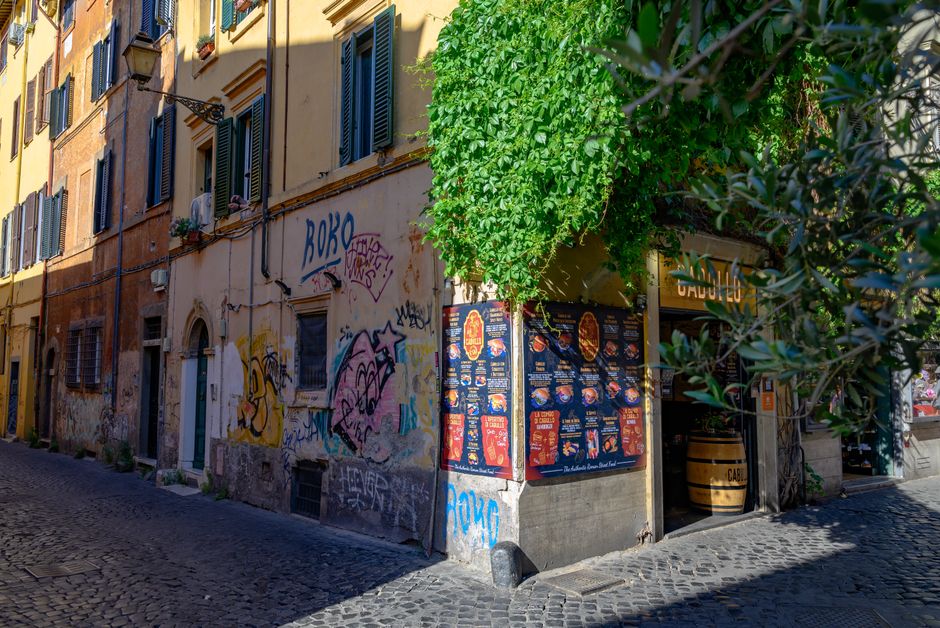
7. Porchetta: The Ancient Roast
Er Buchetto, Via del Viminale, Rome
Roman legions once feasted on porchetta, and its preparation today still follows ancient methods, slow-roasted with herbs until the skin crackles like glass.
Porchetta is a savory, fatty, and moist boneless pork roast, typically stuffed with garlic, rosemary, and other herbs, then slow-roasted over wood for hours until the skin is incredibly crispy. Served thinly sliced, often in a simple panino, it’s a taste of ancient Roman feasts. Er Buchetto, a tiny, no-frills spot near Termini, has been serving exceptional porchetta for decades, drawing locals and travelers alike for an authentic, unpretentious experience.
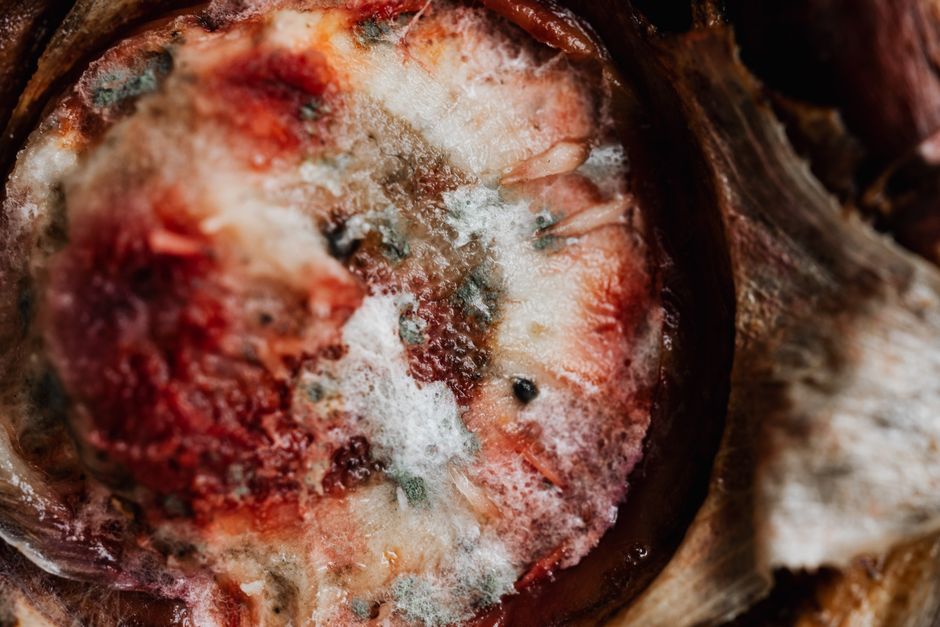
8. Carciofo alla Giudia: The Jewish Artichoke
Nonna Betta, Jewish Ghetto, Rome
The "Jewish-style" fried artichoke traces its origins back to Rome's Jewish Ghetto, where it was perfected as a crispy, edible flower in the 16th century.
This iconic dish transforms a simple artichoke into a culinary marvel. The artichoke is flattened, seasoned, and deep-fried until its outer leaves crisp up like petals and the heart becomes tender. The result is a savory, slightly nutty "edible flower." Nonna Betta, located in the historic Jewish Ghetto, is celebrated for its traditional Roman Jewish cuisine, offering a perfectly prepared carciofo alla giudia that honors centuries of culinary heritage.
Frequently asked questions
What is the most popular street food in Rome?
While tastes vary, supplì and pizza al taglio are arguably the most universally popular and easily found street foods in Rome. They offer a quick, satisfying, and authentic taste of Roman culinary tradition, perfect for on-the-go snacking.
Where can I find authentic Roman street food?
Authentic Roman street food can be found in local markets like Testaccio or Campo de' Fiori, traditional forni (bakeries), friggitorie (fried food shops), and dedicated spots like Trapizzino. Exploring lesser-known neighborhoods often yields hidden gems.
Is Roman street food expensive?
Generally, Roman street food is very affordable, making it an excellent way to eat well on a budget. Items like supplì, pizza slices, or a small porchetta sandwich typically cost just a few euros, offering great value for authentic flavors.
How can AllTours.ai enhance my Roman street food experience?
AllTours.ai can deepen your street food journey by providing rich context for the places you visit. Point your phone camera at a historic market or a specific food stall, and the app will narrate its history, cultural significance, and even geological insights, bringing Rome's culinary landscape to life in your language.
Related guides
Photography via Pexels. AllTours.ai is an AI audio tour guide — point your camera at any landscape and hear its story.