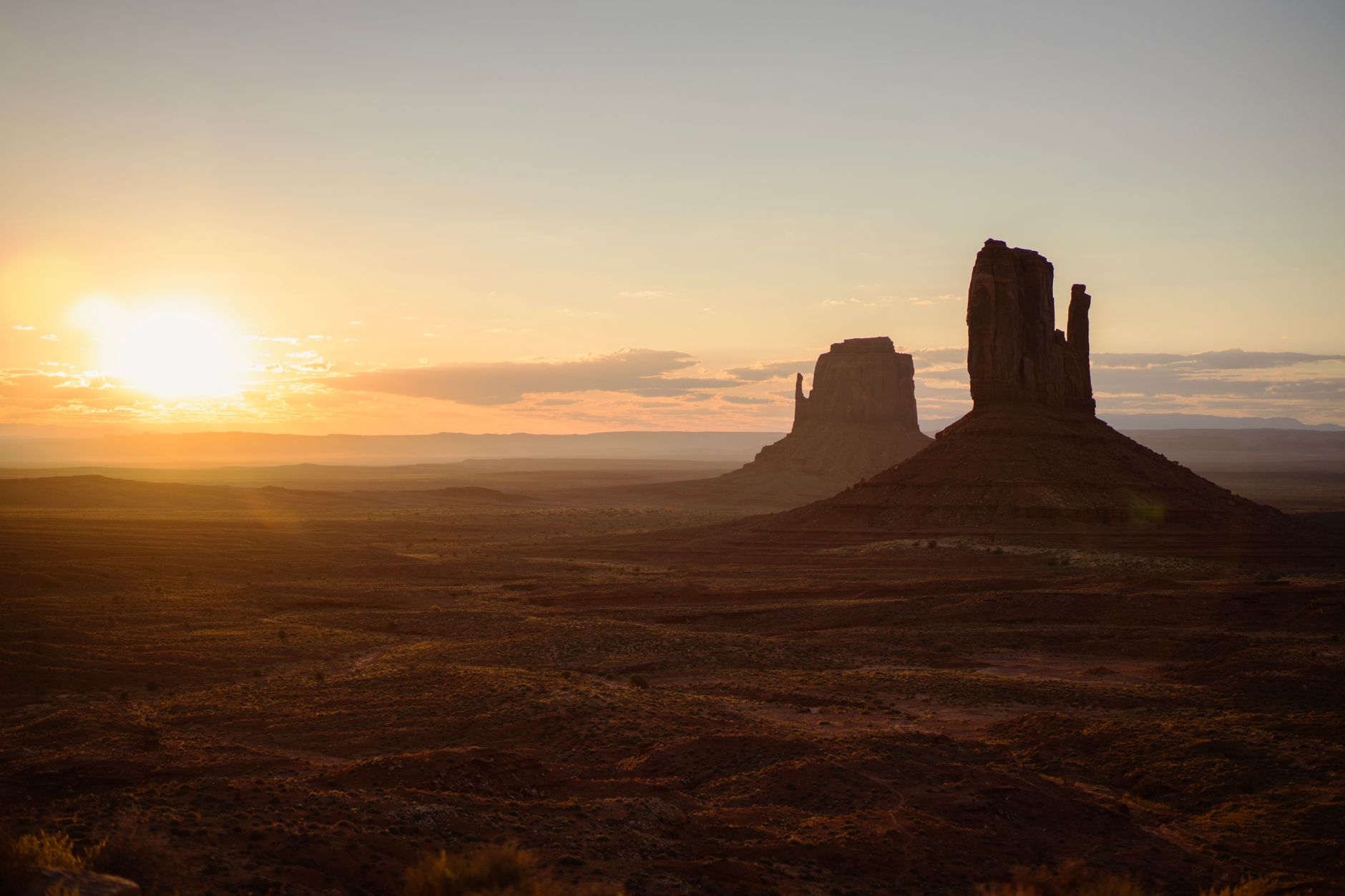
September 22, 2026 · 4 min read
The simple act of maintaining a daily routine, like shaving, often feels like a cornerstone of home life. But when you trade your familiar bathroom for a new hotel, a remote campsite, or a bustling hostel, the question naturally arises: Is it easier to maintain your shaving routine at home or while traveling?
While the practicalities might shift, the deeper truth is that travel itself, particularly to unexpected places, reshapes our routines and perspectives. Far from the well-trodden paths, the world offers countless hidden corners where history, geology, and culture provide a new kind of mirror, reflecting stories that are anything but routine. Forget the mundane; these are places that demand your full curiosity.
1. The Submerged Stalactites of a Giant Sinkhole
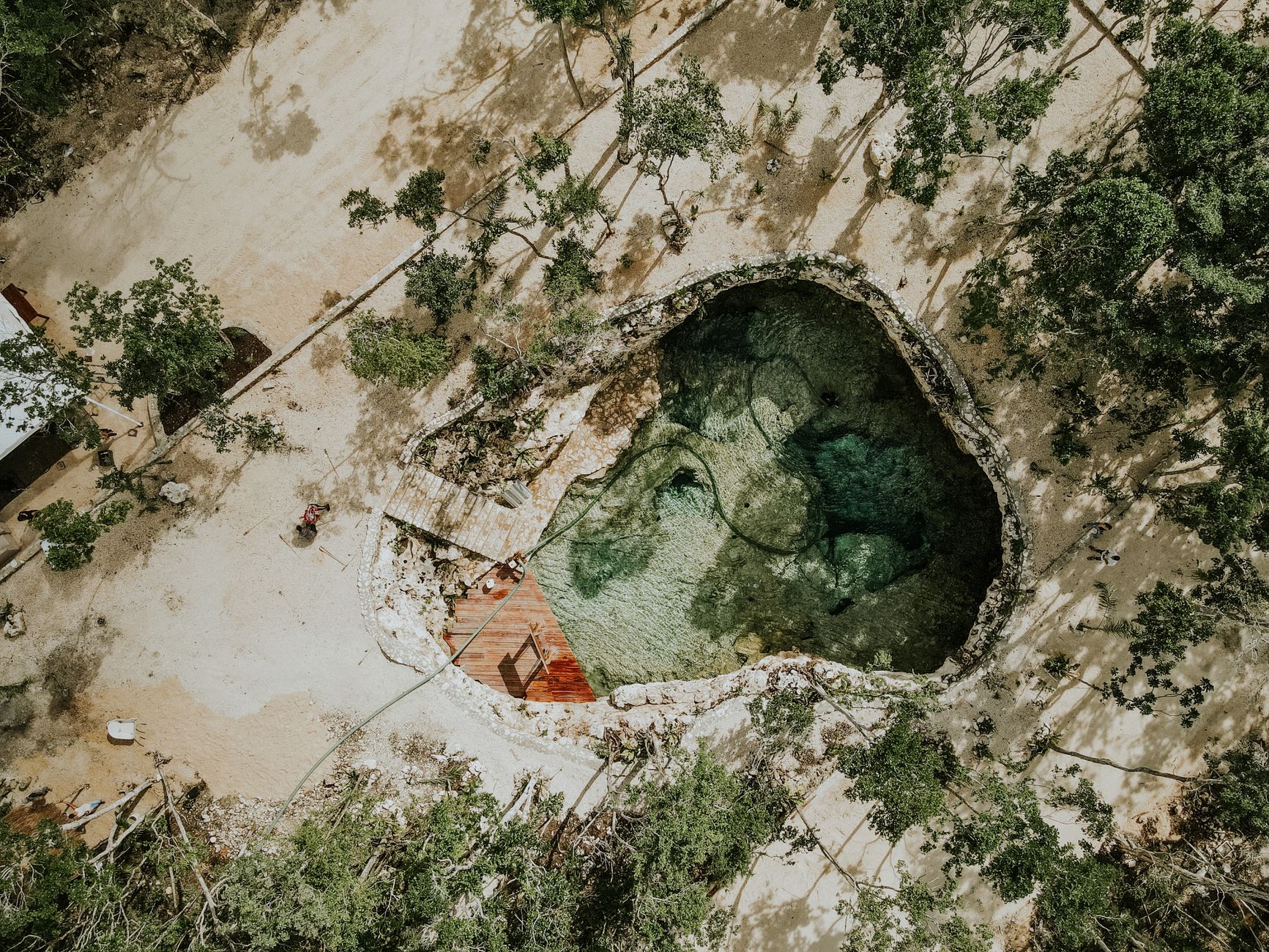
The Great Blue Hole, Belize
This colossal underwater sinkhole was once a dry cave system during the last ice age, complete with towering stalactites that now lie hundreds of feet beneath the ocean surface.
Belize's Great Blue Hole, a near-perfect circle of deep azure in the Lighthouse Reef Atoll, is a diver's paradise. Yet, its most astonishing secret isn't just its depth, but its past. Millions of years ago, when sea levels were far lower, this massive chasm was a dry limestone cave. Divers today can explore its ancient formations, a breathtaking testament to profound geological change, revealing a world hidden for millennia.
2. The Sacred Forest and Mystical Wells
Sintra-Cascais Natural Park, Portugal
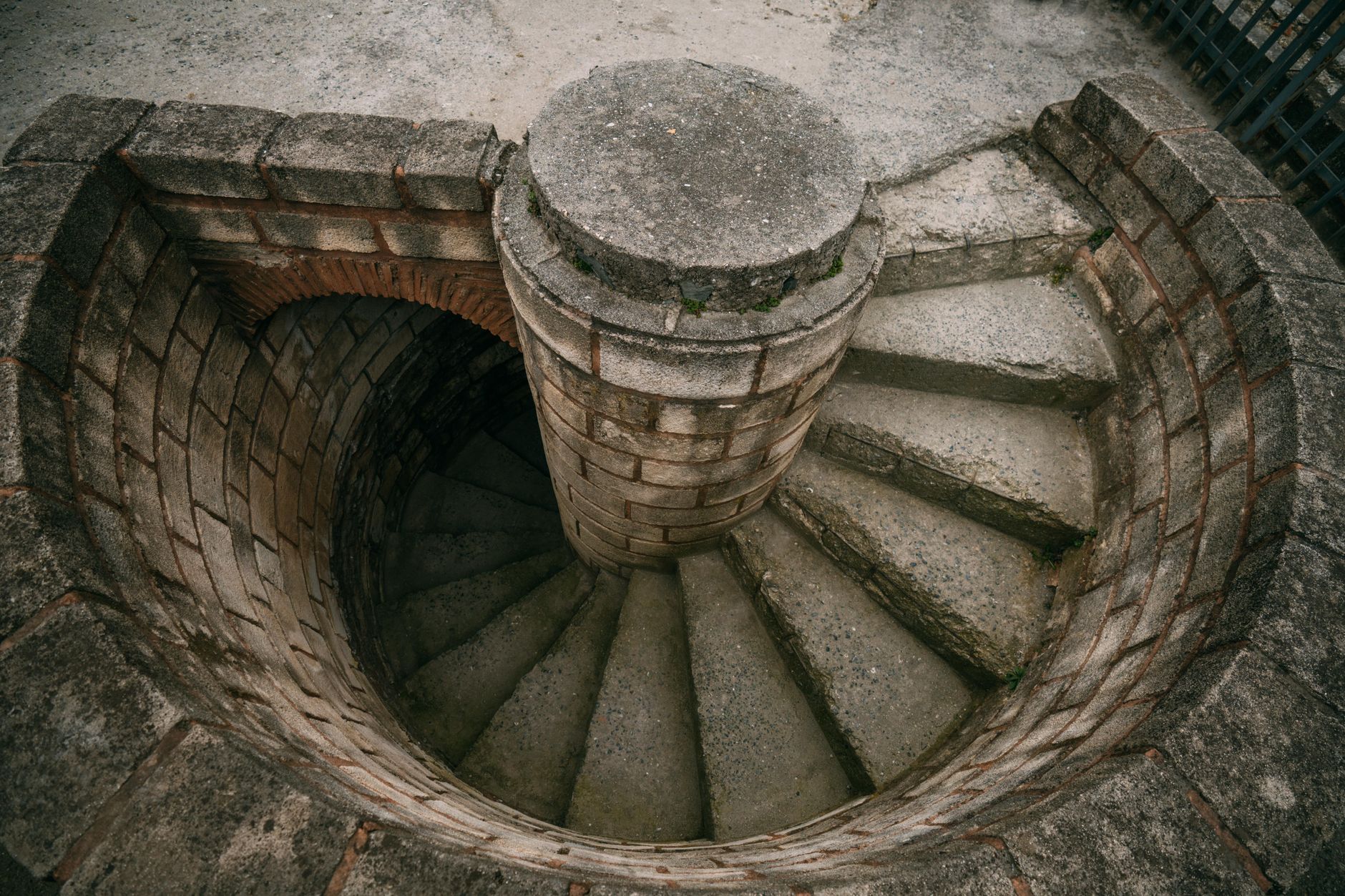
Beyond Sintra's famous palaces, this natural park harbors an ancient, sacred forest believed by the Knights Templar to be a portal to the underworld, culminating in the enigmatic Initiation Well.
While Sintra is celebrated for its romantic palaces, the surrounding Sintra-Cascais Natural Park holds a deeper, more mystical past. Within the Quinta da Regaleira estate, an elaborate system of grottoes, tunnels, and a spiraling 'Initiation Well' are said to have been used for Templar rituals. These structures, far from being purely decorative, were designed as symbolic journeys of self-discovery, connecting earth to sky and revealing a spiritual dimension to the landscape.
3. Spherical Stones of Ancient Lore
Moeraki Boulders, New Zealand
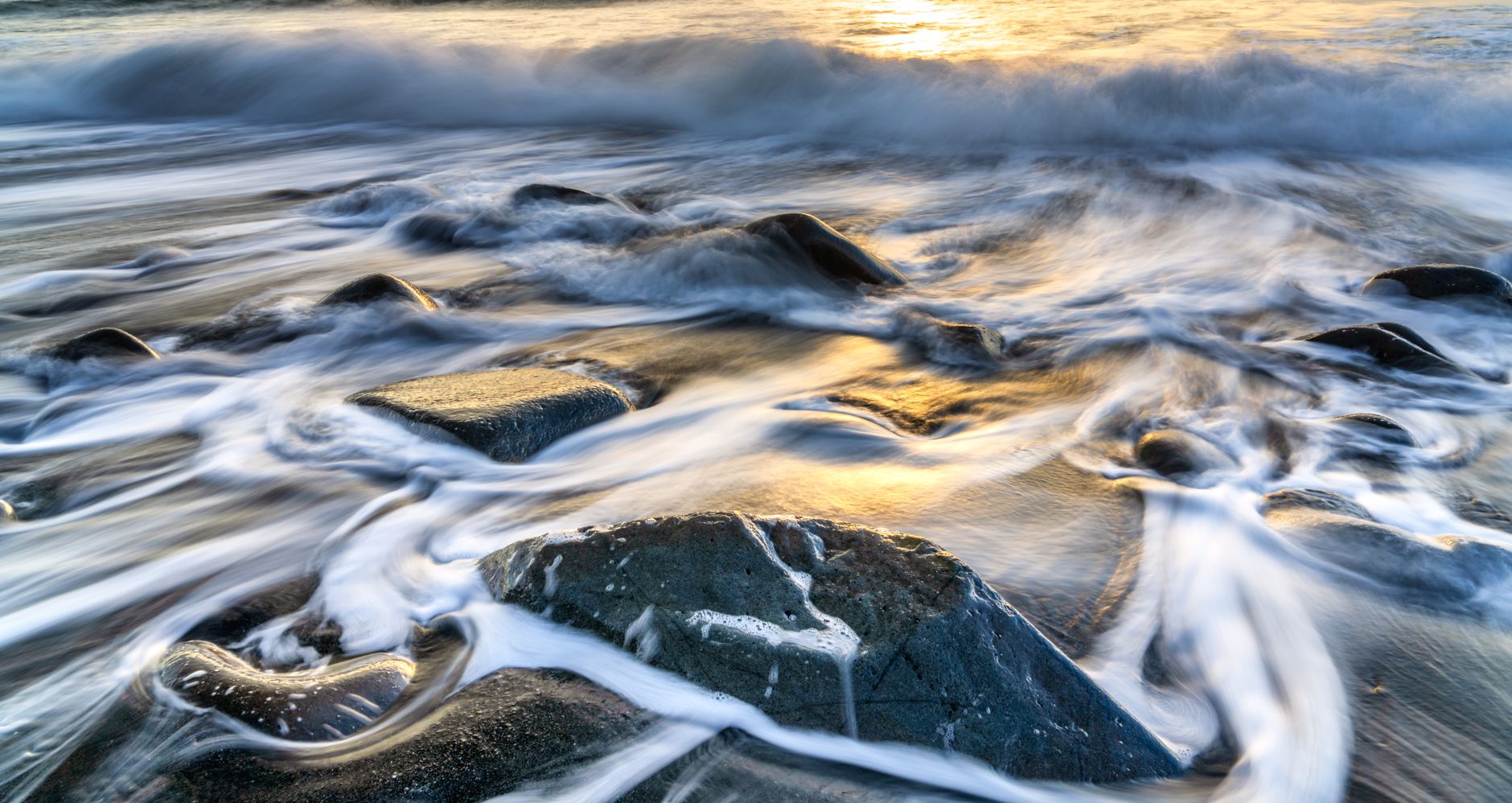
These perfectly spherical boulders scattered on Koekohe Beach are not alien eggs, but ancient concretions formed on the seabed millions of years ago, then exposed by erosion.
Along New Zealand's Otago coast, the Moeraki Boulders emerge from the sand like giant marbles. While local Māori legend tells of them being gourds and eel baskets washed ashore from a wrecked canoe, geology offers a different, equally fascinating explanation. These septarian concretions, some weighing several tons, formed slowly around a fossil core on the ancient seafloor, gradually growing layer by layer over millions of years before the waves exposed them.
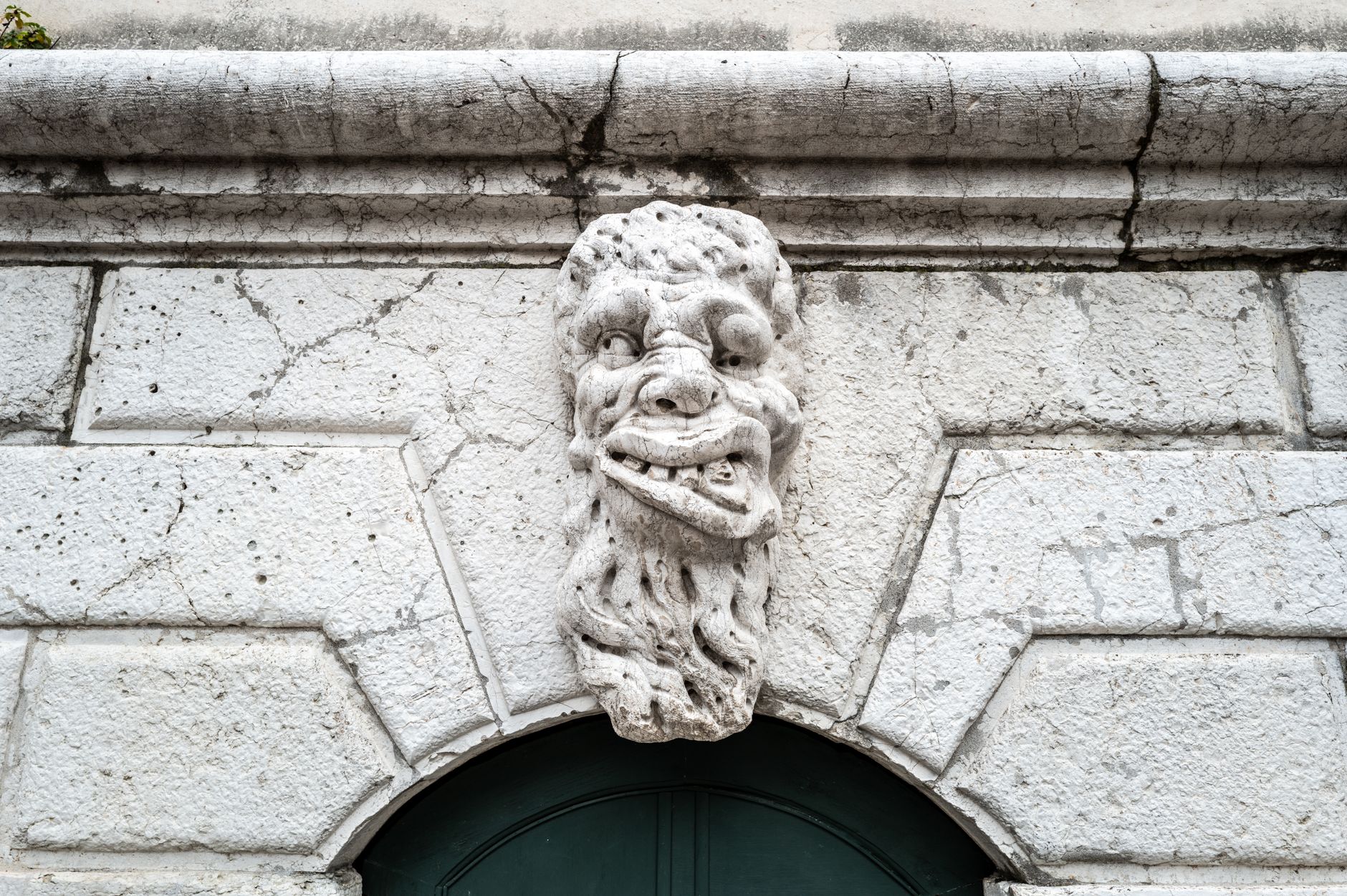
4. The Grotesque Garden of Shock
Gardens of Bomarzo (Park of the Monsters), Italy
This 16th-century garden is filled with grotesque and enigmatic sculptures commissioned by a grieving prince, a 'sacred wood' designed to shock and confuse, not delight, its visitors.
Nestled in Lazio, Italy, the Gardens of Bomarzo offer a stark contrast to typical Renaissance elegance. Prince Pier Francesco Orsini, heartbroken after his wife's death, created this 'Sacred Wood' as a surreal, unsettling masterpiece. Gigantic, contorted figures of mythological beasts, monsters, and an 'Orcus mouth' that visitors can walk into, were intentionally designed to subvert classical aesthetics, inviting contemplation on life's absurdities rather than simple beauty.
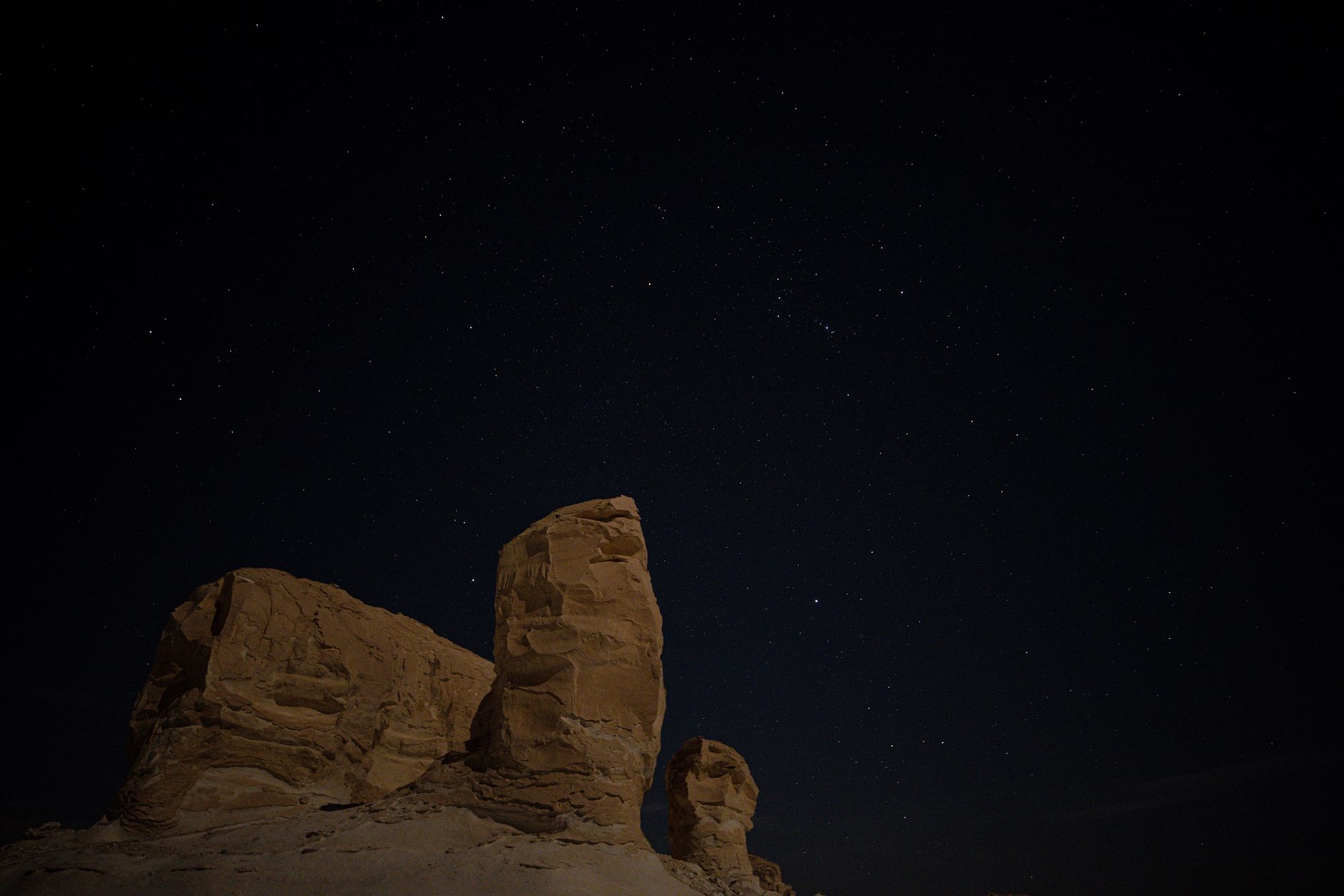
5. The Chalk Sculptures of the White Desert
Farafra Oasis, Egypt
The White Desert surrounding Farafra Oasis features surreal, mushroom-shaped chalk rock formations sculpted by millennia of wind and sand, making it feel like another planet.
Beyond Egypt's iconic Nile Valley lies the vast Western Desert, home to the otherworldly Farafra Oasis and its White Desert. Here, dazzling white chalk formations, resembling giant mushrooms, icebergs, or even abstract art, rise dramatically from the golden sands. These natural sculptures are the erosional remnants of ancient seabeds, painstakingly carved over millennia by relentless wind and sand, creating a landscape unlike anywhere else on Earth.
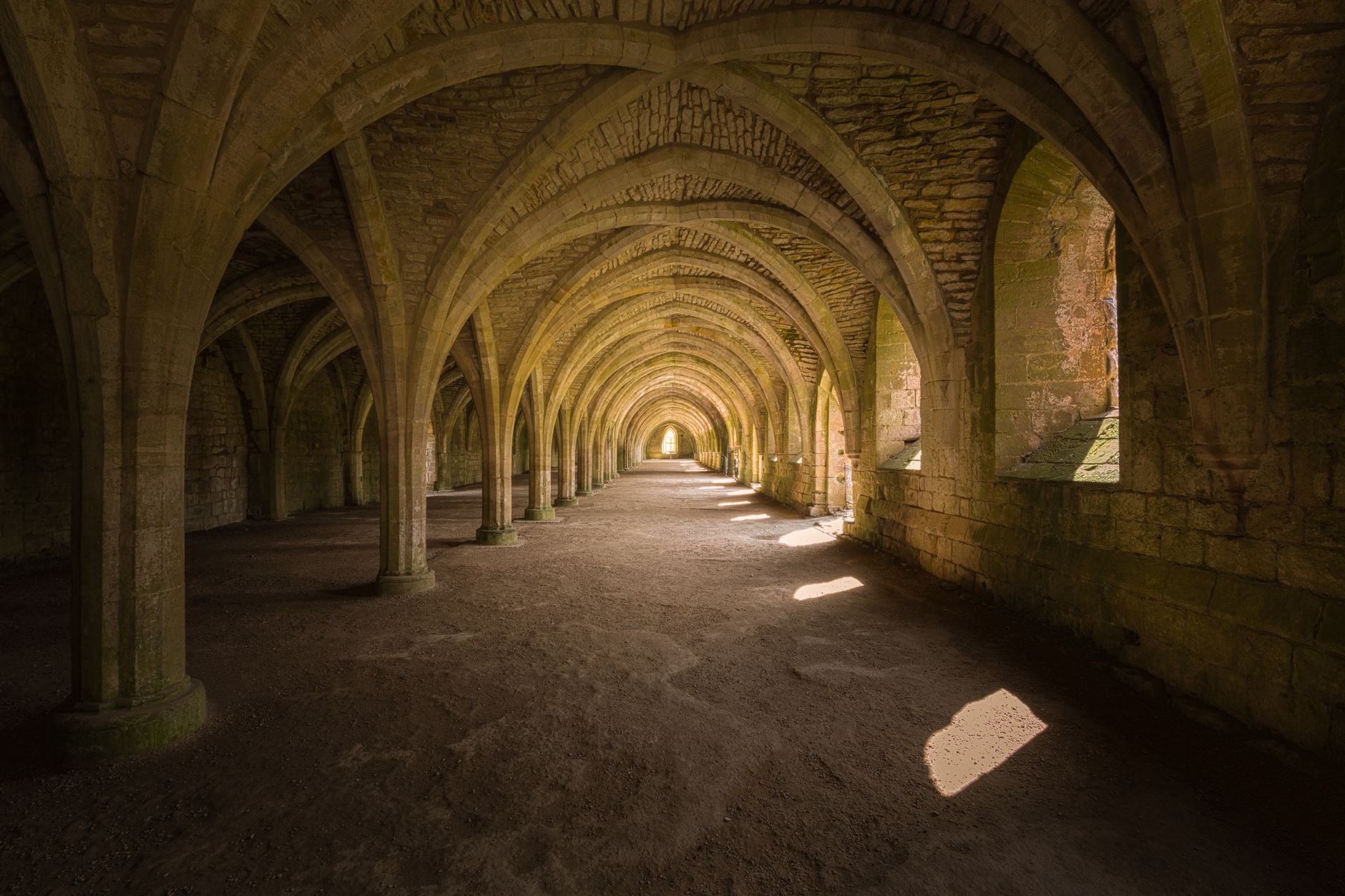
6. The Cradle of Scottish Christianity
Isle of Iona, Scotland
This small, windswept island off the coast of Mull is considered the birthplace of Christianity in Scotland and a burial ground for ancient Scottish, Irish, and Norse kings.
The Isle of Iona, a mere 1.5 miles wide, holds an outsized place in history. In 563 AD, St. Columba established a monastery here, from which Christianity spread throughout Scotland and beyond. Its ancient abbey stands as a beacon of spiritual heritage, and its graveyard, Reilig Odhráin, is the resting place of numerous early Scottish monarchs, including Macbeth’s ancestors, making it a powerful pilgrimage site and a poignant link to a bygone era.
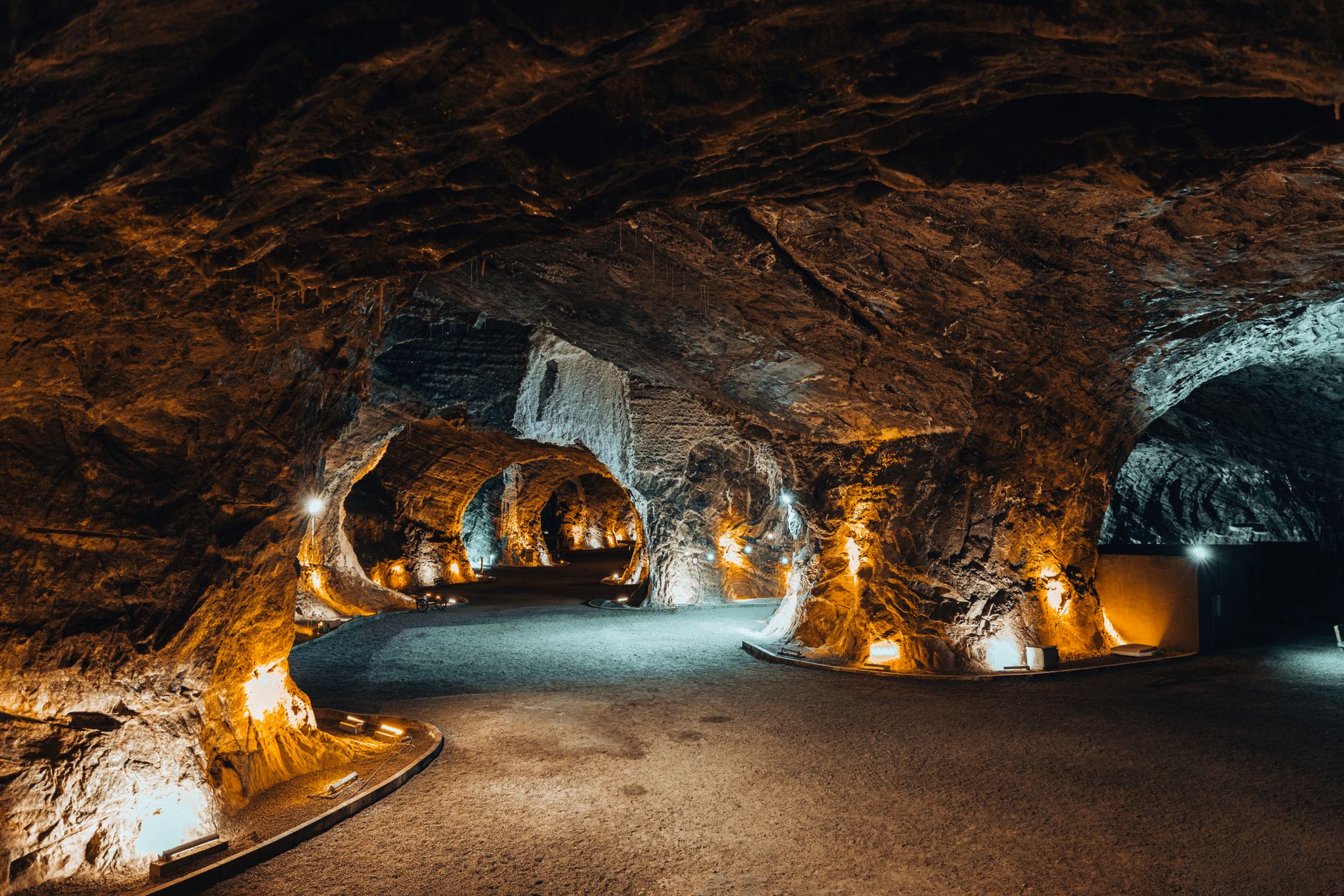
7. The Early Christian Underground City
Catacombs of Milos, Greece
Beneath the picturesque Greek island of Milos lies an extensive network of early Christian catacombs, predating those of Rome and serving as a burial site and place of worship.
Milos, celebrated for its unique volcanic landscapes and the discovery of the Venus de Milo, harbors a lesser-known but equally profound historical treasure: its ancient Christian catacombs. Dating back to the 1st to 5th centuries AD, these underground chambers are among the most significant early Christian monuments in Greece, even predating the famous Roman catacombs. They served as secret burial grounds and places of worship for early Christians, offering a poignant glimpse into their persecuted existence.
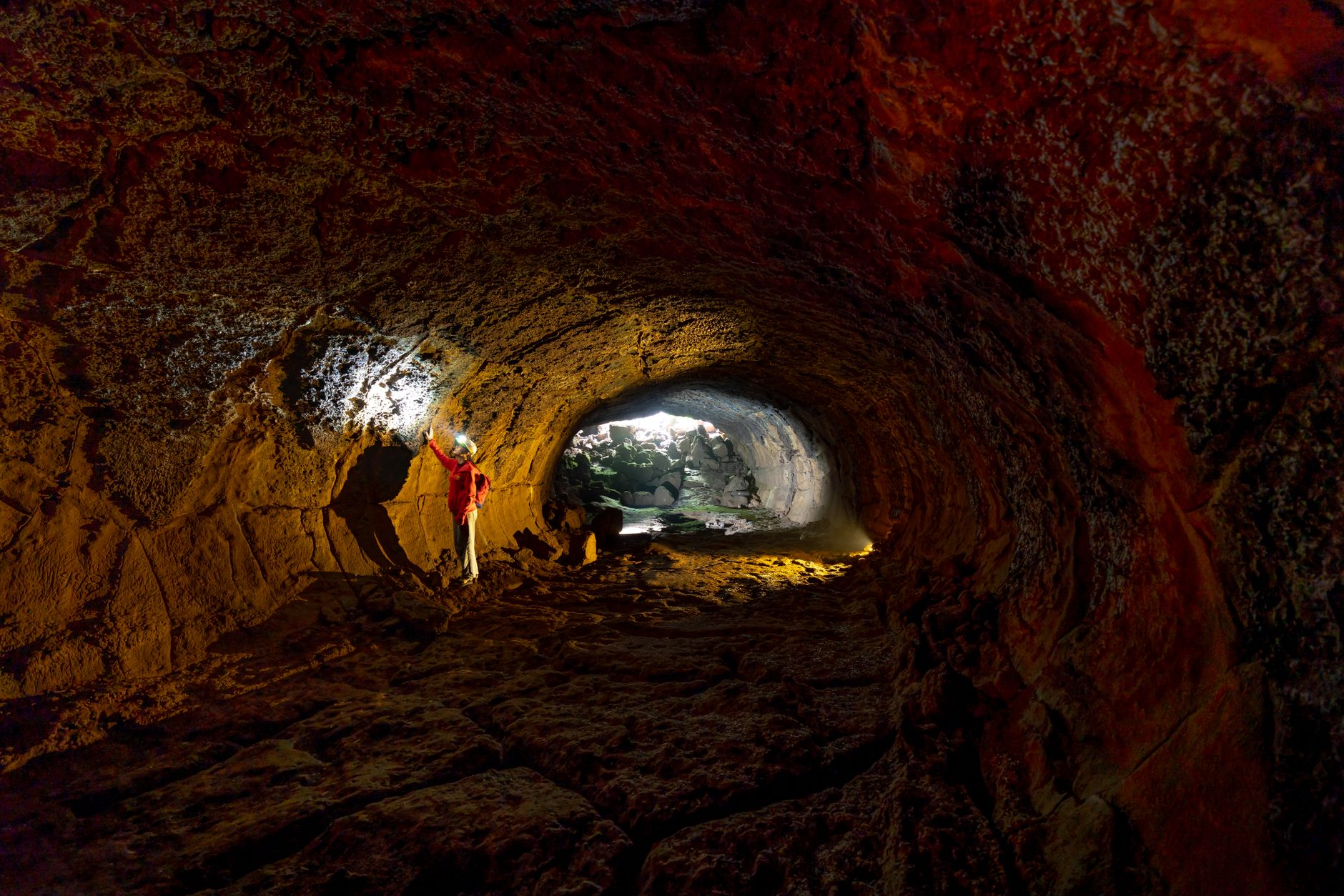
8. The Unseen Art of Prehistoric Hunters
Lascaux IV (International Centre for Cave Art), France
The original Lascaux cave paintings, discovered by teenagers in 1940, are so fragile that even breathing can damage them, leading to the creation of precise, immersive replicas.
The original Lascaux cave, a UNESCO World Heritage site in the Dordogne region of France, contains some of the most stunning Paleolithic art ever found, depicting animals with incredible realism. To protect these 17,000-year-old masterpieces from human impact, the original cave has been closed to the public for decades. Lascaux IV offers an astonishingly accurate and immersive replica, allowing visitors to experience the awe of discovering this ancient art as if they were the first, without harming the irreplaceable originals.
Frequently asked questions
What are some common challenges for maintaining personal routines while traveling?
Travel often disrupts routines due to varying schedules, different climates, limited packing space, and access to familiar products or facilities. Jet lag, unexpected delays, and the excitement of exploring new places can all make it difficult to stick to a precise daily regimen.
How can I pack smart to keep my routine on vacation?
To maintain routines, focus on travel-sized versions of essential products, consider solid alternatives (like shampoo bars), and invest in a good toiletry bag with compartments. Prioritize multi-use items and pack a small, familiar comfort item that helps ground your routine, like a specific scent or a compact shaving brush.
Are there travel destinations particularly challenging for daily routines?
Remote or adventurous destinations, like extended treks, camping in wilderness areas, or regions with limited infrastructure, can pose significant challenges. Environments with extreme temperatures, limited water, or cultural differences that impact daily habits might also require more adaptation than a typical city break.
How does the AllTours.ai app enhance exploration in these unique places?
AllTours.ai transforms your travel experience by making every vista a story. Simply point your phone camera at any landscape or landmark, and the app instantly narrates its rich history, fascinating geology, and vibrant culture in your preferred language, offering a deeper understanding of the world around you, even in the most unexpected corners.
Related guides
Photography via Pexels. AllTours.ai is an AI audio tour guide — point your camera at any landscape and hear its story.