September 8, 2026 · 4 min read
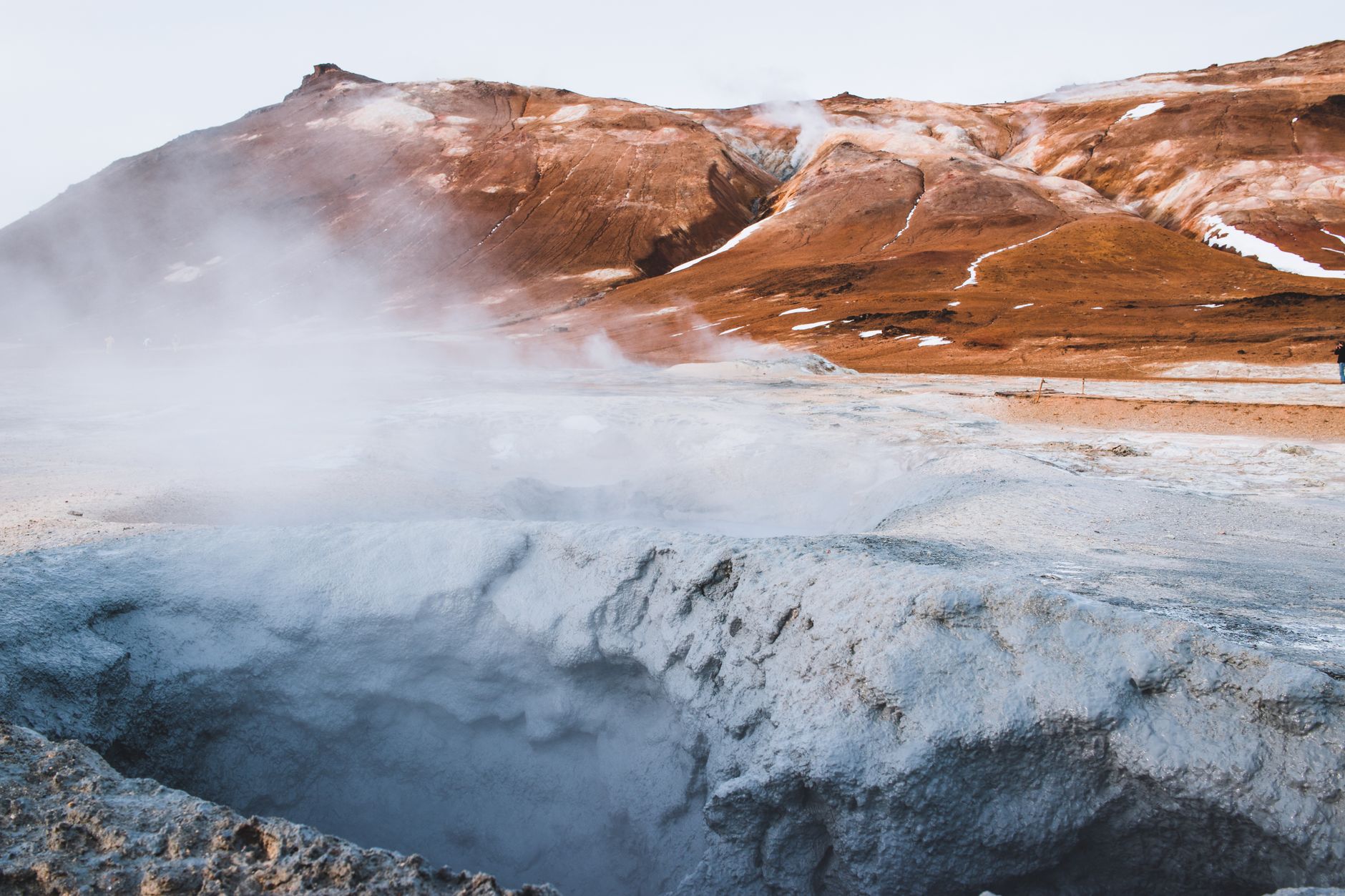
The simple question of whether coffee shops should indicate the temperature of their hot beverages sparks a surprising amount of debate. For some, it's a matter of safety and avoiding an unexpected jolt; for others, it's an unnecessary detail. But this seemingly minor query points to a broader truth: knowing the temperature of something hot can be crucial, whether it's your morning brew or a natural wonder.
Across our planet, there are places where heat isn't just a comfort, but a defining, sometimes dangerous, characteristic. These lesser-known marvels of geology and culture offer their own vivid 'temperature warnings,' reminding us of the raw power of Earth's internal furnace. They are places that demand respect and understanding, far beyond the usual tourist trails.
1. The Alien Hues of Earth's Hottest Place
Dallol, Ethiopia
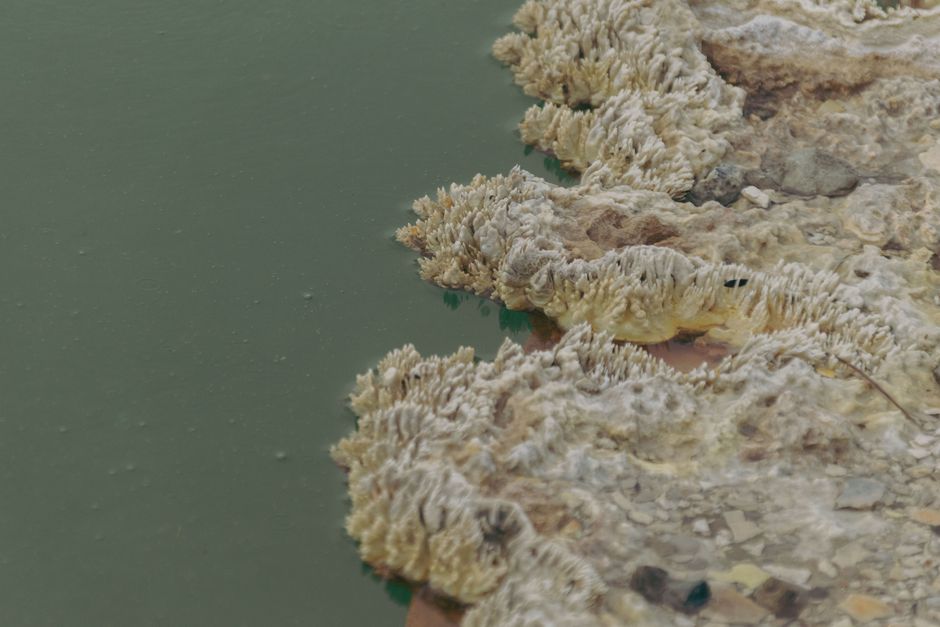
This remote, scorching landscape features acid hot springs that boil and bubble, creating a surreal, otherworldly palette of greens, yellows, and oranges.
Dallol holds the record for the highest average annual temperature on Earth, but its visual spectacle is even more striking. Hydrothermal activity brings superheated brine to the surface, depositing salts, sulfur, and iron oxides that paint the landscape in impossible colors. The air is thick with sulfur, and the ground is an unstable crust over intensely hot, acidic pools, making it a truly extreme environment.
2. Dominica's True Boiling Cauldron
Boiling Lake, Dominica
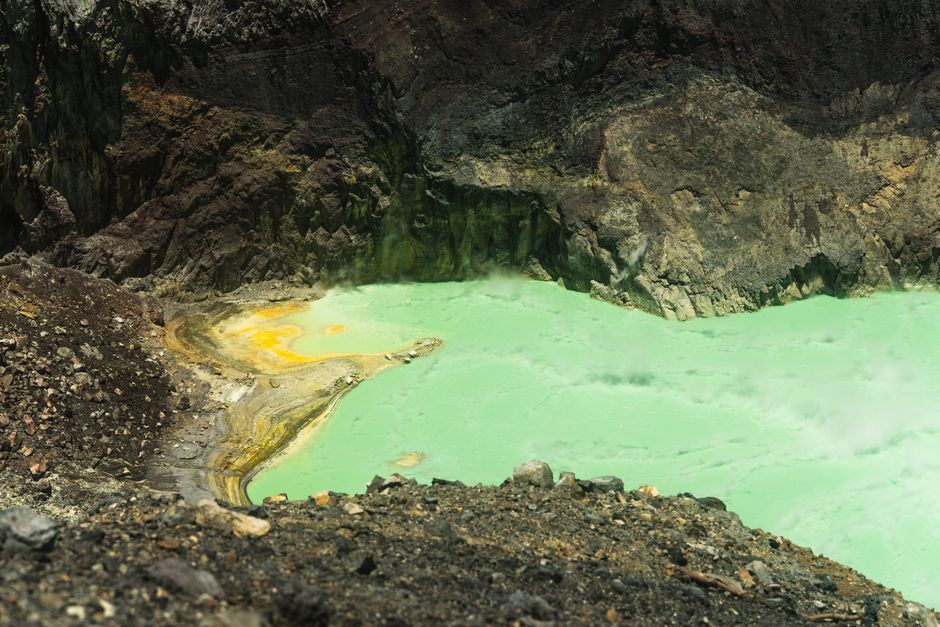
Deep within Dominica's Morne Trois Pitons National Park lies a flooded fumarole that is literally boiling, a constant cloud of steam rising from its surface.
The Boiling Lake is the second-largest hot lake in the world, a dramatic demonstration of the island's volcanic activity. The water, a grey-blue hue, is superheated by molten rock beneath the Earth's crust, maintaining temperatures around 180-197°F (82-92°C) at its edges, with the center in a perpetual rolling boil. Trekking to its edge offers an unforgettable glimpse into the planet's raw power, demanding extreme caution.
3. Indonesia's Blue Fire Volcano
Kawah Ijen, Indonesia
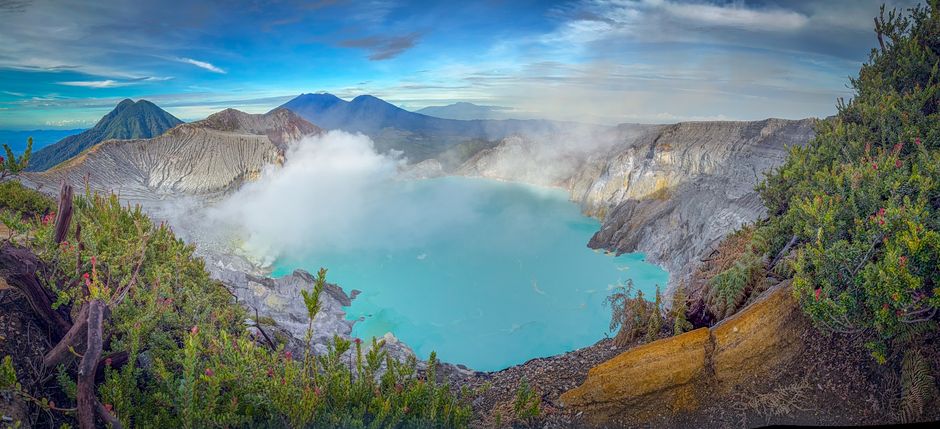
At night, this active volcano emits electric blue flames, a rare phenomenon caused by the combustion of sulfuric gases, not lava.
Kawah Ijen is home to an intensely acidic crater lake, vibrant turquoise by day, but truly spectacular after dark. Miners work here, extracting sulfur from the vents. The blue fire is created when sulfuric gases ignite upon contact with air at high temperatures, burning with a stunning luminescence. It's a stark reminder of the extreme heat and chemical reactions occurring constantly beneath our feet.
4. The Door to Hell
Darvaza Gas Crater, Turkmenistan
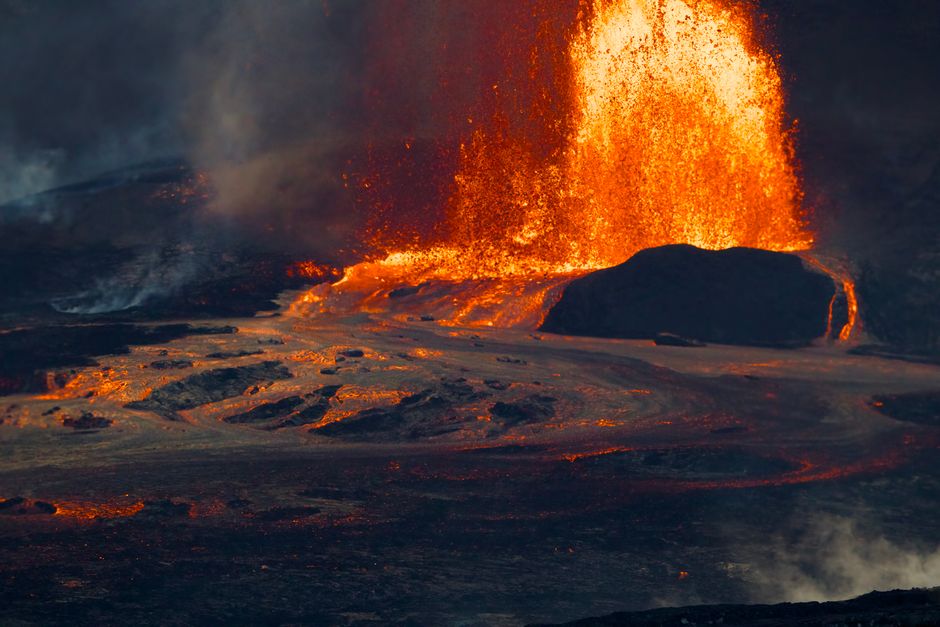
This colossal crater has been burning continuously for over five decades, an accidental fiery monument to a Soviet-era drilling mishap.
In 1971, Soviet geologists drilling for natural gas accidentally punched into a cavern, causing the ground to collapse and release methane. To prevent the gas from spreading, they ignited it, expecting it to burn out in a few weeks. It's still burning today, a constant inferno in the Karakum Desert, visible for miles. The intense heat and perpetual flames make it a truly unique and somewhat eerie landmark.
5. Iceland's Fluctuating Hot Spring Cave
Grjótagjá Cave, Iceland
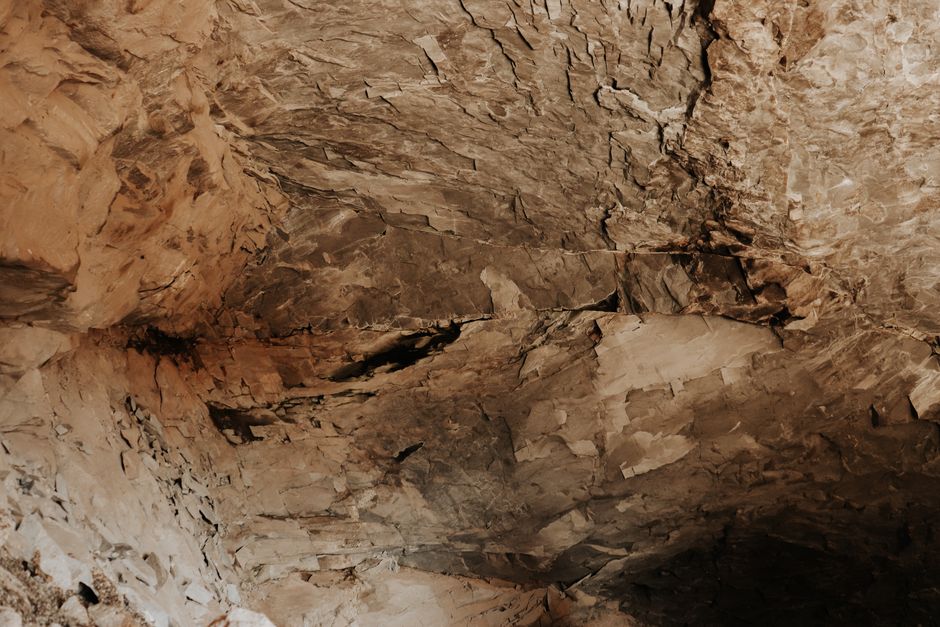
This beautiful lava cave, once a popular bathing spot, contains a geothermal hot spring whose water temperature fluctuates wildly and unpredictably.
Grjótagjá gained fame for its striking visuals and as a filming location, but its geothermal spring has a mind of its own. Historically used for bathing, volcanic activity in the late 1970s caused the water temperature to rise to dangerously high levels, making it unsafe. While temperatures have cooled since, they remain unstable, a natural warning against assuming constant conditions in geothermal areas.
6. California's Deceptively Beautiful Boiling Creek
Hot Creek Geological Site, California, USA
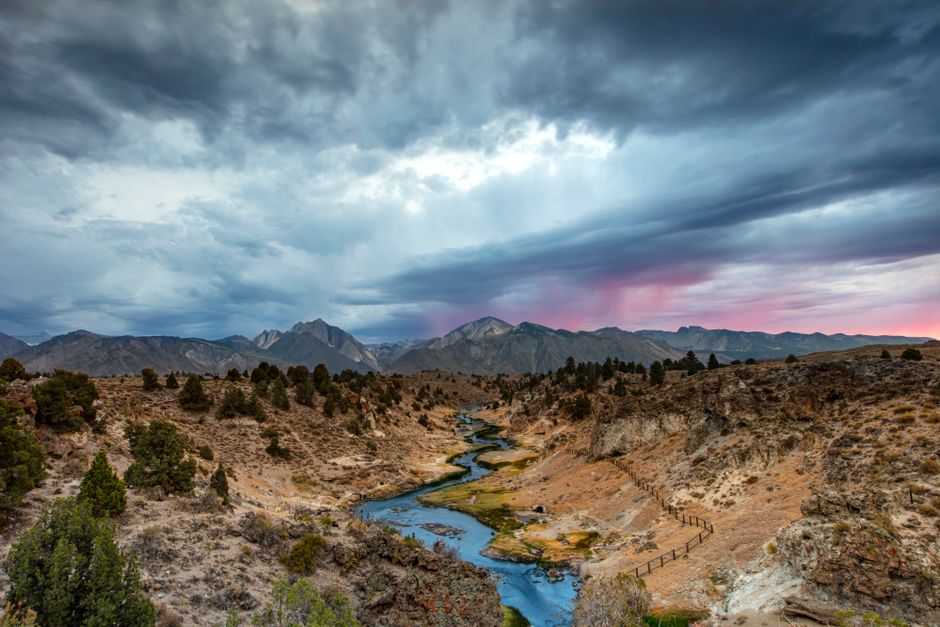
A picturesque mountain creek appears inviting, but superheated geothermal vents beneath its surface create unpredictable and scalding hot spots.
Hot Creek is a stunning natural area, where a cold mountain stream flows over a landscape riddled with geothermal activity. Underwater vents release boiling water, leading to sudden, dangerous temperature surges that can scald unsuspecting visitors. Despite its serene appearance, signs warn against entering the water, a stark reminder that natural beauty can hide intense and unpredictable heat.
7. Africa's Hidden Warm Lake
Dragon's Breath Cave, Namibia
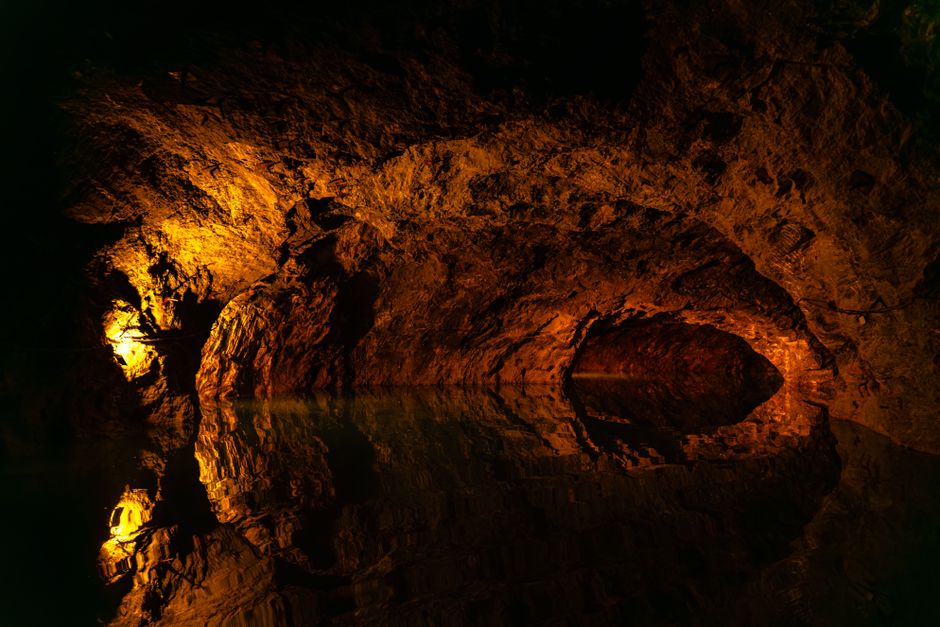
Beneath the Namibian desert lies Africa's largest non-subglacial underground lake, maintaining a surprisingly warm temperature in perpetual darkness.
Discovered in 1986, Dragon's Breath Cave conceals a vast subterranean lake, estimated to be over 200 meters deep in places. The water, cut off from surface weather, remains a constant, relatively warm temperature due to geothermal heating from within the Earth. This warm, isolated environment supports unique species, adapted to its dark, stable conditions, a hidden world of surprising warmth.

8. Costa Rica's Earth Breathing Mud Pots
Rincón de la Vieja Volcano, Costa Rica
At the base of this active volcano, bubbling mud pots and fuming vents offer a visceral experience of the Earth's constant, intense geothermal activity.
Rincón de la Vieja, meaning 'Old Woman's Corner,' is one of Costa Rica's most active volcanoes. While its summit often requires a permit, its lower slopes boast 'Las Pailas' (The Cauldrons), an area of intense geothermal manifestations. Here, you can observe boiling mud pots, sulfurous lagoons, and steam vents—all direct evidence of superheated water and gases rising from deep within the Earth, showcasing its fiery core.
Frequently asked questions
Why are some natural hot springs dangerous for bathing?
Natural hot springs can be dangerous due to unpredictable temperature fluctuations, sometimes reaching scalding levels. They can also contain harmful minerals or bacteria, and in volcanic areas, ground stability can be compromised, posing risks beyond just heat.
What causes the extreme heat in places like Dallol, Ethiopia?
The extreme heat in places like Dallol is caused by intense geothermal activity. This involves molten rock (magma) close to the Earth's surface, which superheats groundwater. This hot, mineral-rich water then rises, creating steam vents, hot springs, and vibrant mineral deposits.
Are there places where natural fires burn indefinitely?
Yes, the Darvaza Gas Crater in Turkmenistan is a prime example. This crater has been burning for decades, fueled by an underground natural gas pocket that was accidentally ignited. Other natural coal seam fires or gas vents can also burn for extended periods.
How can AllTours.ai help me understand these fascinating places?
AllTours.ai enhances your travel experience by providing AI-powered audio tours. Simply point your phone camera at a landmark or landscape, and the app narrates its history, geology, and culture in your language, offering deep insights into the very places you're exploring, like those mentioned here.
Related guides
Photography via Pexels. AllTours.ai is an AI audio tour guide — point your camera at any landscape and hear its story.