July 23, 2026 · 4 min read
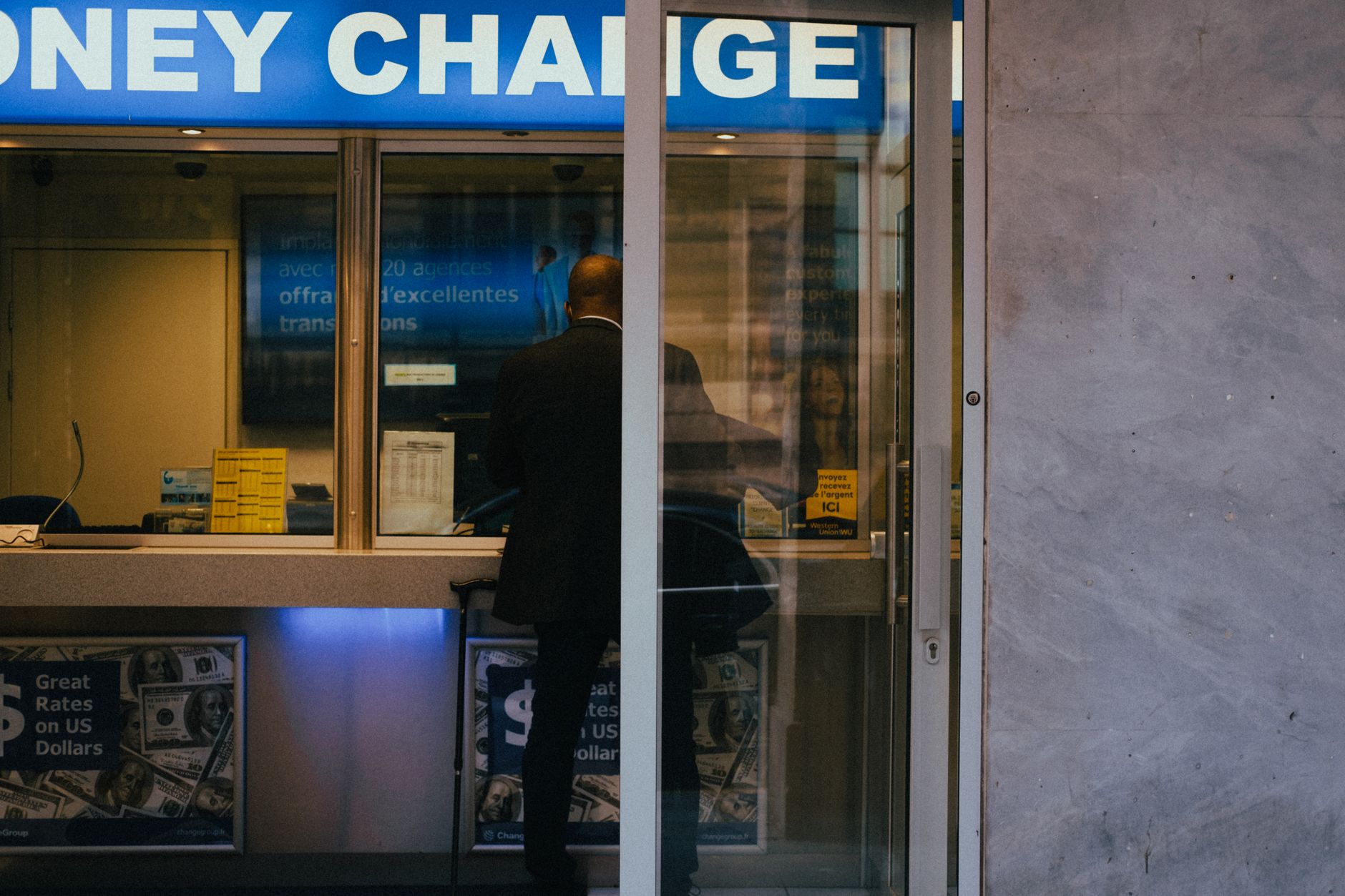
The question of when to acquire foreign currency is a common one for any traveler venturing beyond their home borders. It's a decision that can impact convenience, cost, and even the peace of mind needed to fully immerse yourself in a new culture. While there's no universal 'one-size-fits-all' answer, understanding the nuances can save you time and money.
Often, the best approach depends on your destination and the local financial infrastructure. We'll explore this question through the lens of unique, often overlooked places around the globe — destinations where the answers to practical travel questions like currency exchange can reveal deeper insights into their distinct history, geography, and way of life.
1. Underground Living in the Opal Capital
Coober Pedy, Australia
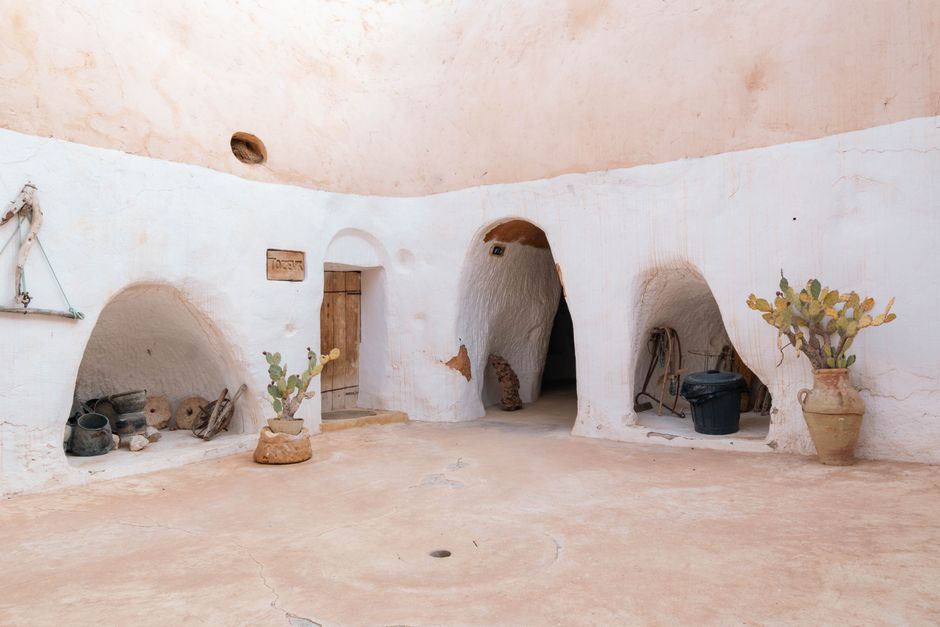
Most of Coober Pedy's residents live in 'dugouts' beneath the earth to escape the scorching desert heat.
This remote South Australian town is the world's opal mining capital, but its most striking feature isn't above ground. With summer temperatures regularly soaring past 40°C (104°F), early miners discovered that tunneling into the sandstone provided a cool, stable environment. Today, an estimated 60% of the population lives in these 'dugouts,' which include homes, shops, churches, and even hotels, creating a surreal subterranean world.
2. Europe's Widest Waterfall and Flying Fish
Kuldīga, Latvia
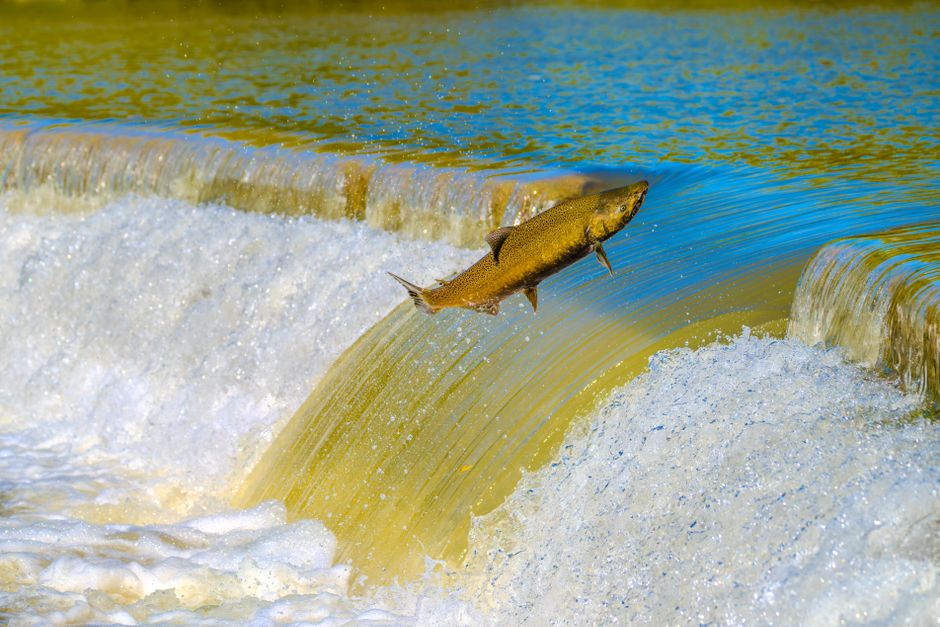
The Venta Rapid, Europe's widest natural waterfall, is famous for fish attempting to leap over it during spawning season.
In the charming Latvian town of Kuldīga, the Venta Rapid stretches an astonishing 249 meters (817 feet) across the Venta River. While not tall, its sheer width is impressive. During spring, thousands of vimba fish migrate upstream to spawn, creating the unique spectacle of fish literally flying through the air as they try to clear the rapids – a tradition that locals once capitalized on with special fishing nets.
3. The Island of Seven Seasons
Fogo Island, Newfoundland, Canada
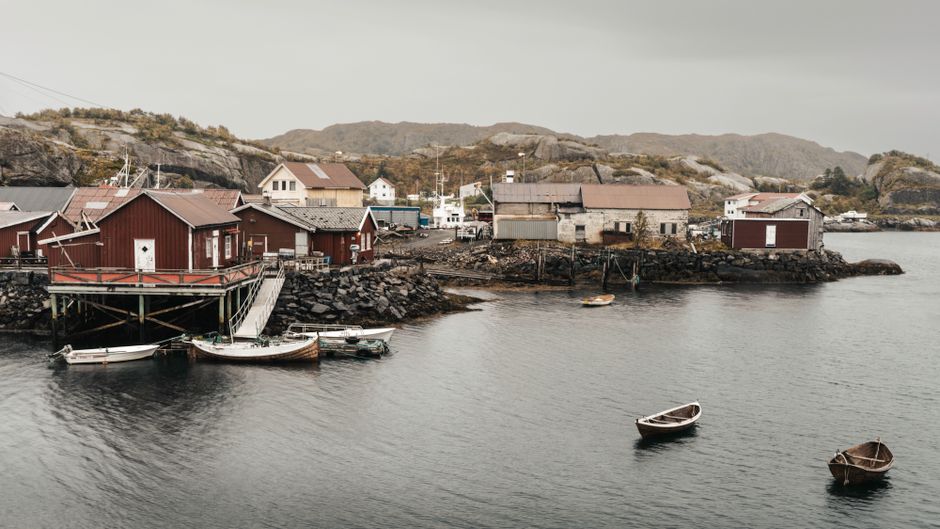
This remote North Atlantic island recognizes seven distinct seasons, reflecting its deep connection to the environment.
Beyond the conventional four, Fogo Island embraces 'Trap Berth' (when fishing boats are readied), 'Punt Season' (for traditional small boat fishing), 'Berry Season,' and 'Late Fall.' This unique calendar system highlights the profound relationship the islanders have with their rugged, windswept environment and the sea. The distinct seasons dictate daily life, fishing patterns, and cultural practices in this isolated community.
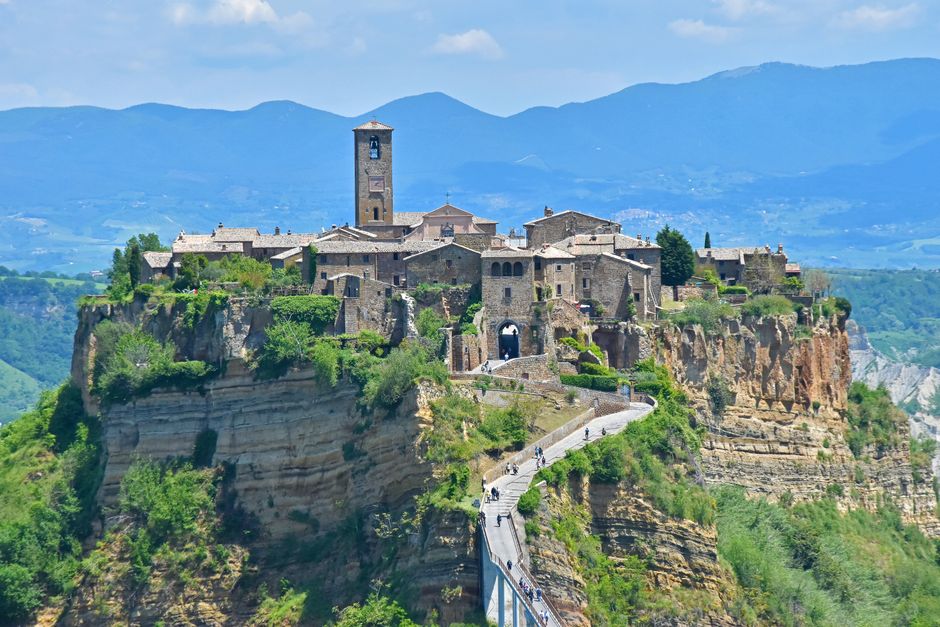
4. The Dying City on a Volcanic Crag
Civita di Bagnoregio, Italy
Civita di Bagnoregio is a dramatically isolated town, slowly eroding away and accessible only by a long pedestrian bridge.
Perched precariously atop a volcanic tufa rock, this ancient village in central Italy is often called 'the dying city' because its edges are constantly crumbling due to erosion. Visitors must walk across a narrow, modern footbridge spanning a deep canyon to reach its timeless, car-free streets. This dramatic isolation has preserved its medieval charm, making it feel like a forgotten world.
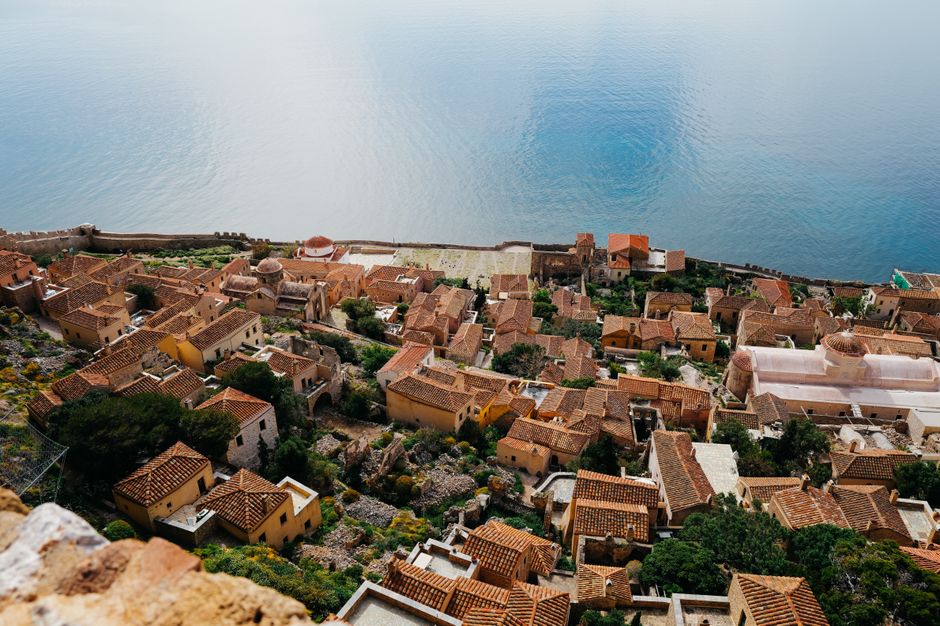
5. Hidden Fortress City on a Rock
Monemvasia, Greece
Monemvasia is a medieval fortress town built on a massive rock island, completely invisible from the mainland coast.
This remarkable Byzantine stronghold in Laconia, Greece, is a marvel of medieval engineering and stealth. From the mainland, Monemvasia appears as nothing more than a barren, imposing rock. However, a single causeway leads to a hidden gate, revealing a vibrant, living town tucked away on the rock's sheltered side, complete with churches, stone houses, and winding alleys, all protected from view and invaders.
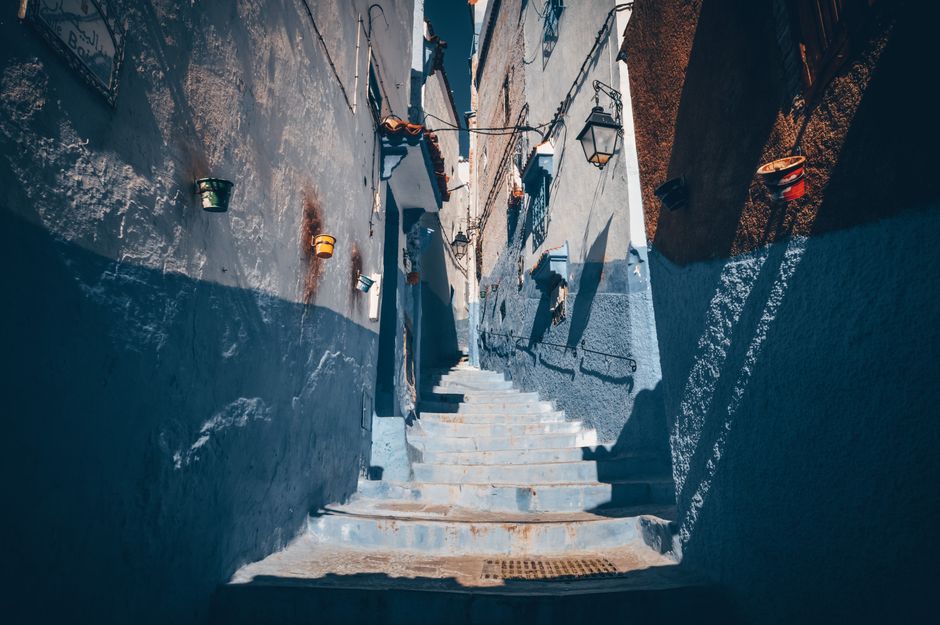
6. The Blue City's Ancient Secret
Chefchaouen, Morocco
The entire city of Chefchaouen is painted in various shades of blue, a tradition with multiple possible origins.
Nestled in Morocco's Rif Mountains, Chefchaouen is instantly recognizable by its striking blue-washed buildings. While popular theories suggest the blue repels mosquitoes or keeps houses cool, many locals believe the tradition began with Jewish refugees in the 1930s who painted their homes blue to symbolize the sky and heaven. Wandering its cobalt alleys feels like stepping into a dream, with every corner offering a new shade of blue.
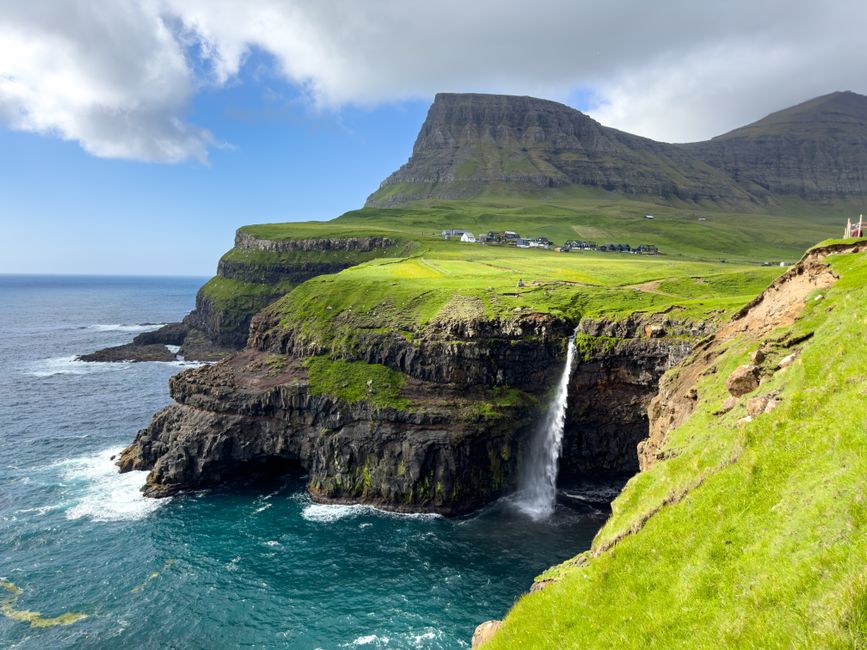
7. Remote Waterfall Village
Gásadalur, Faroe Islands
Until 2004, the remote village of Gásadalur was only accessible by a strenuous mountain hike or boat, despite its iconic waterfall.
Perched dramatically on a cliff's edge on the island of Vágar, Gásadalur offers breathtaking views of the Múlafossur waterfall plunging directly into the ocean. For centuries, its few inhabitants endured extreme isolation, with no road connection to the rest of the Faroes. A tunnel finally opened in 2004, connecting it to the outside world, yet it retains its raw, untouched beauty and sense of profound remoteness.
Frequently asked questions
Is it better to exchange money at home or abroad?
Generally, it's often more favorable to withdraw local currency from an ATM once you arrive in a foreign country. Banks typically offer better exchange rates than dedicated currency exchange kiosks at airports or hotels, and ATM fees are often lower than exchange service commissions.
What's the safest way to carry money overseas?
A combination of methods is usually best. Carry a primary debit card for ATM withdrawals, a credit card for larger purchases and emergencies, and a small amount of local cash for immediate needs. Avoid carrying large sums of cash, and keep copies of your cards and passport separate from the originals.
Should I notify my bank before traveling internationally?
Yes, absolutely. Informing your bank of your travel dates and destinations prevents them from flagging your international transactions as suspicious activity and potentially freezing your cards. This simple step can save you significant hassle and ensure uninterrupted access to your funds.
How can AllTours.ai enhance my travel experience in a new place?
AllTours.ai transforms your phone into an intelligent audio guide. Simply point your camera at any landmark, landscape, or even an interesting street, and the app instantly narrates its history, geology, and culture in your preferred language, revealing stories you might otherwise miss.
Related guides
Self-guided audio tours
Walk these places stop by stop — free five-stop story tours you can take at your own pace:
Photography via Pexels. AllTours.ai is an AI audio tour guide — point your camera at any landscape and hear its story.