September 8, 2026 · 4 min read
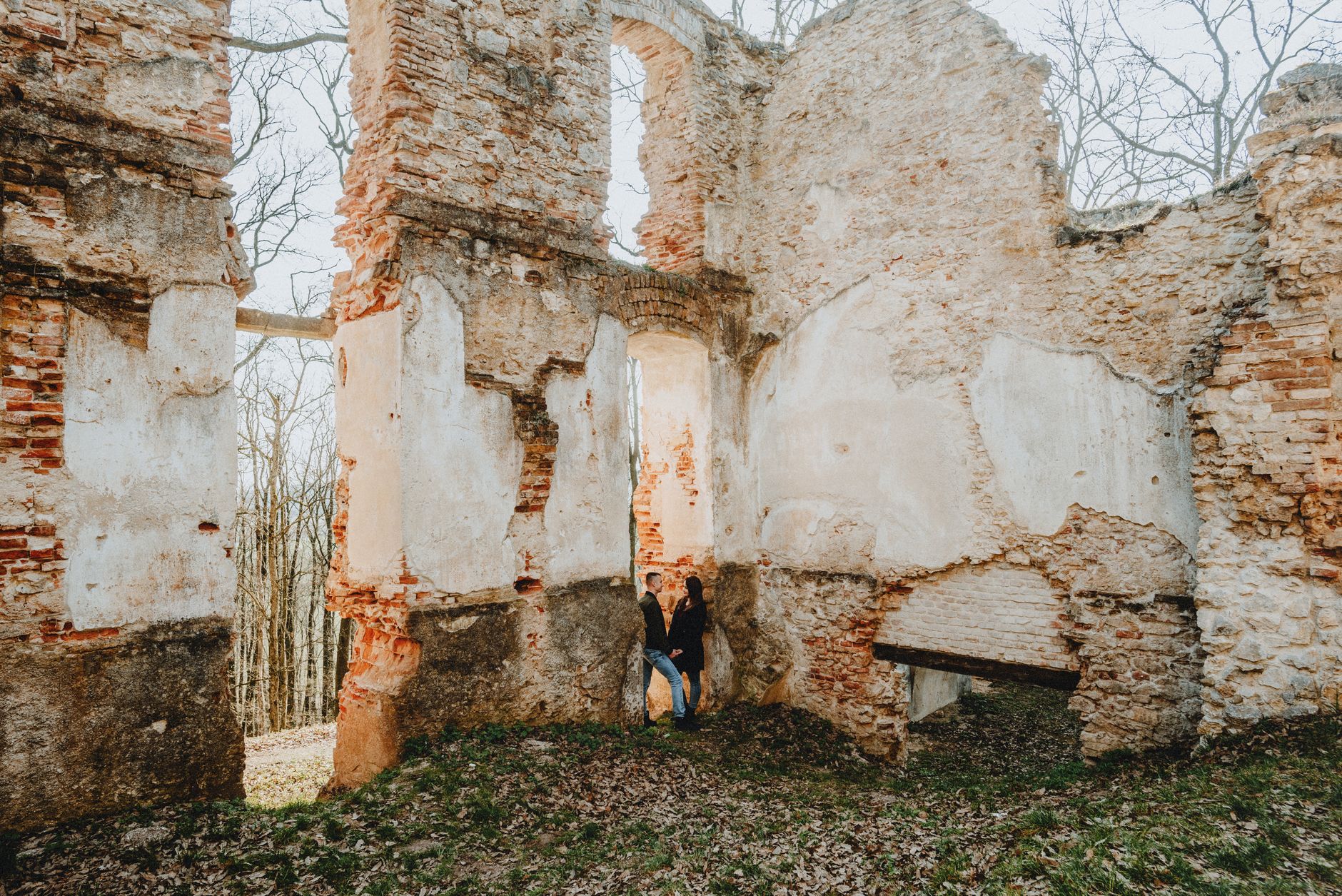
The question 'Should married couples have access to each other’s phones?' delves into the delicate balance of trust, privacy, and shared life. While the digital world holds its own mysteries, perhaps the most profound discoveries are found when we turn our gaze outward, together, towards the physical world's untold stories.
True intimacy often blossoms from shared experiences and mutual curiosity, especially when exploring the less-traveled paths. Instead of searching for secrets in a screen, imagine uncovering the hidden layers of history, geology, and culture that shape our planet. These are the narratives waiting to be discovered, offering a deeper connection to the world and, perhaps, to each other.
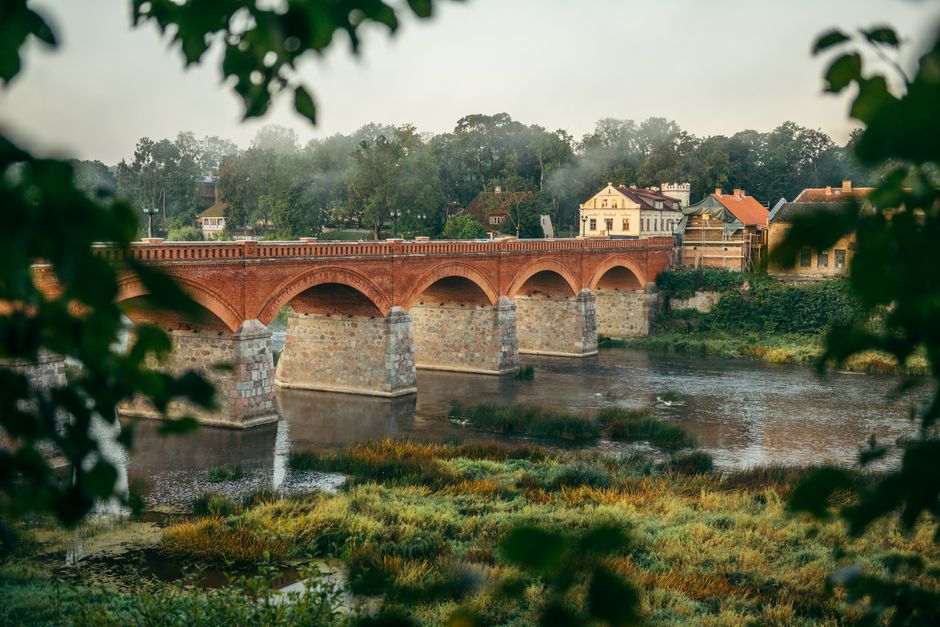
1. The River Where Fish Jumped for Dinner
Kuldīga, Latvia
Europe's widest natural waterfall once served as a unique fishing ground where fish were caught mid-air.
At the Venta Rapid in Kuldīga, Latvia, a natural sandstone waterfall stretches an astonishing 249 meters wide. For centuries, during spring spawning, salmon and vimba fish would attempt to leap over this barrier. Local dukes and fishermen developed a unique method: they placed baskets and nets strategically on the falls, catching the fish as they jumped, creating a spectacle that drew visitors from afar.
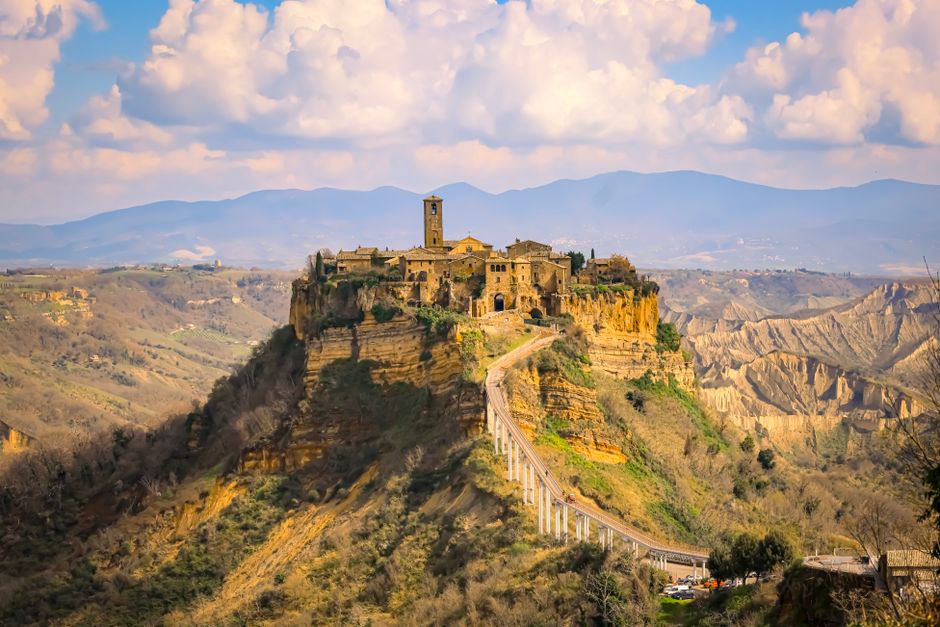
2. The Dying City on a Cliff
Civita di Bagnoregio, Italy
This ancient Italian hill town, accessible only by a long footbridge, is slowly eroding and vanishing.
Civita di Bagnoregio, perched atop a volcanic tufa rock, is known as 'The Dying City' because it's slowly crumbling due to erosion. Founded by Etruscans over 2,500 years ago, it's a testament to ancient architecture and human resilience. Only a handful of permanent residents remain, maintaining a quiet existence in a place that feels suspended in time, offering breathtaking views of the surrounding 'calanchi' valleys.
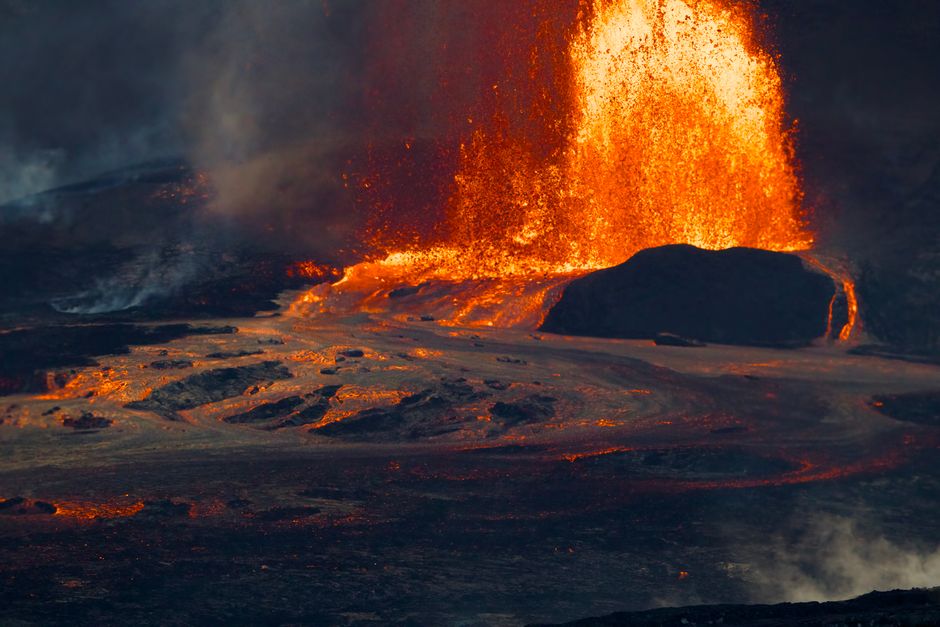
3. The Door to Hell
Darvaza Gas Crater, Turkmenistan
A massive natural gas crater in the Karakum Desert has been burning continuously for over five decades.
In 1971, Soviet geologists drilling for natural gas accidentally punctured an underground cavern, causing the ground to collapse and creating a massive crater. Fearing the release of poisonous gases, they decided to burn off the gas, expecting it to extinguish in a few weeks. Instead, the 'Door to Hell' has been burning ever since, a fiery spectacle illuminating the desert night, a potent reminder of humanity's impact on nature.
4. The Scandalous Secret Tunnels
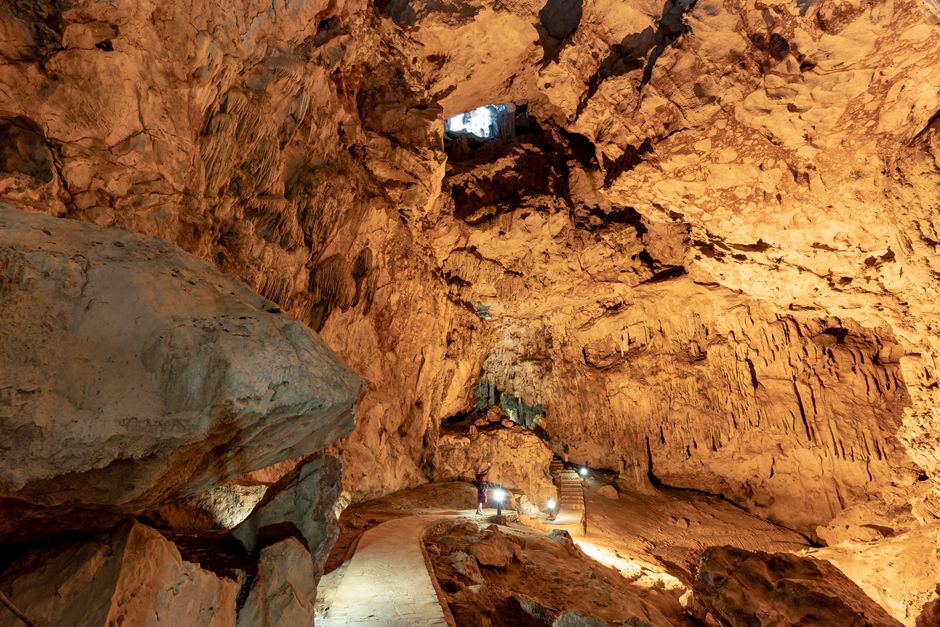
Hellfire Caves, West Wycombe, UK
Beneath a tranquil English hillside lies a vast network of man-made caves once used for notorious secret society meetings.
The Hellfire Caves are a series of chalk and flint caverns dug into the hillside near West Wycombe in the 1700s by Sir Francis Dashwood. Beyond their practical purpose, they became the notorious meeting place for the Hellfire Club, a society of influential figures known for their scandalous behavior and mock-pagan rituals. These dimly lit tunnels, stretching for miles, whisper tales of eighteenth-century aristocratic debauchery and hidden agendas.
5. The Sacred Desert Monolith
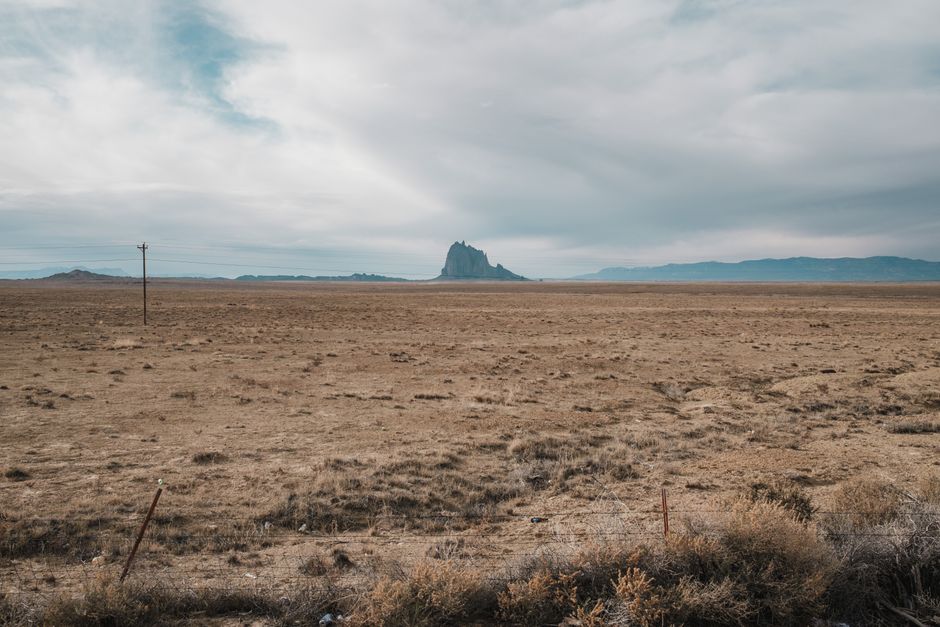
Shiprock, New Mexico, USA
A colossal volcanic neck rises dramatically from the desert, sacred to the Navajo Nation and steeped in ancient legend.
Shiprock, or 'Tsé Bitʼaʼí' (rock with wings) in Navajo, is a spectacular volcanic plug that soars over 1,500 feet above the surrounding New Mexico desert. This ancient geological formation is a sacred site for the Navajo people, playing a central role in their mythology and spiritual practices. Its dramatic silhouette, visible for miles, is a powerful symbol of spiritual significance and geological grandeur, a stark reminder of the earth's raw power.
6. The Island of Karaite Culture
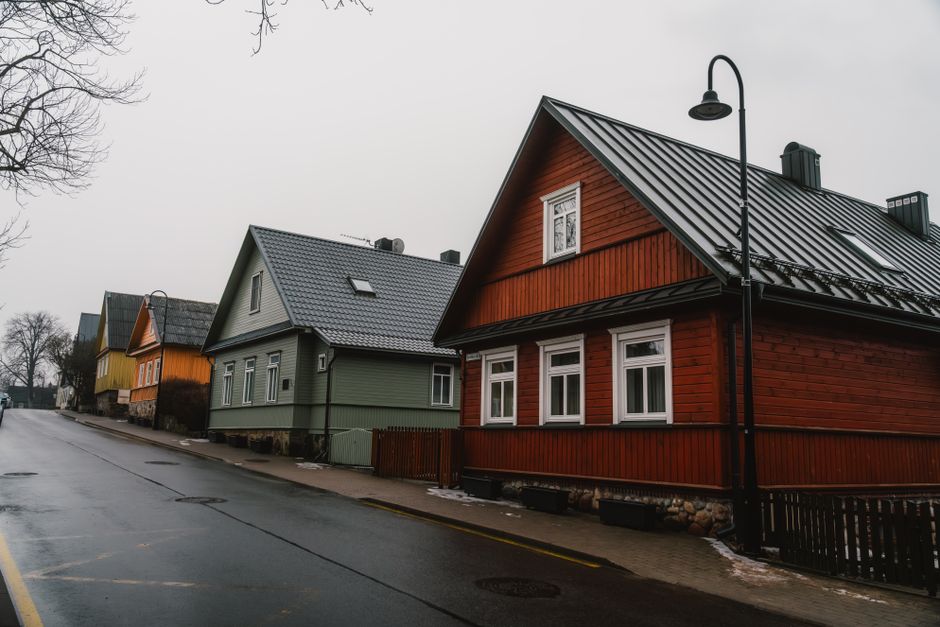
Trakai, Lithuania
Beyond its famous castle, Trakai hosts a unique Turkic-speaking community with distinct culinary and architectural traditions.
While Trakai is famous for its island castle, it's also home to a small, vibrant community of Karaites. These Turkic-speaking people, invited to Lithuania by Grand Duke Vytautas in the 14th century, have preserved their unique culture, language, and religion for centuries. Their distinctive wooden houses, with three windows facing the street—one for God, one for the Grand Duke, and one for the homeowner—add a unique charm to the town, along with their traditional kibinai pastries.
7. The Monastery of Mirrored Waters
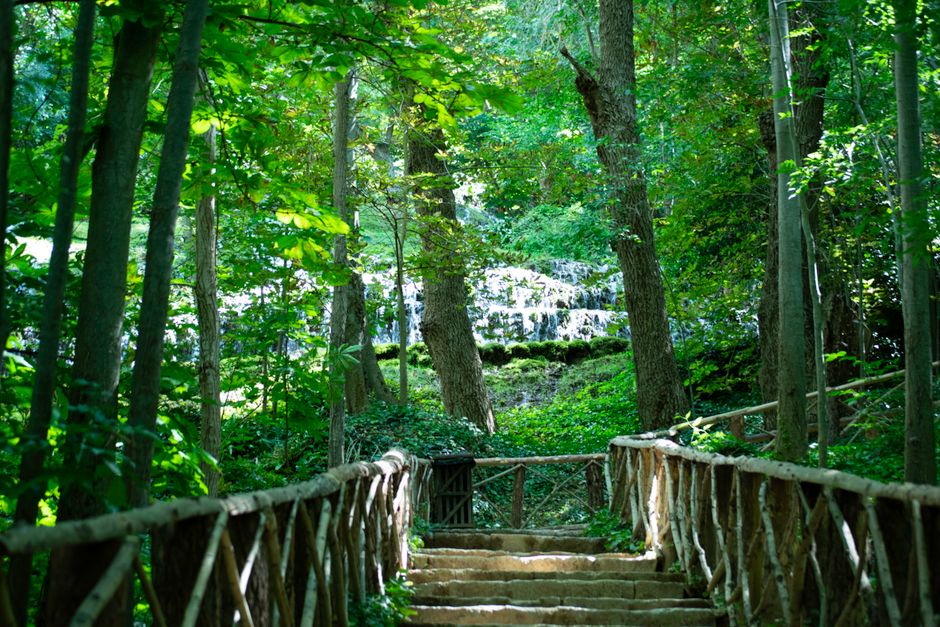
Monasterio de Piedra, Spain
A historic Cistercian monastery transformed its arid landscape into a lush park with stunning waterfalls and Europe's first fish farm.
Monasterio de Piedra is not just an ancient monastery, but also a breathtaking natural park born from human ingenuity. In the 12th century, Cistercian monks harnessed the Piedra River, creating a series of lakes and waterfalls, some hidden within caves, that dramatically changed the arid Aragonese landscape. They also established Europe's first fish farm here, pioneering aquaculture techniques amidst this verdant oasis, a true blend of nature and ancient monastic life.
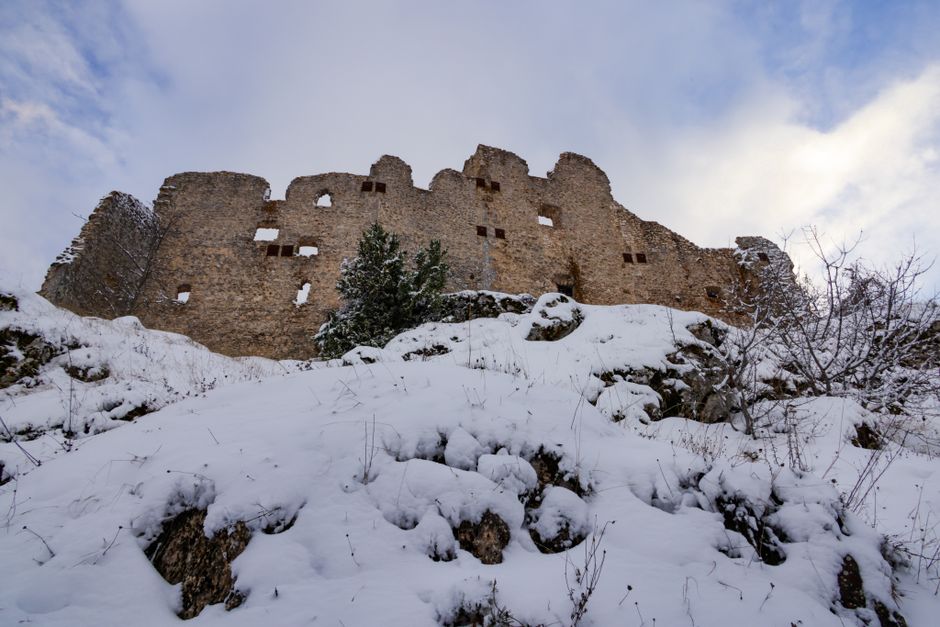
8. The Dacian Mountain Stronghold
Piatra Roşie, Romania
Hidden high in the Transylvanian mountains are the ruins of a formidable Dacian fortress, a UNESCO World Heritage site.
Piatra Roşie, meaning 'Red Rock,' is one of six Dacian fortresses that collectively form a UNESCO World Heritage site, yet it remains far less visited than its famous counterpart, Sarmizegetusa Regia. Perched strategically on a steep mountain ridge, it served as a key defensive outpost for the Dacian kingdom against Roman incursions. Its massive stone walls and watchtowers, now reclaimed by nature, offer a glimpse into the formidable engineering of an ancient civilization.
Frequently asked questions
How do couples maintain privacy while traveling?
Maintaining privacy while traveling often involves choosing accommodations with separate spaces, being mindful of public versus private moments, and openly communicating boundaries. Sharing experiences can deepen connection, but respecting individual needs for solitude ensures a harmonious trip.
What are some benefits of exploring less-known destinations together?
Exploring lesser-known destinations allows couples to discover unique cultures and landscapes without the crowds, fostering a stronger sense of shared adventure. These off-the-beaten-path experiences often lead to more authentic interactions with locals and create truly unforgettable memories.
How can we discover unique local stories when we travel?
To uncover unique local stories, engage with locals at markets or small cafes, visit community museums, or seek out historical markers. Reading local blogs or history books before your trip can also provide valuable context and point you towards intriguing narratives.
How does AllTours.ai help travelers uncover hidden stories?
AllTours.ai transforms your phone into an intelligent audio tour guide. Simply point your camera at any landscape, landmark, or point of interest, and the app will instantly narrate its rich history, fascinating geology, and vibrant culture in your preferred language, revealing the hidden stories all around you.
Related guides
Self-guided audio tours
Walk these places stop by stop — free five-stop story tours you can take at your own pace:
Photography via Pexels. AllTours.ai is an AI audio tour guide — point your camera at any landscape and hear its story.