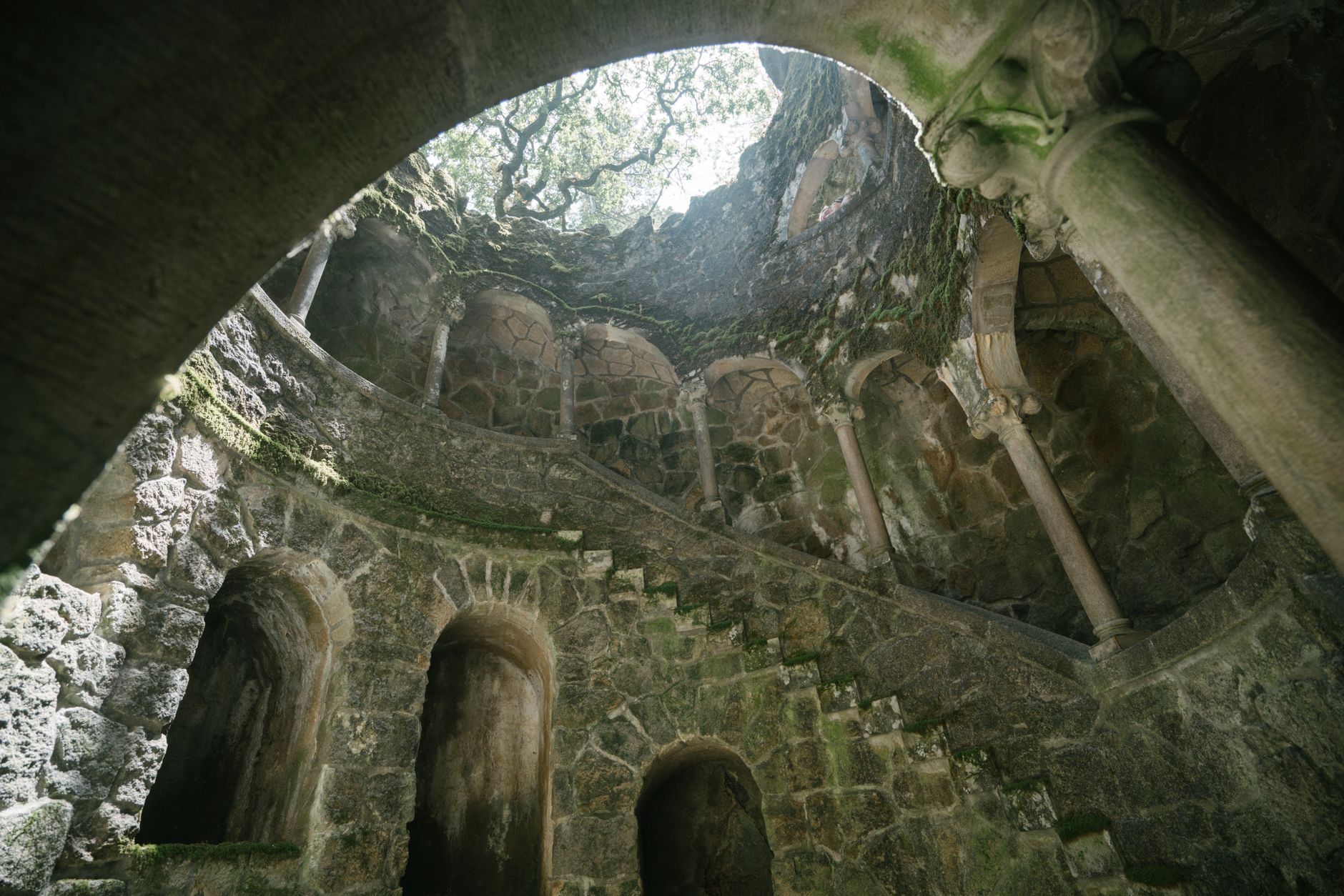
October 5, 2026 · 4 min read
Sintra, a UNESCO World Heritage site just a short journey from Lisbon, often conjures images of vibrant, romantic palaces. Its unique microclimate blankets the hills in verdant foliage, providing a dramatic backdrop for centuries of history, from Moorish fortifications to opulent royal retreats. While some sites draw inevitable crowds, Sintra holds a deeper, more intimate allure for those willing to venture slightly off the beaten path.
For travelers with just 1 day in Sintra palaces and gardens, it's possible to immerse yourself in its distinctive charm. Beyond the most famous landmarks, a wealth of genuinely surprising stories awaits, embedded in lesser-known chalets, austere convents, and breathtaking viewpoints. Prepare to uncover the unique history, geology, and culture that make Sintra truly unforgettable.
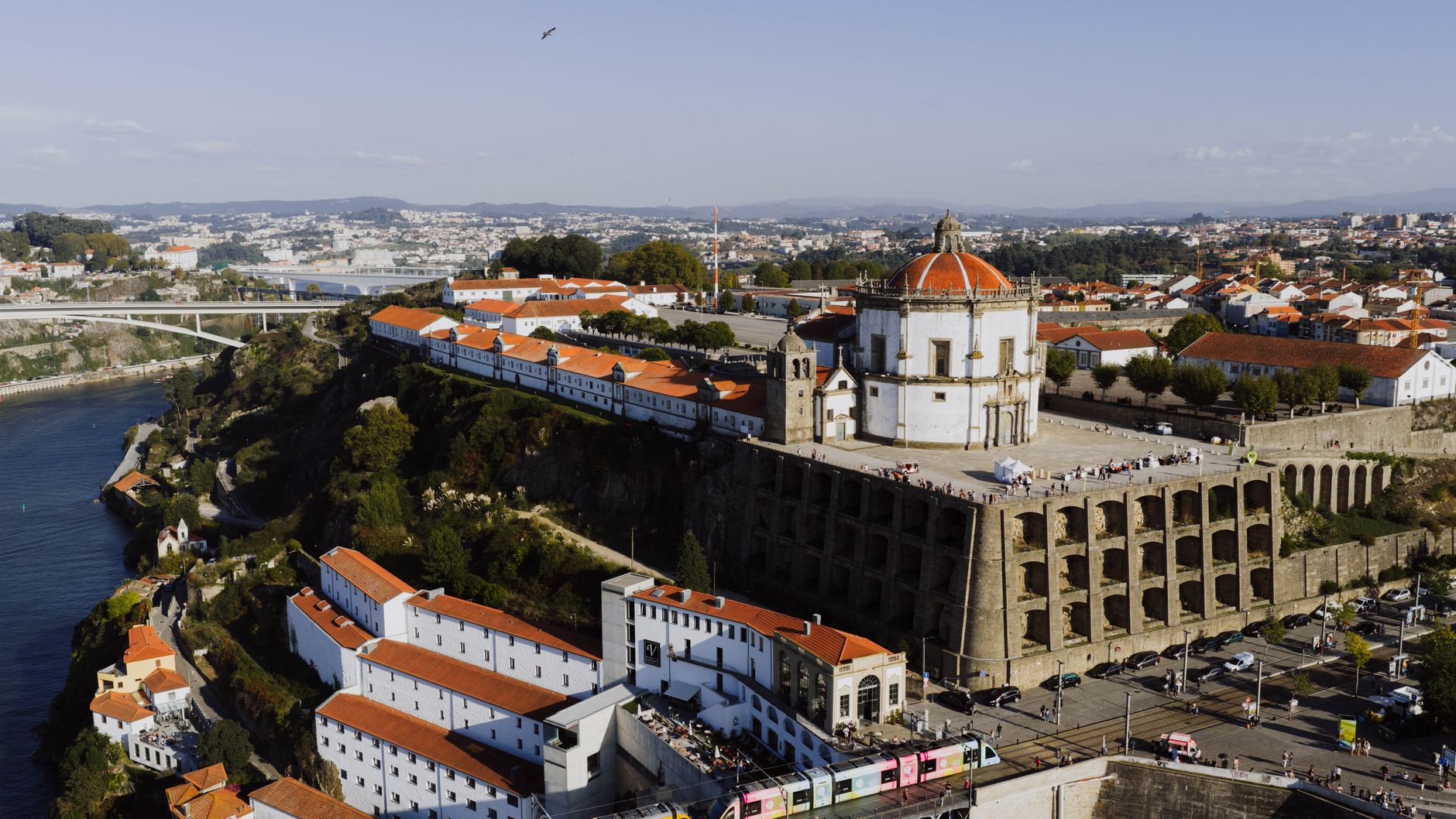
1. Convento dos Capuchos: The Austere Cork Retreat
Sintra, Portugal
This 16th-century Franciscan monastery is almost entirely built from cork, a stark contrast to Sintra's opulent palaces.
Founded in 1560, the 'Cork Convent' was home to friars who lived in extreme poverty, using natural materials like cork for insulation and decoration. Its tiny cells, low doorways, and moss-covered courtyards offer a profound glimpse into a life of self-denial and harmony with nature. It’s a powerful reminder of a spiritual path that rejected material excess, just a short distance from royal splendor.
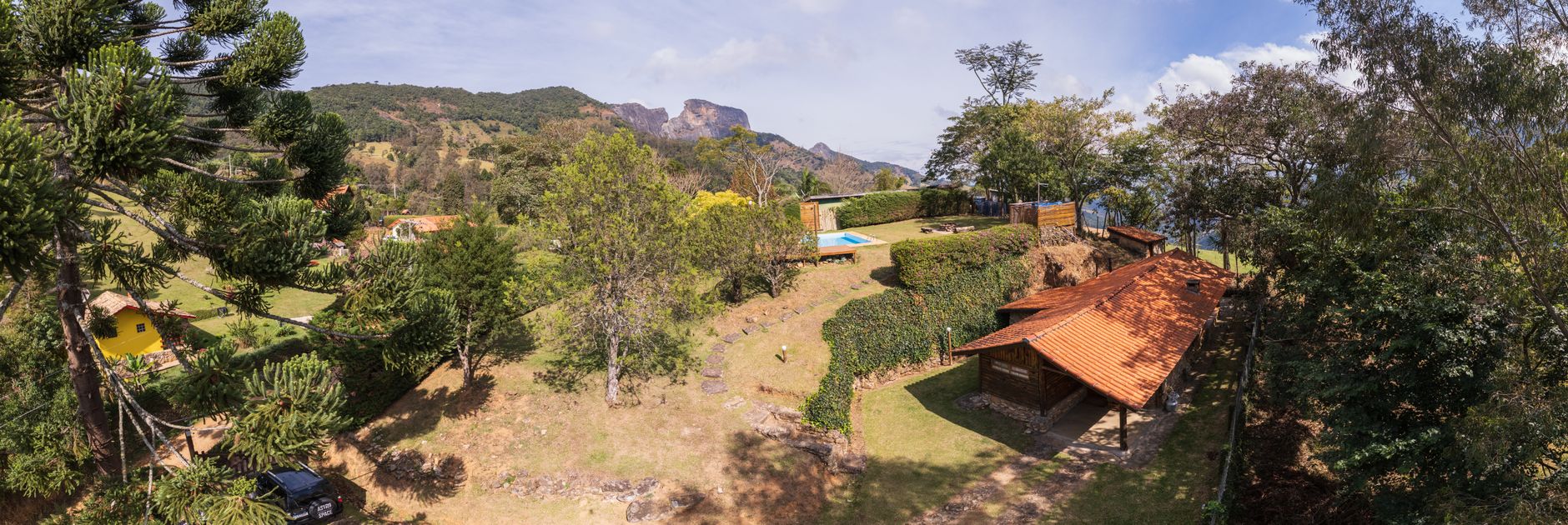
2. Chalet da Condessa D'Edla: A Royal Love Nest
Sintra, Portugal
This charming alpine-style chalet was built by King Ferdinand II for his second wife, an opera singer, and tells a romantic, unconventional royal story.
Tucked away in Pena Park, the Chalet da Condessa D'Edla was commissioned by King Ferdinand II for his beloved Elise Hensler, later the Countess of Edla. Its unique design, featuring cork details, painted stucco, and intricate tilework, reflects a personal, artistic escape. The chalet and its surrounding gardens were a private haven, offering a glimpse into a love that defied courtly expectations and championed creativity.
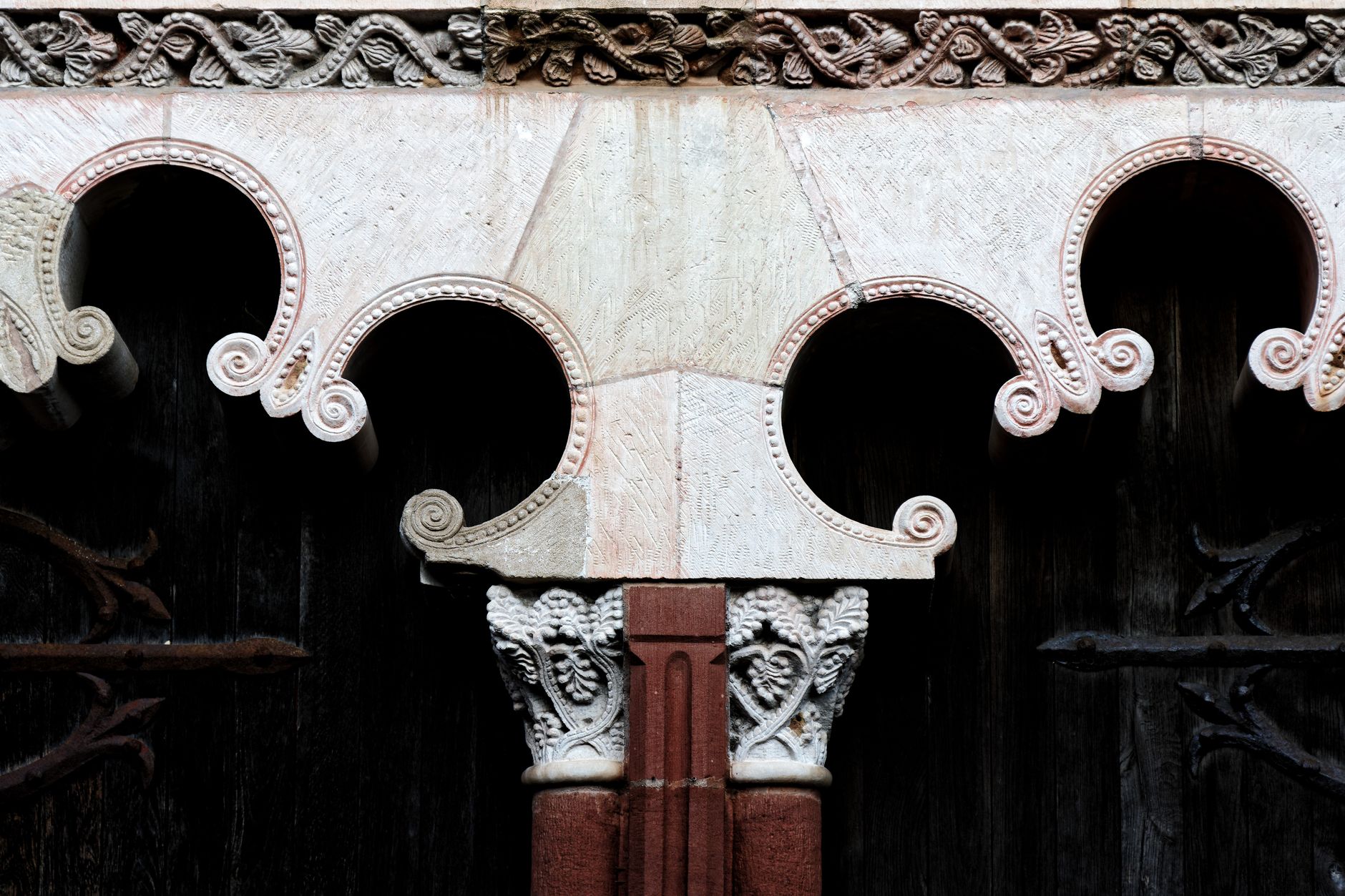
3. Palácio de Monserrate: An Eclectic Dreamscape
Sintra, Portugal
This palace is a stunning blend of Gothic, Indian, and Moorish architectural styles, surrounded by one of Portugal's most diverse botanical gardens.
Built for the English millionaire Francis Cook in the mid-19th century, Monserrate Palace is a testament to romantic eclecticism. Its intricate stucco work, exotic arches, and domed interiors create a fairytale atmosphere unlike any other. The vast gardens, designed to showcase species from around the world, feature Mexican, Japanese, and even a "Valley of the Ferns," creating microclimates that invite endless exploration.
4. Vila Sassetti: The Path of the Guardians
Sintra, Portugal
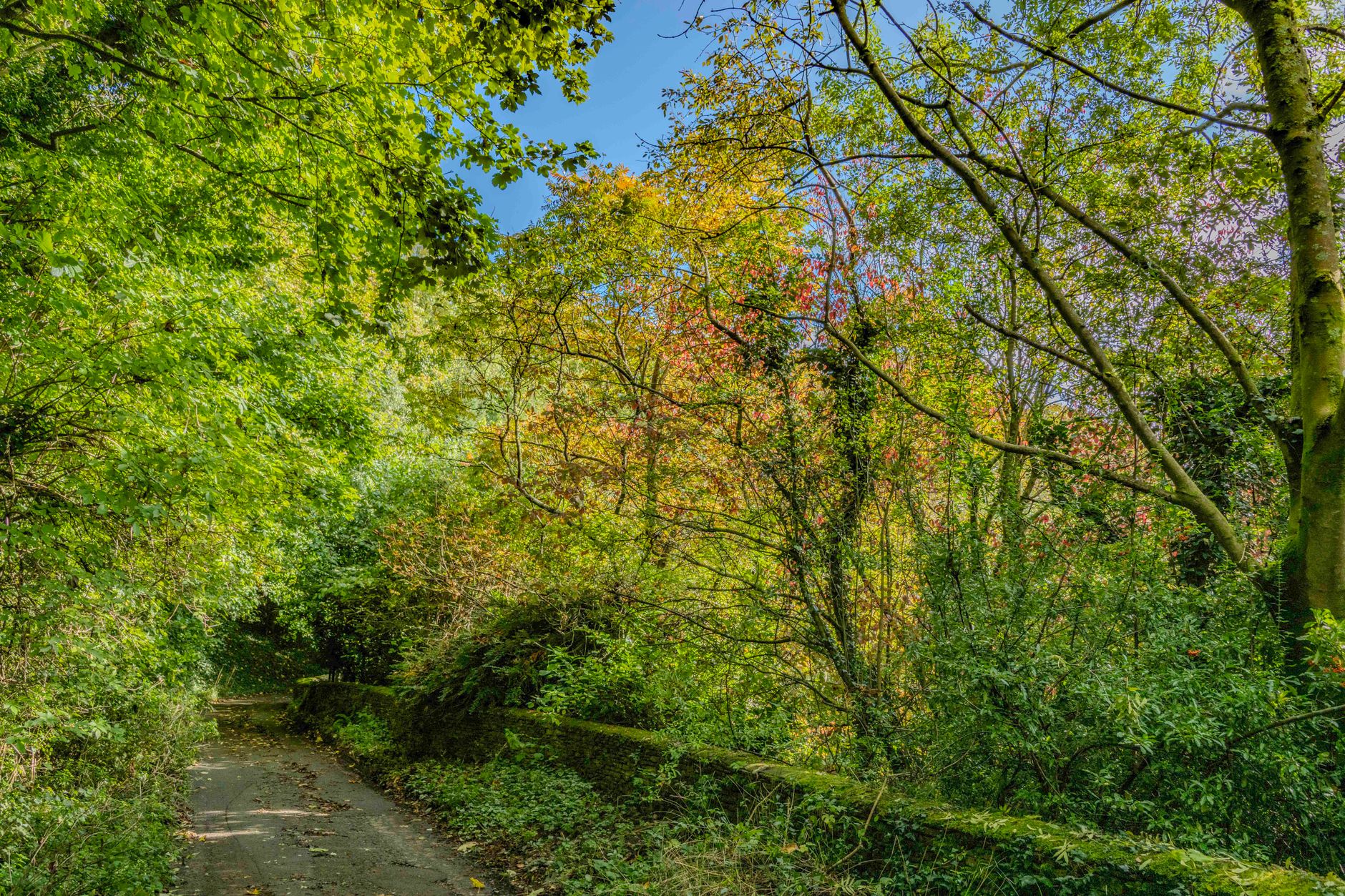
This beautiful estate offers a serene, often-missed pathway leading directly up to the Moorish Castle, rich with symbolic landscaping.
While the Vila Sassetti itself is a private residence, its public access gardens and pathway provide a delightful alternative ascent to the Castelo dos Mouros. Designed in the late 19th century by Victor Sassetti, the path winds through lush vegetation, past small lakes, and Roman-inspired statues. It's a tranquil route that allows visitors to absorb the natural beauty and historical ambiance of Sintra without the crowds, offering unique perspectives of the surrounding landscape.
5. Cruz Alta: Sintra's Panoramic Crown
Sintra, Portugal
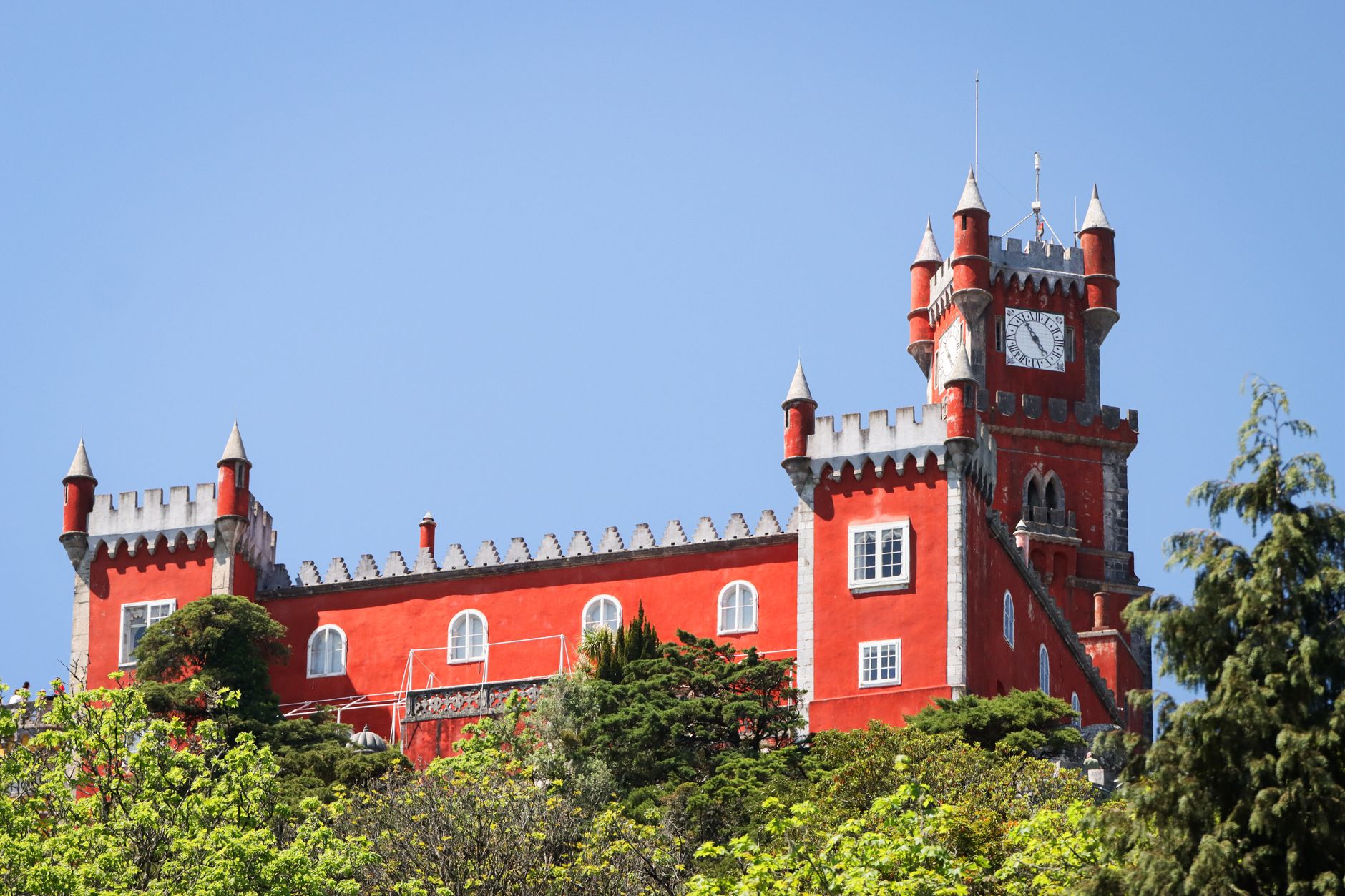
Marking the highest point of the Serra de Sintra, this monumental cross offers unparalleled 360-degree views of the entire region, including the coastline and Lisbon.
Located within the Pena Park, but often overlooked as a destination in itself, Cruz Alta provides a breathtaking perspective on Sintra's unique geography. The original cross dates back to the 16th century, though the current one is a 19th-century reconstruction. From this vantage point, one can truly grasp the scale of the natural park, the intricate relationship between its palaces and the landscape, and even spot the Atlantic Ocean on a clear day.
6. Palácio e Quinta da Ribafria: A Medieval Manor's Charm
Sintra, Portugal
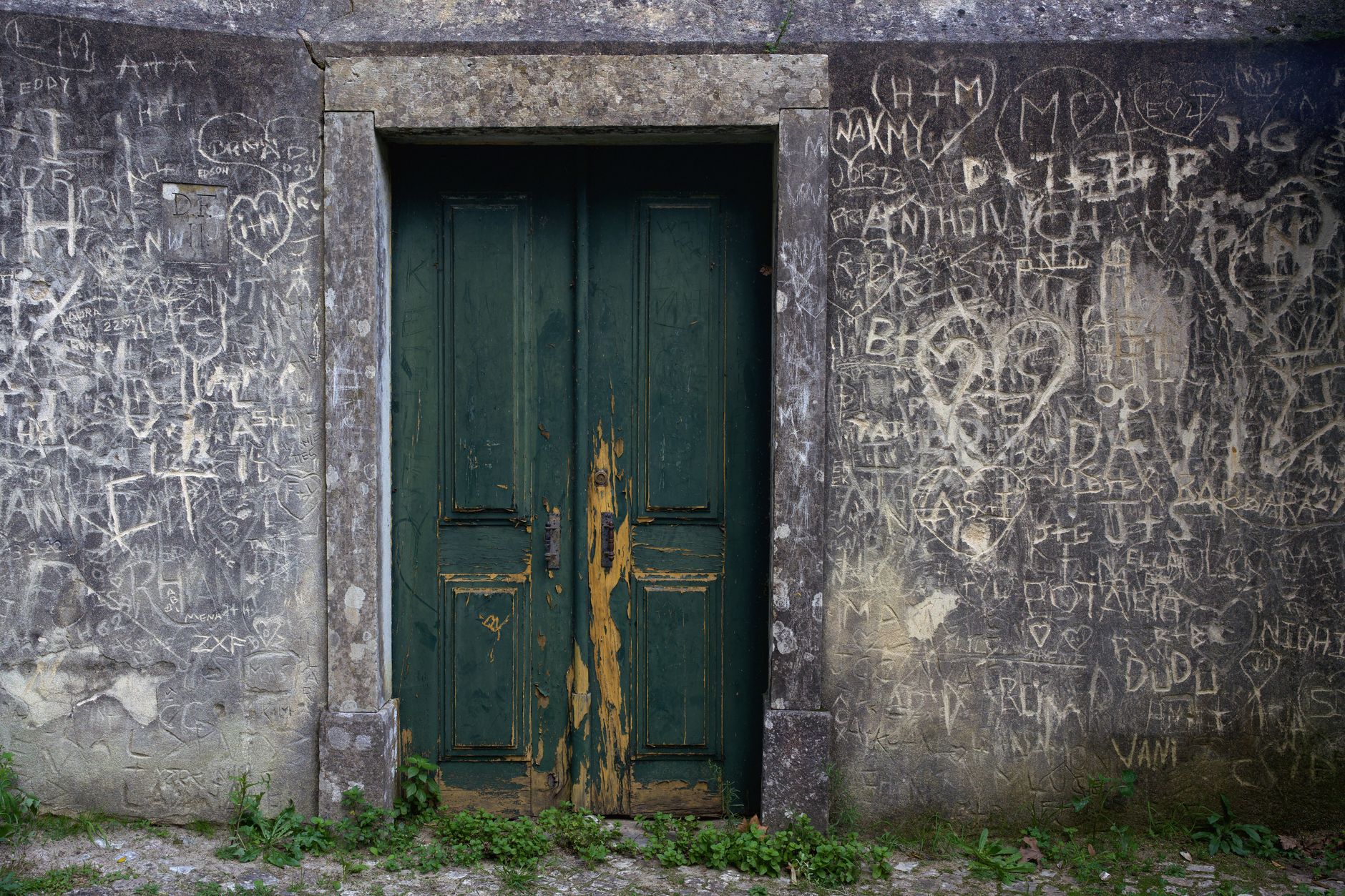
This 16th-century manor house, built with defensive towers, is one of the oldest and best-preserved examples of civil architecture in the region, rarely visited by tourists.
Constructed in 1530 for Gaspar Gonçalves, a nobleman of the Portuguese court, Quinta da Ribafria stands as a fascinating example of a fortified country estate. Its two imposing medieval towers and Renaissance-style loggia offer a glimpse into a different era of Sintra's history, predating many of the romantic palaces. The surrounding quinta (farm estate) retains much of its original character, providing a quiet, authentic historical experience away from the main tourist circuit.
7. Ermida da Peninha: The Cliffside Hermitage
Sintra, Portugal
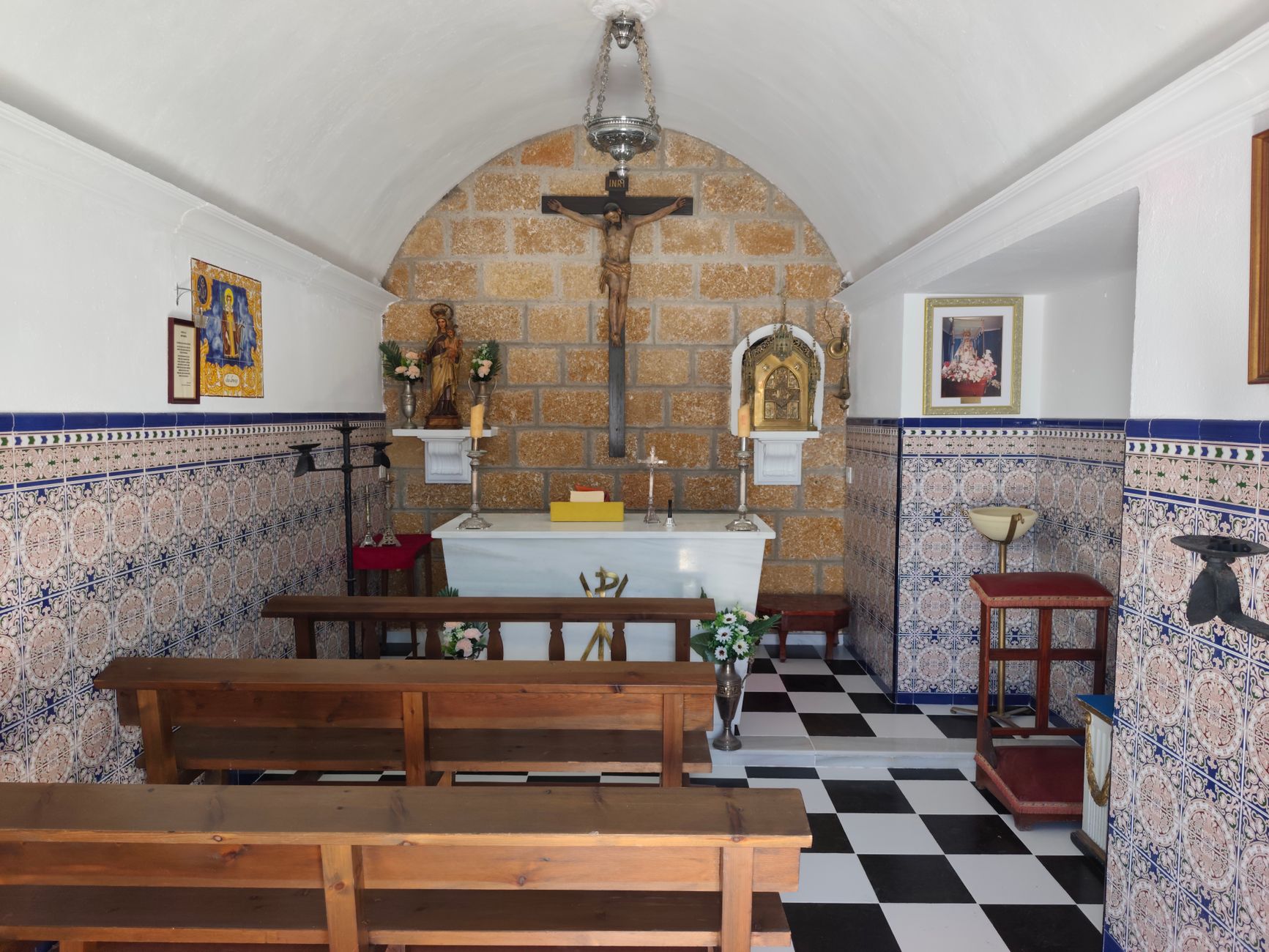
Perched dramatically on a rocky outcrop overlooking the Atlantic, this remote hermitage and chapel offers profound spiritual history and spectacular coastal views.
The Ermida da Peninha is a site of ancient devotion, with roots tracing back to a Marian apparition in the 17th century. The current chapel and adjoining palace were built in the 18th and 20th centuries respectively, but it's the location itself that captivates. Standing atop the cliffs, the views stretch from Cabo da Roca (mainland Europe's westernmost point) to the Cascais coast. It’s a place where natural grandeur meets spiritual solitude, far from the bustling town center.
Frequently asked questions
How much time should I allocate for a day trip to Sintra?
For 1 day in Sintra palaces and gardens, it's best to start early, ideally by 9 AM. You can comfortably visit two to three sites, plus explore the historic town center. Prioritize your top choices to avoid rushing, and factor in travel time between sites.
What is the best way to get around Sintra's sites?
Sintra's sites are spread out and often on hilly terrain. While the town center is walkable, reaching palaces like Pena or Monserrate requires transport. Options include local buses (like the 434 tourist bus), taxis, tuk-tuks, or ride-sharing apps. Driving can be challenging due to narrow roads and limited parking.
Are there any good food options in Sintra?
Yes, Sintra offers a variety of dining experiences, from traditional Portuguese taverns to charming cafes. Don't miss trying the local pastries like queijadas de Sintra (cheese tarts) or travesseiros (puff pastries filled with almond cream), available at many bakeries in the historic center.
How can AllTours.ai enhance my Sintra visit?
AllTours.ai brings Sintra's rich history to life. Simply point your phone camera at a palace, garden feature, or a distant landmark, and the app will narrate its fascinating history, geological context, and cultural significance in your language, providing a deeper understanding of everything you see.
Related guides
Photography via Pexels. AllTours.ai is an AI audio tour guide — point your camera at any landscape and hear its story.