September 21, 2026 · 4 min read
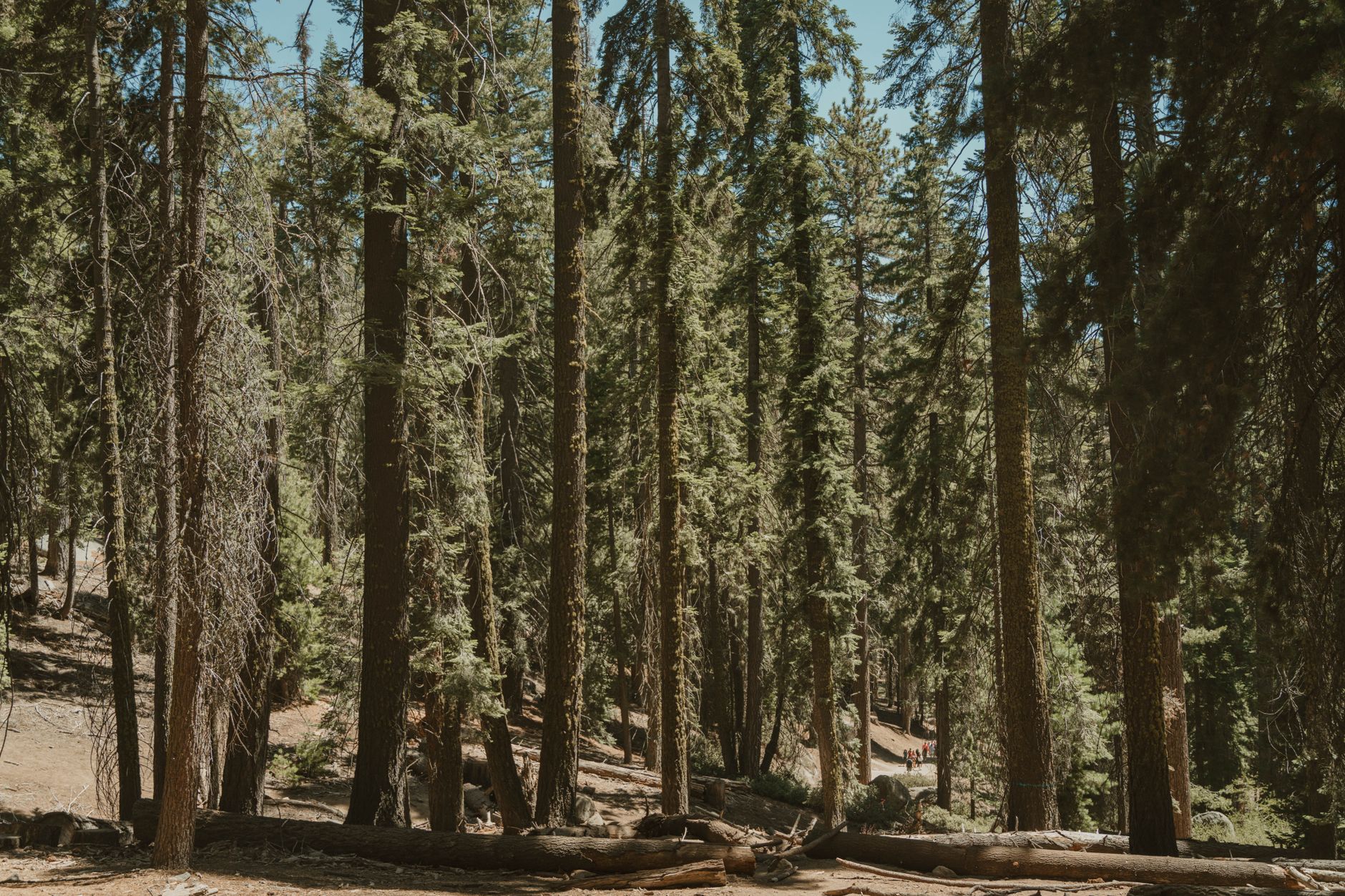
San Diego’s coastline, with its sun-drenched beaches and dramatic bluffs, holds a special allure. Many travelers flock to iconic spots like Torrey Pines State Natural Reserve, drawn by its rare pine trees and breathtaking ocean vistas. You've likely admired the views from Torrey Pines Lodge, perhaps hiked a well-worn trail, and felt a connection to this stunning corner of California.
But what if San Diego held even more hidden stories, geological marvels, and cultural curiosities, tucked just beyond the most frequented paths? We've scoured the area around Torrey Pines and wider San Diego to uncover 8 truly unique spots, each with a surprising secret that will deepen your appreciation for this vibrant region. Prepare to see San Diego through a fresh, curious lens.
1. The Slot Canyon of Annie's Canyon Trail
Solana Beach, USA
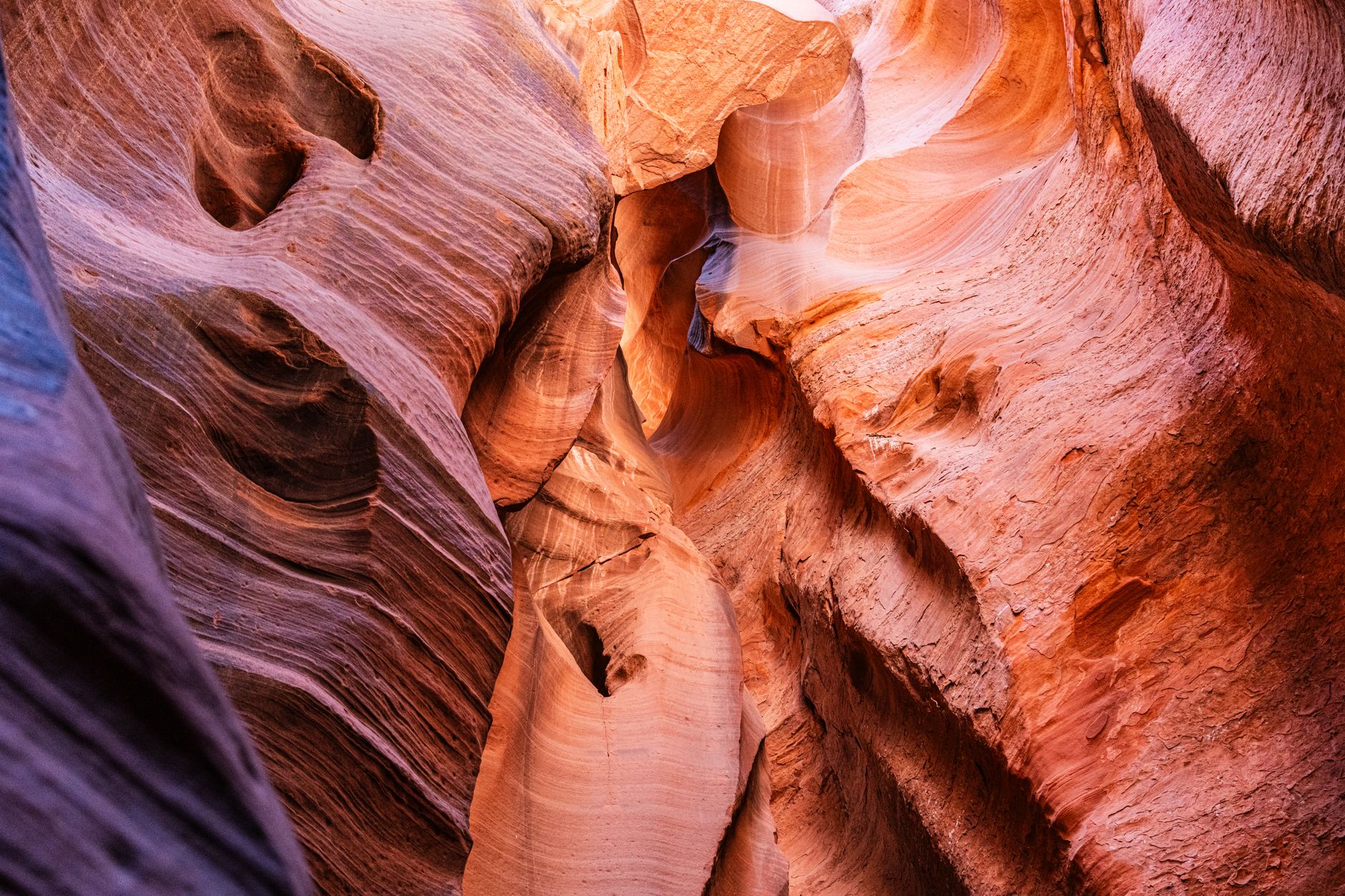
This unexpected slot canyon, more commonly found in Arizona, was sculpted by water over millennia, hidden just off a busy freeway.
Tucked away in the San Elijo Lagoon Ecological Reserve, Annie's Canyon is a geological marvel. Its narrow, winding passages, carved from sandstone by ancient water flows, create an otherworldly experience. Once an illegal dumping ground, this delicate ecosystem was lovingly restored by community efforts, making it a accessible yet surprising adventure for those seeking a unique natural wonder.
2. Ho Chi Minh Trail's Treacherous Beauty
La Jolla, USA
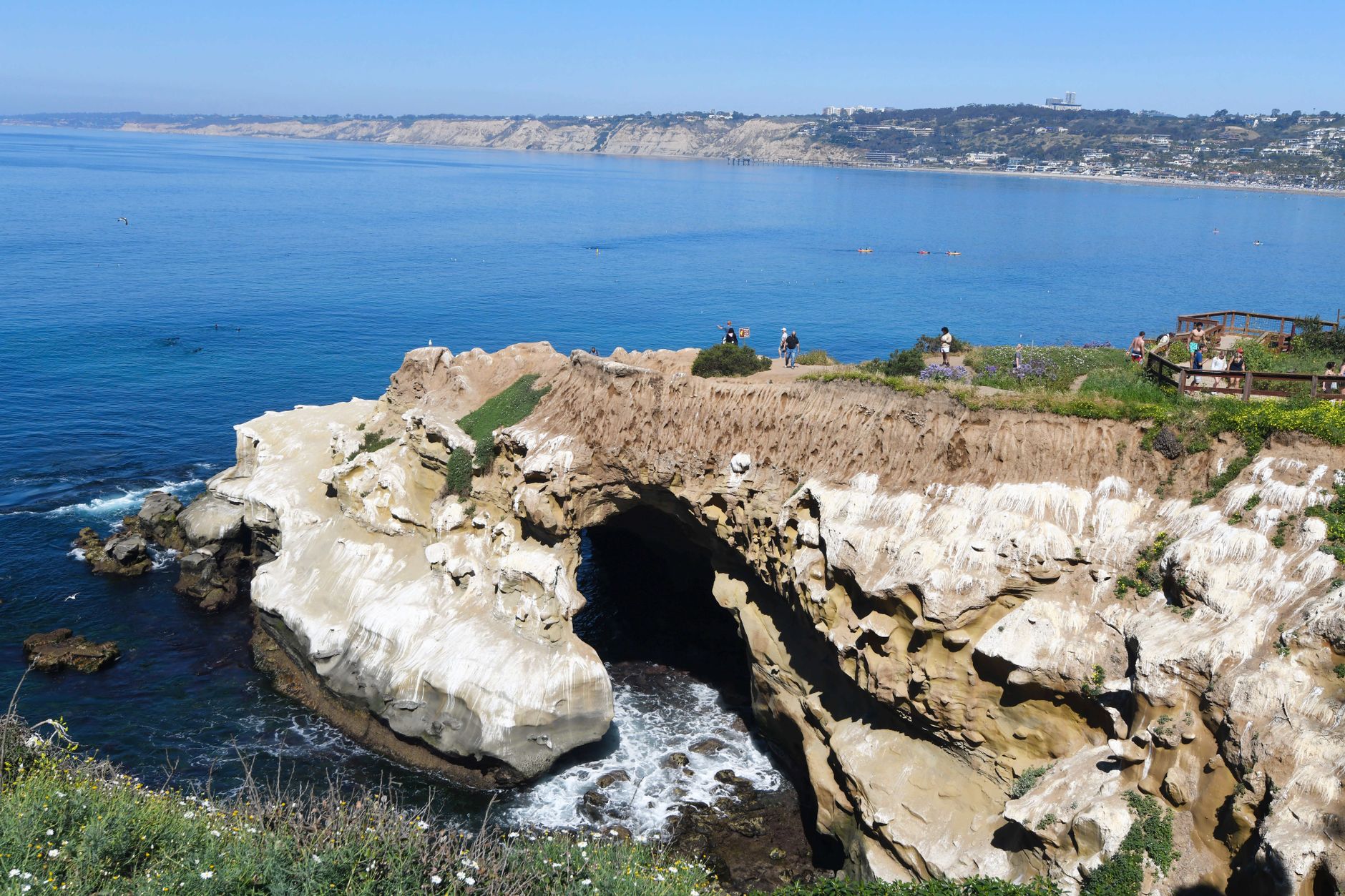
A treacherous, unofficial path carved by surfers to reach a secluded beach, revealing surprising geological erosion and local lore.
More of a scramble than a trail, this infamous path descends a steep, eroding canyon towards Blacks Beach. Used for decades by determined surfers, its challenging terrain includes sections where ropes assist the descent. The trail's very existence is a testament to the powerful forces of water runoff, which have sculpted the sandstone cliffs into a dramatically rugged, almost alien landscape, constantly shifting and revealing new formations.
3. The Irony of Old Point Loma Lighthouse
San Diego, USA
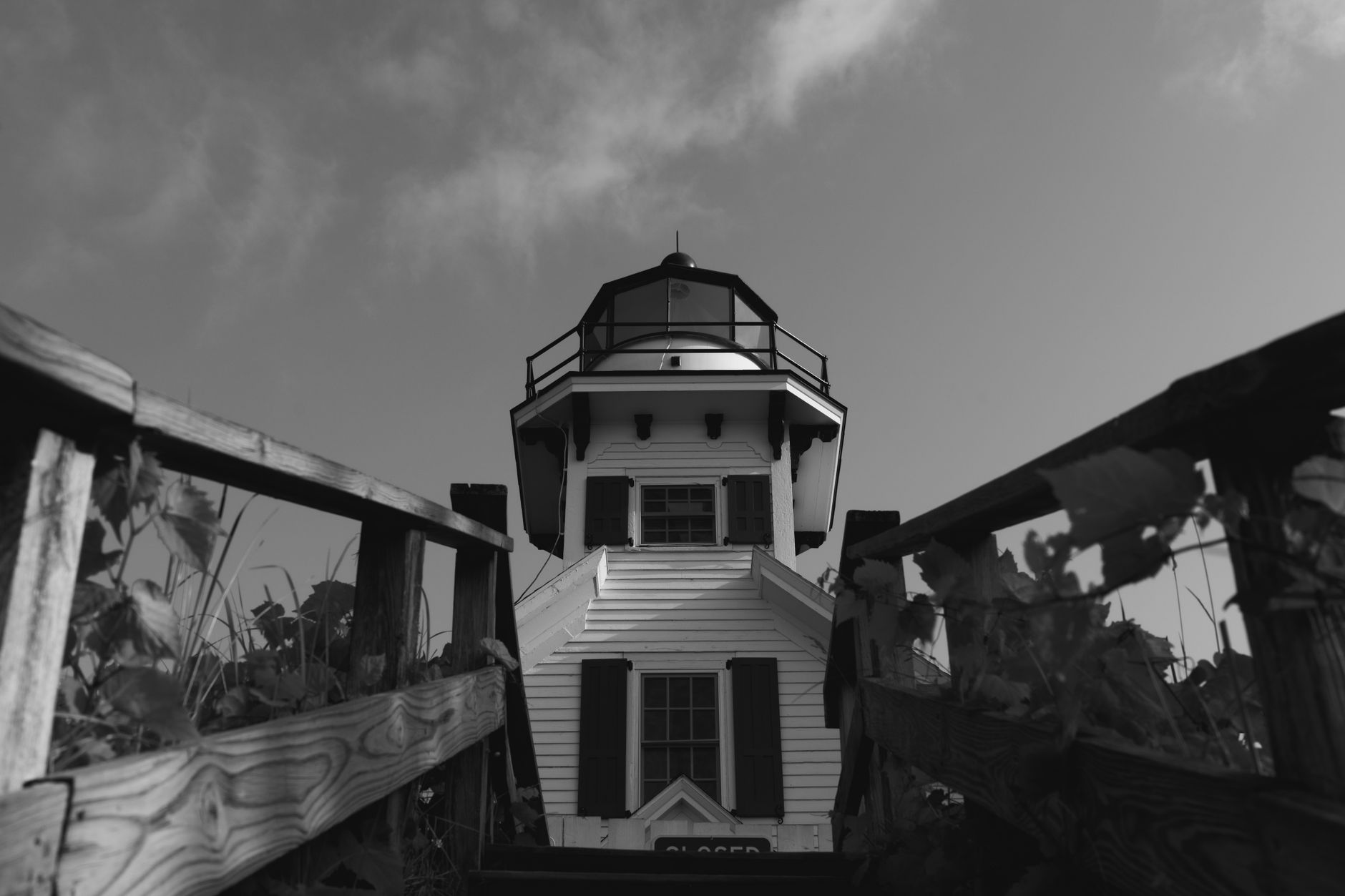
This historic lighthouse, now a museum, was ironically built so high it often couldn't be seen through the fog it was meant to pierce.
Perched atop a 400-foot cliff at Cabrillo National Monument, the Old Point Loma Lighthouse offers sweeping views of the Pacific. Yet, its elevated position proved to be its downfall; the light beam was frequently obscured by low-lying fog and clouds, rendering it useless for ships. Operational for only 36 years, it stands as a poignant reminder of early navigation challenges and a beautiful, if flawed, architectural choice, replaced by a lower, more effective light in 1891.

4. Salk Institute's Imperfect Perfection
La Jolla, USA
Architect Louis Kahn designed its iconic travertine courtyard with a single, deliberate imperfection, creating a unique visual and auditory effect.
The Salk Institute is a masterpiece of modern architecture, famed for its brutalist concrete and symmetrical design. However, its expansive travertine plaza contains a subtle, intentional slope. This allows a thin channel of water to flow directly to the Pacific Ocean, symbolizing humanity's connection to the vastness of nature. This 'imperfection' creates a mesmerizing reflective surface and a gentle, constant whisper of water, a profound and often overlooked detail in Kahn's precise vision.
5. Los Peñasquitos Canyon Preserve Waterfalls
San Diego, USA
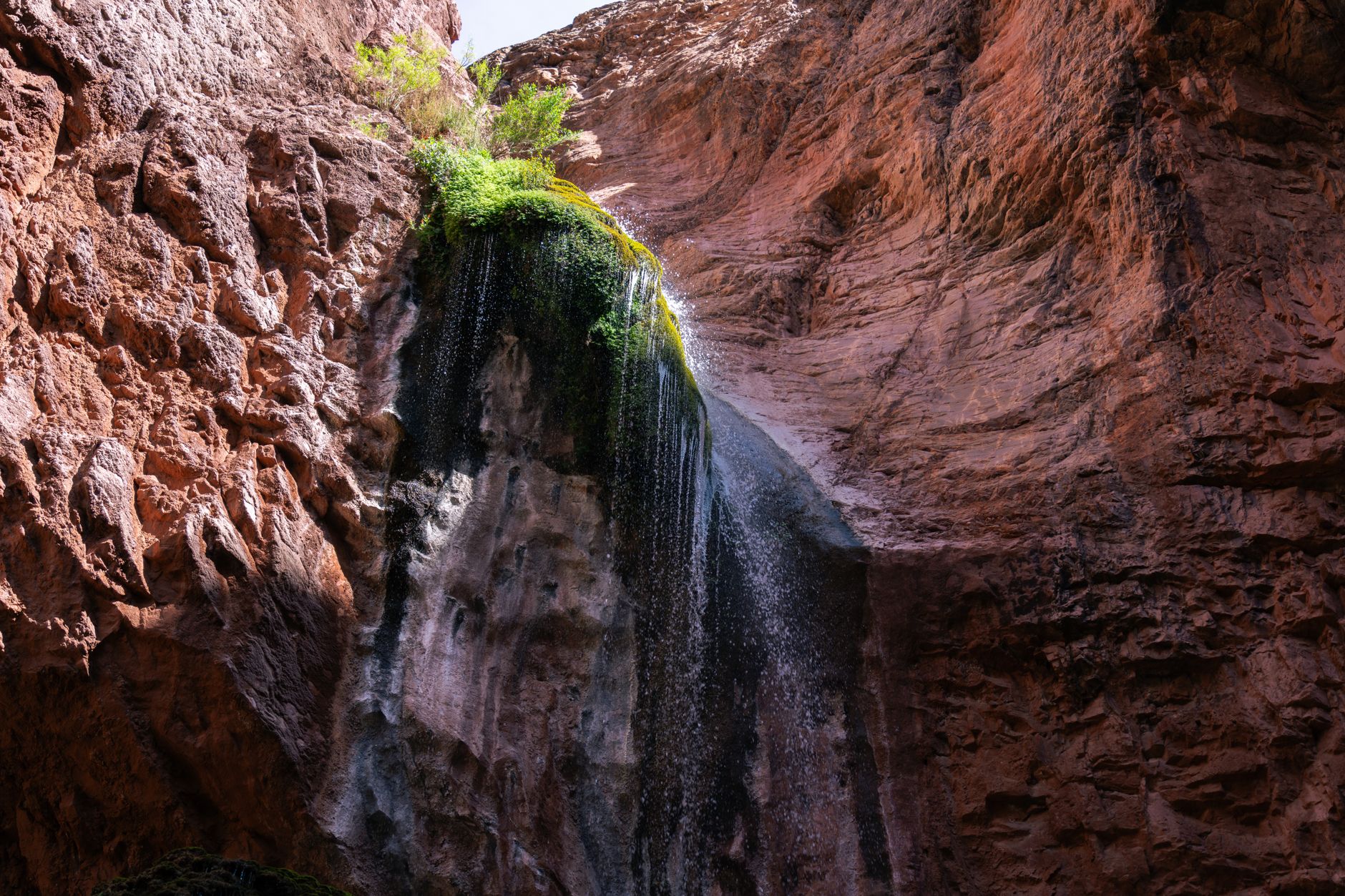
This urban preserve hides unexpected year-round waterfalls, flowing over ancient volcanic rock formations 15 million years old.
Within the sprawling Los Peñasquitos Canyon Preserve, a surprising oasis awaits: a series of year-round waterfalls. The preserve's creek carves through a diverse landscape, revealing cascades that tumble over dark, rugged basalt rock—the remnants of volcanic activity from millions of years ago. It’s a remarkable geological anomaly within the city limits, offering not just a beautiful hike but a tangible connection to San Diego's deep geological past and a thriving riparian ecosystem.
6. The Swaying Secret of Spruce Street Suspension Bridge
San Diego, USA
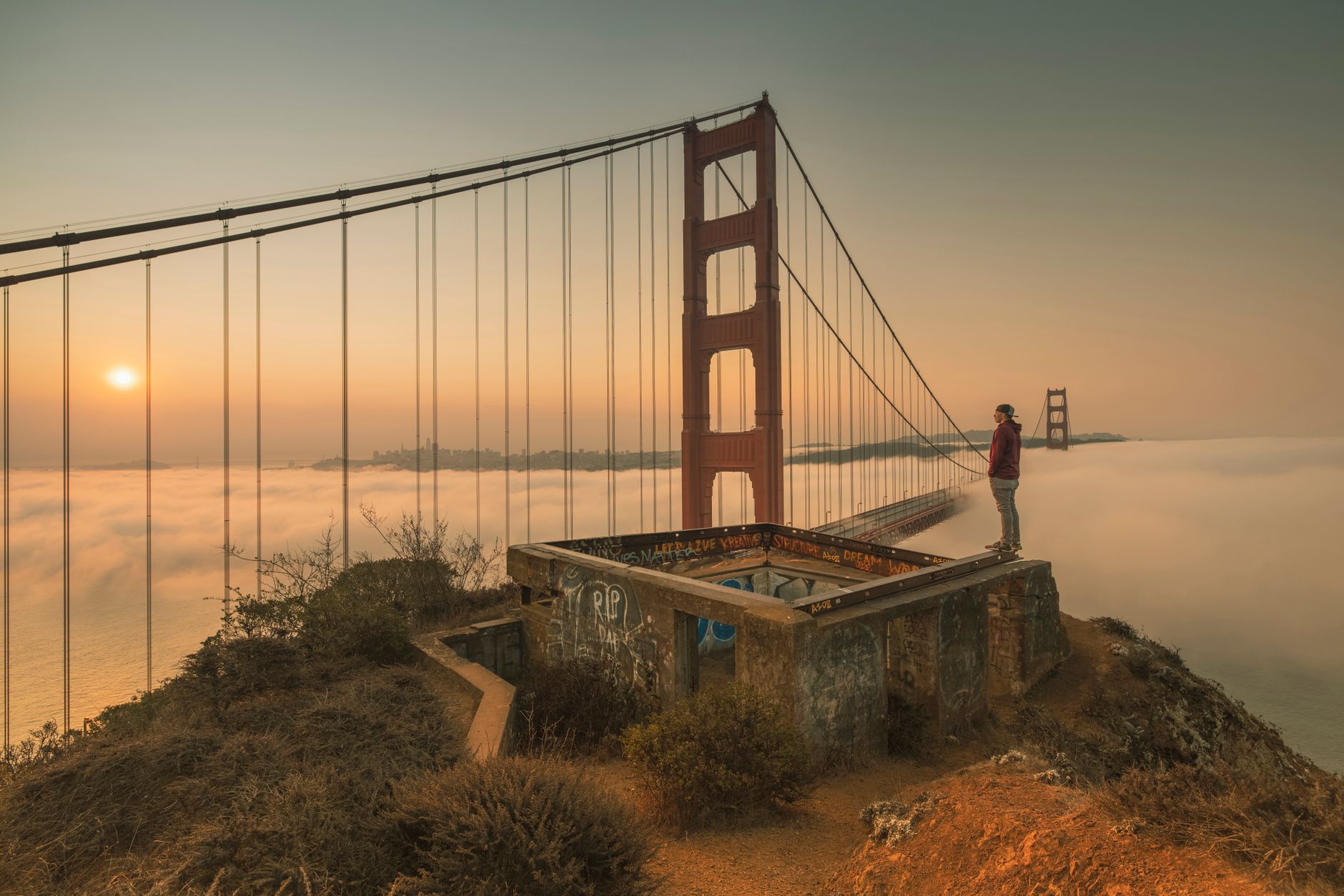
Tucked away in a residential canyon, this unassuming footbridge subtly sways with each step, offering a thrilling, albeit gentle, engineering marvel.
Built in 1912, the Spruce Street Suspension Bridge is a pedestrian gem that connects two neighborhoods over a deep, tree-filled canyon. What makes it unique is its deliberate design to sway gently when walked upon. This slight movement, an integral part of its original engineering to absorb stresses, provides a surprisingly exhilarating experience for those who discover it. It's a charming piece of San Diego history, a testament to early 20th-century engineering, and a truly hidden thrill.

7. Razor Point Trail's Dynamic Badlands
La Jolla, USA
Beyond the main paths of Torrey Pines, this specific trail reveals dramatic 'badlands' formations sculpted by rapid erosion, constantly reshaping the landscape.
While the main trails of Torrey Pines State Natural Reserve offer iconic views, the Razor Point Trail provides a deeper look into the reserve's unique geological fragility. Here, the soft sandstone cliffs are in a constant state of erosion, creating intricate hoodoos, deep ravines, and miniature badlands that resemble alien landscapes. It's a stark and ever-changing display of natural forces, showcasing the impermanence and raw beauty of the coastline, often overlooked by those sticking to the more manicured routes.
8. Scripps Coastal Reserve Tide Pools
La Jolla, USA
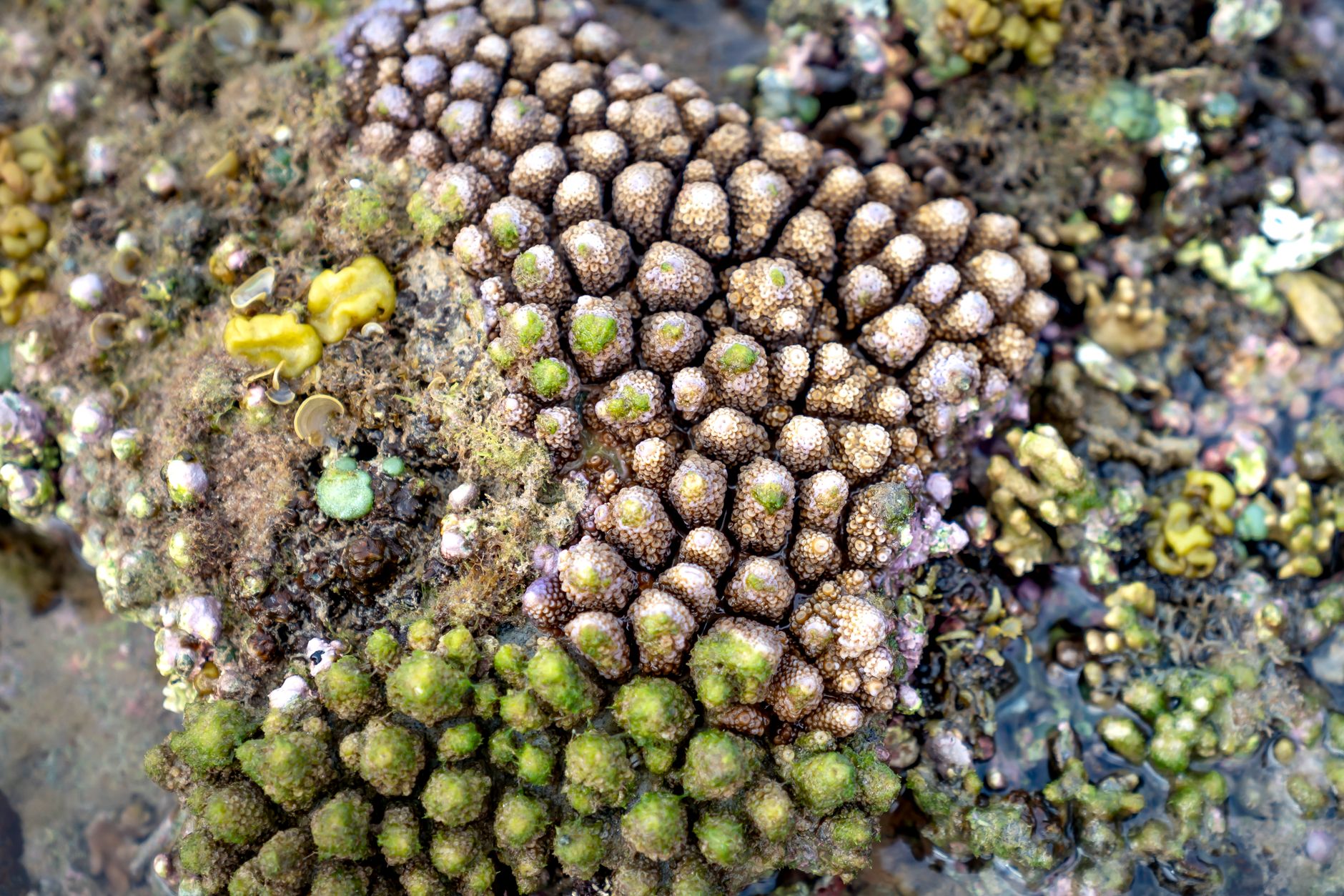
These tide pools, part of a protected research area, offer a glimpse into specific, thriving marine ecosystems largely undisturbed by casual visitors.
Adjacent to the famous Scripps Pier, the Scripps Coastal Reserve encompasses a protected intertidal zone. While La Jolla has popular tide pools, this reserve's status means its rocky shores host a particularly rich and diverse array of marine life, often more vibrant and undisturbed. Scientists conduct crucial research here, making it a living laboratory where every creature, from sea anemones to hermit crabs, tells a unique story of adaptation and survival in a constantly changing environment.
Frequently asked questions
Are the Torrey Pines Lodge and hiking trails free to access?
Access to the hiking trails and the lodge area within Torrey Pines State Natural Reserve is free. However, there is a fee for parking within the reserve's lots, which helps maintain the park's facilities and trails. Street parking outside the reserve can sometimes be found for free.
What are the best times of year to visit Torrey Pines and nearby trails?
The best times to visit Torrey Pines and its surrounding trails are generally spring and fall. The weather is mild, wildflowers are blooming in spring, and crowds are typically smaller than in the peak summer months. Winter can also be pleasant, though coastal fog is more common.
Are there any hidden beaches or viewpoints near Torrey Pines?
Beyond the main Torrey Pines State Beach, areas like Blacks Beach (accessed via challenging trails like the Ho Chi Minh Trail) offer a more secluded experience. For unique viewpoints, exploring the lesser-known paths within the Torrey Pines State Natural Reserve itself, such as the Razor Point Trail, reveals dramatic geological formations and ocean vistas away from the main crowds.
How can AllTours.ai enhance my visit to Torrey Pines and other places?
AllTours.ai brings the hidden stories of places like Torrey Pines and the surrounding San Diego area to life. Simply point your phone camera at a landmark, a unique rock formation, or even a specific plant, and the app will narrate its history, geology, and cultural significance in your language, revealing details you might otherwise miss.
Related guides
Photography via Pexels. AllTours.ai is an AI audio tour guide — point your camera at any landscape and hear its story.