September 7, 2026 · 4 min read
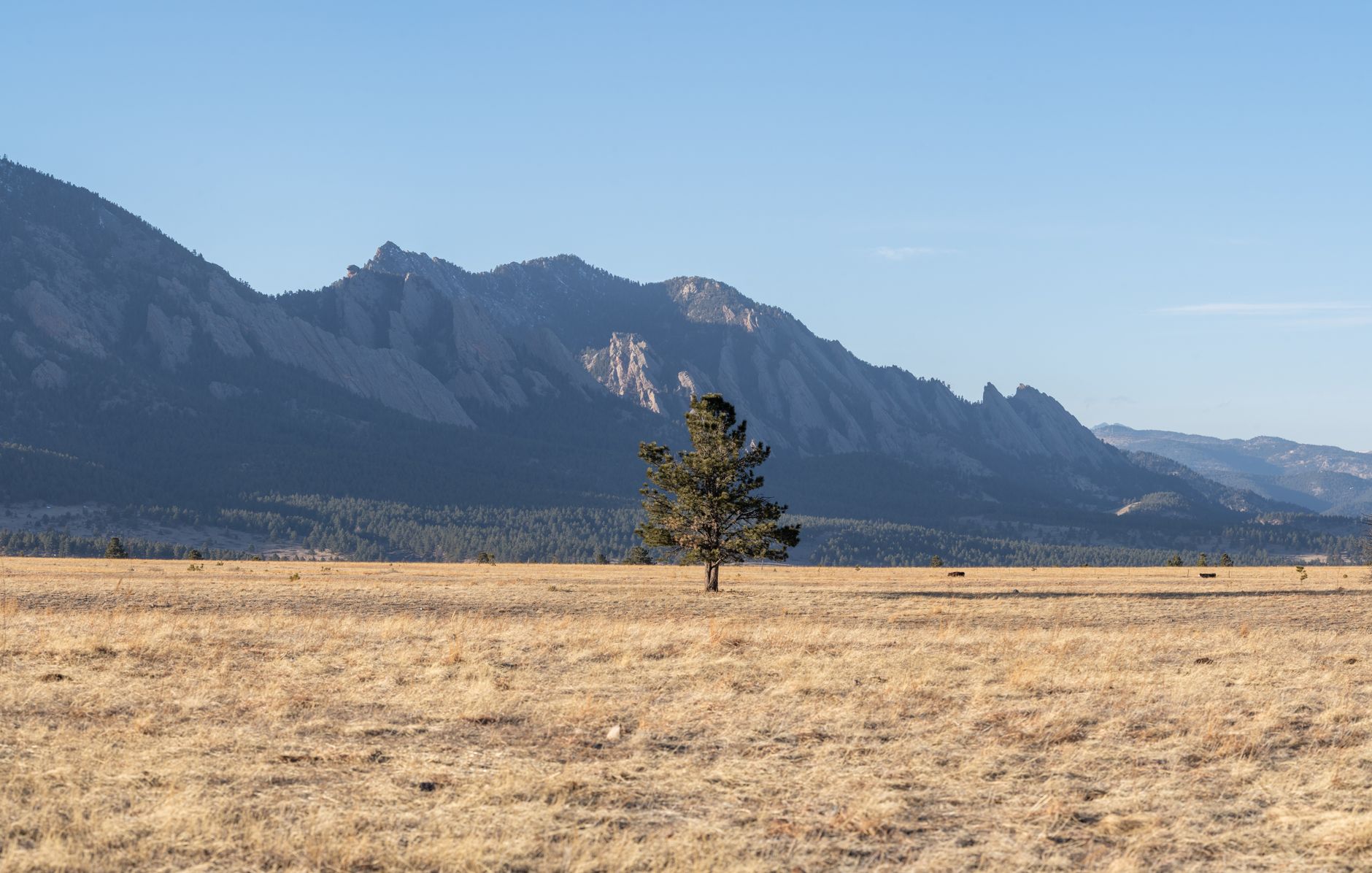
You've got two precious days in Colorado and a classic dilemma: focus solely on Denver, or stretch your time to include Boulder? Both cities offer distinct experiences, but to truly make the most of your visit, it’s about more than just hitting the famous landmarks. It’s about uncovering the layers of history, geology, and culture that often go unnoticed.
Forget the usual tourist circuits. We're diving into lesser-known spots in both Boulder and Denver, each with a unique, captivating story waiting to be told. By understanding these unexpected facets, you can decide if a dual-city adventure or a deeper dive into one destination best fits your two-day Colorado journey.
1. The Greeting Card Art Legacy
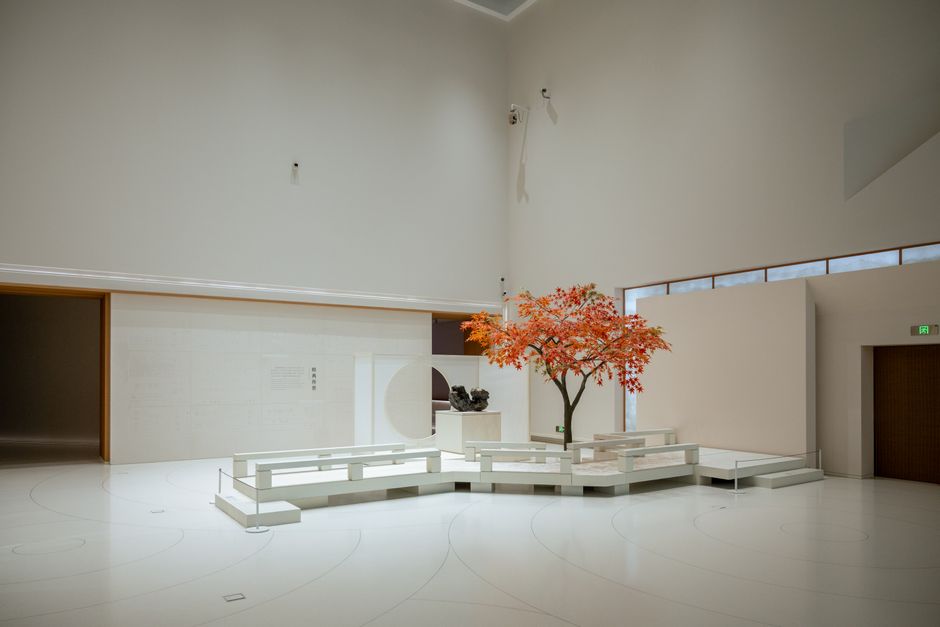
Leanin' Tree Museum of Western Art, Boulder, Colorado, USA
This remarkable Western art museum began not with grand patrons, but with a simple greeting card company.
The Leanin' Tree Museum houses one of the country's most significant collections of Western art, a legacy born from the Leanin' Tree greeting card company founded by Ed Trumble in 1949. Trumble started commissioning original artworks for his cards, eventually amassing a collection too vast and important to keep private. The museum showcases an eclectic mix of paintings and sculptures that capture the spirit and landscapes of the American West, offering a surprising glimpse into how commercial art can evolve into a cultural treasure.
2. Boulder's First Footprint
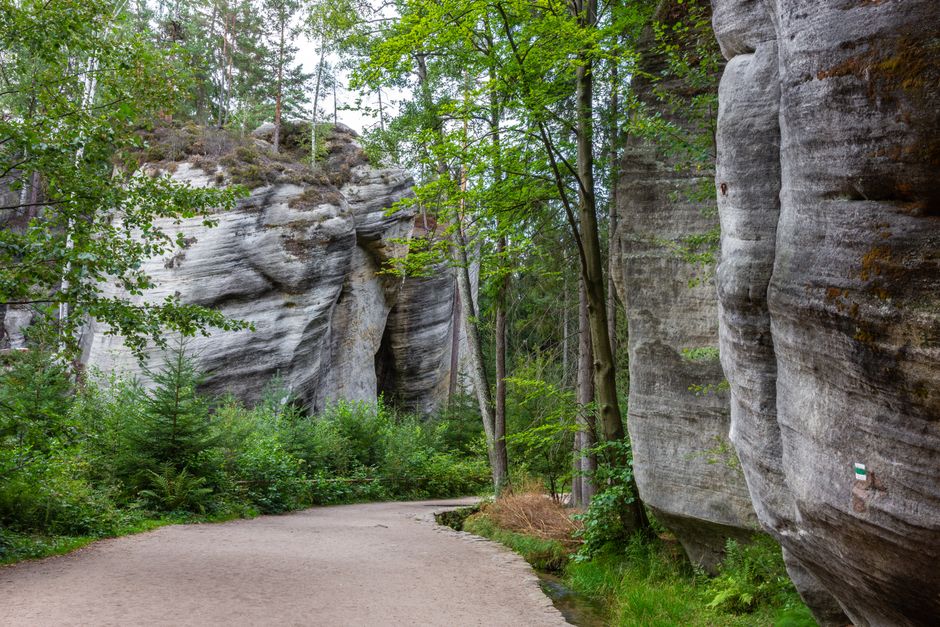
Settler's Park, Boulder, Colorado, USA
Beneath the iconic Flatirons, this park marks the exact spot where Boulder's first permanent non-Native settlement was established.
Long before Boulder became a vibrant city, Settler's Park was the site of the first permanent non-Native settlement in the Boulder Valley in 1858. A small group of prospectors, known as the Boulder City Company, built their initial cabins here, drawn by the promise of gold and the fertile land at the base of the Rockies. Walking its trails offers a direct connection to these early pioneers, providing a stark contrast between the rugged frontier life and the modern, bustling city just beyond the park's edge.
3. A Cold War Architectural Marvel
National Center for Atmospheric Research (NCAR) Mesa Lab, Boulder, Colorado, USA
Designed by I.M. Pei, this dramatic concrete fortress on a mesa was built during the Cold War to foster scientific discovery.
The NCAR Mesa Lab is a striking example of modernist architecture, designed by Pritzker Prize-winner I.M. Pei. Completed in 1966, its imposing concrete towers and deep-set windows were intentionally built to blend with the rugged Colorado landscape, yet also project a sense of enduring strength during the Cold War era. Beyond its architectural significance, the public can explore exhibits detailing atmospheric science, climate research, and the fascinating history of weather prediction, making it a truly unique blend of art, science, and history.
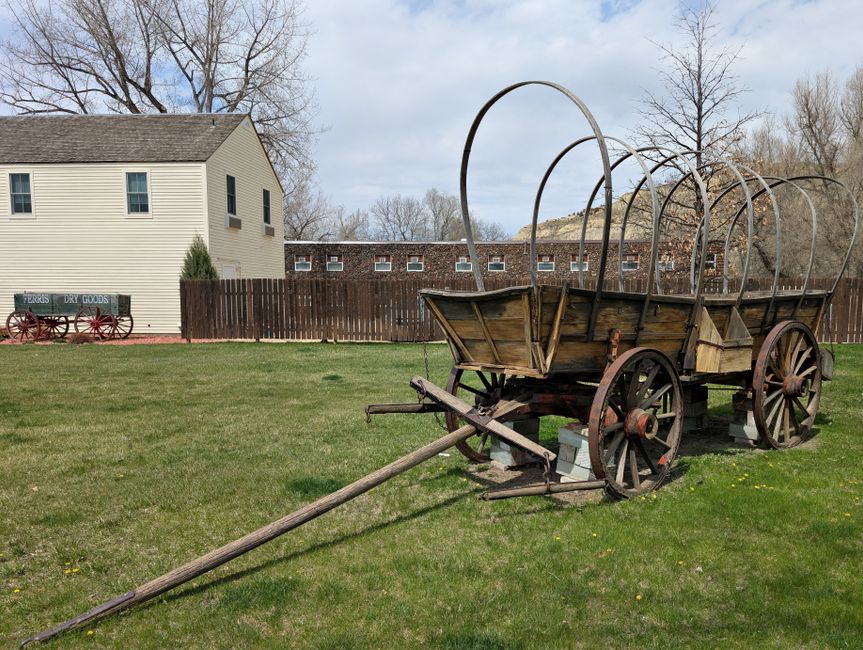
4. Denver's Original Stagecoach Stop
Four Mile Historic Park, Denver, Colorado, USA
Step back in time at Denver's oldest standing structure, once a crucial stagecoach inn and a lifeline for early pioneers.
The Four Mile House, built in 1859, is the oldest standing structure in Denver and the centerpiece of this 12-acre historic park. It served as a vital stagecoach stop, a tavern, and a farm for travelers making their way to the gold fields during the Colorado Gold Rush. Visitors can explore the authentically restored house, barn, and other historic outbuildings, offering a tangible connection to the arduous journey and daily life of settlers on the Western frontier. It's a quiet oasis preserving the raw beginnings of a major American city.
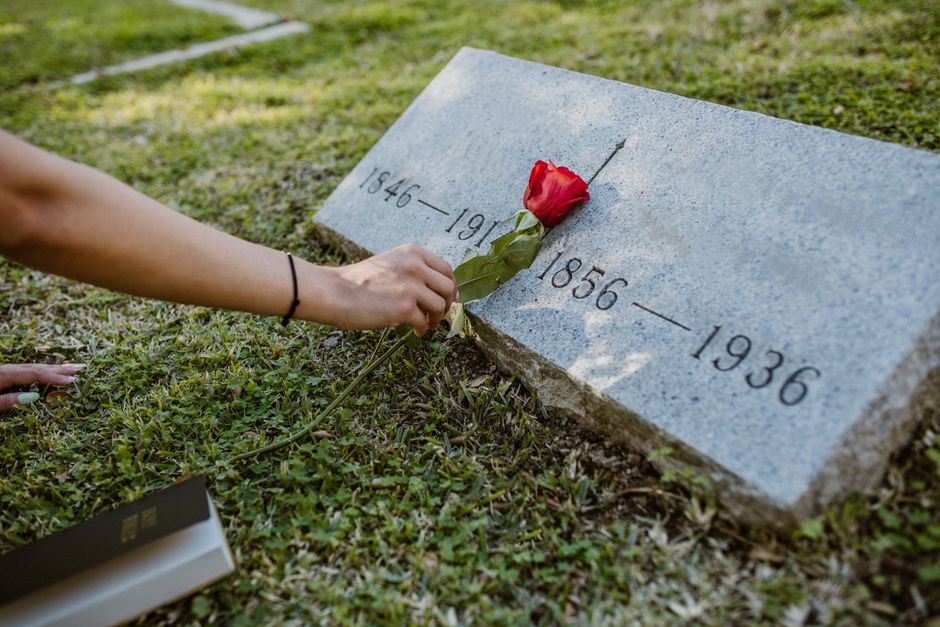
5. The Victorian City of the Dead
Fairmount Cemetery, Denver, Colorado, USA
More than just a burial ground, Fairmount Cemetery is a sprawling Victorian garden cemetery housing Denver's founders and captivating architectural monuments.
Established in 1890, Fairmount Cemetery is one of Denver's grandest and most historically significant sites. Its 280 acres are a designated arboretum, featuring stunning landscapes, intricate mausoleums, and elaborate gravestones that reflect the Victorian era's approach to death and remembrance. Here, you can find the final resting places of many of Denver's prominent figures, from politicians and philanthropists to colorful characters, each monument telling a silent story of the city's development and its early inhabitants.
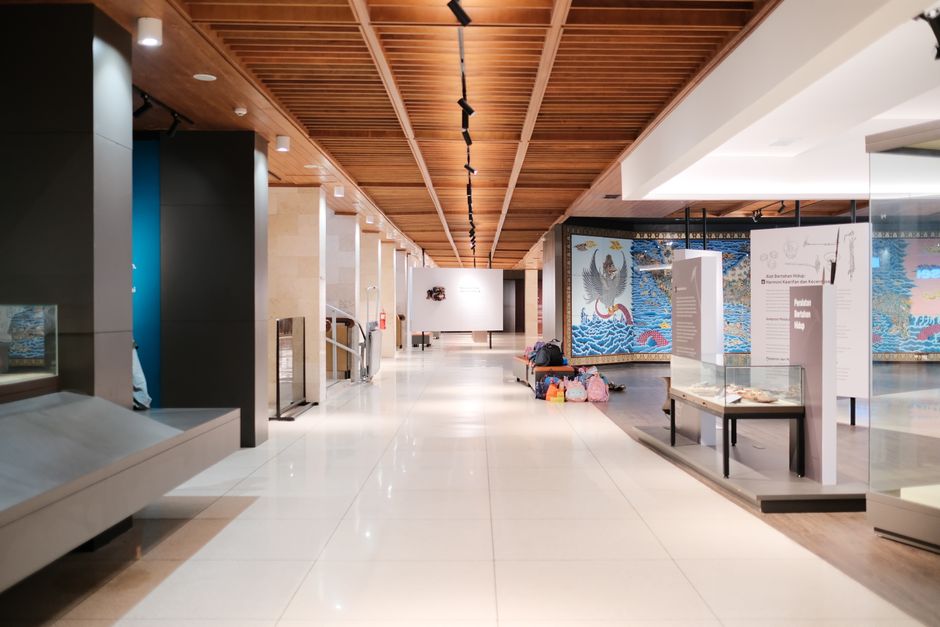
6. A Century of Decorative Arts
Kirkland Museum of Fine & Decorative Art, Denver, Colorado, USA
Discover a kaleidoscopic journey through 20th-century decorative arts, alongside the unique 'abstract impressionist' paintings of its namesake artist.
The Kirkland Museum offers an unparalleled collection of 20th-century decorative arts, displayed salon-style to create a vibrant, immersive experience. From Art Nouveau and Bauhaus to Mid-Century Modern and Pop Art, visitors can trace the evolution of design through furniture, glass, ceramics, and more. Interspersed throughout are the captivating works of Vance Kirkland, a Colorado abstract artist whose innovative 'dot' paintings earned him international recognition, providing a fascinating counterpoint to the decorative objects and cementing his place in American art history.
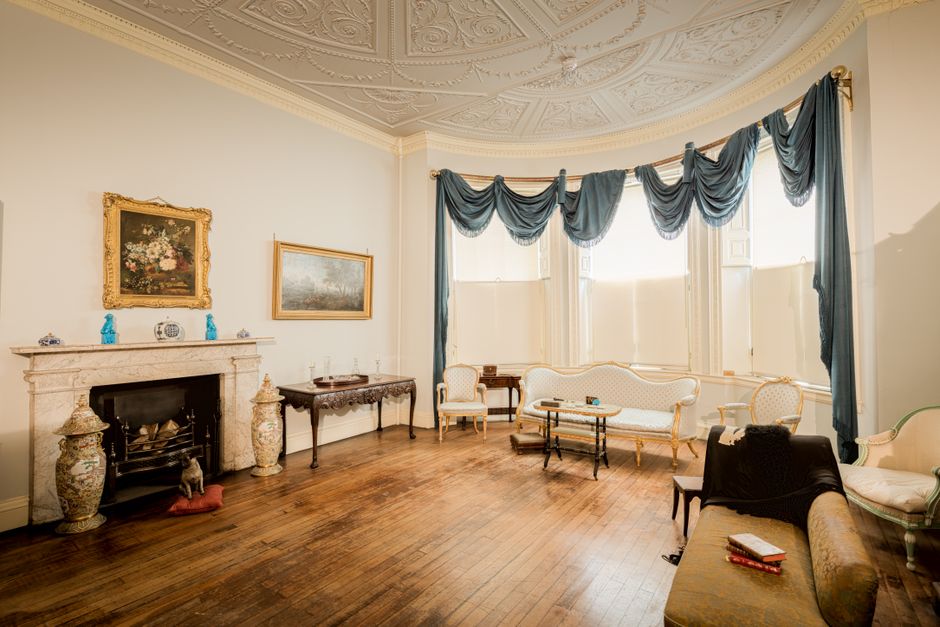
7. Denver's Grand Victorian Legacy
Byers-Evans House Museum, Denver, Colorado, USA
This beautifully preserved 1883 Victorian mansion offers an intimate glimpse into the lives of two influential Denver families and their enduring impact.
Built by politician and newspaper founder William Byers and later purchased by the family of Governor John Evans, the Byers-Evans House is a meticulously restored window into Denver's Gilded Age. Unlike many house museums, it's presented as if the families have just stepped out, with original furnishings and personal effects telling stories of their daily lives, social circles, and contributions to Colorado's development. It's particularly notable for highlighting the lives of the women in these families, offering a rare perspective on their roles in shaping early Denver society.
Frequently asked questions
Is it feasible to visit both Boulder and Denver in just two days?
Yes, it is definitely feasible! Boulder is only about a 30-45 minute drive from Denver, making it easy to experience highlights of both cities. You could dedicate one full day to each, or split one day between them, focusing on specific neighborhoods or attractions in each location.
What's the best way to travel between Denver and Boulder?
The most convenient way to travel between Denver and Boulder is by car. However, if you prefer public transport, the RTD Flatiron Flyer (FF1, FF2, FF4, FF5 lines) offers frequent bus service between downtown Denver and downtown Boulder, with a travel time of around 40-60 minutes depending on traffic and stops.
What are some free activities to do in Boulder and Denver?
Both cities offer plenty of free attractions. In Boulder, you can hike the numerous trails in the Flatirons (like Settler's Park), stroll along Boulder Creek Path, or explore the unique architecture of the NCAR Mesa Lab. In Denver, enjoy City Park, walk through the historic streets of LoDo, or visit the Fairmount Cemetery for its history and beauty.
How can AllTours.ai enhance my Colorado trip?
AllTours.ai transforms your phone into a personal AI audio tour guide. Simply point your camera at any landmark, landscape, or even a specific building mentioned in this guide, and the app will narrate its fascinating history, geology, and cultural significance in your preferred language, bringing every hidden story to life.
Related guides
Photography via Pexels. AllTours.ai is an AI audio tour guide — point your camera at any landscape and hear its story.