September 24, 2026 · 5 min read
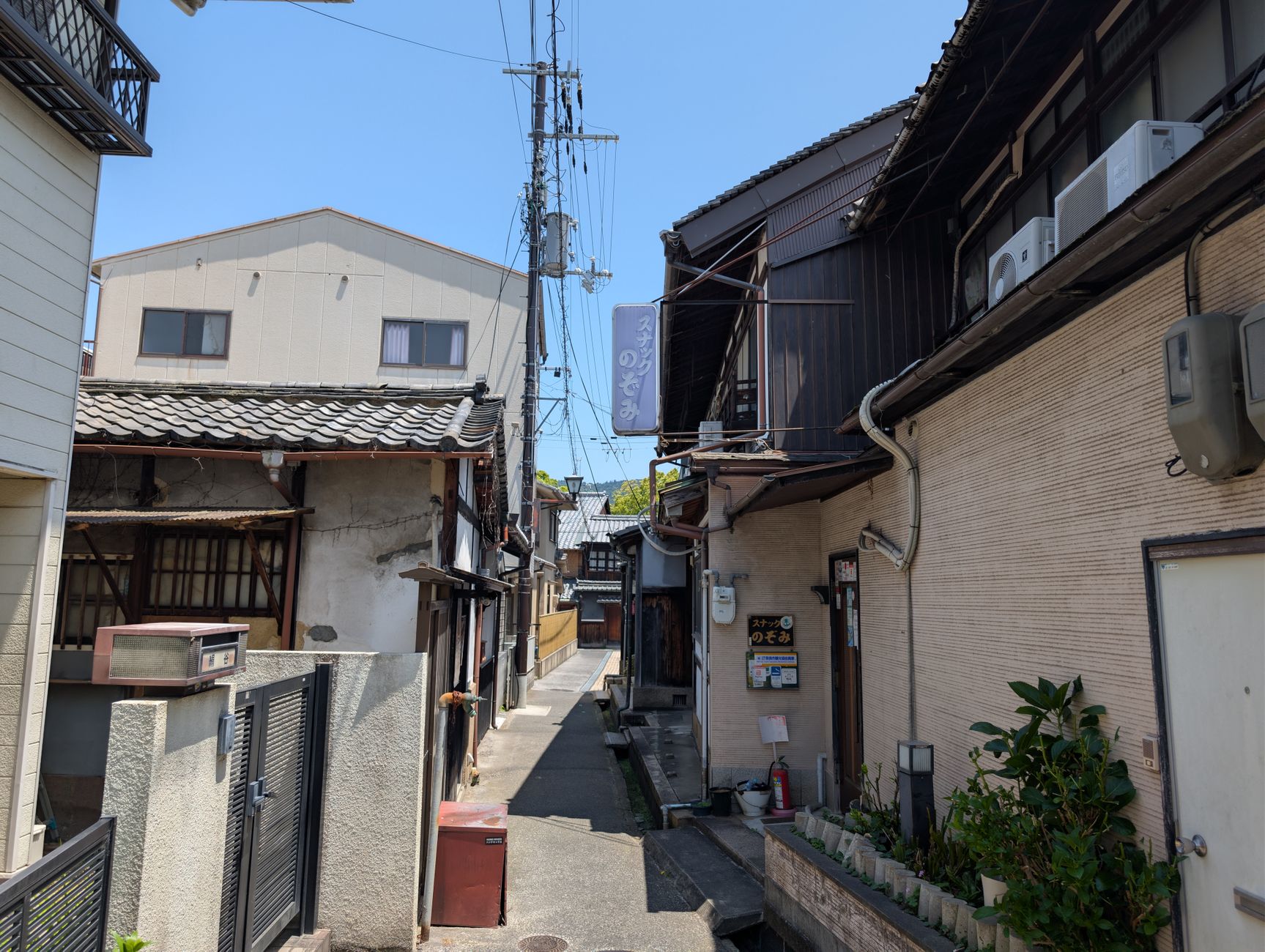
Osaka, often lauded for its neon-lit Dotonbori and grand castle, holds a deeper, more nuanced soul that many travelers overlook. Beyond the well-trodden paths lie districts brimming with forgotten tales, tranquil sanctuaries, and culinary havens where local life truly thrives.
Imagine strolling through an alley where a moss-covered deity silently watches over generations of prayers, or wandering through a neighborhood frozen in time, untouched by the ravages of war. These are the corners of Osaka that offer genuine surprise and a profound connection to its enduring spirit.
1. The Moss-Covered Guardian of Hozenji Yokocho
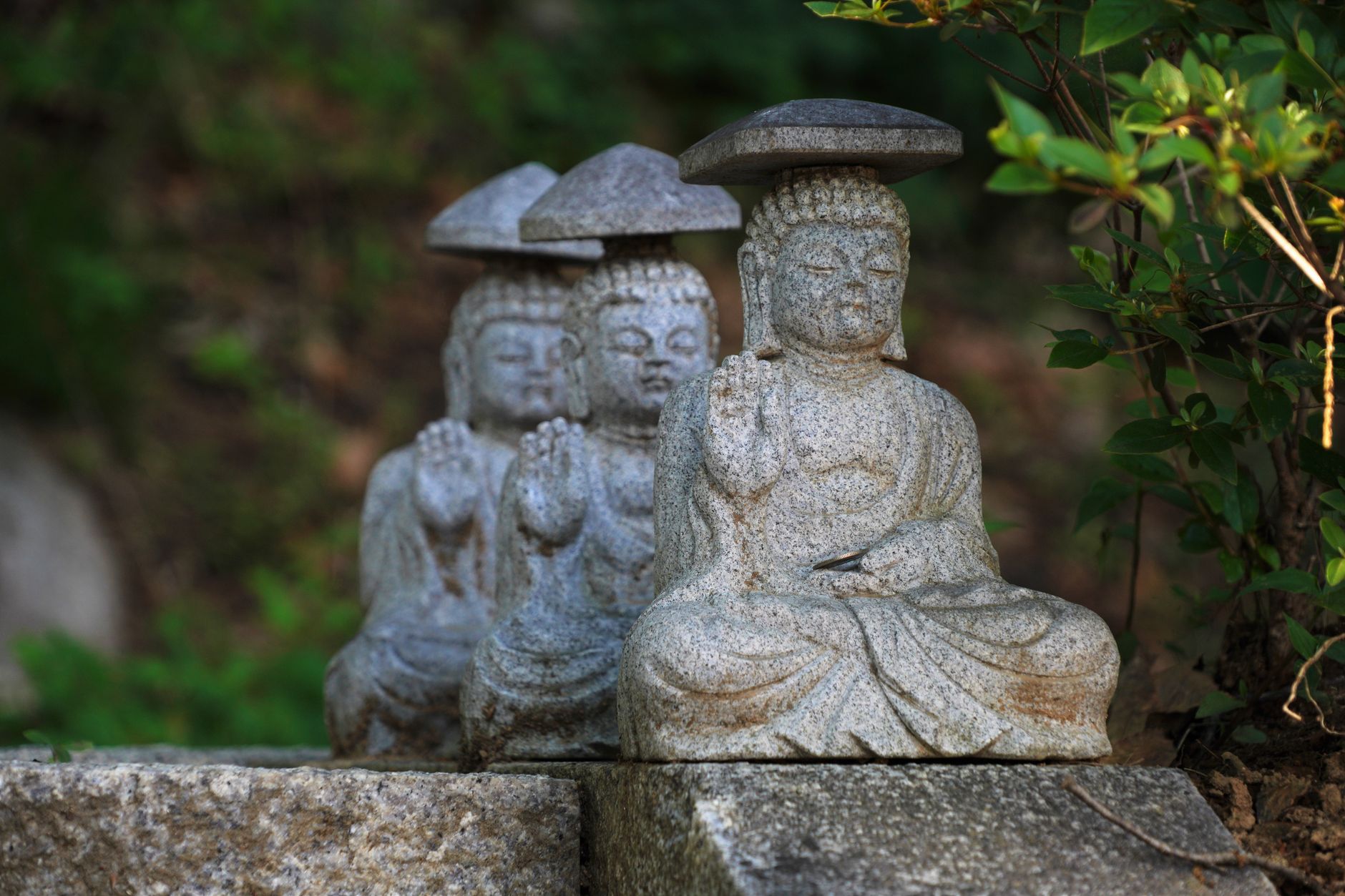
Hozenji Yokocho, Japan
Tucked away near Dotonbori, a revered deity at Hozenji Temple is completely covered in moss, a testament to countless prayers poured over its stone form.
Hozenji Yokocho is a narrow, stone-paved alley that feels like a portal to old Osaka. Here, you'll find Hozenji Temple, famous for its Mizukake Fudo-myoo statue. Visitors pour water over the statue as an offering, a tradition that began spontaneously after the temple's destruction in World War II, causing the statue to become entirely enveloped in a thick, vibrant layer of moss. The air here carries the gentle scent of incense, a quiet contrast to the nearby bustling entertainment district.
2. Nakazakicho: Osaka's Retro Time Capsule
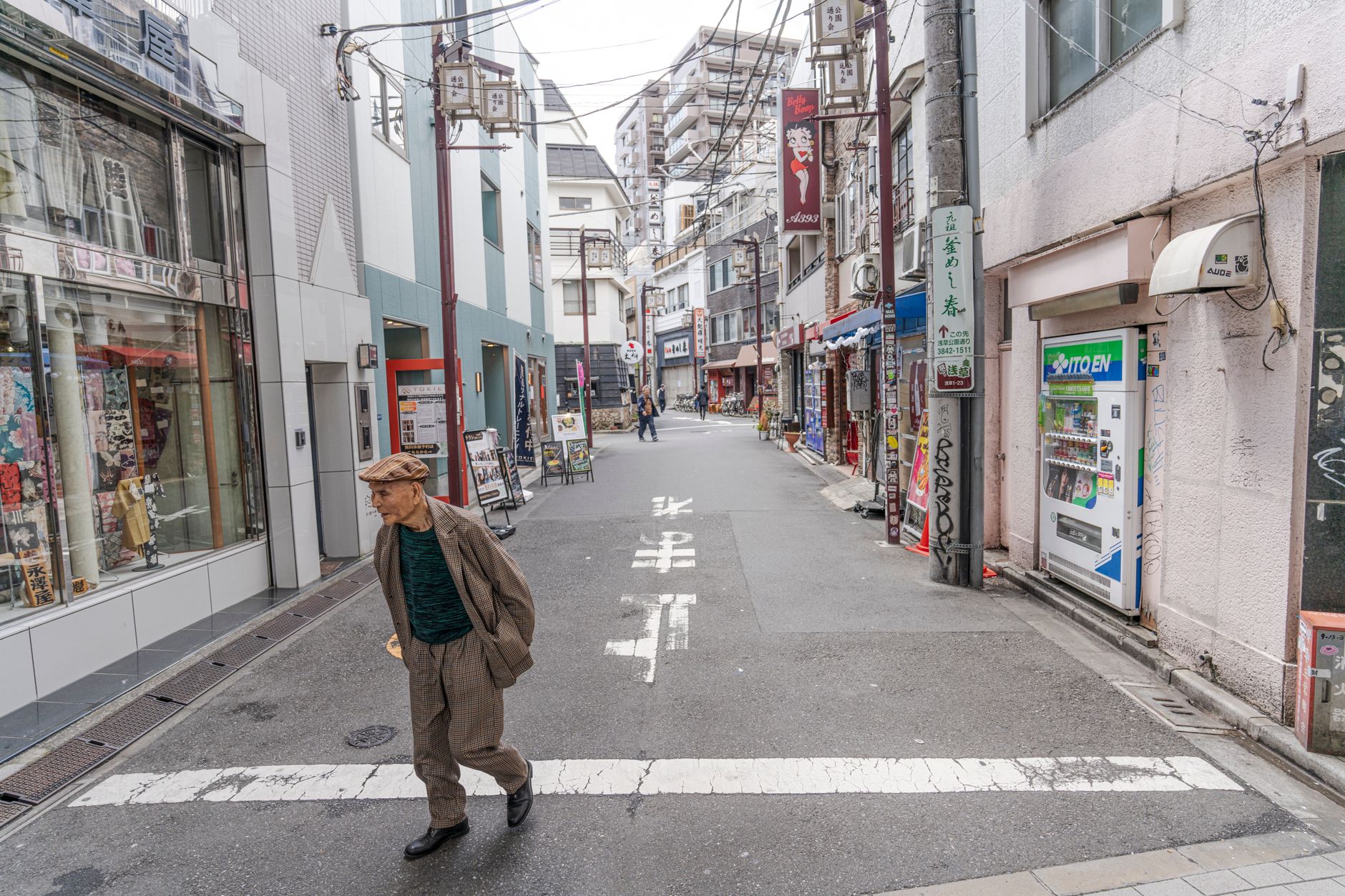
Nakazakicho, Japan
This charming district remarkably survived WWII bombings, preserving its narrow alleyways and traditional wooden houses, now home to quirky cafes and boutiques.
Nakazakicho offers a rare glimpse into pre-war Osaka. Unlike much of the city, which was extensively rebuilt after the bombings, this neighborhood's intricate network of narrow alleys and traditional machiya houses remained largely intact. Today, these historic buildings have been lovingly repurposed into independent coffee shops, vintage clothing stores, and art galleries, creating a bohemian atmosphere that feels distinct from modern Osaka. Exploring its winding lanes is like stepping back in time.
3. Tenjinbashi-suji: Japan's Longest Shopping Street
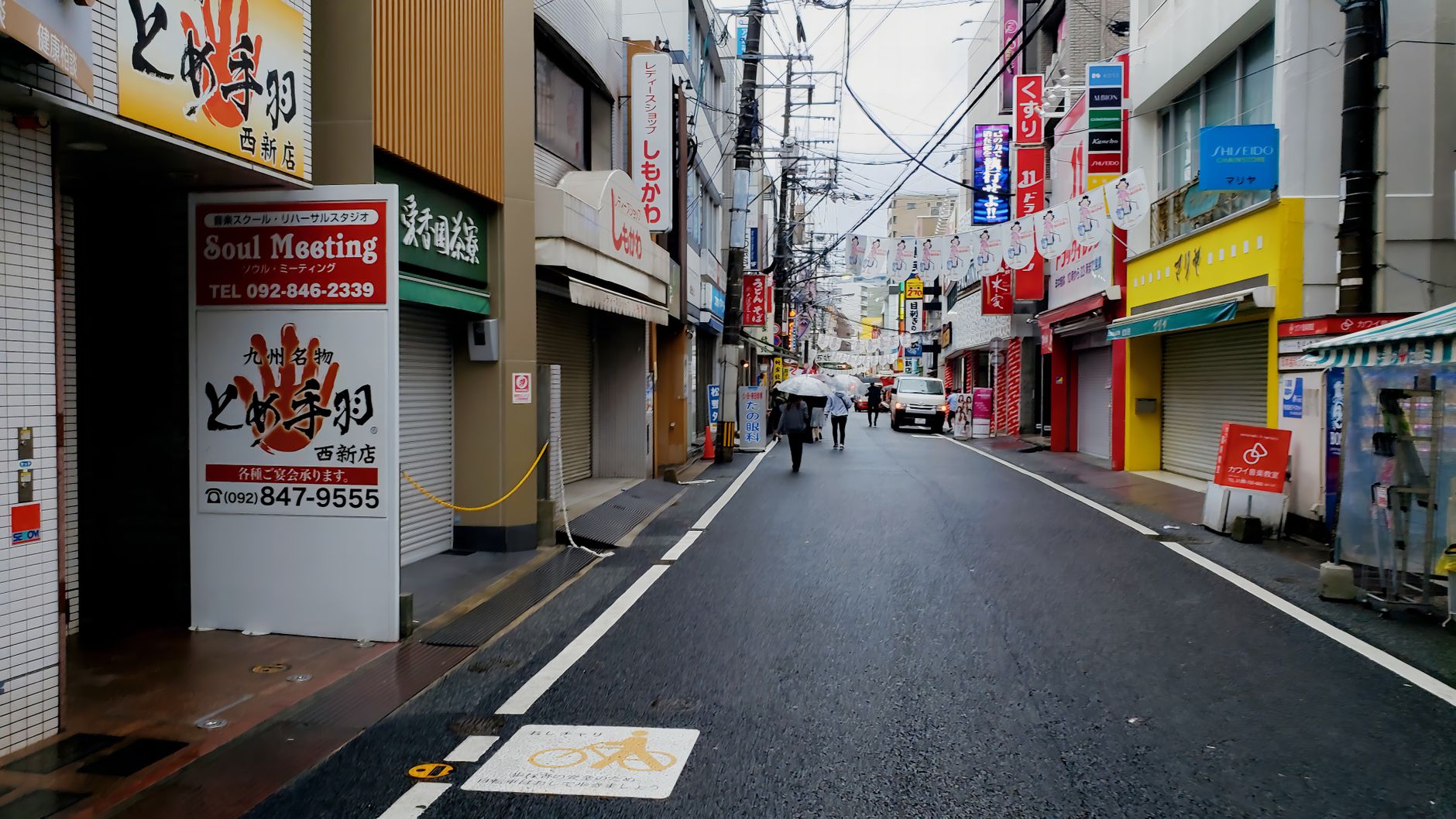
Tenjinbashi-suji Shopping Street, Japan
Stretching for 2.6 kilometers, this is Japan's longest straight shopping street, a bustling artery where locals shop for everything from kimonos to fresh produce.
Far removed from the tourist crowds, Tenjinbashi-suji is a vibrant, authentically local experience. This covered arcade is an endless parade of independent shops, restaurants, and snack stalls, providing a genuine insight into daily Osaka life. Its history dates back to the Edo period as a merchant hub, and it continues to thrive as a place where Osakans come for their everyday needs, offering a stark contrast to the more curated tourist experiences.
4. Sumiyoshi Taisha Shrine: Ancient Architecture Unadorned
Sumiyoshi Taisha Shrine, Japan
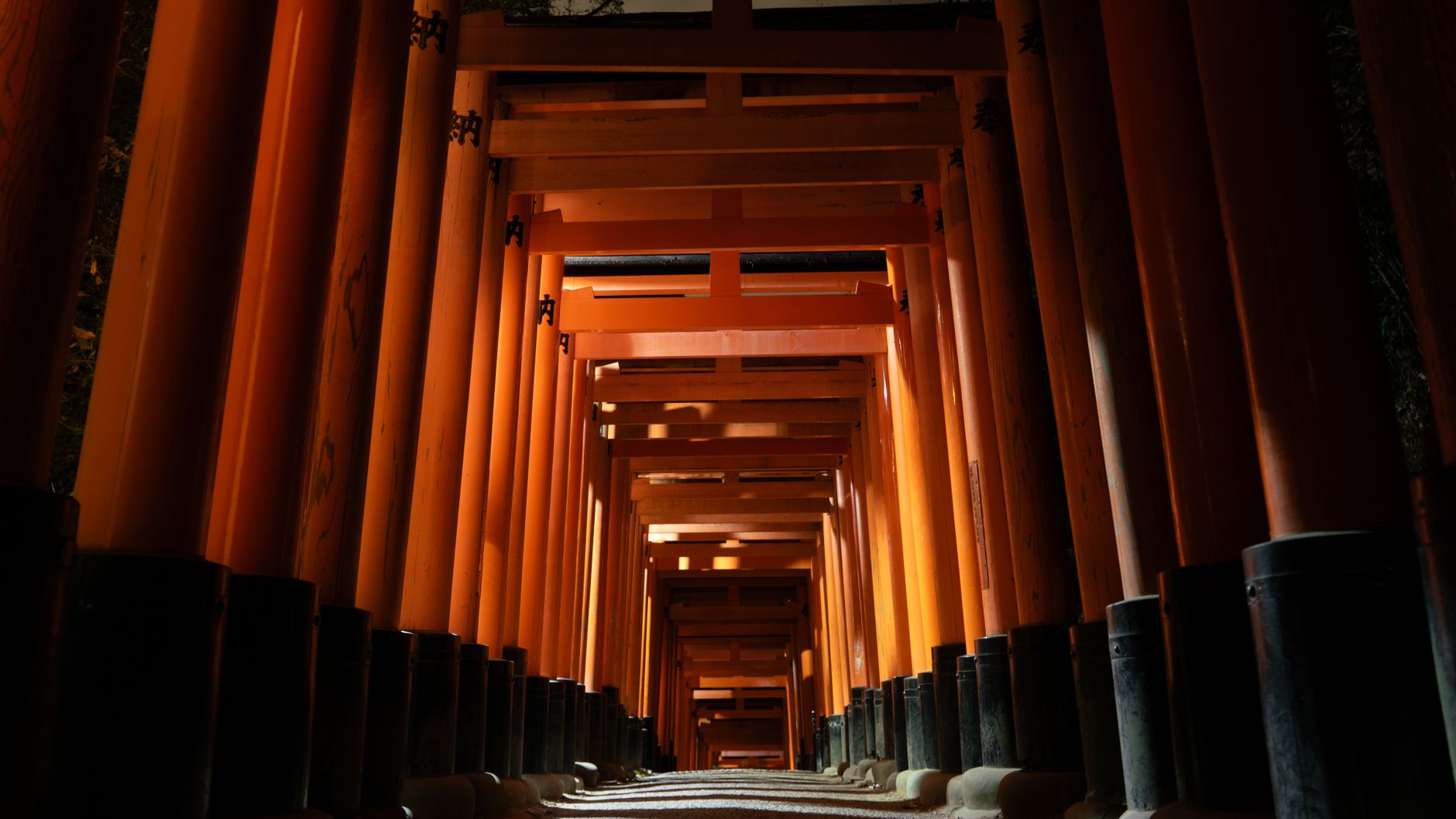
One of Japan's oldest shrines, Sumiyoshi Taisha boasts a unique architectural style (Sumiyoshi-zukuri) that predates Buddhist influence, making its main hall a National Treasure.
Sumiyoshi Taisha is a breathtaking example of pure Japanese shrine architecture, free from the embellishments often seen in shrines influenced by continental styles. Its main sanctuaries, designated National Treasures, feature straight roofs and distinctive red pillars. The shrine is dedicated to the kami of the sea, sailing, and poetry, and its iconic arched Taiko-bashi Bridge offers a picturesque entrance, especially when reflected in the surrounding pond. It's a serene escape with deep historical roots.
5. Shitennoji Temple: Prince Shotoku's Legacy
Shitennoji Temple, Japan
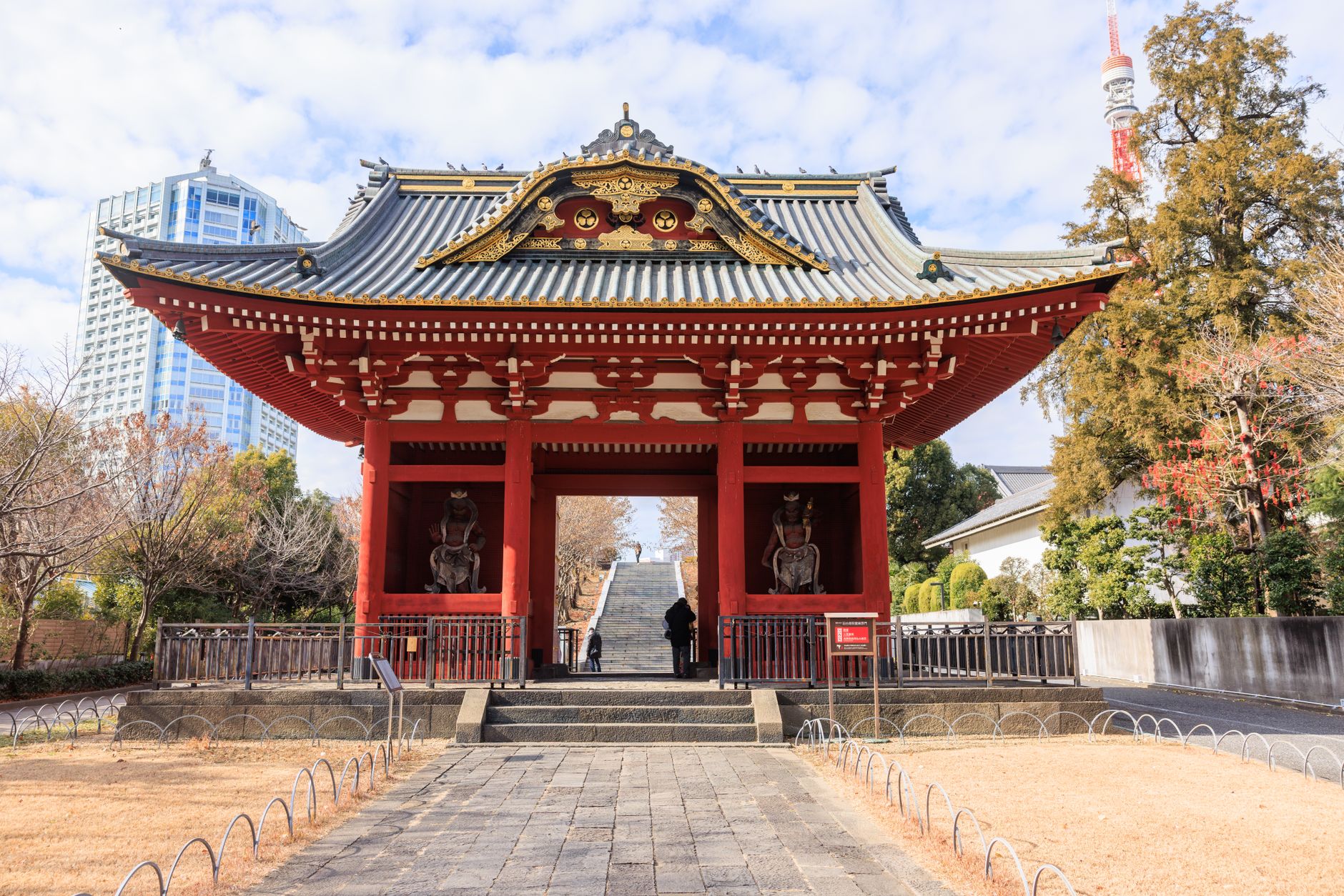
Founded in 593 AD by Prince Shotoku, Shitennoji is Japan's first state-built Buddhist temple and one of the oldest operational temples in the country.
Stepping into Shitennoji Temple is like walking through a living history book. Commissioned by the influential Prince Shotoku, this temple marks the introduction of Buddhism to Japan and played a pivotal role in its early spread. While many structures have been rebuilt over centuries, its layout remains faithful to the original 6th-century design, featuring a five-story pagoda, golden pavilion, and lecture hall. The tranquil grounds also host a beautiful garden and a treasure house with ancient artifacts.
6. Kuromon Ichiba Market: Osaka's Kitchen Secrets
Kuromon Ichiba Market, Japan
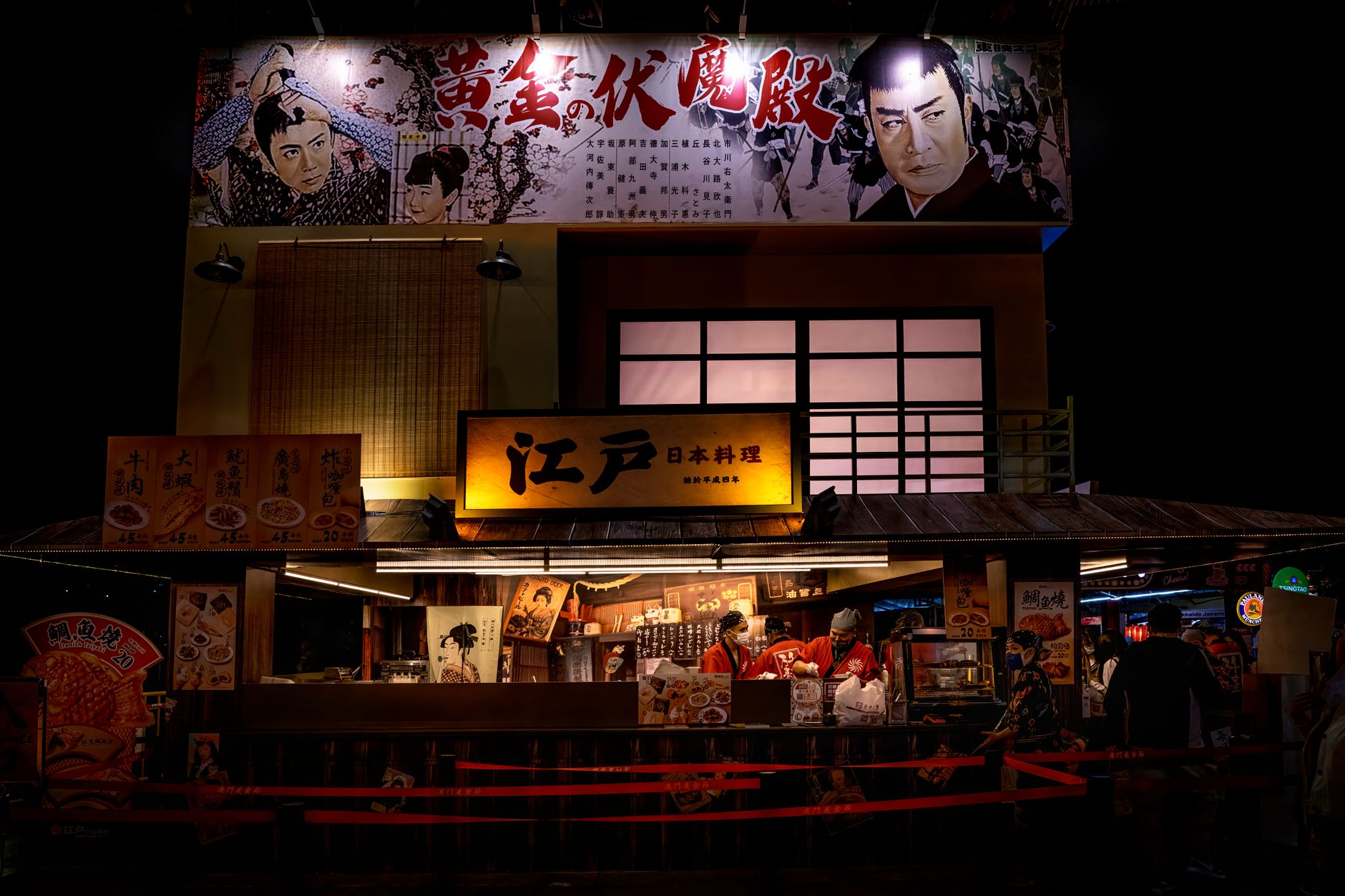
Known as 'Osaka's Kitchen,' this market's name, 'Kuromon' (Black Gate), references a nearby temple's black gate, highlighting its ancient origins as a fish market for local temples.
While somewhat known, Kuromon Ichiba offers a deeper dive into Osaka's culinary heart beyond simple street food. This bustling market has been supplying chefs and locals with fresh seafood, produce, and specialty ingredients for over 190 years. Beyond the vibrant stalls, you can discover specific local delicacies like fugu (pufferfish) and sea urchin, often prepared on the spot. It's a sensory feast and a cultural window into Osaka's food-loving identity, far more than just a quick bite.
7. Imamiya Ebisu Shrine: The God of Prosperity
Imamiya Ebisu Shrine, Japan
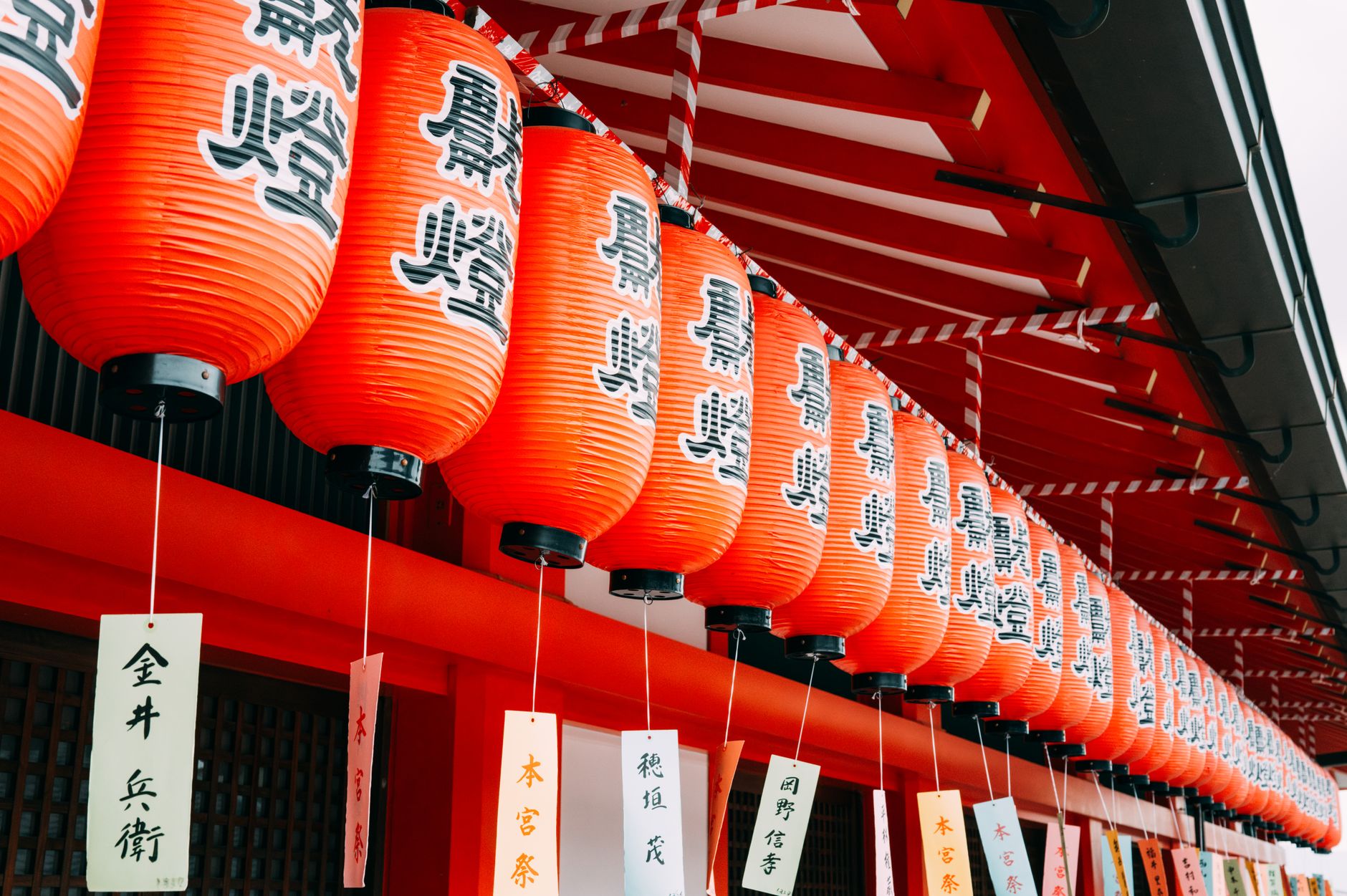
This shrine is dedicated to Ebisu, the god of fishermen and merchants, and hosts the lively Toka Ebisu festival, where 'fuku-musume' (lucky girls) are chosen to bless businesses.
Imamiya Ebisu Shrine, while quiet for most of the year, comes alive in spectacular fashion every January for the Toka Ebisu festival. During this time, the shrine is packed with business owners seeking blessings for prosperity, and the air crackles with shouts of 'business prosperity, bamboo grass bring it on!'. The tradition of selecting 'fuku-musume' who hand out lucky bamboo branches is unique to this festival, offering a vibrant glimpse into Osaka's mercantile spirit and folk traditions.
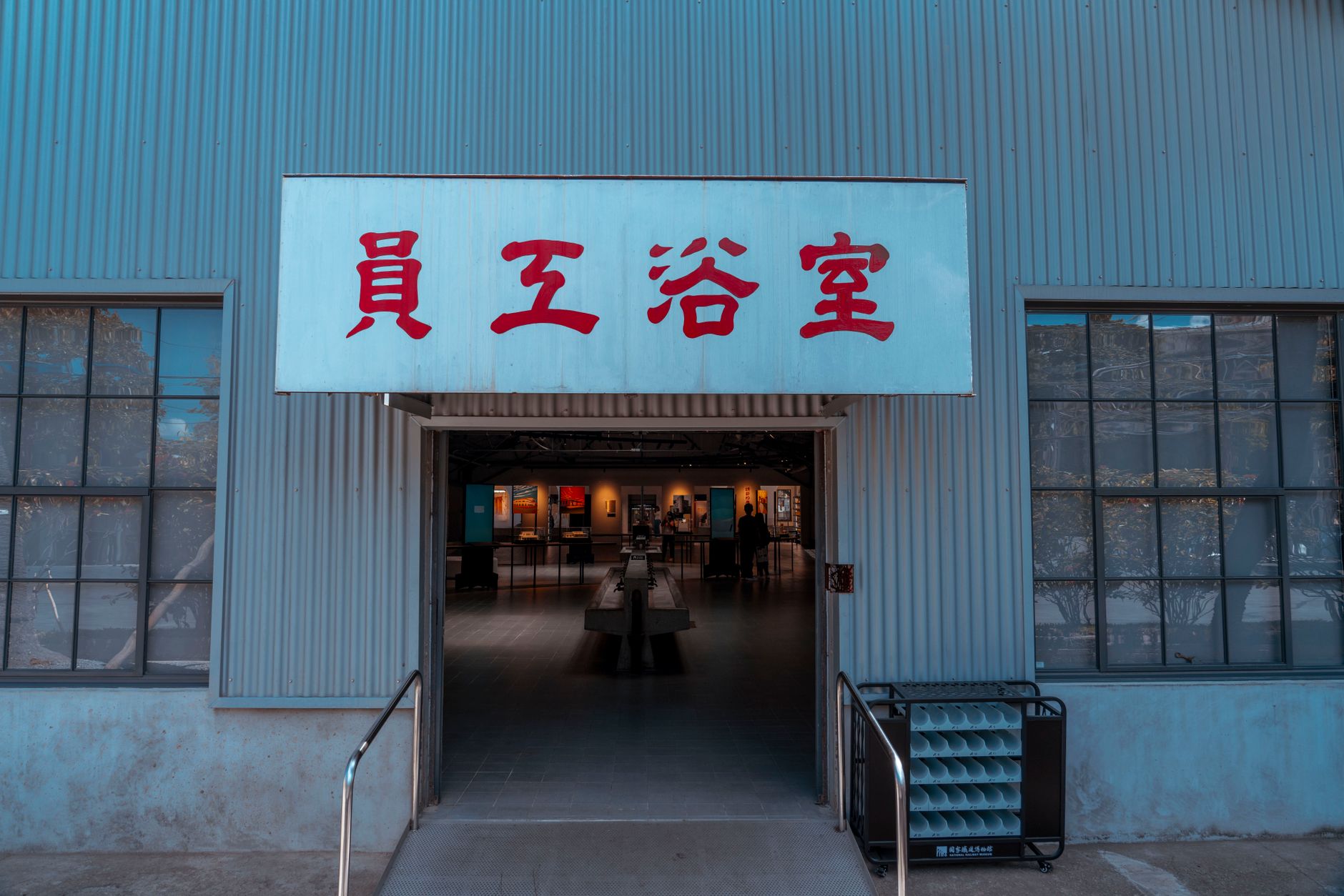
8. Kamigata Ukiyoe Museum: Osaka's Actor Prints
Kamigata Ukiyoe Museum, Japan
This is the only museum in the world exclusively dedicated to Kamigata (Osaka) ukiyo-e, a unique style of woodblock print primarily depicting kabuki actors.
Often overshadowed by the more famous Edo (Tokyo) ukiyo-e, Kamigata ukiyo-e offers a distinct artistic tradition rooted in Osaka's vibrant kabuki theater scene. The Kamigata Ukiyoe Museum showcases these fascinating prints, which capture the dramatic expressions and costumes of famous actors of the Edo period. Unlike Edo prints that often focused on landscapes and courtesans, Osaka's art provides an intimate look into the city's theatrical culture and the lives of its beloved performers, revealing a different facet of Japanese art history.
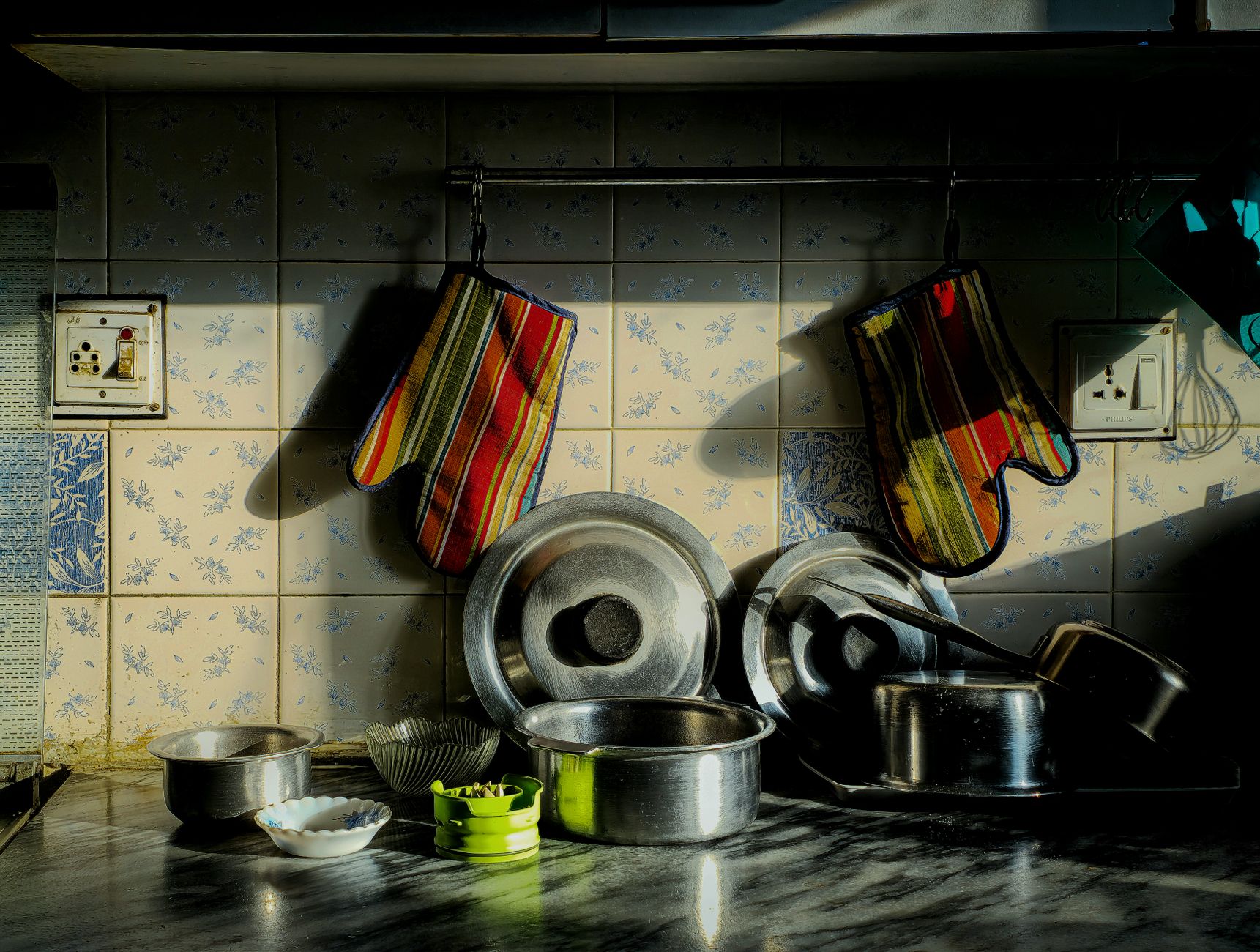
9. Doguyasuji Arcade: The Chef's Secret Weapon
Doguyasuji Arcade, Japan
Known as 'Kitchenware Street,' Doguyasuji Arcade has been the go-to place for restaurant supplies since the late 19th century, evolving from stalls selling second-hand tools.
For anyone passionate about Japanese cuisine, Doguyasuji Arcade is a treasure trove. This specialized covered street is where professional chefs and serious home cooks come to find everything from ceramic tableware and ornate lacquerware to specialized knives and even plastic food samples. Its origins as a market for used tools after temple fairs highlight its long-standing connection to Osaka's culinary scene. Exploring this arcade offers a fascinating insight into the intricate world behind Japan's renowned food culture.
Frequently asked questions
What's the best way to get around Osaka to see these hidden gems?
Osaka has an excellent public transport system, primarily its subway and JR lines. Many of these lesser-known places are within walking distance of subway stations. Consider purchasing an Osaka Amazing Pass for unlimited rides and discounts on attractions, or an ICOCA card for convenient tap-and-go travel on all lines.
Are these underrated places suitable for families with children?
Yes, many of these spots are family-friendly. Places like Tenjinbashi-suji Shopping Street and Kuromon Ichiba Market offer exciting sights and smells for all ages. Hozenji Yokocho and Shitennoji Temple provide a quieter, more reflective experience, suitable for older children interested in culture and history.
What's a good way to experience local food beyond the main tourist areas in Osaka?
To truly taste local Osaka, venture into the markets like Kuromon Ichiba or explore the side streets around areas like Nakazakicho. Look for small, family-run izakayas or ramen shops that have handwritten menus. Don't be afraid to try street food from vendors at local festivals or along shopping streets like Tenjinbashi-suji.
How can AllTours.ai help me explore these underrated places?
AllTours.ai enhances your exploration by turning your phone into an AI audio tour guide. Simply point your camera at any landscape or landmark—like the mossy statue at Hozenji or the historic buildings of Nakazakicho—and the app will narrate its history, geology, and culture in your preferred language, offering deeper insights into Osaka's hidden stories.
Related guides
Photography via Pexels. AllTours.ai is an AI audio tour guide — point your camera at any landscape and hear its story.