
September 21, 2026 · 4 min read
San Diego's coastline is famous for its sun-drenched beaches and iconic surf breaks. But beyond the well-trodden paths lie countless lesser-known spots, each holding a unique story etched into its cliffs, hidden within its tide pools, or shimmering in its sands. These are the places where geology, history, and vibrant ecosystems collide, offering a deeper connection to the Pacific.
Forget the usual tourist brochures for a moment. What if you could experience the ocean in San Diego through a fresh lens, discovering tales of ancient life, daring escapades, and natural wonders often overlooked? We’ve compiled a list of fascinating, underrated coastal gems that invite a closer look and reveal San Diego's truly diverse ocean experiences.
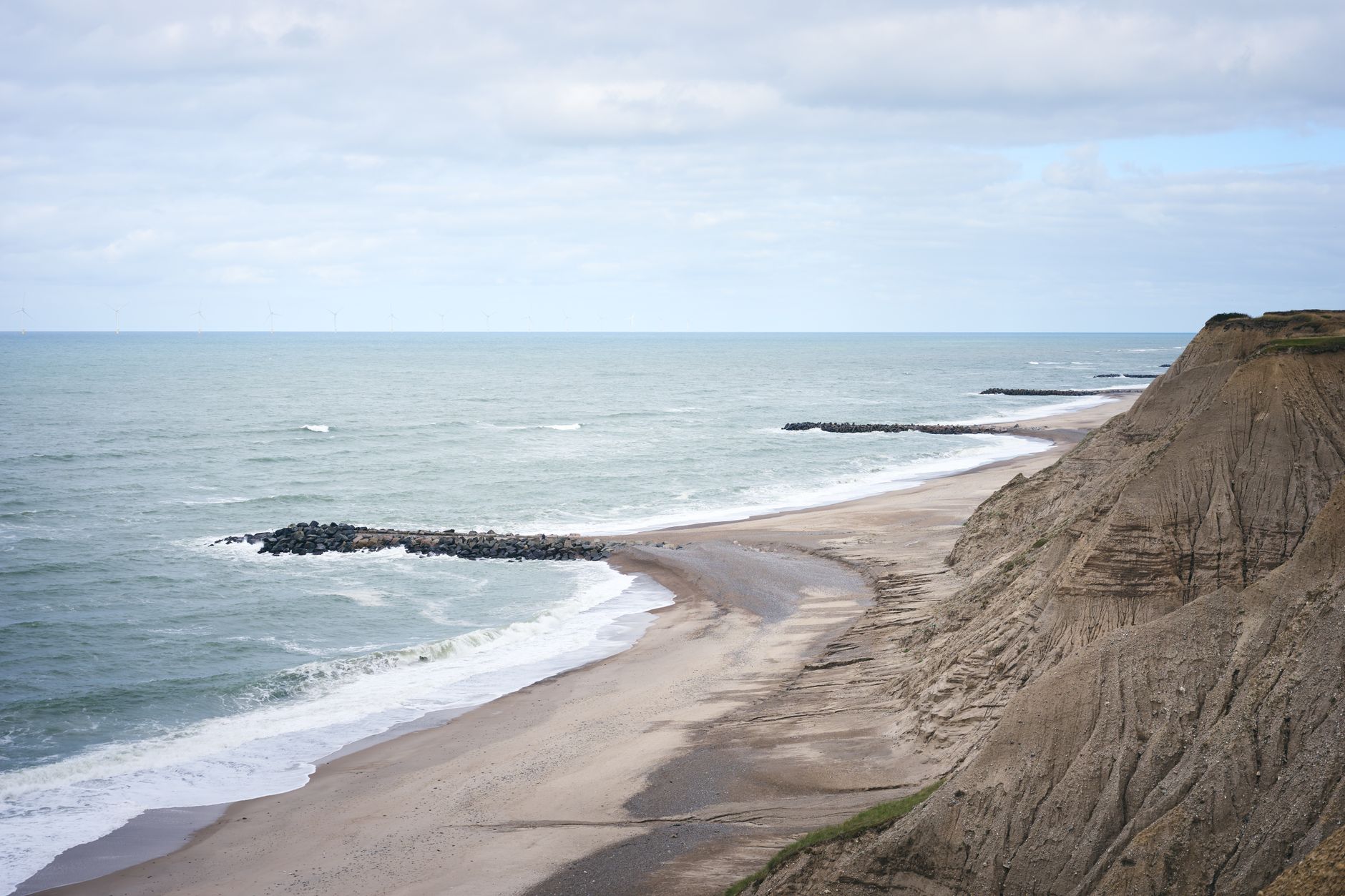
1. Where the Ocean Floor Plunges Close to Shore
Scripps Coastal Reserve, La Jolla, USA
Just off the shores of the Scripps Coastal Reserve, a deep submarine canyon dramatically plunges close to shore, creating unique marine habitats.
The Scripps Submarine Canyon is a geological marvel, a deep underwater valley that rivals terrestrial canyons in scale. Its proximity to the coastline means that deep-sea creatures and nutrient-rich waters are found unusually close to the beach. This creates a unique ecosystem, supporting diverse marine life from microscopic plankton to migrating whales, making it a hotspot for scientific research and a fascinating place to explore.
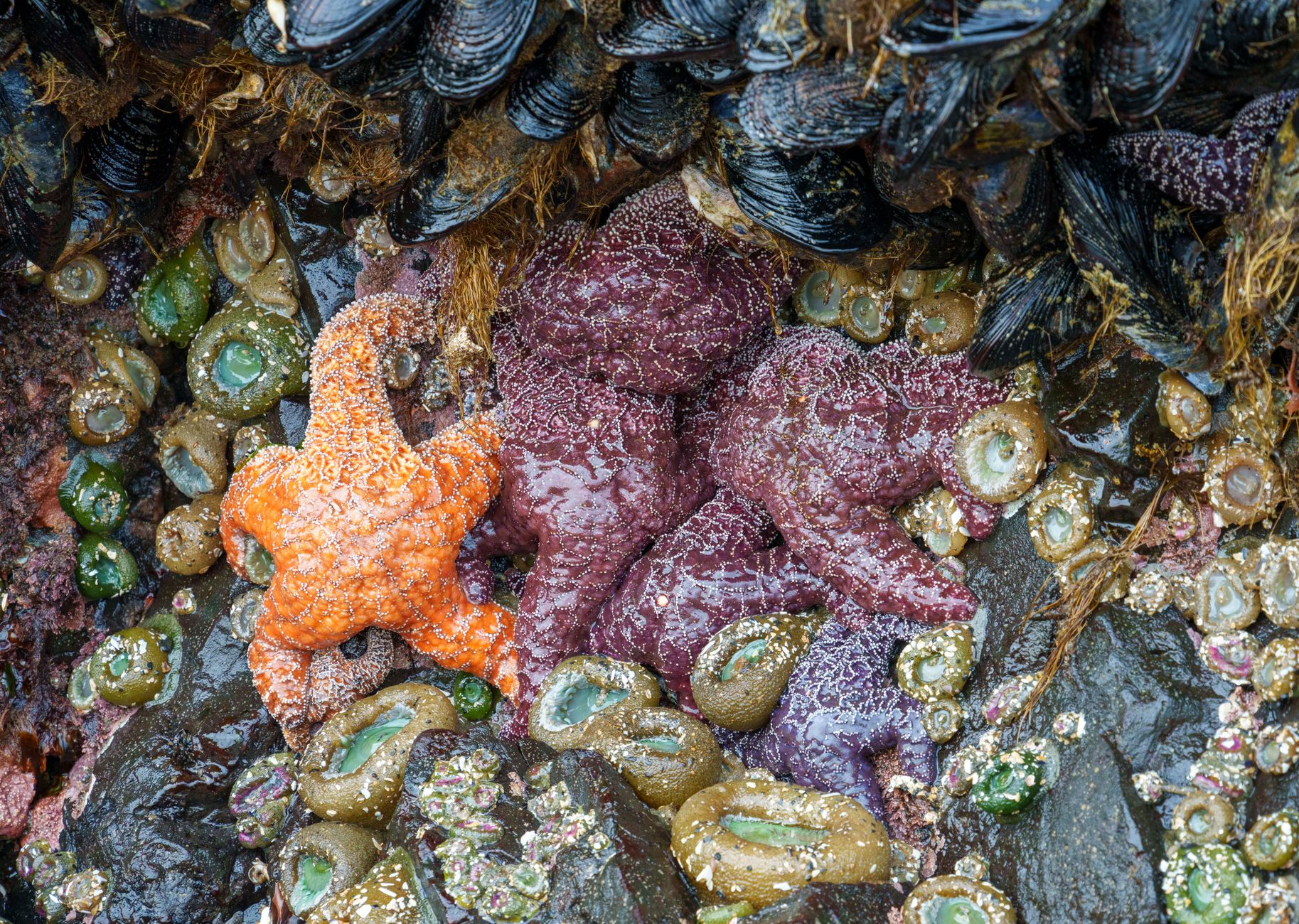
2. Ancient Marine Life in Shifting Basins
Cabrillo National Monument, Point Loma, USA
These vibrant tide pools reveal ancient marine life adapted to extreme conditions, shaped by millions of years of seismic uplift.
During low tide, the rocky shelves at Point Loma transform into a labyrinth of miniature ecosystems. Crabs scuttle, sea anemones pulse, and starfish cling to rocks, all surviving the dramatic shift from submerged to exposed conditions. These pools are remnants of a coastline continually sculpted by geological forces, offering a glimpse into resilient life forms that have adapted to their ever-changing environment over millennia.
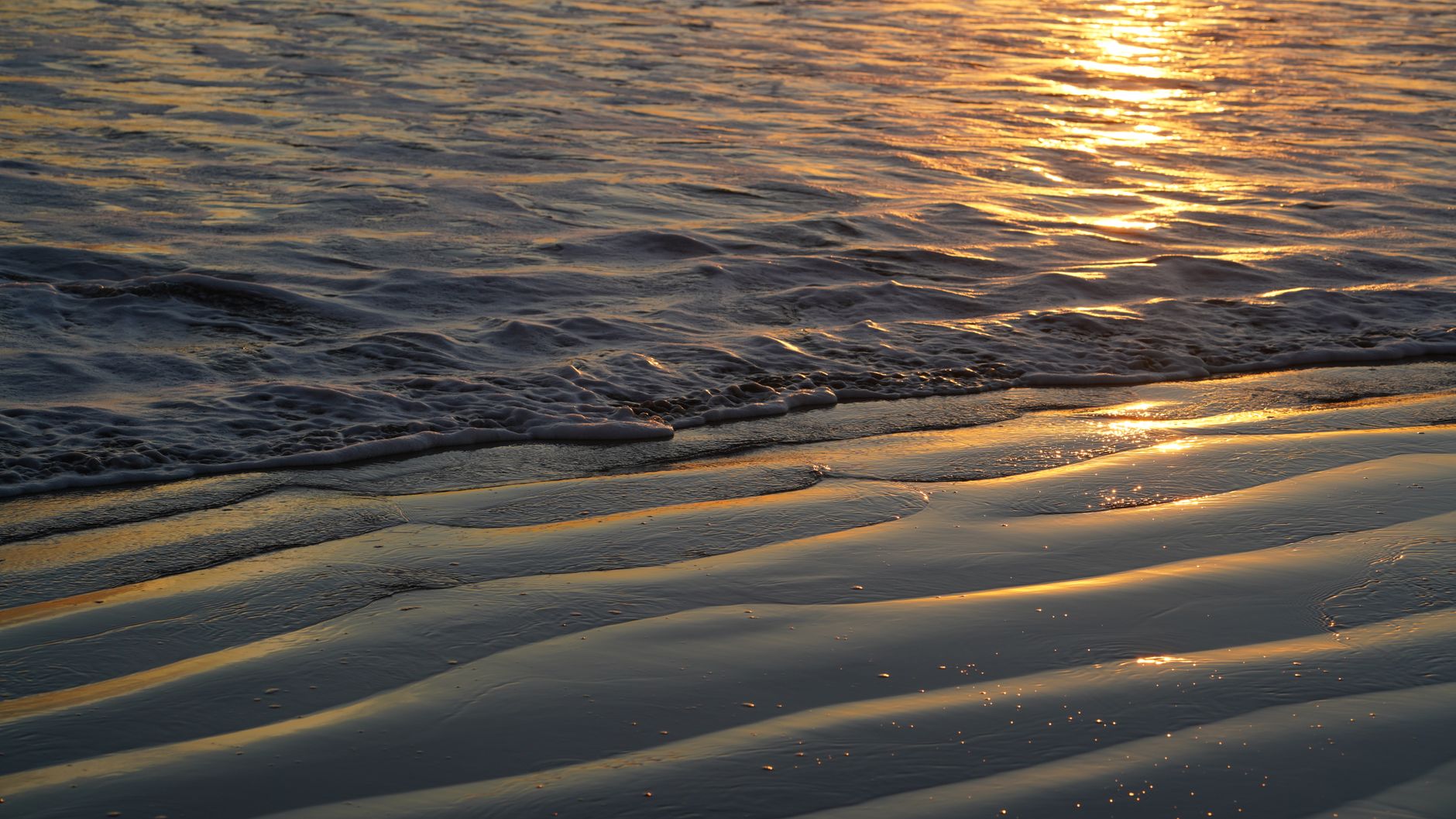
3. The Shimmering Sands of Silver Strand
Coronado, USA
This unique beach is composed almost entirely of pulverized seashells and mica, creating a shimmering landscape unlike any other.
Unlike typical sandy beaches, Silver Strand's shoreline glitters under the sun, a result of its distinctive geological makeup. The sand here is a finely ground mixture of millions of seashells, abalone fragments, and mica flakes, deposited over countless years. This natural phenomenon gives the beach its name and a truly magical quality, inviting visitors to observe the tiny, iridescent particles that make up its sparkling expanse.
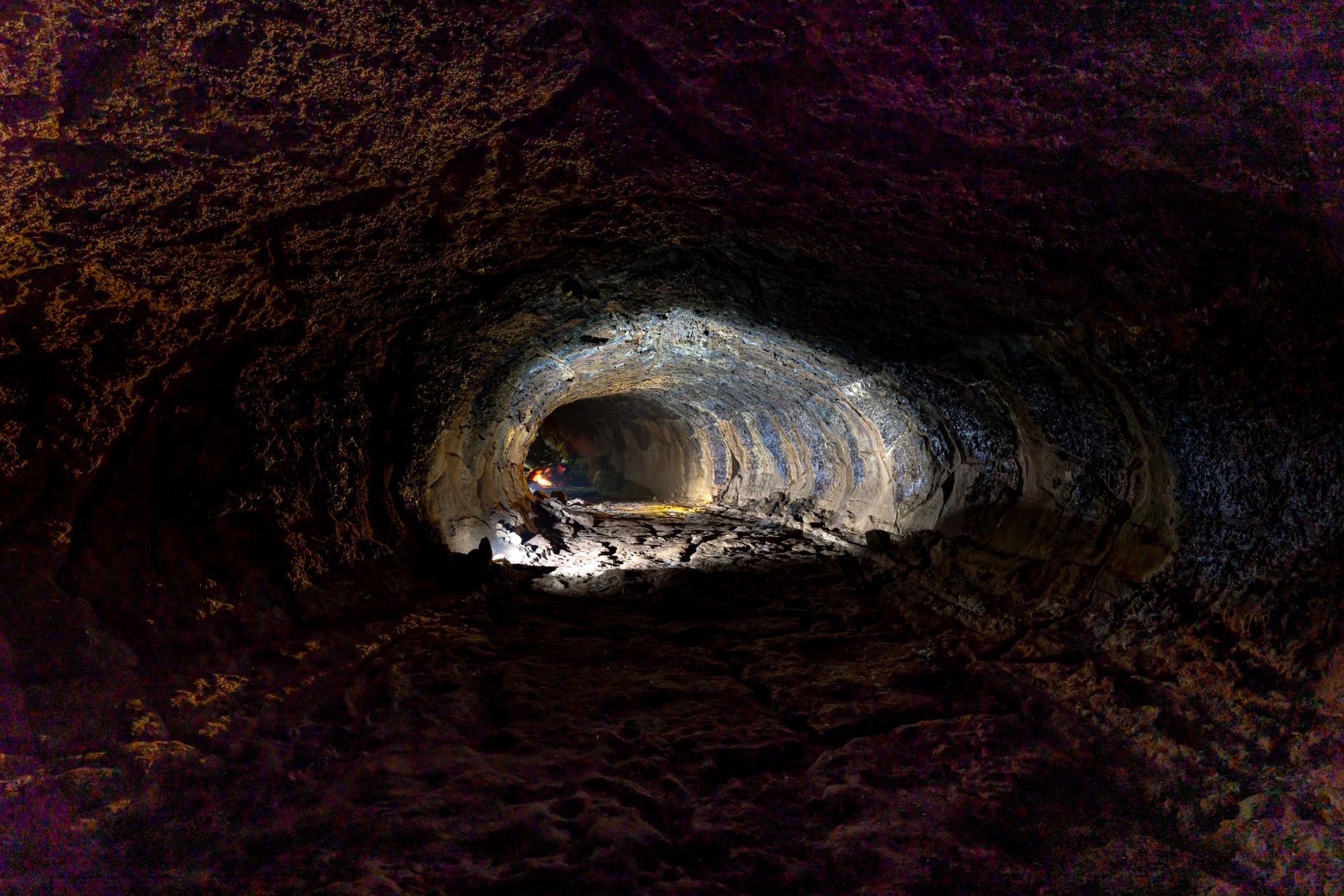
4. The Bootlegger's Secret Tunnel to the Sea
La Jolla Cove, USA
A hidden tunnel, hand-dug by a German immigrant, leads down into one of San Diego's most famous sea caves, once used for bootlegging during Prohibition.
In 1902, German artist and entrepreneur Gustav Schultz hired laborers to secretly dig a 144-step tunnel from his clifftop home down into a sea cave, now known as Sunny Jim Cave. While initially intended for tourism, legend has it that during Prohibition, the tunnel became a discreet entryway for smugglers to bring liquor ashore. Visitors can still descend this historic passage, imagining the clandestine operations that once took place in the cave's cool, damp interior.
5. Ancient Pines Guarding Coastal Fossils
Torrey Pines State Natural Reserve, La Jolla, USA
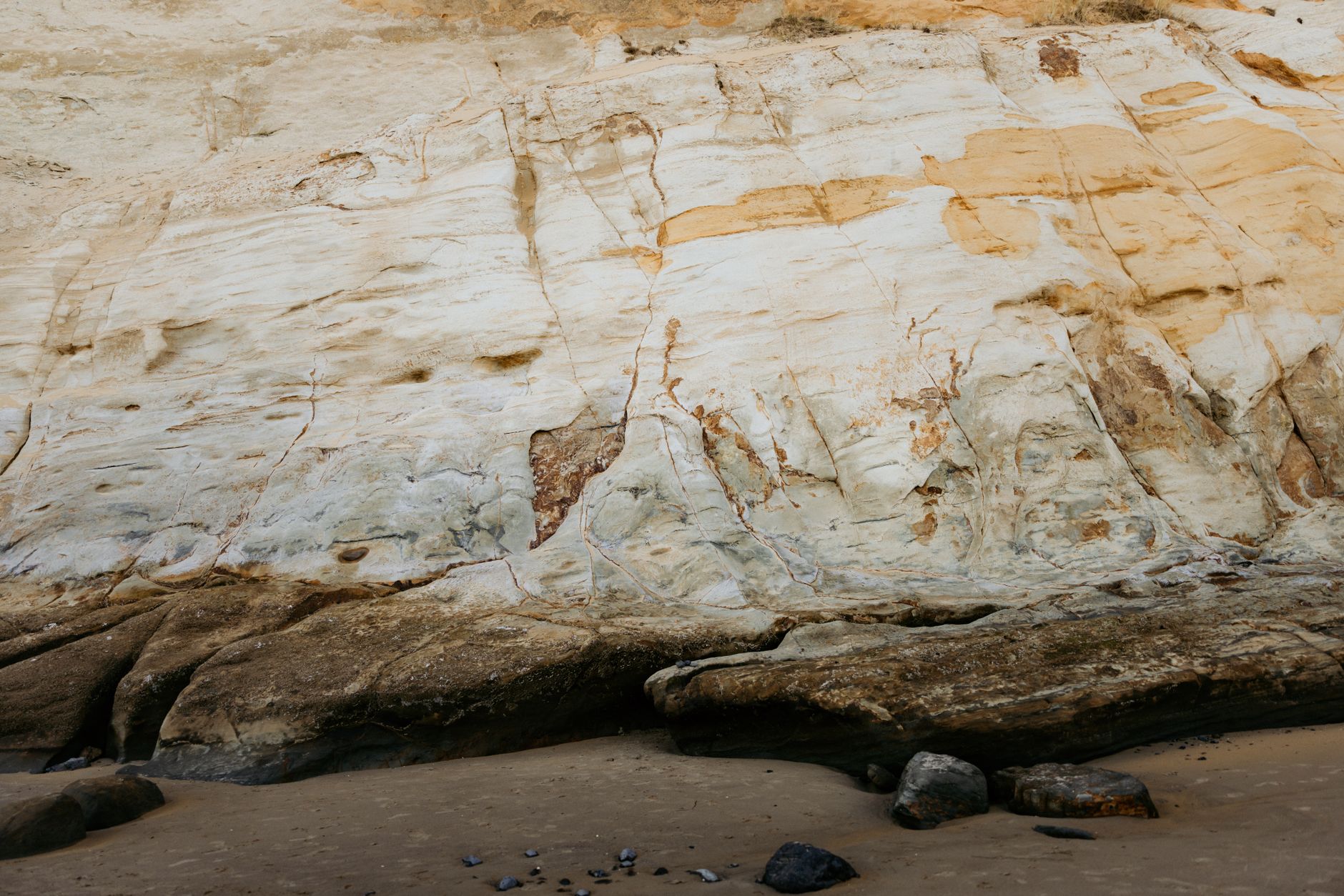
Below the cliffs, find the rare Torrey Pine, a species so unique it grows naturally in only two places on Earth.
The beach at the base of Torrey Pines State Natural Reserve offers more than just sand and surf. Here, the incredibly rare Torrey Pine, a relic from a past geological era, clings to the dramatic sandstone cliffs. These cliffs themselves are a geological treasure trove, constantly eroding to reveal marine fossils, including ancient whale bones and prehistoric shark teeth, offering a tangible link to San Diego's deep past.
6. Engineering Against the Pacific's Fury
Ocean Beach, San Diego, USA
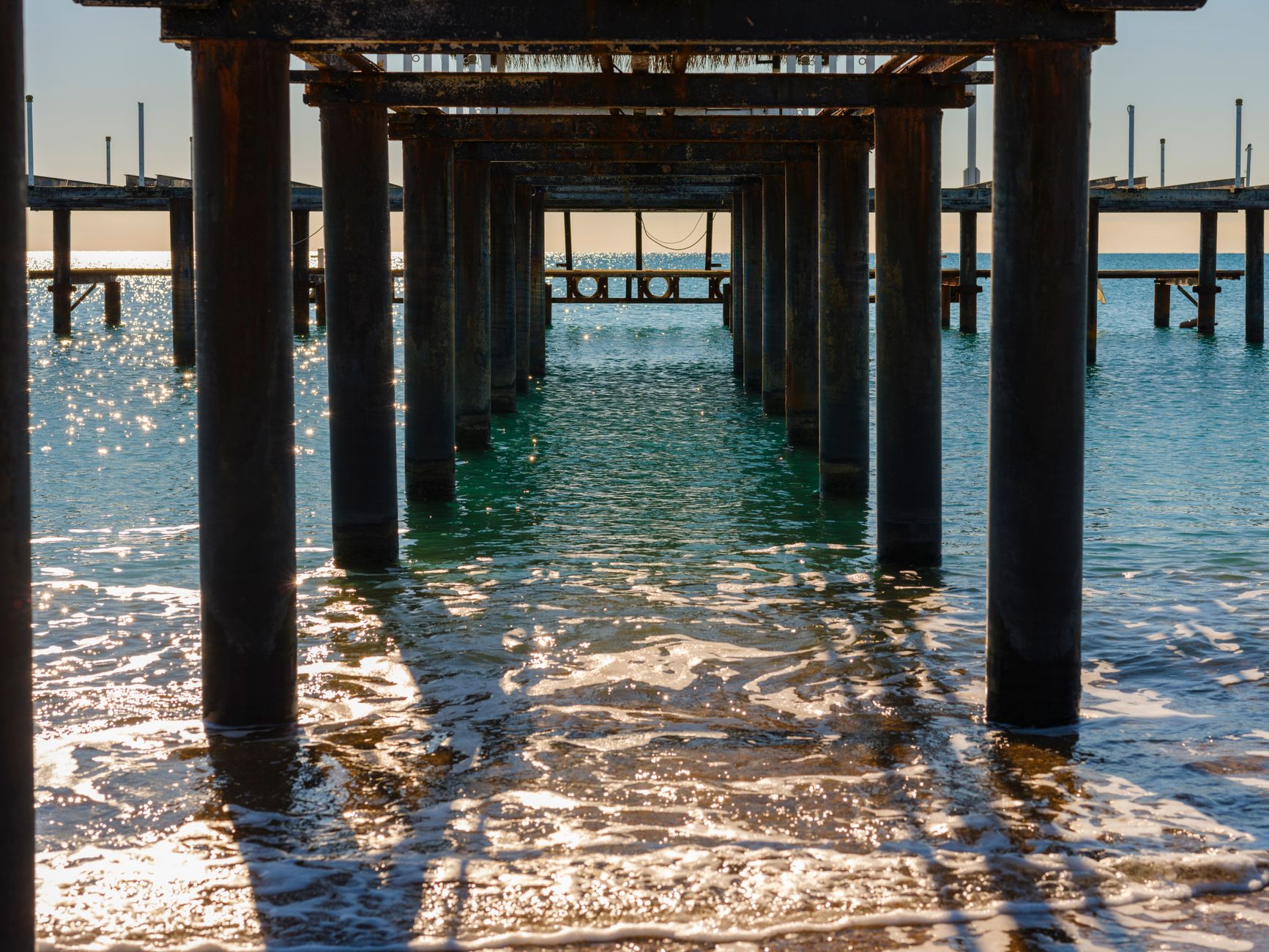
This expansive concrete pier was engineered to withstand powerful ocean swells that repeatedly destroyed its wooden predecessors.
Stretching nearly half a mile into the Pacific, the Ocean Beach Pier stands as a testament to determined engineering. Built in 1966, its concrete design was a direct response to the powerful waves that had demolished previous wooden piers on the same site. It's not just a fishing spot; it's a structural marvel designed to endure the relentless force of the ocean, offering unparalleled views and a sturdy platform against the elements.
7. A Nursery Where Ocean Life Begins
Carlsbad, USA
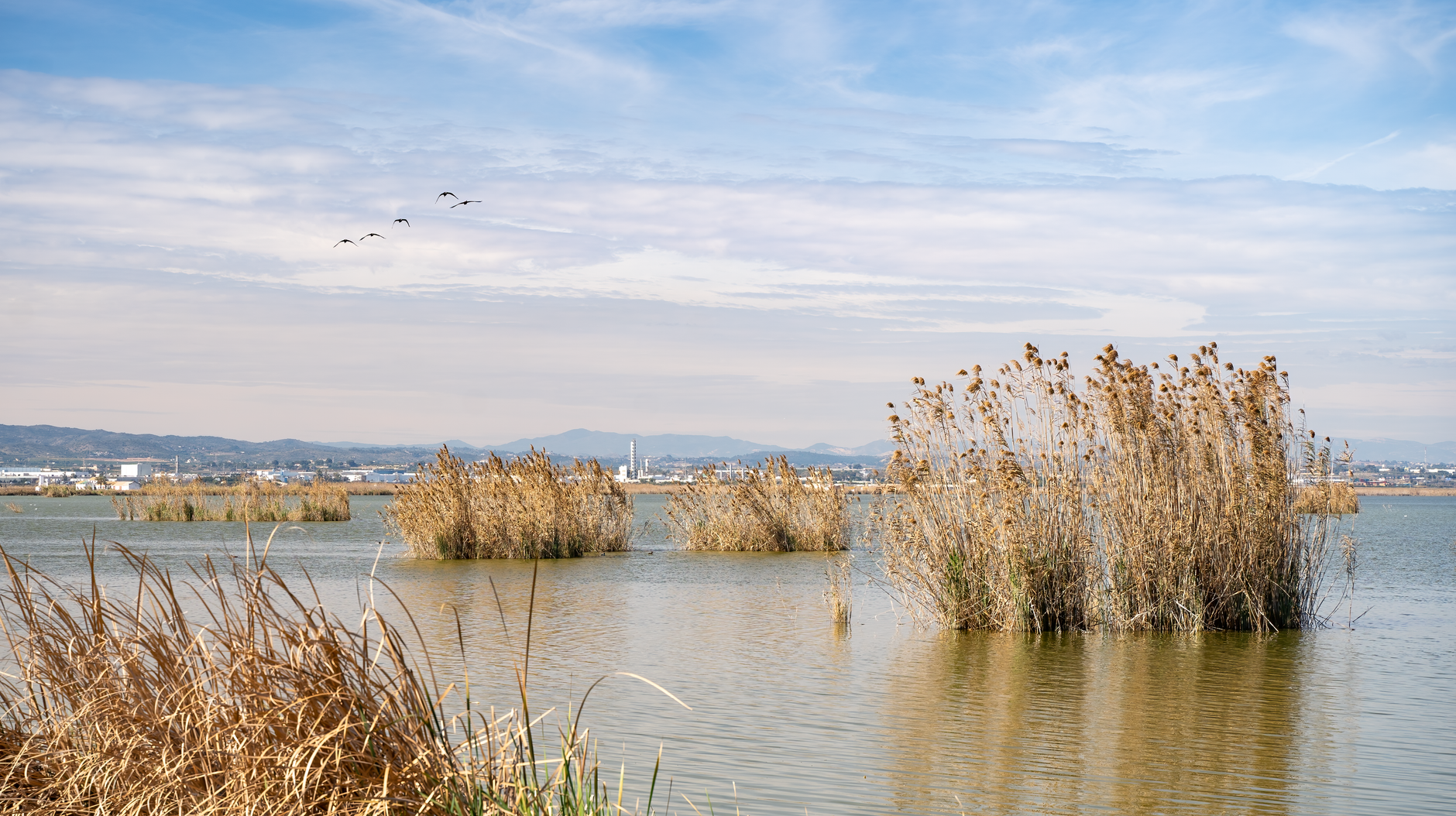
This vital coastal estuary serves as a critical nursery for ocean fish and a crucial stopover for migratory birds on the Pacific Flyway.
Batiquitos Lagoon is one of Southern California's few remaining tidal wetlands, a delicate ecosystem where freshwater streams meet the Pacific Ocean. Its brackish waters are a crucial breeding ground for numerous fish species, including halibut and croaker, before they venture into the open ocean. The reserve also provides essential habitat and a feeding station for hundreds of migratory bird species, making it a vibrant hub of biodiversity.
8. Surfing Waves Over Ancient Geology
Cardiff-by-the-Sea, USA
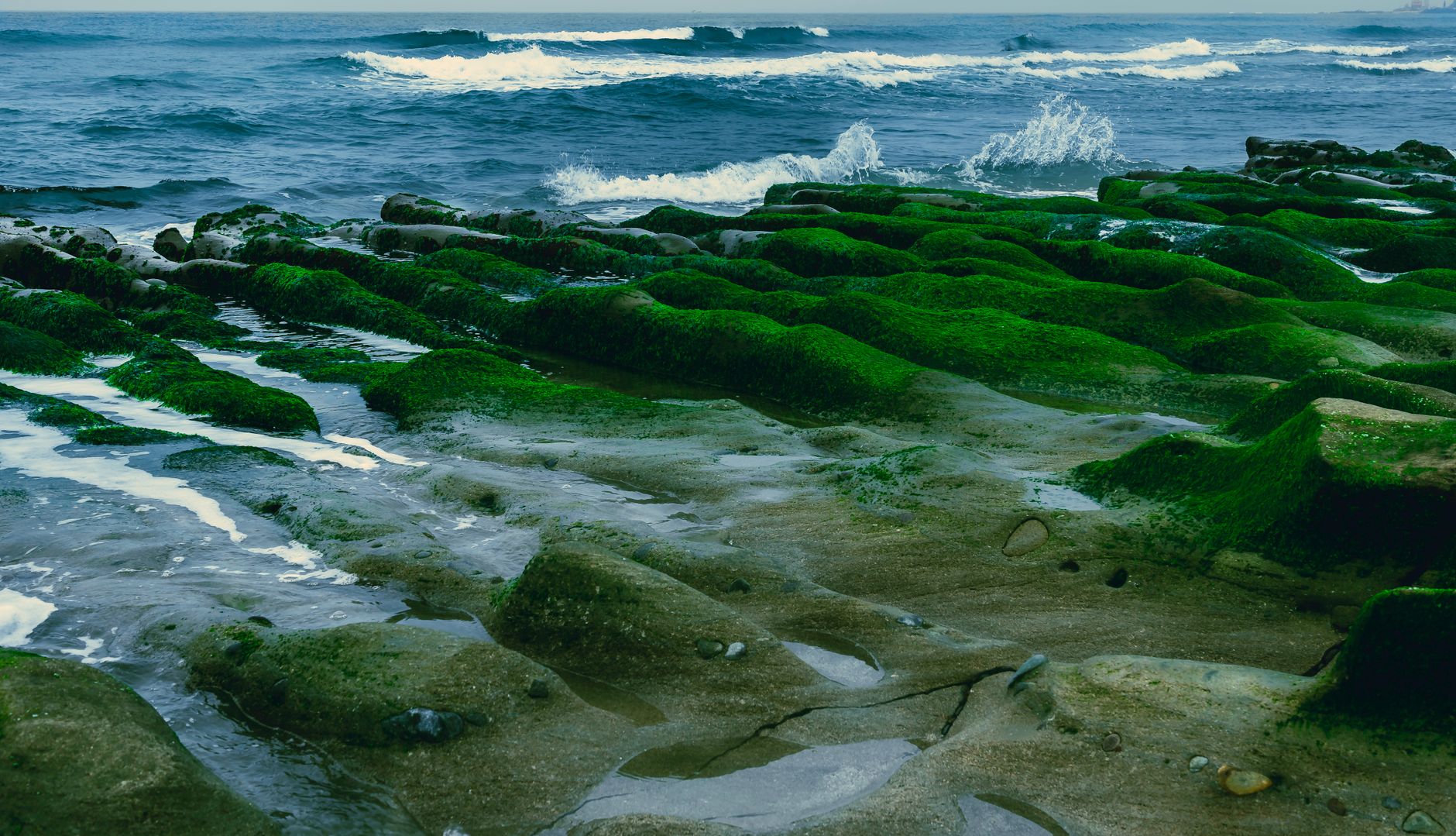
At low tide, the exposed reef reveals ancient geological layers, attracting both avid surfers and fossil hunters.
Cardiff Reef is renowned among surfers for its consistent waves, but its true marvel lies beneath the surface. At exceptionally low tides, vast expanses of its sedimentary rock reef become exposed, revealing ancient geological strata. These visible layers tell a story of millions of years of ocean deposits and tectonic shifts, offering a unique opportunity for both geologists and curious beachcombers to literally walk upon deep time.
Frequently asked questions
Are San Diego's tide pools accessible year-round?
Tide pools are best visited during low tide, especially negative tides, which typically occur in fall and winter. Always check tide charts before your visit and remember to observe the fragile ecosystem without disturbing its inhabitants.
Can you really find fossils on San Diego's beaches?
Yes, the sandstone cliffs along many San Diego beaches, particularly around Torrey Pines and La Jolla, are rich in marine fossils. Look for shells, shark teeth, and even ancient whale bones eroding from the cliffs, but remember to respect park rules regarding collection.
What makes San Diego's coastline so diverse?
San Diego's coastline is shaped by a unique combination of geological factors, including active fault lines, marine terraces, and a varied climate. This creates a mosaic of sandy beaches, dramatic cliffs, lagoons, and submarine canyons, each supporting distinct environments.
How does AllTours.ai enhance exploration of San Diego's ocean?
AllTours.ai turns your phone into an AI audio tour guide. Simply point your camera at a landmark, beach, or natural feature, and the app will narrate its fascinating history, geology, and cultural significance in your language, bringing hidden stories to life.
Related guides
Photography via Pexels. AllTours.ai is an AI audio tour guide — point your camera at any landscape and hear its story.