October 11, 2026 · 4 min read
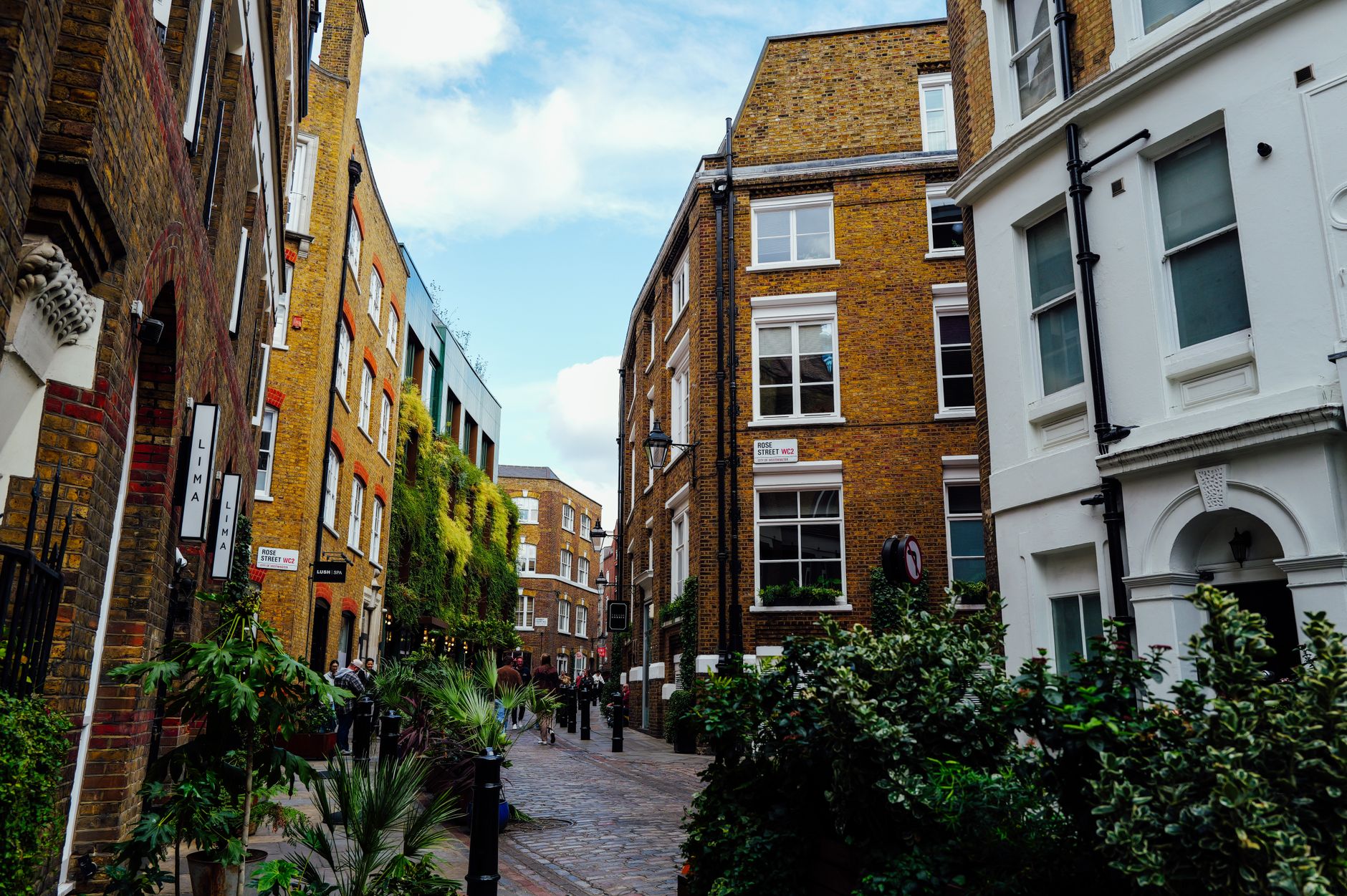
London's iconic landmarks draw millions, but beyond the well-trodden paths lies a city brimming with fascinating, lesser-known spots. Venture into its diverse boroughs, and you'll uncover a wealth of secret gardens, peculiar museums, and vibrant local markets that reveal the true character of this ancient metropolis.
These hidden gems in London neighborhoods offer a different perspective, a chance to connect with local life and uncover stories often missed by the casual visitor. From medieval ruins reimagined as tranquil oases to time-capsule homes, each location holds a unique narrative waiting to be discovered.
1. The Serene Ruins of St Dunstan in the East
City of London, England
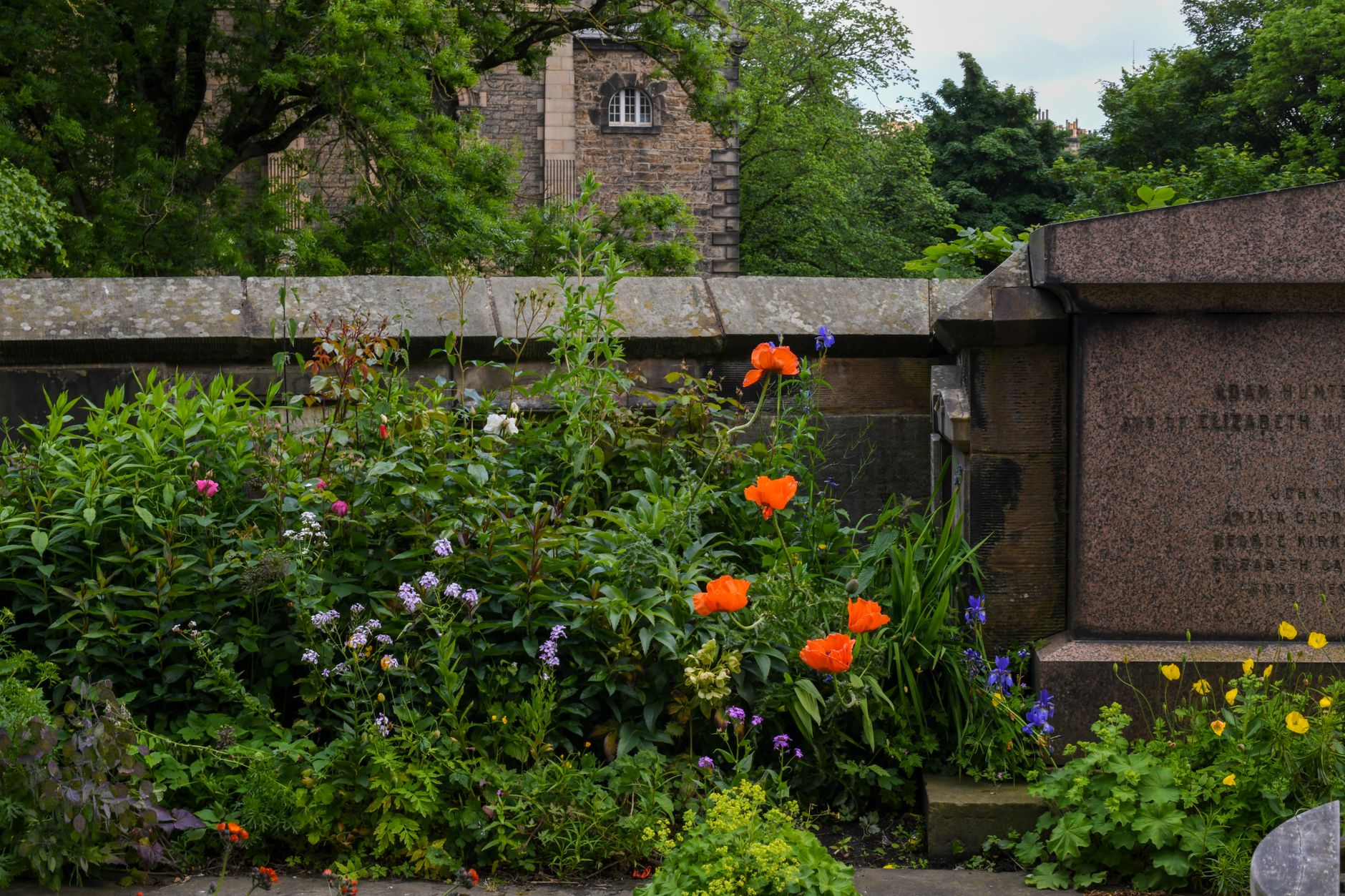
A bombed-out medieval church in the City of London now hosts a tranquil garden, where ivy climbs ancient stone walls.
St Dunstan in the East was originally built around 1100. Severely damaged during the Great Fire of London in 1666, it was partially rebuilt by Sir Christopher Wren. However, it was almost completely destroyed again during the Blitz in 1941, leaving only its tower and outer walls. Today, the ruins have been transformed into a beautiful public garden, offering a serene escape amidst the bustling financial district.
2. Dennis Severs' House: A Journey into the Past
Spitalfields, England
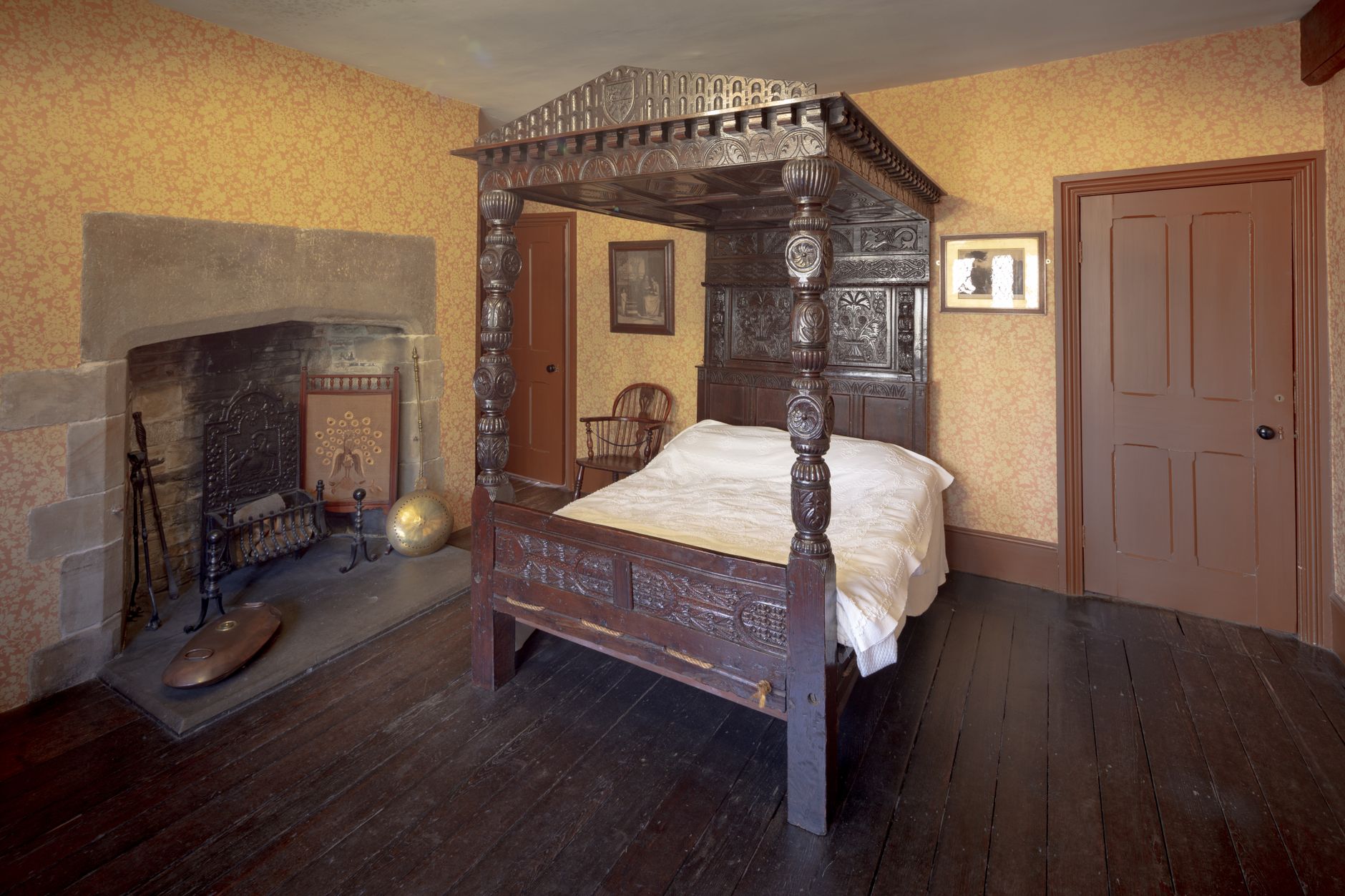
Step into a meticulously recreated 18th-century Huguenot silk-weaver's house in Spitalfields, where it feels as if the residents just stepped out.
Dennis Severs lived here from 1979 to 1999, dedicating his life to creating a "still-life drama" across ten rooms. Each space is arranged to evoke the presence of an imaginary family of Huguenot silk-weavers, with flickering candles, half-eaten meals, and unmade beds. The experience is designed to engage all senses, offering a unique, immersive journey into the lives of Londoners from a bygone era, rather than a traditional museum visit.
3. Crossbones Garden: A Shrine to the Outcast
Southwark, England
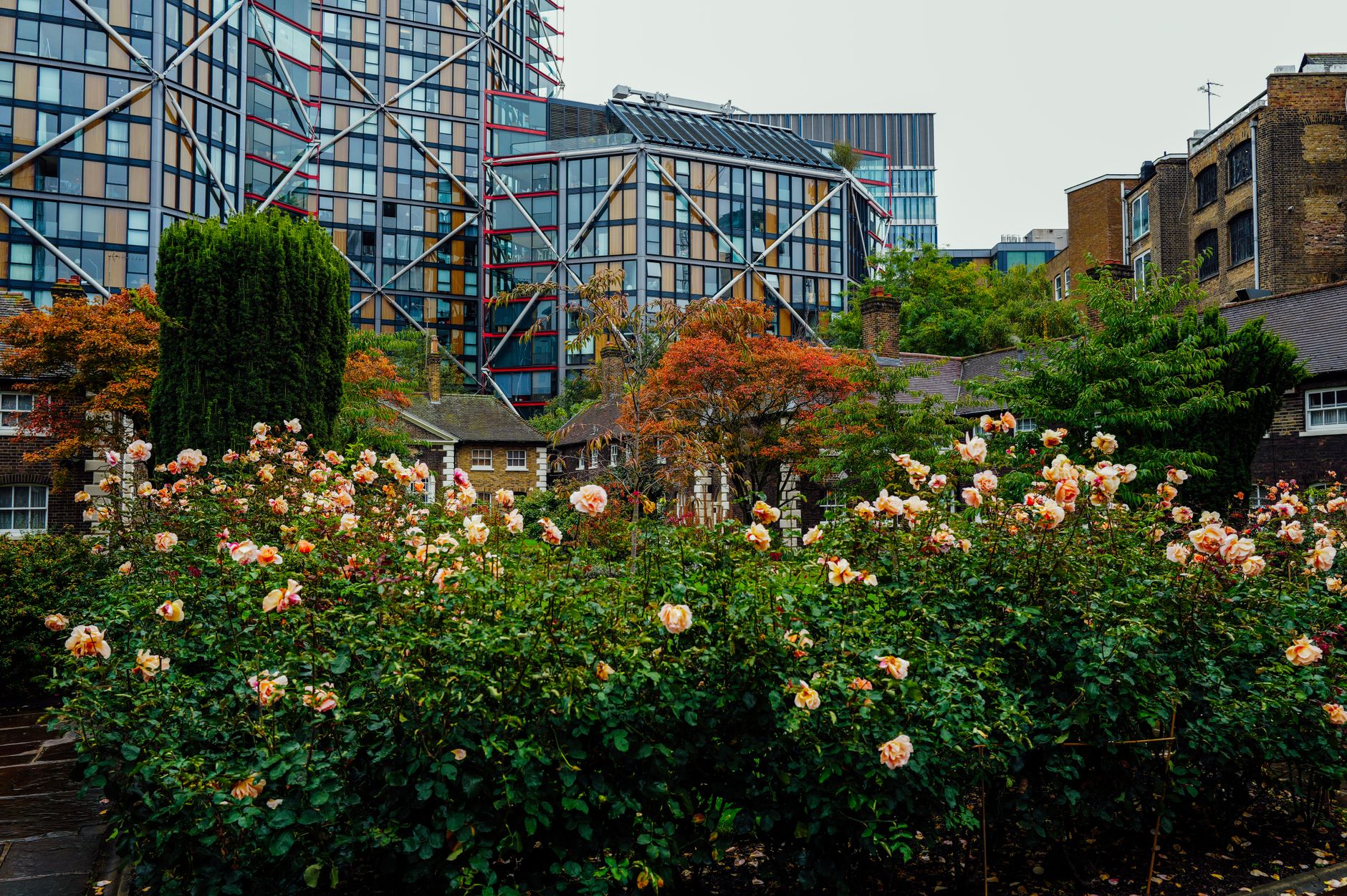
In Southwark lies a former unconsecrated burial ground, a final resting place for London's medieval 'outcasts,' now transformed into a poignant garden of remembrance.
For centuries, Crossbones was the graveyard for paupers, prostitutes, and others deemed unworthy of consecrated ground, particularly the 'Winchester Geese' – medieval sex workers licensed by the Bishop of Winchester. Thousands were buried here, often in mass graves. Today, the site has been reclaimed as a tranquil garden and shrine, adorned with ribbons, mementos, and poetry, serving as a powerful, moving testament to the forgotten poor of London.
4. Wilton's Music Hall: Echoes of Victorian Entertainment
Tower Hamlets, England
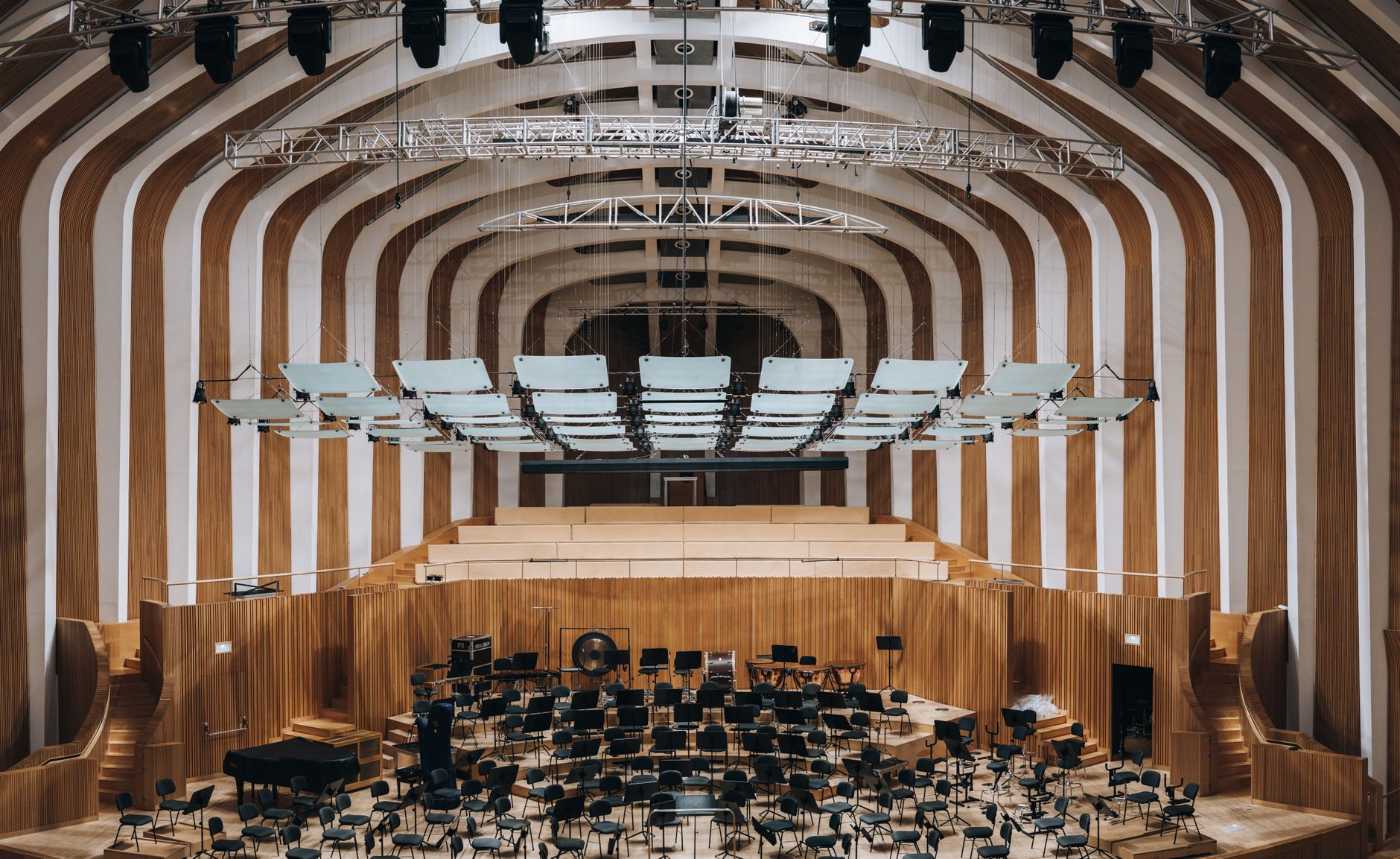
Tucked away in the East End, Wilton's is the world's oldest surviving grand music hall, offering a glimpse into Victorian working-class entertainment.
Built in 1859, Wilton's Music Hall once hosted raucous performances for dockworkers and local residents, featuring everything from comedians to acrobats. After its heyday, it served various purposes, including a Methodist mission and a rag warehouse, before being rediscovered and painstakingly restored. Its atmospheric, slightly dilapidated grandeur transports visitors back to a vibrant era of London's social history, hosting contemporary performances in an unforgettable setting.
5. Postman's Park: Memorial to Heroic Self-Sacrifice
City of London, England
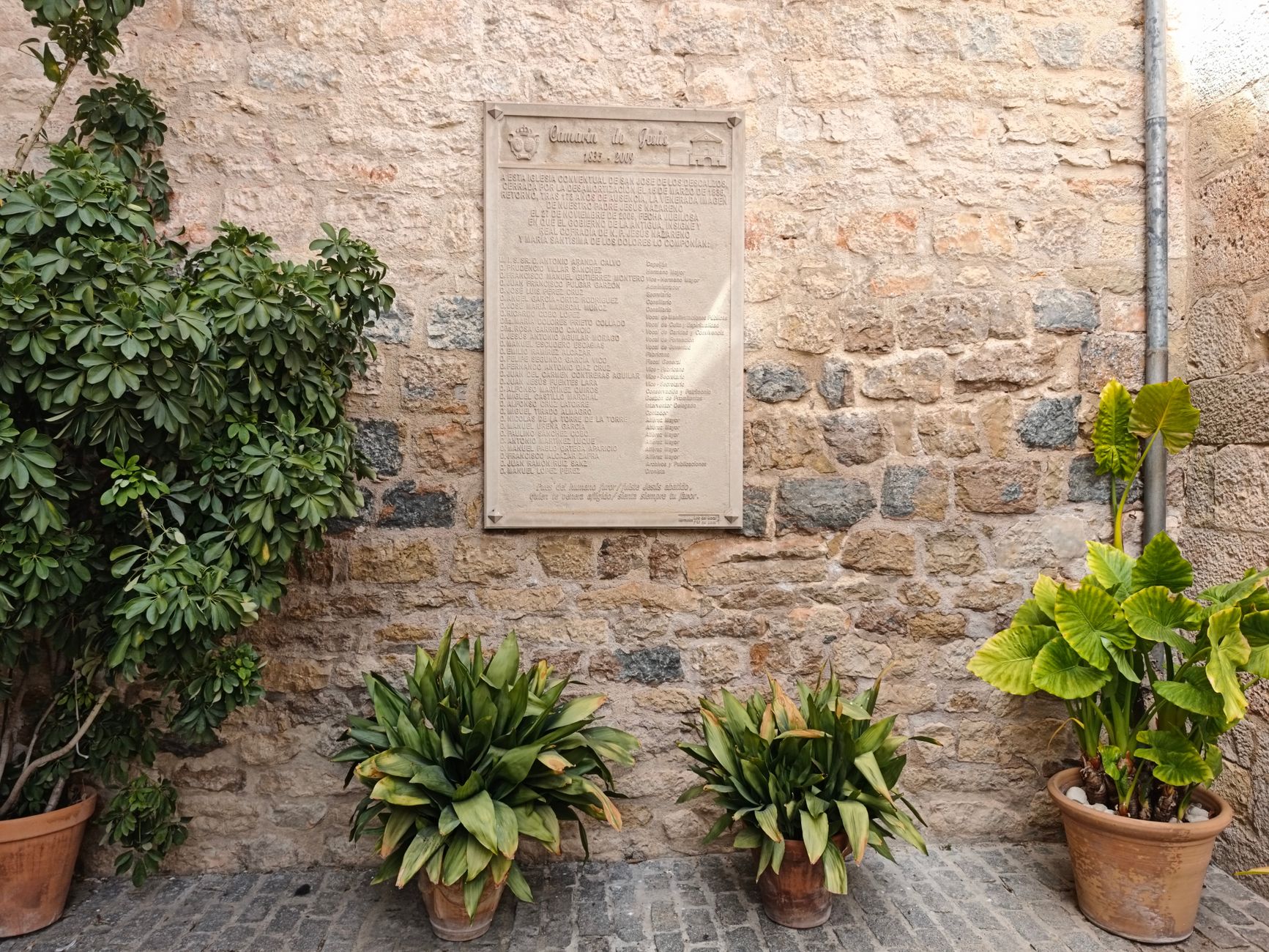
This tranquil City of London park features a unique memorial to ordinary people who died while saving the lives of others, often strangers.
Formally known as the Watts Memorial to Heroic Self-Sacrifice, this Victorian memorial was conceived by painter George Frederic Watts in 1887. It comprises dozens of ceramic plaques, each commemorating an individual who sacrificed their life for another, detailing their act of bravery. From a nine-year-old boy who drowned rescuing his brother to a police constable who saved a woman from a runaway horse, the park offers a moving tribute to everyday heroism.

6. The Quirky Wonders of Horniman Museum
Forest Hill, England
In South London, this eclectic museum houses a famous overstuffed walrus and a vast collection spanning natural history, musical instruments, and anthropology.
Frederick Horniman, a Victorian tea trader, amassed an extraordinary collection from his travels, which he later opened to the public in 1901. The museum's most iconic exhibit is its famously overstuffed walrus, a taxidermy specimen that became a symbol of Victorian attempts to recreate nature without fully understanding it. Beyond the walrus, visitors can explore vibrant gardens, an animal walk, and galleries filled with global artifacts and musical instruments.
7. Leadenhall Market: A Victorian Architectural Gem
City of London, England
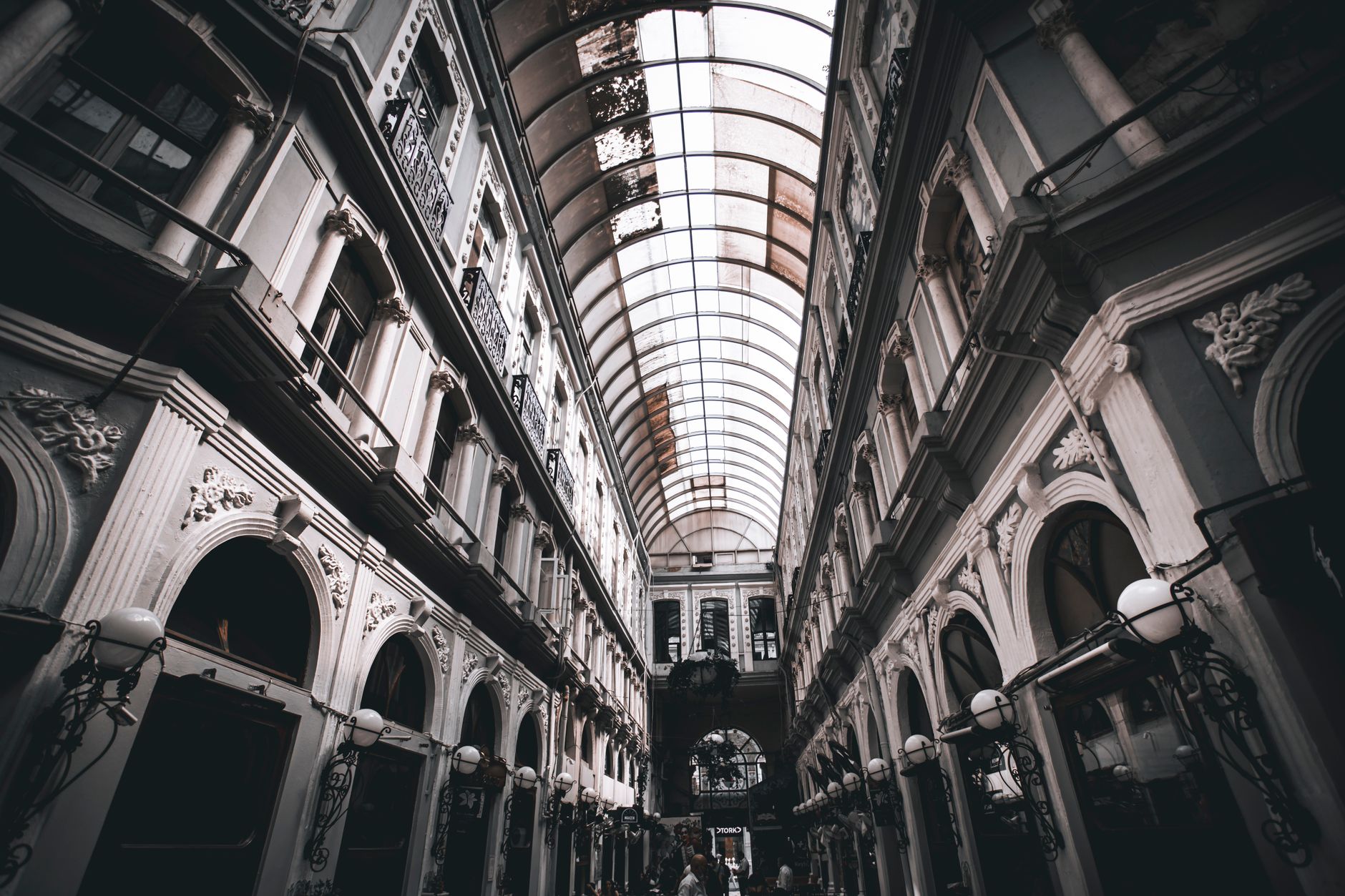
This ornate Victorian covered market in the City of London, with its stunning ironwork and glass roof, was once a thriving center for meat, poultry, and game.
Dating back to the 14th century, the current market structure was designed by Sir Horace Jones in 1881, the same architect responsible for Smithfield Market. Its exquisite painted ceiling and cobbled walkways have made it a popular filming location, notably for scenes in the Harry Potter series. While now home to boutiques, pubs, and restaurants, its grandeur still speaks to its past as a bustling, vital hub of London's mercantile life.
8. Sir John Soane's Museum: An Architect's Eccentric Legacy
Holborn, England
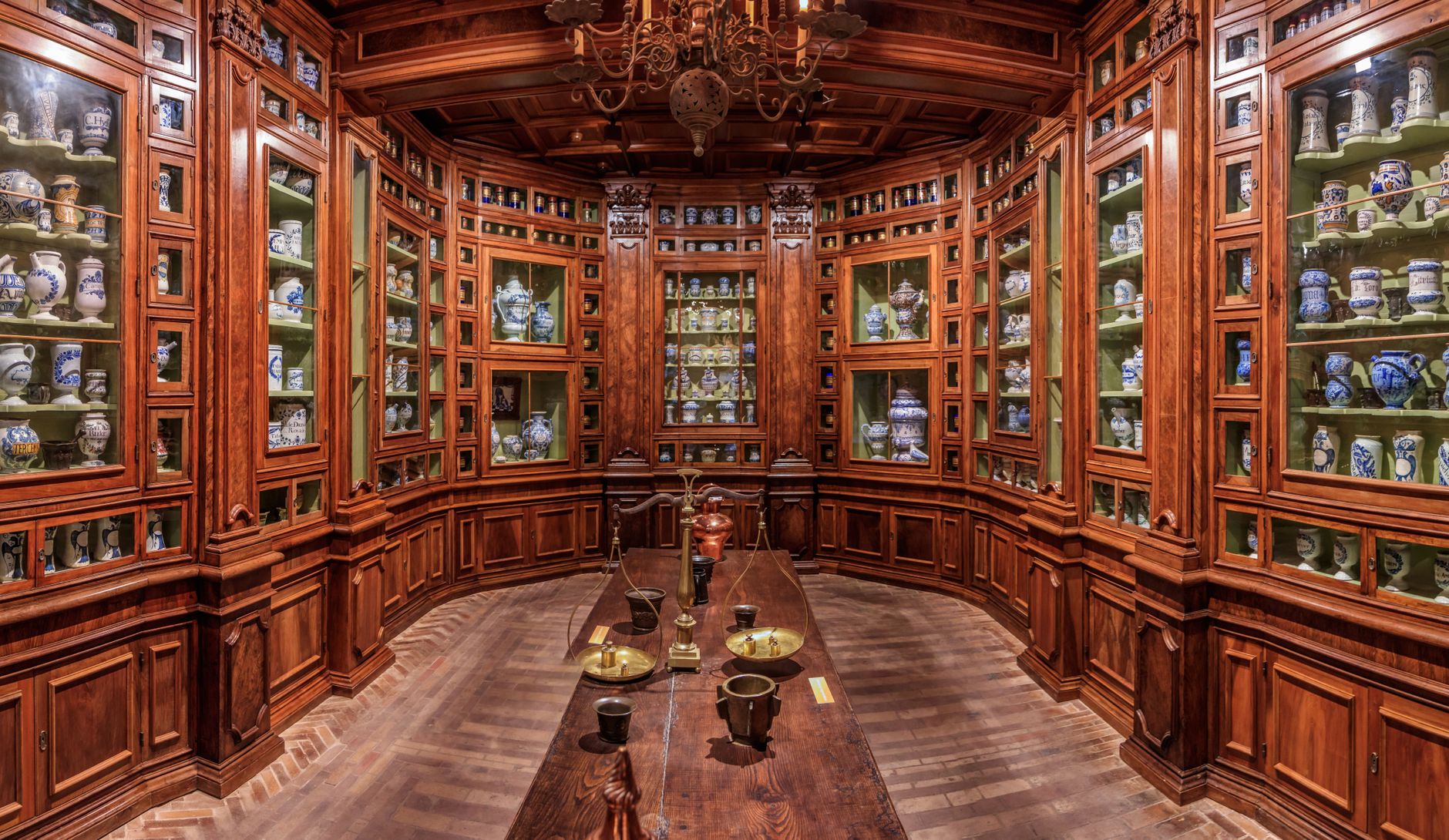
The former home of an eccentric Georgian architect, this museum is a labyrinthine treasure trove packed with antiquities, architectural fragments, and a sarcophagus.
Sir John Soane, a prominent architect of the 19th century, designed his house as a living museum and workshop. Upon his death in 1837, he bequeathed it to the nation, with the stipulation that it be preserved exactly as it was. Visitors can explore rooms crammed with Roman and Greek artifacts, paintings by Hogarth and Turner, and even the sarcophagus of Seti I, discovered in 1817. The house's clever use of light and mirrors creates an illusion of endless space.
Frequently asked questions
What are some genuinely non-touristy places to visit in London?
Beyond the major landmarks, explore local markets like Maltby Street, tranquil spots such as St Dunstan in the East, or niche museums like the Grant Museum of Zoology. These offer a more authentic glimpse into London life and history.
How can I find unique cultural experiences in London's boroughs?
Delve into specific neighborhoods. For example, Spitalfields in Tower Hamlets offers historical houses like Dennis Severs' House, while Southwark holds the poignant Crossbones Garden. Each borough has distinct stories waiting to be discovered.
Are there any secret gardens or quiet spots in central London?
Yes, even in the bustling city center. Postman's Park in the City of London provides a serene escape with its unique memorial, and the Chelsea Physic Garden offers a historic botanical oasis, both surprisingly peaceful amidst urban life.
How can the AllTours.ai app help me discover these hidden London gems?
The AllTours.ai app transforms your phone into an AI audio tour guide. Simply point your camera at any landmark, landscape, or even a hidden corner, and the app will narrate its history, geology, and cultural significance in your preferred language, revealing stories you might otherwise miss.
Related guides
Photography via Pexels. AllTours.ai is an AI audio tour guide — point your camera at any landscape and hear its story.