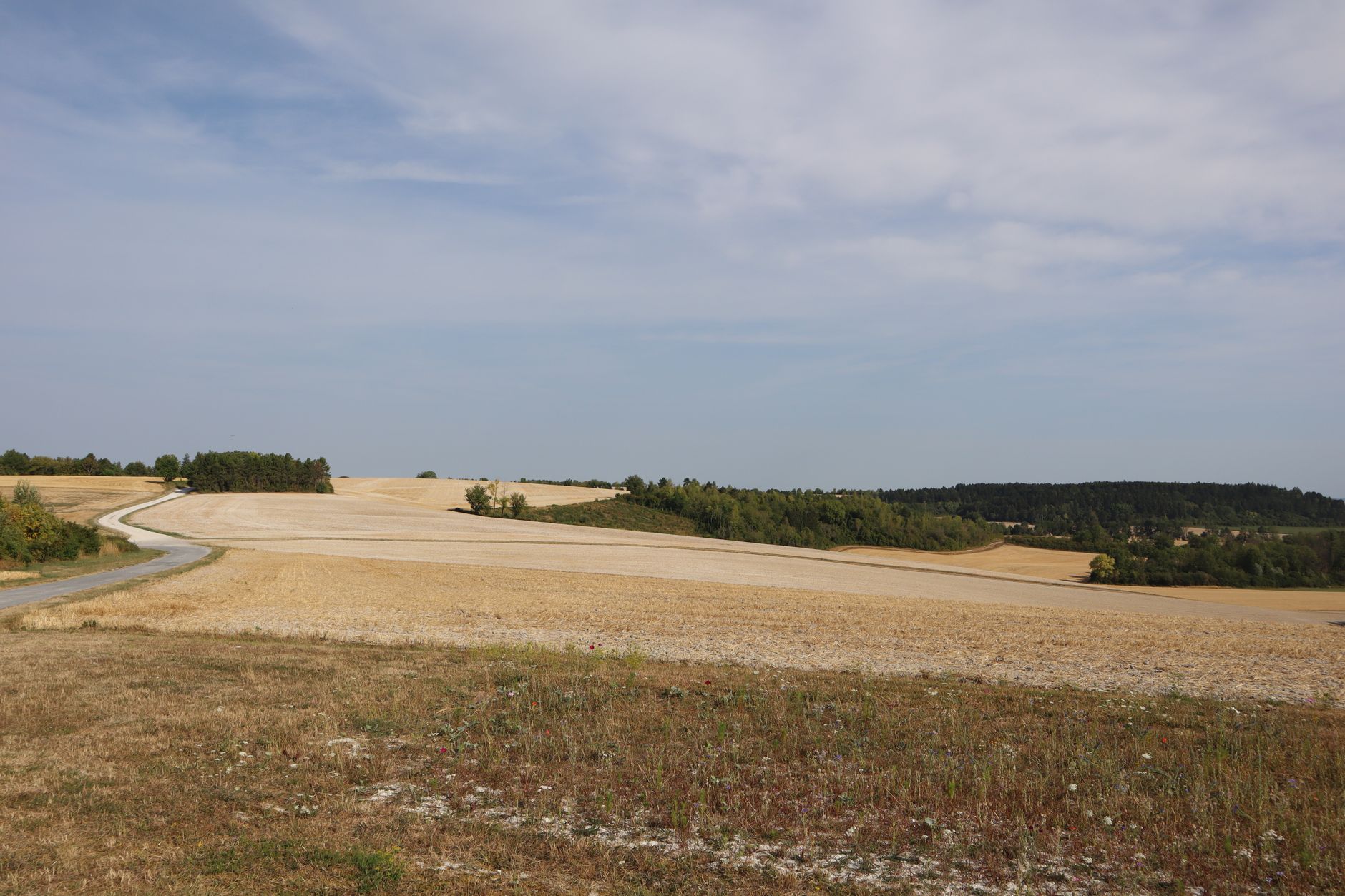
September 1, 2026 · 5 min read
Britain's history is not just one of kings and castles, but also of clever fixes, quirky adaptations, and ingenious solutions to seemingly insurmountable problems. From tackling challenging terrain to outsmarting the elements, a distinctively British approach to problem-solving has shaped the very fabric of its landscapes and communities.
But beyond the grand narratives, countless lesser-known places hold fascinating stories of local ingenuity. These are the spots where everyday challenges met with brilliant, sometimes eccentric, solutions, creating unique landmarks that reveal the enduring spirit of British resilience and inventiveness. Join us as we explore some of these remarkable places.
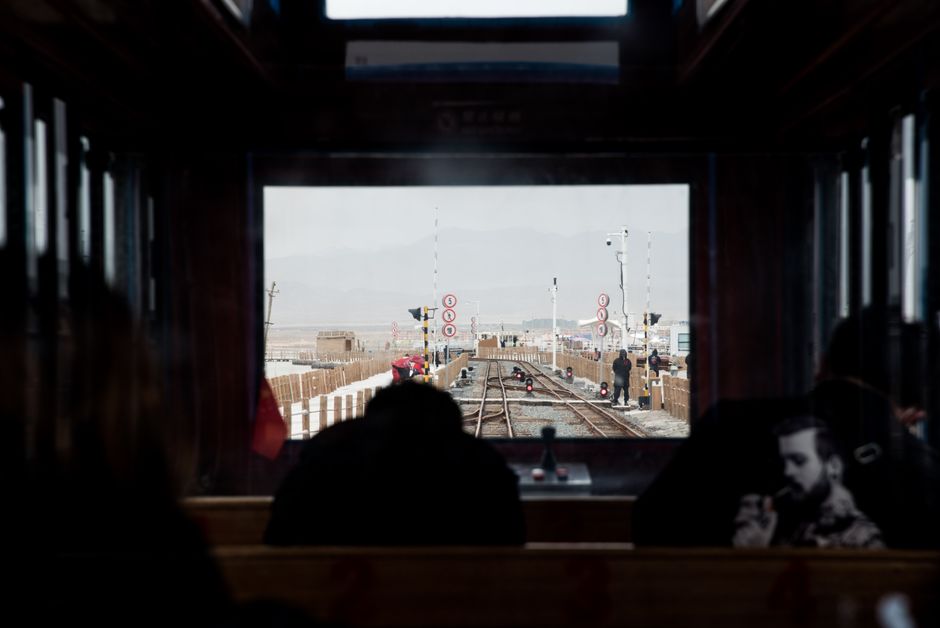
1. The Railway That Ran Through a House
Ffestiniog Railway, Wales
The Ffestiniog Railway, a marvel of narrow-gauge engineering, once had to pass directly through a corner of a farmhouse due to a unique historical agreement.
Built to transport slate from the quarries of Blaenau Ffestiniog to the port of Porthmadog, this pioneering railway faced numerous challenges. One particular landowner near Tan-y-Bwlch refused to sell a vital strip of land. Rather than reroute, engineers reached an extraordinary agreement: the railway would literally tunnel through a corner of his farmhouse. This bizarre, yet pragmatic, solution allowed vital industrial transport to continue, making it the only railway in the world to ever run through an occupied dwelling.
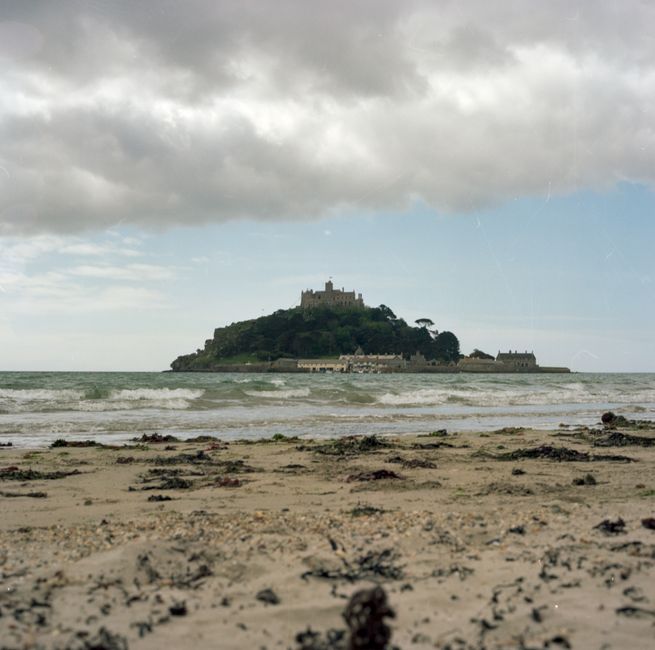
2. The Tidal Island's Granite Path
St. Michael's Mount, Cornwall, England
For centuries, the community of St. Michael's Mount has relied on a granite causeway that only appears at low tide, dictating the very rhythm of island life.
This iconic tidal island, crowned by its medieval castle, is connected to the mainland village of Marazion by a cobbled granite causeway. Twice a day, as the tide recedes, the ancient path emerges from the sea, allowing pilgrims, residents, and visitors to walk across. This natural, yet challenging, access dictated centuries of logistical planning, from provisioning the castle to managing daily life, a testament to living in harmony with the powerful Cornish tides and a uniquely British adaptation to a coastal environment.

3. Bridport's Endless Ropewalks
Bridport, Dorset, England
Bridport's remarkably long, narrow ropewalks allowed craftsmen to twist fibres into miles of crucial maritime rope under one continuous roof, a testament to Georgian industrial foresight.
For centuries, Bridport was the global capital of rope and net making, an industry vital to the Royal Navy and fishing fleets. Its famous ropewalks, like the one still visible today, are incredibly long, straight buildings designed to allow strands of material to be laid out and twisted into rope over hundreds of feet. This unique architectural solution maximized efficiency and quality for an industry crucial to Britain's maritime dominance, ensuring every perfectly coiled line was made to the highest standard.

4. The World's First Iron Bridge
The Iron Bridge, Shropshire, England
The world's first major bridge constructed purely from cast iron wasn't just an engineering marvel; it was a defiant solution to the rapid industrial expansion that demanded new ways to cross rivers.
In the heart of what became the birthplace of the Industrial Revolution, Abraham Darby III faced the challenge of spanning the River Severn. Rather than traditional timber or stone, he pioneered the use of cast iron, a material previously thought too brittle for such a grand structure. Completed in 1779, this audacious bridge not only proved the material's viability but also became an enduring symbol of British innovation, forever changing the landscape of structural engineering and connecting burgeoning industrial communities.
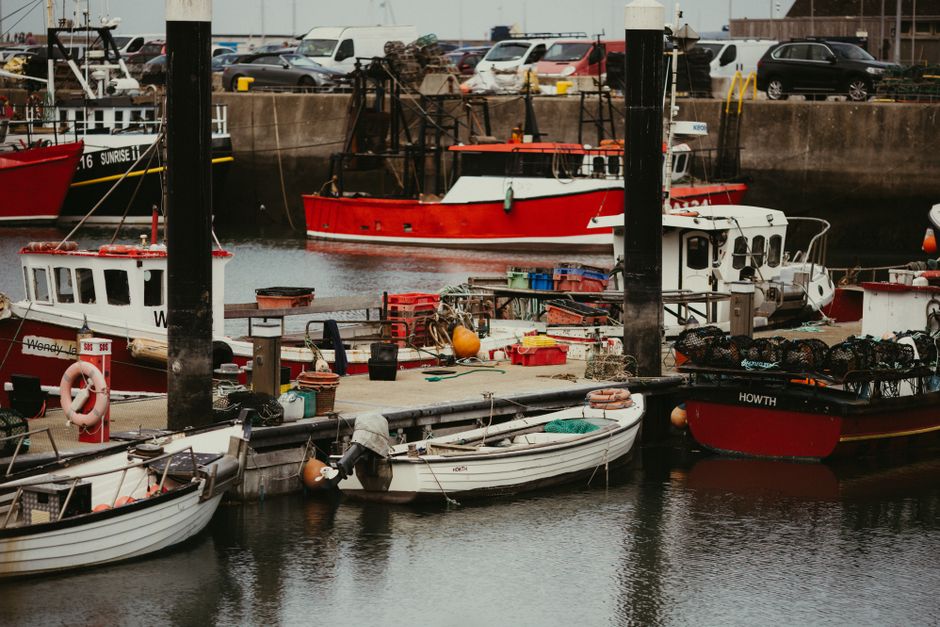
5. Craster's Sheltered Harbour
Craster, Northumberland, England
The unusually sheltered harbour at Craster, a remote Northumberland fishing village, was deliberately engineered to protect its unique fleet of 'coble' boats from the fierce North Sea.
Craster, famous for its kippers, boasts a small, private harbour built by the Craster family in the 19th century. Its distinctive design, with a narrow, curving entrance and robust stone walls, was specifically crafted to provide a safe haven for the village's traditional flat-bottomed coble fishing boats against the often-treacherous North Sea. This ingenious local solution ensured the livelihood of a community through generations of harsh weather, allowing them to continue their fishing traditions.
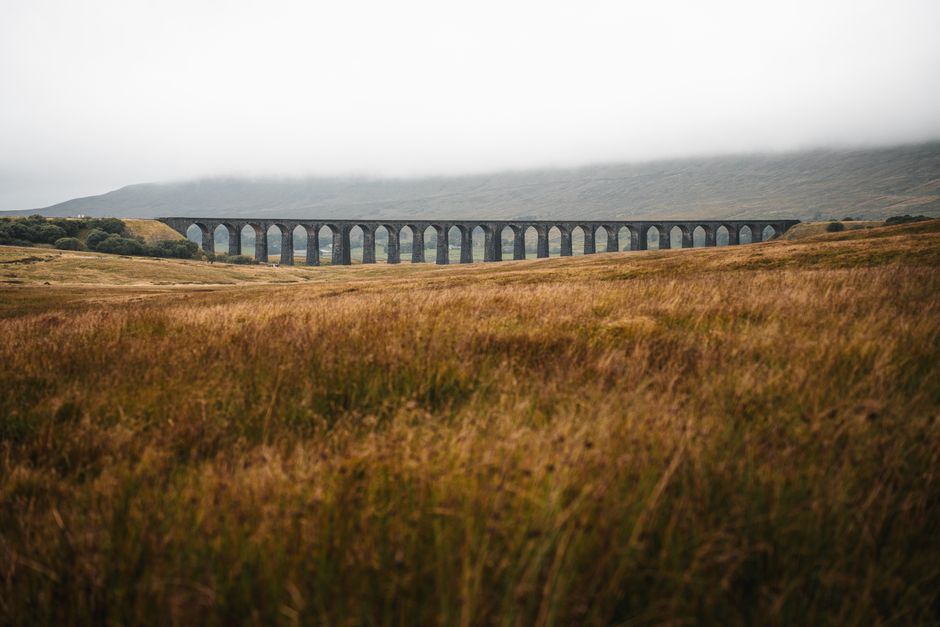
6. Conquering the Dales: Ribblehead Viaduct
Ribblehead, Yorkshire Dales, England
The colossal Ribblehead Viaduct stands as a stark monument to Victorian engineering, built against a backdrop of unforgiving Dales weather and immense logistical challenges.
Constructed between 1870 and 1874, this magnificent railway viaduct was a vital link in the Settle-Carlisle line. Its 24 arches span a remote valley, a testament to the thousands of navvies who toiled in harsh conditions. The sheer scale of its construction, involving massive stone blocks and innovative building techniques for the era, solved the seemingly insurmountable problem of traversing the high fells, connecting distant communities and facilitating industrial transport with enduring grandeur.
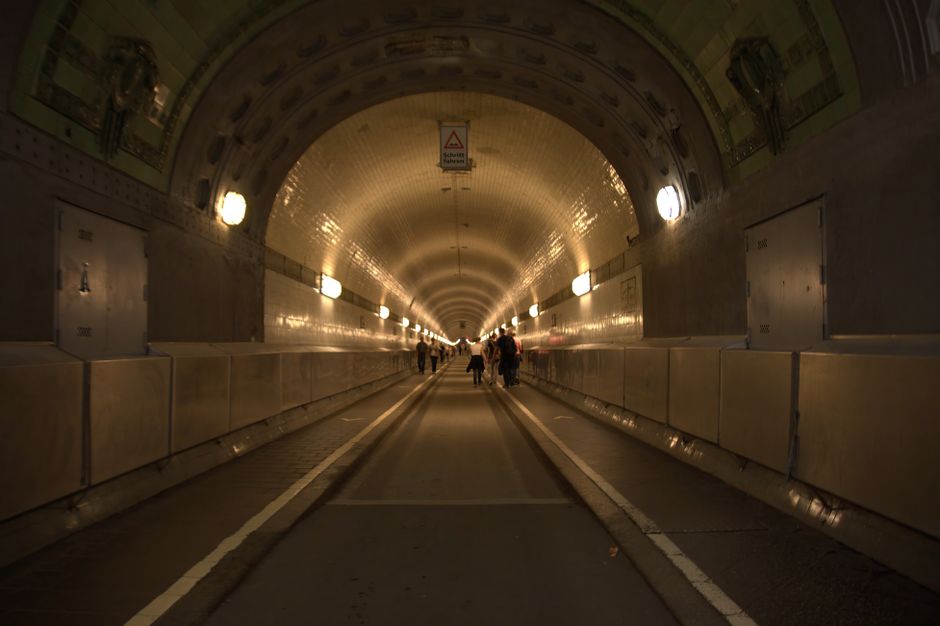
7. The Subterranean Thames Crossing
Greenwich Foot Tunnel, London, England
Beneath the bustling River Thames, the Greenwich Foot Tunnel provided an ingenious, deep-level solution for Victorian workers needing to cross the river without disrupting vital shipping traffic above.
Opened in 1902, this pedestrian tunnel offered a direct, all-weather route between Greenwich and the Isle of Dogs for dockworkers living south of the river. Faced with the challenge of connecting two busy areas without building a disruptive bridge over the Thames' vital shipping lane, engineers dug deep beneath the riverbed. This underground passage, accessed by ornate domed entrances and spiral staircases, was a practical and elegant Victorian solution to a complex urban planning problem.
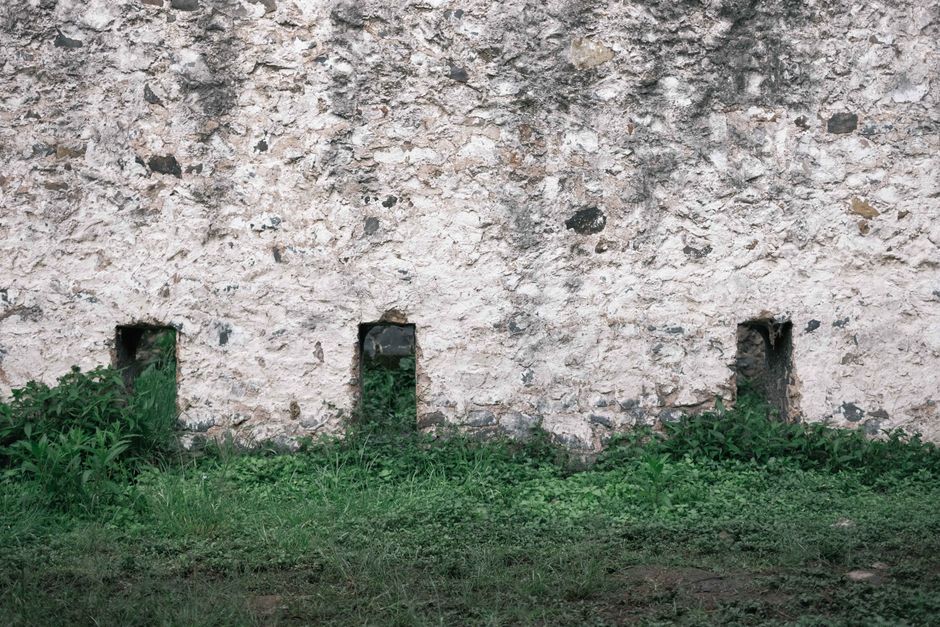
8. Cumbria's Humble Sheep Creeps
Lake District, Cumbria, England
Dotting the dry stone walls of the Lake District are 'sheep creeps,' tiny, low arched tunnels ingeniously built to allow sheep to pass between fields without damaging the walls or requiring gates.
In the rugged fells of Cumbria, where dry stone walls crisscross the landscape for miles, farmers developed a simple yet brilliant solution for managing their flocks. These 'sheep creeps' are small, low archways integrated directly into the wall structure. They allow sheep to move freely between grazing areas, conserving the wall's integrity and saving farmers the constant effort of opening and closing gates – a subtle but effective piece of rural engineering perfected over centuries.
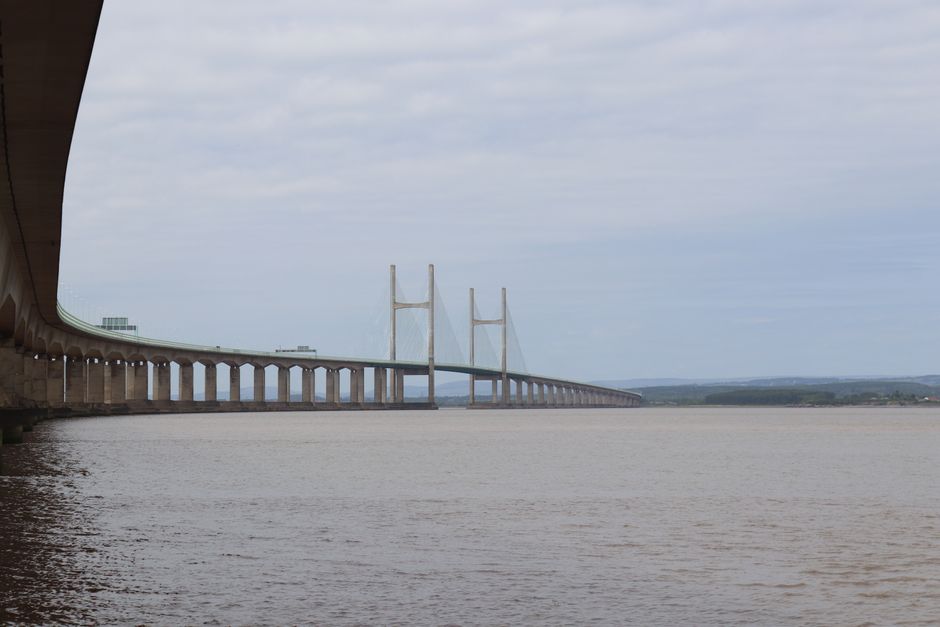
9. The Severn Estuary's 'Ghost' Lights
Bristol Channel, England/Wales
The Bristol Channel's notoriously strong tides and shifting sandbanks led to the development of a unique 'ghost' light system, where ships navigate by aligning a distant, almost invisible light with a closer, brighter one.
Navigating the Severn Estuary and Bristol Channel has always been perilous due to its extreme tidal range and treacherous sandbanks. To guide ships safely, engineers devised a precise alignment system using pairs of lights. The distant, fainter 'ghost' light, when perfectly superimposed over a brighter foreground light, indicates the safe channel. This ingenious optical solution, requiring keen observation, allows mariners to navigate safely through complex and often foggy waterways, a quiet triumph of British maritime ingenuity.
Frequently asked questions
What makes British problem-solving unique?
Often characterized by pragmatism, a touch of eccentricity, and a deep respect for tradition, British problem-solving frequently involves ingenious adaptations to existing circumstances rather than starting from scratch. It's about making things work with what's available, often leading to delightfully quirky and resilient solutions.
Are these places accessible to visitors?
Most of the places mentioned are publicly accessible, though some may require specific timings (like St. Michael's Mount's tidal causeway) or a bit more planning to reach due to their lesser-known nature. Always check local opening times and access conditions before you travel.
What are some other examples of British ingenuity in travel?
Beyond these specific sites, you'll find British ingenuity in everything from the intricate canal systems that powered the Industrial Revolution to the innovative design of its historic market towns and the clever adaptations of its coastal defenses. Many of these stories are woven into the very fabric of the landscape.
How can AllTours.ai help me discover more unique stories like these?
AllTours.ai is your personal AI audio tour guide. Simply point your phone camera at any landscape or landmark – be it an ancient wall, a peculiar building, or a natural feature – and the app will narrate its history, geology, and culture in your language, revealing the hidden stories and ingenuity behind the places you visit.
Related guides
Photography via Pexels. AllTours.ai is an AI audio tour guide — point your camera at any landscape and hear its story.