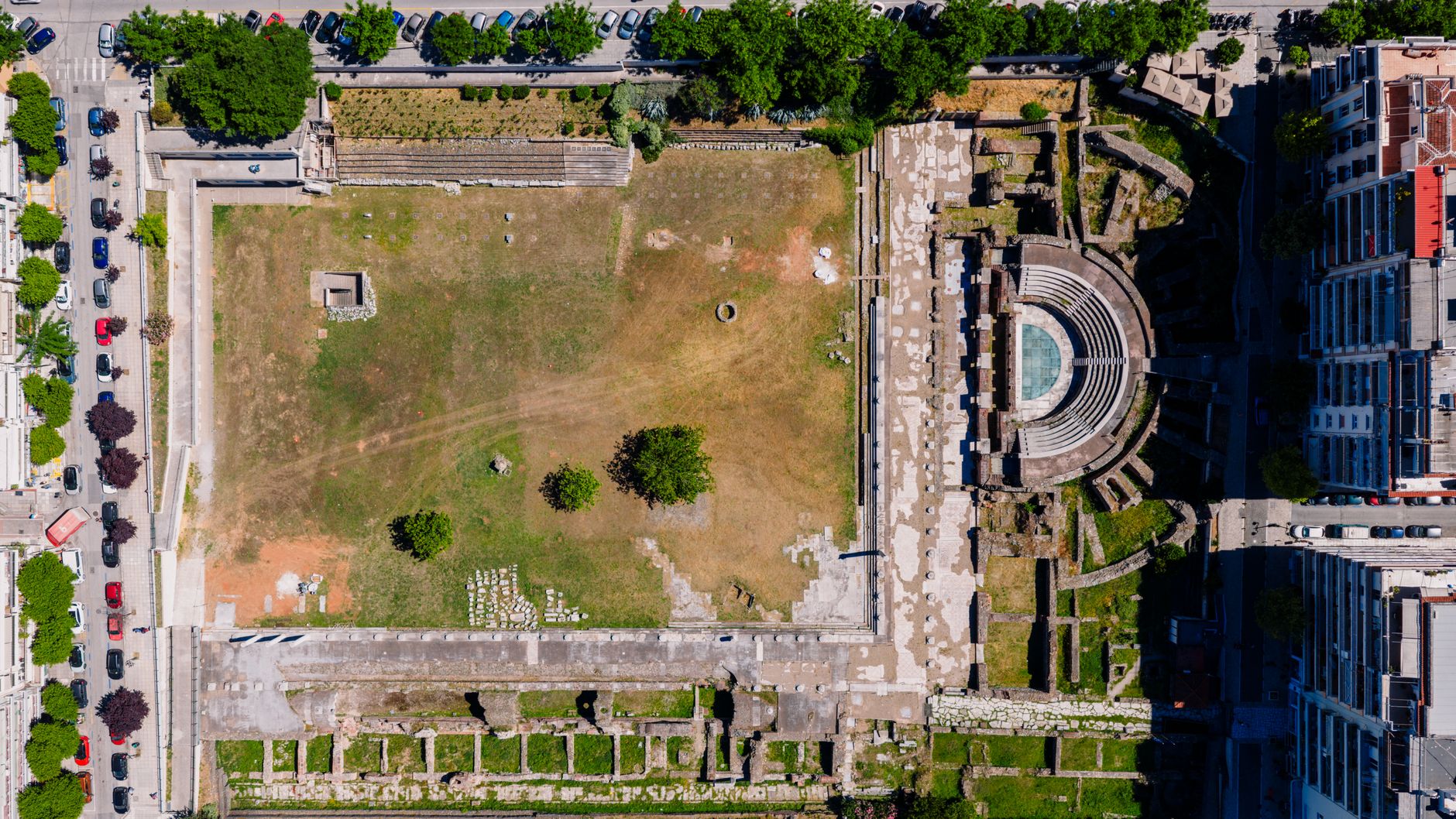
August 17, 2026 · 4 min read
Rome is a city where history breathes, and the grandeur of its ancient past is often synonymous with the iconic Colosseum and Roman Forum. While these marvels are undeniably essential, they only scratch the surface of a city layered with millennia of stories.
For those eager to delve deeper, beyond the well-trodden paths, Rome offers a treasure trove of lesser-known archaeological sites and historical corners. These underrated places in Rome for ancient history reveal fascinating narratives of emperors, common citizens, and engineering feats, often more intimately than the grander monuments.
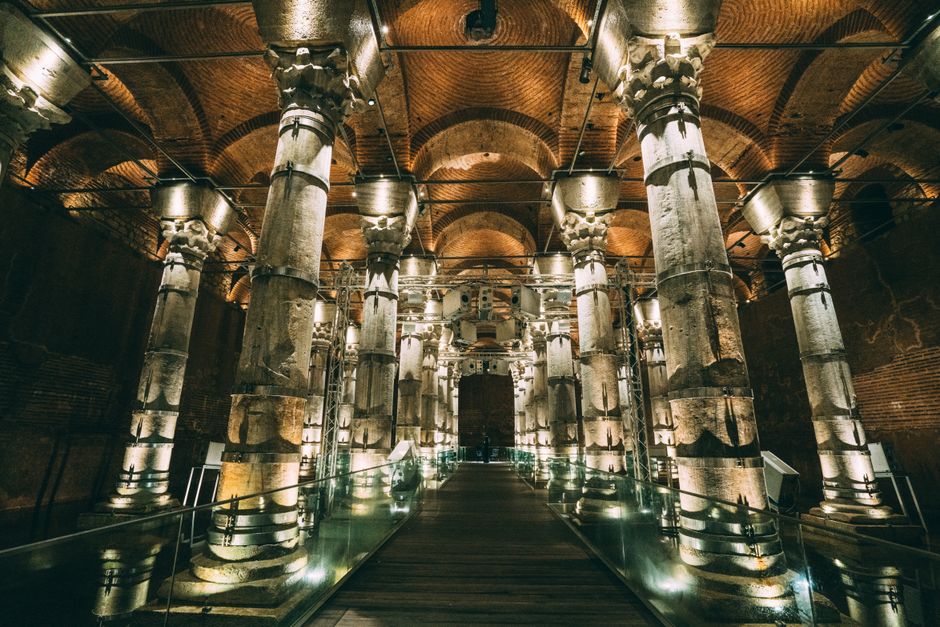
1. Basilica di San Clemente: Layers of Time Beneath Rome
Basilica di San Clemente, Rome, Italy
Imagine peeling back centuries of history, literally, by descending through multiple ancient buildings stacked one upon another.
This unassuming basilica offers a unique vertical journey through Rome's past. Below the current 12th-century church, you'll discover a 4th-century basilica, and even further down, a 1st-century Mithraic temple built alongside an ancient Roman insula (apartment building) and a gurgling underground stream. It's a living cross-section of urban development.
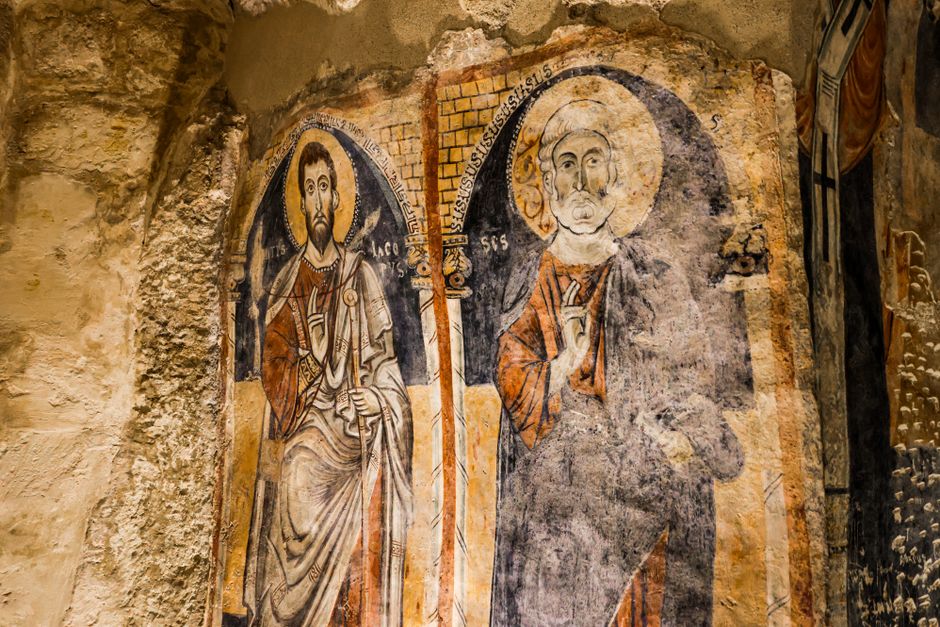
2. Case Romane del Celio: Glimpses of Roman Domestic Life
Case Romane del Celio (Roman Houses on the Caelian Hill), Rome, Italy
Beneath a serene church, discover a complex of ancient Roman homes, complete with frescoes and original layouts, offering a rare look at daily domestic life.
Hidden beneath the Basilica of Saints John and Paul, these remarkably preserved Roman houses date from the 2nd to 4th centuries AD. They showcase intricate frescoes depicting mythological scenes and everyday activities, along with original rooms and courtyards. This site provides an intimate window into the private lives of wealthy Roman citizens, far from the public arenas.
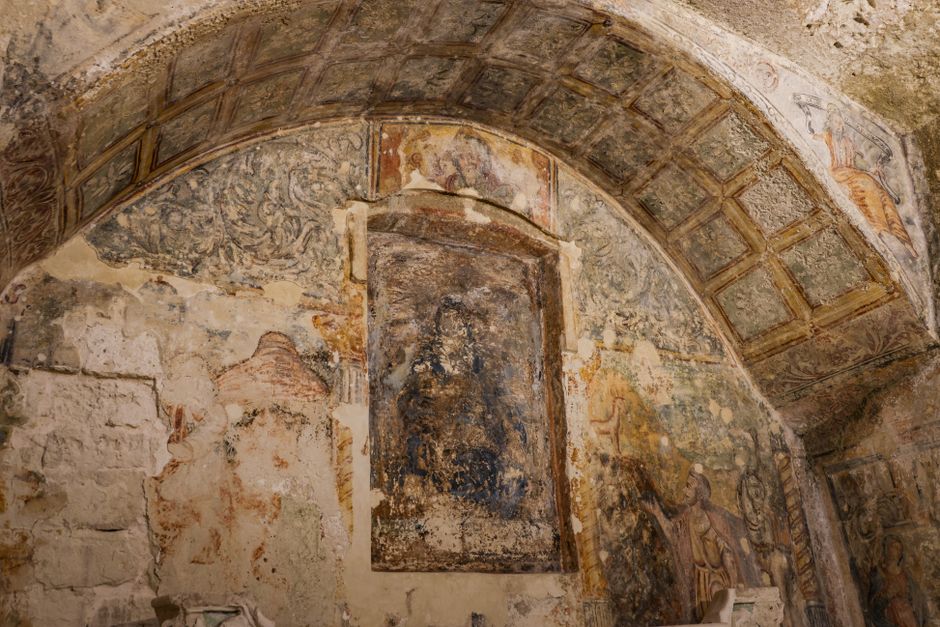
3. Domus Aurea: Nero's Buried Golden Palace
Domus Aurea, Rome, Italy
After a devastating fire, Emperor Nero built a lavish palace so grand it was deliberately buried and forgotten for centuries after his death.
Nero's infamous 'Golden House' was a sprawling, opulent complex built after the Great Fire of Rome. Following his suicide, the palace was systematically filled with earth and covered, effectively erasing his memory and returning the land to the people. Its accidental rediscovery during the Renaissance, through holes in the ground, profoundly influenced artists like Raphael with its 'grotesque' wall paintings.
4. Vicus Caprarius: The City of Water's Hidden Depths
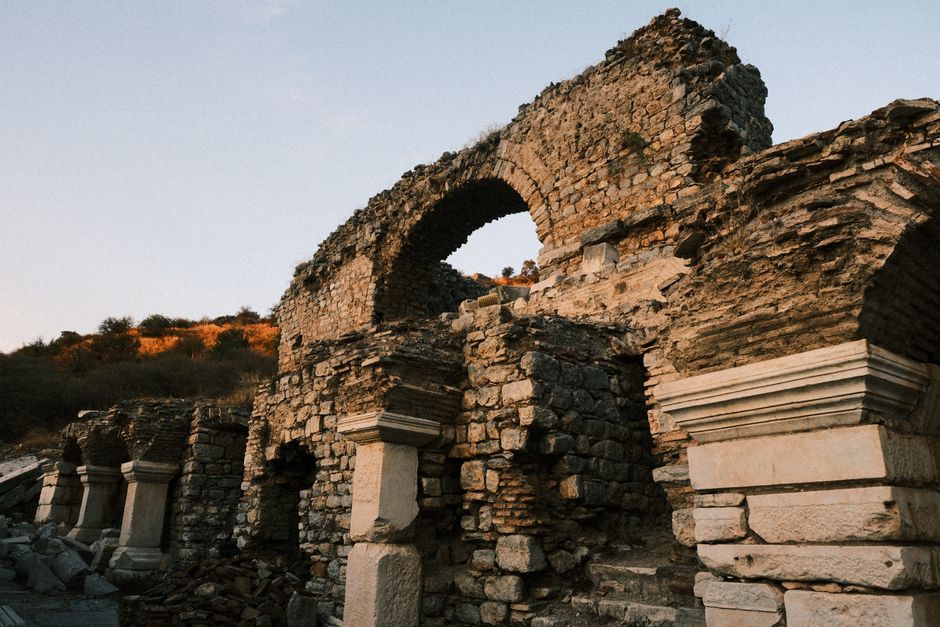
Vicus Caprarius (City of Water), Rome, Italy
Just steps from the Trevi Fountain's grandeur lies a subterranean archaeological site revealing a Roman insula and an ancient water reservoir that fed the city.
This fascinating site, often called the 'City of Water,' uncovers the remains of an ancient apartment block (insula) and a large water cistern that was part of the Aqua Virgo aqueduct system. It vividly illustrates Roman urban planning and water management, providing a unique perspective on how Rome's inhabitants lived and accessed water daily, directly beneath modern streets.
5. Monte Testaccio: A Mountain of Broken Amphorae
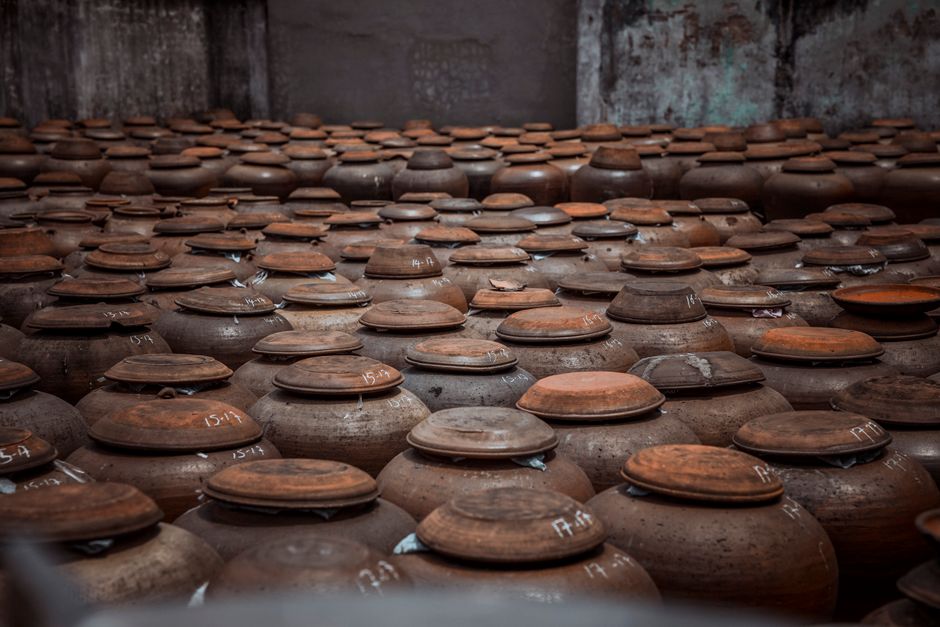
Monte Testaccio, Rome, Italy
An entire hill in Rome isn't natural geology, but a colossal ancient landfill made entirely of broken pottery shards from centuries of commerce.
Standing over 35 meters tall, Monte Testaccio is an artificial hill composed of an estimated 50 million amphorae fragments. These vessels, primarily used to transport olive oil from Hispania (modern Spain), were systematically discarded here from the 1st to the 3rd centuries AD. It serves as a unique archaeological record of Roman trade, diet, and sophisticated waste management practices.
6. Pyramid of Cestius: Rome's Unexpected Egyptian Tomb
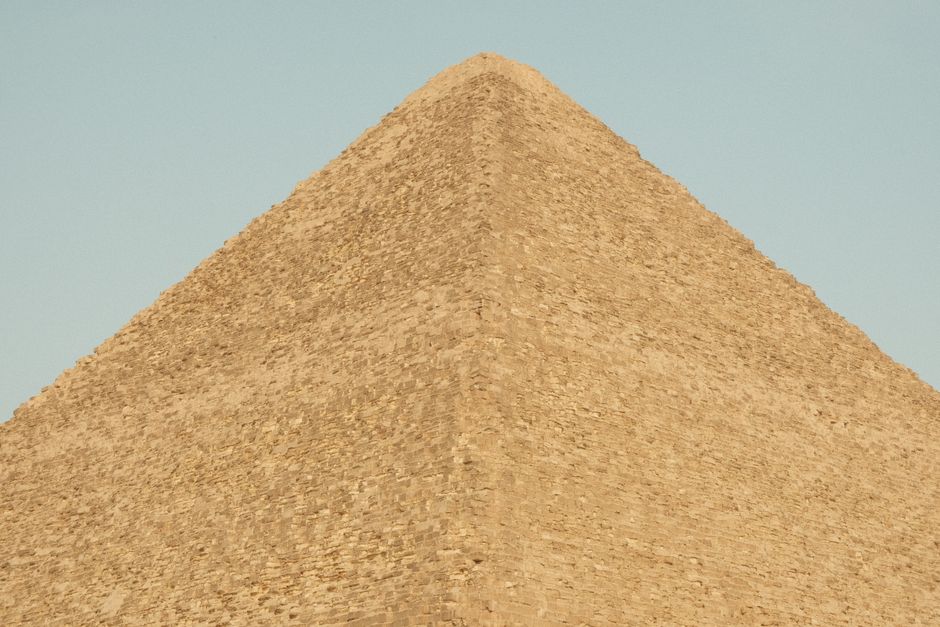
Pyramid of Cestius, Rome, Italy
Standing majestically near one of Rome's ancient gates is a perfectly preserved Egyptian-style pyramid, built as a tomb for a wealthy Roman magistrate.
This striking 36-meter tall pyramid was constructed for Gaius Cestius Epulo in the 1st century BC, during a period when Rome was deeply fascinated by Egyptian culture after its conquest. It's a remarkable example of cultural fusion, complete with an impressive burial chamber, and remains an unusual yet iconic landmark within the city's ancient Aurelian Walls.
7. Parco degli Acquedotti: Rome's Engineering Grandeur
Parco degli Acquedotti, Rome, Italy
Wander through a vast park where towering arches of ancient Roman aqueducts still dominate the landscape, a testament to unparalleled engineering.
This sprawling public park showcases the impressive remains of several major Roman aqueducts, including the colossal Aqua Claudia and Aqua Felice. These monumental structures, some standing over 25 meters high, brought water from distant sources across miles of countryside into the city. They highlight the incredible scale and ingenuity of Roman hydraulic engineering, which sustained a vast urban population.
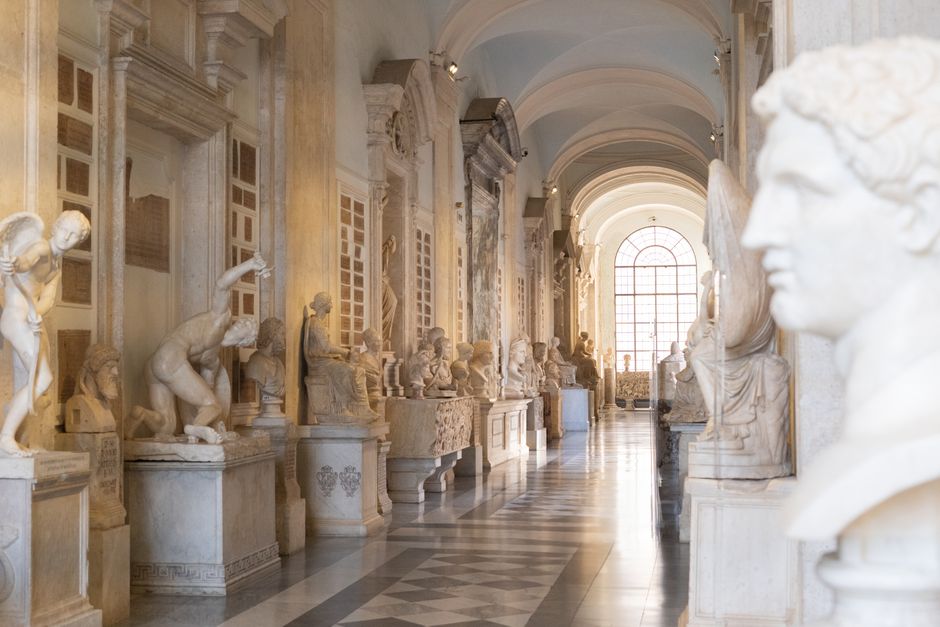
8. Crypta Balbi: A Cross-Section of Roman Daily Life
Crypta Balbi (National Roman Museum), Rome, Italy
What began as a grand theater complex transformed into a bustling medieval quarter, and now offers a fascinating journey through centuries of Roman daily life.
Part of the National Roman Museum, Crypta Balbi is built atop the remains of the Porticus of Balbus, an ancient theater complex. The museum brilliantly illustrates how the site evolved from a public entertainment area in antiquity to a residential and commercial zone in the medieval period. Its extensive collection of artifacts reveals the continuous layers of human activity and daily existence in Rome.
Frequently asked questions
Are there free ancient Roman sites in Rome?
Yes, many ancient Roman sites can be appreciated for free, especially outdoor ones. The Appian Way, Parco degli Acquedotti, and Largo di Torre Argentina (from the street) offer glimpses into ancient history without an entrance fee. Even the Pyramid of Cestius can be admired from the exterior for free.
How much time should I allocate for these underrated sites?
For each individual site, you might need anywhere from 1 to 3 hours, depending on its complexity and whether it's part of a larger museum. For example, San Clemente or Crypta Balbi could take longer due to their multi-layered nature and extensive exhibits. Plan a full day if you want to visit 2-3 of these in depth.
Are these sites easily accessible by public transport?
Most of these sites are well-connected by Rome's public transport system, including metro and bus lines. For instance, the Basilica di San Clemente is near the Colosseo metro stop, and the Pyramid of Cestius has its own Piramide metro stop. A little planning with Google Maps will help you navigate.
How can AllTours.ai enhance my visit to these hidden gems?
AllTours.ai brings these ancient sites to life by narrating their history, geology, and culture in your language. Simply point your phone camera at a landmark or ruin, and the app uses AI to identify it and provide instant, context-rich audio explanations, turning your visit into a personalized, immersive journey through time.
Related guides
Self-guided audio tours
Walk these places stop by stop — free five-stop story tours you can take at your own pace:
Photography via Pexels. AllTours.ai is an AI audio tour guide — point your camera at any landscape and hear its story.