July 10, 2026 · 4 min read
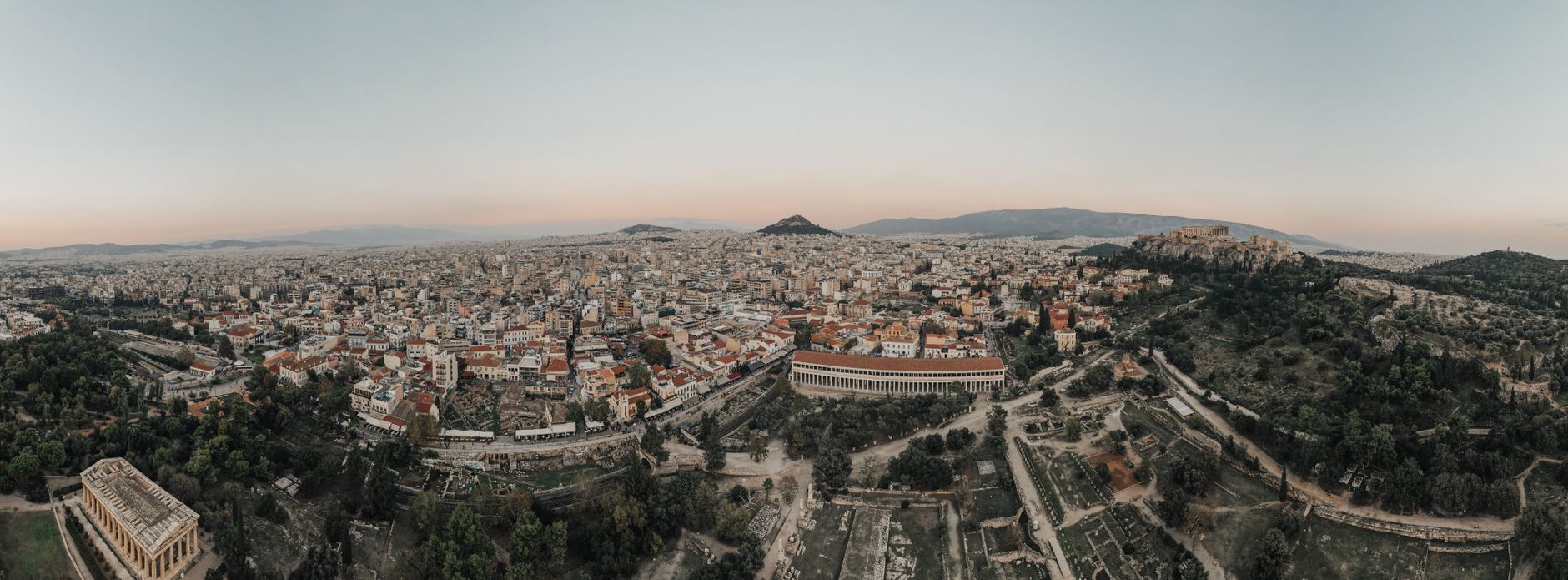
Athens, a city where millennia of history layer upon each other, often feels overwhelming to explore in a single day. Most visitors flock straight to the Acropolis, missing the intricate tapestry of stories woven into every street and stone around it. But what if you could peel back those layers and uncover the city's lesser-known wonders, even with just a few hours?
This walkable itinerary for one day in Athens is designed for the curious traveler. It steers you away from the obvious crowds, guiding you through ancient pathways and bustling modern streets to reveal surprising tales of gods, mortals, and everyday life. Lace up your shoes, because Athens is ready to whisper its secrets.

1. A Secret Island Village in the City
Anafiotika, Athens, Greece
Tucked beneath the Acropolis, this tiny village was built by islanders who brought their Cycladic aesthetic to the mainland.
In the mid-19th century, craftsmen from Anafi island were brought to Athens to build King Otto's palace. Missing their homes, they illegally built their own houses on the steep slopes, using traditional Cycladic architecture. The narrow, whitewashed alleys and vibrant bougainvillea make it feel like a Greek island, a world away from the bustling city below.
2. The Victorious Choregos's Trophy
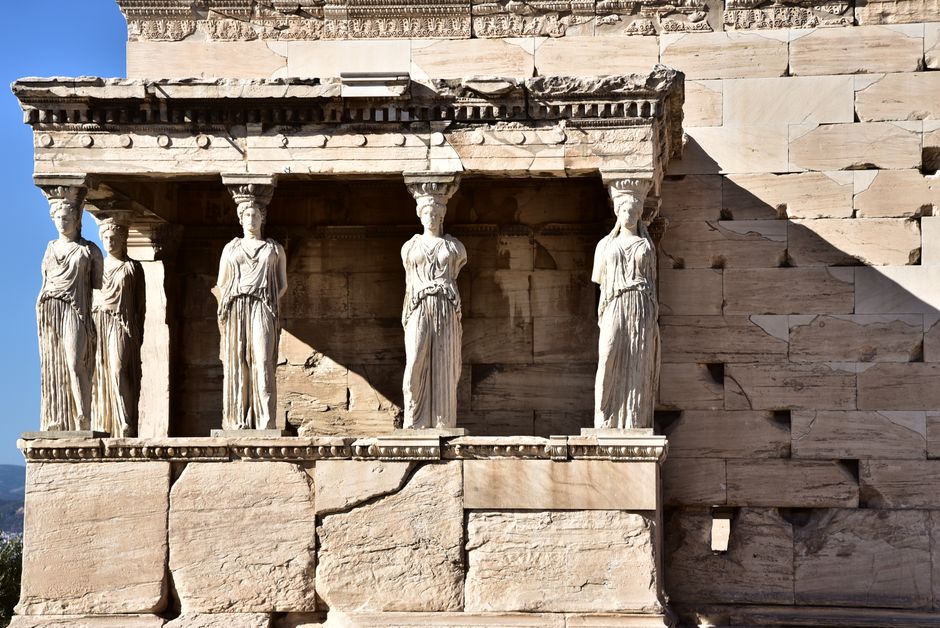
Monument of Lysicrates, Athens, Greece
This remarkably preserved monument isn't a temple or a tomb, but a trophy celebrating a wealthy citizen's victory in an ancient theatrical competition.
Built in 334 BC, the Monument of Lysicrates commemorates Lysicrates' choir winning the Dionysia festival. It's the only surviving example of a choregic monument, where wealthy citizens (choregoi) sponsored theatrical performances. Originally, it displayed the bronze tripod won by the choir, a testament to the importance of arts and public patronage in ancient Athens.
3. The Ancient World's Weather Station
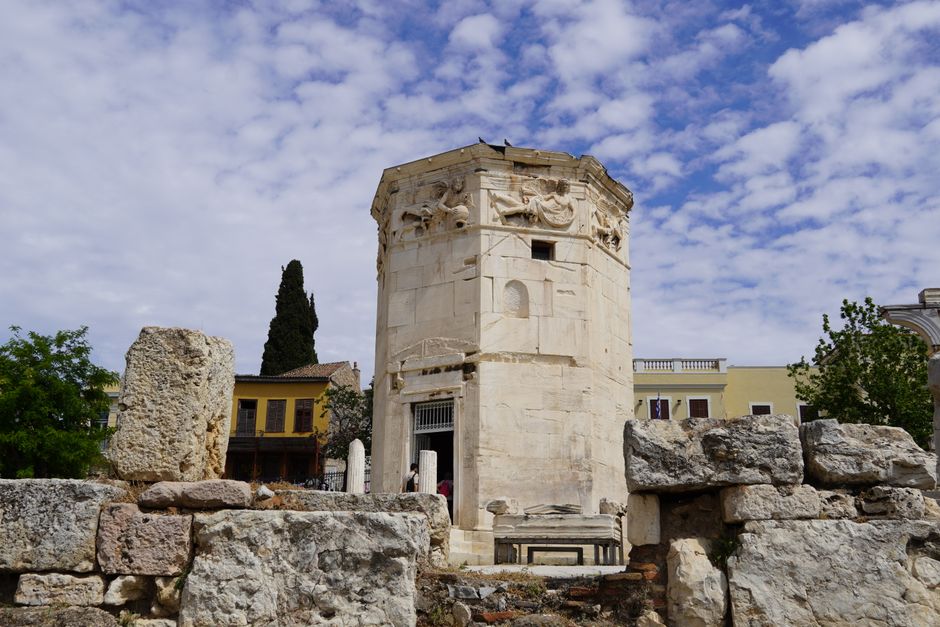
Tower of the Winds, Athens, Greece
This octagonal marble tower in the Roman Agora was not just a public clock, but a sophisticated meteorological station combining sundials, a water clock, and a wind vane.
Built by the astronomer Andronicus of Cyrrhus around 50 BC, the Tower of the Winds provided Athenians with the time and weather. Each of its eight sides faced a cardinal wind direction, with relief sculptures personifying the winds. Inside, a complex water clock (clepsydra) ensured accurate timekeeping even on cloudy days, making it an engineering marvel of its era.

4. A Byzantine Survivor on a Busy Street
Church of Panagia Kapnikarea, Athens, Greece
This small, serene Byzantine church stands defiantly in the middle of a bustling shopping street, a testament to its ancient foundations.
Dating back to the 11th century, Kapnikarea is one of the oldest churches in Athens, built on the ruins of an ancient temple, likely dedicated to a goddess like Athena or Demeter. Its survival through centuries of urban development, including the modern street grid, is remarkable. It offers a tranquil glimpse into Athens' continuous religious history amidst the contemporary rush of Ermou Street.
5. Where Potters Met Philosophers and Prostitutes
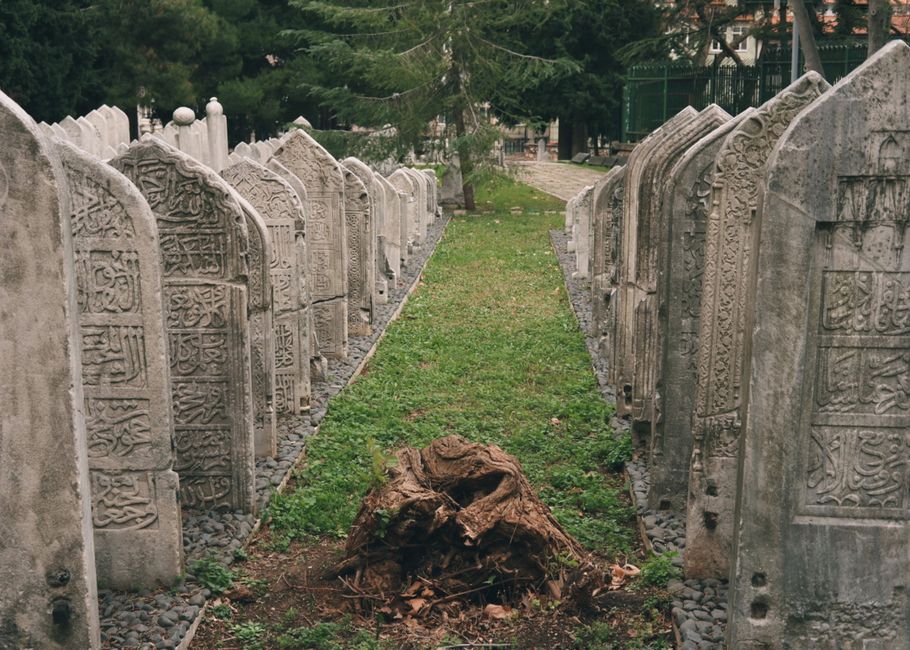
Kerameikos, Athens, Greece
This ancient cemetery was not only a burial ground for Athens' elite but also a vibrant working-class district and, famously, the city's ancient red-light area.
Kerameikos was named after the potters (kerameis) who worked the clay from the nearby Eridanos River. It served as both a bustling workshop district and the city's official burial ground, with impressive funerary monuments lining the Sacred Way. Its location outside the city walls also made it a place for less "respectable" activities, including a well-known ancient brothel district, adding a fascinating layer to its history.
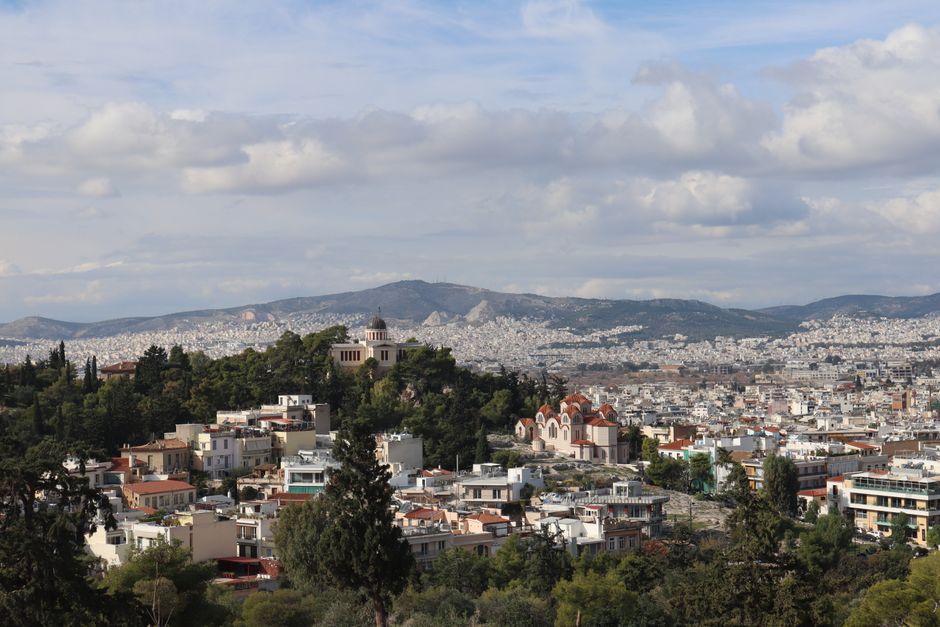
6. The Hill of Ancient Judgment
Areopagus Hill, Athens, Greece
This rocky outcrop, overlooking the Acropolis, was the site of Athens' most ancient and prestigious court, where serious crimes were judged under the open sky.
The Areopagus, or "Hill of Ares," was the meeting place of the ancient Athenian council responsible for trying murder cases and other grave offenses. Its origins are shrouded in myth, often linked to the god Ares. Centuries later, it gained new significance when St. Paul delivered his famous sermon to the Athenians here, challenging their polytheistic beliefs with the concept of an "unknown god."
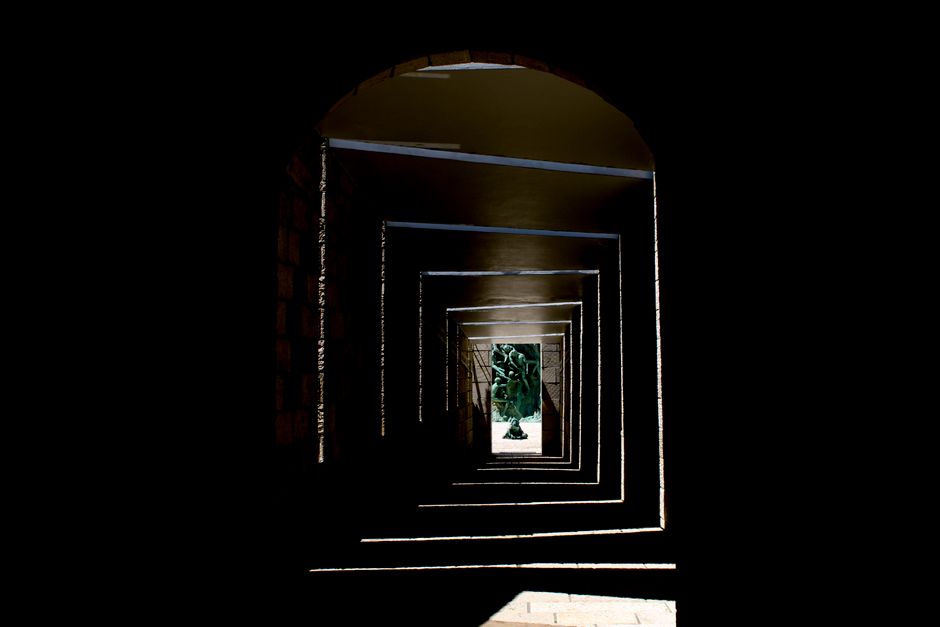
7. A Rebuilt Marvel of Ancient Commerce
Stoa of Attalos, Ancient Agora, Athens, Greece
This magnificent building in the Ancient Agora isn't an original ruin but a meticulously reconstructed stoa, brought back to life by American benefactors.
The Stoa of Attalos was originally built by King Attalos II of Pergamon in the 2nd century BC, serving as a shopping mall and public meeting place. It was destroyed in 267 AD and lay in ruins for centuries until its complete reconstruction in the 1950s by the American School of Classical Studies at Athens. Today, it houses the Museum of the Ancient Agora, offering a vivid glimpse into the daily life of ancient Athenians and the vibrant commercial heart of the city.
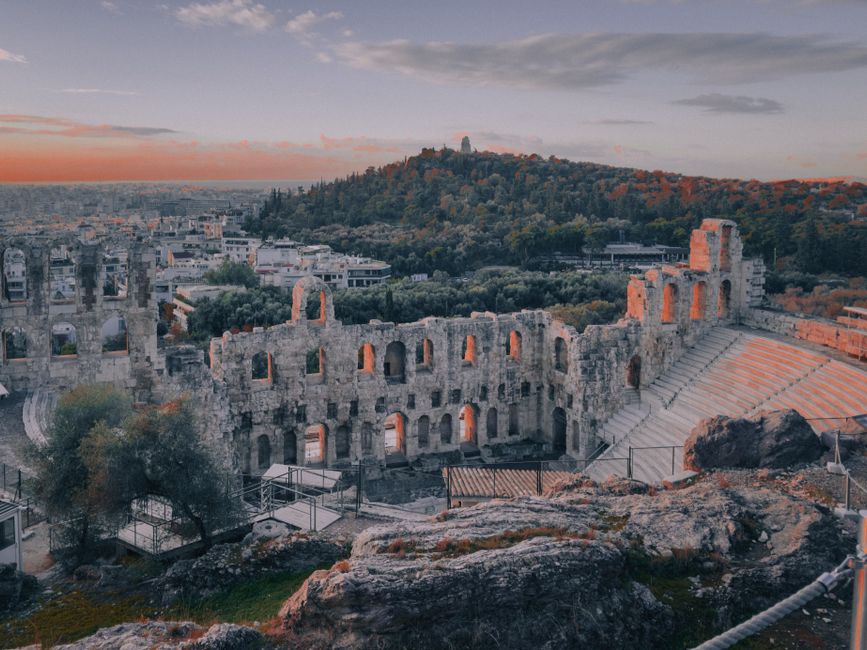
8. A Roman's Gift to a Grieving City
Odeon of Herodes Atticus, Athens, Greece
This spectacular ancient theatre, still in use today, was built by a wealthy Roman senator in memory of his beloved, departed wife.
Herodes Atticus, a wealthy Athenian who served in the Roman Senate, commissioned the Odeon in 161 AD as a tribute to his wife, Rigilla. Originally covered with a wooden roof, it could seat 5,000 spectators and hosted musical concerts. After centuries of disuse, it was restored in the 1950s and now hosts the Athens & Epidaurus Festival, making it a living monument where ancient history meets contemporary performance.
Frequently asked questions
Is Athens walkable for a one-day trip?
Yes, Athens' historical center is remarkably walkable. Many key ancient sites, museums, and neighborhoods like Plaka and Anafiotika are clustered together, making it easy to navigate on foot. Be prepared for some uphill climbs, especially around the Acropolis.
What's the best time of year to visit Athens?
The best times to visit Athens are spring (April-May) and autumn (September-October). The weather is pleasant, ideal for walking and exploring, and the crowds are generally smaller than during the peak summer months.
Do I need to book tickets in advance for Athens attractions?
For popular sites like the Acropolis, booking tickets online in advance is highly recommended, especially during peak season. This helps you skip long queues and make the most of your limited time. Many smaller sites may allow on-the-spot purchases.
How can I learn more about the specific history of places in Athens?
While guidebooks offer general information, for deep dives into the history, geology, and culture of specific spots, consider using an AI audio tour guide like AllTours.ai. Simply point your phone camera at a landmark or landscape, and the app narrates its unique story in your preferred language.
Related guides
Self-guided audio tours
Walk these places stop by stop — free five-stop story tours you can take at your own pace:
Photography via Pexels. AllTours.ai is an AI audio tour guide — point your camera at any landscape and hear its story.