September 13, 2026 · 4 min read
When we ask, "What is the most difficult situation Americans are dealing with right now?" our thoughts often turn to headlines and current events. But beyond the daily news cycle, the very landscapes of America tell a deeper story—one of enduring human challenges, resilience, and the indelible marks left by history, geology, and culture.
These are not just problems; they are profound situations that have shaped communities, defined struggles, and forged a unique American character. We invite you to look beyond the usual tourist trails and discover lesser-known places where the land itself narrates humanity's most difficult chapters, offering a powerful perspective on the struggles that continue to resonate.
1. The Town on Fire, Forever
Centralia, Pennsylvania, USA
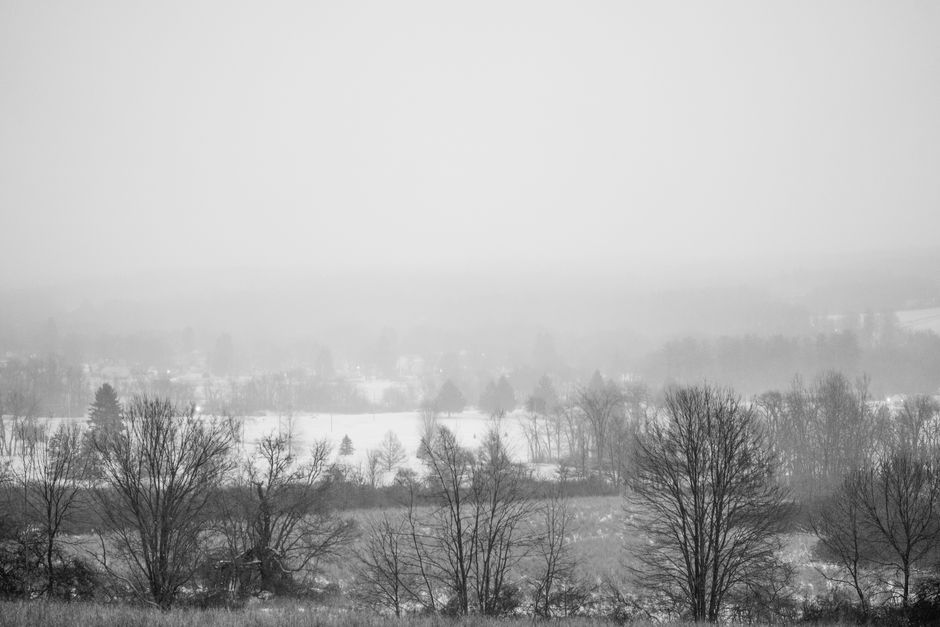
Imagine a town slowly consumed by an underground fire that has burned for over 60 years.
Beneath the small town of Centralia, Pennsylvania, an abandoned coal mine ignited in the 1960s and has been burning ever since. The ground smokes, roads buckle, and nearly all residents were forced to evacuate, leaving behind a haunting landscape where nature slowly reclaims streets and homes, all while the inferno rages silently below. It’s a chilling reminder of the long-term consequences of industrial decisions and environmental challenges.
2. America's Last Free Place
Slab City, California, USA
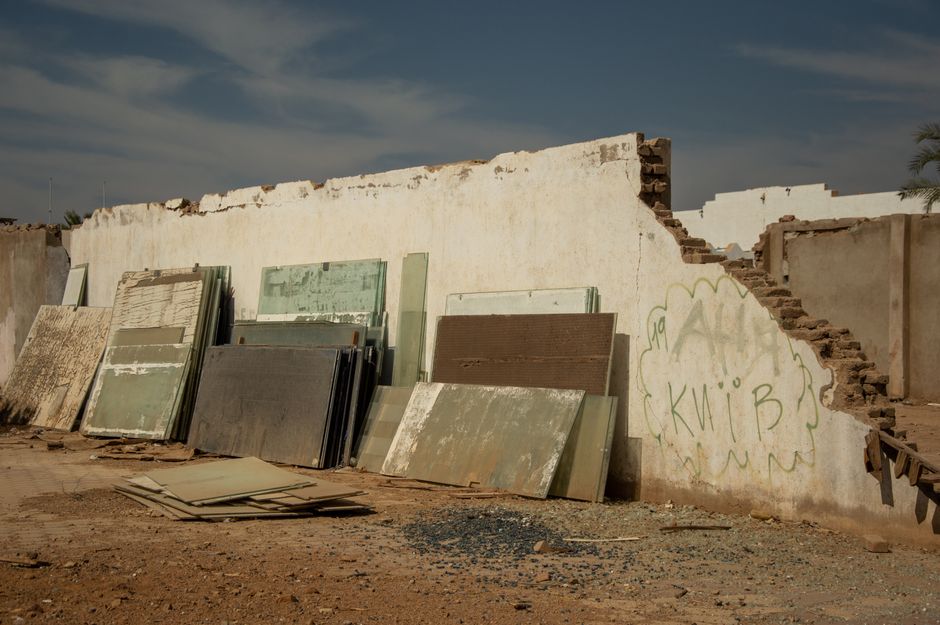
Discover a community of off-gridders, artists, and rebels living without utilities in the harsh California desert.
Slab City, an unincorporated, off-the-grid community in the Sonoran Desert, exists on the site of a former WWII Marine Corps training base. Residents, often called 'Slabbers,' embrace a rugged, self-sufficient lifestyle, adapting to extreme heat and limited resources. This unique settlement highlights the challenges of living outside conventional society and the enduring human desire for absolute freedom and community, even in the harshest environments.
3. A Nation Uprooted
Rohwer War Relocation Center, Arkansas, USA
Explore the quiet grounds of a WWII internment camp where thousands of Japanese Americans were unjustly imprisoned.
The Rohwer War Relocation Center in rural Arkansas was one of ten sites where over 120,000 Japanese Americans were forcibly incarcerated during World War II. Far from their homes on the West Coast, families lived for years in barracks surrounded by barbed wire and guard towers. Today, a cemetery and monument are solemn reminders of a profound violation of civil liberties and the lasting trauma of racial injustice in American history.
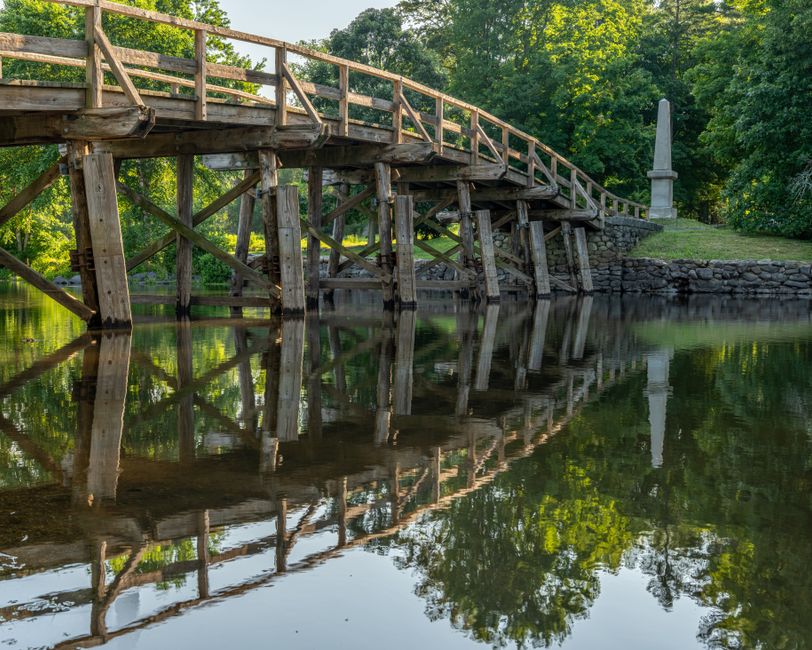
4. The Trail of Tears' Starting Point
New Echota Historic Site, Georgia, USA
Visit the former capital of the Cherokee Nation, a place of vibrant self-governance before forced removal.
New Echota was once a thriving, sophisticated capital of the Cherokee Nation, featuring a supreme court, a bicameral legislature, and a newspaper printed in the Cherokee syllabary. Despite their efforts to assimilate and establish a sovereign nation, the Cherokee were brutally forced from their lands in the 1830s, beginning the devastating 'Trail of Tears.' The preserved grounds offer a poignant glimpse into the challenges of cultural preservation and the tragic consequences of forced displacement.
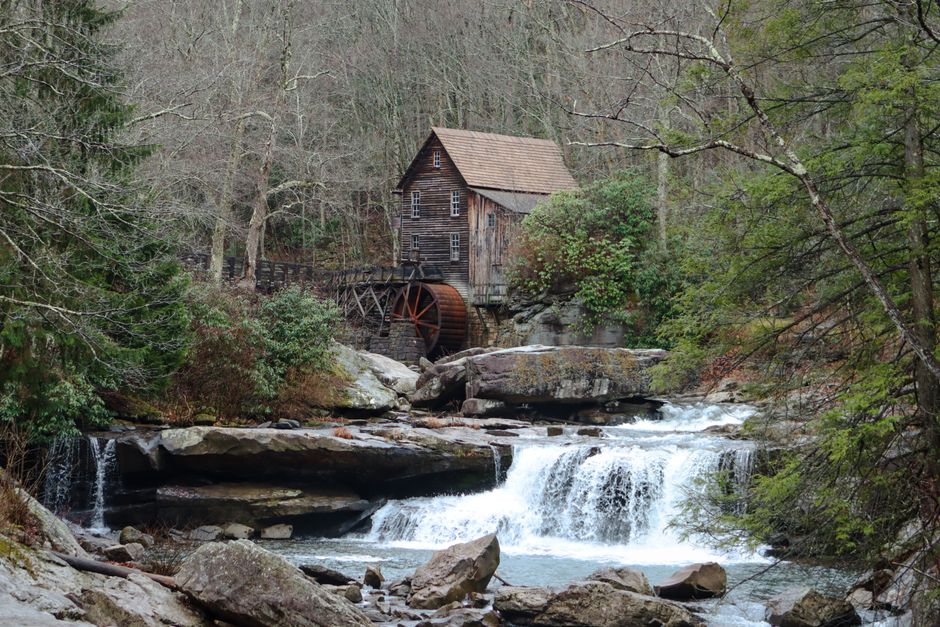
5. The Battle for Workers' Rights
Matewan, West Virginia, USA
Stand in the town where the infamous Matewan Massacre ignited the largest armed labor uprising in American history.
Matewan, a small coal town in Appalachia, was the site of the 1920 Matewan Massacre, a deadly shootout between striking coal miners and agents of the Baldwin-Felts Detective Agency. This event was a flashpoint in the 'Coal Wars,' a prolonged and violent struggle for workers' rights and unionization against powerful coal companies. The town embodies the difficult history of industrial exploitation, economic hardship, and the fight for social justice that defined a region for decades.
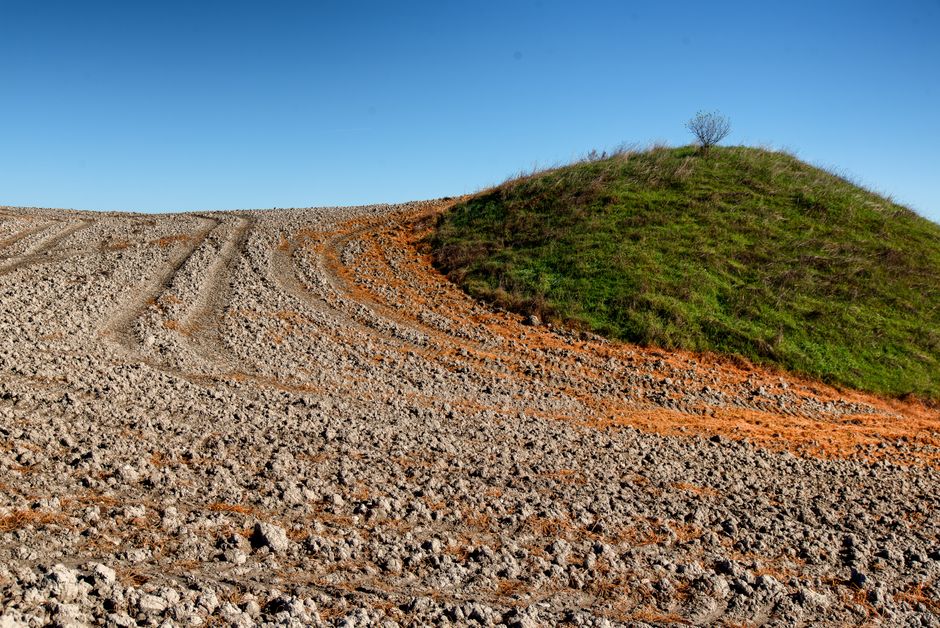
6. The Vanished Metropolis
Cahokia Mounds State Historic Site, Illinois, USA
Explore the remnants of an ancient city that once rivaled London in size, only to be mysteriously abandoned.
Just across the Mississippi River from St. Louis lies Cahokia, once the largest and most sophisticated pre-Columbian civilization north of Mexico. From roughly 1050–1200 CE, tens of thousands of people lived here, building monumental earthen mounds. By 1400, the city was deserted, its collapse still a subject of scholarly debate. Cahokia Mounds presents a challenging mystery of societal decline, resource management, and the fragility of even the most advanced human settlements.
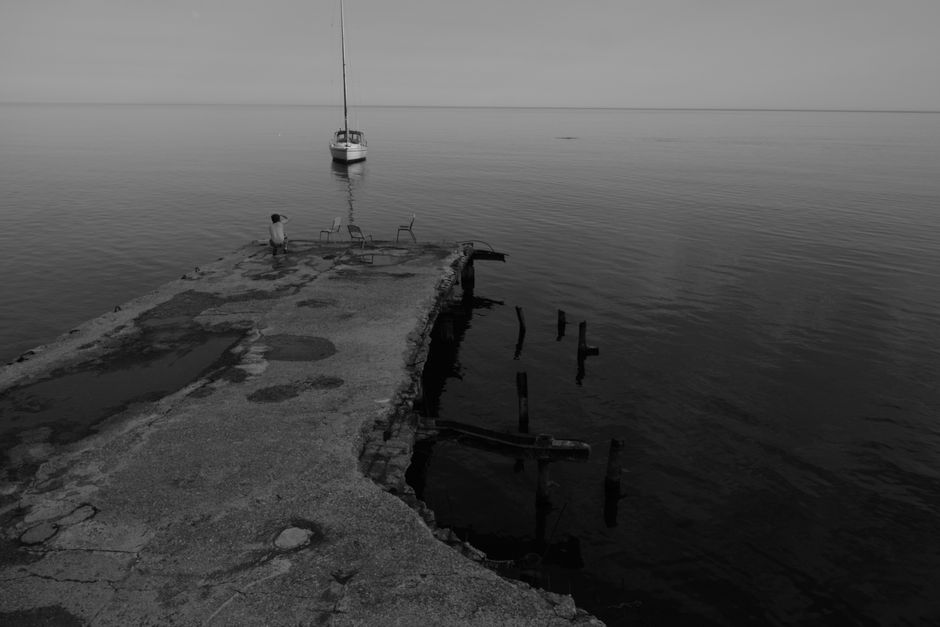
7. California's Inland Sea of Dust
The Salton Sea, California, USA
Witness a vast, dying lake in the desert, a monument to environmental hubris and ecological collapse.
The Salton Sea, California's largest lake, was accidentally created in 1905 when the Colorado River breached an irrigation canal. For decades, it thrived as a resort destination, but without an outlet, agricultural runoff caused salinity to rise and pollution to accumulate. Today, it is a shrinking, toxic body of water surrounded by ghost towns and exposed lakebed, illustrating the difficult consequences of human intervention in natural systems and the challenges of environmental remediation.
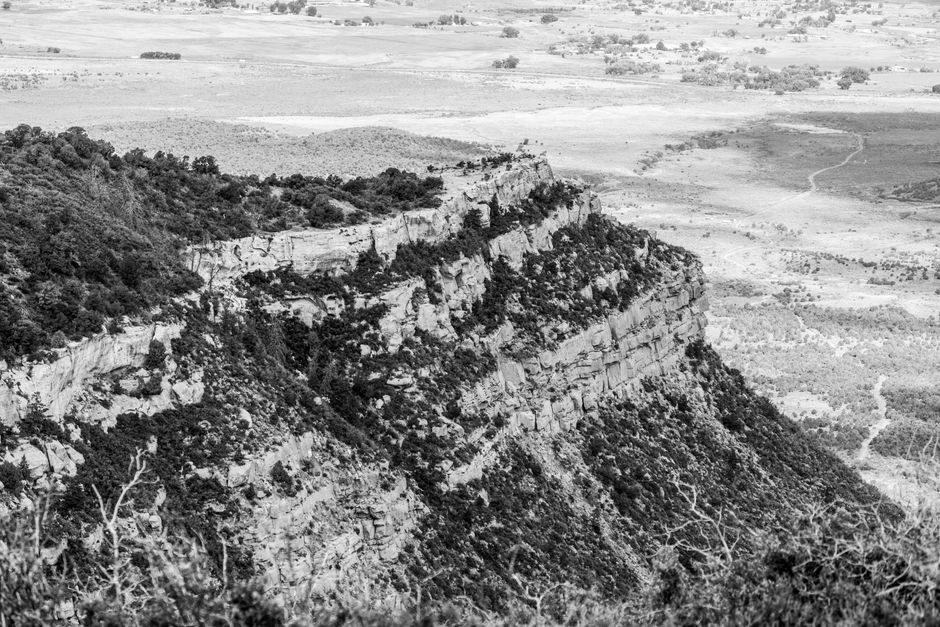
8. The Great Dust Bowl's Legacy
Black Mesa, Oklahoma, USA
Journey to the highest point in Oklahoma, where geological forces and human resilience converged during the Dust Bowl.
Black Mesa, a flat-topped mesa in the Oklahoma Panhandle, holds a unique blend of geological history and human struggle. While known for its dinosaur fossils and tri-state marker, this region was at the heart of the Dust Bowl crisis in the 1930s. Farmers here faced unimaginable environmental devastation, turning fertile plains into arid wastelands. The landscape stands as a stark reminder of humanity's vulnerability to natural forces and the difficult, ongoing struggle for environmental stewardship and sustainable agriculture.
Frequently asked questions
What are some unique historical sites in the US?
Beyond the major landmarks, places like Rohwer War Relocation Center or New Echota offer profound insights into specific historical periods and American experiences often overlooked by mainstream tourism. They provide a deeper understanding of the nation's complex past.
Where can I find abandoned towns or ghost cities in America?
The US has many hauntingly beautiful abandoned sites. Centralia, Pennsylvania, is unique for its ongoing underground fire, while the decaying resorts around the Salton Sea in California offer a different kind of post-apocalyptic landscape, each telling a story of human ambition and environmental change.
How can I learn about lesser-known American cultural heritage?
Exploring regions that chronicle indigenous histories, such as New Echota, or communities like Slab City, provides invaluable perspectives on America's diverse cultural fabric. These places highlight resilience, adaptation, and the enduring legacies of unique communities facing profound challenges.
How does the AllTours app enhance travel to these unique locations?
The AllTours app brings these hidden stories to life. Simply point your phone camera at a landmark or landscape, and the app instantly narrates its history, geology, and cultural significance in your language, turning any visit into a deeply immersive and informative experience, even in the most obscure locations.
Related guides
Photography via Pexels. AllTours.ai is an AI audio tour guide — point your camera at any landscape and hear its story.