October 25, 2026 · 4 min read
London is a sprawling metropolis, brimming with centuries of history, captivating culture, and an undeniable buzz. While a single day might seem like a fleeting glimpse, careful planning allows first-timers to efficiently capture the city's essence and discover its most compelling stories.
Forget just ticking off the famous landmarks; this guide focuses on unlocking the hidden narratives and surprising details that make London truly unique. Get ready to experience a day packed with vivid discoveries, from ancient markets to quirky art installations, designed to spark your curiosity about this incredible city.
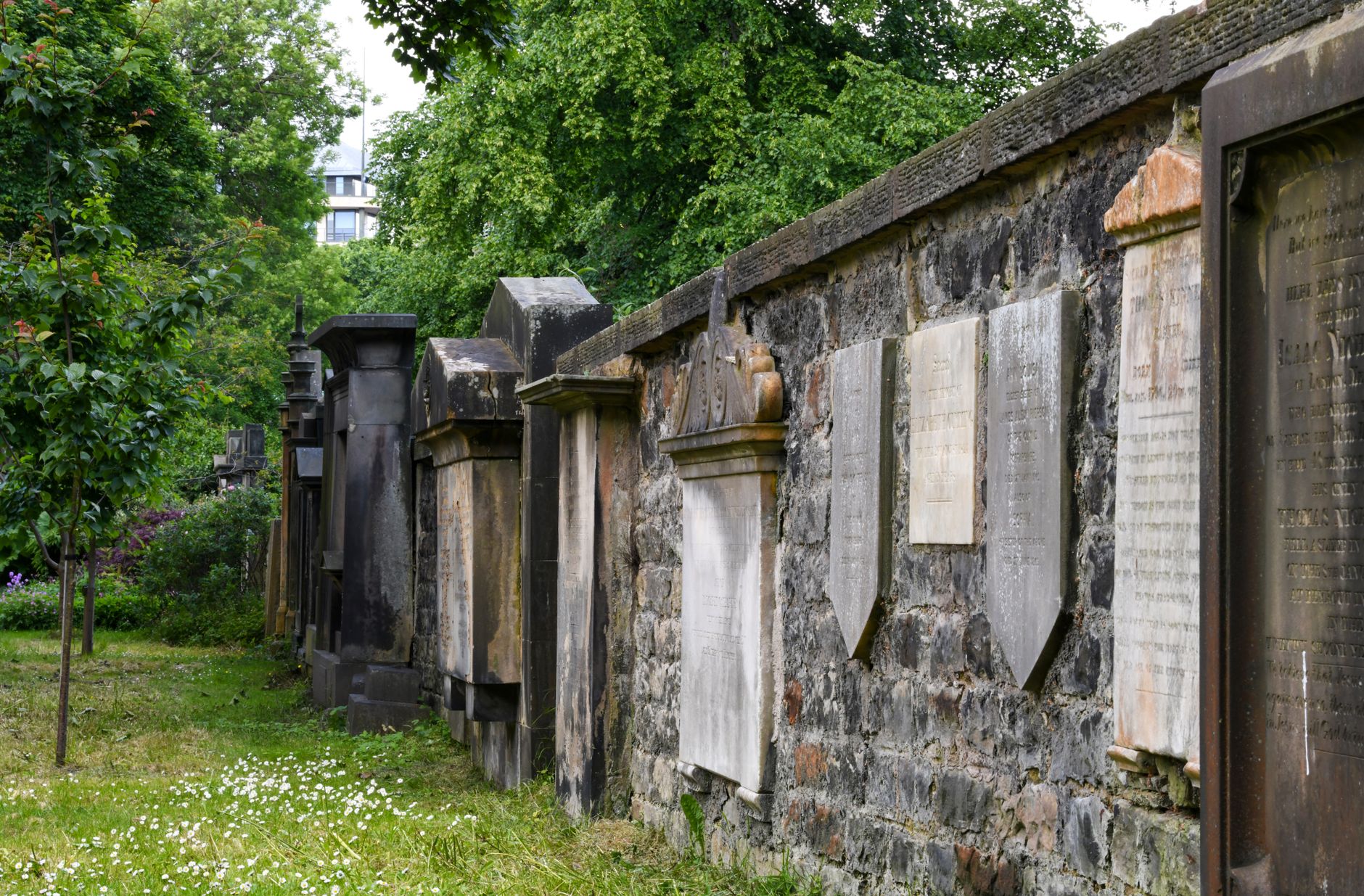
1. Nature's Embrace: St. Dunstan's Resilient Ruin
London, England
This serene garden was once a grand medieval church, left a beautiful shell by wartime bombs and now reclaimed by nature.
Built around 1100, St. Dunstan's survived the Great Fire of London, only to be largely destroyed during the Blitz in 1941. Instead of rebuilding, the City of London decided to preserve the remaining walls and tower, transforming the space into a public garden in 1970. Today, ivy-clad arches and towering trees create a tranquil, almost otherworldly oasis amidst the bustling financial district, a poignant testament to resilience.
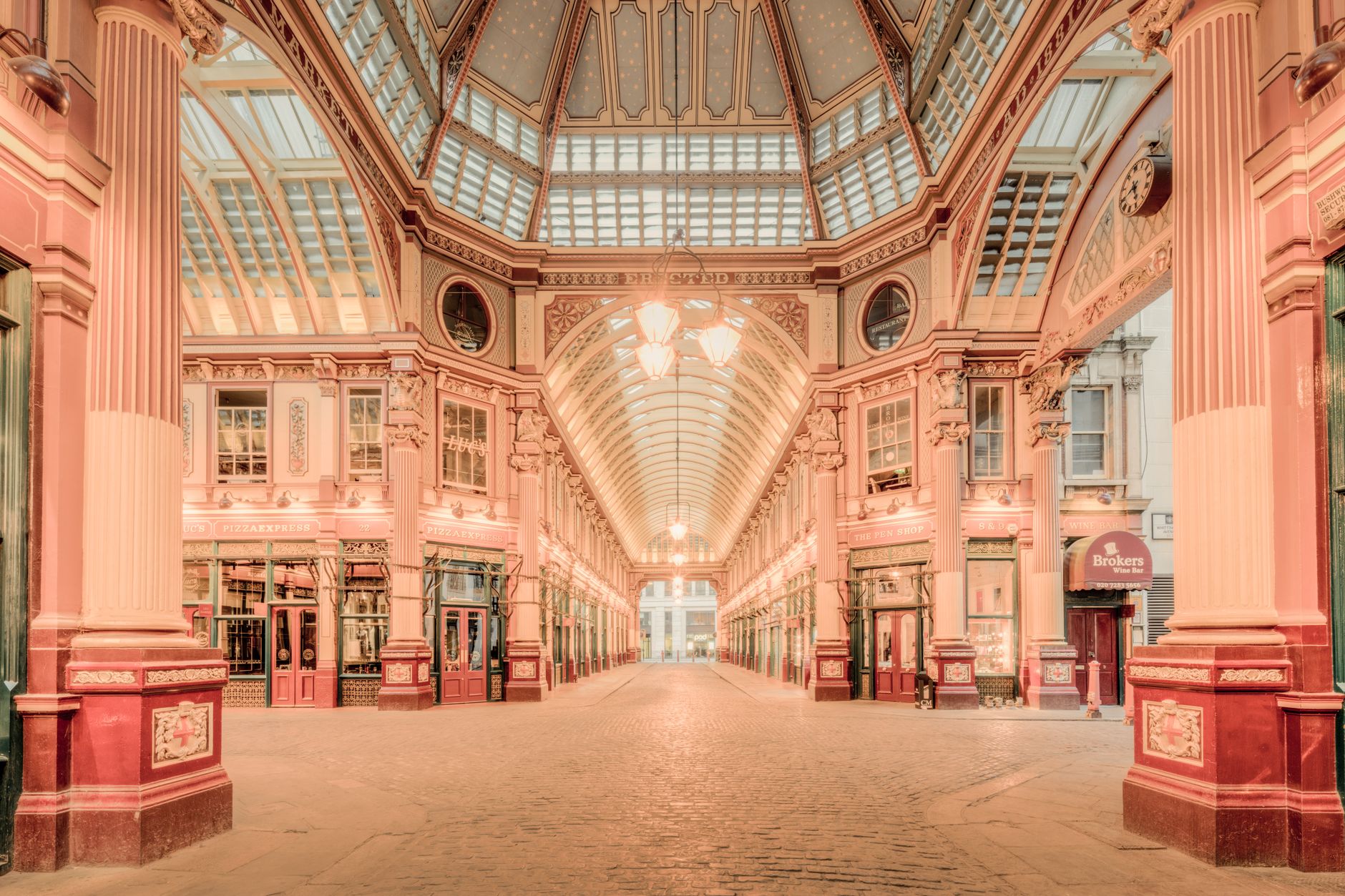
2. Roman Echoes in Victorian Grandeur: Leadenhall Market
London, England
Beneath the ornate Victorian ironwork of this bustling market lies a history stretching back to Roman Londinium, when it was a heart of commerce.
While its stunning painted roof and cobbled alleys are distinctly Victorian, dating from 1881, the site of Leadenhall Market has been a commercial hub since at least the 14th century, and possibly even earlier, during the Roman occupation. Originally specializing in leather, wool, and poultry, it was a vital part of London's medieval economy. Today, it still thrives with food stalls and shops, a living link to centuries of trade.
3. The Monument: A Fiery Tale and a Scientific Past
London, England
This towering column not only commemorates the Great Fire of London but its height precisely matches the distance from where the blaze began.
Designed by Sir Christopher Wren and Robert Hooke, The Monument stands 202 feet tall – the exact distance west from Pudding Lane, where the Great Fire started in 1666. More than just a memorial, it was also once a scientific instrument. For over 150 years, it housed a telescope and was used for various experiments, including gravity and pendulum research, before the vibrations from the street became too disruptive.
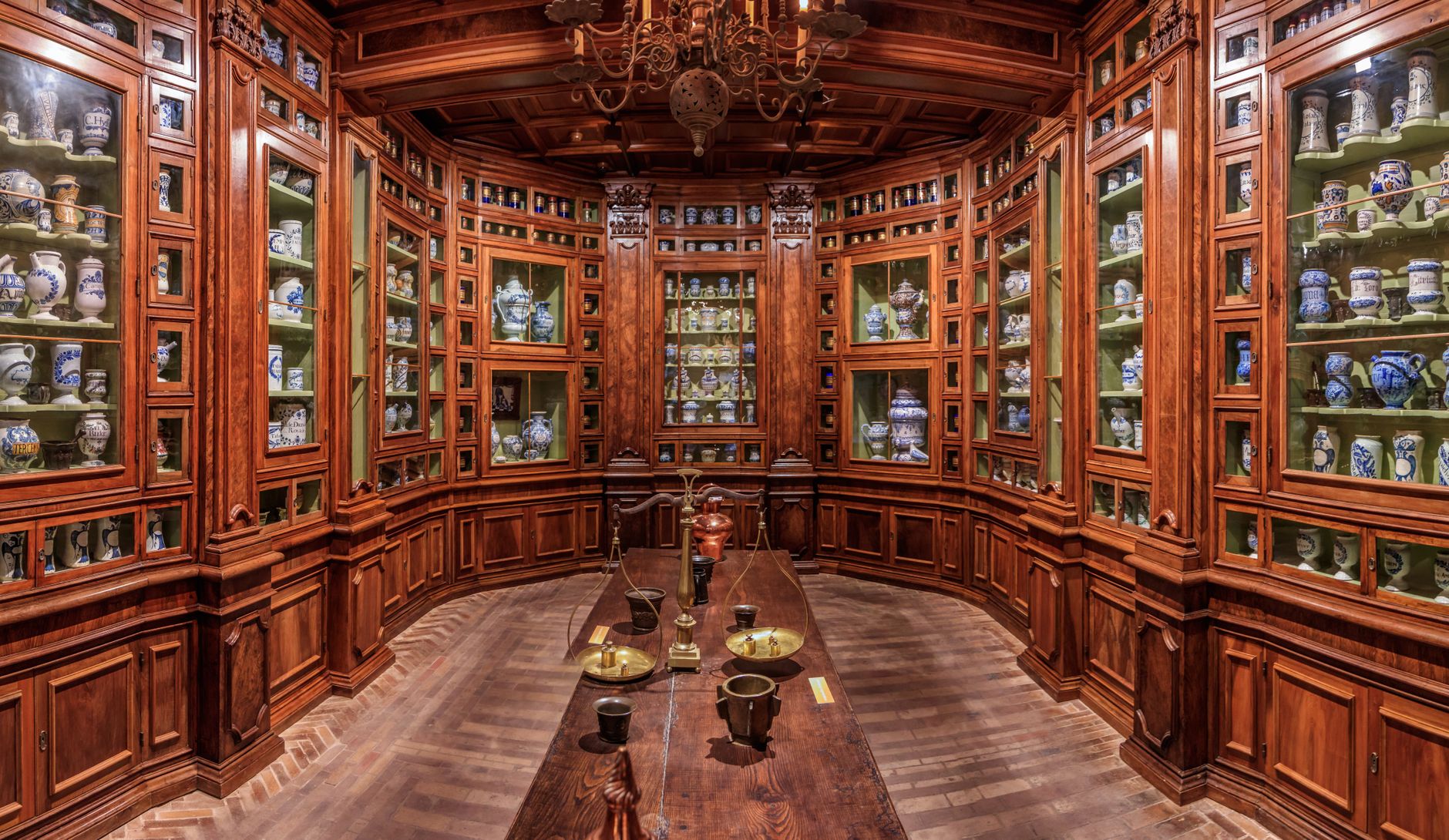
4. An Eccentric's Cabinet of Curiosities: Sir John Soane's Museum
London, England
This extraordinary house museum is preserved exactly as its eccentric architect owner left it, complete with hidden rooms and a sarcophagus in the basement.
Sir John Soane, a prominent Neoclassical architect, meticulously arranged his home to display his vast collection of art, antiquities, and architectural fragments. Upon his death in 1837, he bequeathed it to the nation on the condition that it remain virtually untouched. Among its treasures are a sarcophagus of Seti I, King of Egypt, in the basement, and a Picture Gallery with hinged walls that reveal even more paintings, creating an illusion of impossible space.
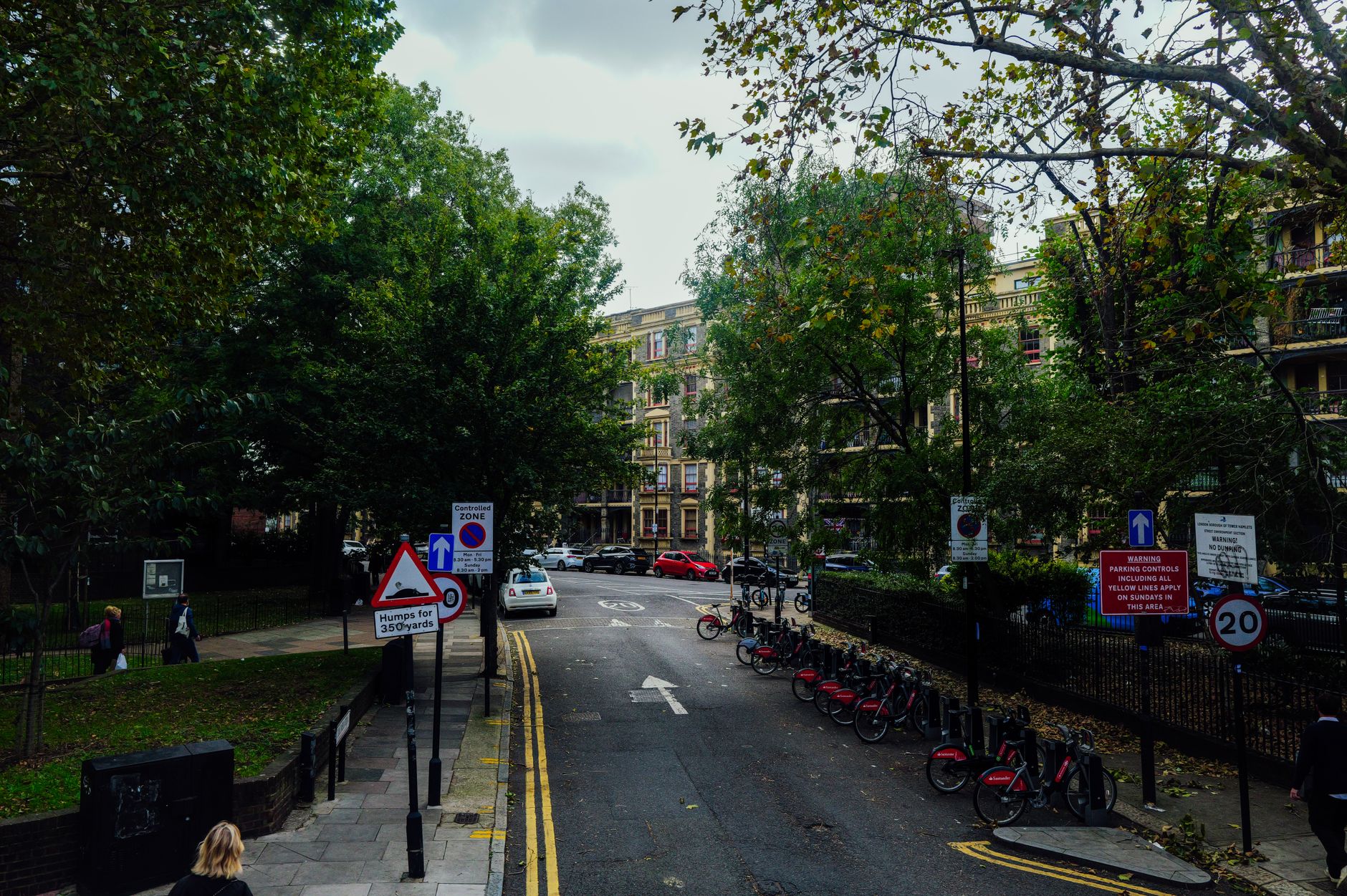
5. The Quiet Heroes of Postman's Park
London, England
Tucked away in the City, this tranquil park features a unique memorial dedicated to ordinary people who died saving the lives of others.
Opened in 1880, Postman's Park gained its unique feature thanks to Victorian artist George Frederic Watts. Troubled by the lack of recognition for everyday heroism, he conceived the "Memorial to Heroic Self-Sacrifice," which consists of glazed ceramic plaques commemorating individuals who gave their lives to save others. Each plaque tells a brief, poignant story of courage, offering a moving tribute to unsung bravery amidst the rush of modern life.

6. Borough Market: From Roman Trade to Culinary Hub
London, England
One of London's oldest and largest food markets, its origins can be traced to a Roman crossing point and a medieval market granted by royal charter.
Situated at the southern end of London Bridge, Borough Market's prime location made it a crucial trading hub for centuries. Evidence suggests Roman presence and a market operating here as early as the 11th century, formally recognized by a royal charter in 1276. It originally served as a vital exchange for produce entering the city, transforming from a wholesale market into the vibrant gourmet destination it is today, while still retaining its historical charm.
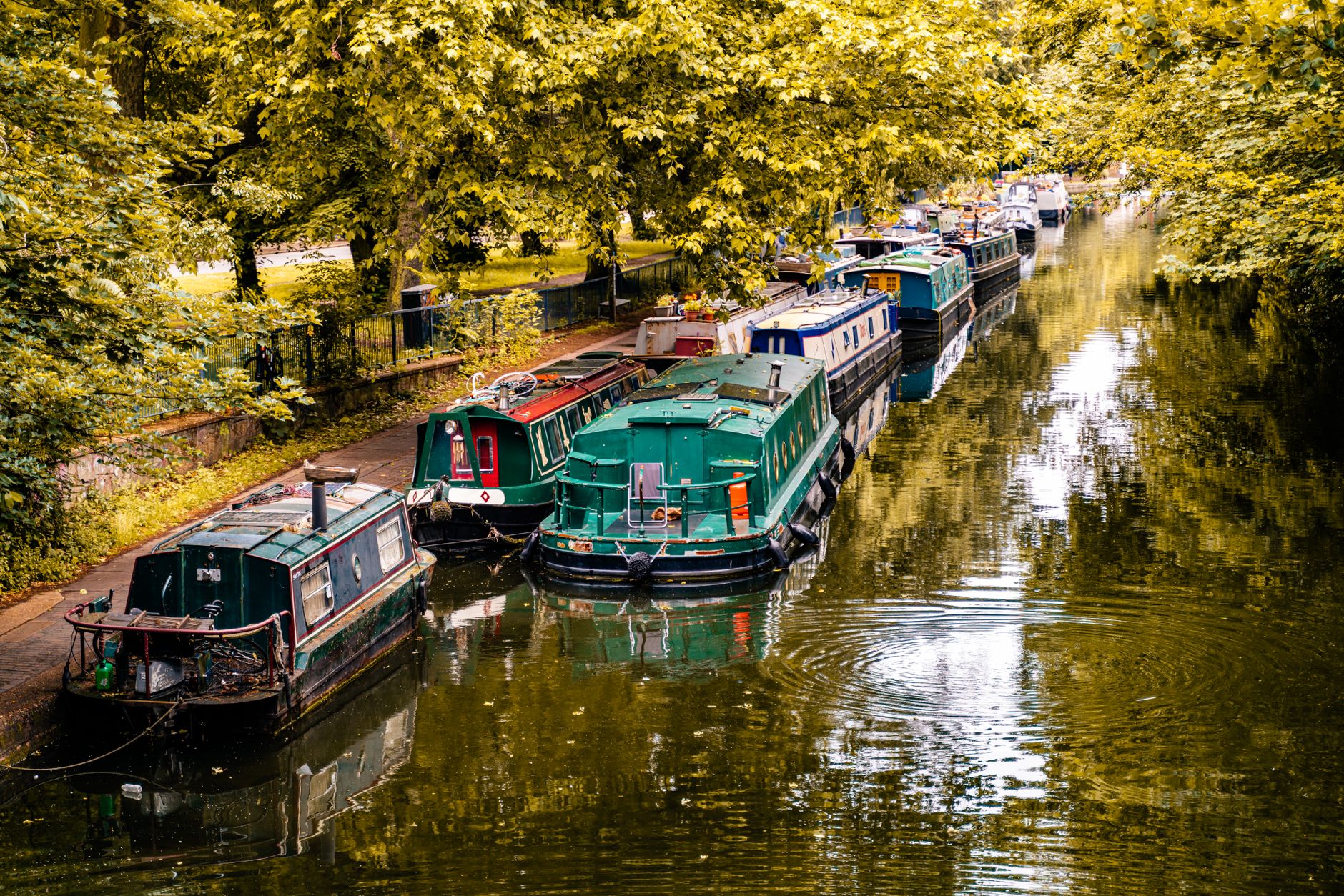
7. London's Serene Waterways: Little Venice
London, England
This tranquil canal basin, often said to be named by poet Robert Browning, offers a surprising escape from the city's bustle, complete with colorful houseboats.
Where the Grand Union Canal and Regent's Canal meet, Little Venice forms a picturesque network of waterways. While the exact origin of its name is debated, legend attributes it to Robert Browning, who lived nearby. Before the railways, these canals were vital arteries for transporting goods, connecting London to the industrial Midlands. Today, it's a peaceful haven for walks, boat trips, and admiring the charming, permanently moored houseboats.
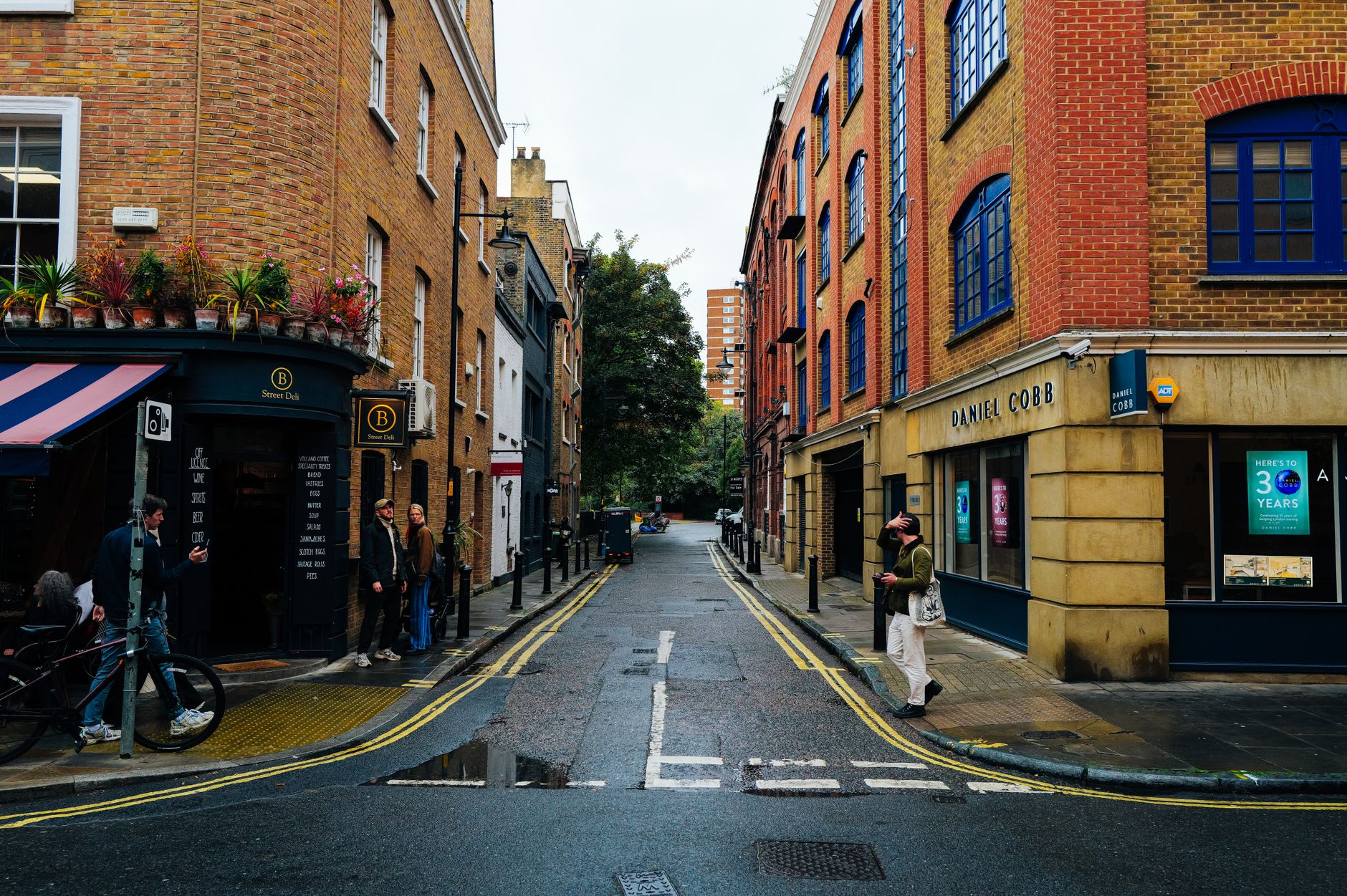
8. The Seven Noses of Soho: An Unofficial Urban Legend
London, England
Hidden on buildings throughout London's Soho district are plaster noses, an art installation originally created as a protest against surveillance cameras.
Scattered subtly across Soho's buildings, these plaster noses are part of an art installation by Rick Buckley from 1997. The artist's original intent was a playful protest against the increasing number of CCTV cameras in London, suggesting that if you could find all seven (or more, as some claim), you would gain "infinite prosperity." Today, they've become an unofficial urban legend and a quirky scavenger hunt for curious visitors.
Frequently asked questions
Is one day enough to see London?
While London is vast, one day allows you to hit key highlights and experience its unique atmosphere. Focusing on a specific area or theme, like the historic City of London, helps maximize your time and minimizes travel between attractions.
What's the best way to get around London quickly?
The London Underground (Tube) is generally the fastest way to cover long distances. For shorter hops within central areas, walking is often quicker and allows you to discover hidden gems. Consider an Oyster card or contactless payment for seamless travel.
Where should I eat lunch on a quick London trip?
For a quick, authentic experience, consider grabbing food from Borough Market or a traditional pub for a hearty meal. Many museums also have excellent cafes, offering convenience and quality.
How can I learn more about these London spots as I visit?
The AllTours.ai app is designed for exactly this. Simply point your phone camera at any landmark or landscape, and the app will instantly narrate its history, geology, and cultural significance in your preferred language, turning every view into a rich story.
Related guides
Photography via Pexels. AllTours.ai is an AI audio tour guide — point your camera at any landscape and hear its story.