October 22, 2026 · 4 min read
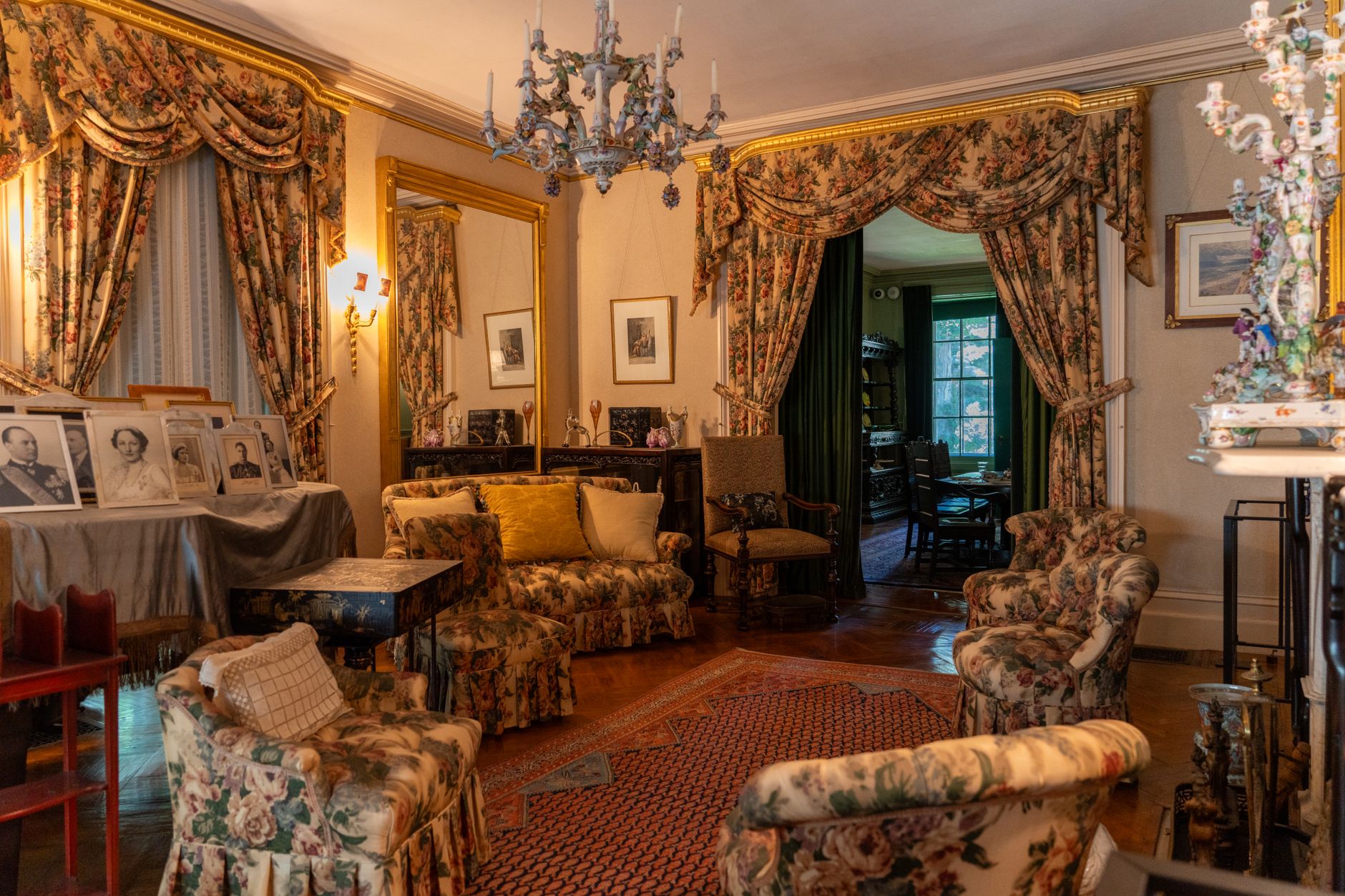
Vienna's coffee houses are more than just places to drink coffee; they are institutions, 'extended living rooms' deeply woven into the city’s identity. Since the 17th century, these elegant establishments have served as cradles of intellectual thought, artistic movements, and social gatherings, earning them UNESCO Intangible Cultural Heritage status. To truly experience Vienna, one must understand its unique coffee house culture and etiquette, a rich tapestry of tradition and specific customs.
From ordering a classic Melange to knowing when to linger, the nuances of Viennese cafe life are subtle yet essential. Beyond the well-trodden paths, a city of hidden gems awaits, each with its own compelling story etched into its walls. Forget the fleeting trends; these are places where history was brewed alongside strong coffee, where revolutionaries plotted, artists dreamed, and everyday life unfolded. Let's explore some of these iconic, and often overlooked, bastions of Viennese charm.
1. Café Hawelka: Bohemian Refuge in the City Center
Vienna, Austria
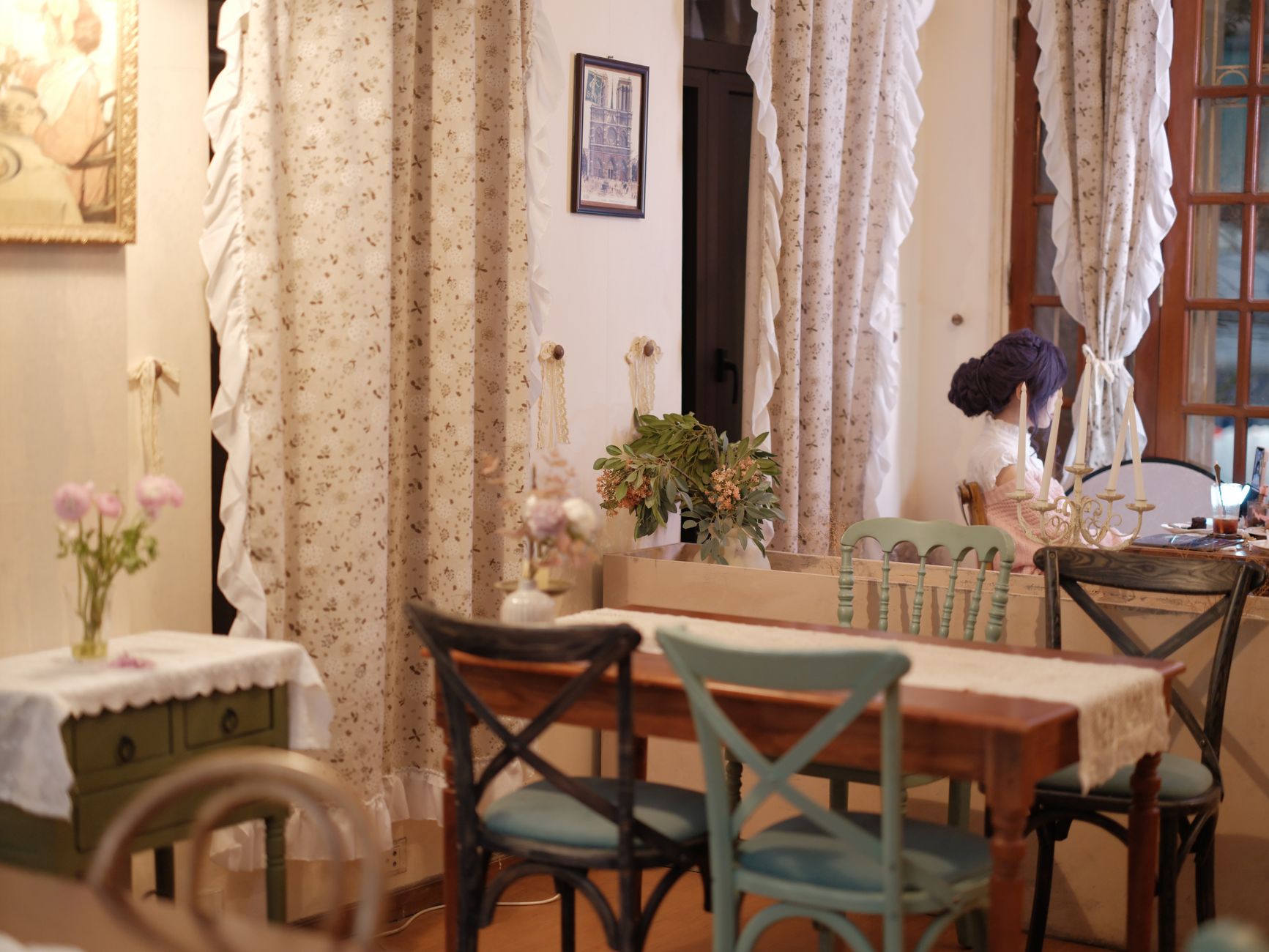
This bohemian haven famously remained open through World War II, offering a rare constant in a city consumed by conflict.
Opened in 1939 by Leopold and Josefine Hawelka, this cafe quickly became a legendary meeting point for artists and writers. Its doors only briefly closed during the war due to lack of supplies, but reopened shortly after. Today, its unpretentious, smoke-stained interior and the scent of freshly baked Buchteln (sweet yeast dumplings) still evoke a bygone era, drawing those seeking an authentic, artistic spirit away from modern polish.
2. Café Sperl: A Stage for History and Cinema
Vienna, Austria
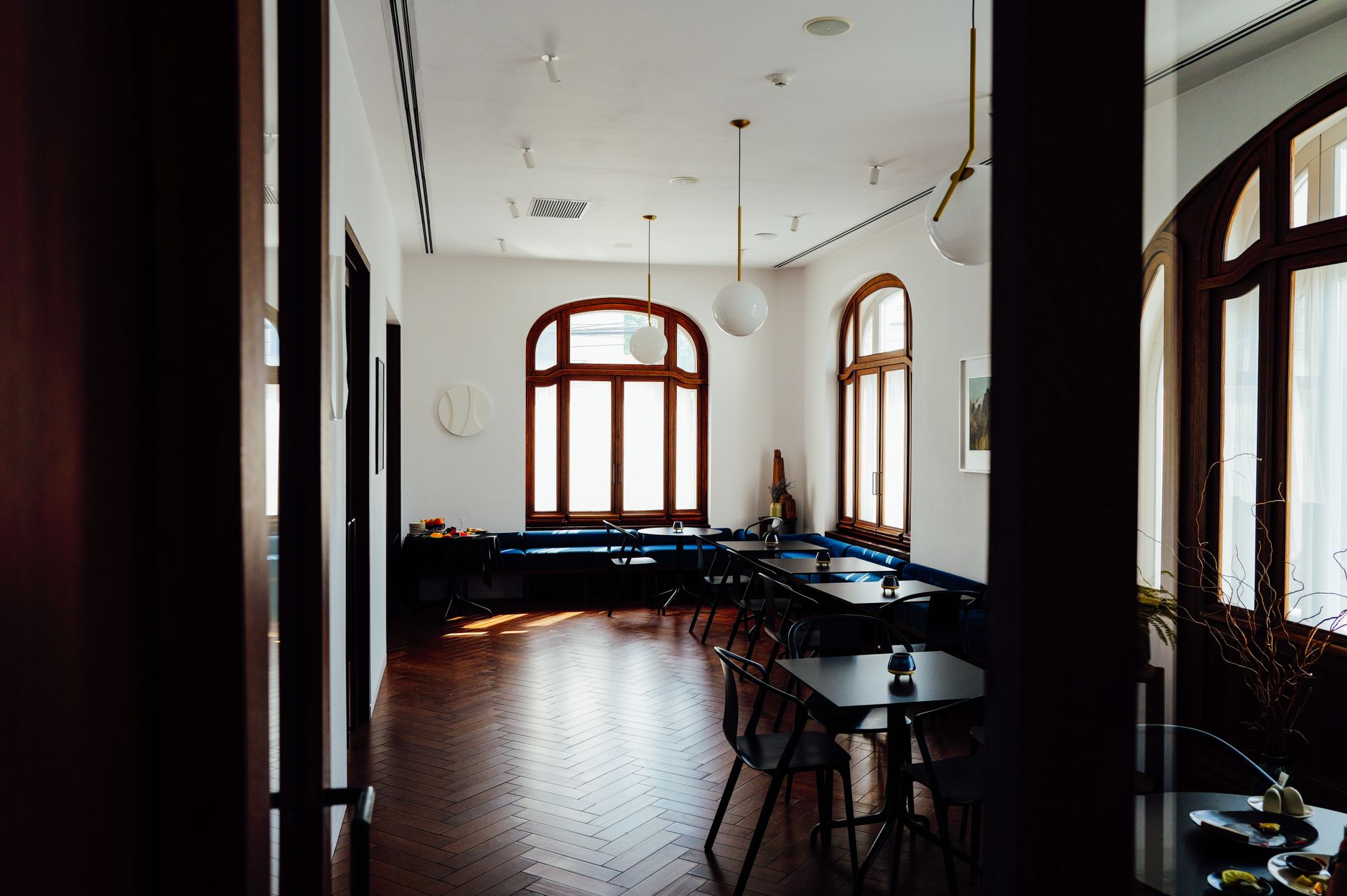
Its perfectly preserved 19th-century interiors have made it a sought-after filming location for period dramas depicting Imperial Vienna.
Established in 1880, Café Sperl is a quintessential example of a grand Viennese coffee house. Adorned with dark wood paneling, velvet banquettes, and billiard tables, it feels like stepping back in time. Beyond serving exquisite coffee and pastries, its authentic ambiance has captivated filmmakers, making it a star in its own right, a silent witness to countless fictional recreations of the city's past, all while remaining a beloved local haunt.
3. Café Prückel: Mid-Century Modern Meets Grand Tradition
Vienna, Austria
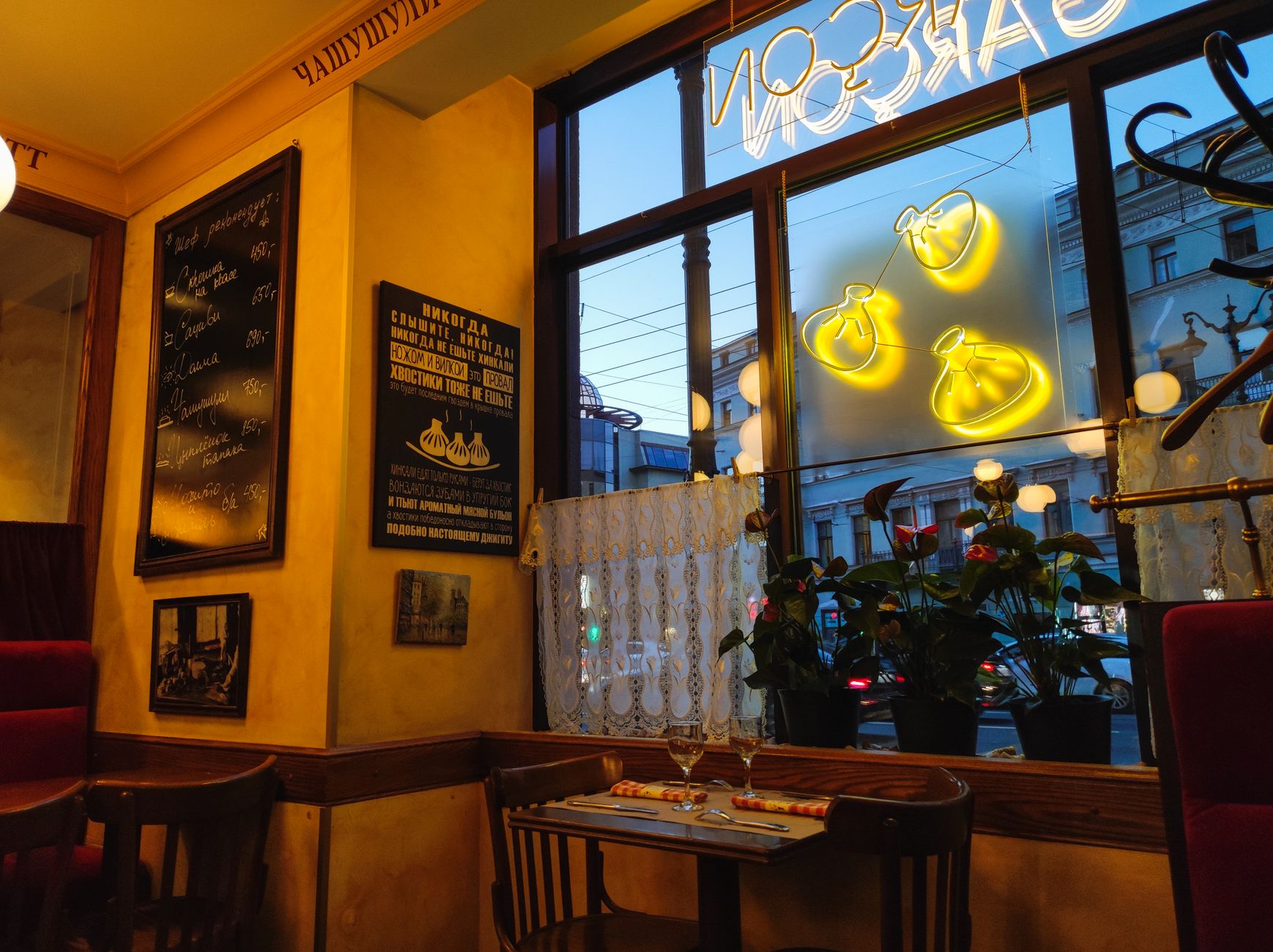
This cafe uniquely showcases two distinct design eras under one roof, with a split interior reflecting both imperial grandeur and post-war modernism.
Opening its doors in 1903, Café Prückel underwent a significant redesign in the 1950s by Oswald Haerdtl, creating a striking contrast within its walls. One side retains a traditional, ornate Viennese style, while the other features sleek, mid-century modern furnishings. This architectural duality tells a story of Vienna's evolving identity through the 20th century, offering patrons a choice of ambiance and a visual lesson in design history as they enjoy their coffee.
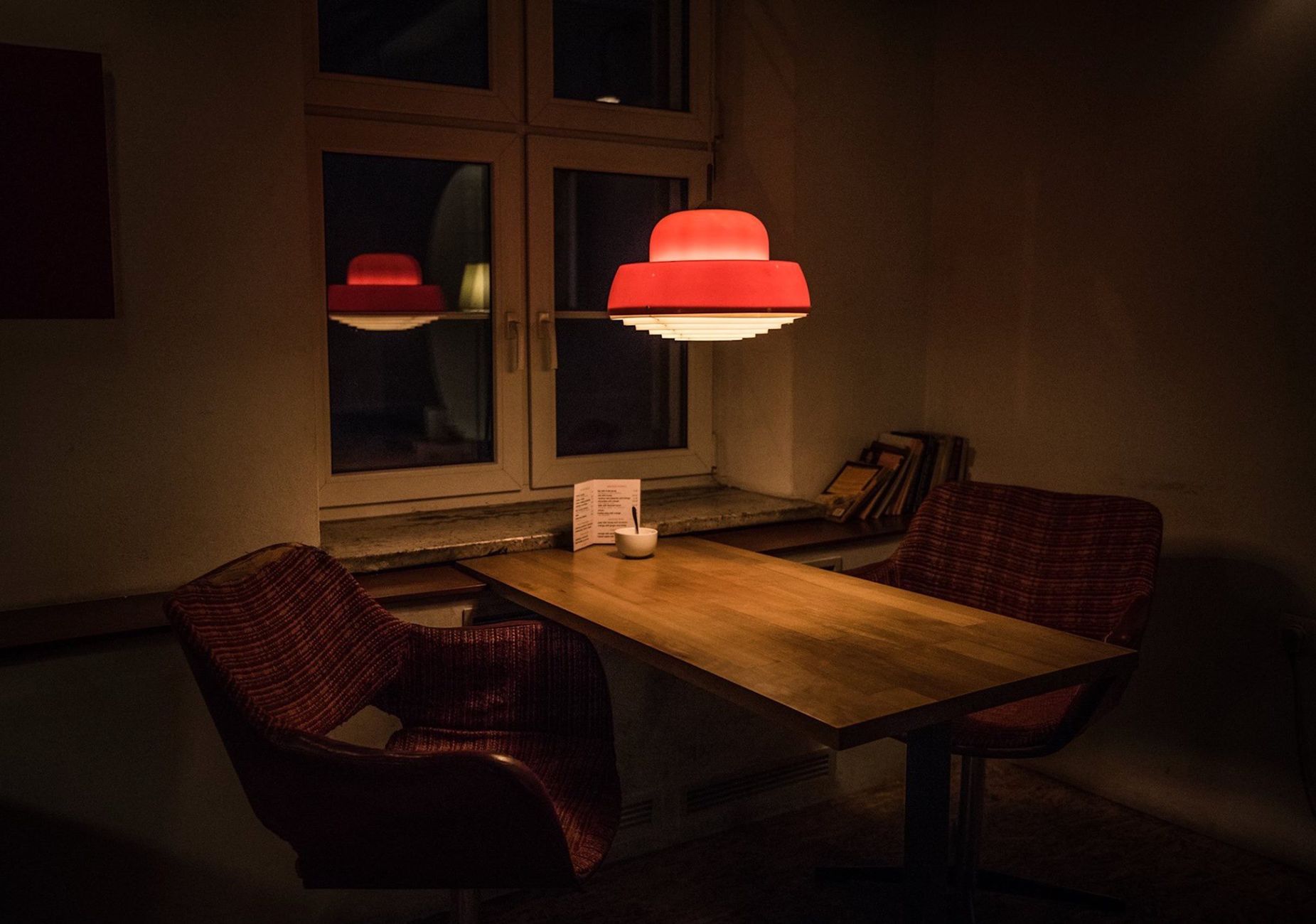
4. Kleines Café: The Actor's Intimate Retreat
Vienna, Austria
Situated in a picturesque square, this tiny cafe was founded by an actor and remains a beloved, understated local secret.
Kleines Café (meaning 'Small Cafe') is precisely that – an intimate, unpretentious space opened in the 1970s by actor Hannes Peschl. Its modest size and lack of ostentation are its charm, offering a genuine glimpse into Viennese daily life away from tourist crowds. Here, locals gather for quiet conversations over coffee or a glass of wine, appreciating its rustic brick walls and worn wooden tables that tell a different, more personal story of the city.
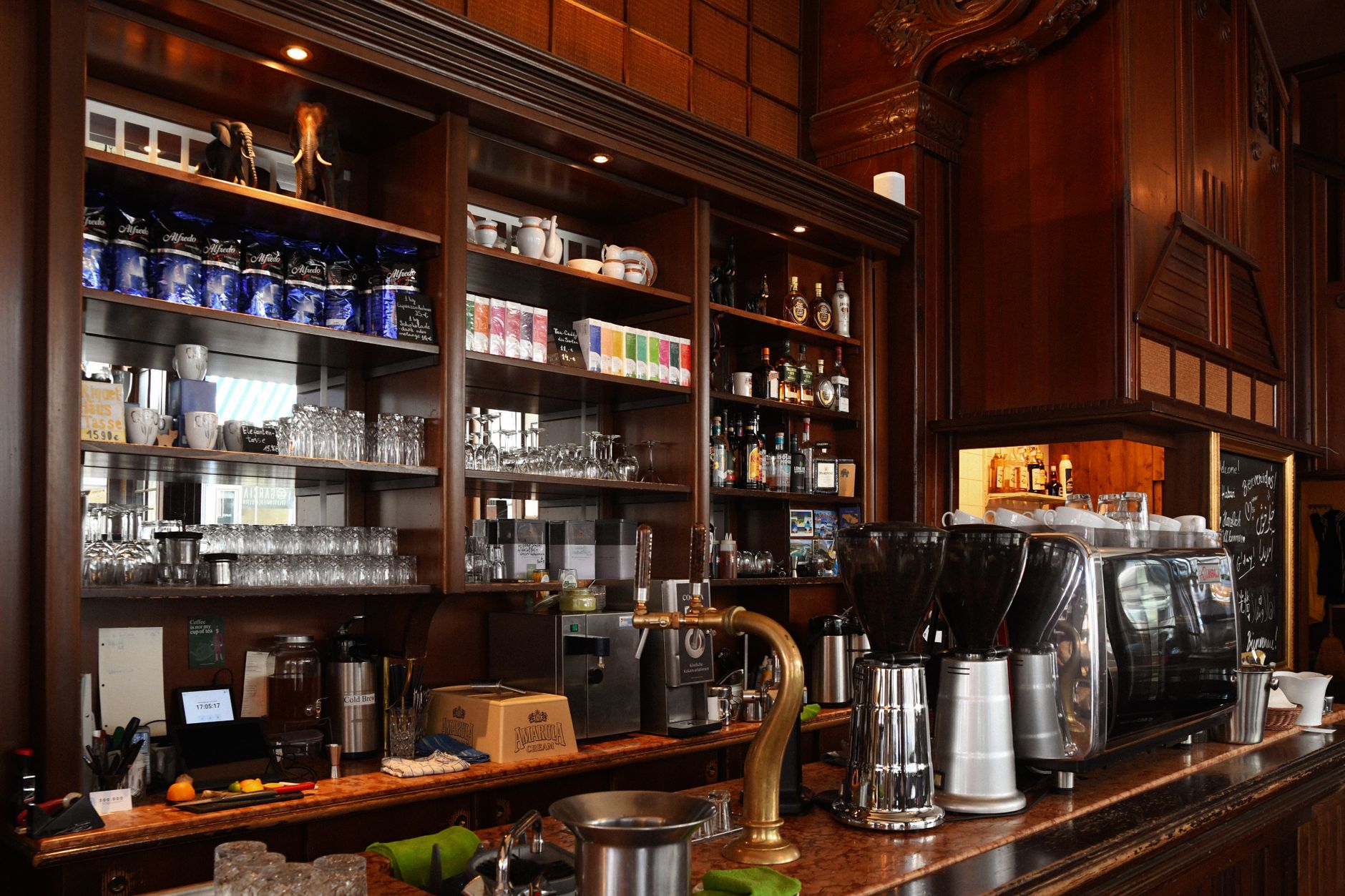
5. Café Goldegg: Jugendstil Jewel Box
Vienna, Austria
Its stunning, meticulously preserved Jugendstil interior from 1904 offers an immersive experience of Viennese Art Nouveau architecture.
Café Goldegg, opened at the turn of the 20th century, is a breathtaking example of Viennese Jugendstil, or Art Nouveau, architecture. Stepping inside, guests are enveloped by intricate wood paneling, ornate chandeliers, and elegant mirrors that reflect the soft, warm light. Often overlooked by guidebooks, this cafe provides a quieter, more intimate encounter with Vienna's artistic heritage, allowing visitors to appreciate the era's sophisticated design while enjoying a traditional Viennese breakfast or coffee.
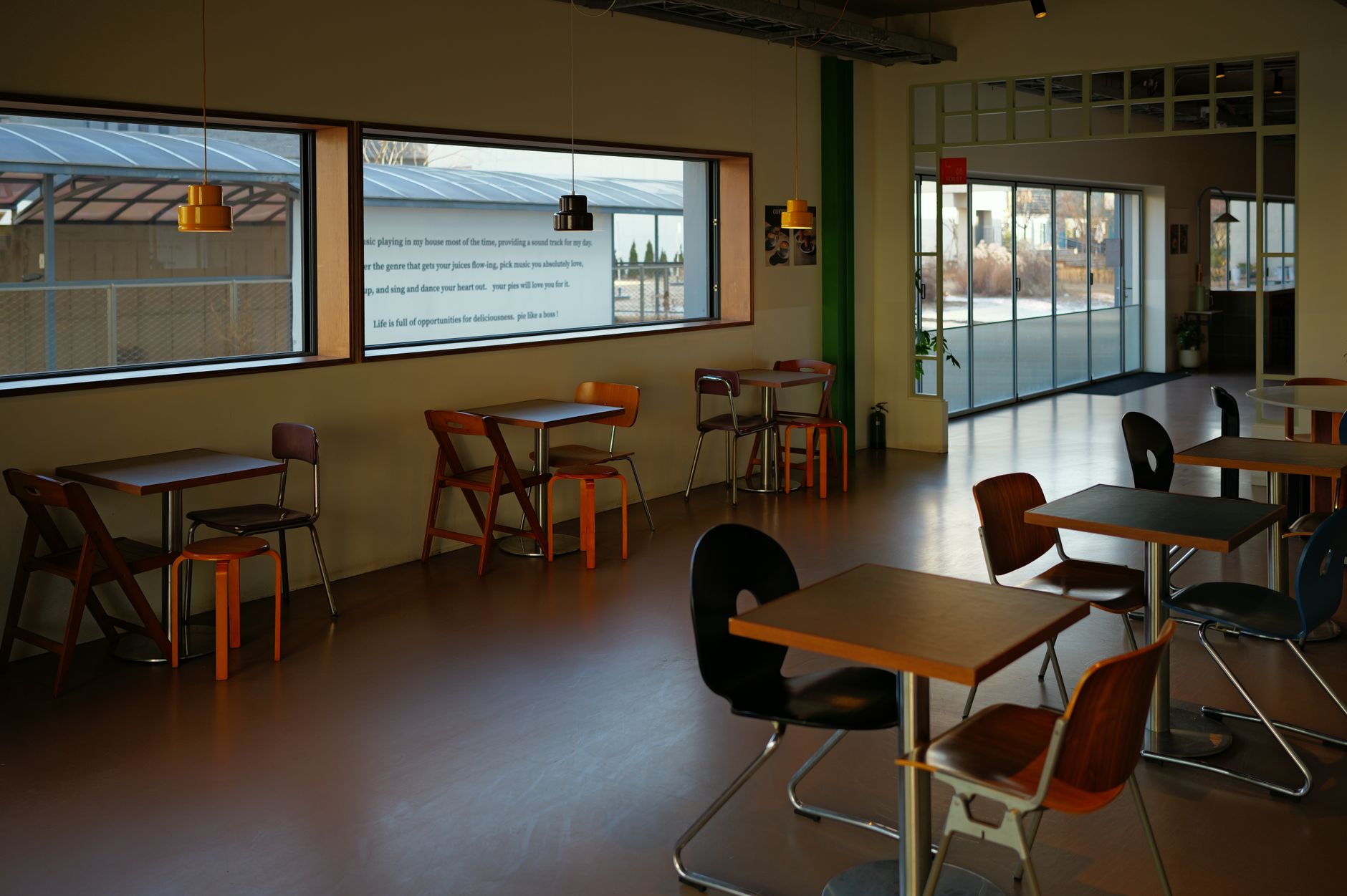
6. Café Museum: Where Loos and Avant-Garde Met
Vienna, Austria
Originally designed by the influential modernist architect Adolf Loos, this cafe was a minimalist contrast to its opulent contemporaries.
When Café Museum first opened in 1899, its stark, minimalist interior, designed by Adolf Loos, was a radical departure from the plush, ornate style of other Viennese coffee houses. This simplicity made it a favored haunt for avant-garde artists and intellectuals like Egon Schiele, Gustav Klimt, and Otto Wagner, who appreciated its unpretentious atmosphere for creative exchange. While later renovations altered Loos's original vision, the cafe still embodies a spirit of intellectual pursuit and artistic innovation.
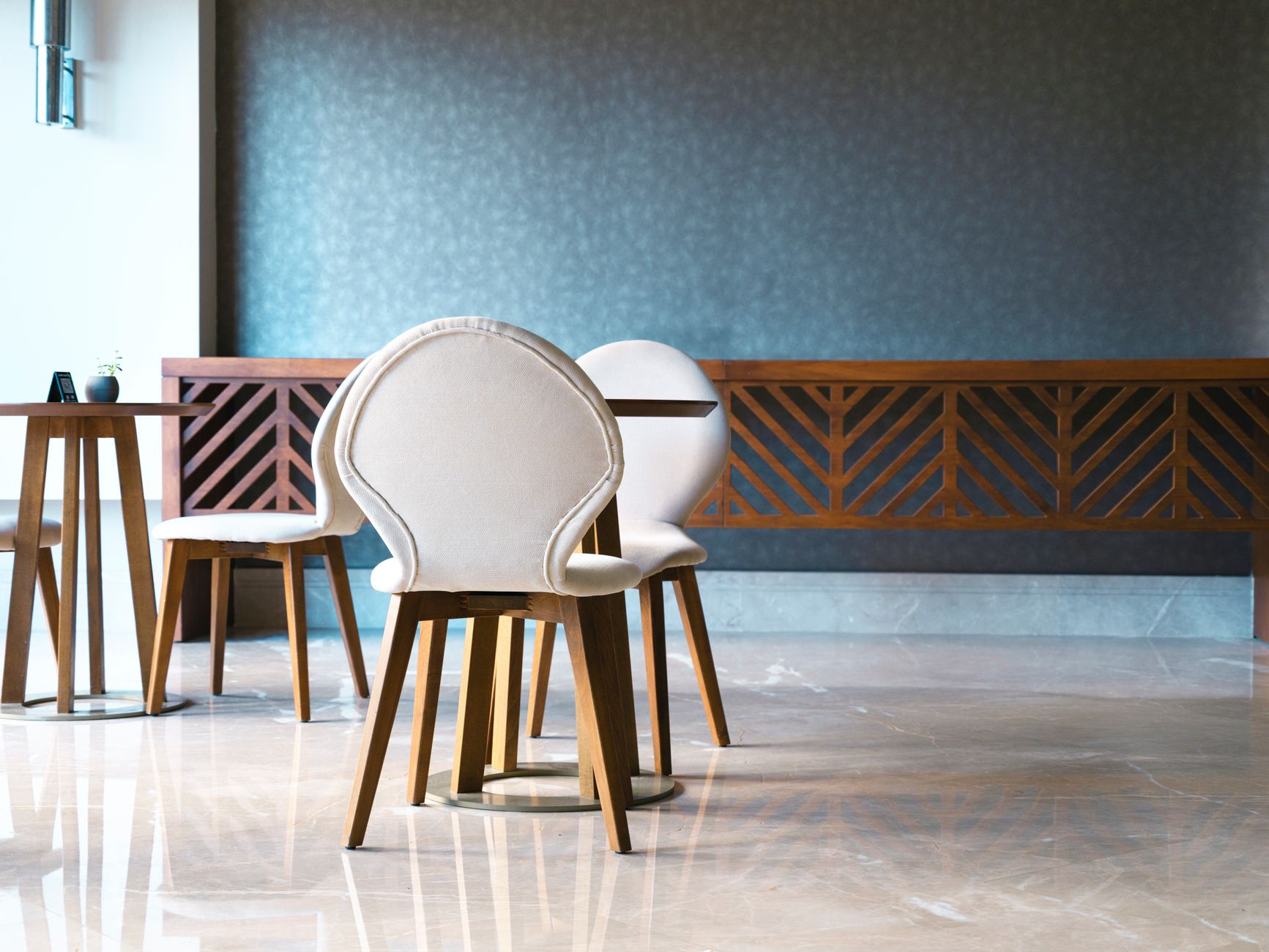
7. Café Landtmann: Freud's Couch and Political Hub
Vienna, Austria
Sigmund Freud was a regular patron, often holding court and finding inspiration within its grand, historic walls.
Established in 1873, Café Landtmann stands as one of Vienna's most distinguished coffee houses, a beacon of tradition and elegance. Beyond its reputation for impeccable service and classic Viennese fare, it holds a special place in history as a favored spot for Sigmund Freud. He would often frequent the cafe, observing human behavior and perhaps formulating some of his groundbreaking theories amidst the clatter of cups and hushed conversations. It also served as a discreet meeting place for politicians and journalists, making it a silent witness to countless pivotal moments in Austrian history.
Frequently asked questions
What is the most important etiquette rule in Viennese coffee houses?
The most crucial rule is to relax and linger. Viennese coffee houses are meant to be 'extended living rooms,' not fast-food establishments. You're encouraged to read newspapers, write, or simply observe for hours over a single coffee, and waiters won't rush you.
What is a "Melange" and how do I order it?
A Melange is Vienna's most iconic coffee drink, similar to a cappuccino but often made with half milk and half foamed milk. To order, simply ask for "Eine Melange, bitte." It typically comes with a glass of water and sometimes a small biscuit.
Do I need to tip in Viennese coffee houses?
Yes, tipping is customary and appreciated. A common practice is to round up the bill to the nearest euro or add about 5-10% for good service. You can state the total amount you wish to pay when the waiter brings the bill.
How can AllTours.ai enhance my visit to Vienna's coffee houses?
AllTours.ai allows you to point your phone camera at a cafe's facade or even its historic interior, and the app will instantly narrate its unique history, famous patrons, or architectural significance. It brings the stories of these places to life, offering a deeper understanding of the culture unfolding around you, right in your language.
Related guides
Photography via Pexels. AllTours.ai is an AI audio tour guide — point your camera at any landscape and hear its story.