August 26, 2026 · 4 min read
Every city holds layers of history, with countless stories buried just beneath the surface or standing in plain sight. We often admire the famous monuments, but what about the lesser-known sites that have undergone dramatic transformations, evolving from their original purpose into something entirely new?
Many forgotten industrial hubs, derelict transport routes, and even historic military installations are not just being preserved; they are being reimagined as vibrant real estate developments. These aren't just buildings; they're living archives, offering a unique glimpse into a city's past while shaping its future. Join us as we uncover some of these fascinating places.
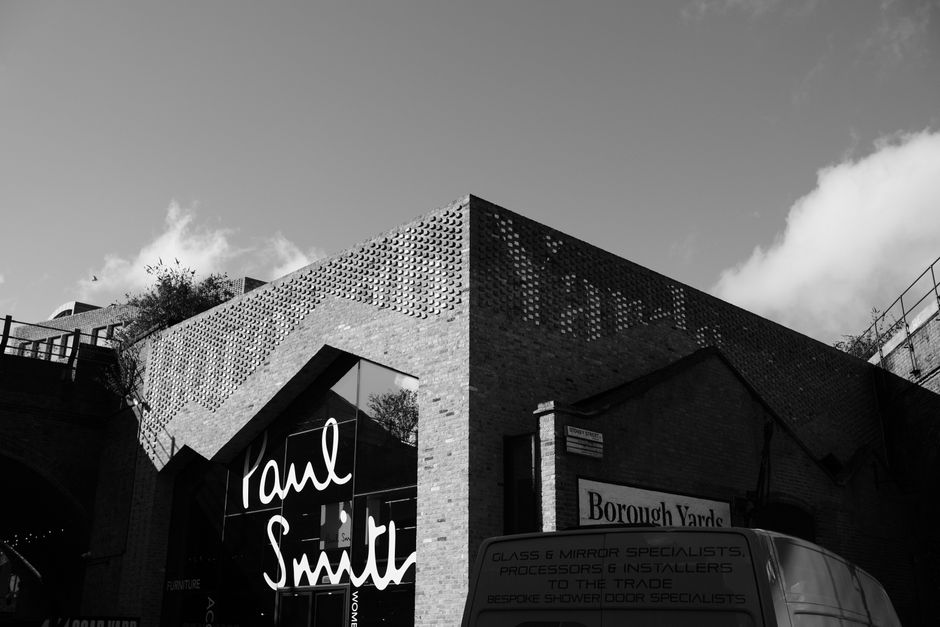
1. From Coal to Couture: London's Transformed Rail Hub
Coal Drops Yard, London, United Kingdom
A bustling modern shopping and dining district in London was once the crucial distribution point for coal fueling the city.
Nestled behind King's Cross Station, Coal Drops Yard was originally built in the 1850s to receive and sort coal delivered by rail from the north of England. The distinctive Victorian brick structures, designed to allow coal to be dropped directly into barges or wagons below, fell into disuse for decades. Today, these same elegant, arched buildings have been meticulously repurposed into a chic, pedestrianized retail and leisure destination, cleverly retaining their industrial charm while offering a thoroughly modern experience.
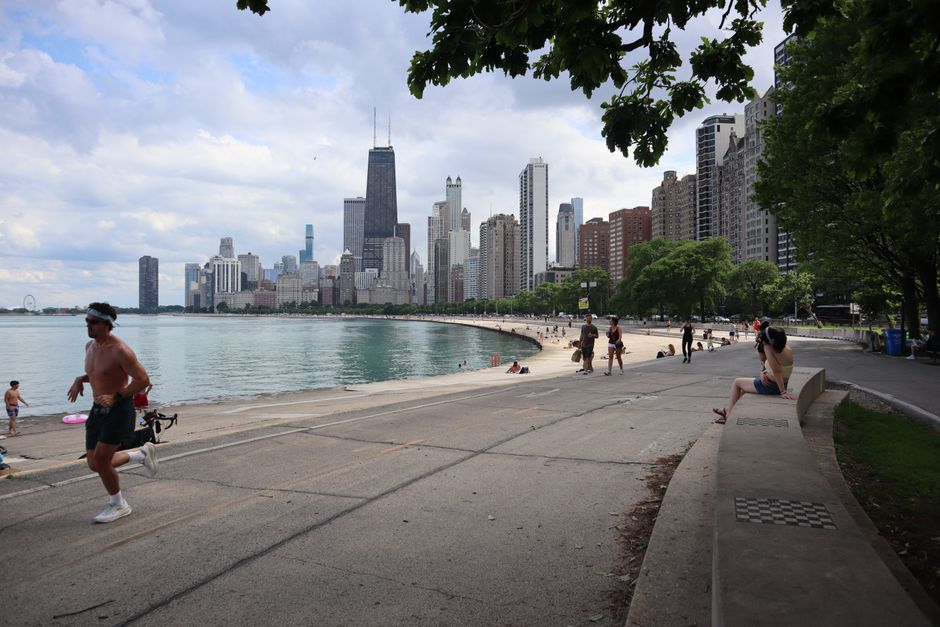
2. High Above the City: Chicago's Elevated Green Corridor
The 606 (Bloomingdale Trail), Chicago, USA
An abandoned elevated railway line, once a barrier between neighborhoods, has become a beloved park and catalyst for urban renewal.
The Bloomingdale Line was an active railway from 1915 until 2001, carrying freight trains above Chicago's west side neighborhoods. For years after its closure, the elevated structure sat derelict, a forgotten industrial relic. Through an ambitious urban project, it was transformed into The 606, a 2.7-mile elevated park and trail. This linear green space has not only reconnected communities and provided vital recreational opportunities but has also spurred significant residential and commercial development along its length, breathing new life into adjacent areas.
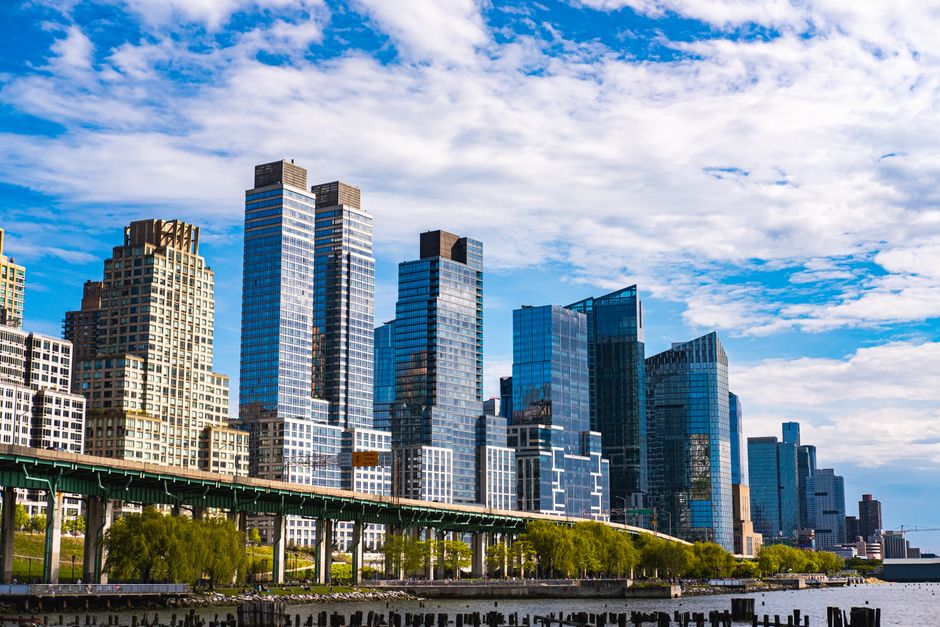
3. From Battleships to Breweries: Brooklyn's Industrial Revival
Brooklyn Navy Yard, New York City, USA
A historic shipyard that built iconic battleships now buzzes with tech startups, artisans, and manufacturing businesses.
For over 150 years, the Brooklyn Navy Yard was a powerhouse of American industry, responsible for constructing some of the most famous ships in US naval history, including the USS Missouri. After its closure as a naval facility in 1966, much of the vast complex lay underutilized. Today, it has been reimagined as a thriving industrial park and innovation hub, a testament to adaptive reuse. Historic dry docks and factory buildings now house over 500 businesses, from film studios to distilleries, proving that a site's industrial legacy can pave the way for a dynamic economic future.
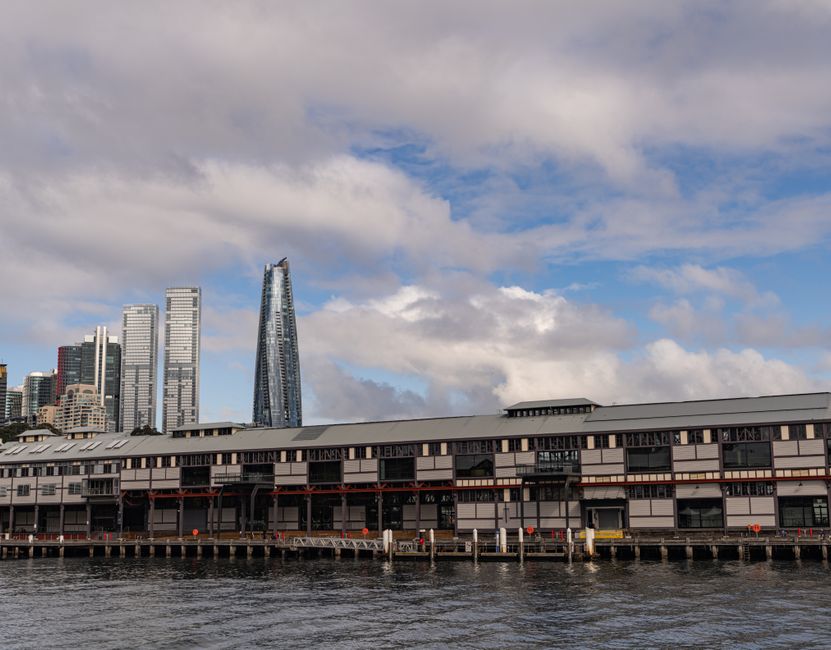
4. Waterfront Rebirth: Sydney's Transformed Port
Barangaroo Reserve, Sydney, Australia
A former concrete container terminal on Sydney Harbour has been meticulously restored into a headland park and a vibrant new urban precinct.
For over a century, the western foreshore of Sydney's central business district was an active port, dominated by concrete wharves and container operations. The Barangaroo precinct, named after a significant Aboriginal woman, represents one of the largest urban renewal projects in Australia's history. The northern section, Barangaroo Reserve, involved reshaping the headland to its pre-1836 contours using excavated sandstone. The southern and central parts feature high-rise commercial, residential, and retail developments, creating a seamless blend of public parkland and modern urban living on what was once a purely industrial waterfront.
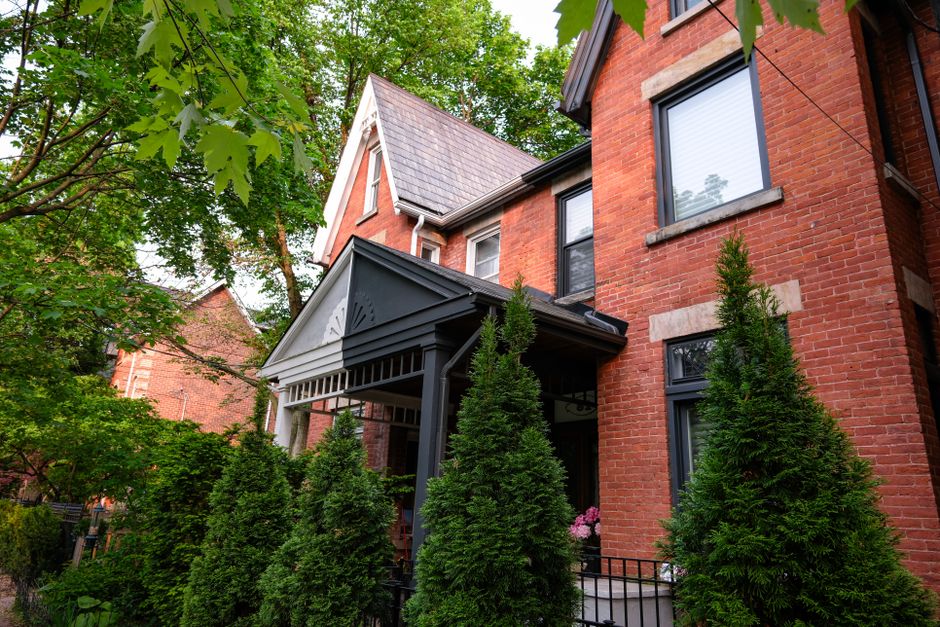
5. Spirits of the Past: Toronto's Victorian Distillery Village
The Distillery District, Toronto, Canada
North America's best-preserved collection of Victorian industrial architecture is now a vibrant arts, culture, and entertainment hub.
Once the sprawling Gooderham and Worts Distillery, which at its peak in the late 19th century was the largest distillery in the British Empire, this site was a powerful engine of Toronto's economy. After decades of decline and closure, the district faced an uncertain future. Instead of demolition, the collection of 40-plus Victorian-era buildings and cobblestone streets were transformed into a pedestrian-only village. It now hosts art galleries, boutiques, restaurants, and performance venues, preserving its unique industrial heritage while fostering a thriving creative community.
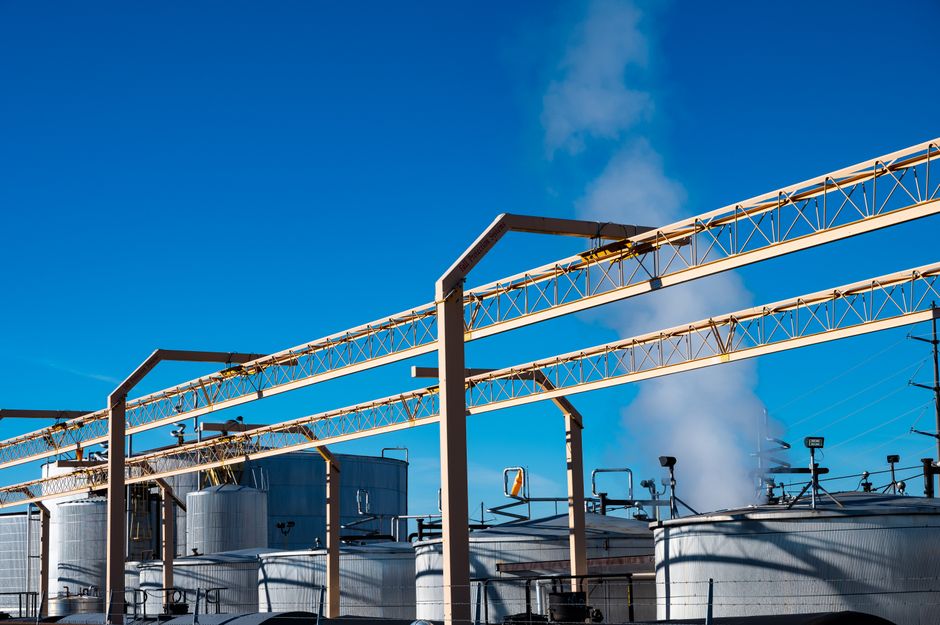
6. From Toxic to Tranquil: Seattle's Industrial Green Space
Gas Works Park, Seattle, USA
A former coal gasification plant, once a source of pollution, has become one of Seattle's most iconic and beloved public parks.
The Seattle Gas Light Company operated on this site from 1906 to 1956, converting coal into gas for heating and lighting, leaving behind a heavily contaminated landscape. Rather than demolishing the towering industrial structures, landscape architect Richard Haag championed a groundbreaking plan for 'bio-remediation' and reuse. Opened in 1975, Gas Works Park ingeniously integrated the massive, rust-colored remnants of the gas plant machinery into a rolling hillside park. It stands as a pioneering example of industrial land recycling, offering breathtaking views of the city skyline, Lake Union, and the surrounding mountains.
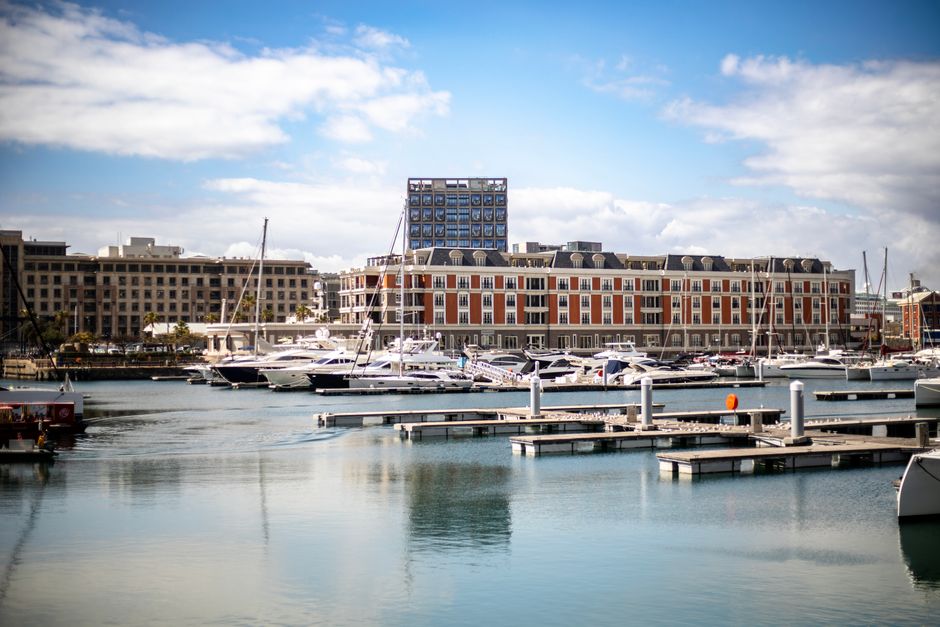
7. Inside the Silo: Cape Town's Grain Tower Reimagined
The Silo Hotel, Cape Town, South Africa
A monumental grain silo, once the tallest building in sub-Saharan Africa, now houses a luxury hotel and a world-class contemporary art museum.
Standing proudly on Cape Town's V&A Waterfront, the historic Grain Silo complex, built in 1924, was a vital part of South Africa's agricultural export industry. After its operational life, the colossal concrete structure, with its distinctive cellular design, faced potential demolition. Instead, architects reimagined it, carving out astonishing spaces within the original structure. The lower floors now house the Zeitz Museum of Contemporary Art Africa (MOCAA), while the upper floors are home to The Silo Hotel, offering unparalleled views and a remarkable blend of industrial heritage and modern luxury.
Frequently asked questions
How do cities decide which historic landmarks to preserve or redevelop?
Cities typically balance historical significance, structural integrity, economic viability, and community needs. Preservation societies, urban planners, and local governments often collaborate to assess a site's value and potential, aiming to maintain heritage while fostering urban growth.
What are some common challenges in redeveloping historic sites?
Redeveloping historic sites often involves navigating complex zoning laws, addressing environmental remediation (especially for industrial sites), and integrating modern infrastructure without compromising historical integrity. Funding and public perception can also be significant hurdles for developers.
Are these redeveloped landmarks typically accessible to the public?
Many redeveloped landmarks are designed with public access in mind, especially those repurposed as parks, cultural centers, or mixed-use retail spaces. While some sections might be private (like residential units or specific offices), the overall aim is often to create vibrant, accessible community assets that honor their past.
How can AllTours.ai help me explore these transformed places?
AllTours.ai enhances your visit by providing instant, in-depth audio narratives. Simply point your phone camera at a landmark or landscape, and the app will narrate its history, geology, and cultural significance in your language, revealing the hidden stories behind these incredible transformations.
Related guides
Photography via Pexels. AllTours.ai is an AI audio tour guide — point your camera at any landscape and hear its story.