September 11, 2026 · 4 min read
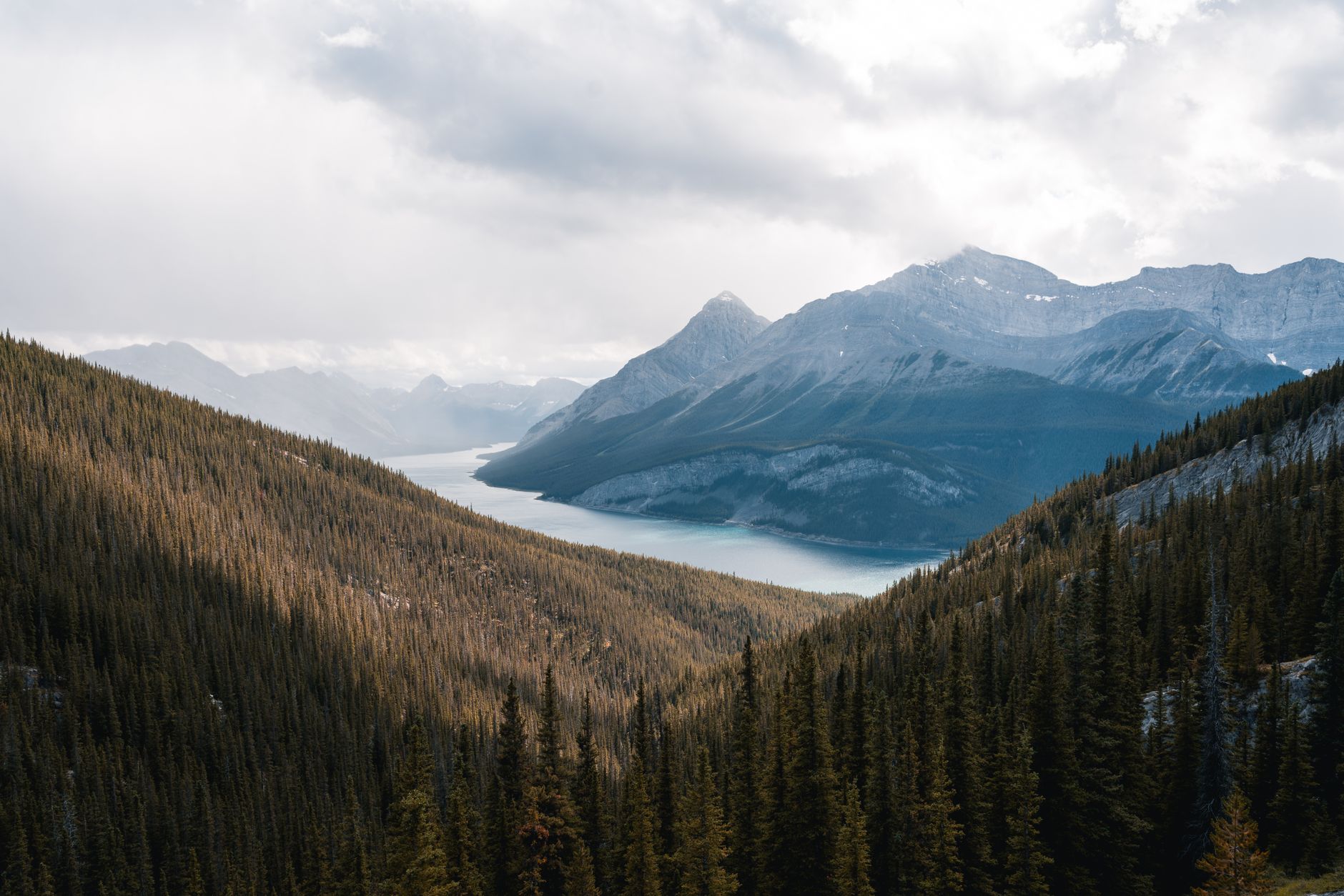
Canada, with its vast wilderness and unique cultural mosaic, holds countless stories in its landscapes. From peculiar geological formations to towns with unexpected origins, these places offer more than just scenic beauty; they're windows into a distinctive North American experience.
But what if we took a playful jab at our southern neighbors? Imagine if Canadians, known for their politeness and subtle humor, decided to rename some of their lesser-known treasures, poking fun at common U.S. tendencies like consumerism, sprawling developments, or a penchant for the dramatic. Here’s a look at some real Canadian spots and the imaginative, humorous renames they might inspire.
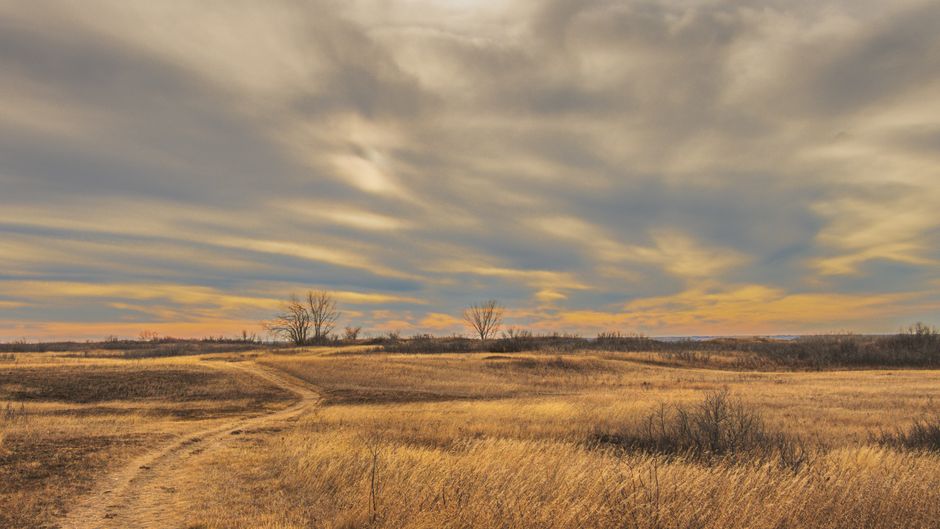
1. The Un-Straight Forest
Crooked Bush, Saskatchewan, Canada
Discover a grove of aspen trees that grow in bizarre, crooked shapes due to a rare genetic mutation, defying typical arboreal growth patterns.
Just outside Hafford, Saskatchewan, lies the Crooked Bush, a small aspen stand where every tree twists and turns at unnatural angles. This botanical anomaly, believed to be caused by a somatic mutation, has baffled scientists and delighted visitors for decades. Its whimsical appearance is a stark contrast to the straight, orderly rows often seen in agricultural landscapes, making it a natural fit for a playful Canadian rebrand.
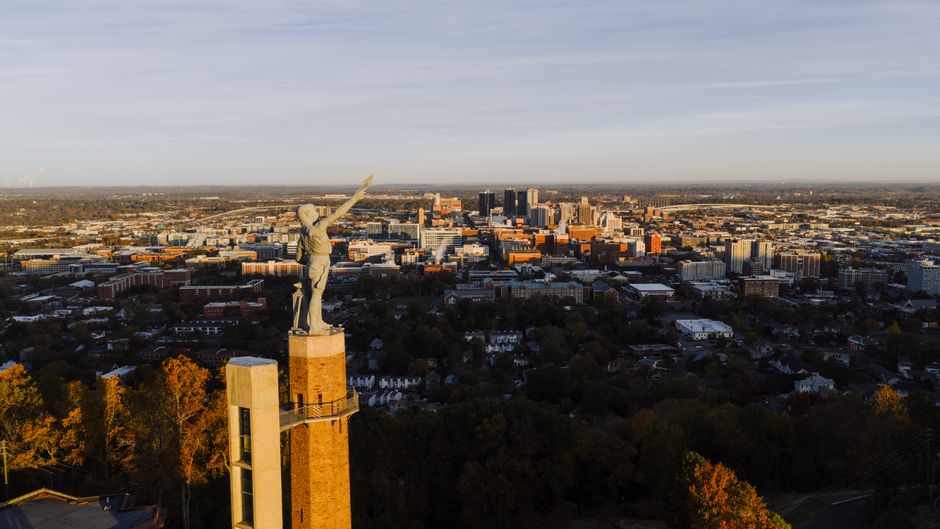
2. Logic-Leisure-Destination
Vulcan, Alberta, Canada
This small Alberta town, despite its Roman namesake, became a surprising mecca for Star Trek fans, complete with a replica starship and themed attractions.
Vulcan, Alberta, was originally named after the Roman god of fire, but over the decades, its name struck a chord with Star Trek enthusiasts. The town fully embraced its unexpected sci-fi connection, building a Starship Enterprise replica and hosting an annual 'Vulcanoids' festival. It’s a place where pop culture cleverly intersects with local identity, far from any planned cinematic universe, offering a unique, unpretentious fan experience.
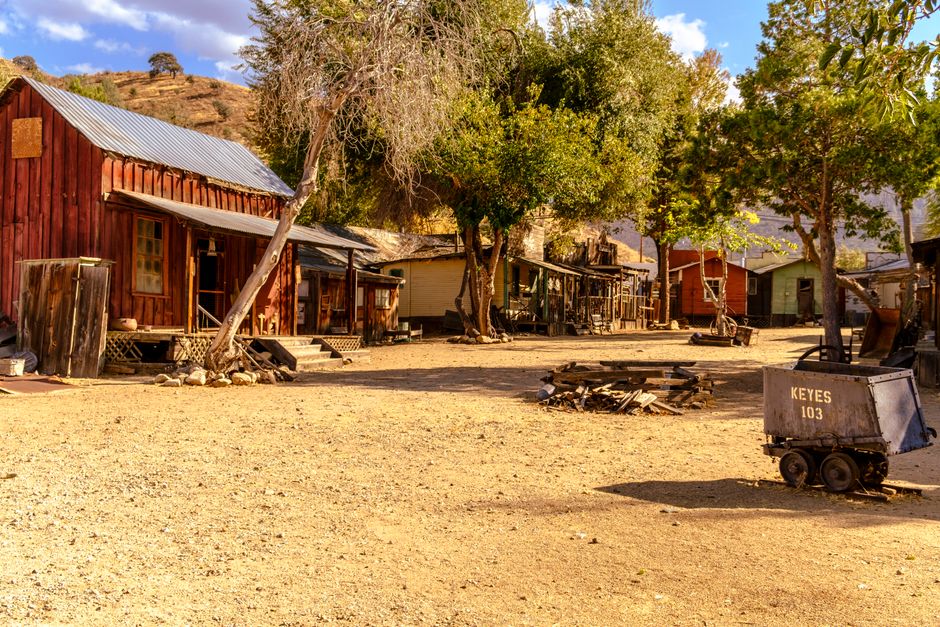
3. Literary-Mine-Mega-Mart
Flin Flon, Manitoba/Saskatchewan, Canada
This northern mining town earned its unusual name from a character in a 1905 science fiction novel found by a prospector.
Flin Flon straddles the Manitoba-Saskatchewan border, a testament to Canada's resource-rich north. Its unique name comes from Josiah Flintabbatey Flonatin, a character in 'The Sunless City' by J.E. Preston Muddock. A prospector named Tom Creighton discovered a copy of the novel, and when he found a rich mineral deposit nearby, he named it after the fantastical explorer. This blend of literary whimsy and rugged industry is a distinctly Canadian narrative, far removed from generic corporate branding.
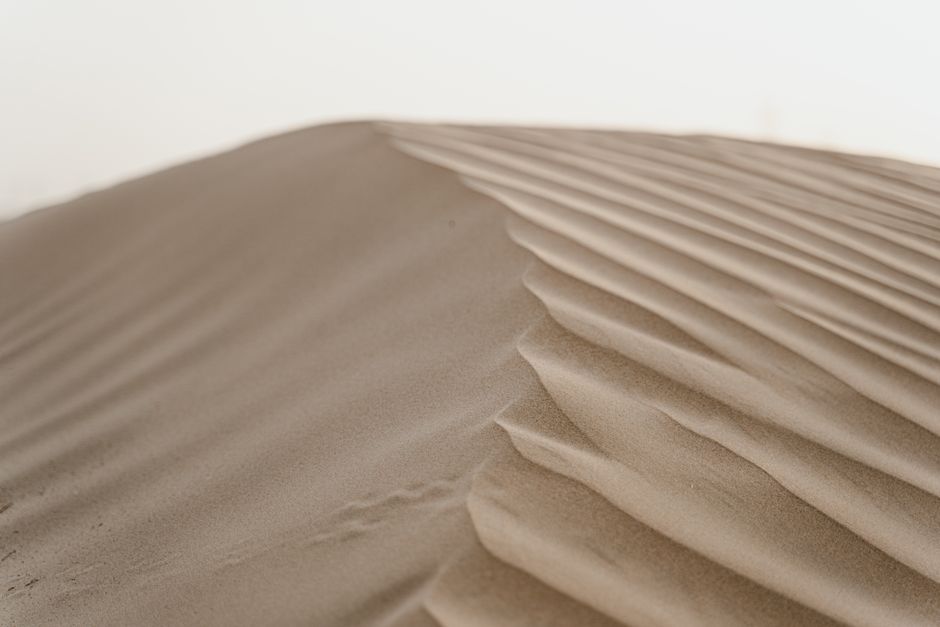
4. Desert-Without-The-Resort-Fees
Athabasca Sand Dunes Provincial Park, Saskatchewan, Canada
Explore the world's most northerly active sand dunes, a surreal 100-kilometer stretch accessible only by float plane.
Hidden deep within northern Saskatchewan, the Athabasca Sand Dunes are a geological marvel. These enormous, shifting dunes, some reaching 30 meters high, are remnants of a glacial lakebed and continue to move and change with the wind. This remote, pristine wilderness offers an unparalleled sense of isolation and natural grandeur, a world away from manufactured 'desert experiences' or crowded tourist traps, making its exclusivity a true draw.
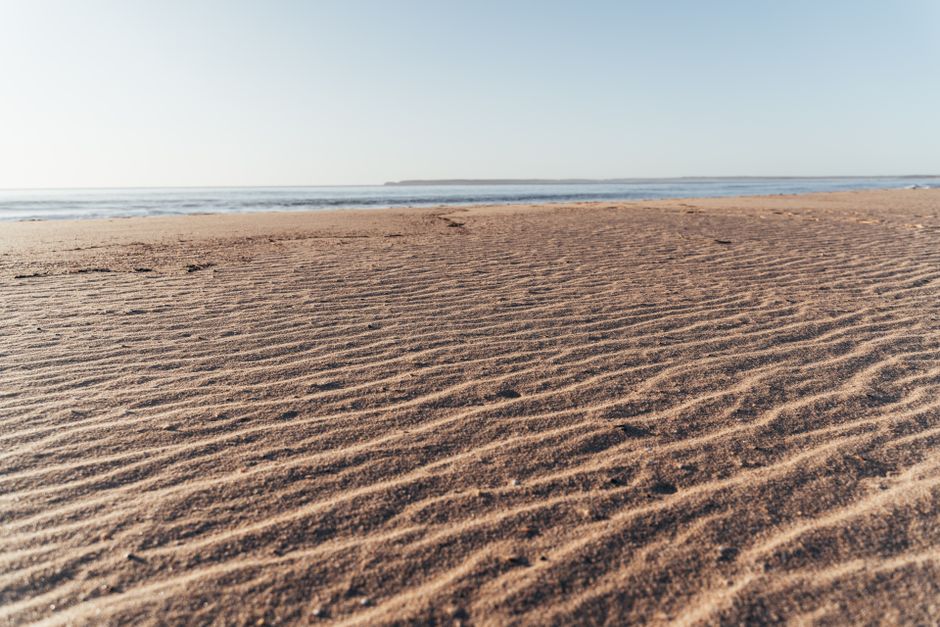
5. Quiet-Luxury-No-Influencer-Fights
Basin Head Provincial Park (Singing Sands), Prince Edward Island, Canada
Walk on the 'singing sands' of Basin Head, where the unique composition of the sand creates a distinct squeaking sound underfoot.
Prince Edward Island is famous for its red sands, but Basin Head offers something truly extraordinary: sand that sings. The high silica and quartz content in the fine grains causes friction when walked upon, producing a distinct squeak or 'singing' sound. This natural phenomenon offers a unique sensory experience, a simple pleasure that transcends fleeting trends and offers genuine, unadulterated enjoyment of the natural world.
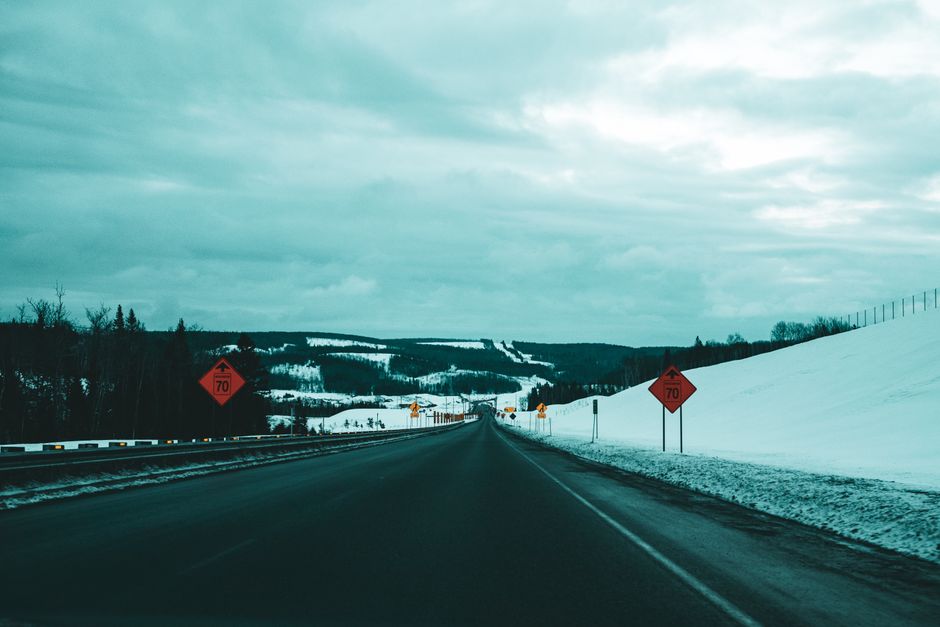
6. Gravity-Optional-Getaway
Magnetic Hill, Moncton, New Brunswick, Canada
Experience an optical illusion where cars appear to roll uphill against gravity, a baffling phenomenon that has delighted visitors for decades.
Magnetic Hill in Moncton is a classic roadside attraction, a place where a downhill slope cleverly tricks your eyes into perceiving an uphill climb. When you put your car in neutral, it seems to roll backward up the hill, defying all logic. This simple, engaging illusion is a playful reminder that perspective can alter reality, offering pure, unpretentious fun without needing elaborate special effects or massive corporate backing.
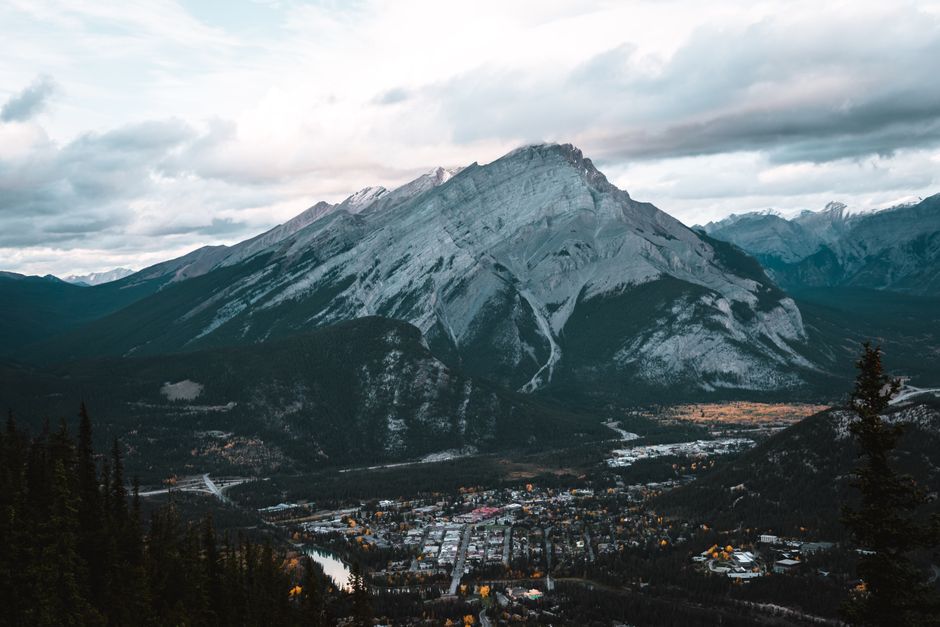
7. Wellness-Without-The-Walled-Resort
Sulphur Mountain, Banff National Park, Alberta, Canada
Ascend Sulphur Mountain, named for its natural hot springs, which have drawn Indigenous peoples and early tourists for their therapeutic properties for centuries.
While Banff is a well-known destination, Sulphur Mountain itself holds a specific, rich history often overlooked. Its slopes are dotted with natural hot springs, historically used by Indigenous communities for healing and later developed into some of Canada's first tourist attractions. The mountain offers breathtaking views and a genuine connection to natural wellness practices, a stark contrast to modern, often artificial, wellness retreats.
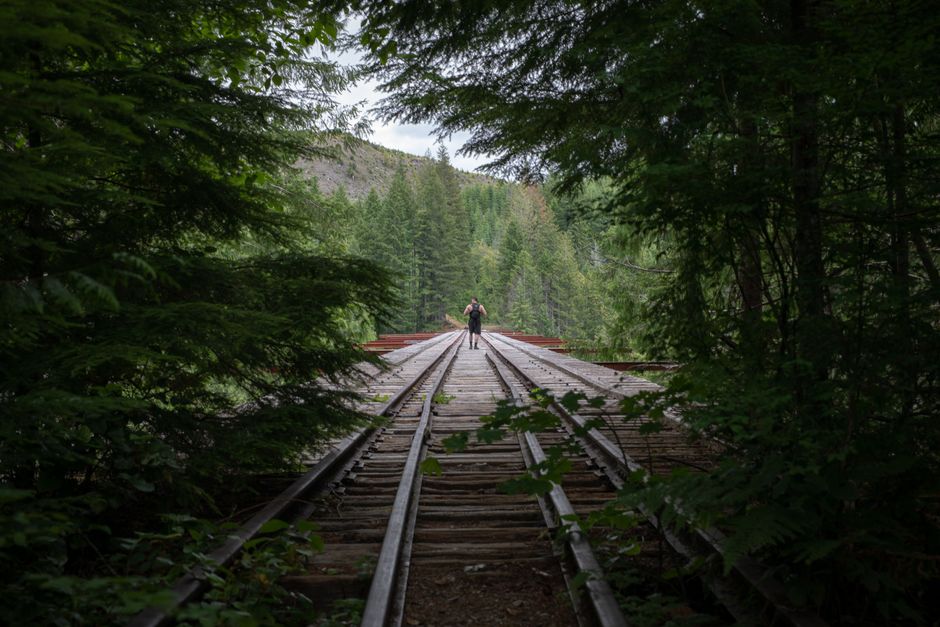
8. Historic-Overpass-No-Toll-Booths
Kinsol Trestle, Vancouver Island, British Columbia, Canada
Cross one of the tallest free-standing timber trestles in the world, a marvel of early 20th-century engineering now repurposed as a scenic pedestrian bridge.
The Kinsol Trestle, part of the Cowichan Valley Trail, is a magnificent structure that soars 44 meters above the Koksilah River. Built in 1920, this massive wooden railway bridge showcases incredible craftsmanship and engineering ingenuity from a bygone era. Today, it stands as a testament to sustainable repurposing, offering hikers and cyclists a stunning route through lush forest, a beautiful piece of history preserved for public enjoyment, free from commercialization.
Frequently asked questions
What's unique about Canadian place names?
Canadian place names often reflect Indigenous languages, early European explorers, local geography, or whimsical stories. Unlike some other nations, there's a strong tradition of preserving unique local identities rather than standardizing names.
Are there any 'gravity hills' in Canada?
Yes, Canada has several 'gravity hills' or 'magnetic hills,' the most famous being Magnetic Hill in Moncton, New Brunswick. These are optical illusions where the surrounding landscape makes a slight downhill slope appear to be uphill, creating a fun, disorienting effect for drivers.
What are some lesser-known natural wonders in Canada?
Beyond the famous Rockies or Niagara Falls, Canada boasts many hidden gems like the Athabasca Sand Dunes in Saskatchewan, the Crooked Bush, or the 'singing sands' of Basin Head in Prince Edward Island. These spots offer unique geological or biological phenomena off the beaten path.
How can I learn more about these Canadian places while traveling?
The AllTours.ai app is designed for this exact purpose. Simply point your phone camera at any landmark or landscape, and the app will provide a rich narration of its history, geology, and culture in your preferred language, turning every view into a story.
Related guides
Photography via Pexels. AllTours.ai is an AI audio tour guide — point your camera at any landscape and hear its story.