
September 3, 2026 · 5 min read
When the hunger pangs hit late at night, our minds often jump to comfort food. But for the curious traveler, late-night cravings extend beyond the plate. We yearn for a different kind of sustenance: the thrill of discovery, the quiet contemplation of ancient history, and the profound connection to our planet's hidden wonders.
Forget the usual tourist traps. Tonight, we're exploring truly underrated places around the globe, each with a specific, vivid story that comes alive under the veil of dusk or the brilliance of a star-filled sky. These aren't just destinations; they're experiences that feed the soul, offering a deeper, healthier engagement with the world.
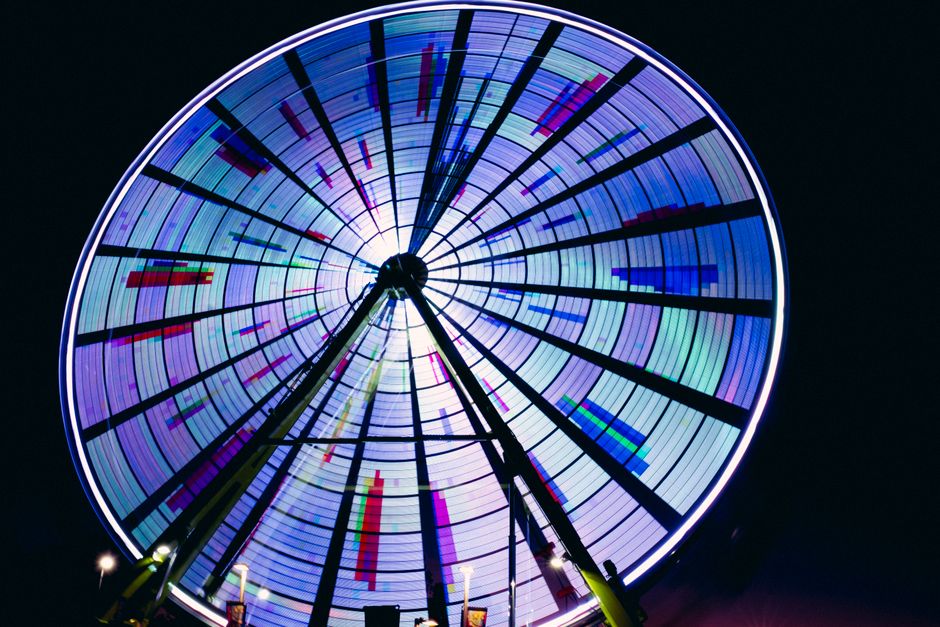
1. The Millennial Wheel of Cordoba
Noria de Albolafia, Cordoba, Spain
A giant wooden water wheel that has turned for over a thousand years, silently supplying a city's gardens and palaces.
On the Guadalquivir river in Cordoba stands the Noria de Albolafia, a massive wooden water wheel whose rhythmic creak has echoed for over a millennium. Originally Roman, then perfected by the Moors, it lifted water to irrigate the city's lush gardens and supply the Alcázar. Though briefly silenced due to noise complaints, its historical significance led to its restoration, a testament to Cordoba's enduring past. Imagine its quiet turning, a constant heartbeat of history, under a moonlit Spanish sky.
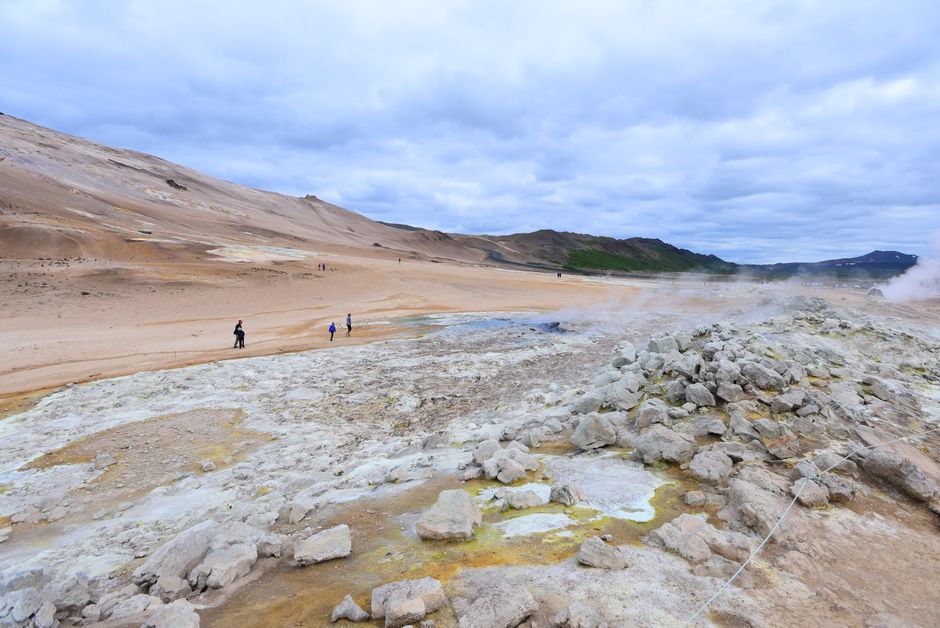
2. Iceland's Whispering Earth
Hverir, Myvatn, Iceland
A stark, alien landscape where the Earth's raw power manifests in bubbling mud pots and hissing fumaroles.
Hverir, near Lake Myvatn in Iceland, presents an otherworldly scene of bubbling mud pots and hissing fumaroles. The ground here is painted in vibrant reds, yellows, and oranges by mineral deposits, and the air carries the distinct scent of sulfur. It's a place where the planet's geothermal energy is visibly and audibly at work, creating an almost surreal atmosphere. As twilight descends, the steam plumes glow, making it feel like a visit to another planet.
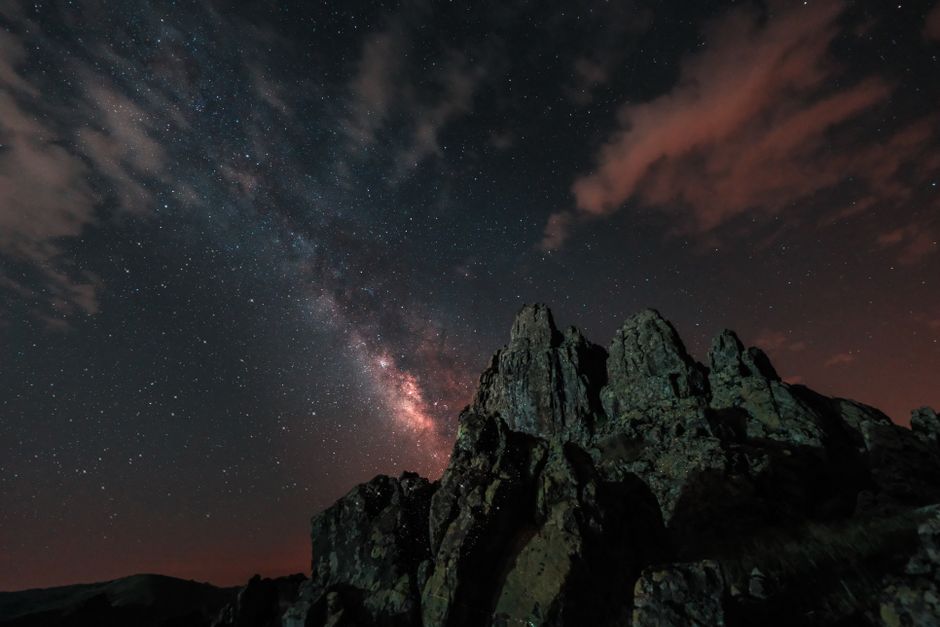
3. The Bronze Age Star Chart
Kokino Megalithic Observatory, North Macedonia
An ancient 'stone calendar' used by Bronze Age people to precisely track celestial events and mark the passage of time.
Perched high on a volcanic hill in North Macedonia, the Kokino Megalithic Observatory dates back nearly four millennia. Discovered by archaeologists, this site features carefully placed stone markers aligned with the rising points of the sun and moon during solstices and equinoxes. It served as both a sacred space and a precise calendar for early farmers, helping them predict seasons and agricultural cycles. Standing here at night, under a clear, unpolluted sky, offers a profound connection to our ancestors' cosmic wonder.
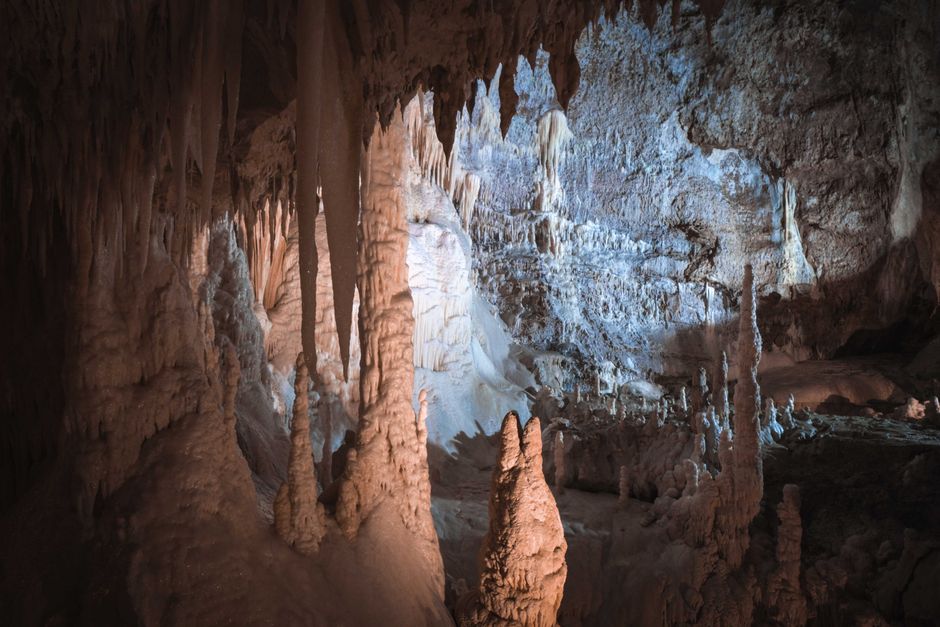
4. France's Hidden Subterranean City
Naours Caves, Picardy, France
A vast, hidden underground village that offered secret refuge to entire communities during centuries of conflict.
The Caves of Naours in Picardy, France, are far more than simple caverns; they constitute an ancient underground city, a labyrinth of chambers and tunnels carved into the chalk cliffs. For centuries, starting in the Middle Ages, villagers would retreat into this subterranean world during invasions and wars, bringing their livestock and possessions. Later, during both World Wars, soldiers used parts of it as shelter. Exploring its silent passages late in the day evokes the forgotten lives and desperate hope of those who sought refuge beneath the earth.
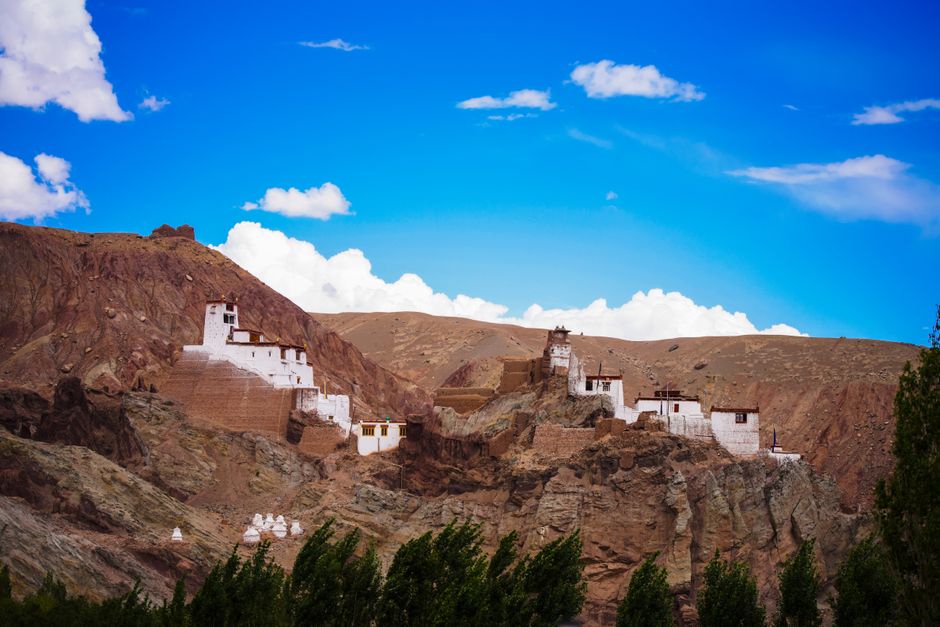
5. The Zanskar Valley's Cave Monastery
Phuktal Monastery, Zanskar Valley, India
A remote monastery built like a honeycomb into a cliff face, accessible only by foot, where monks live in ancient solitude.
Perched precariously within a natural cave in India's remote Zanskar Valley, Phuktal Monastery, meaning 'cave of liberation,' is a sight to behold. Founded in the early 12th century, this unique gompa is built seamlessly into the cliff face, overlooking a tributary of the Lungnak River. Accessible only by a strenuous trek or helicopter, it remains one of the last monastic outposts reachable solely on foot, offering a profound sense of peace and isolation under a vast, star-filled Himalayan sky.
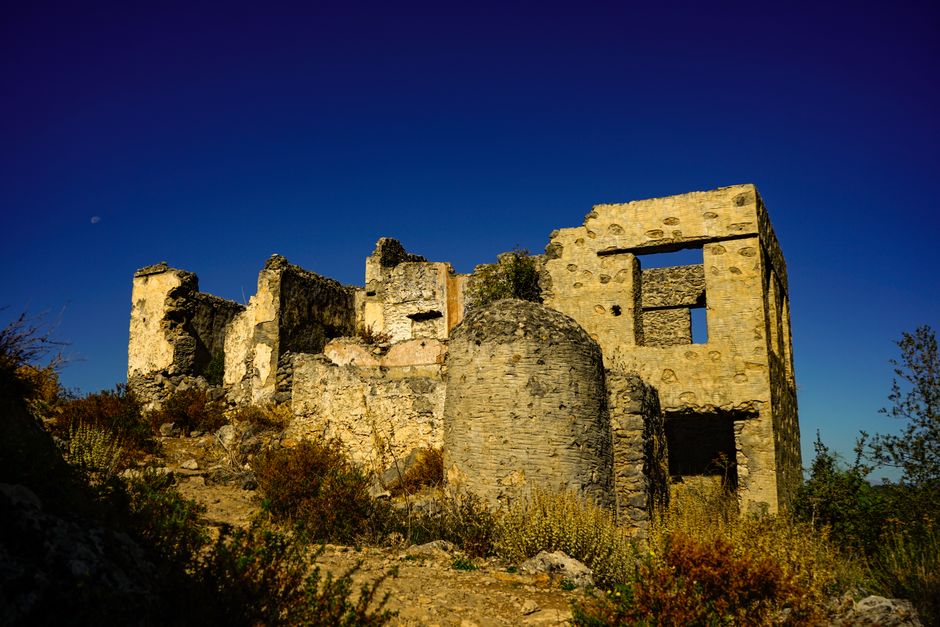
6. Italy's Silent Medieval Ghost Town
Craco, Basilicata, Italy
A dramatic medieval ghost town slowly crumbling into the landscape after centuries of abandonment due to landslides.
High in the Basilicata region of southern Italy, the ancient village of Craco stands eerily abandoned. Founded in the 8th century, it was a thriving medieval town until a series of devastating landslides and earthquakes in the mid-20th century forced its inhabitants to evacuate. Today, its empty stone houses cling precariously to the hillside, slowly being reclaimed by nature. Walking through its silent, crumbling streets at dusk feels like stepping into a forgotten dream, a poignant reminder of nature's power and human resilience.
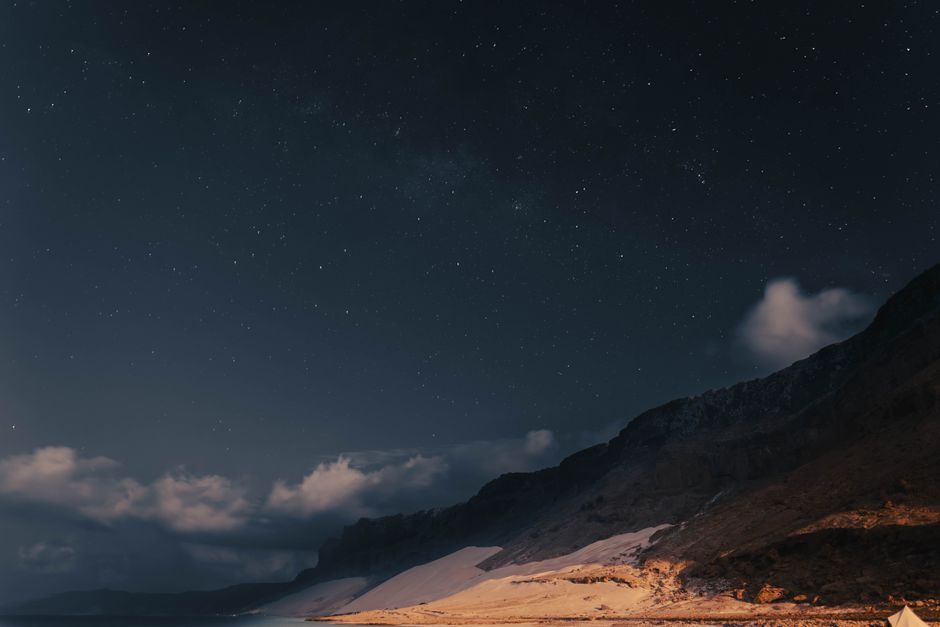
7. Socotra's Dragon's Blood Oasis
Socotra Island, Yemen
An island so isolated it evolved unique 'dragon's blood' trees and other flora found nowhere else on Earth.
Socotra, an island in the Arabian Sea off the coast of Yemen, is often called the 'Galapagos of the Indian Ocean' due to its incredible biodiversity and endemic species. Its most iconic residents are the Dragon's Blood Trees (Dracaena cinnabari), with their umbrella-like canopies and red sap, alongside bottle trees and cucumber trees that look like something from a fantasy novel. This ancient landscape, sculpted by millennia of isolation, offers an unparalleled glimpse into evolutionary wonder, especially under the clear desert night sky.
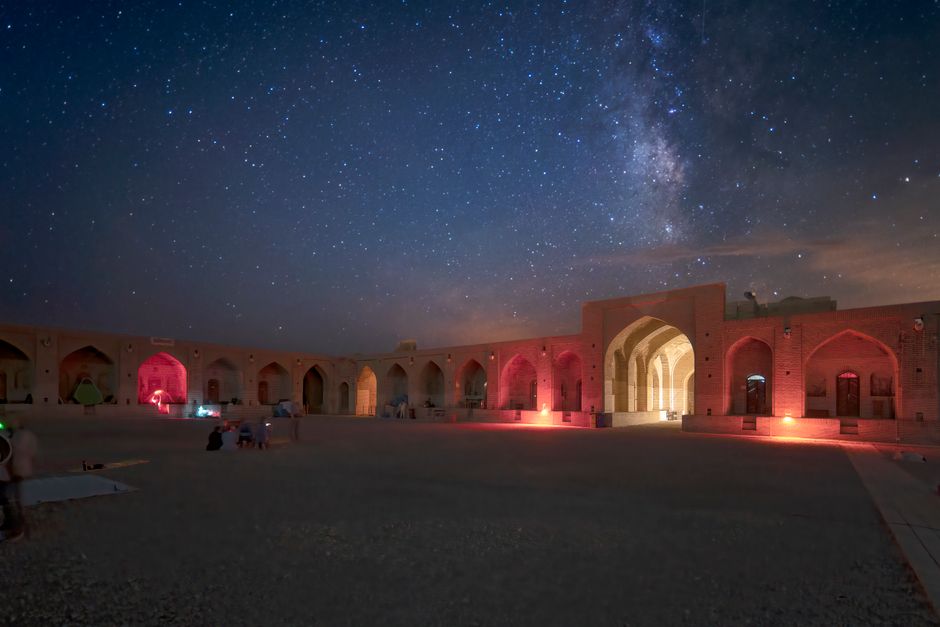
8. The Silk Road's Desert Sanctuary
Caravanserai of Zein-o-din, Iran
A perfectly preserved, circular caravanserai where Silk Road travelers once found safe haven under the desert stars.
Deep in the Iranian desert, near Yazd, stands the Caravanserai of Zein-o-din, a circular, perfectly symmetrical desert inn from the Safavid era. Built to house weary Silk Road merchants, their animals, and goods, it offered a vital oasis of safety and rest on arduous journeys. Its thick walls protected against bandits and the elements, while its central courtyard provided a communal space. Spending a night here, imagining the caravans of old arriving under the vast, star-dusted desert sky, connects you to centuries of human endeavor and trade.
Frequently asked questions
What makes a travel destination 'underrated'?
An underrated destination is typically a place with significant historical, cultural, or natural beauty that doesn't receive the same level of tourist attention as more famous sites. These spots often offer a more authentic and intimate travel experience, free from large crowds, allowing for deeper exploration and connection.
How can I find unique, lesser-known places like these when I plan my travels?
To uncover such gems, dive into local history books, explore regional tourism websites (not just national ones), and seek out recommendations from local residents or specialized travel blogs focused on off-the-beaten-path experiences. Looking for places slightly off major highways or popular routes often yields rewarding discoveries.
Is it safe to explore lesser-known locations, especially at night?
Safety should always be a priority. While the allure of late-night exploration is strong, always research local conditions, heed official warnings, and consider hiring a local guide for unfamiliar or isolated areas. Inform someone of your plans, carry essential supplies, and trust your instincts.
How does the AllTours.ai app enhance my travel experience in these remote places?
The AllTours.ai app brings the rich stories of these remote and historical places directly to you. Simply point your phone camera at any landmark, landscape, or ancient ruin, and the app instantly narrates its unique history, geological formation, and cultural significance in your preferred language, transforming your exploration into a deeply informed and personal journey.
Related guides
Photography via Pexels. AllTours.ai is an AI audio tour guide — point your camera at any landscape and hear its story.