September 22, 2026 · 4 min read
Every traveler dreams of discovering the most breathtaking corners of our planet. While iconic landmarks often steal the spotlight, many of Earth's most beautiful cities and places remain quietly spectacular, waiting to share their unique stories and charm with those willing to venture a little off the well-trodden path.
This guide invites you to look beyond the usual postcards and explore destinations where history, geology, and culture have converged to create truly unforgettable experiences. These are not just pretty places; they are living narratives, each with a surprising hook that makes them awesome to know about.
1. The Citadel of Dracula's Birthplace
Sighișoara, Romania
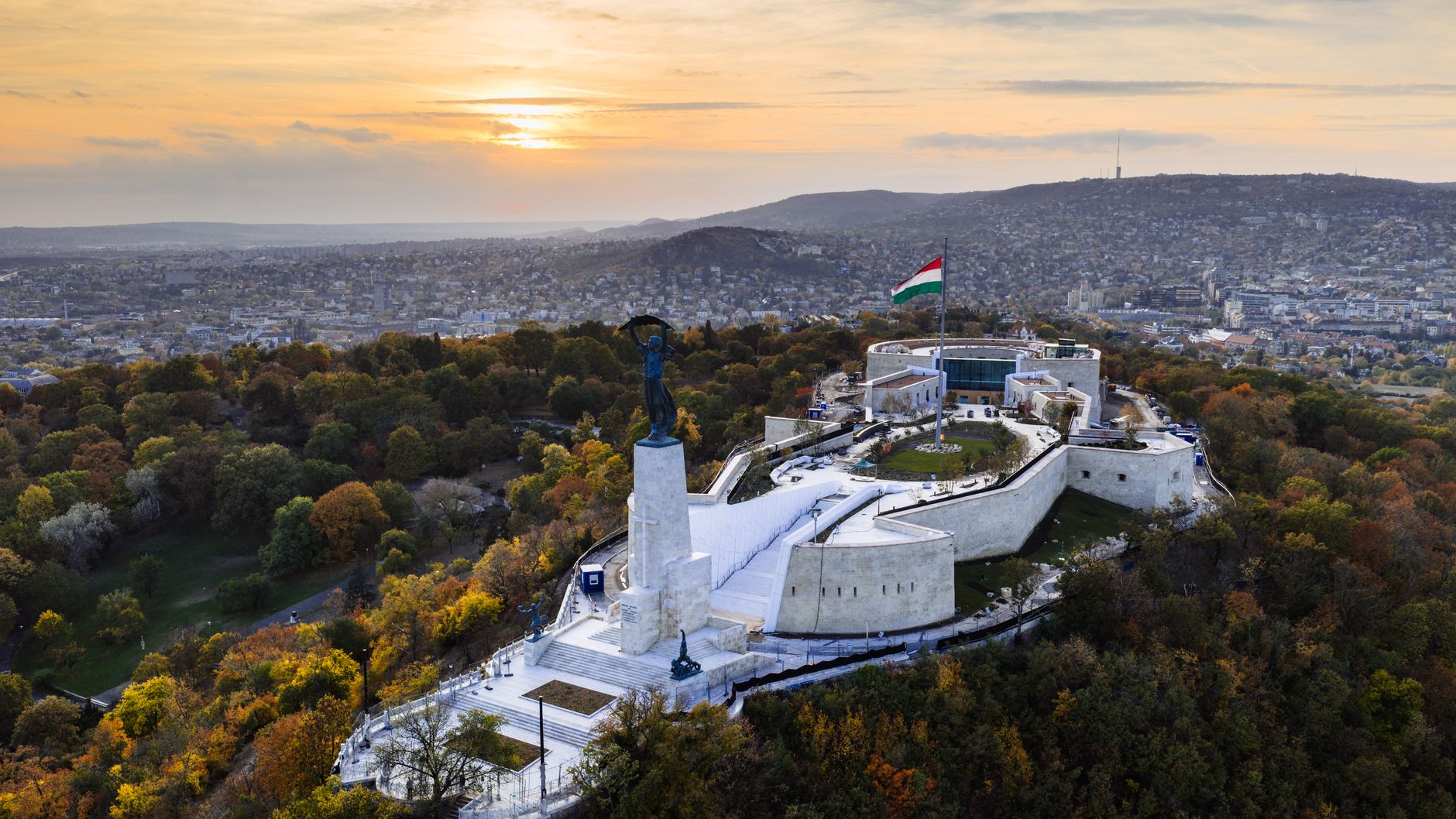
This colorful, perfectly preserved medieval citadel is the only one in Europe still inhabited, and it’s famously the birthplace of Vlad the Impaler.
Step into Sighișoara and you're stepping back in time. This UNESCO World Heritage site boasts cobbled streets, nine towers, and vibrant houses that seem frozen in the 16th century. Beyond its storybook charm, Sighișoara holds a darker fame as the birthplace of Vlad III Dracula, the historical figure who inspired Bram Stoker's legendary vampire. The house where he was born still stands, adding a chilling layer to the town's rich history.
2. The Ksar of Ancient Trade Routes
Ait Benhaddou, Morocco
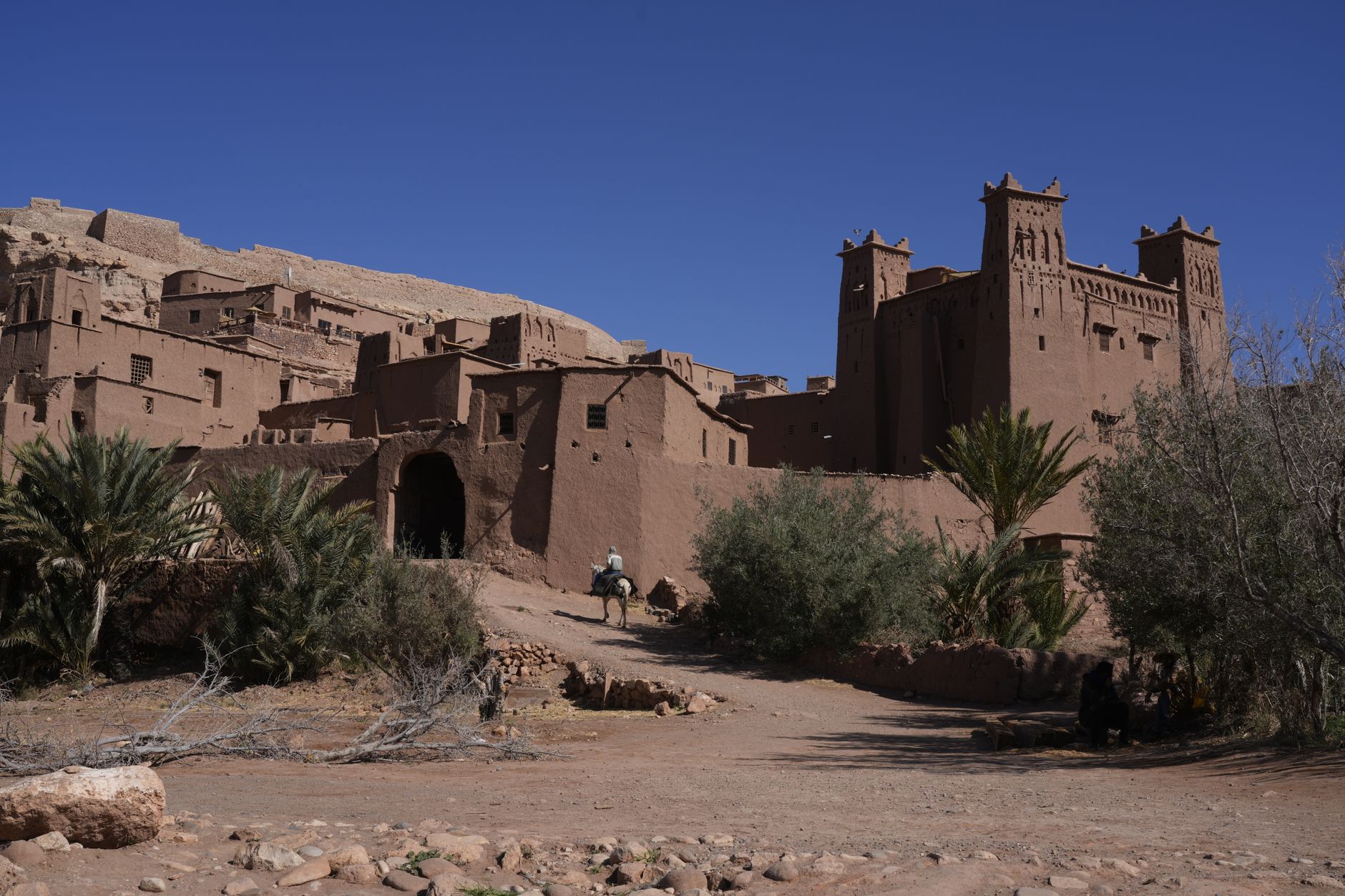
This fortified village, or 'ksar,' is a stunning example of pre-Saharan earthen architecture and was a vital stop on the ancient trans-Saharan trade route.
Clinging to a hillside overlooking a river, Ait Benhaddou appears like a magnificent sandcastle rising from the landscape. Its ancient mud-brick kasbahs, intricately decorated with geometric patterns, have stood for centuries, witnessing caravans laden with gold, salt, and spices. The ksar's strategic location made it a bustling hub for merchants traveling between Marrakech and the Sahara. Today, its striking beauty and historical significance have made it a favorite backdrop for numerous films and television series.
3. The Roadless Village of Canals
Giethoorn, Netherlands
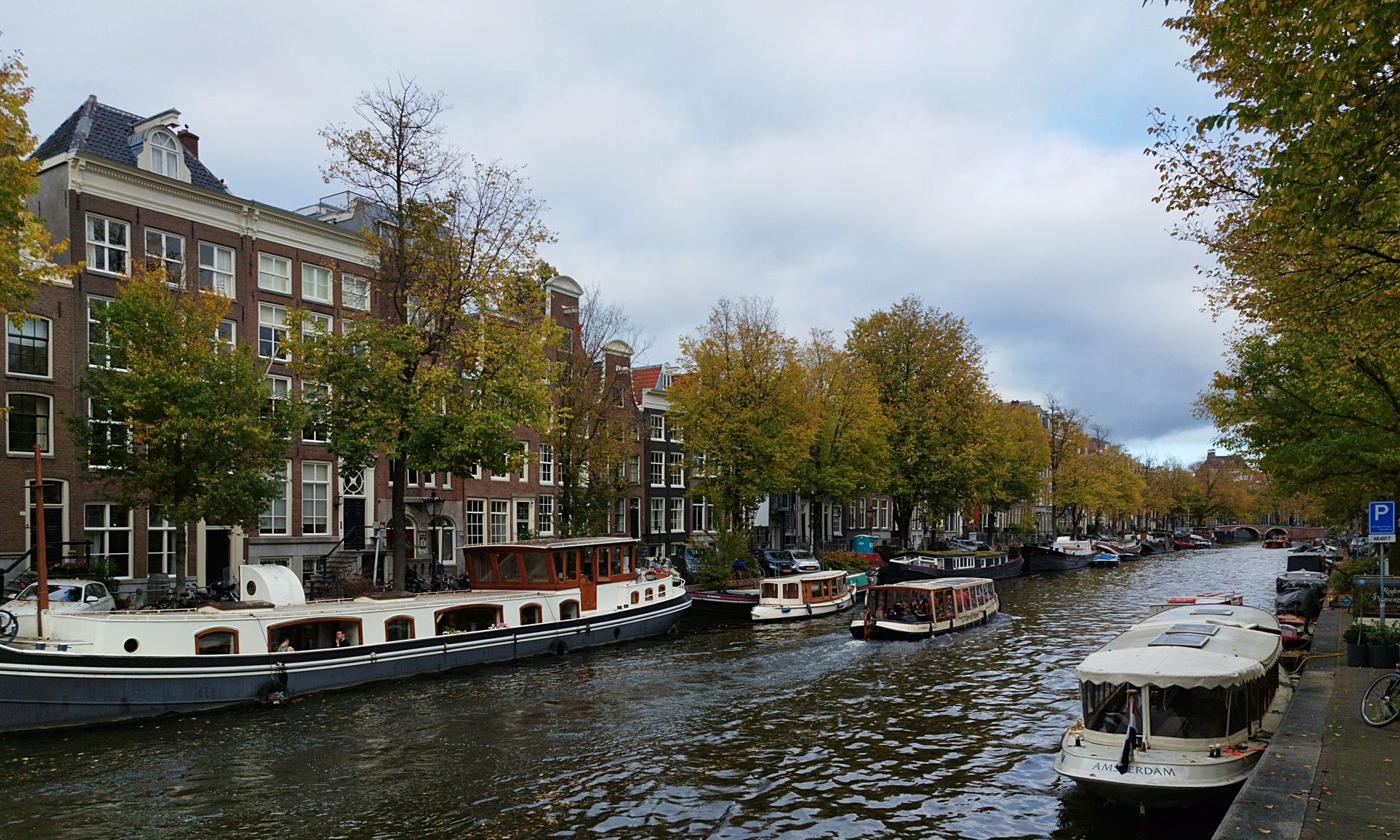
Dubbed the 'Venice of the North,' this serene Dutch village has no roads in its old center; canals are the main form of transportation.
Giethoorn's unique layout is a direct result of its history as a peat-cutting community. Over centuries, workers extracted peat, creating lakes and ponds, and leaving behind small islands that could only be accessed by boat. Today, charming thatched-roof farmhouses line these waterways, connected by over 176 picturesque wooden bridges. The quiet village atmosphere, where the loudest sound is often a duck quacking, offers a tranquil escape unlike any other.
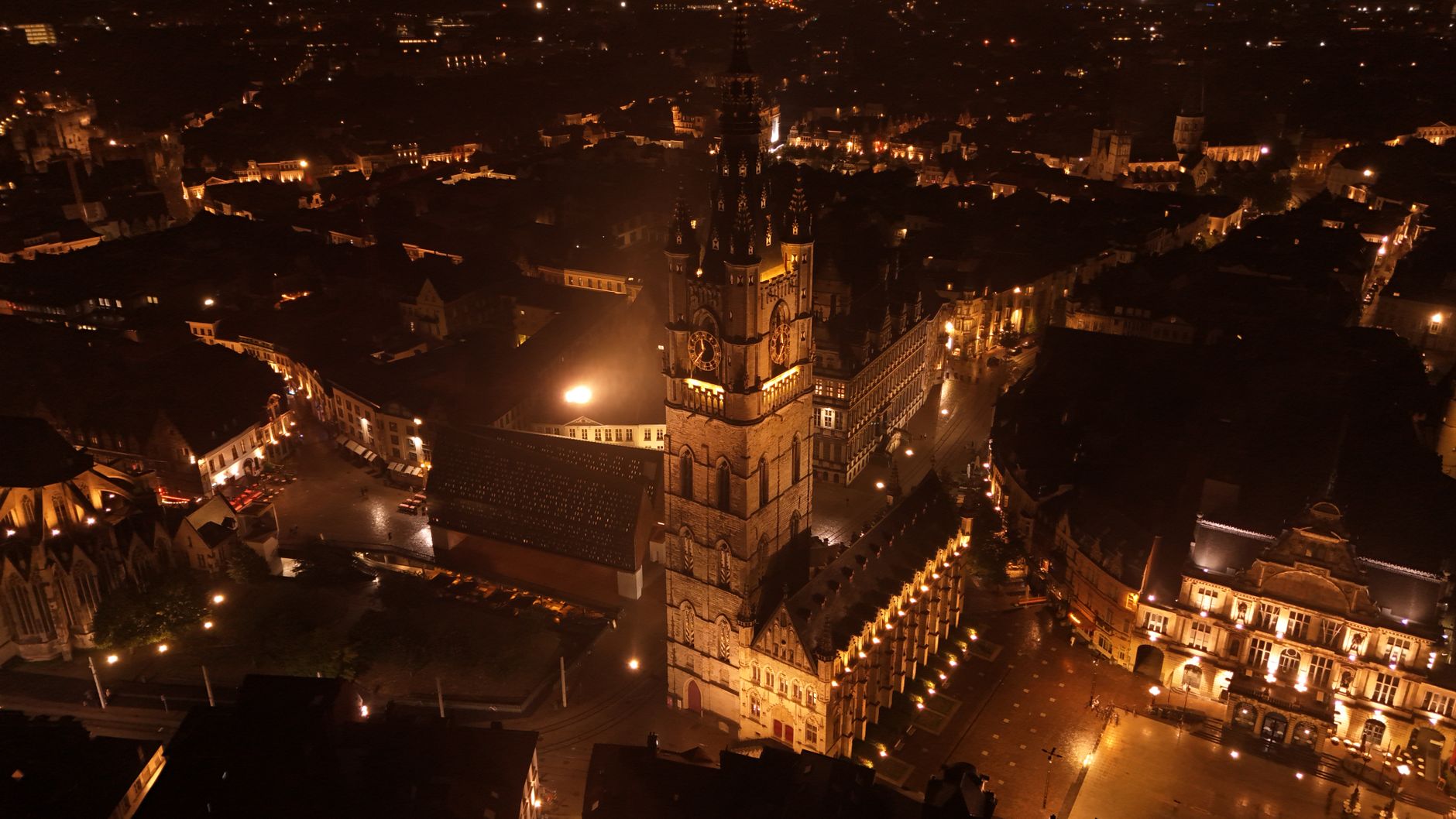
4. Ghent's Medieval Textile Riches
Ghent, Belgium
Once one of Europe's largest and wealthiest cities thanks to its textile industry, Ghent’s medieval splendor rivals its more famous Belgian counterparts.
While Bruges often gets the spotlight, Ghent holds its own as a magnificent medieval city. In the Middle Ages, its powerful guild of cloth merchants amassed immense wealth, funding grand churches, imposing castles, and opulent guildhalls that still line its canals and squares. The city's architectural grandeur, particularly around the Graslei and Korenlei, tells a story of economic might and artistic patronage that shaped its unique character, often overlooked by those rushing to other cities.
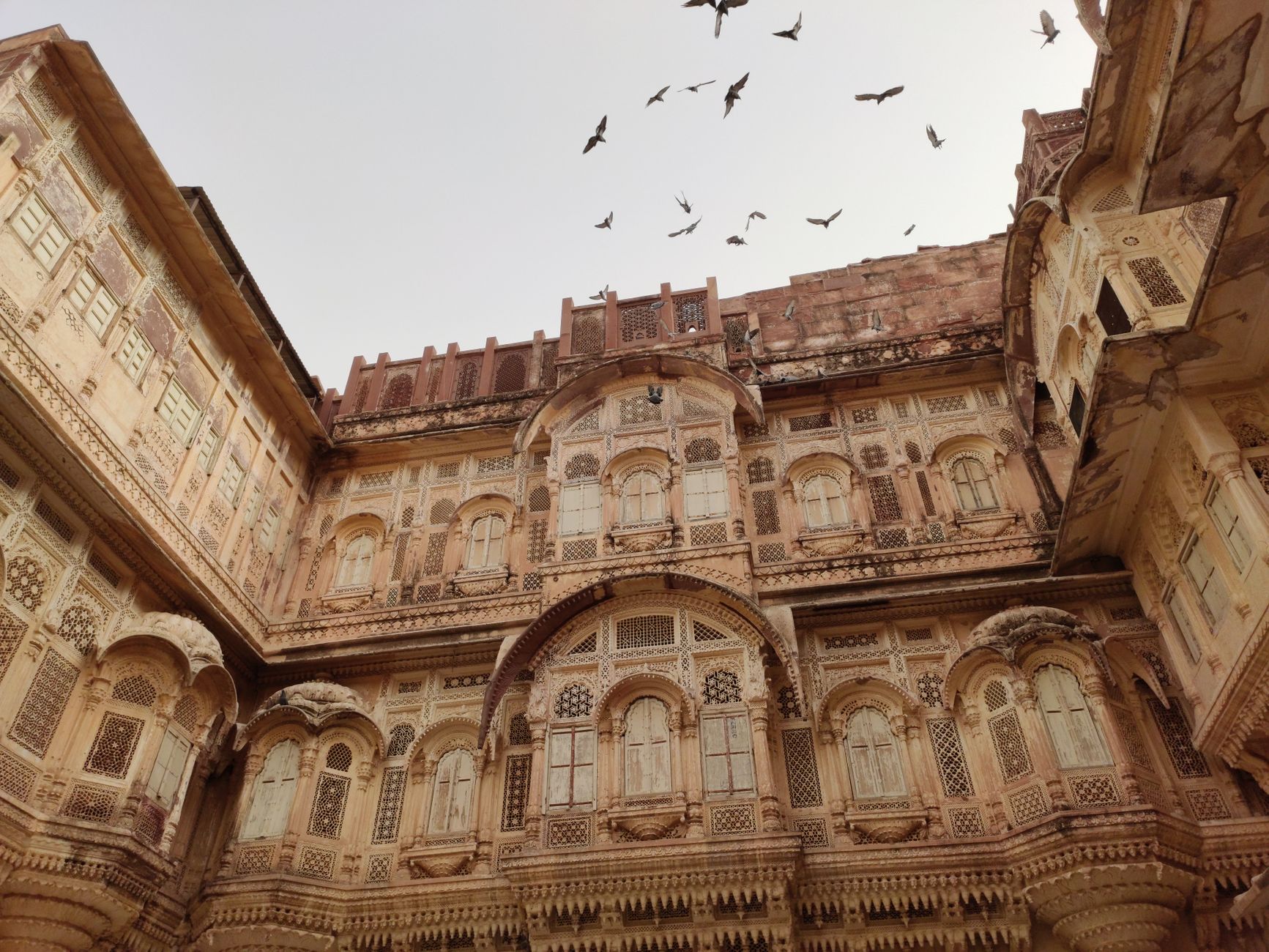
5. The Blue City's Cultural Dye
Jodhpur, India
Jodhpur earned its 'Blue City' moniker not just for aesthetics, but historically because Brahmin residents painted their houses blue to signify their status and keep homes cool.
From the formidable Mehrangarh Fort, Jodhpur unfolds below in a mesmerizing sea of blue. While many assume the color is purely decorative, its origins are deeply cultural and practical. Traditionally, blue signified the homes of Brahmins, India's priestly caste. The color, often indigo, was also believed to repel insects and keep houses cooler in the desert heat. Wandering through its labyrinthine alleys reveals a vibrant history painted on every wall, creating a truly unique urban landscape.
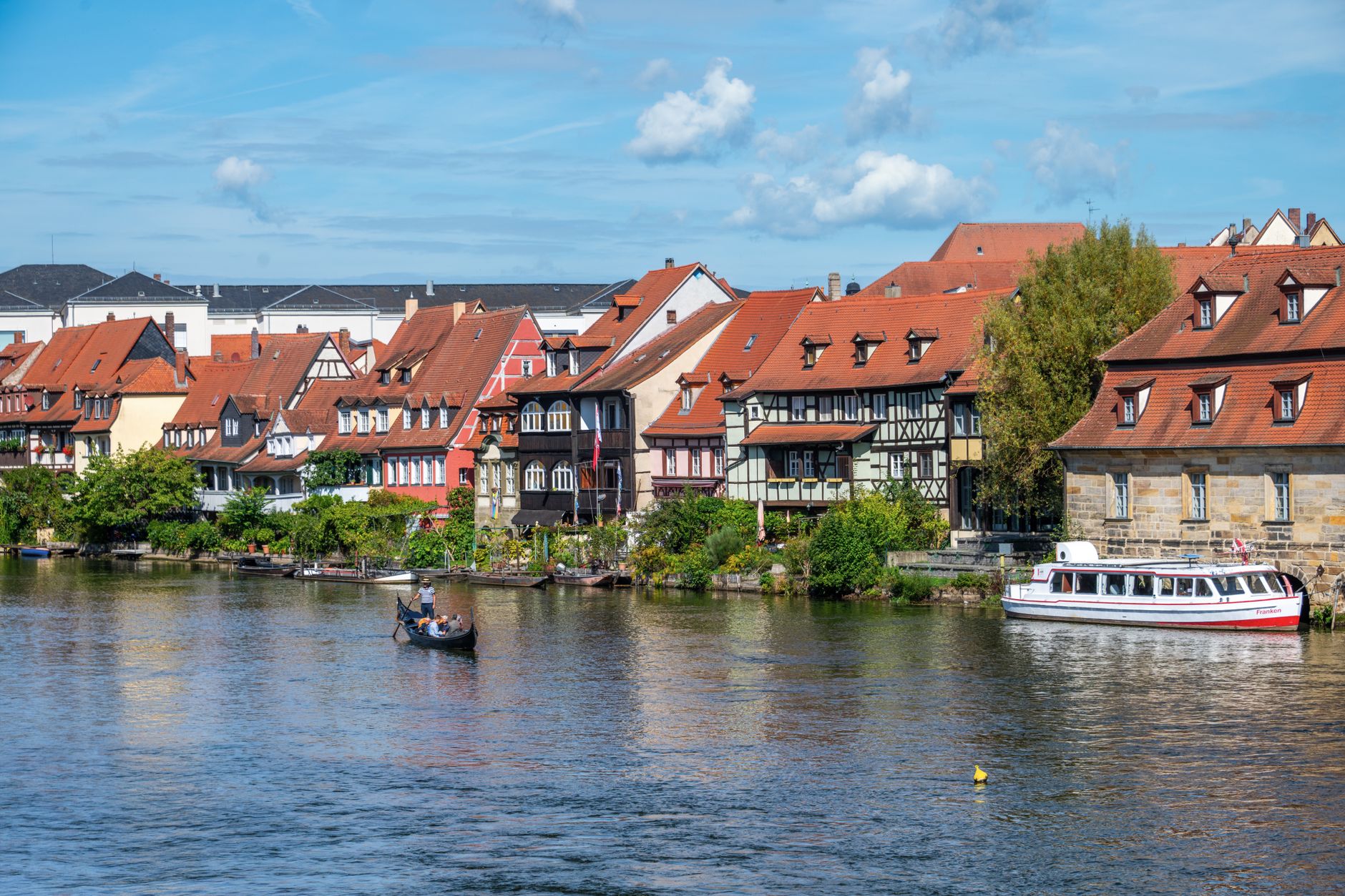
6. Colmar's Franco-German Tapestry
Colmar, France
This charming Alsatian town’s unique blend of French and German architecture is a living testament to centuries of shifting national identities and influences.
Colmar, with its 'Little Venice' district and half-timbered houses, looks like a scene from a fairytale. However, its distinctive architectural style and cultural nuances tell a deeper story. For centuries, Colmar, located in the Alsace region, has passed between French and German rule, each period leaving an indelible mark. This historical tug-of-war has resulted in a fascinating fusion of traditions, cuisine, and building styles, making it a truly unique cultural crossroads.
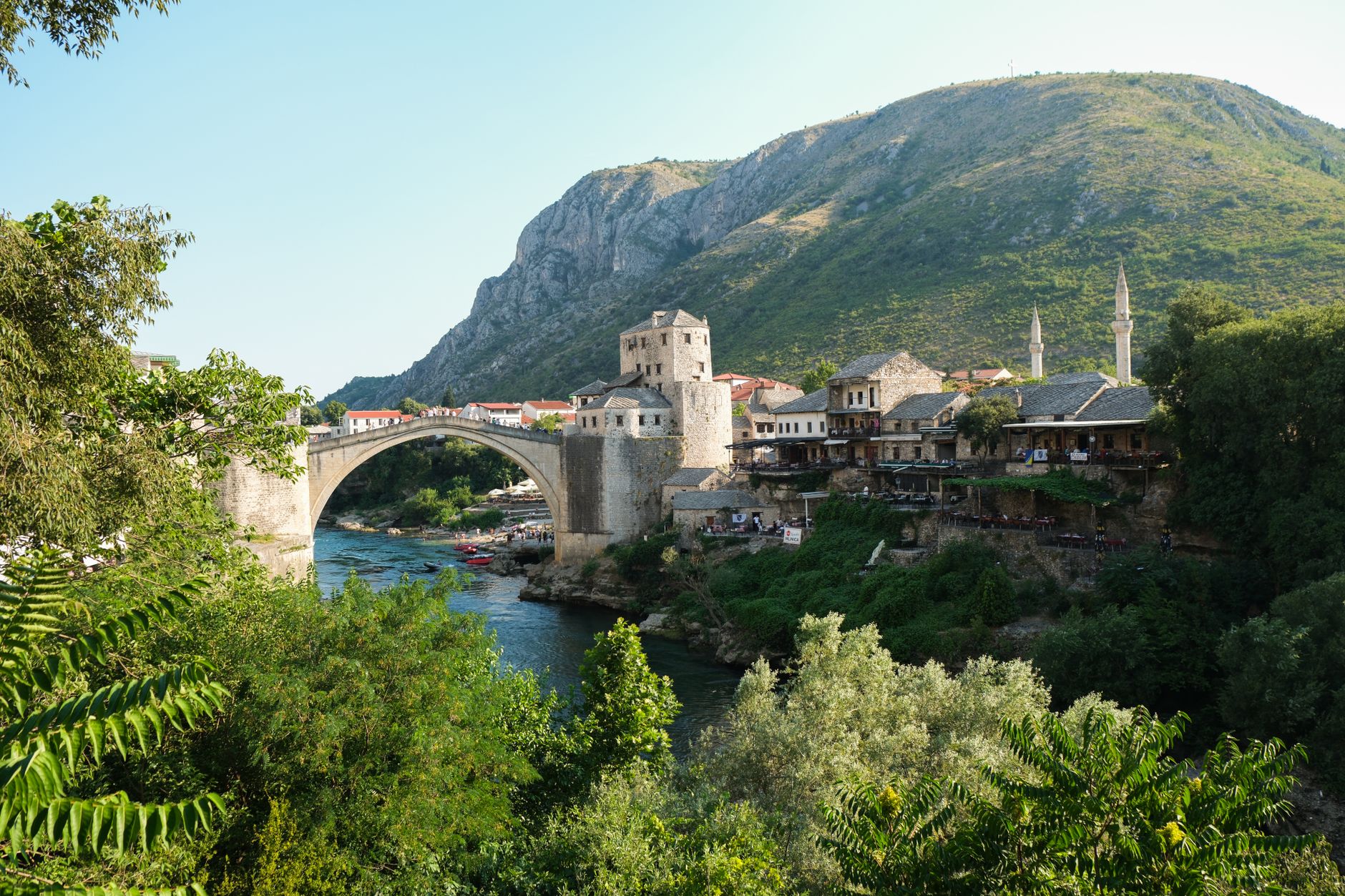
7. Mostar's Reborn Bridge of Unity
Mostar, Bosnia and Herzegovina
The iconic Stari Most (Old Bridge) is not just a stunning architectural feat; its destruction and painstaking reconstruction symbolize resilience and reconciliation.
Spanning the emerald waters of the Neretva River, the graceful arch of Stari Most has been a symbol of Mostar for centuries. Originally built by the Ottomans in the 16th century, it connected two distinct parts of the city. Tragically, it was destroyed during the Bosnian War in 1993. Its meticulous reconstruction, using the original techniques and stone, was completed in 2004, serving as a powerful testament to the city's spirit and a poignant reminder of its complex history and hope for unity.
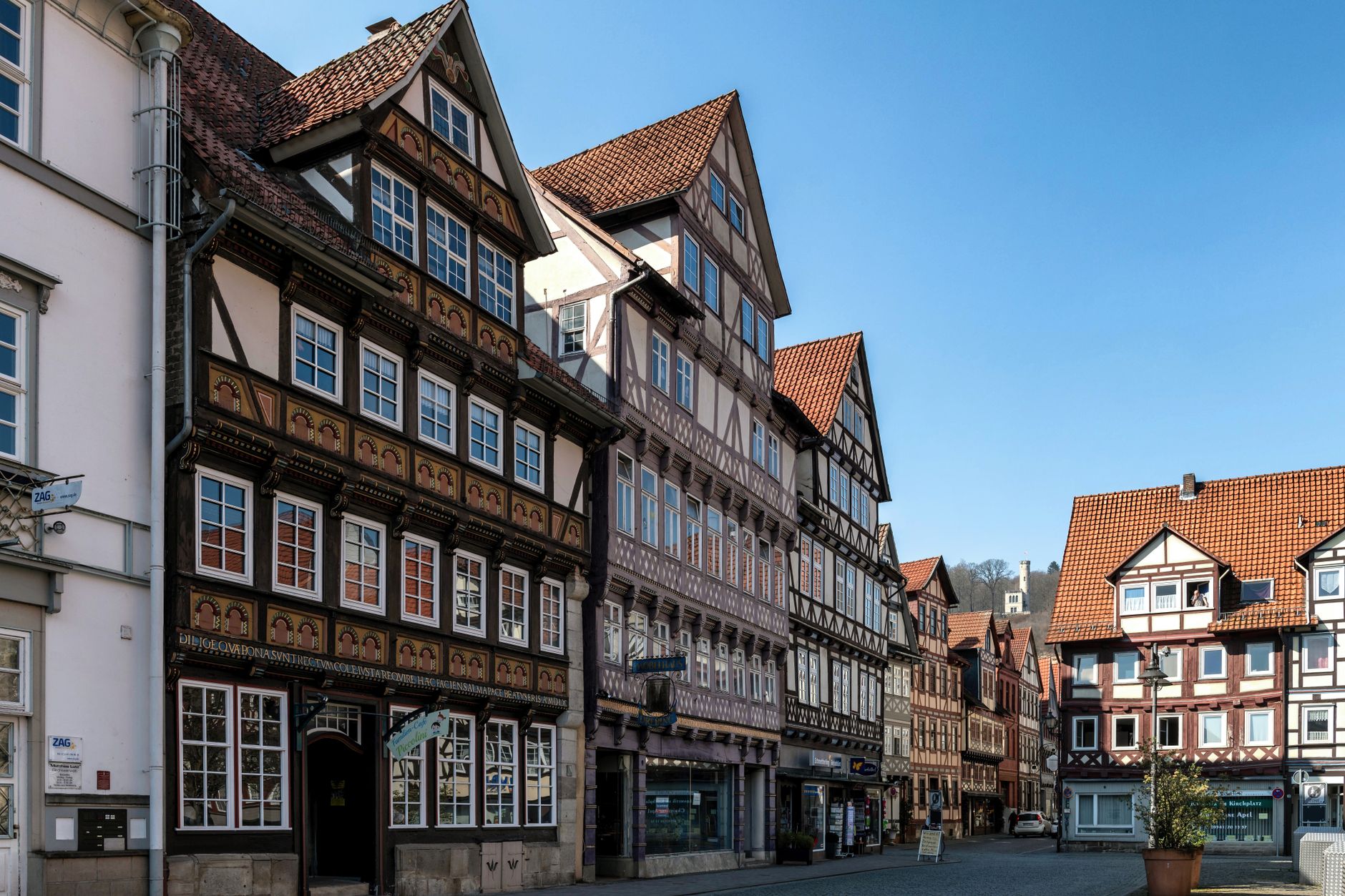
8. Quedlinburg's Timbered Treasury
Quedlinburg, Germany
This UNESCO World Heritage town boasts over 2,000 half-timbered houses spanning six centuries, making it one of the best-preserved medieval and Renaissance towns in Europe.
Wander through Quedlinburg's enchanting cobblestone streets and you'll find yourself immersed in a living museum of architectural history. The sheer number and variety of its half-timbered houses, some dating back to the 14th century, are astounding. Unlike many German towns heavily damaged in wars, Quedlinburg remained remarkably intact, offering an unparalleled glimpse into the evolution of timber construction and urban planning through the ages. Its narrow alleys and hidden courtyards invite endless exploration.
Frequently asked questions
How do I find truly unique places to visit beyond the usual tourist spots?
To discover unique destinations, look for UNESCO World Heritage sites that are less talked about, research places known for specific geological formations, or explore regions with distinct cultural histories. Reading blogs and travel guides focused on 'hidden gems' or 'off-the-beaten-path' travel can also provide excellent inspiration.
What makes a city 'beautiful' beyond its appearance?
True beauty in a city often comes from its story – the layers of history, the cultural narratives embedded in its architecture, the resilience of its people, or the unique way it interacts with its natural environment. A place becomes truly awesome when its visual appeal is enhanced by a deeper understanding of its past and present.
Are these lesser-known places safe for travelers?
Generally, yes, but safety can vary. Always research the current travel advisories for any country or region you plan to visit. Lesser-known places often offer a more authentic and intimate experience, but it's wise to practice standard travel safety precautions, like being aware of your surroundings and securing your belongings.
How can AllTours.ai enhance my visit to these beautiful places?
AllTours.ai is designed to bring the hidden stories of any place to life. Simply point your phone camera at a landmark, landscape, or even a local market, and the app will narrate its history, geology, and culture in your preferred language. It's like having a personal, knowledgeable guide instantly, revealing the 'awesome to know about' facts that make these destinations so special.
Related guides
Photography via Pexels. AllTours.ai is an AI audio tour guide — point your camera at any landscape and hear its story.