July 22, 2026 · 4 min read
Every traveler dreams of stumbling upon something truly unexpected, a hidden gem that defies all expectations. While popular landmarks draw crowds, the real magic often lies off the well-trodden path, in places where history, geology, and culture converge in surprising ways.
Forget the usual postcards. This guide delves into lesser-known wonders, each with a captivating story that will spark your curiosity and remind you that the world is full of incredible, unforeseen discoveries waiting to be made.
1. The Door to Hell's Eternal Flame
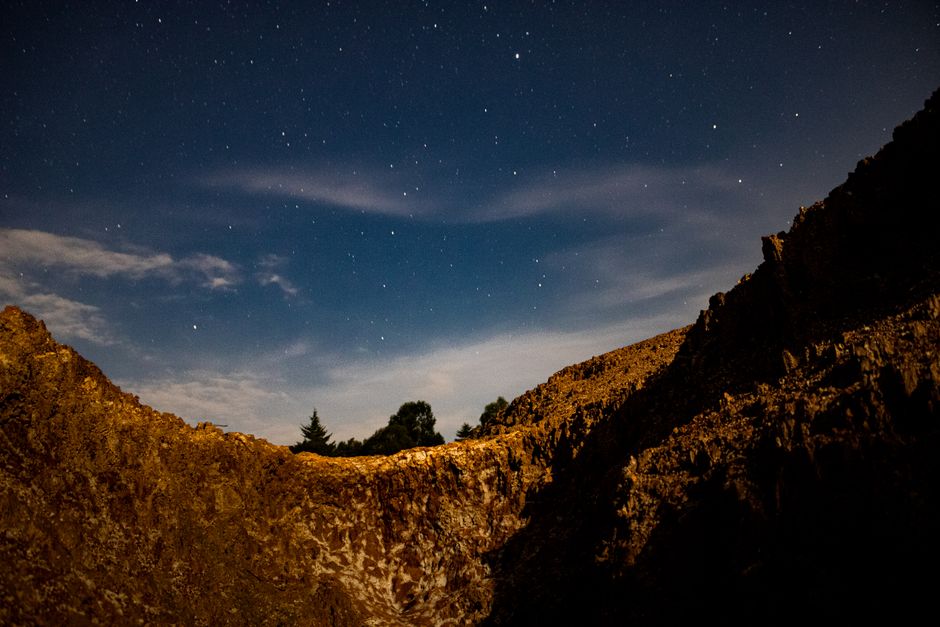
Derweze Gas Crater, Turkmenistan
A Soviet-era drilling accident in the desert created a fiery pit that has been burning continuously for over five decades.
In 1971, Soviet geologists were drilling for natural gas in the Karakum Desert when their rig collapsed into a cavern, creating a large crater. Fearing the release of poisonous methane gas, they decided to set it alight, expecting it to burn off in a few weeks. That was over fifty years ago, and the "Door to Hell" continues to glow, a mesmerizing and somewhat terrifying spectacle in the middle of nowhere, visible for miles across the flat desert.
2. Greece's Lunar Beach Landscape
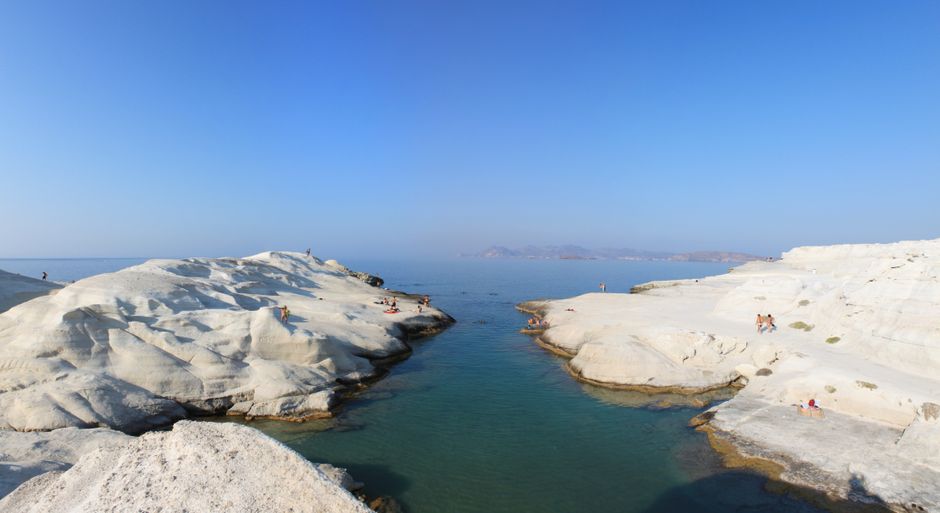
Sarakiniko Beach, Milos, Greece
This unique Greek beach isn't made of sand, but gleaming white volcanic rock sculpted by wind and waves to resemble a lunar surface.
On the island of Milos, Sarakiniko Beach offers an otherworldly experience without leaving Earth. Its distinct landscape of smooth, bright white volcanic ash formations, carved into bizarre shapes by millennia of erosion, creates an illusion of walking on the moon. There's no vegetation, just an intricate network of narrow inlets and natural tunnels, making it a favorite spot for photographers and those seeking a truly unique coastal vista.
3. The Underground City of Opal Miners
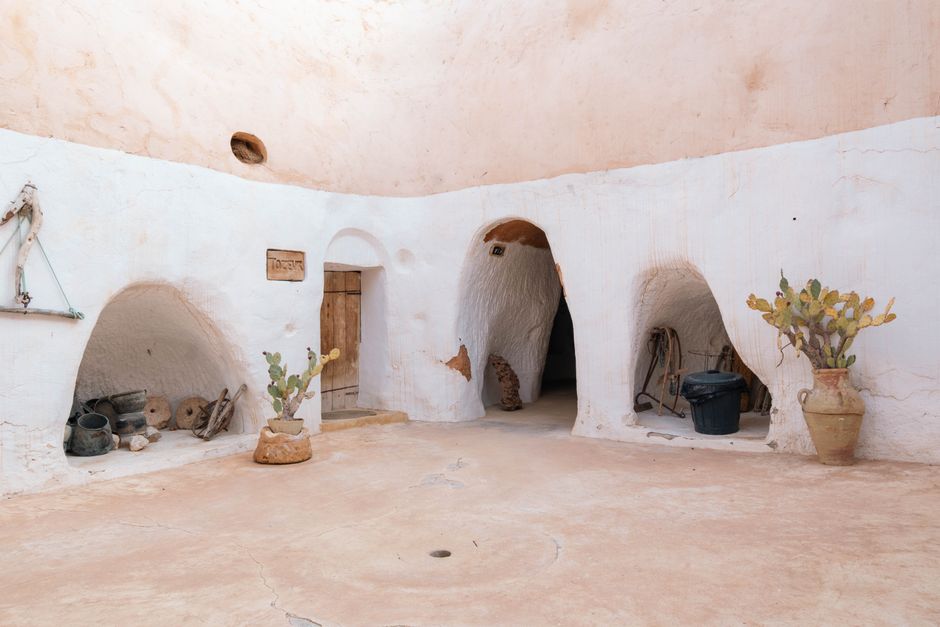
Coober Pedy, Australia
Due to scorching temperatures, an entire town lives and works beneath the surface of the Australian Outback, mining for precious opals.
Coober Pedy, located in the remote South Australian Outback, is famous for two things: being the world's largest producer of opal and for its 'dugouts' – underground homes. With summer temperatures soaring above 40°C (104°F), residents have carved their lives into the sandstone hills, creating a network of subterranean dwellings, churches, and even hotels. It's a fascinating example of human adaptation to an extreme environment, a hidden world beneath the dusty surface.
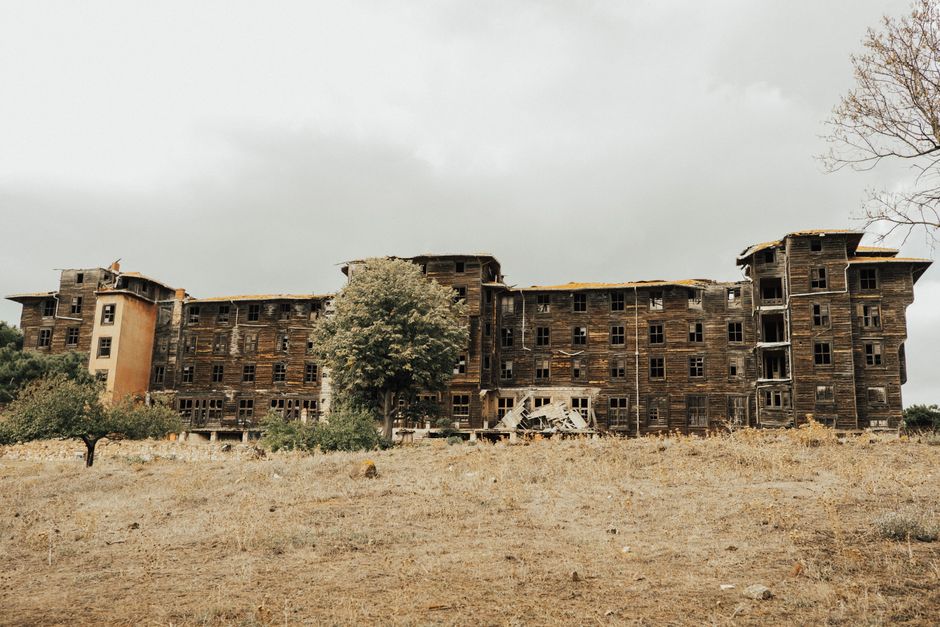
4. The Ghost Island's Concrete Jungle
Hashima Island, Japan
Once the most densely populated place on Earth, this abandoned island now stands as a desolate concrete monument to Japan's industrial past.
Hashima Island, often called 'Gunkanjima' (Battleship Island) due to its shape, was a bustling coal mining community from 1887 to 1974. At its peak, over 5,000 people lived on this tiny, self-contained island, crammed into concrete apartment blocks, schools, and hospitals. When the coal ran out, the island was abruptly abandoned, leaving behind an eerie, decaying cityscape that has since been reclaimed by nature and time, a stark reminder of rapid industrialization and decline.

5. The Chapel of Bones
Sedlec Ossuary, Czech Republic
A small chapel in the Czech Republic is macabrely decorated with the skeletons of an estimated 40,000 to 70,000 people.
The Sedlec Ossuary, near Kutná Hora, is not for the faint of heart. This Roman Catholic chapel houses the skeletal remains of tens of thousands, meticulously arranged to form decorations and furnishings. Chandeliers made of bones, garlands of skulls, and even a coat of arms crafted from human anatomy adorn the interior. The chilling artistry originated in the 15th century when a local abbot brought holy soil from Jerusalem, making the cemetery a desirable burial place, eventually leading to an overflow of remains that were later exhumed and artistically arranged.
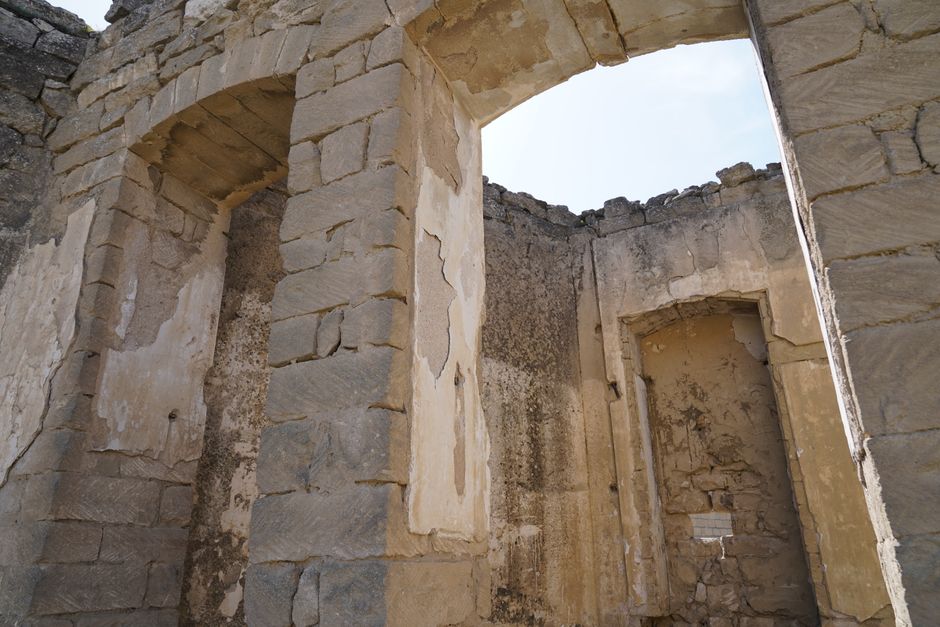
6. The Impossibly Precise Stones of Pumapunku
Pumapunku, Bolivia
Ancient ruins in the Andes feature incredibly intricate stonework with precision cuts that baffle modern engineers, predating known tool technology.
Pumapunku, part of the larger Tiwanaku site near Lake Titicaca, showcases some of the most astonishing stonework ever discovered. Massive, perfectly cut blocks of andesite and diorite, some weighing over a hundred tons, are interlocked with such precision that a razor blade cannot fit between them. The 'H-blocks' and intricate carvings display a level of engineering sophistication that seems impossible for the period, leaving archaeologists to ponder the methods and tools used by this ancient Andean civilization.
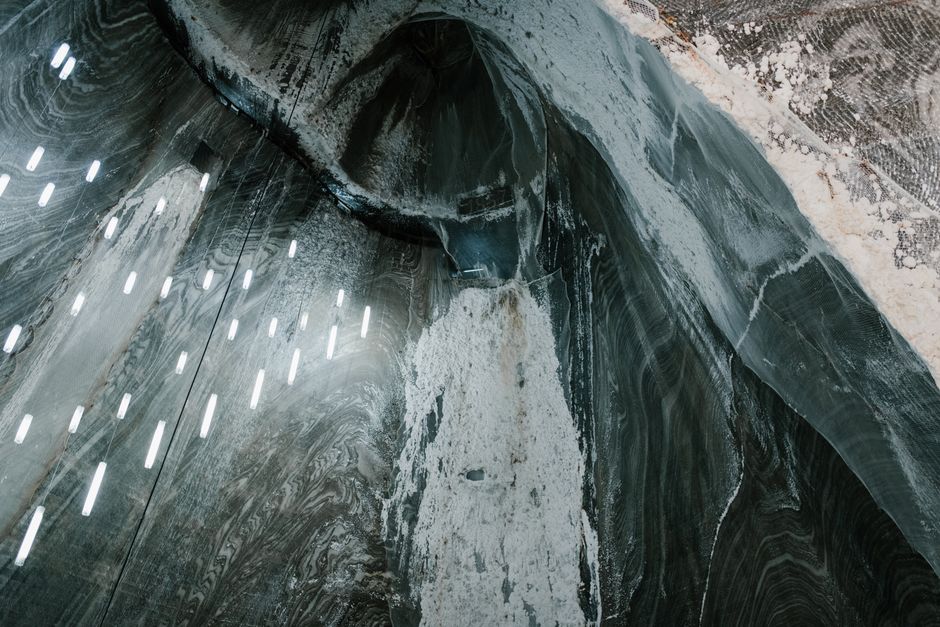
7. An Underground Cathedral of Salt
Wieliczka Salt Mine, Poland
Beneath Poland's surface lies a vast, ancient salt mine transformed into an incredible underground city, complete with chapels, lakes, and chandeliers carved entirely from salt.
The Wieliczka Salt Mine, a UNESCO World Heritage site, operated continuously from the 13th century until 2007. More than just a mine, it's a breathtaking subterranean world of tunnels, chambers, and chapels, all carved directly out of rock salt. Visitors can explore a labyrinthine network featuring intricate salt sculptures, glittering chandeliers made of salt crystals, and even an underground lake. It’s a testament to centuries of human ingenuity and devotion, a truly unexpected artistic and architectural marvel far beneath the earth.
Frequently asked questions
How can I find truly unique travel destinations off the beaten path?
To find unique destinations, start by researching lesser-known regions of popular countries or exploring places based on specific interests like geology, ancient history, or unique cultural practices. Look beyond mainstream travel guides and delve into local blogs, historical accounts, or even academic papers for inspiration. Online forums and specialty travel groups can also reveal hidden gems.
What are some essential tips for traveling to remote or less-visited places?
When visiting remote locations, always prioritize safety and preparation. Research local customs and etiquette, learn basic phrases in the local language, and ensure you have reliable transportation plans. Pack essentials like a first-aid kit, sufficient water, and backup power for devices. Inform someone of your itinerary and always have a contingency plan for unexpected situations.
Is it generally safe to visit very remote or culturally distinct locations?
Safety in remote or culturally distinct locations varies greatly. It's crucial to research the specific area's current political climate, local laws, and any travel advisories. Engage with local communities respectfully, dress appropriately, and be mindful of your surroundings. Many remote areas are safe for respectful travelers, but careful planning and awareness are key.
How does the AllTours.ai app enhance exploration of these unexpected places?
AllTours.ai transforms your exploration by providing instant, AI-powered audio tours. Simply point your phone camera at a landmark, geological formation, or even a local market, and the app narrates its history, geology, and culture in your preferred language. It's like having a personal expert guide with you, making every unexpected discovery even more meaningful and informative without needing prior research.
Related guides
Self-guided audio tours
Walk these places stop by stop — free five-stop story tours you can take at your own pace:
Photography via Pexels. AllTours.ai is an AI audio tour guide — point your camera at any landscape and hear its story.